 Shop My Favorite Non-Toxic Gifts Of 2026!
PFAS-Free Swaps In Order Of Highest To Lowest Exposure
PFAS-Free Swaps for a Safer Home (2025 Guide)
Welcome to your go-to guide for reducing PFAS exposure in your everyday life
These “forever chemicals” have found their way into everything from period care and cookware to rain gear and cleaning products, but there are safer, healthier alternatives.
What PFAS Actually Are (In 10 Seconds)
PFAS are a class of over 12,000 man-made chemicals used to make things waterproof, stain-proof, nonstick, and grease-resistant. They don’t easily break down in the environment or inside our bodies. That’s why small, strategic swaps matter so much.
Step 1: High Impact, Immediate Swaps
These swaps make the biggest difference and remove the strongest, most common PFAS exposures in daily life.
1. Water & Filtration – Your Highest-Impact Swap
Tap water is one of the most direct ways PFAS enter our bodies — especially in affected regions.
A good filter reduces your long-term exposure more than almost anything else you can do. These systems make clean hydration simple and accessible.
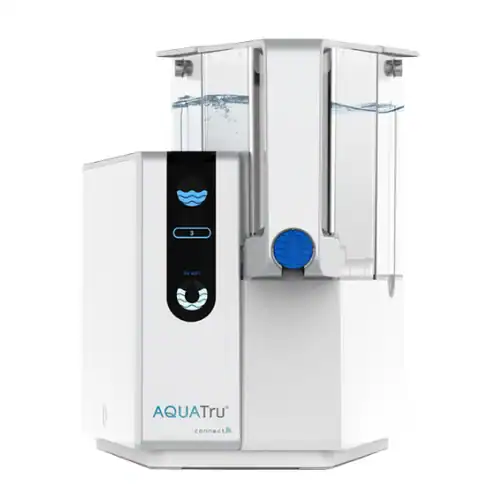
PFAS-Free Water Filter –
Aquatru
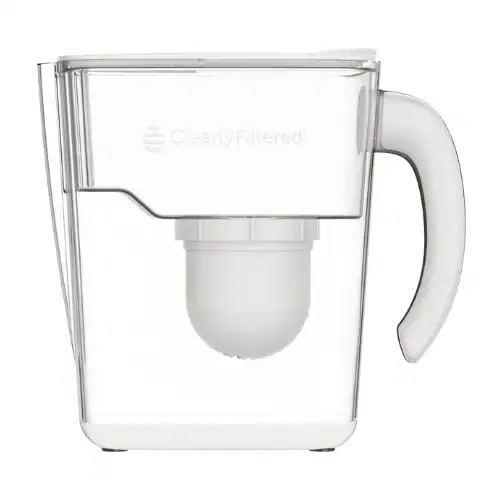
Non-Toxic Water Pitcher –
Clearly Filtered
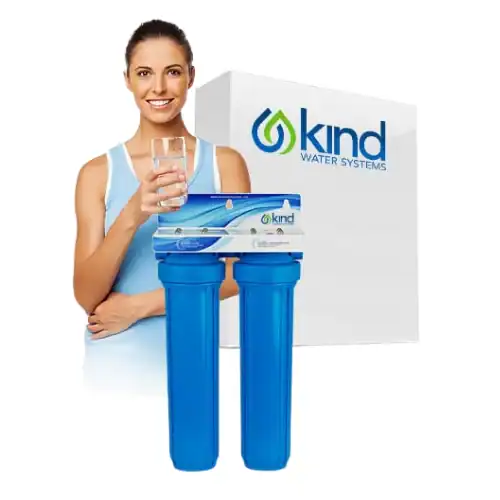
Under-Sink Water Filter –
Kind Water Systems
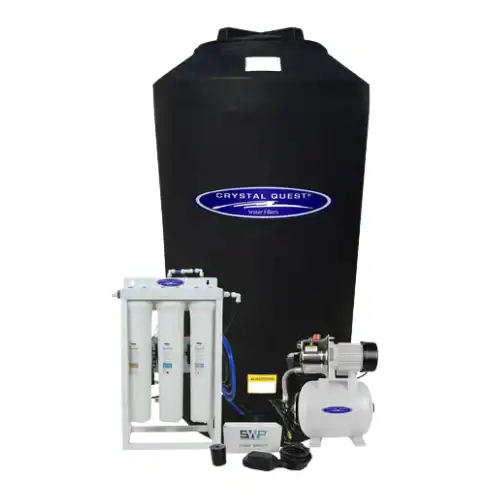
Whole House Water Filter –
Crystal Quest
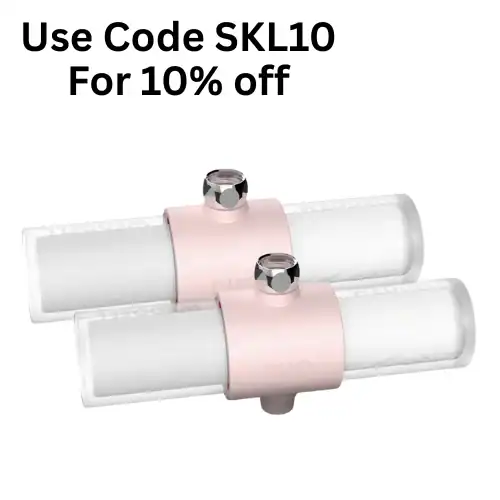
Shower Filter –
Weddell Water
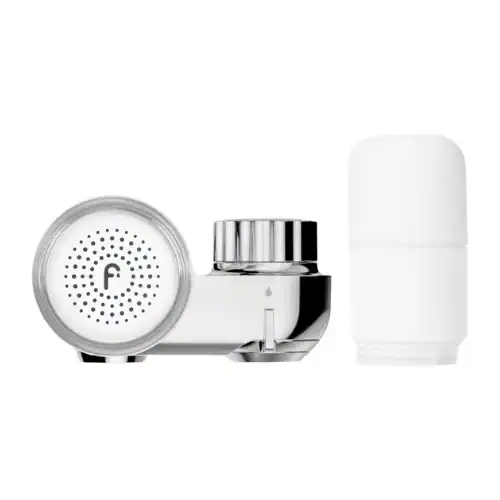
Bath Tub Filter –
Filter Baby
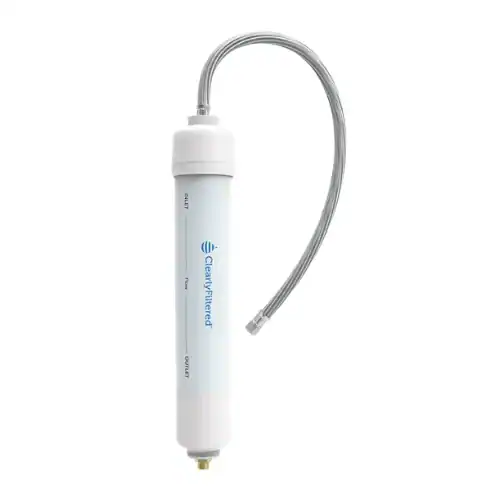
PFAS-Reducing Fridge Filter – Clearly Filtered
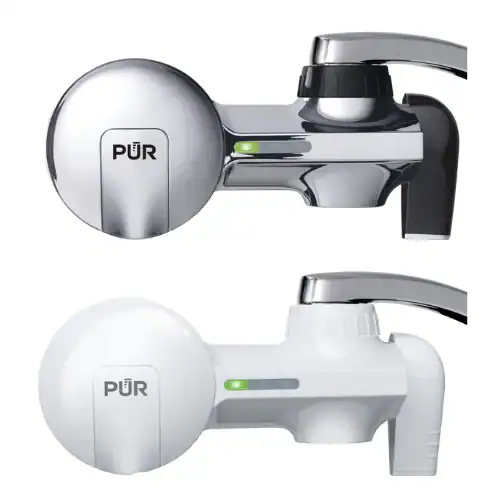
PFAS-Reducing Faucet Filter – PUR
2. Non-Toxic Cookware
The cookware we use every day has one of the biggest impacts on our long-term PFAS exposure.
Traditional nonstick pans (like PTFE/Teflon) can break down over time and release PFAS into the air and your food.
The good news? Safe cookware performs beautifully and lasts a lifetime. These are the options I trust for my own family.

Our Place
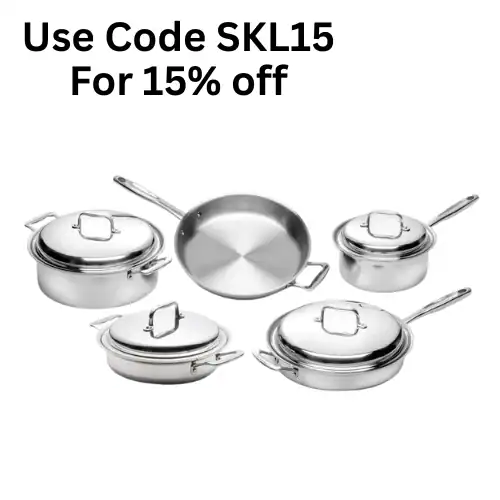
360 Cookware
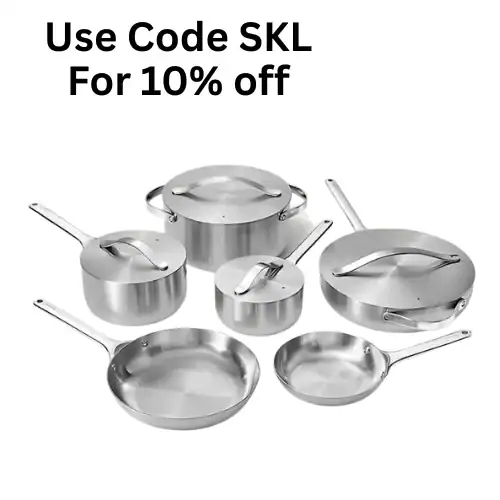
Caraway
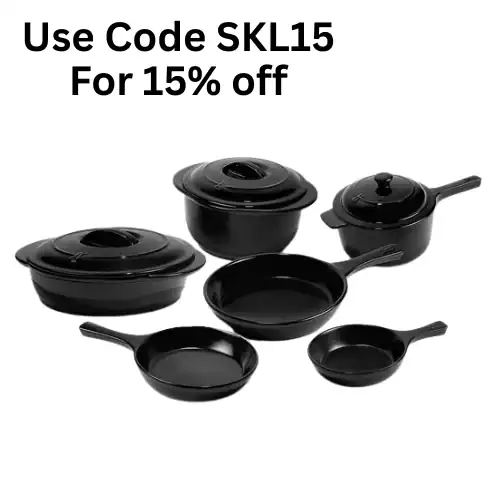
Xtrema
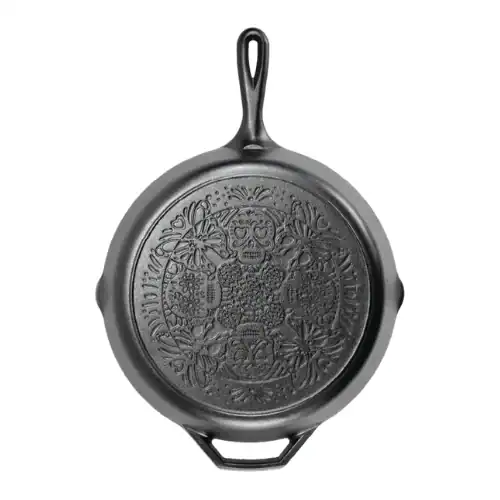
Lodge Cast Iron
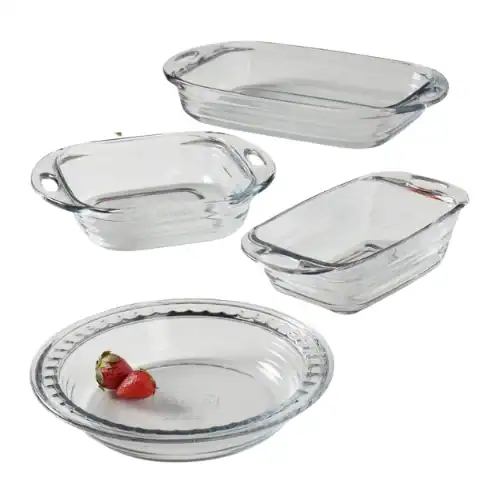
Glass Bakeware –
Anchor Hocking
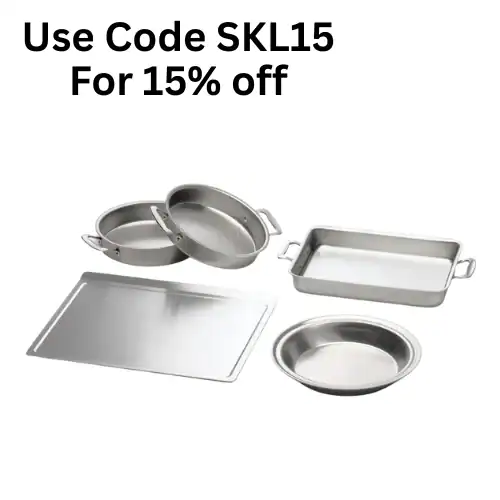
Stainless Steel Bakeware –
360 Cookware
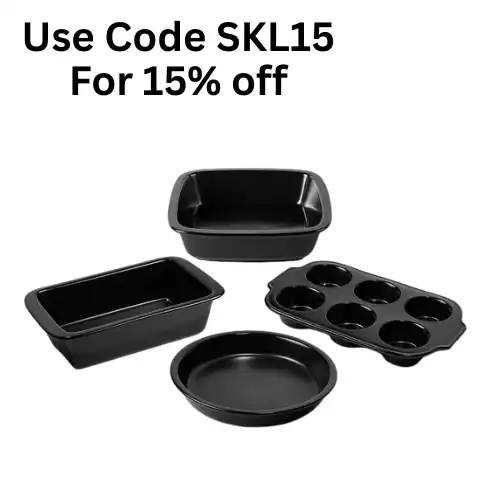
100% Ceramic Bakeware – Xtrema Cookware
Why cookware swaps matter so much:
PFAS chemicals can stay in the human body for YEARS. Some have half-lives of 2–8+ years, meaning they don’t “leave” quickly — especially with ongoing daily exposure. Reducing PFAS in your kitchen instantly lowers one of the most constant exposure points.
3. Ditch Water-Resistant Outerwear
Every “waterproof,” “weatherproof,” or “stain-resistant” coat — adult or kid — is almost always PFAS-coated.
These safer brands use alternative finishing methods to keep you warm and dry without chemical coatings.
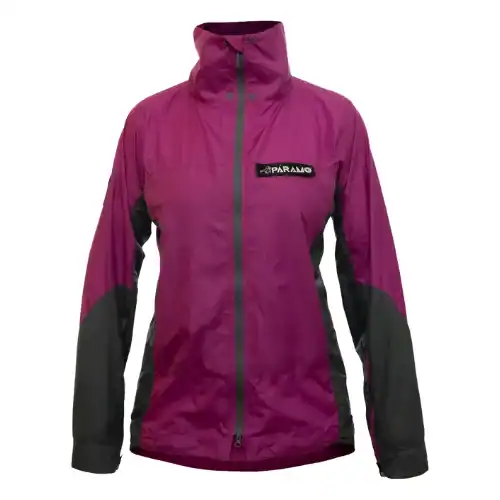
Winter Clothing For Adults –
Páramo Clothing

Winter Jackets For Adults – Wuxly

Snow Gear For Adults – Fjällräven
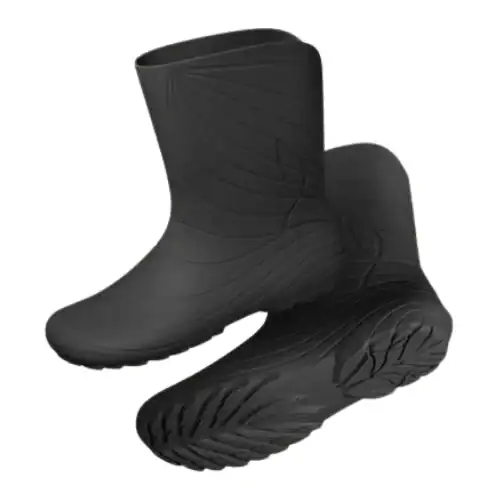
Rain Boots For Adults –
Wildling Shoes
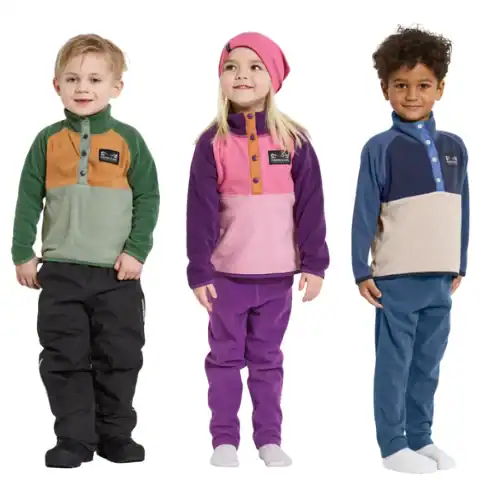
Winter Clothing For Kids – Didriksons
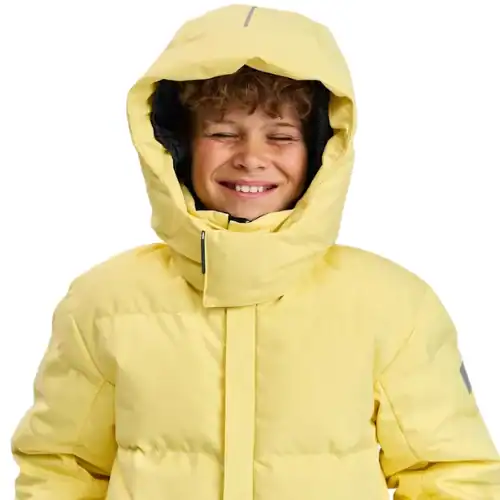
Winter Jackets For Kids – Reima
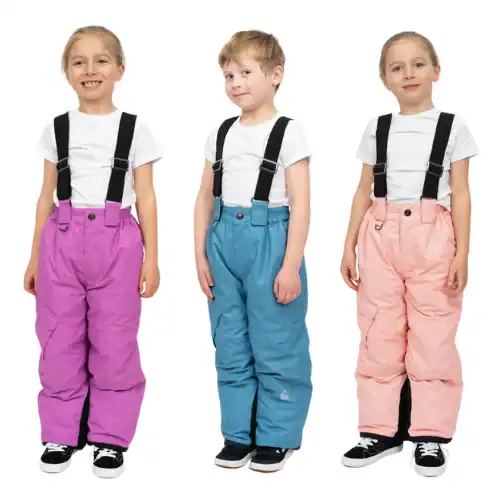
Snow Gear For Kids –
Therm Kids
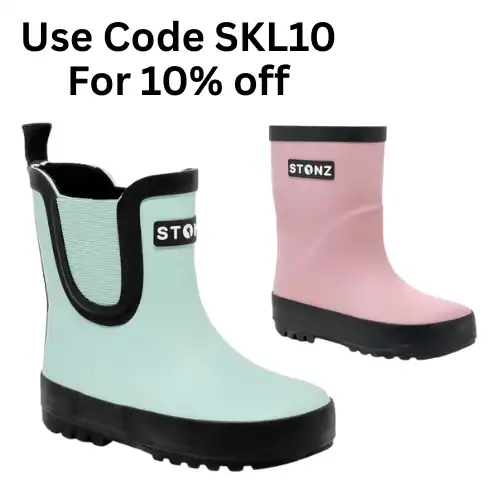
Rain Boots For Kids –
Stonz
4. Choose Safe Period Care
PFAS have been found in period underwear, pads, and tampons — especially in products marketed as “leak-proof” or “ultra-absorbent.”
These swaps are free from harmful chemicals and made with organic or medical-grade materials that support your cycle and your health.
No mystery coatings, no petroleum-based plastics — just safe, body-friendly care.
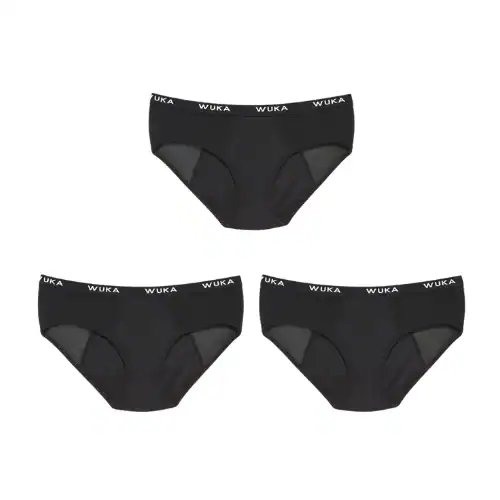
Organic Period Underwear – WUKA
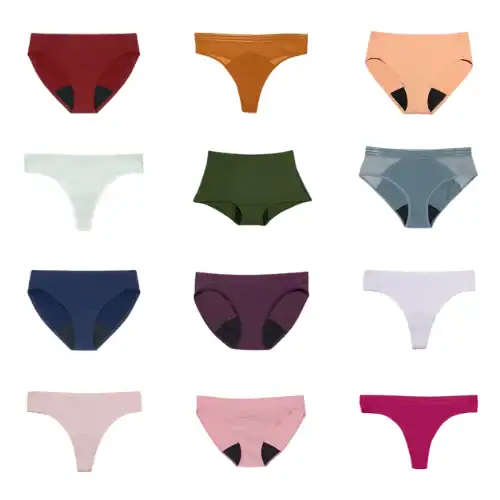
PFAS-Free Period Underwear – Saalt
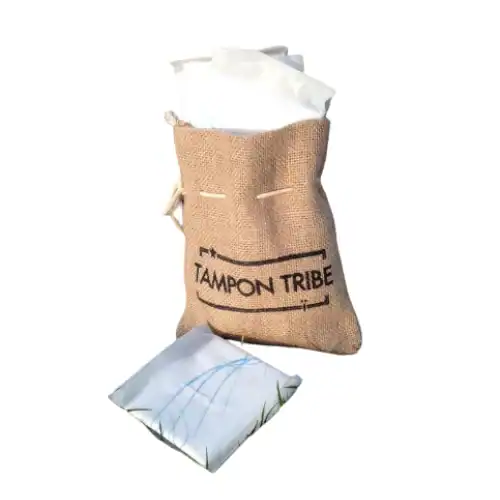
Organic Period Pads –
Tampon Tribe
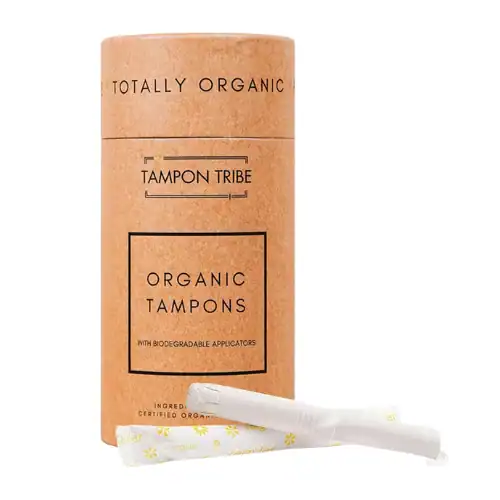
Organic Tampons –
Tampon Tribe
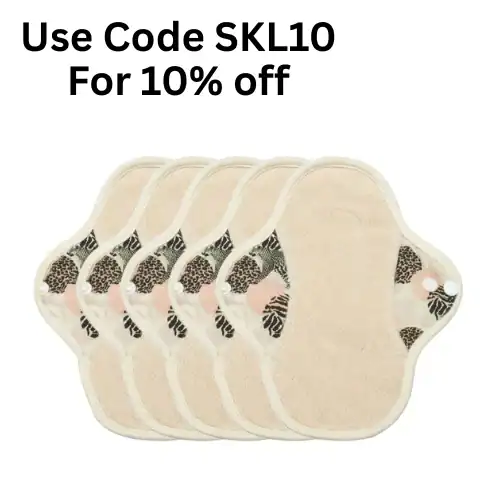
Organic Reusable Period Pads – Lucky Pads
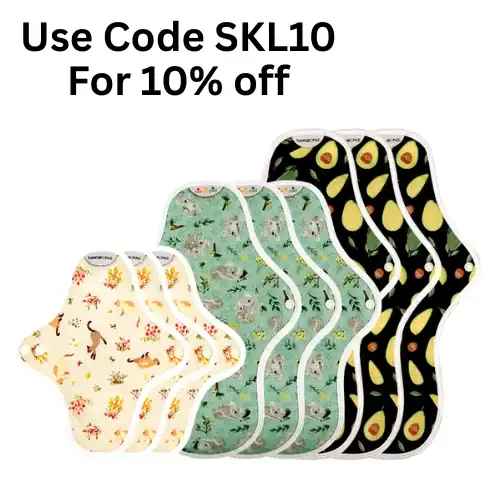
PFAS-Free Reusable Period Pads – The Brand Hannah
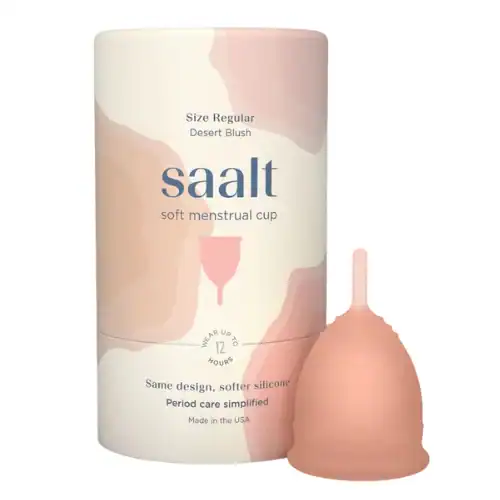
PFAS-Free Menstrual Cup –
Saalt
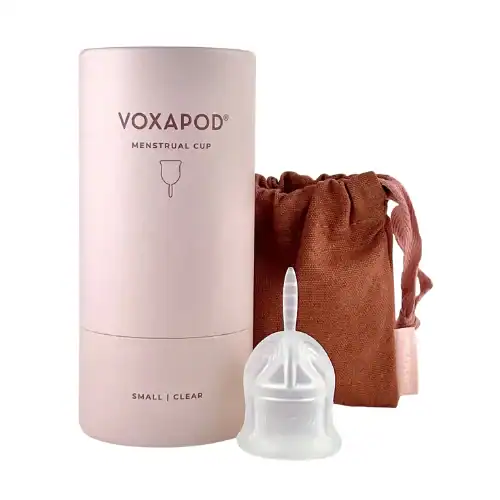
Non-Toxic Menstrual Cup –
VOXAPOD
Why “forever chemicals” is more than just a buzzword:
PFAS don’t break down in the environment at all. They resist heat, sunlight, bacteria, and normal environmental processes. Once they’re out there, they stay out there. That’s why home swaps matter so much: you’re removing what’s coming INTO your body, not trying to “detox” what’s already there.
5. Upgrade Personal Care, Staples
PFAS are intentionally added to many cosmetics and personal care products — especially waterproof mascara, long-wear foundation, and transfer-proof lip products.
And the risk isn’t only from skin absorption; lip products introduce a second route of exposure: ingestion. This is why swapping even just your daily mascara, foundation, or lip balm can meaningfully reduce PFAS exposure.
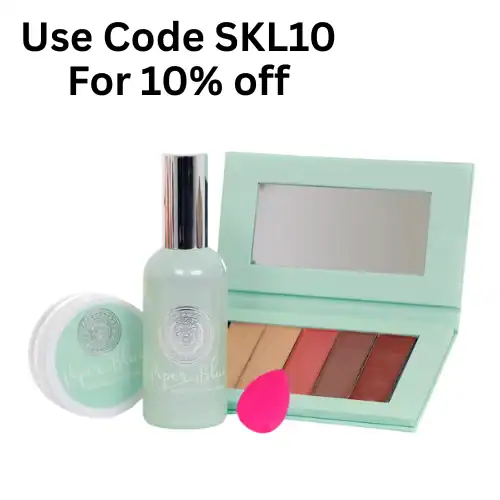
PFAS-Free Makeup – PiperBlue
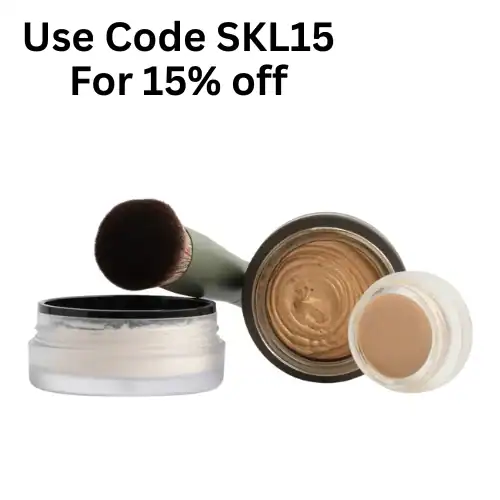
Foundation + Concealer – Araza Beauty
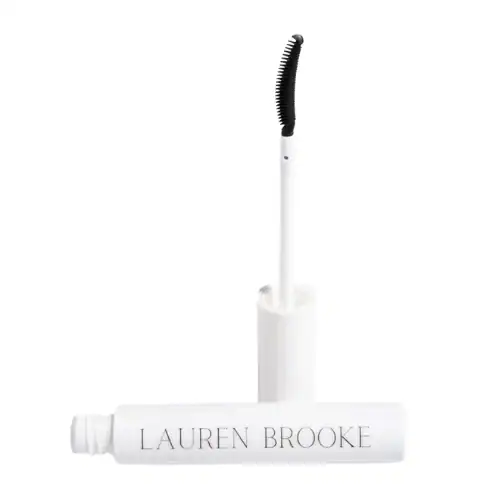
PFAS-Free Mascara –
Lauren Brooke Cosmetiques
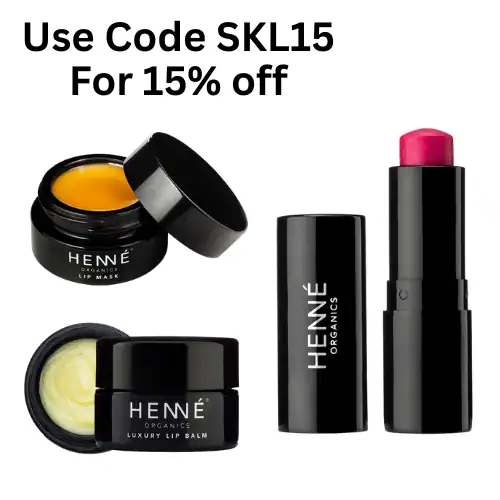
Lip Balms + Tints + Lip Colors – Henne Organics
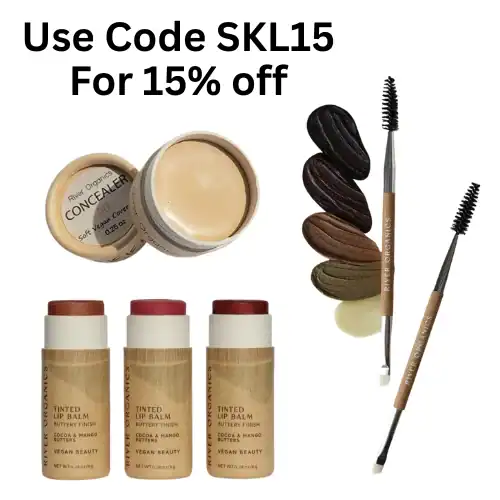
Organic Makeup –
River Organics
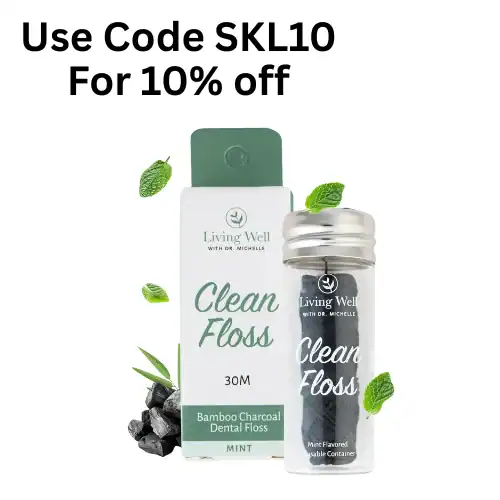
PFAS-Free Dental Floss –
Living Well
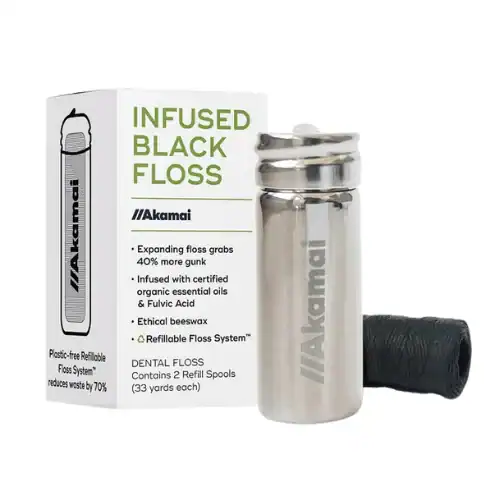
PFAS-Free Dental Floss –
Akamai
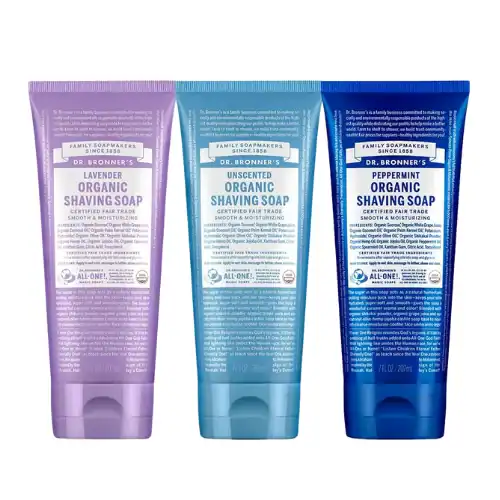
PFAS-Free Shaving Cream –
Dr. Bronners
6. Kitchen Swaps
It’s not just your pots and pans — PFAS love to hide in the tiny things we use every single day.
Utensils, cutting boards, pantry jars, tea bags, and even coffee makers can contribute to low-level exposure. These small, easy swaps make a surprisingly big difference.
***Avoid greaseproof takeout packaging & bakery liners — they’re one of the most highly contaminated PFAS sources.
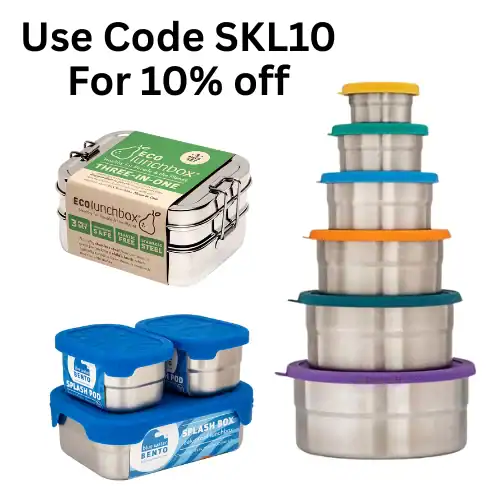
PFAS-Free Food Storage – ECOlunchbox
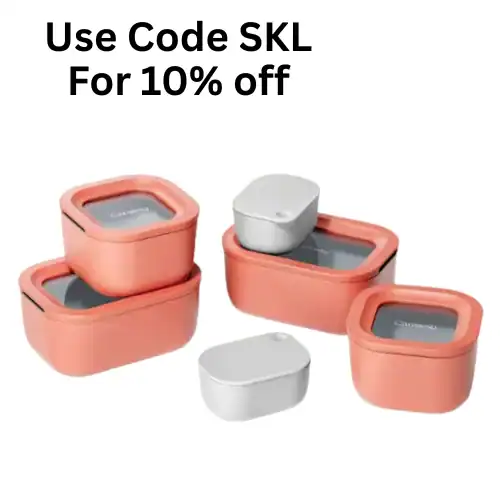
PFAS-Free Food Storage –
Caraway
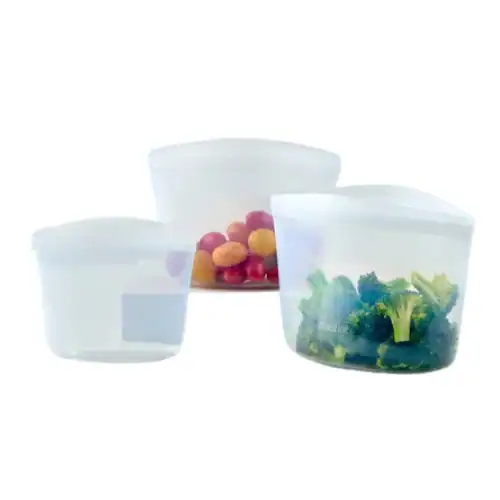
PFAS-Free Takeout Containers – Stasher
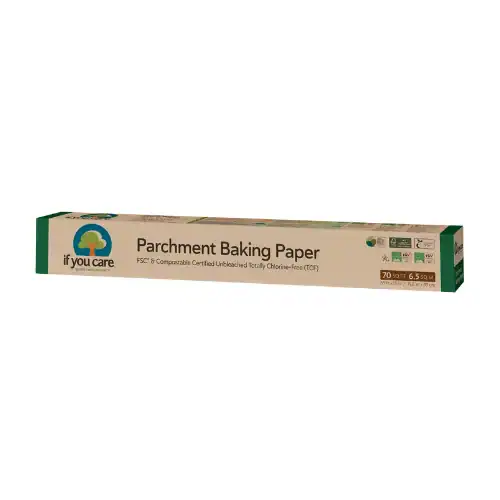
PFAS-Free Parchment + Baking Paper – If You Care

PFAS-Free Air Fryer –
Our Place
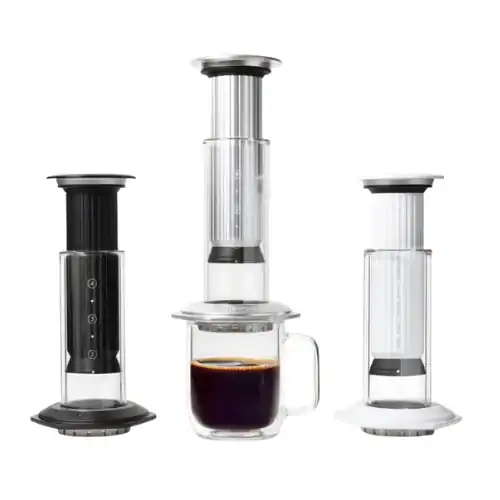
PFAS-Free Coffee Maker – Aeropress
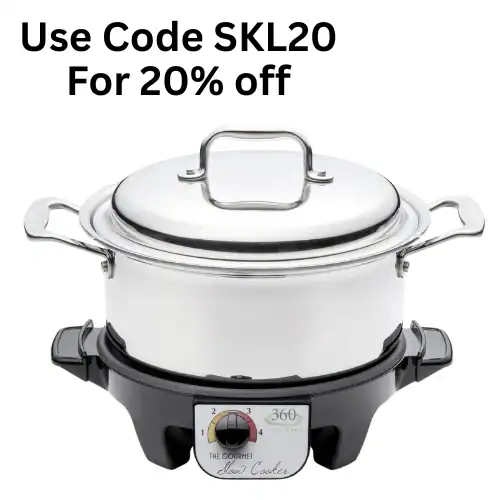
PFAS-Slow Cooker –
360 Cookware

PFAS-Free Rice Cooker –
VitaClay
Step 2: Medium Priority Swaps
1. Cleaning products with PFAS surfactants
Some mainstream and ‘greenwashed’ cleaning products contain PFAS-based surfactants or residues that build up over time. These swaps use truly non-toxic ingredients that are safe for your home, your lungs, your skin, and your water system. They work hard without exposing your family to harsh residues or forever chemicals.
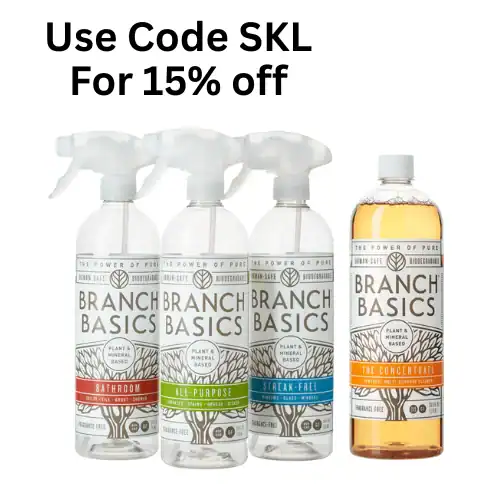
All Purpose Cleaning –
Branch Basics
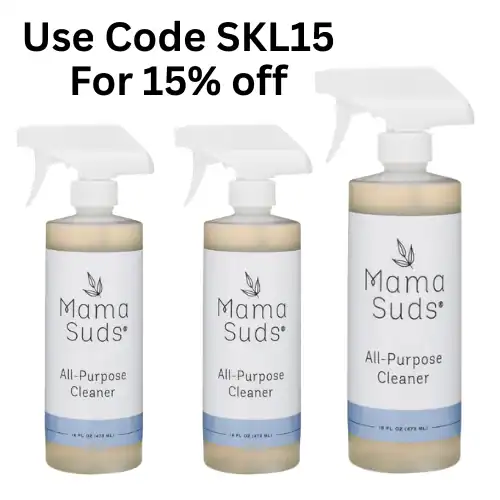
All Purpose Cleaning –
MamaSuds
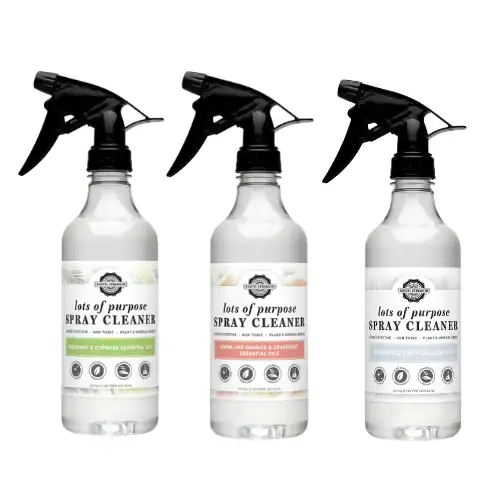
All Purpose Cleaning –
Rustic Strength
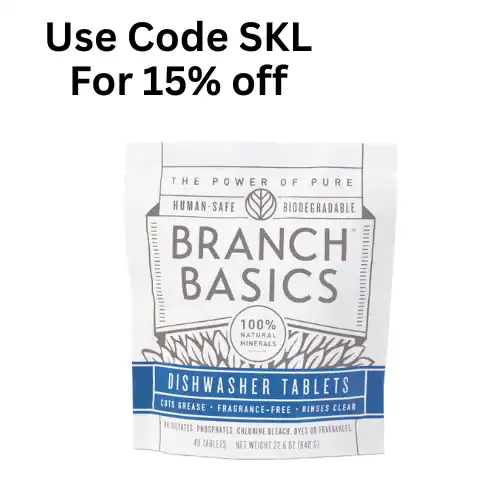
Dishwasher Tablets –
Branch Basics
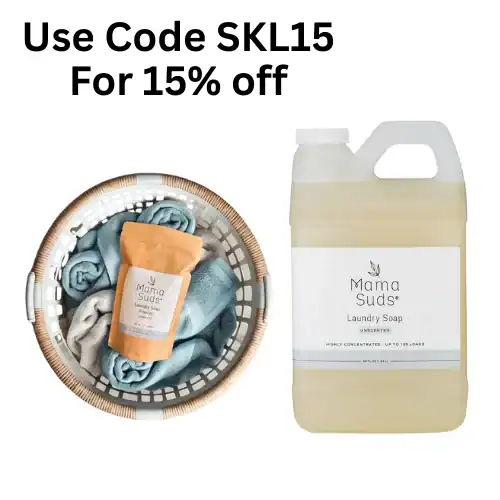
Liquid Laundry Soap –
MamaSuds
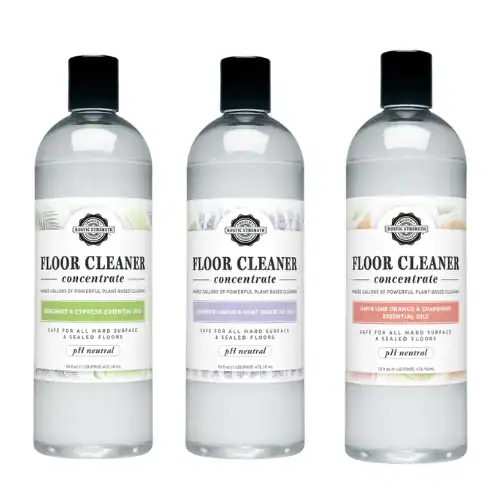
Floor Cleaner –
Rustic Strength
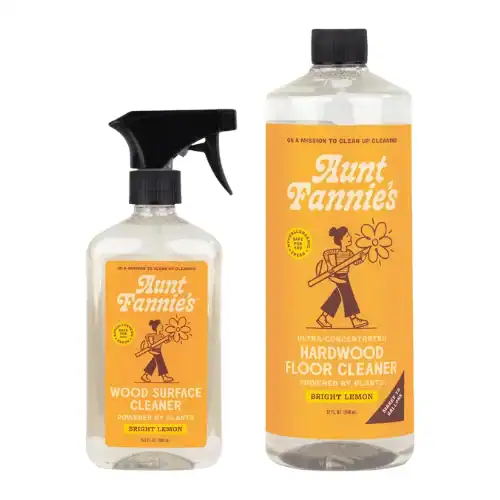
Wood Cleaner –
Aunt Fannies
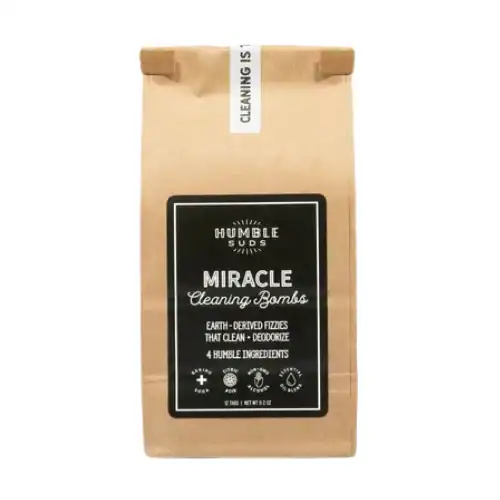
Cleaning Bombs –
Humble Suds
Did you know PFAS also cling to dust?
This is one of the most surprising findings in recent PFAS research.
Dust accumulates PFAS from:
- waterproof fabrics
- carpets
- furniture
- cleaning sprays
- cosmetics
- cookware particles
This is one more reason non-toxic cleaning swaps truly matter.
2. Home Essentials
From toilet paper and candles to mattresses and shower curtains — PFAS are hiding in plain sight.
These home swaps help reduce your daily exposure by replacing common high-risk items with cleaner, safer options made from natural or certified non-toxic materials.
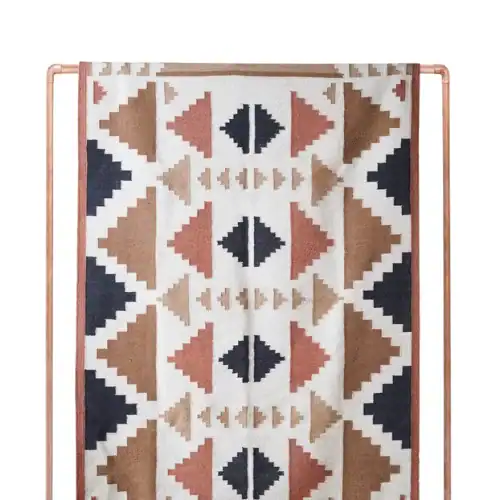
PFAS-Free Rugs –
The Citizenry
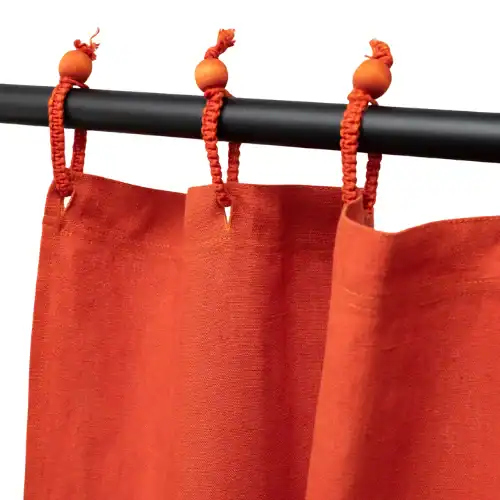
PFAS-Free Shower Curtain – Rawganique
PFAS-Free Shower Curtain Liner – Outlines
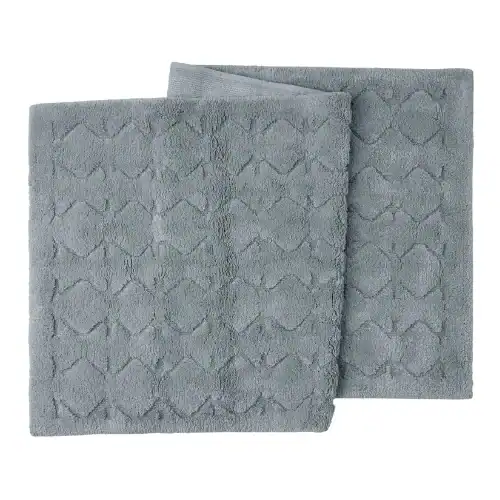
PFAS-Free Bath Mat –
Coyuchi
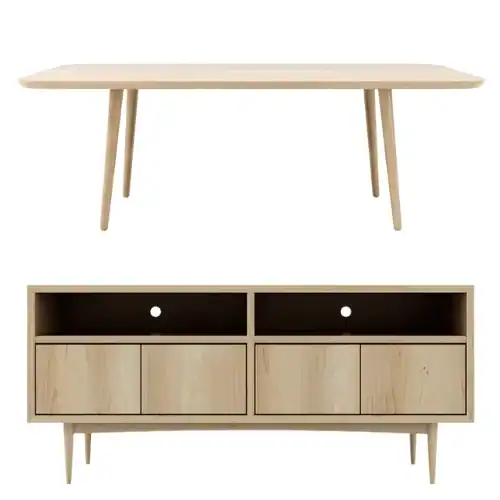
PFAS-Free Furniture –
Medley Home

PFAS- Free Sofas –
Sabai Design
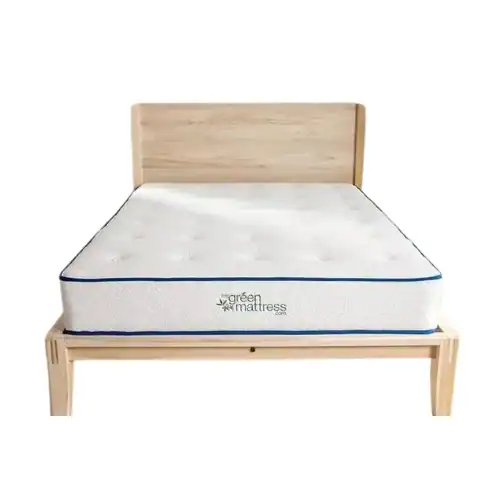
PFAS-Free Mattress –
My Green Mattress
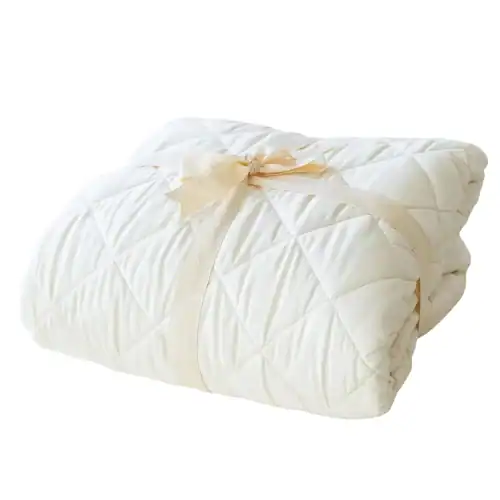
PFAS-Free Mattress Protector – Avocado
3. Kid & Baby Products
From bibs and bottles to crib mattresses and lunch gear, these everyday baby and kid essentials are often overlooked when it comes to PFAS exposure — but they matter just as much.
This collection features safe, thoughtfully designed items for little ones, all made without harmful chemicals, coatings, or plastics. Gentle on skin, safer for the body, and durable enough for life with kids.
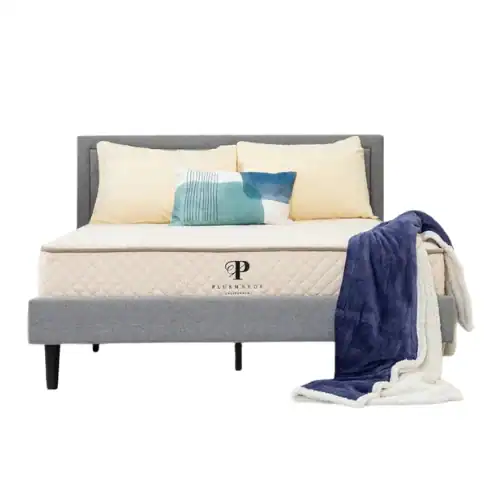
PFAS-Free Kids Mattress –
PlushBeds
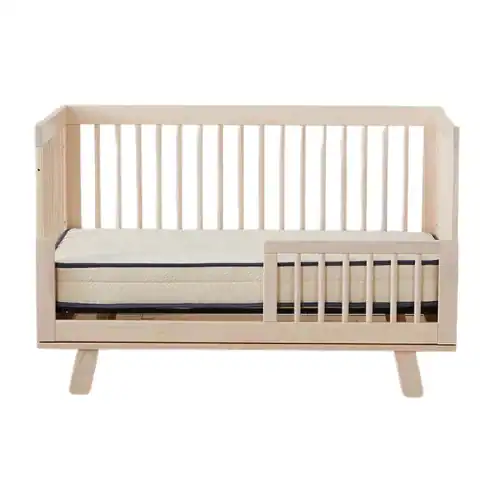
PFAS-Free Crib Mattress –
My Green Mattress
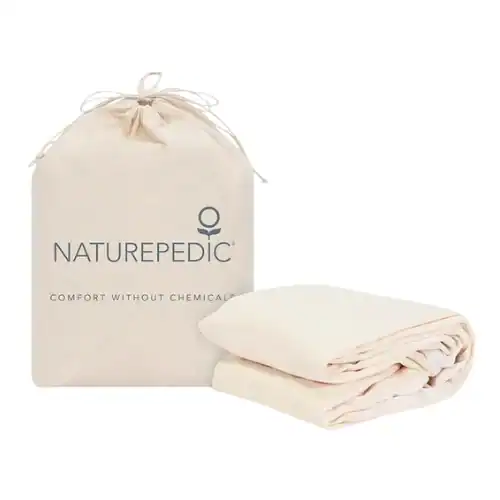
PFAS-Free Mattress Protector – Naturepedic
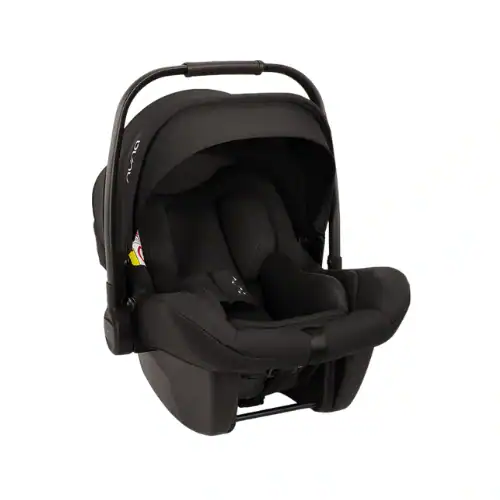
PFAS-Free Car Seats – Nuna PIPA Lite RX
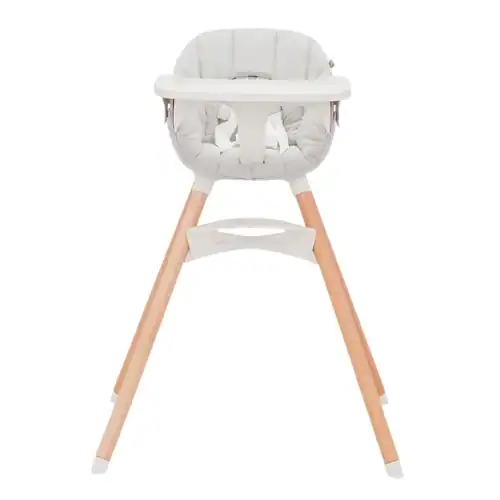
PFAS-Free High Chair –
Lalo

PFAS-Free Splash Mat – Moonkie
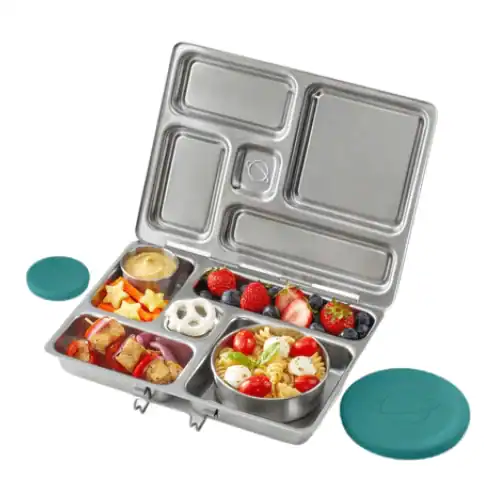
PFAS-Free Kids Lunch Gear – PlantBox
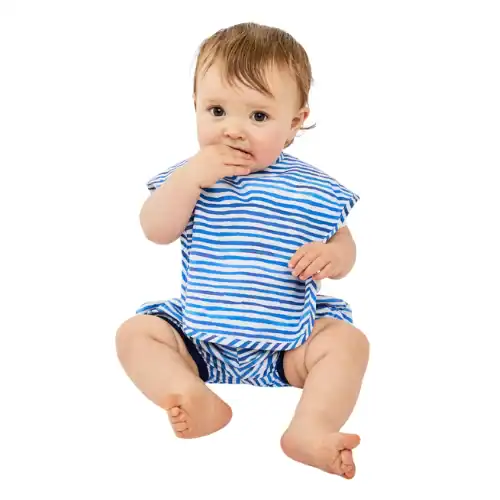
PFAS-Free Spill Proof Bibs –
Oso & Me
PFAS in kids = lifelong impact.
Early PFAS exposure may affect immune development, hormone balance, fertility, and more with impacts that can last into adulthood:
- immune function
- hormone balance
- development
- fertility later in life
- vaccine response
This is why kid swaps can be incredibly powerful.
Step 3: Low Priority Swaps
Clothing & Accessories
Many leggings, bras, and water-resistant fabrics contain PFAS-based coatings.
These brands go the extra mile to offer PFAS-free alternatives made with organic cotton, TENCEL™, and clean dyes — prioritizing comfort, ethics, and health.

PFAS Free Leggings –
Pact
PFAS-Free Activewear – Tripulse
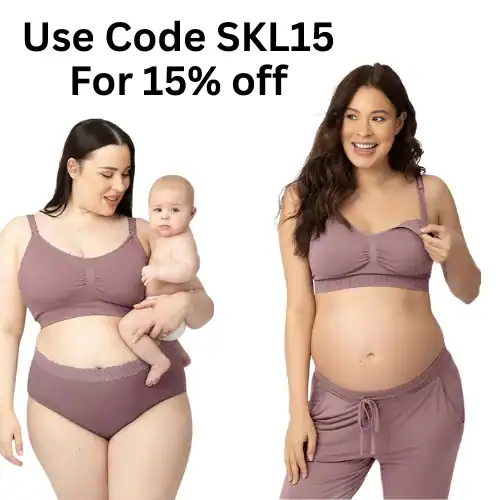
PFAS-Free Maternity Wear –
Kindred Bravely

PFAS Free Sports Bras – Cottonique
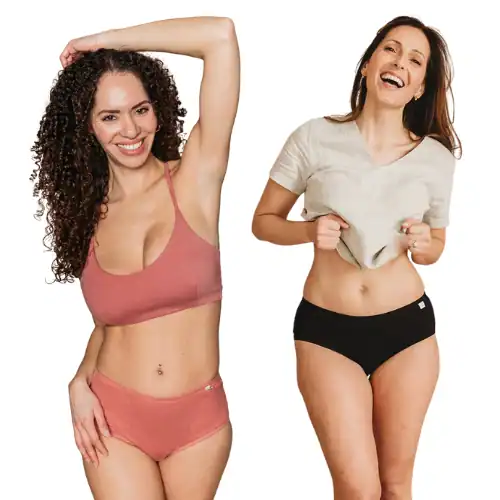
PFAS-Free Underwear –
Q for Quinn

PFAS-Free Kids Uniform –
Hanna Andersson
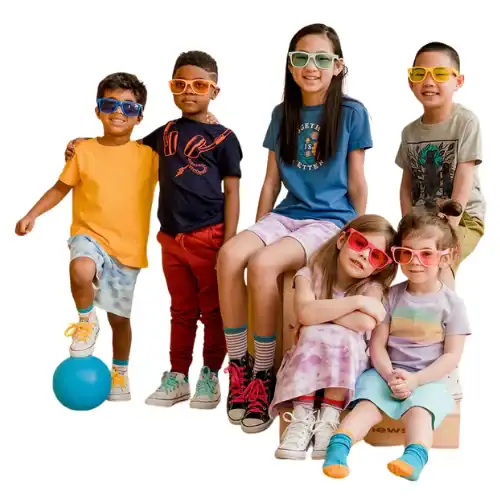
PFAS-Free School Clothes –
Mightly
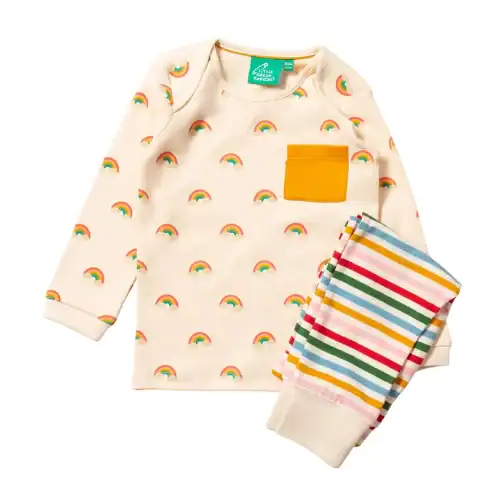
PFAS-Free Play Clothes –
Little Green Radicals
Step 4: How to Read Labels for PFAS
🚩 Red Flags (Likely to Contain PFAS)
Marketing is designed to confuse you — especially when it comes to PFAS.
Here’s how to read labels like a pro without memorizing chemical names:
- “Waterproof”
- “Water-resistant”
- “Stain-resistant”
- “Grease-proof / Grease-resistant”
- “Non-stick coating”
- “DWR” (Durable Water Repellent)
- “Performance fabric”
- “Moisture-wicking + stain protection”
- “PTFE” (common nonstick chemical)
- “Teflon®” or “Fluoropolymer coating”
- Any ingredient containing:
- fluoro-
- perfluoro-
- polyfluoro-
These are almost always PFAS-related chemicals.
🌱 Green Flags (Better Options)
These terms don’t guarantee safety 100% — but they are much more trustworthy:
- “PFAS-Free”
- “PTFE-Free”
- “Fluorine-Free”
- “PFC-Free”
- “PFOS/PFOA-Free” (still check: could contain newer PFAS)
- GOTS Certified (PFAS prohibited entirely)
- OEKO-TEX® Certified (tests for several PFAS)
When in doubt, always check the brand’s “materials” or “finish” page.
Step 5: Certifications That Actually Help
Not all certifications mean “non-toxic” — but a few really do move the needle.
Textile & Clothing Certifications
GOTS (Global Organic Textile Standard)
- One of the strongest certifications
- Bans all fluorinated chemicals (including PFAS)
- Excellent for clothing, bedding, and baby products
OEKO-TEX® STANDARD 100
- Tests finished fabrics for certain PFAS
- Great for sheets, clothing, kids’ items
- Look for MADE IN GREEN for higher oversight
Water Filter Certifications
PFAS water filters need specific testing — look for:
NSF/ANSI P473
- Independently certifies reduction of PFOA + PFOS
- The gold standard for PFAS filtration
NSF/ANSI 53 or 58
- For activated carbon or reverse osmosis systems
- Indicates strong contaminant-reduction performance
🧴 Cleaning & Personal Care Certification
GreenScreen Certified
- Screens products for PFAS + other harmful chemicals
- Great for cleaning sprays and household products
At this point, you’ve learned where PFAS hide, how to avoid them, and the simple swaps that make the biggest difference. Now let’s wrap it all together.
Step 6: You’ve Got This — And I’m Right Here With You
Reducing PFAS isn’t about doing everything, flipping your whole home upside down, or spending a ton of money.
It’s about choosing the swaps that matter most — the ones your family touches, uses, and eats from every single day.
You’re already doing something incredible just by being here and learning.
Every small step makes your home safer, calmer, and more intentional.
And I’m right here with you — swap by swap, room by room, at a pace that feels right for your family.
We’re in this together.