 Shop My Favorite Non-Toxic Gifts Of 2026!
SKL is reader supported. When you buy through links on our site, we may earn affiliate commission. Learn more here.
If you had told me 10 years ago that I’d spend months researching, testing, and writing about the best non-toxic toilet paper, I probably would have laughed.
Toilet paper is one of those products most people never stop to question.
It’s paper. It’s basic. It should be safe by default.
But toilet paper sits in a category where material sourcing, bleaching processes, and manufacturing decisions are largely invisible to the consumer. And that invisibility is exactly what makes it worth paying attention to.
SKL Top Picks, At A Glance…
- Best For Maximum Softness & Comfort: Reel Products
- Best For Higher Sheet Count & Everyday Practical Use: Grove Collaborative
August 2026 Update: We’ve removed Who Gives A Crap from our recommended non-toxic toilet paper brands. Independent testing detected organic fluorine in its bamboo toilet paper, which can be an indicator of PFAS, and the company has since acknowledged finding trace amounts of organic fluorine through its own testing. While Who Gives A Crap states that it does not intentionally add PFAS, we’re choosing not to recommend the brand in this guide while questions around potential PFAS contamination remain.
When people start looking into non-toxic toilet paper, it’s rarely just about sustainability.
The bigger question is usually much simpler: what’s actually in it, and what’s intentionally left out?
Toilet paper is used every day on some of the most sensitive skin on the body, so materials and processing matter.
That’s why this guide starts with safety first. Eco-friendly, bamboo, and recycled toilet paper are all evaluated through that lens, not the other way around.
Best Non-Toxic Toilet Paper: At a Glance Comparison
Mobile Users: Scroll to see full comparison →
| Brand | Best For | Materials | Price (Per Roll) | Key Standout |
|---|---|---|---|---|
| Reel Products | Premium softness toilet paper | Bamboo | 3-Ply | FSC®-Certified | $1.73+ | Softest-feeling bamboo option that closely mimics conventional premium toilet paper |
| Grove Collaborative | Low-tox household system Toilet Paper | Bamboo | 3-Ply | FSC®-Certified | $1.25+ | High transparency + 400-sheet rolls for longer use per roll |
Why Non-Toxic Toilet Paper Matters
Toilet paper is used directly on some of the most sensitive skin on the body, multiple times a day, which is why material quality and processing are more relevant than most people initially consider.
The concern is not about a single ingredient, but about what can accumulate through repeated exposure to low-level residues from manufacturing processes such as bleaching, fragrance additives, and processing aids.
While these are typically present in small amounts, they matter more in a product used so frequently and so close to the skin.
There is also a broader environmental impact that becomes significant at scale. Toilet paper relies heavily on virgin pulp, water, and chemical processing, meaning everyday purchasing decisions have a compounding effect on resource use and forest demand.
How I Chose These Non-Toxic Toilet Paper Brands
I have been researching non-toxic toilet paper for going on 8 years now, and over that time, I have seen a lot of brands position themselves as “eco-friendly” or “clean” without making meaningful changes to materials or manufacturing transparency.
For this guide, I only included non-toxic toilet paper brands that demonstrate consistent material disclosure, clear fiber sourcing, and minimal unnecessary processing.
That includes whether they use bamboo toilet paper or recycled toilet paper, how they handle bleaching and refinement, and whether they avoid common additives like fragrances, dyes, and synthetic treatments.
Beyond materials, I also looked at real-world usability: softness, strength, sheet count per roll, and whether the toilet paper actually performs like a conventional option without feeling like a downgrade.
If a brand lacked transparency or relied heavily on vague eco-friendly toilet paper marketing without clear material disclosure, it was not included.
These are still the only brands I feel comfortable recommending after years of testing, research, and comparison.
Best Non-Toxic Toilet Paper Brands (Bamboo & Recycled Options We Trust)
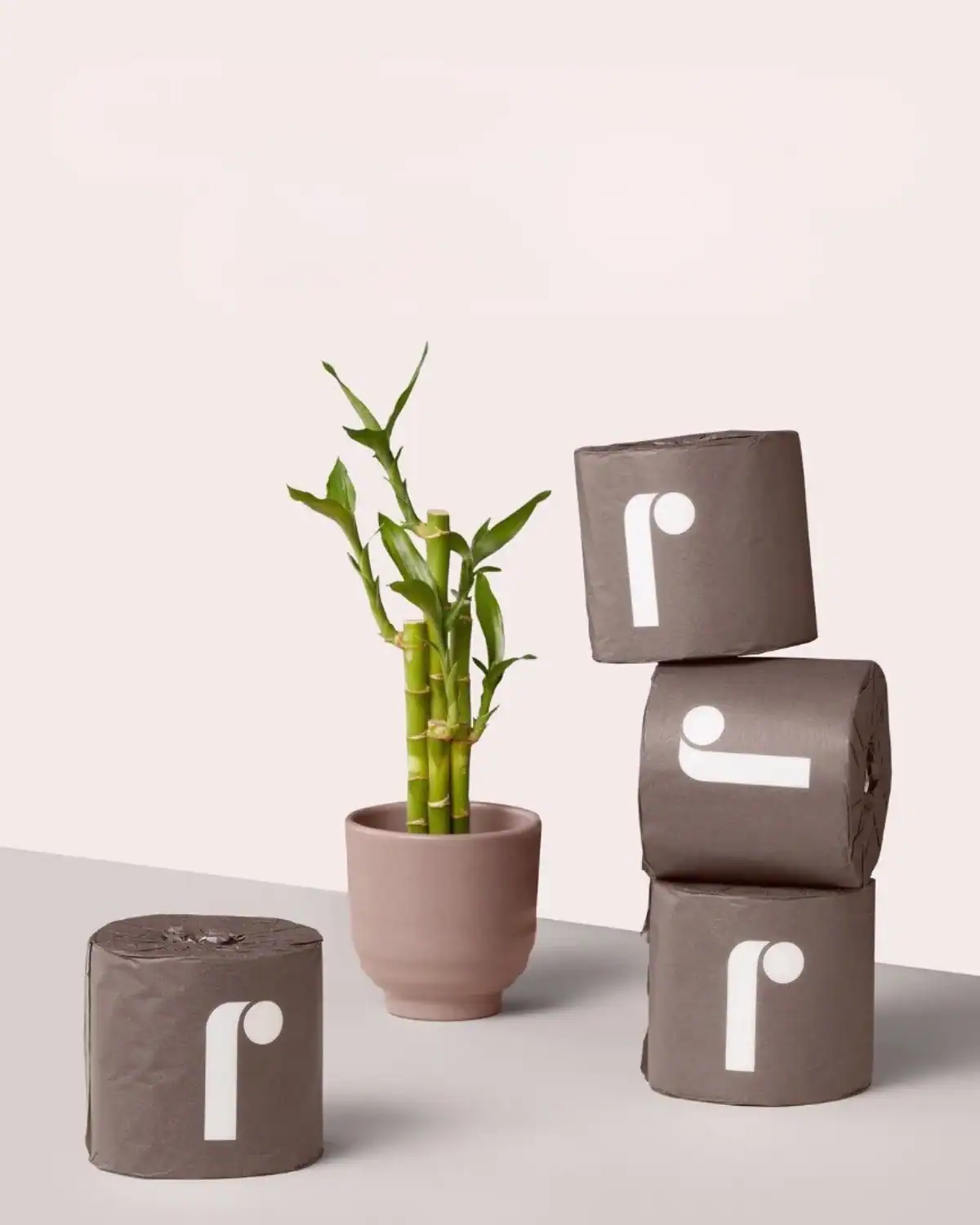
Reel Products is the strongest option for anyone specifically looking for bamboo toilet paper that feels soft, smooth, and more closely resembles conventional premium toilet paper in texture.
Where it stands out is in its focus on comfort without moving away from bamboo as a primary fiber source.
Many bamboo toilet papers can feel slightly textured or rigid depending on processing, but Reel Products is positioned toward a more refined, household-friendly feel that works well for everyday use across the whole family.
This is best for people who want a bamboo toilet paper option that does not feel like a compromise in softness or usability.
Price
$27.99 for 12 ($2.33 per roll) | $43.99 for 24 ($1.83 per roll) | $82.99 for 48 ($1.73 per roll)
Materials
Bamboo | 3-Ply Construction | FSC®-Certified
Location/Shipping
United States
Related Reading: Building a Low-Tox Home
If you’re starting to question what’s in everyday household products, it can help to zoom out beyond just toilet paper.
👉🏼 Non-Toxic Living For Beginners: A simple guide to understanding where to start, what actually matters, and how to make low-tox swaps without overwhelm.
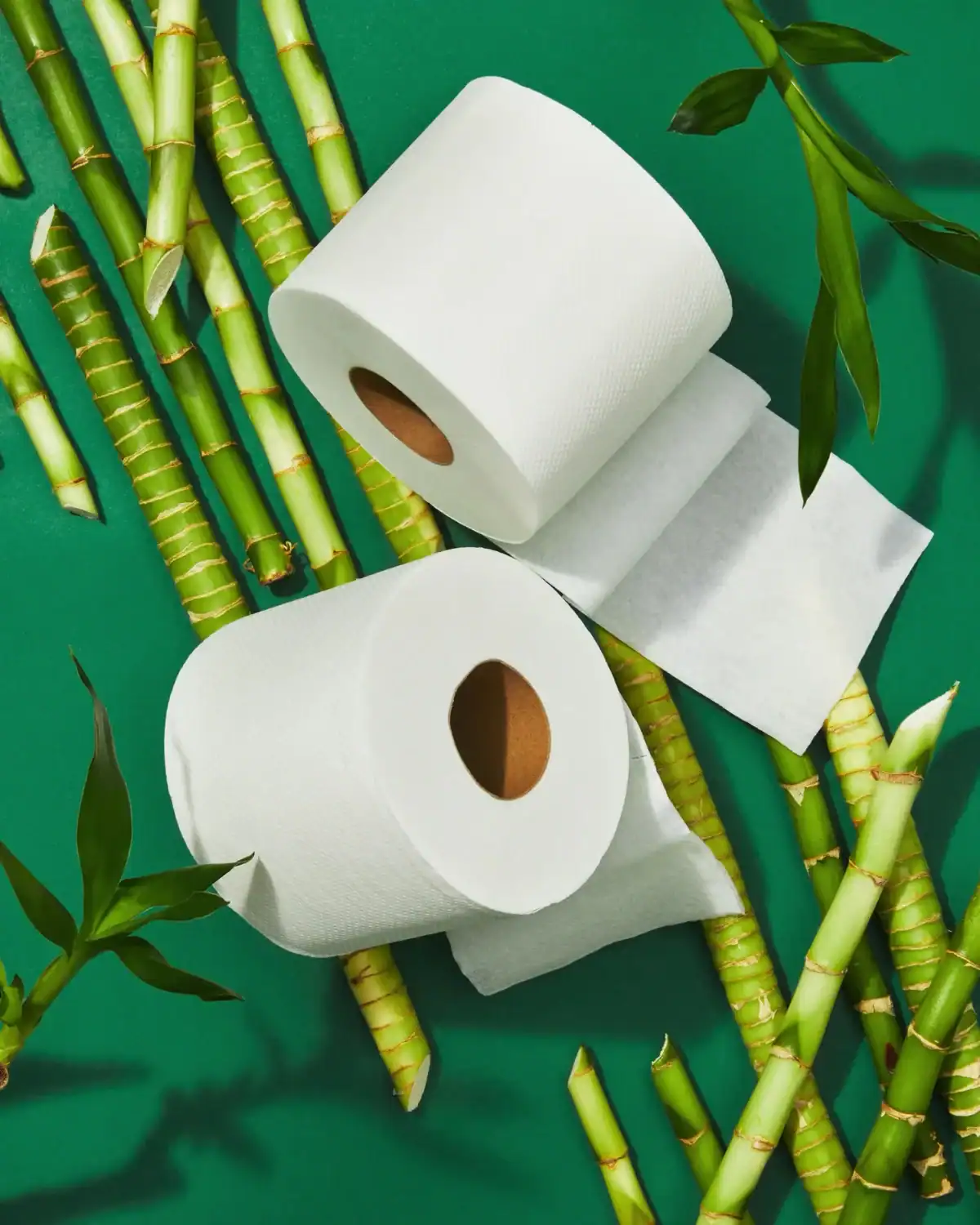
Grove Collaborative is less about being the most specialized toilet paper option and more about offering a convenient entry point into bamboo-based household products.
Its toilet paper fits into a broader ecosystem of non-toxic home essentials, which makes it appealing for people who prefer to simplify shopping across multiple categories like cleaning, paper goods, and personal care.
The value here is not niche differentiation, but ease of access and consistent replenishment through subscription.
This works best for households that want a simple, low-effort way to maintain eco-friendly toilet paper as part of a larger routine.
Price
$10.49 for 8 ($1.31 per roll) | $22.99 for 18 ($1.28 per roll) | $29.99 for 24 ($1.25 per roll)
Materials
Bamboo | 3-Ply Construction | FSC®-Certified
Location/Shipping
United States
Toxic Chemicals Hiding In Toilet Paper
Toilet paper may appear simple, but the manufacturing process can introduce a range of chemical treatments and finishing agents that are not visible on packaging.
Bleaching Processes & Whitening Agents
One of the most common steps in toilet paper production is bleaching, which is used to achieve a bright white appearance.
Depending on the brand, this can involve chlorine-based processes or chlorine-free alternatives such as ECF (elemental chlorine-free) or TCF (totally chlorine-free) methods.
While modern systems have reduced harsher chlorine use, bleaching remains one of the most chemically intensive stages of production, with environmental impact depending on how byproducts are managed.
Fragrances, Dyes & Aesthetic Additives
Some toilet papers include added fragrances, dyes, or printed inks, usually for sensory or branding purposes rather than functional need.
Fragrance compounds are among the most common triggers for irritation in personal care products, particularly for individuals with sensitive or reactive skin.
Processing Aids & Manufacturing Residues
Beyond visible additives, manufacturing can involve processing aids such as binders, strength enhancers, or softening agents used during production.
These are typically present in very small amounts and are rarely disclosed in detail, contributing to the overall lack of transparency in the category.
Safer Materials To Look For In Non-Toxic Toilet Paper
When choosing non-toxic toilet paper, the material used as the base fiber is one of the most important factors.
It influences not only environmental impact, but also how much chemical processing is typically required to achieve softness, strength, and durability.
Bamboo Fiber
Bamboo is one of the most widely used alternatives to conventional tree pulp because it is fast-growing, highly renewable, and requires fewer agricultural inputs.
It is naturally strong, which allows manufacturers to produce soft, multi-ply toilet paper without relying as heavily on chemical strengthening agents.
However, bamboo toilet paper is not automatically non-toxic or low-impact. Processing methods still vary widely, and bleaching or fiber processing can differ significantly between brands.
Recycled Paper
Recycled toilet paper is made from post-consumer paper waste, reducing demand for virgin tree pulp and helping divert material from landfill streams.
In many cases, it can be one of the most resource-efficient options available. The key variable is processing.
Depending on the manufacturer, recycled fibers may undergo de-inking, cleaning, and additional whitening steps, all of which influence final product quality and environmental footprint.
Unbleached or Minimally Processed Paper
Some toilet paper options avoid aggressive whitening or heavy refinement processes altogether, resulting in a more natural off-white appearance.
These products typically prioritize fiber integrity over visual brightness.
While they may look less “refined,” they often signal a simpler manufacturing process with fewer finishing treatments, which can be preferable for those prioritizing minimal processing.
Certifications That Actually Matter For Non-Toxic Toilet Paper
Certifications help narrow down options, but they typically only reflect specific parts of production rather than the full picture of ingredients or processing methods.
FSC® (Forest Stewardship Council) Certification
FSC® certification is one of the most common labels you will see on eco-friendly toilet paper. It indicates that the paper comes from responsibly managed forests or recycled sources.
While it is a helpful baseline for understanding sourcing practices, FSC® does not guarantee how the product was processed, bleached, or whether additional additives were used during manufacturing.
Recycled Content Standards
Some toilet paper brands highlight post-consumer recycled content, which indicates how much of the product comes from previously used paper materials rather than virgin pulp.
This can be a strong indicator of reduced environmental impact, although the quality of recycling processes and chemical treatments can still vary significantly between manufacturers.
Chlorine-Free Processing Claims (ECF & TCF)
Many non-toxic toilet paper brands highlight chlorine-free bleaching methods such as elemental chlorine-free (ECF) or totally chlorine-free (TCF) processing.
These labels refer specifically to how the paper is whitened during production.
While they represent a move away from older chlorine bleaching methods, they do not provide a complete picture of overall product safety or ingredient transparency.
Why Certifications Are Only Part of the Picture
Certifications can help narrow down options, but they do not replace full material transparency.
Many labels focus on sourcing or single stages of production, while still leaving gaps around additives, processing aids, and finishing treatments.
This is why ingredient disclosure and manufacturing transparency matter just as much as certification logos when evaluating non-toxic toilet paper.
Want To Use Less Toilet Paper? Try A Bidet System
A growing number of people are reducing how much toilet paper they use altogether by switching to bidet systems.
Instead of relying entirely on paper, a bidet uses water for cleaning, which naturally reduces the amount of wiping required in the first place.
For most households, this does not mean eliminating toilet paper completely, but rather significantly reducing usage and reserving paper mainly for drying.
Many people who switch still keep a small amount of high-quality, unbleached toilet paper on hand, but find they use far less overall.
One of the most well-known options in this space is Tushy, which offers simple bidet attachments designed to fit most standard toilets without major installation or plumbing changes.
👉🏼 If you’re thinking about making the switch, be sure to check out our complete guide to the best bidet brands!
We break down the top options, what features are actually worth it, and how to choose a bidet that fits your home, lifestyle, and budget.
Bidets are not a replacement for choosing better toilet paper, but they are one of the most effective ways to reduce overall exposure to paper-based products while also lowering household consumption.
Frequently Asked Questions About Non-Toxic Toilet Paper
Most toilet paper is not considered toxic in the traditional sense, but some conventional and eco-friendly options may include processing residues, bleaching byproducts, or additives like fragrances and dyes.
These are not always disclosed on packaging, which is why many people prefer more transparent, non-toxic toilet paper brands.
The safest toilet paper is typically made from bamboo or recycled paper with minimal processing and no added fragrances or dyes.
Brands that are transparent about sourcing and avoid unnecessary chemical treatments are generally preferred in non-toxic households.
Bamboo toilet paper is often considered a more sustainable option because bamboo grows quickly and requires fewer resources than traditional tree pulp.
However, quality varies depending on processing methods, so not all bamboo toilet paper is automatically more eco-friendly or non-toxic.
Some toilet paper may contain chemicals used during bleaching, whitening, strengthening, softening, or finishing processes during manufacturing.
Depending on the brand, this can include chlorine-based bleaching systems, fragrances, dyes, binders, or other processing aids that are not always clearly disclosed on packaging.
While these are typically present in small amounts, they are part of why many people choose non-toxic toilet paper options with simpler ingredient profiles.
Many people choose to avoid ingredients and processing additives like fragrances, dyes, optical brighteners, synthetic softening agents, and heavily processed bleaching chemicals commonly used during toilet paper manufacturing.
These ingredients are not necessary for function and are more commonly associated with irritation in sensitive individuals.
Recycled toilet paper is generally considered safe for everyday use and is often chosen for its lower environmental impact.
The main difference lies in processing methods, which can vary between brands in terms of cleaning and de-inking practices.
Most toilet paper is white due to bleaching processes used during manufacturing.
These processes improve appearance but are not required for performance and can vary in intensity depending on the brand.
Some individuals may experience irritation from fragrances, dyes, or processing residues in certain toilet papers.
This is more common in people with sensitive skin or when products are used frequently throughout the day.
Certifications like FSC® can indicate responsible sourcing of materials, while others may reflect recycled content or chlorine-free processing.
However, certifications do not always guarantee full ingredient transparency or low-tox processing.
Bidets can reduce the need for toilet paper by using water for cleaning, which many people find gentler and more efficient.
Most households that switch still use a small amount of toilet paper for drying, but overall usage is typically reduced.
Still Deciding?
- Best For A Noticeably Softer, More Premium Everyday Feel: Reel Products
- Best For Household Convenience & Long-Lasting Rolls: Grove Collaborative
Final Thoughts on Non-Toxic Toilet Paper
Toilet paper is one of the most overlooked products in the home, yet it is also one of the few that comes into direct contact with sensitive skin every single day.
Once you understand how much variation exists in sourcing, bleaching, and manufacturing, it becomes easier to see why not all toilet paper is created equal.
The goal of this guide is not to overcomplicate something simple, but to make it easier to choose non-toxic toilet paper options that prioritize transparency, safer materials, and more responsible production.
Whether that means switching to bamboo toilet paper, recycled toilet paper, or simply choosing brands with fewer unnecessary additives, even small changes can make a meaningful difference over time.
At the end of the day, the best choice is the one that aligns with both your comfort and your standards for what should and should not be in a product used this often.
Continue Your Low-Tox Personal Care Journey
If you are starting to rethink what is in your bathroom and personal care routine, these guides can help you build a more intentional and lower-tox setup across everyday essentials:
- Non-Toxic Period Underwear Brands: Period underwear made with safer fabrics and fewer chemical treatments, designed for comfort and everyday wear.
- Safer Tampons Without Fragrance or Harsh Chemicals: Cleaner tampon options without added fragrance, dyes, or unnecessary processing ingredients.
- Organic Cotton Underwear Brands: Breathable everyday underwear made with organic cotton and simpler, lower-toxic material choices.
- Non-Toxic Skincare Brands: Skincare products focused on fewer irritants, simpler formulations, and more transparent ingredient sourcing.
A lot of personal care products still rely on synthetic fabrics, fragrance, dyes, and processing agents that most people never think twice about.
Making a few intentional swaps can reduce overall exposure and help create a more comfortable daily routine, especially for those with sensitive skin or recurring irritation.
📌 Save This Guide For Later
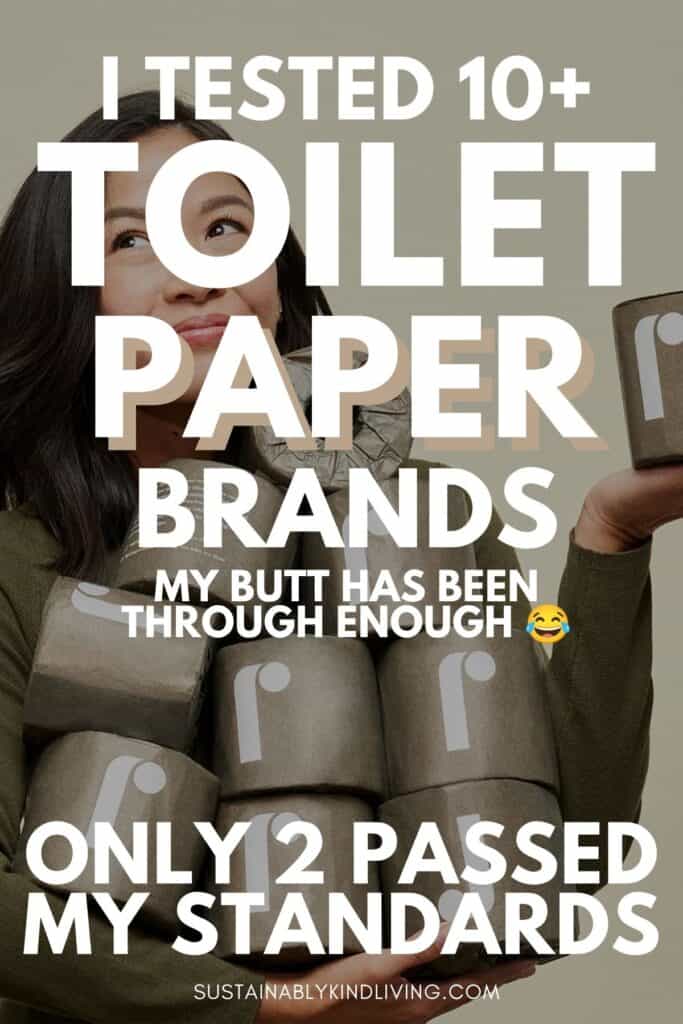
Save this guide for the next time you’re shopping for toilet paper and trying to figure out which brands are actually free from harsh chemicals, fragrances, bleach, PFAS, and unnecessary additives.
Sources & Further Reading
For readers who want to go deeper into how toilet paper is produced, where materials come from, and how bleaching and fiber sourcing impact both health and the environment, these are the most relevant and trustworthy resources used while researching this guide:
- Environmental Paper Network — Research on tissue products, pulp sourcing, and the environmental impact of toilet paper and paper-based goods.
- Natural Resources Defense Council (NRDC) — Analysis of tissue products, deforestation, and the environmental impact of virgin vs recycled fiber.
- Canopy Planet — Reports on forest sourcing for tissue products, including bamboo fiber supply chains and packaging transparency.
- Forest Stewardship Council (FSC®) — Certification standards for responsibly sourced and recycled paper products used in consumer goods like toilet paper.
- U.S. Environmental Protection Agency (EPA) — Overview of pulp and paper manufacturing processes, including bleaching, wastewater treatment, and environmental impact.
You can also check individual brand websites for specific disclosures on fiber sourcing, bleaching methods, and certifications, since transparency varies significantly across toilet paper manufacturers.

Steal My Non-Toxic Cleaning Checklist!
Believe us, it’s the BEST…. and it’s free. Does it really get any better than that?! Sign up for our newsletter and get this free checklist to clean your home without any harmful chemicals!





Is this toilet paper free of chemicals, inks & dyes?
Hi mary, yes! The toilet paper brands we vetted are free of inks & dyes. If you click on the brand you are interested in, it will take you to the main page with the full breakdown of the toilet paper 🙂
Is the list in order starting with the best first?
Are all the options free of chlorine & formaldehyde?
Hi there!
Thank you so much for your thoughtful question — I’m really glad you asked.
To answer your first question:
The list is not ranked in order of “best to worst.” While the first few brands (like Reel and Grove) are among our personal top picks based on user feedback and environmental certifications, each brand on the list was selected for different strengths — whether that’s sustainability credentials, ingredient transparency, softness, packaging, or affordability. So the “best” option really depends on your individual priorities.
As for your second question:
We take ingredient safety very seriously, especially when it comes to products used on sensitive areas of the body. Most of the toilet paper brands on our list are explicitly free from chlorine, fragrances, dyes, BPA, and other known irritants, and several go further by ensuring their paper is unbleached or processed without elemental chlorine (ECF).
Now, regarding formaldehyde — while not every brand states this ingredient by name, many use clear “toxin-free” or “no harsh chemicals” language that typically excludes formaldehyde as well. Brands like Reel, Grove Collaborative, Save Trees, and Tushy are transparent about their materials and processes and are aligned with standards that avoid such chemical additives.
That said, a few brands don’t specifically list formaldehyde-free on their product pages, and we’re always cautious about making absolute claims without that direct confirmation. If you’re extremely sensitive or need a brand with full transparency on every ingredient, I’d recommend starting with one of the top-tier options like Reel or Grove, which clearly outline their exclusion of chlorine bleach and other processing chemicals.
Let me know if you’d like help narrowing it down further based on skin sensitivity, sustainability goals, or cost — I’m happy to help!
Kong Rolls are THE best.