 Shop My Favorite Non-Toxic Gifts Of 2026!
SKL is reader supported. When you buy through links on our site, we may earn affiliate commission. Learn more here.
Non-toxic organic swimwear sounds simple — but once you start looking into it, it’s one of the hardest categories to navigate. Most swimwear isn’t truly organic. It can’t be.
Stretch, shape, and durability usually require synthetic fibers, which means even the “better” options still involve blends, processing, and materials that aren’t always clearly explained.
And that’s where the problem starts.
Most brands aren’t fully transparent about what their swimwear is made from or how those fabrics are processed. Instead, we see vague language — “sustainable,” “eco-friendly,” “recycled materials” — without much detail behind it.
So people assume it’s safe. But no one actually said it is.
Recycled materials can reduce environmental impact, but they don’t automatically make something non-toxic. They tell you where the material came from — not how it was treated.
Through all my research, one thing became clear: truly organic swimwear isn’t designed for swimming the way most people expect. Natural fibers like cotton and hemp absorb water, stretch out, and lose structure — they’re better for lounging than performance.
My Top Picks, At A Glance…
- Best Organic Cotton Swimwear For Lounging: ODDOBODY
- Best Low-Toxic Swimwear (Most Flattering): Londre Bodywear
- Best Recycled Swimwear (Luxury Feel): Vitamin A
- Best Sustainable Plus Size Swimwear: TomboyX
- Best Natural Fiber Swimwear (Lowest Synthetic): Natasha Tonic
- Best Men’s Swimwear (Minimalist & Transparent): ASKET
So if you want something you can actually swim in, the safer option usually isn’t fully organic (although we do feature organic brands in this article).
It’s synthetic — but with better controls.
That’s where certifications matter. This is something I started noticing more once I began looking into natural vs synthetic fibers, where how a material is made matters just as much as what it’s made from.
Fabrics tested to standards like OEKO-TEX® are checked for harmful substances in the final material. It’s not perfect, but it’s far more reliable than uncertified synthetics.
Because “sustainable” doesn’t mean non-toxic — it just means something was made differently. And without testing or transparency, that doesn’t tell you much about what you’re actually wearing.
That’s exactly what we focused on here — identifying the safest, most durable swimwear options after years of research and hands-on testing from the SKL team.
👉🏼 Psst. If you’re shopping for little ones too, I’d keep that separate and head to our guide to non-toxic kids’ swimwear, where materials and certifications matter even more for sensitive skin.
Best Sustainable Swimwear: At a Glance Comparison
Mobile Users: Scroll to see full comparison →
| Brand | Best For | For | Materials |
|---|---|---|---|
| ODDOBODY | Organic cotton swimwear for lounging | Women | 100% Organic Pima Cotton Tricot Knit | Some Styles Include Encased Elastic (GOTS-Certified) |
| Londre Bodywear | Low-toxic swimwear with sculpting fit | Women + Plus-Size | Recycled Polyester + Spandex (OEKO-TEX® Certified) |
| Vitamin A | Elevated recycled swimwear with luxe feel | Women | Recycled Nylon + Spandex (Some OEKO-TEX® Certified) |
| TomboyX | Gender-neutral and plus-size inclusive swimwear | Gender-Neutral + Plus Size | Recycled Polyester + Spandex (OEKO-TEX® Certified) |
| Natasha Tonic | Natural fiber, lowest synthetic exposure | Women | Organic Cotton | Hemp | Lycra |
| Cleobella | Ethical production with certified fabrics | Women | Recycled Nylon + Elastane (OEKO-TEX® & GRS Certified) |
| Quince (Women) | Affordable sustainable swimwear | Women & Men | Recycled Polyamide + Spandex (OEKO-TEX® Certified) |
| Baiia | Reversible Plus-Size Sustainable Swimwear | Plus-Size (Women) | Recycled Nylon | OEKO-TEX® Certified |
| Nettle’s Tale | Everyday Plus-Size Sustainable Swimwear | Plus-Size (Women) | Recycled Polyester | Spandex | OEKO-TEX® Certified |
| ASKET | Minimalist men’s swimwear with transparency | Men | Seaqual® + Recycled PET (GRS Certified) |
| Rawganique | Plastic-free Unisex swim shorts | Unisex | Organic Linen | Organic Cotton | Natural Rubber |
| Quince (Men) | Affordable sustainable swimwear | Women & Men | Recycled Nylon (OEKO-TEX® Certified) |
Why Choosing Sustainable Swimwear Matters
Swimwear is one of the closest things we wear to our skin, usually in heat, water, and the sun. For a long time, I didn’t think much about it. If it fit well and looked good, that was enough.
But once I started looking into materials, I realized most swimsuits are made with synthetic fabrics that go through chemical processing, and that’s not something most brands talk about.
Some of those chemicals, like certain dyes, finishes, or PFAS treatments, have been linked to skin irritation, hormone disruption, or long-term health concerns with repeated exposure.
Not every swimsuit contains these, but without transparency, it’s hard to know what you’re actually wearing.
Choosing sustainable swimwear now is not just about recycled materials.
It’s about finding options that are made with more care, more transparency, and safer standards for what touches your skin.
It’s a small shift, but for something you wear this close to your body, it matters.
Common Toxic Chemicals Found In Swimwear
Most swimwear is designed for stretch, durability, and performance, which means it often goes through more chemical processing than we realize.
That doesn’t mean every swimsuit is unsafe, but it does mean there are a few exposures worth understanding, especially for something worn directly against the skin.
PFAS (Water-Resistant Treatments)
PFAS are sometimes used to create water-resistant or quick-drying finishes.
These chemicals are known for their persistence, meaning they don’t break down easily in the body or the environment.
Long-term exposure has been linked to hormone disruption, immune system effects, and other health concerns.
Since swimwear is worn in heat and water, it can increase the likelihood of skin contact over time.
AZO Dyes & Textile Chemicals
Dyes are what give swimwear its color, prints, and patterns.
Some synthetic dyes, particularly certain AZO dyes, can break down into compounds that are linked to skin irritation and, in some cases, more serious health concerns with prolonged exposure.
This is especially relevant for people with sensitive skin or conditions like eczema.
Microplastics From Synthetic Fabrics
Most swimwear is made from nylon or polyester, which can shed tiny plastic fibers over time.
While this is mainly discussed as an environmental issue, there is growing concern about how microplastics interact with the body, especially through ingestion and long-term accumulation.
It is less about direct skin absorption and more about overall exposure from repeated use and washing.
Are There Truly Organic Swimsuits?
Truly organic swimsuits are rare. Most swimwear needs stretch, quick-drying performance, and shape retention, which usually means some form of synthetic fiber.
The closest options are brands using organic cotton, hemp, linen, or natural rubber, but these won’t perform exactly like traditional swimwear. They may absorb more water, stretch less, or feel more like natural-fiber shorts than a conventional swimsuit.
That’s why I don’t treat “organic” as the only standard here. For swimwear, the better question is: what is the lowest-tox, most transparent option that still works in real life?
What Are The Safest Materials For Swimwear?
Swimwear is one of those categories where perfectly non-toxic options are harder to find, mainly because performance usually requires stretch and durability.
But when you look at materials more closely, there is still a clear spectrum. Some are simply lower exposure than others.
Natural Fibers (Lowest Toxicity)
Natural fibers like organic cotton and hemp are generally the lowest-toxic options available.
They are not petroleum-based, require fewer synthetic inputs, and avoid many of the chemical treatments used in conventional swim fabrics.
When processed without harsh dyes or finishes, they are one of the safest options for direct skin contact.
The downside is performance. These materials absorb water, can lose shape, and typically don’t offer the same stretch.
That’s why they’re less common, but when done well, they’re one of the best choices from a material safety perspective.
Recycled Nylon (Including ECONYL®)
Recycled nylon is one of the most common materials used in sustainable swimwear.
It’s still a synthetic fabric, but it repurposes existing plastic waste like fishing nets, which reduces environmental impact. From a health standpoint, the key factor is how it’s processed.
When paired with certifications like OEKO-TEX®, recycled nylon becomes a more controlled, lower-toxic option compared to conventional synthetics.
Recycled Polyester
Recycled polyester is typically made from plastic bottles and post-consumer waste. Like recycled nylon, it helps reduce new plastic production, but it is still a synthetic material.
The safety depends less on the base fiber and more on whether the final fabric has been tested for harmful substances and processed responsibly.
Fabric Blends (Where It Gets Less Clear)
Most swimwear uses blends of materials, usually combining nylon or polyester with elastane for stretch. Elastane is difficult to avoid, but it also adds complexity.
More components mean more processing, and that makes transparency and certifications even more important.
Blends are not automatically unsafe, but they are harder to evaluate, which is why I pay closer attention to brands that clearly disclose their materials and testing.
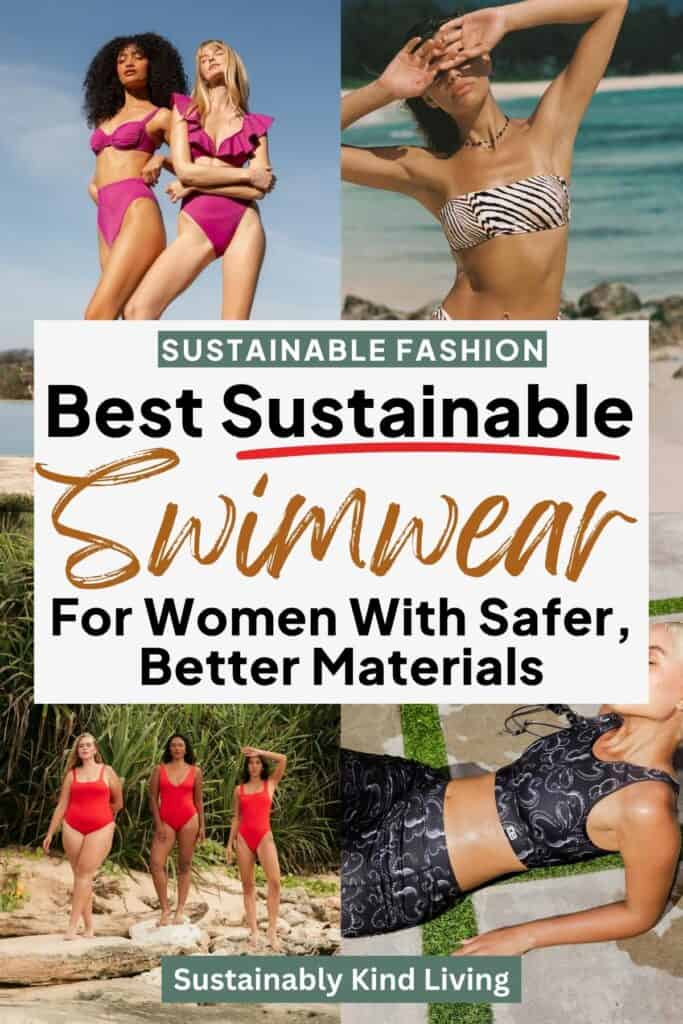
The Best Sustainable Swimwear Brands (Low-Toxic Picks For Women)
After looking closely at materials, certifications, and how these fabrics are actually processed, a handful of brands stood out for doing this more thoughtfully than most.
These are brands using recycled or natural fibers while also prioritizing safer standards like OEKO-TEX® certification, PFAS-free materials where possible, and better transparency around what is actually in their fabrics.
You’ll notice a mix here. Some lean into recycled performance materials with stronger chemical controls, while others focus on natural fibers with lower overall exposure.
Neither approach is perfect, but these are the options I feel most comfortable recommending right now.
1. ODDOBODY — Best Organic Cotton Swimwear For Lounging
Best For: Soft, breathable cotton swimwear for sunbathing, poolside lounging, and slow summer days

ODDOBODY takes a completely different approach to sustainable swimwear with its limited-run collection made from 100% organic Pima cotton tricot knit.
The open-knit fabric feels soft and breathable against the skin, making it an appealing choice for anyone trying to reduce their contact with the polyester and nylon used in most swimsuits.
There are a few trade-offs to know before ordering: the fabric has minimal stretch, becomes more sheer over curves, dries more slowly than synthetic swimwear, and is designed for lounging or gentle dips rather than athletic swimming.
Some pieces also include elastic at the edges, straps, waistband, or leg openings to help them hold their shape, so the collection is not entirely synthetic-free.
Still, ODDOBODY stands out for being unusually upfront about those limitations instead of pretending natural-fiber swimwear performs exactly like a conventional suit.
Price & SIzing
$110-$170 | XS-XL
Materials
100% GOTS-Certified Organic Pima Cotton Tricot Knit | Some Styles Include Encased Elastic
Location/Shipping
United States | Ships To Canada
2. Londre Bodywear — Best Low-Toxic Swimwear (Most Flattering)
Best For: Sculpting, supportive swimwear made with safer certified fabrics
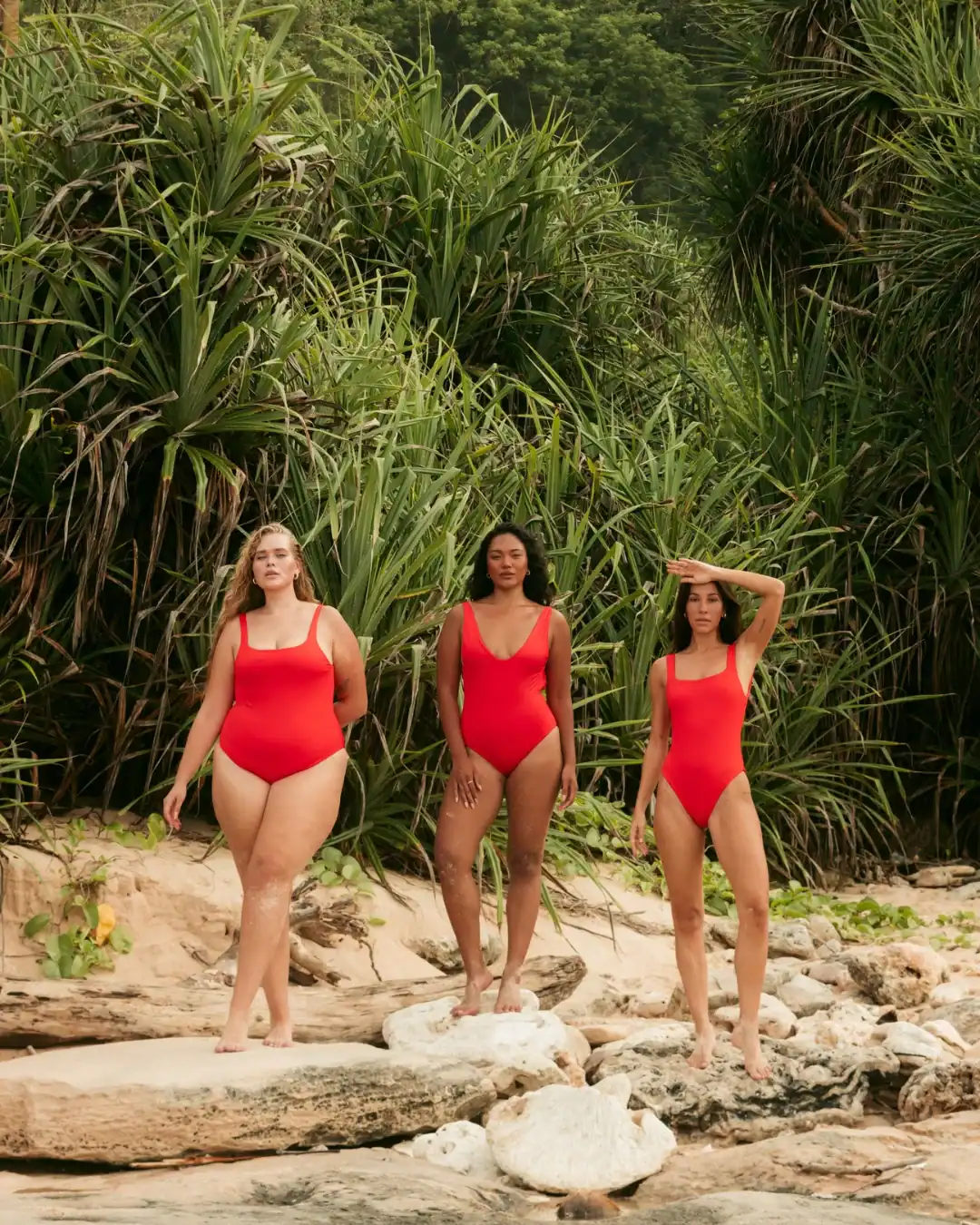
Londre Bodywear uses recycled polyester blends produced in OEKO-TEX® certified facilities, which was one of the main reasons I prioritized it.
That certification means the final fabric has been tested for harmful substances, not just labeled sustainable.
When I wore it, the biggest difference was the compression. It has a structured, sculpting feel that actually holds you in without feeling restrictive.
It also keeps its shape really well over time, which is not something I’ve found with every sustainable suit.
This is the one I reach for when I want something flattering, supportive, and more aligned with lower-tox material standards.
Price & Sizing
$98-$218 | XS-3XL
Materials
Recycled Polyester | Spandex | OEKO-TEX® Certified
Location/Shipping
United States | Ships Internationally
3. Vitamin A — Best Recycled Swimwear (Luxury Feel)
Best For: Elevated swimwear using recycled nylon with a premium feel

Vitamin A uses recycled nylon in its EcoLux™ fabric, and this is one of the few products where the material actually feels elevated.
It’s noticeably softer and smoother than most recycled swimwear I’ve tested.
The fit is less compressive than Londre Bodywear, but still supportive enough for regular wear.
It drapes more naturally on the body, which makes it feel closer to traditional luxury swimwear.
Some styles are OEKO-TEX® certified, which adds a layer of reassurance around chemical safety, especially in a category that often lacks transparency.
This is the one I reach for when I want something refined, minimal, and still rooted in better material choices.
Price & Sizing
$95-$210 | XXS-2XL
Materials
Recycled Nylon (EcoLux™) | Spandex | Some OEKO-TEX® Certified
Location/Shipping
United States | Ships Internationally
4. TomboyX — Best Gender-Neutral Low-Toxic Swimwear
Best For: Comfortable, gender-neutral swimwear with inclusive design
Use the discount code SUSTAINABLYKINDLIVING to save 15%!
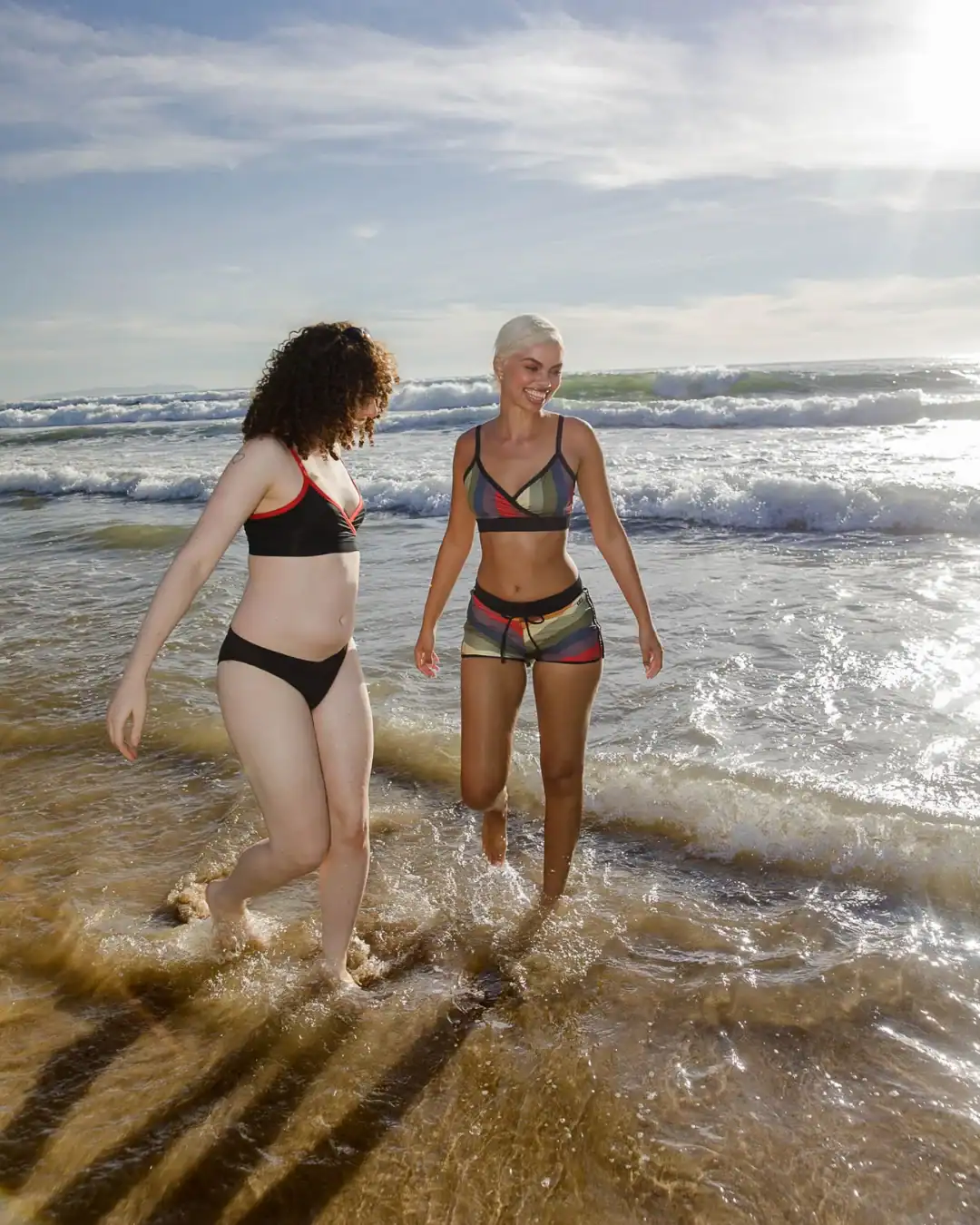
TomboyX uses OEKO-TEX® certified recycled fabrics, which immediately stood out to me from a materials standpoint.
The fabric feels durable but not overly tight, and holds up well with regular wear. The fit is much more relaxed compared to traditional swimwear.
When I tested it, I found it easier to move in and more comfortable for longer periods, especially in styles like shorts and tanks.
It’s less about sculpting and more about practicality, which fills a gap that a lot of sustainable swimwear brands miss.
This is the one I reach for when comfort and versatility matter more than compression or shaping.
Price & Sizing
$40-$99 | XS-6XL
Materials
Recycled Polyester | Spandex | OEKO-TEX® Certified
Location/Shipping
United States | Ships Internationally
5. Natasha Tonic — Best Natural Fiber Swimwear
Best For: Minimalist swimwear with the lowest synthetic material use

Natasha Tonic uses hemp and organic cotton with a small amount of Lycra, which is very different from most swimwear on the market.
From a material standpoint, this is one of the lowest exposure options I’ve tested. When I wore it, the biggest difference was in structure.
The fabric is softer and more breathable, but doesn’t offer the same compression or hold as synthetic blends.
The fit is more minimal and works best for light swimming, lounging, or layering rather than high-performance use.
This is the one I reach for when I want to minimize synthetics as much as possible and prioritize material simplicity.
Price & Sizing
$60-$200 | XS-XL
Materials
Organic Cotton | Hemp | Lycra
Location/Shipping
United States | Ships Internationally
6. Cleobella — Best Ethical Sustainable Swimwear
Best For: Ethically made swimwear with certified safer fabrics

Cleobella uses recycled nylon blends that are both OEKO-TEX® and GRS certified, which immediately stood out to me from a material safety standpoint.
It’s one of the few brands that combines certification with a strong focus on ethical production.
When I tested their pieces, the fabric felt structured but still soft, with a slightly thicker feel than some other recycled options.
The fit leans more classic and supportive, especially in one-pieces.
What makes this brand different is the balance between craftsmanship and materials.
You’re getting something that feels more intentional, not mass-produced.
This is the one I reach for when I want something timeless, well-made, and backed by stronger certifications.
Price & Sizing
$98-$268 | XXS-XL
Materials
Recycled Nylon | Elastane | OEKO-TEX® & GRS Certified
Location/Shipping
United States | Ships Internationally
7. Quince — Best Affordable Low-Toxic Swimwear (Women)
Best For: Budget-friendly swimwear with certified safer materials
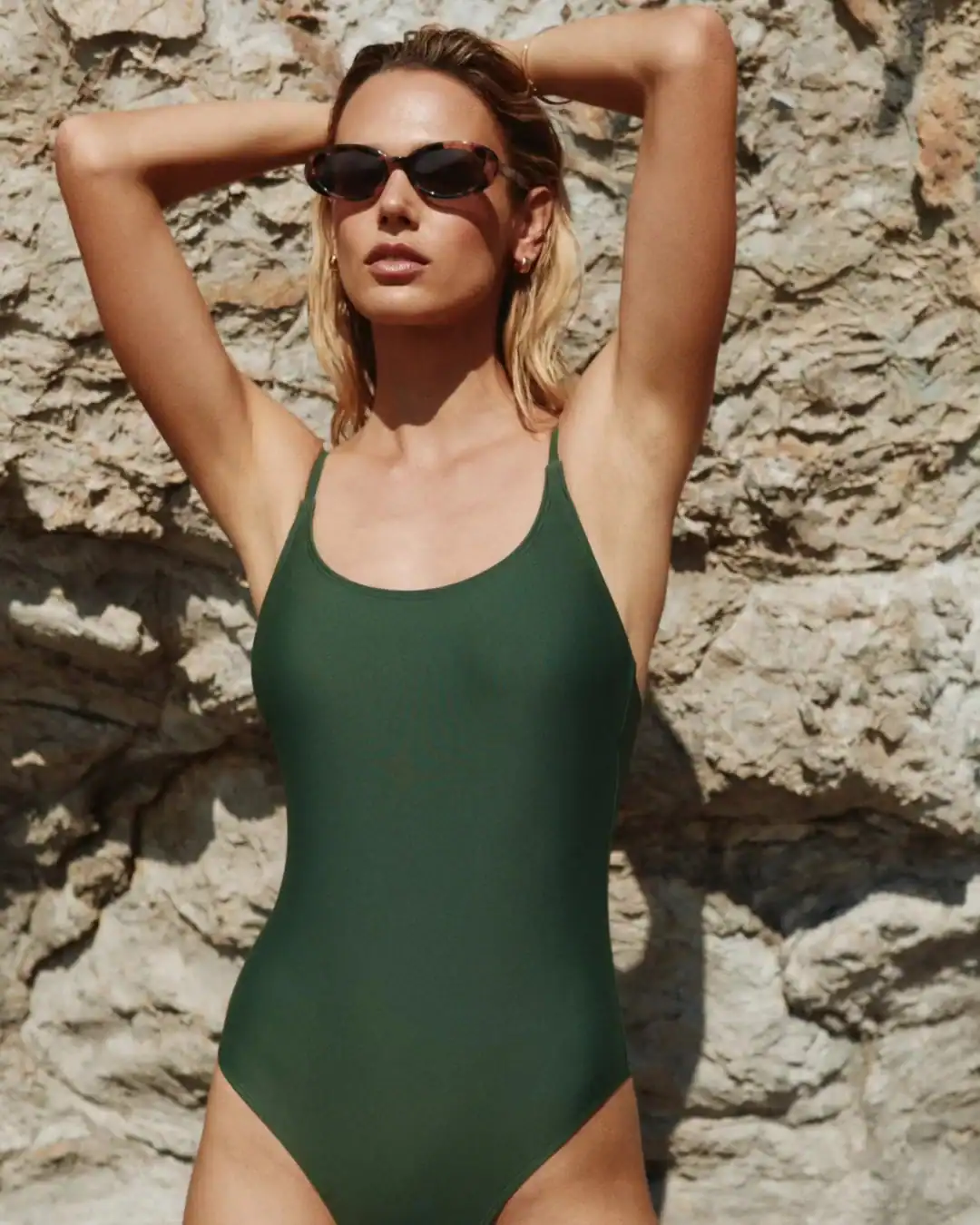
Quince uses OEKO-TEX® certified recycled polyamide blends, and this was one of the more accessible options I tested that still met my material standards.
The fabric feels smooth and lightweight, with a more flexible, less compressive fit compared to brands like Londre Bodywear.
It’s comfortable and easy to wear, especially if you don’t want anything overly structured.
They also note that their swimwear is PFAS-free, which is something I always look for in this category.
This is the one I’d recommend if you want a lower-tox option at a more affordable price point without sacrificing basic performance.
Price & Sizing
$25-$50 | XS-XL
Materials
Recycled Polyamide | Spandex | OEKO-TEX® Certified | PFAS-Free
Location/Shipping
United States | Ships To Canada
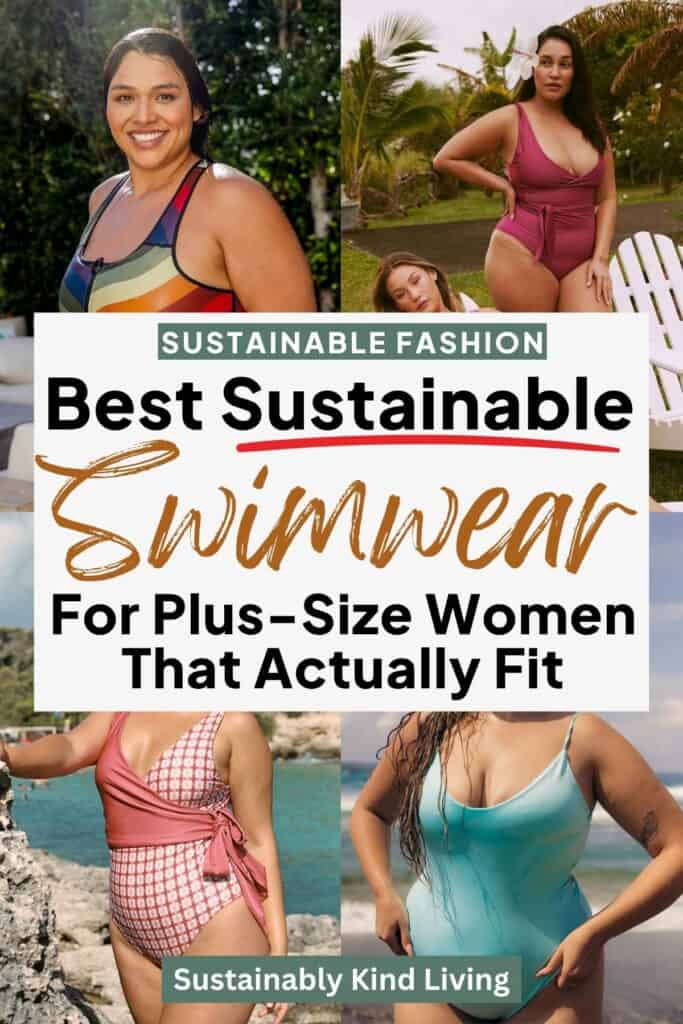
Best Plus-Size Sustainable Swimwear Brands (Women)
Finding sustainable plus-size swimwear is still harder than it should be.
A lot of brands talk about inclusivity, but then stop at XL or offer extended sizing only in a few basic styles. For this section, I focused on brands that do more than just add a few extra sizes.
These picks offer better fit options, fuller coverage, supportive cuts, recycled or lower-impact fabrics, and, where possible, third-party fabric testing like OEKO-TEX® certification.
8. TomboyX — Gender-Neutral Plus-Size Swimwear
Best For: Comfortable, non-restrictive swimwear with the widest size range
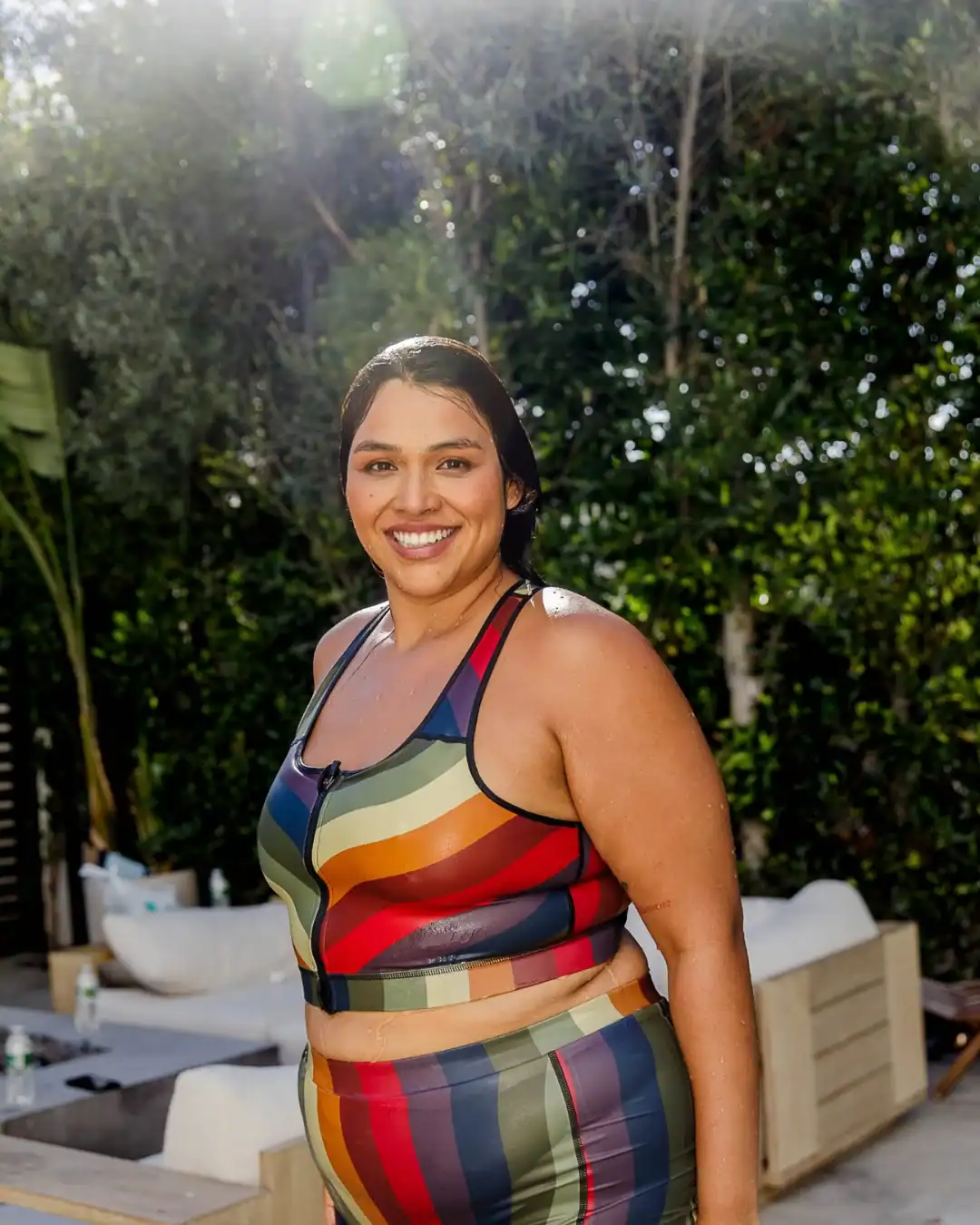
Use the discount code SUSTAINABLYKINDLIVING to save 15%!
You’ll see TomboyX earlier in this guide, but it’s one of the few brands that truly carries its inclusivity through sizing, not just design.
Their swim collection includes tanks, board shorts, compression tops, one-pieces, and full-coverage bottoms, which makes it easier to build a set that actually feels good on your body.
The fabric is made from OEKO-TEX® certified recycled polyester with spandex, so it checks both the sustainability and lower-tox boxes better than most.
I also appreciate that TomboyX doesn’t treat inclusive sizing as an afterthought. With sizes up to 6X and a gender-neutral design approach, this is one of the most genuinely inclusive brands on the list.
Price & Sizing
$40-$99 | XS-6XL
Materials
Recycled Polyester | Spandex | OEKO-TEX® Certified
Location/Shipping
United States | Ships Internationally
9. Baiia — Best Reversible Plus-Size Sustainable Swimwear
Best For: Versatile plus-size swimwear you can wear multiple ways

Baiia is the brand I’d look at if you want one swimsuit that can do the work of several.
Their signature wrap suits are reversible and multi-way, which means you can change the look, coverage, and support depending on how you tie and style them.
From a sustainability standpoint, I love the “buy less, wear more” concept here.
Their suits are made from recycled nylon, and the fabric is OEKO-TEX® certified, which adds reassurance around chemical safety.
The seamless construction is also a real benefit for plus-size swimwear because it helps reduce digging, pinching, and awkward pressure points.
The price is higher, but if you want something statement-making, supportive, and more versatile than a standard one-piece, Baiia is a beautiful option.
Price & Sizing
$119-$179 | XS-3XL
Materials
Recycled Nylon | OEKO-TEX® Certified
Location/Shipping
Australia | Ships To The United States & Internationally
10. Londre Bodywear — Best Sculpting Plus-Size Sustainable Swimwear
Best For: A held-in, sculpted fit with safer certified fabrics
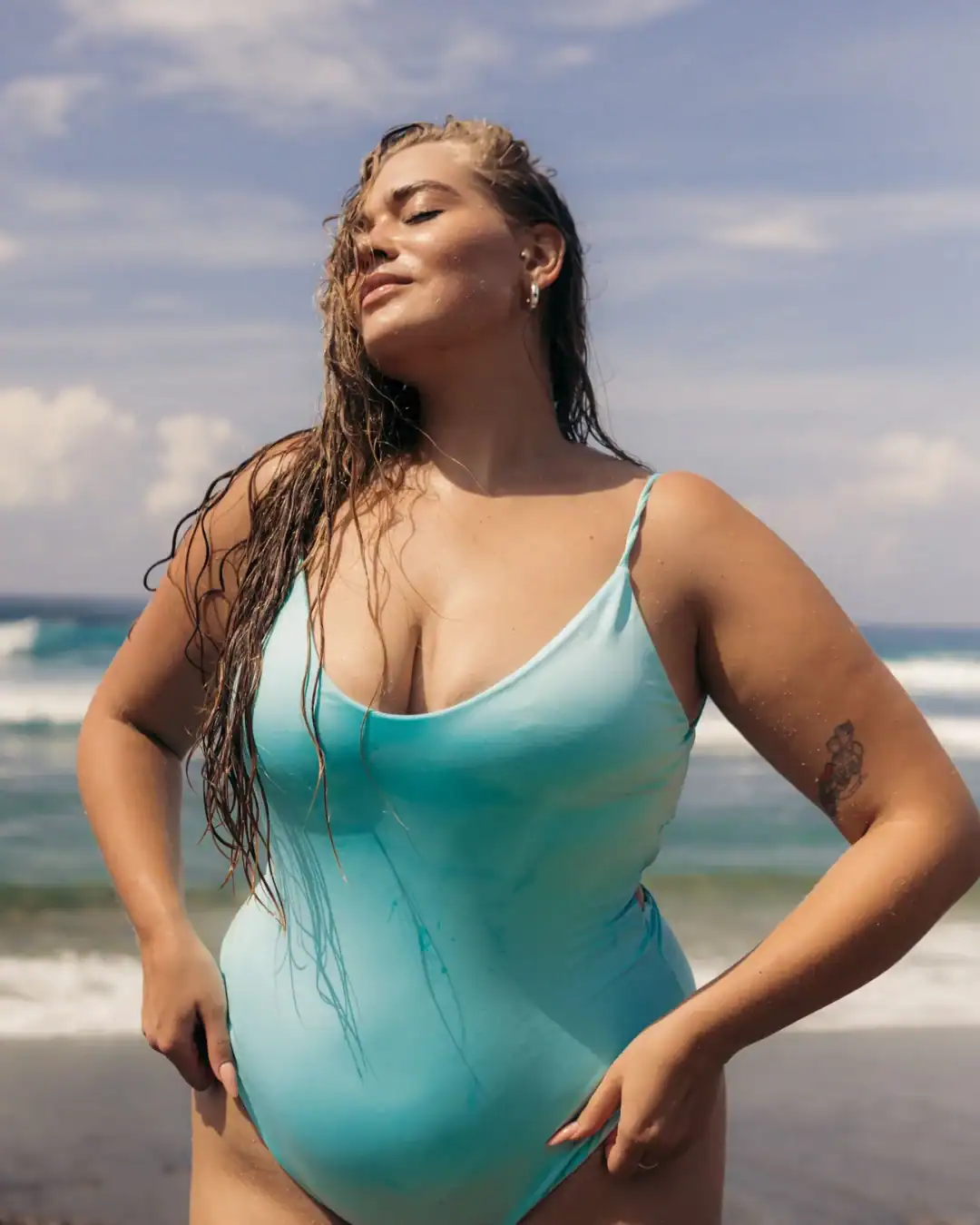
Londre Bodywear already earned a top spot in the main list, but it’s worth calling out again here because the fit works especially well for plus-size bodies.
Their fabric has a compressive, smoothing feel that holds everything in without feeling stiff or uncomfortable.
The brand uses recycled polyester blends produced in OEKO-TEX® certified facilities, which is one of the main reasons I feel comfortable recommending it from a lower-tox perspective.
The cuts are minimal but flattering, and many styles are designed to be worn as both swimwear and bodysuits, which gives them a little more wardrobe mileage.
Sizing goes up to 3XL, so it is not the widest range here, but for sculpting and support, Londre Bodywear is one of the best plus-size sustainable swimwear options.
Price & Sizing
$98-$218 | XS-3XL
Materials
Recycled Polyester | Spandex | OEKO-TEX® Certified
Location/Shipping
United States | Ships Internationally
11. Nettle’s Tale — Best Everyday Plus-Size Sustainable Swimwear
Best For: Supportive, practical swimwear designed with real body shapes in mind
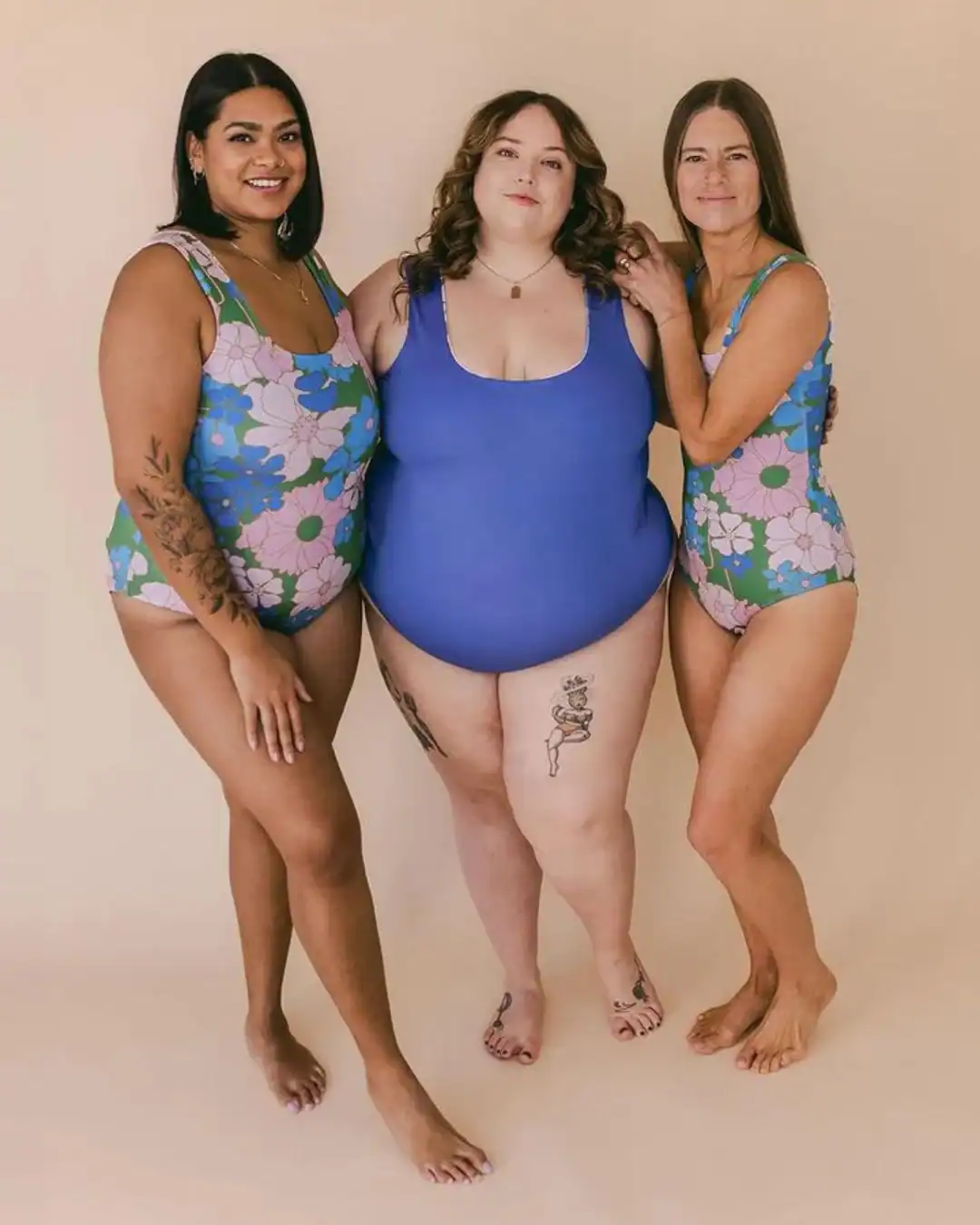
Nettle’s Tale is one of those brands that feels refreshingly grounded.
Their swimwear is designed around real body shapes and not just one narrow version of what plus-size swimwear should look like.
You’ll find high-rise bottoms, supportive tops, flattering one-pieces, and mix-and-match separates that work well for different coverage preferences.
Their pieces are made locally in Canada using OEKO-TEX® certified recycled polyester and spandex, with UPF protection for sun exposure.
The fabric has a substantial feel, which is helpful if you want swimwear that feels supportive without being overly compressive.
I especially like this brand for everyday swimming, family beach days, and anyone who wants something practical but still thoughtfully made.
Price & Sizing
$52-$120 | XS-4XL
Materials
Recycled Polyester | Spandex | OEKO-TEX® Certified | UPF 50 Protection
Location/Shipping
Canada | Ships To The United States & Worldwide
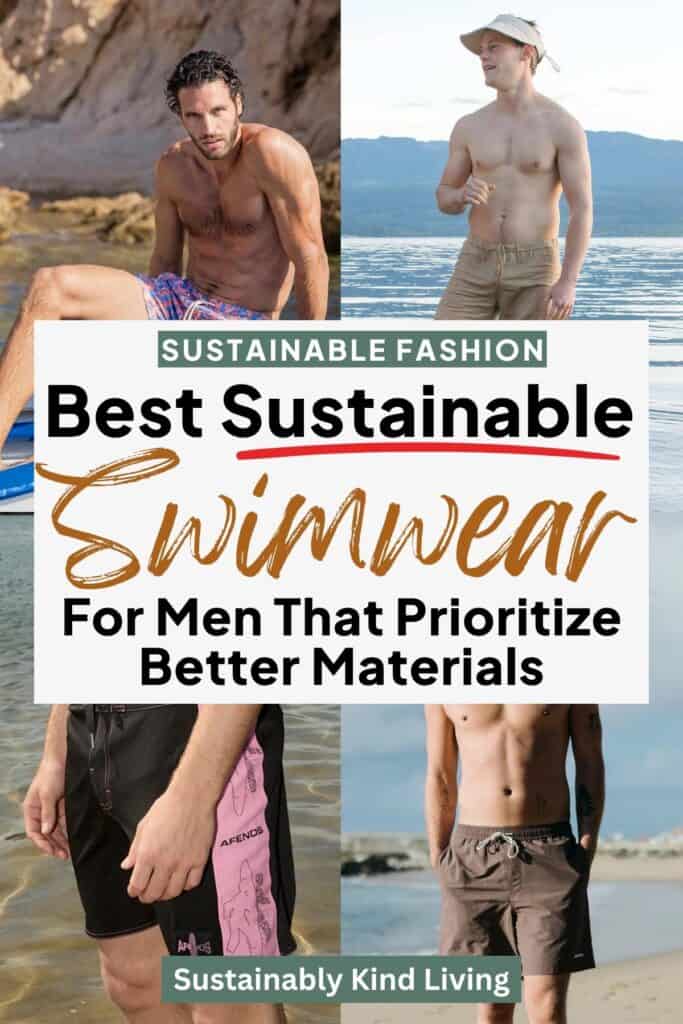
Best Sustainable Low-Tox Swimwear For Men
Men’s sustainable swimwear is still a pretty limited category, especially if you’re looking beyond just recycled materials.
Most options rely on synthetic fabrics with very little transparency around chemical treatments or finishing processes. So for this section, I focused on brands doing a better job with material sourcing, certifications, and overall simplicity.
The goal here isn’t perfection — it’s finding options that reduce unnecessary exposure while still working for everyday wear.
12. ASKET — Best Sustainable Men’s Swimwear (Transparent Materials)
Best For: Minimalist men’s swimwear with full material transparency
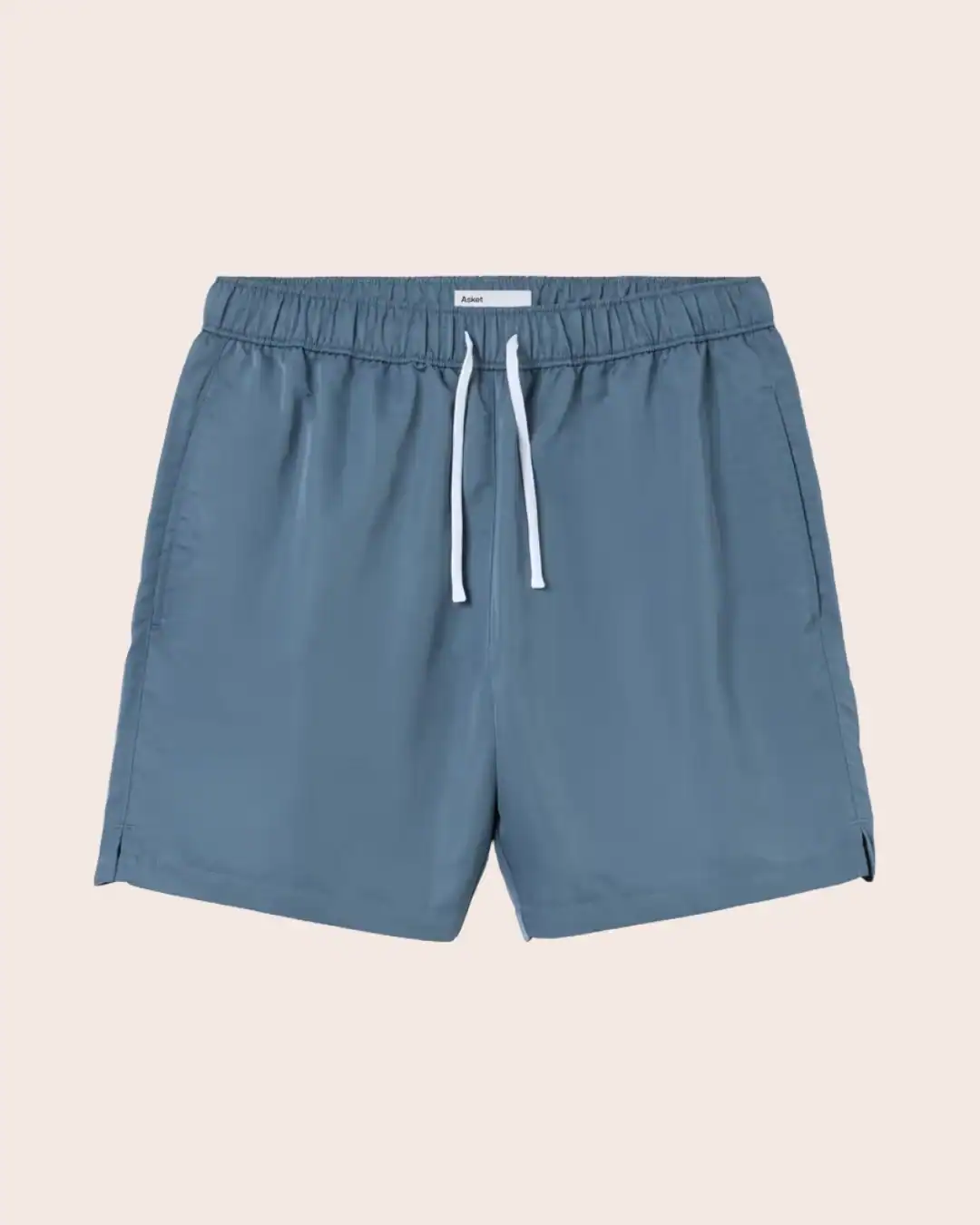
ASKET uses recycled polyester, including Seaqual® yarn sourced from ocean plastic, but what stood out most to me is their transparency.
They clearly break down where fibers come from, how fabrics are constructed, and where production happens, which is something most brands don’t fully disclose.
The fabric itself is lightweight and dries quickly without feeling overly technical. The fit is clean and tailored without being restrictive.
This is the one I recommend if you value traceability and want a straightforward, well-made swim short without unnecessary treatments or vague claims.
Price & Sizing
$110 | XS-XL
Materials
Seaqual® | Recycled PET | GRS Certified
Location/Shipping
Sweden | Ships Internationally
13. Rawganique — Best Plastic-Free Swim Shorts
Best For: Natural fiber swimwear without synthetic materials

Rawganique takes a completely different approach by avoiding synthetics altogether.
Their swim shorts are made from organic linen with cotton and natural rubber components, which is extremely rare in this category.
From a material perspective, this is one of the lowest exposure options available.
When I looked at construction, everything is kept simple with minimal processing.
The trade-off is performance. These don’t have the stretch like conventional swimwear and won’t behave the same in water, especially with repeated use in chlorine.
This is the one I’d recommend if your priority is avoiding synthetic fabrics entirely and you’re okay with a more traditional, less technical feel.
Price & Sizing
$119 | S-3XL
Materials
Organic Linen | Organic Cotton | Natural Rubber
Location/Shipping
United States | Ships Worldwide
14. Quince — Best Affordable Sustainable Swimwear (Men)
Best For: Affordable men’s swimwear with safer material standards
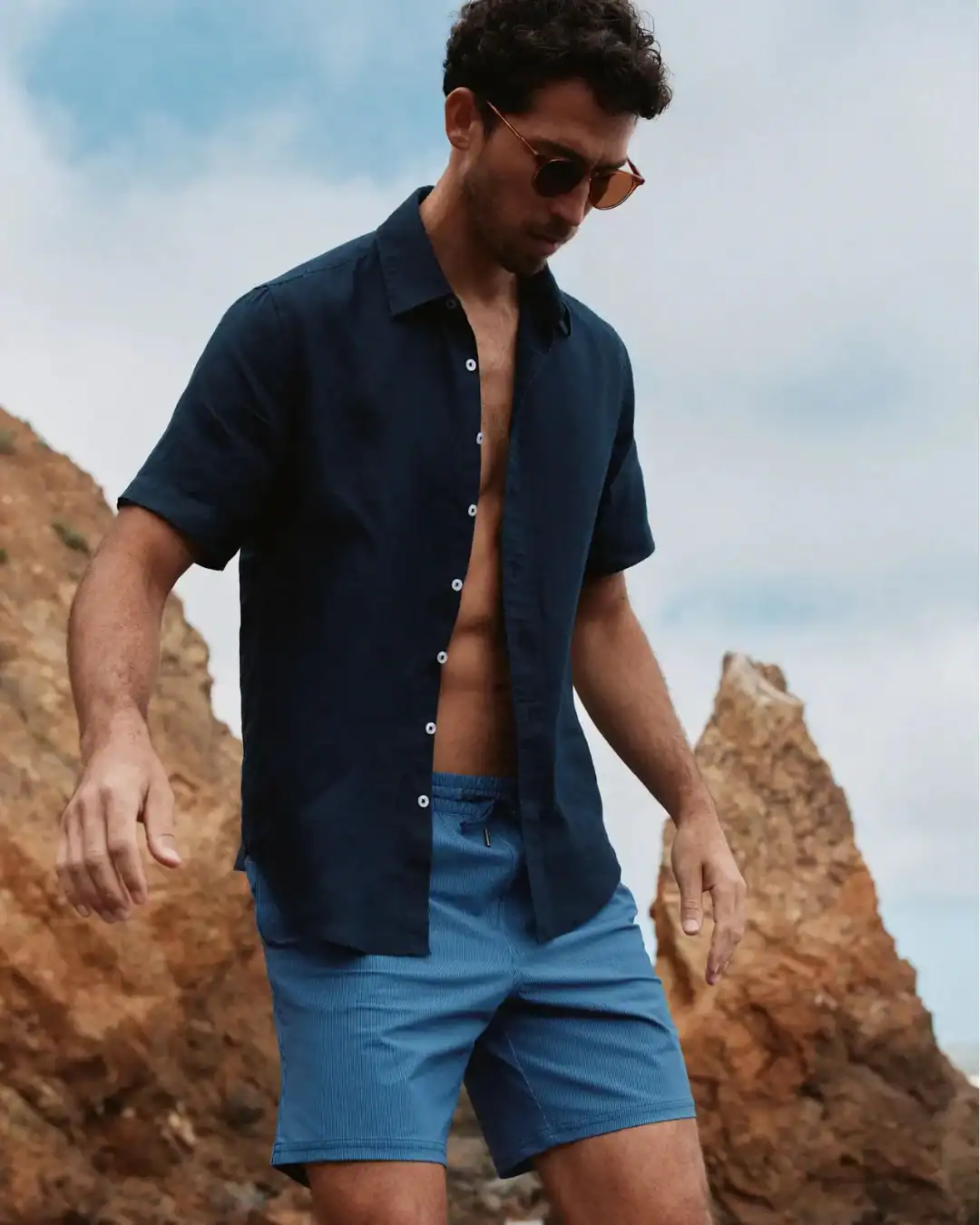
Quince’s men’s swim trunks are made from recycled materials with a focus on durability and everyday use.
Like their women’s line, they emphasize OEKO-TEX® certified fabrics and PFAS-free construction.
The fabric is lightweight and quick-drying, with a relaxed, easy fit that works well for regular wear.
When I looked at overall construction, it felt simple but reliable.
It’s not overly technical or performance-focused, but it covers the basics well while still maintaining better material transparency than most brands at this price point.
This is the one I’d recommend if you want a straightforward, lower-tox option without overthinking it.
Price & Sizing
$40 | XS-2XL
Materials
Recycled Nylon | OEKO-TEX® Certified | PFAS-Free
Location/Shipping
United States | Ships To Canada
Do Toxic Chemicals Wash Out of Swimwear?
Some of the chemicals that OEKO-TEX® Standard 100 tests for are residual chemicals left over from the manufacturing process, like excess dyes or finishing agents.
Those can be reduced slightly with washing, especially in the first few washes. But that doesn’t mean the fabric becomes “safe” over time.
Many chemicals used in textiles are:
- Bound into the fibers or finishes
- Designed to withstand water, heat, and wear
- Not easily removed through normal washing
For example, things like certain dye compounds, chemical finishes, and PFAS treatments are often meant to last, which is the opposite of something that would wash out easily.
What OEKO-TEX® Actually Does Differently
OEKO-TEX® certification doesn’t rely on washing things out later. It ensures that the final fabric already meets safety limits for harmful substances before you ever wear it
So instead of hoping chemicals come out in the wash, you’re starting with a material that has already been tested against strict thresholds.
The Realistic Takeaway
Washing new swimwear can help reduce surface-level residues, but it’s not a reliable way to remove deeper chemical content.
That’s why, from a low-toxic standpoint, it’s always better to choose certified fabrics upfront, prioritize transparent brands, and avoid relying on washing as a fix.

Greenwashing in Sustainable Swimwear (What To Watch For)
“Sustainable” swimwear can still be misleading, especially when brands rely on marketing language instead of real transparency.
One of the most common examples is labeling something as “eco-friendly” without explaining what that actually means. Without material details or certifications, that claim doesn’t tell you much.
Recycled fabrics are another area where things get blurred. While they reduce waste, they are still synthetic and don’t automatically mean the final product is low-toxic.
You’ll also see vague claims around “non-toxic” or “clean” without any third-party verification. Without certifications like OEKO-TEX®, there’s no clear way to know what has actually been tested.
This is why I focus less on marketing terms and more on materials, certifications, and how transparent a brand is about what goes into their fabrics.
Frequently Asked Questions About Sustainable Swimwear
The safest swimwear materials are natural fibers like organic cotton and hemp, since they avoid synthetic chemicals and heavy processing.
However, they are less common because they don’t perform as well in water. For most people, the next best option is OEKO-TEX® certified recycled fabrics, which are tested for harmful substances.
Some swimwear may contain PFAS, especially if it is marketed as water-resistant or quick-drying. These chemicals are not always disclosed, which makes it harder to identify. Looking for PFAS-free claims or OEKO-TEX® certified fabrics can help reduce the risk.
Swimwear sits directly on the skin, often in heat and moisture, which can increase contact with any chemical residues in the fabric.
While not all materials pose the same risk, poorly regulated dyes and finishes may contribute to irritation or long-term exposure. This is why fabric certification and processing matter.
Recycled nylon is still a synthetic material, but it can be a safer option when it is properly processed and certified.
Certifications like OEKO-TEX® help ensure the final fabric has been tested for harmful substances. Without that verification, safety can vary.
Recycled polyester is generally considered safe when it meets safety standards like OEKO-TEX® certification.
The base material is still plastic-based, but the main concern is chemical processing rather than the fiber itself. Transparency and testing are what make the difference.
Sustainable swimwear usually focuses on environmental impact, such as using recycled materials or reducing waste.
Non-toxic swimwear focuses on chemical safety and what is safe for your skin. A truly better option considers both, which is why low-toxic sustainable swimwear is becoming more important.
Yes, some swimwear can cause irritation, especially if it contains certain dyes, finishes, or chemical residues.
This is more common with sensitive skin or prolonged wear. Choosing certified fabrics and simpler materials can help reduce this risk.
Look for brands that clearly disclose their materials and use certifications like OEKO-TEX® Standard 100.
Avoid vague claims like “eco-friendly” without proof, and prioritize PFAS-free fabrics when possible. Fit and comfort matter, but material transparency should come first.
It is very difficult to find completely non-toxic swimwear because most suits require synthetic materials for stretch and durability.
Some natural fiber options exist, but they have limitations in performance. The goal for most people is to choose lower-toxic options with better certifications and transparency.
Still Deciding? Start Here
If you’re not sure which one fits best, this helps you choose based on what matters most:
- If You Want GOTS-Certified Organic Cotton Swimwear For Lounging: ODDOBODY
- If You Want A Sculpted, Held-In Fit With Safer Fabrics: Londre Bodywear
- If Softness & A More Elevated Feel Matter Most: Vitamin A
- If You Want Something Easy, Comfortable & Not Restrictive: TomboyX
- If You’re Trying To Reduce Synthetics As Much As Possible: Natasha Tonic
- If You Want Simple, Transparent Men’s Swimwear: ASKET
Final Thought On Non-Toxic Swimwear (Or wait, low-tox & sustainable)
Sustainable swimwear has come a long way, but it’s still a category where there is no perfect option.
Most swimsuits are going to include some level of synthetic material. The difference now is that we have more visibility into how those fabrics are made, how they’re processed, and whether they’ve been tested for safety.
For me, it’s less about finding something completely “non-toxic” and more about choosing options that are better. Better materials, better certifications, and brands that are more transparent about what they’re making.
You don’t need to replace everything at once or get it perfectly right. Even small shifts toward lower-toxic, more thoughtfully made swimwear can make a difference over time.
And just as importantly, you should still feel good in what you’re wearing. Fit, comfort, and confidence matter too.
Because at the end of the day, the goal isn’t just sustainability. It’s choosing pieces that support both your health and how you actually live.
Continue Your Non-Toxic Summer Routine
If you’re building a safer, lower-tox summer routine, these guides help you go deeper:
- Non-Toxic Swimwear For Babies & Kids — Safer fabric choices and certified materials designed for sensitive skin, with durability for chlorine, saltwater, and everyday wear.
- Sun Protection Clothing — UPF clothing made with safer materials to help reduce sun exposure without relying on heavy sunscreen use.
- Non-Toxic Sunscreen — Mineral-based options using non-nano zinc oxide to protect skin without unnecessary additives or hormone-disrupting ingredients.
- Non-Toxic Bug Sprays & Repellents — Effective, family-friendly repellents that balance protection with lower chemical exposure and avoid synthetic fragrances.
- Non-Toxic After-Sun Lotions & Creams — Gentle, soothing formulas designed to support skin recovery after long days in the sun without common irritants.
📌 Save This Guide For Later
If you’re thinking about upgrading your swimwear, this is one of those guides worth coming back to.
This breakdown of the best sustainable swimwear covers what materials are actually used (like recycled synthetics vs natural fibers), what to look for in safer fabrics and dyes, and the brands doing it better — without the greenwashing.
Save it for later so you have it on hand when you’re ready to choose lower-toxic, more sustainable swimwear.
Sources & Further Reading
A lot of swimwear brands focus on what’s recycled or eco-friendly, but don’t always explain what’s actually being used — especially when it comes to fabric treatments, dyes, and chemical processing.
I always recommend digging a little deeper if you’re curious. It really helps put a lot of these sustainability claims into a better context.
These are some of the resources I kept coming back to while researching materials, chemical exposure, and what actually touches your skin when you’re wearing swimwear:
- Environmental Protection Agency (EPA) — PFAS Explained
https://www.epa.gov/pfas/pfas-explained - National Institute of Environmental Health Sciences (NIEHS) — Endocrine Disruptors
https://www.niehs.nih.gov/health/topics/agents/endocrine - OEKO-TEX® — STANDARD 100 Certification Overview
https://www.oeko-tex.com/en/our-standards/oeko-tex-standard-100/ - Global Organic Textile Standard (GOTS) — Certification Criteria
https://global-standard.org/the-standard/gots-key-features/ecological-and-social-criteria - Textile Exchange — Preferred Fiber & Materials Market Report
https://textileexchange.org/knowledge-center/reports/materials-market-report-2025/ - European Chemicals Agency (ECHA) — Chemicals in Textiles
https://chemicalsinourlife.echa.europa.eu/clothes-and-textiles - Centers for Disease Control and Prevention (CDC) — Environmental Chemical Exposure
https://www.cdc.gov/environmental-exposure-report/index.html - International Agency for Research on Cancer (IARC) — Chemical Risk Classifications
https://monographs.iarc.who.int/agents-classified-by-the-iarc/ - NSF International — Textile & Chemical Safety Standards
https://www.nsf.org/ - Greenpeace Detox Campaign — Chemicals in Fashion
https://www.greenpeace.org/international/act/detox/

Steal My Non-Toxic Cleaning Checklist!
Believe us, it’s the BEST…. and it’s free. Does it really get any better than that?! Sign up for our newsletter and get this free checklist to clean your home without any harmful chemicals!