 Shop My Favorite Non-Toxic Gifts Of 2026!
SKL is reader supported. When you buy through links on our site, we may earn affiliate commission. Learn more here.
This guide to non‑toxic bug sprays is perfect for anyone looking to protect their skin outdoors without relying on harsh chemicals.
If you’re ready to ditch traditional DEET‐based repellents and opt for nature’s own defenses, read on for our comprehensive look at the best natural alternatives for 2026.
SKL Top Picks, At A Glance…
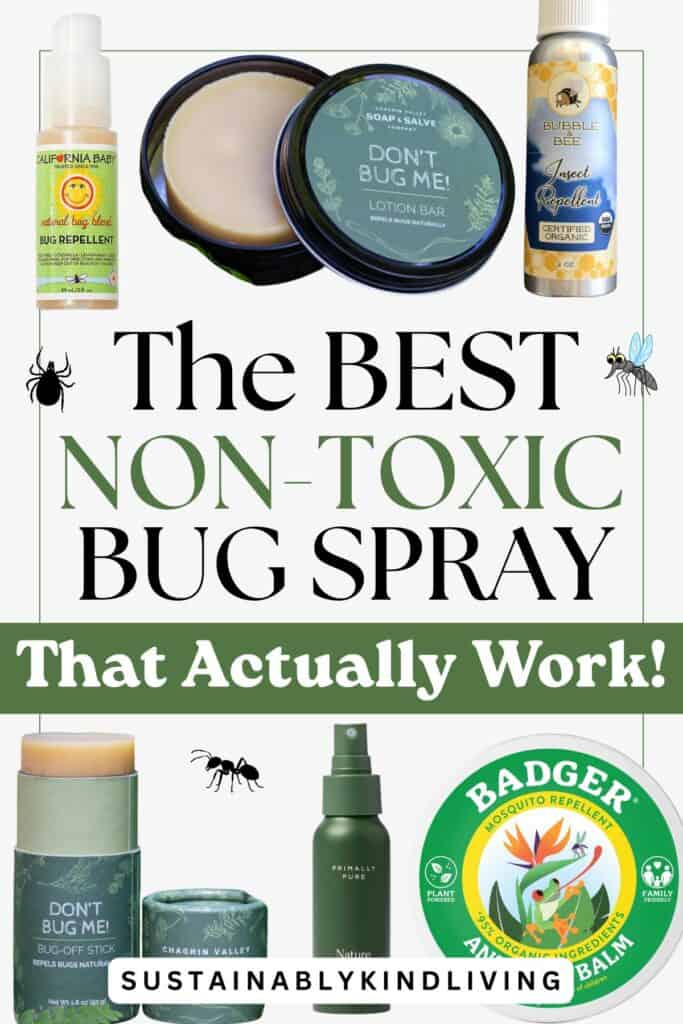
- All-Around Best DEET-Free Bug Spray: Chagrin Valley
- Best Luxury Natural Bug Spray: Primally Pure
- Best Non-Toxic Bug Spray For Kids & Babies: California Baby
- Best USDA Organic Bug Spray: Bubble & Bee Organic
- Best Natural Bug Spray For Everyday Use: Badger Balm
Ah, summertime! The season of sunny days, fresh air, and, unfortunately, those persistent buzzing sounds that can quickly turn a peaceful outdoor adventure into an itchy nightmare!
I’ve always loved spending time outdoors, whether hiking with my family, gardening in my backyard, or enjoying a sunset picnic. But I’ve never loved the chemical smell and sticky feeling of traditional bug sprays that contain DEET.
A few years ago, when I was researching ways to reduce our family’s exposure to synthetic chemicals, I discovered that the insect repellent I’d been spraying directly on our skin might be doing more than just keeping mosquitoes at bay.
The more I learned about DEET’s potential health concerns, the more determined I became to find effective alternatives. As concerns about DEET have grown, so has research into natural alternatives.
Best Non-Toxic Bug Spray: At a Glance Comparison
(Mobile Users) Scroll to see full comparison →
| Brand | Best For | Active Ingredients | Price |
|---|---|---|---|
| Chagrin Valley | Families looking for multiple formats, organic ingredients, and the best balance of effectiveness, value, and ingredient transparency | ALL ORGANIC: Citronella, Lemongrass, Rosemary, Peppermint, Cedarwood Oil & Thyme Oils | $9.95-$12.95 |
| Primally Pure | Shoppers who want premium ingredients, a refined scent, and a bug spray that feels more like skincare | ALL ORGANIC: Witch Hazel, Castor, Citronella, & peppermint oils | $22-$34 |
| California Baby | Parents looking for a gentle, family-friendly bug repellent designed for babies, toddlers, and sensitive skin | Citronella, Lemongrass & Cedarwood Oils | $7.99-$27.99 |
| Bubble & Bee Organic | Ingredient-conscious shoppers seeking a USDA Organic formula with minimal ingredients and full transparency | ALL ORGANIC: Soybean, geranium, clove, lemongrass, peppermint, & rosemary oils | $14.99 |
| Badger Balm | Outdoor enthusiasts who want a simple, reliable bug repellent that’s easy to find and easy to use | ALL ORGANIC: Castor, Citronella, Cedar, Lemongrass, Rosemary, Geranium, Soybean, & Peppermint Oils | $13.99 |
The good news? Nature provides us with powerful insect-repelling compounds that can protect us without the potential downsides of synthetic chemicals.
I’ve spent countless hours researching ingredients, testing products, and consulting scientific literature to bring you options that work without worry.
Whether you’re concerned about DEET’s health impacts, looking for gentler options for your children’s sensitive skin, or simply want products that smell better while keeping bugs at bay, this guide has you covered.
Let’s dive in and discover how to keep those bugs away, naturally!
Why It’s Time To Rethink Using DEET
DEET has been the gold standard in insect repellents since the 1940s, and for good reason; it works really well.
Originally developed for the U.S. military, N, N-diethyl-meta-toluamide (DEET) has been keeping mosquitoes, ticks, and other biting insects away from humans for decades now.
But its effectiveness is not what’s in question here. Scientific studies consistently show that DEET provides reliable protection against insect-borne diseases.
But effectiveness shouldn’t be the only factor to consider when choosing products we apply directly to our skin.
How DEET Enters Your Bloodstream
One of the most concerning aspects of DEET is how readily it’s absorbed through the skin.
Research indicates that DEET doesn’t just stay on the surface – between 3.8-17% of applied DEET enters your bloodstream, depending on concentration and how long it remains on your skin.
When DEET enters your system, your liver has to metabolize it, creating compounds like DCBA (m-(diethylaminocarbonyl) benzoic acid) and EACB (m-(ethylaminocarbonyl) benzoic acid).
While the body can eliminate these metabolites, the question remains: What is the long-term impact of this process, especially for young children or those with compromised liver function?
Special Concerns For Children’s Health
Children’s developing systems are particularly vulnerable to chemical exposures, and their thinner skin can potentially absorb DEET more easily.
There have been rare but troubling reports of seizures and neurological symptoms in children following DEET application, though causality is difficult to establish definitively.
The American Academy of Pediatrics recommends avoiding DEET completely on infants under 2 months old and using caution with older children.
When it comes to our children’s vulnerable, developing bodies, I prefer to err on the side of caution and avoid using any toxic chemicals whenever possible.
Wait… Why Is DEET Still Legal??
While the EPA and CDC maintain that DEET is safe when used as directed, a growing body of research suggests we should approach this chemical with caution.
Even though regulators haven’t banned the use of DEET in insect repellents, scientific studies are raising red flags about potential health impacts.
We’re already exposed to countless toxic chemicals every day in our food, water, cleaning products, and personal care items.
While each one of these products might be deemed “safe” at certain levels, we rarely consider how they might interact with each other or accumulate in our bodies over time.
When it comes to DEET, we’re literally applying a potentially toxic chemical directly to our largest organ, our skin, and doing so repeatedly throughout the summer months, year after year.
Each exposure adds to our body’s toxic load, so when we can, it’s best to minimize unnecessary exposure to toxic chemicals when safer alternatives exist.
Especially the case of bug protection, when so many effective natural options are already available!
Non-Toxic Bug Spray & Natural Alternatives
When it comes to DEET-free bug sprays that actually work, look for these natural alternatives:
Oil of Lemon Eucalyptus (OLE): This isn’t just another essential oil; it’s the only plant-based repellent officially recommended by the Centers for Disease Control. Studies show its active compound (PMD) can match low-concentration DEET, with 30% OLE formulations providing 95% protection from mosquitoes for up to 3 hours.
Soybean Oil: A 2002 study found that soybean oil-based repellents deterred mosquito bites for up to 90 minutes by creating a protective barrier on the skin. Among the non-DEET options tested, they showed some of the most impressive protection.
Essential Oil Blends: Strength in combinations! Cedarwood, lemongrass, citronella, and geranium oils contain natural compounds (like geraniol and limonene) that confuse insects’ ability to detect us. Pro tip: citronella combined with vanilla can extend protection from 3 hours to nearly 6 hours!
You can even make your own all-natural bug spray. Check out our article on homemade bug sprays for lots of great recipe inspiration.
The Bonus Benefits Of Natural Bug Spray
Gentler on Skin: Plant-based ingredients typically cause fewer reactions than synthetic chemicals. When my family switched to natural repellents, the summer skin irritations we usually experienced disappeared.
Better for the Planet: Natural ingredients biodegrade more readily and don’t persist in waterways. Plus, many brands use sustainable sourcing and eco-friendly packaging.
Pleasant Experience: Instead of that harsh chemical smell, natural repellents offer pleasant aromas that can actually enhance your outdoor time.
The Cons Of Natural Bug Spray/Balm
- More Frequent Application: Most natural options need reapplying every 2-4 hours, especially when sweating or in humid conditions.
- Individual Results May Vary: Your body chemistry affects how well any repellent works.
- Higher-Risk Areas: In regions with significant disease risks like malaria or Zika, consult healthcare providers about the best protection strategy.
Despite these considerations, today’s natural repellents offer substantial protection while minimizing health concerns. The formulations keep improving every year!
Top DEET‑Free Non-Toxic Bug Sprays & Repellents of 2026
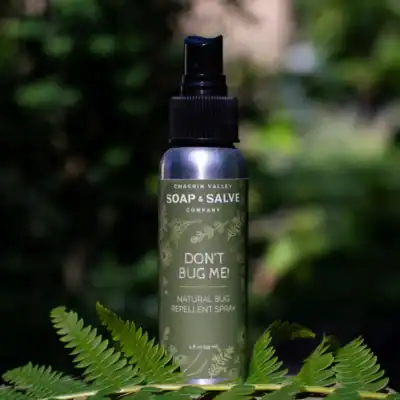
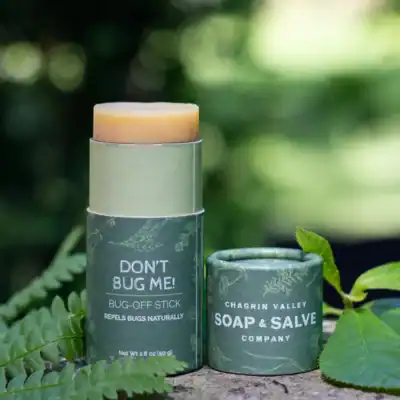
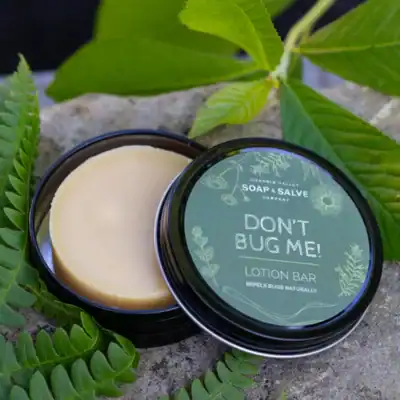
1. Chagrin Valley | Best Overall Non-Toxic Bug Spray
Best For: Families looking for the best balance of clean ingredients, effectiveness, and value
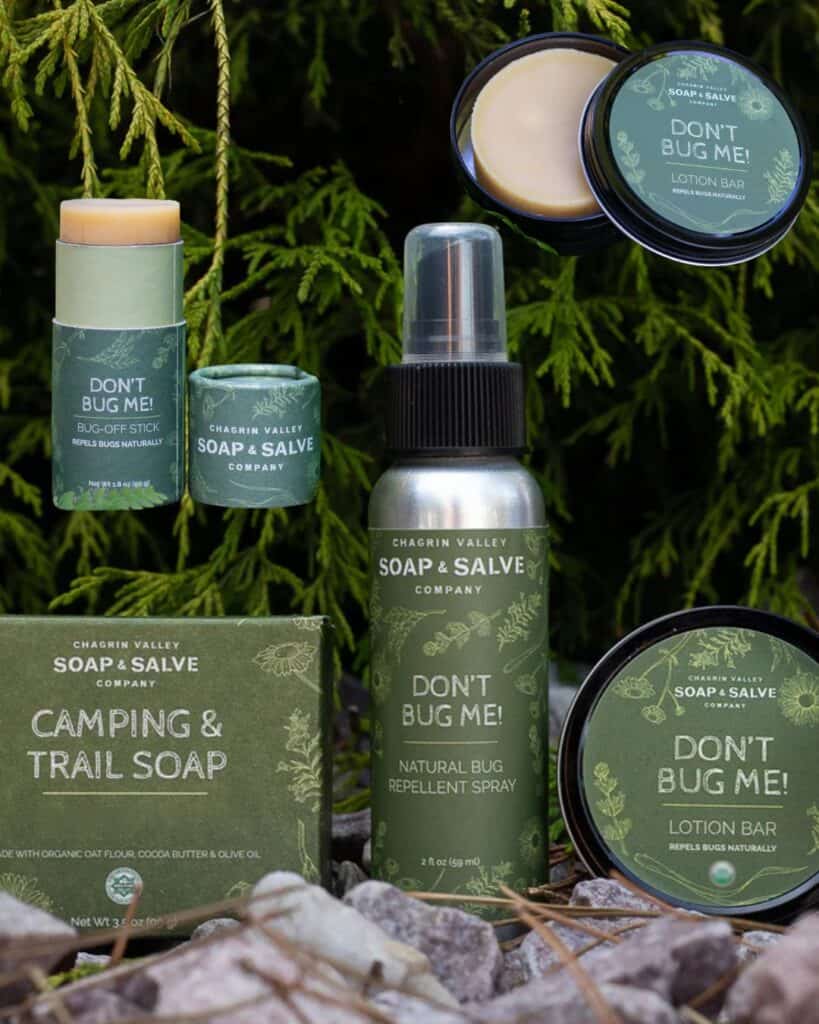
If I had to recommend just one non-toxic bug repellent brand, Chagrin Valley would be it.
Unlike most companies that offer a single bug spray, Chagrin Valley has created an entire collection of natural insect repellents, including sprays, lotion bars, bug sticks, and even outdoor products.
That flexibility makes it easy to find a format that works for your family.
I also appreciate the brand’s commitment to ingredient transparency.
The formulas rely on organic plant oils and essential oils rather than synthetic insecticides, and the prices are surprisingly affordable compared to many natural alternatives.
For readers who want a trusted, well-rounded brand without overcomplicating things, this is where I’d start.
Price
$9.95-$12.95
ingredients
Citronella, Lemongrass, Rosemary, Peppermint, Cedarwood & Thyme Essential Oils (All Organic) | Beeswax | Sunflower Oil | Shea Butter | Avocado Oil | Distilled Water | Glycerin
location/shipping
United States | Ships Internationally
Our Favorites from Chagrin Valley:
2. Primally Pure | Best Luxury Natural Bug Spray
Best For: Anyone willing to spend a little more for premium ingredients and a more elevated experience
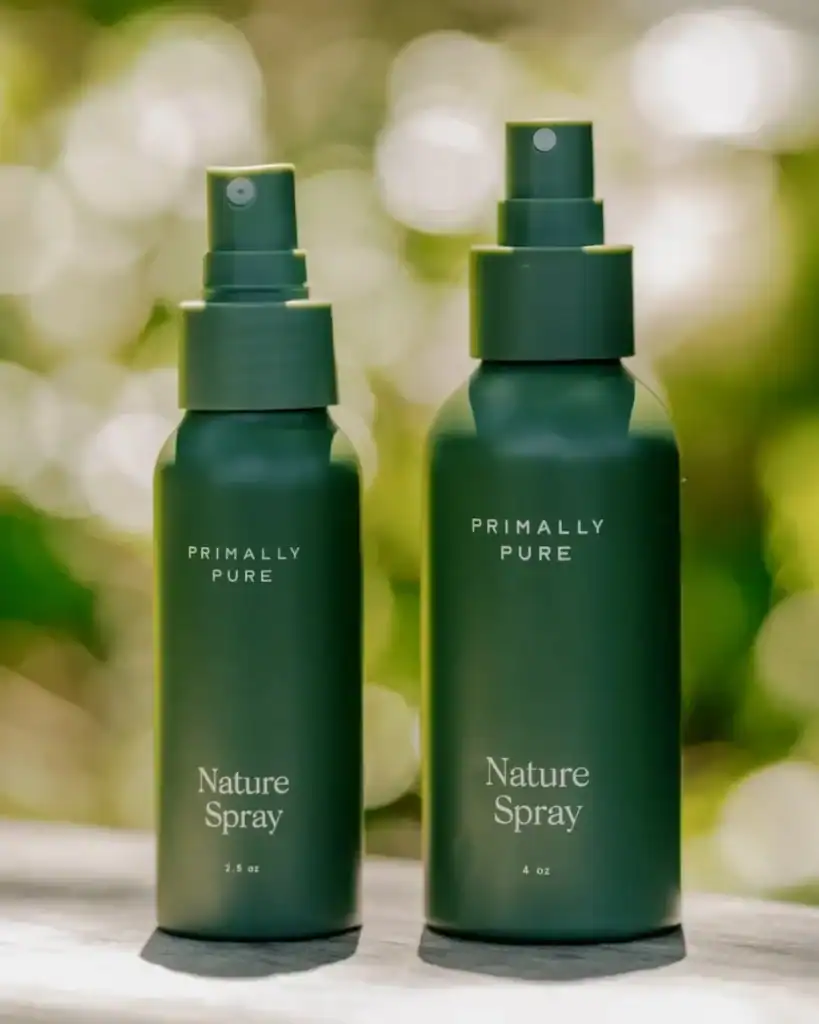
Most bug sprays feel like a product you tolerate. Primally Pure feels like a product you actually want to use.
As someone who has followed the brand for years, I appreciate that they bring the same ingredient standards to their bug repellent that they do to their skincare line.
The formula combines organic essential oils with skin-friendly ingredients and has a much more refined scent than many natural bug sprays.
While I wouldn’t necessarily choose it for a week-long camping trip in the backcountry, it’s perfect for gardening, outdoor dinners, patio gatherings, and everyday summer use.
If you already love Primally Pure or prefer luxury personal care products, this is one of the nicest non-toxic bug repellents available.
Price
$22 (2.5 oz) | $34 (4 oz)
Ingredients
Witch Hazel | Coconut Oil | Castor Oil | Citronella, Cedarwood, Lemongrass, Rosemary, Geranium, Peppermint & Wintergreen Essential Oils (All Organic) | Grape Alcohol
location/shipping
United States | Ships Internationally
3. California Baby | Best Family-Friendly Natural Bug Spray
Best For: Families with babies, toddlers, and young children
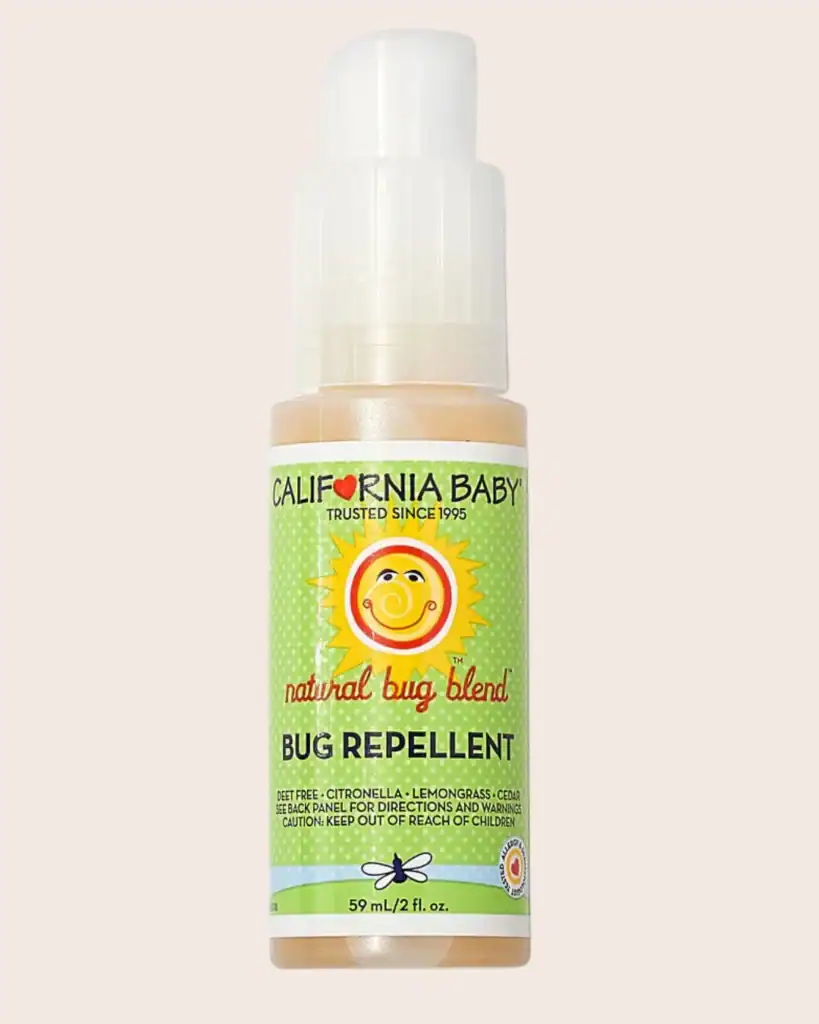
California Baby has been a trusted name in natural baby care for decades, so it wasn’t surprising to see them create one of the most family-friendly bug sprays on the market.
What I like most is that the formula was specifically designed with children in mind.
It uses plant-based ingredients and essential oils instead of conventional insecticides while still being tested for effectiveness by an independent lab.
The lightweight spray is easy to apply, doesn’t feel overly greasy, and works well for playground trips, camping weekends, and backyard adventures.
If you’re shopping primarily for kids, this is the option I’d feel most comfortable recommending.
4. Bubble & Bee Organic | Best USDA Organic Bug Spray
Best For: Ingredient-conscious shoppers who want the cleanest formula possible
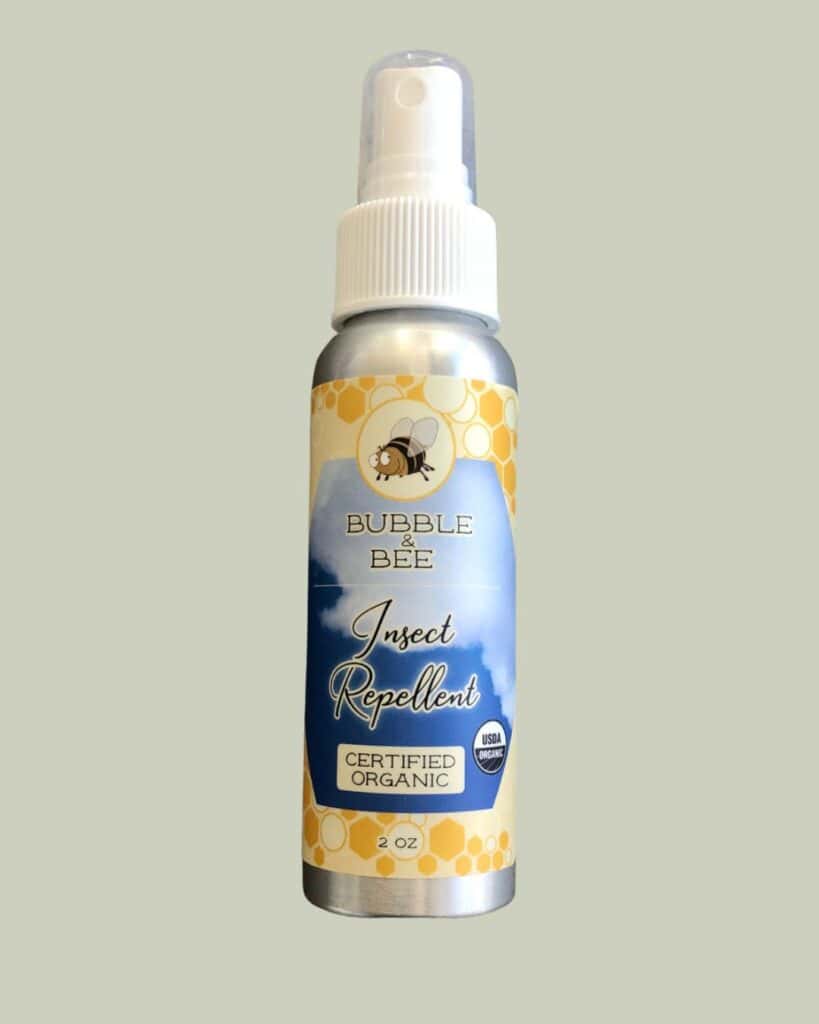
Bubble & Bee Organic immediately stood out to me because of how refreshingly simple the formula is.
While many natural bug sprays contain lengthy ingredient lists or vague proprietary blends, this one relies on just a handful of certified organic oils that are fully disclosed.
No synthetic fragrance, no preservatives, and no unnecessary fillers.
I also appreciate that the brand goes beyond the typical “natural” marketing language by earning USDA Organic certification and keeping the formula entirely plant-based.
For readers who scrutinize every ingredient label the way I do, this is one of the cleanest bug repellents I’ve found.
Price
$14.99
Ingredients
Soybean Oil | Geranium, Clove, Lemongrass, Peppermint & Rosemary Essential Oils (All Organic)
location/shipping
United States | Ships Internationally
5. Badger Balm | Best Natural Bug Spray For Everyday Use
Best For: Anyone looking for a trusted brand that’s easy to find and easy to use
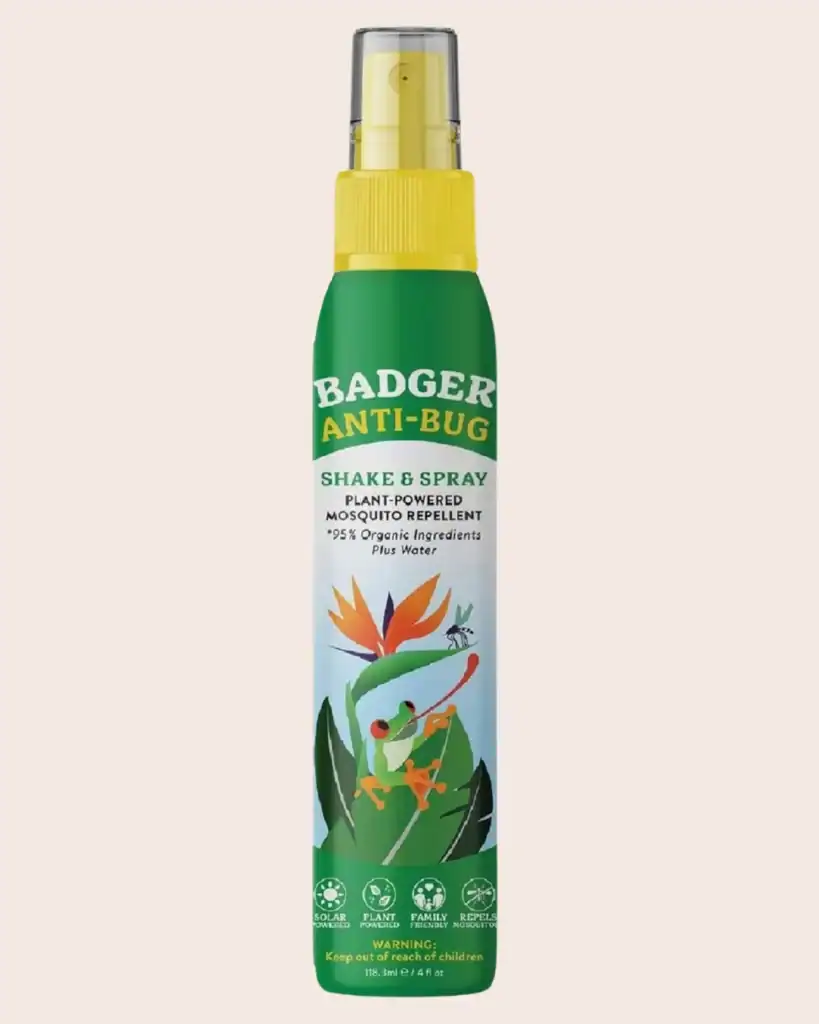
Badger Balm is one of those brands I find myself recommending again and again because they consistently keep things simple.
They’ve been making natural personal care products for decades, and their bug repellents follow the same philosophy.
Straightforward ingredients, no synthetic fragrance, and formulas that are easy to use for everyday outdoor activities.
I also like that Badger Balm products are widely available. Whether you’re shopping online or browsing a natural grocery store, it’s one of the easiest non-toxic bug spray brands to find.
If you’re new to natural insect repellents and want a dependable place to start, Badger Balm is an easy recommendation.
How Your Body Processes DEET vs Natural Ingredients
When DEET is applied to your skin, it doesn’t just sit there.
Studies show that between 3.8-17% of DEET applied to the skin is actually absorbed into the bloodstream, depending on concentration and how long it’s left on the skin.
Once inside your body, your liver has to work to break it down and metabolize it, so your body is actively processing and eliminating this chemical long after you’ve applied it.
Natural repellents like citronella and lemon eucalyptus oil, by contrast, tend to have much lower absorption rates.
When they are absorbed, these plant compounds are typically processed more efficiently by the body since they’re similar to substances we encounter in foods.
Instead of creating potentially problematic metabolites, they’re usually broken down through existing metabolic pathways.
How Long Do Natural Options Work Compared To DEET?
Let’s be honest – this is what we all really want to know. How well do these natural options actually work compared to DEET?
According to comparative studies:
- DEET (25% concentration) provides approximately 4-8 hours of protection.
- Oil of Lemon Eucalyptus (30%) offers 3-6 hours of protection.
- Citronella (high-quality) provides 2-3 hours of protection.
- Soybean oil-based repellents last about 1.5-2 hours.
The key difference isn’t necessarily how well they work initially; it’s how long they last. This is why the reapplication of natural repellents is so important.
Skin Irritation
DEET has been associated with skin irritation in some users, particularly at higher concentrations.
A study published in the International Journal of Dermatology found that approximately 14% of people using DEET at concentrations above 50% experienced some form of skin irritation.
Natural repellents typically cause fewer irritation issues, though individual allergic reactions to specific plant oils can certainly occur.
The main advantage is that if irritation does happen, it’s usually milder and resolves more quickly once the product is washed off.
Here’s an interesting point: researchers have found that DEET can actually accelerate the skin penetration of other chemicals when used together.
This is particularly concerning when we think about the common practice of applying both sunscreen and bug spray during outdoor activities.
The Negative Environmental Impact of DEET
Beyond human health concerns, studies have found DEET contamination in waterways, as it’s not completely removed by wastewater treatment processes. This negatively impacts aquatic organisms as it starts to accumulate in waterways over time.
Even more worrisome is that researchers from the National Institute of Standards and Technology found that when DEET combines with chlorine (commonly used to treat drinking water), it can form chlorinated byproducts with unknown health effects.
Practical Tips For Using Natural Bug Repellents
1. Perfect Your Application Technique
- Apply thoroughly, but don’t oversaturate. A light, even coating works better than dousing yourself.
- Don’t miss these key spots: ankles, wrists, neck, and behind the knees. These are prime mosquito-targeting areas that are often overlooked.
- Wait 15-20 minutes after applying sunscreen before applying your bug repellent (this gives the sunscreen time to bind to your skin).
- Reapply after swimming or heavy sweating, even if the time window hasn’t passed.
- When applying to your face, spray into your hands first and then carefully apply to your face, avoiding your eyes and mouth.
2. Timing Matters
- Apply 10-15 minutes before heading outdoors to give the oils time to create a protective barrier.
- Dawn and dusk require extra vigilance; these are peak activity times for many mosquito species, so reapply more frequently during these hours.
- Schedule reapplication reminders on your phone if you’re going to be out for several hours.
3. Boost Your Protection Naturally
- Dress strategically in light-colored, loose-fitting clothing that covers as much skin as possible.
- Create a repellent barrier around your outdoor space with citronella torches or lemongrass plants.
- Avoid scented products like perfumes, scented lotions, or hair products, which can attract insects.
- Eliminate standing water around your home to reduce mosquito breeding grounds.
- Use a fan when sitting outdoors; most flying insects have difficulty navigating in a breeze.
4. Make It Last Longer
- Layer your application, apply once, let it dry for 5 minutes, then apply a second, light coat.
- Try a lotion or balm formula instead of a spray for longer-lasting protection.
- Combine methods, use both a personal repellent and environmental deterrents like citronella candles.
I’ve discovered that applying a thin layer of natural bug repellent balm to my ankles and wrists, then using a spray formula on the rest of my exposed skin, gives me the most complete and long-lasting protection.
Still Deciding?
- Chagrin Valley is the best overall choice for families looking for multiple formats, affordable pricing, organic ingredients, and reliable everyday bug protection.
- Primally Pure stands out for premium ingredients, a more luxurious scent profile, and an elevated bug spray experience for everyday outdoor use.
- California Baby is ideal for babies, toddlers, and young children thanks to its family-focused formula and gentle plant-based ingredients.
- Bubble & Bee Organic is perfect for ingredient-conscious shoppers who want USDA Organic certification and one of the simplest formulas available.
- Badger Balm is a great option for anyone looking for a trusted, widely available natural bug repellent that is easy to find online and in stores.
That’s a Wrap—Ditch the Toxins, Embrace Natural Bug Protection!
We’ve come to the end of our bug-battling journey! I don’t know about you, but I sleep much better at night knowing I’m not coating my family in questionable chemicals just to enjoy an evening outdoors.
The best part? These natural alternatives really work! Sure, you might need to reapply a bit more often, but isn’t that a small price to pay for peace of mind?
Nature has provided everything we need to stay protected – we just need to embrace it. So grab your favorite natural repellent, head outside, and enjoy all the buzzing-free adventures waiting for you!
Continue Your Non-Toxic Outdoor Living Journey
- Non-Toxic Sunscreen For Babies & Kids: Safer mineral sunscreens for babies and kids, without questionable chemical UV filters.
- Non-Toxic After-Sun Lotions: Gentle after-sun products that help soothe and hydrate sun-exposed skin.
- Homemade Bug Spray: Easy DIY bug spray recipes using natural ingredients and essential oils.
- Non-Toxic Self Tanner: Cleaner self-tanners that deliver a natural glow without unnecessary ingredients.
- Non-Toxic Sunscreen: The best mineral sunscreens are made with safer ingredients and broad-spectrum protection.
📌 Save This Guide For Later
Looking for a bug spray that actually works without DEET, synthetic fragrance, or questionable ingredients? Save this guide for your next camping trip, beach day, hike, backyard BBQ, or family vacation.
I break down what makes a bug repellent truly non-toxic, which ingredients to look for, which ones to avoid, and share my favorite DEET-free bug sprays and natural bug repellents that actually help keep mosquitoes and bugs away.
Sources & Further Reading
If you’ve been trying to find a bug spray that actually works without relying on DEET, it’s worth looking beyond product marketing and digging into the research behind insect repellents, ingredient safety, and environmental impact.
Much of the information that shaped this guide comes from scientific studies on DEET absorption, insect repellent efficacy, toxicology research, and recommendations from public health organizations.
Here are some of the most helpful resources I reviewed while researching non-toxic bug sprays and natural insect repellents:
- U.S. Environmental Protection Agency (EPA) — Information on DEET safety, registration, and insect repellent guidance.
- Centers for Disease Control and Prevention (CDC) — Recommendations on insect repellents, tick prevention, and oil of lemon eucalyptus.
- American Academy of Pediatrics (AAP) — Guidance on insect repellent use for babies and children.
- National Institute of Standards and Technology (NIST) — Research examining DEET interactions in water systems.
- National Center for Biotechnology Information (NCBI) — Studies on DEET absorption, metabolism, and skin exposure.
- Agency for Toxic Substances and Disease Registry (ATSDR) — Toxicological information on chemical exposure and human health effects.
- Environmental Working Group (EWG) — Consumer resources on insect repellents and ingredient safety.
- World Health Organization (WHO) — Information on insect-borne diseases and prevention strategies.

Steal My Non-Toxic Cleaning Checklist!
Believe us, it’s the BEST…. and it’s free. Does it really get any better than that?! Sign up for our newsletter and get this free checklist to clean your home without any harmful chemicals!