 Click To Shop Danielle's Favorites!
SKL is reader supported. When you buy through links on our site, we may earn affiliate commission. Learn more here.
If you’re searching for the best bamboo sheets that feel buttery-soft and breathable — without synthetic blends or heavy chemical finishes — bamboo bedding might be on your radar.
But here’s what most brands don’t explain clearly: bamboo itself is fast-growing and renewable. The processing method is what determines whether it stays sustainable.
Many bamboo sheets are made using traditional viscose or rayon methods that rely on intensive chemical solvents during production. Even when the final fabric tests clean, the manufacturing process may not be as eco-friendly as the marketing suggests.
That’s why we ranked the best bamboo sheet brands based on processing transparency, third-party certifications, and overall material safety — so you can see exactly where each one stands.
SKL Top Picks For Bamboo Sheets, In A Nutshell…
- Best Overall + Best for Closed-Loop Processing: Ettitude
- Best Cooling Performance (OEKO-TEX Viscose): Cozy Earth
- Best Budget-Friendly Bamboo Sheets: Quince
- Best for Deep Mattresses & Secure Fit: Simply Organic Bamboo
Some of the brands below use closed-loop lyocell processing, while others rely on bamboo viscose that is OEKO-TEX® certified for harmful substances and responsibly sourced through certifications like FSC®. We prioritized transparency, third-party verification, and clear communication about how each product is made.
Whether you’re a hot sleeper, have sensitive skin, or simply want bedding that better aligns with your values, these bamboo sheet sets represent the cleanest options currently available.
Let’s take a closer look.
What To Look For In Truly Sustainable & Non-Toxic Bamboo Sheets
Not all bamboo sheets are created equal.
In fact, many brands lean heavily on greenwashed marketing — using “bamboo” as a buzzword while hiding harsh chemicals or unsustainable practices behind the label.
Here’s how to spot the real deal — and avoid the fluff:
1. Understand the Processing Method
Most bamboo sheets are made using one of two processes: viscose (rayon) or lyocell.
Bamboo Lyocell
This method uses a closed-loop system that captures and reuses solvents during production. It’s currently the cleanest large-scale processing option available for bamboo textiles.
Bamboo Viscose (Rayon)
This is the more common method and can involve chemical solvents during manufacturing. While the final fabric may test clean, the production process itself is more chemically intensive.
What to look for:
Clear disclosure of the processing method. If a brand doesn’t explain how their bamboo is turned into fabric, that’s a red flag.
2. Prioritize Third-Party Certifications
Certifications don’t make a product perfect — but they provide accountability.
Look For:
- OEKO-TEX® Standard 100 → Tests for over 350 harmful substances.
- FSC Certified Bamboo → Confirms bamboo was grown in responsibly managed forests.
- GOTS (if blended with cotton) → For organic, toxin-free fiber processing.
- Cradle to Cradle / MADE SAFE → Bonus points — these certify full supply chain safety.
3. Skip “Wrinkle-Resistant” or “Stain-Resistant” Claims
Performance finishes often rely on chemical treatments. In some textiles, wrinkle-resistant finishes can involve formaldehyde-based resins.
Bamboo sheets are naturally soft and drapey — they don’t need added treatments to perform well.
If the product emphasizes “easy care” or “anti-stain” technology, look closer.
4. Construction Still Matters
Sustainability isn’t just about fiber — it’s about longevity.
A well-made sheet set should:
• Use strong stitching and reinforced seams
• Offer deep pockets with secure elastic
• Maintain softness after repeated washing
The most sustainable sheets are the ones you don’t need to replace every year.
5. Look for Real Supply Chain Transparency
Responsible brands clearly explain:
• Where their bamboo is grown
• Where it’s processed into fabric
• What certifications back those claims
If a company relies on vague phrases like “eco-friendly bamboo” without explaining the process, proceed with caution.
For added comfort, pair your bamboo sheets with a non-toxic mattress that’s breathable and chemical-free.
Now that you know what actually matters — processing method, certifications, and transparency — let’s look at how today’s top bamboo brands stack up.
We reviewed each of the following sheet sets through that exact lens. Some earned higher marks for closed-loop processing. Others stood out for residue testing, responsible sourcing, or overall performance.
Instead of lumping them together under one blanket claim, we’ve ranked them based on what they do best — so you can choose the option that fits your comfort priorities and sustainability standards.
Here are the bamboo sheets that made the cut.
The Best Bamboo Sheets of 2026 (Ranked by Clean Processing & Certifications)
1. Ettitude
Best Overall + Best for Closed-Loop Processing
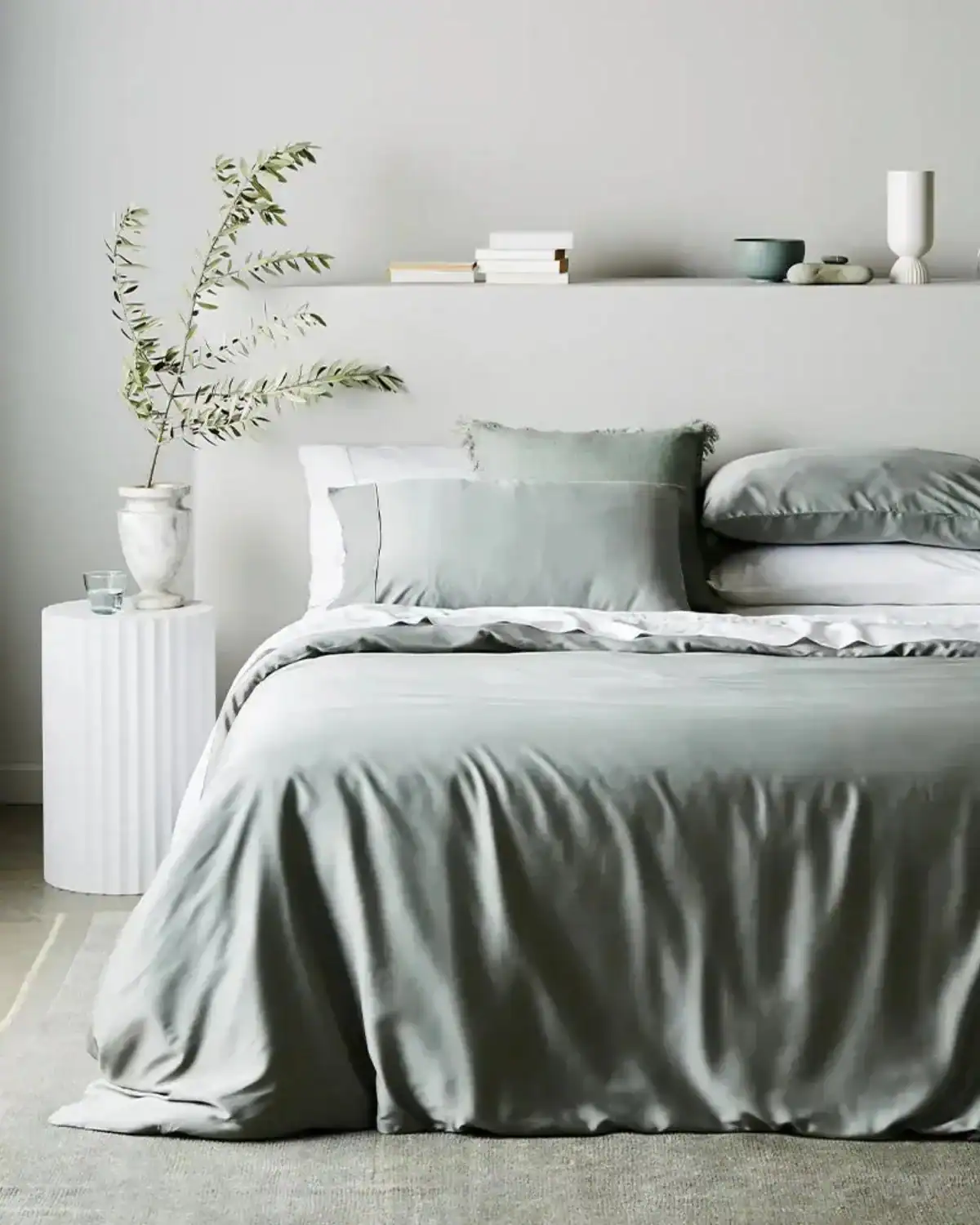
Ranked #1 for processing transparency and closed-loop bamboo lyocell manufacturing.
Ettitude’s CleanBamboo® lyocell sheets are made from FSC-certified bamboo.
Produced using a closed-loop process that reduces water use and recovers solvents.
The fabric offers a smooth, breathable feel similar to high thread count cotton without relying on blends or chemical finishes.
These lightweight sheets are OEKO-TEX® certified and available in a range of colors and sizes.
Making them a reliable option for anyone seeking soft and low-impact bamboo bedding.
Price (Queen) & Sizing
$150 (Fitted Sheet) | $169 (Flat Sheet) | $359+ (Sheet Sets) | Twin – Cot
Notable Features
OEKO-TEX® Certified | Lyocell Made From Bamboo (CleanBamboo® Fabric) | Closed-Loop Process
Location/Shipping
United States, ships to select international countries
2. Cozy Earth
Best Cooling Performance (OEKO-TEX Viscose)
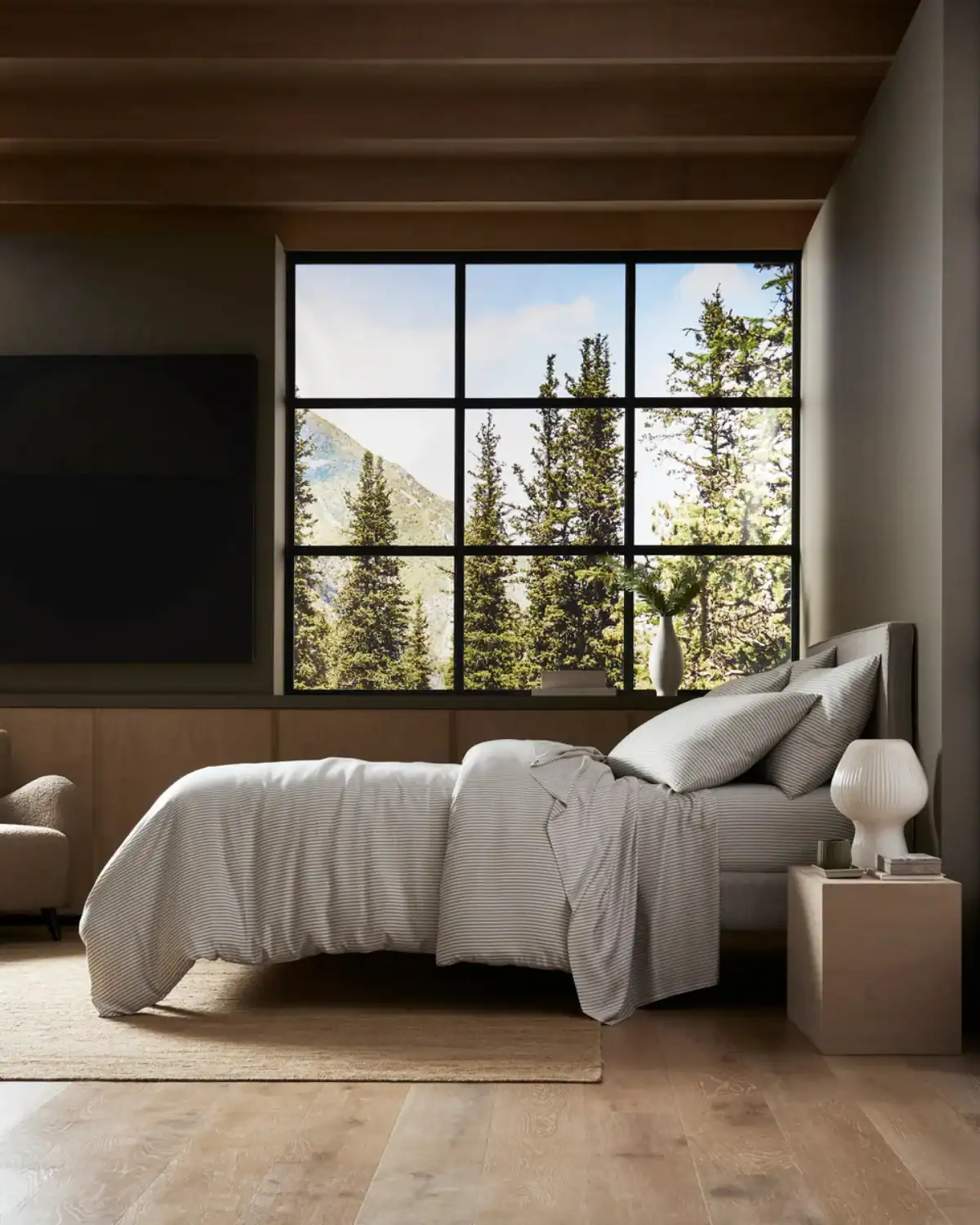
Cozy Earth’s bamboo viscose sheets are well known for their softness and temperature-regulating feel.
The material is OEKO-TEX® certified and finished with a weave designed to resist pilling, so the fabric stays smooth over time.
The generous drape and fit work across a variety of mattress sizes and sleep setups.
With a focus on breathable comfort and clean materials, these sheets remain a popular option for those seeking high-quality bamboo bedding backed by consistent performance.
Price (Queen) & Sizing
$128 (Fitted Sheet & Flat Sheet) | $308 (Sheet Set) | Twin – Split King
Notable Features
OEKO-TEX® Certified | Viscose Made From Bamboo | Closed-Loop Process
Location/Shipping
United States, ships worldwide
3. Quince
Best Budget-Friendly Option
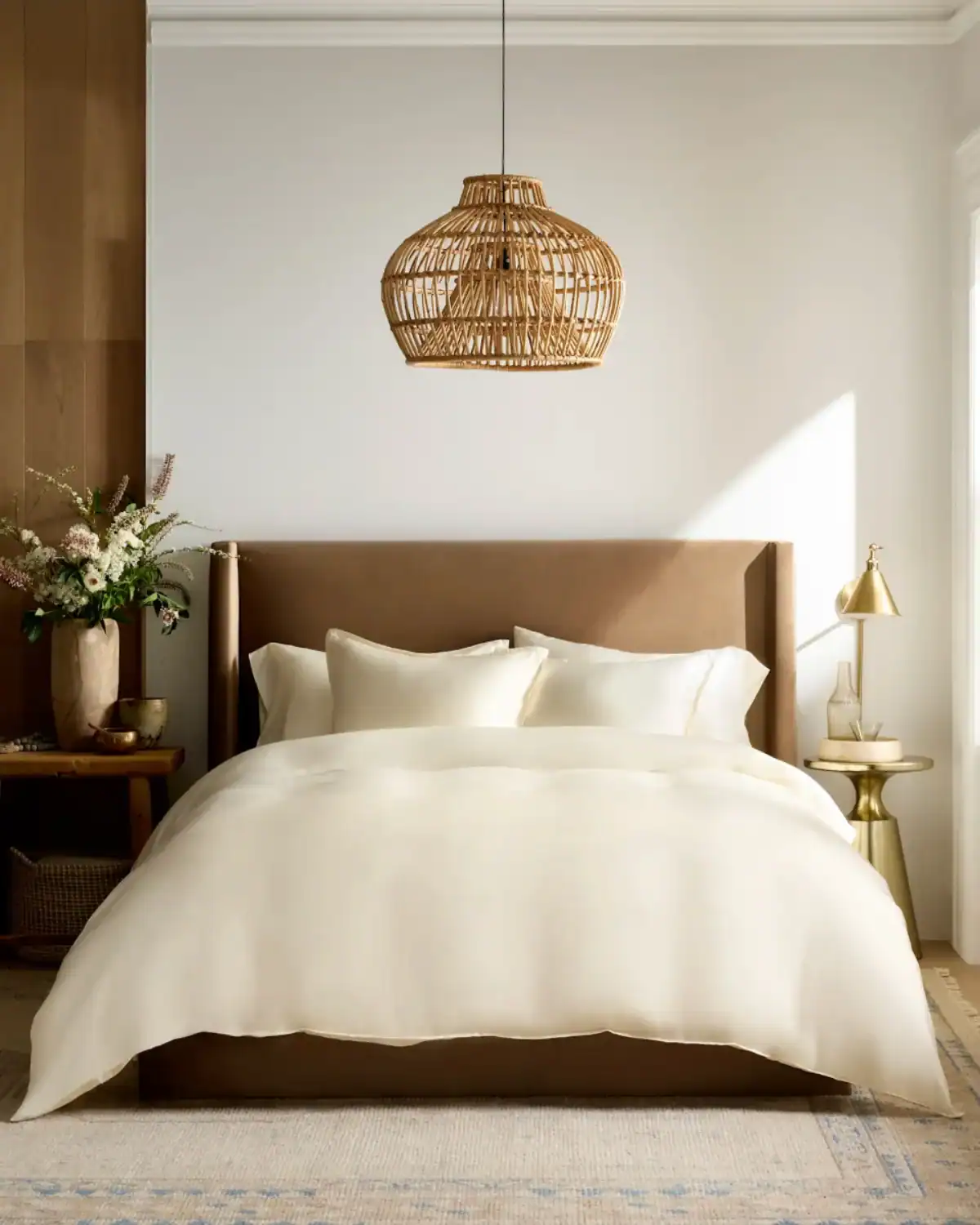
Quince bamboo sheets are made from 100 percent viscose derived from organic bamboo, a renewable material that grows quickly and uses far less water than cotton.
The silky smooth sateen weave feels cool and soft against the skin, offering natural temperature regulation for comfortable sleep year-round.
These sheets are hypoallergenic, OEKO-TEX® certified, and designed with deep pockets, full elastic, and clean opening pillowcases.
Durable, breathable, and award-winning, they remain a dependable choice for soft and sustainable bedding.
Price
$99.90 (Fitted Sheet Set) | $129.90 (Sheet Set) | Twin – Cal King
Notable Features
OEKO-TEX® Certified | Viscose Made From Bamboo
Location/Shipping
United States | Ships To Canada
4. Nest Bedding
Best Lightweight Bamboo Option
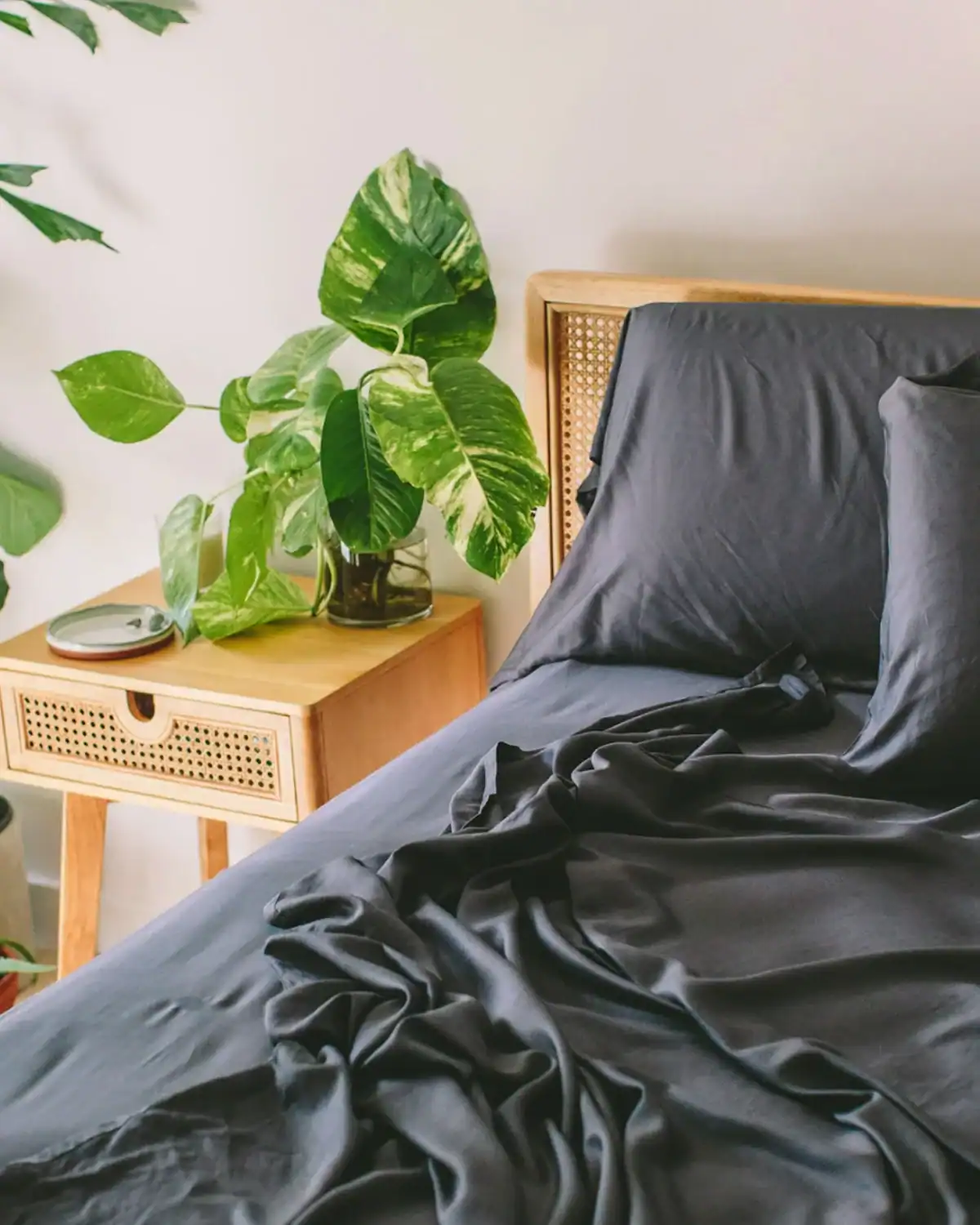
Nest Bedding’s bamboo sets are made from 100 percent rayon from bamboo, giving them a smooth, lightweight, and breathable feel that supports cooler sleep.
The material offers a soft drape and helps reduce heat buildup, making it a comfortable option for warm sleepers.
These sheets come in several colors and include a fitted sheet, flat sheet, and pillowcases designed for everyday use.
Their simple construction and accessible price make them a straightforward entry into bamboo-based bedding.
Price (Queen) & Sizing
$162 (Sheet Set) | Twin – King Cal
Notable Features
FSC-Certified | Rayon Made From Bamboo
Location/Shipping
United States, ships to Canada
5. BedVoyage
Best Durable Bamboo Sheets for Everyday Use
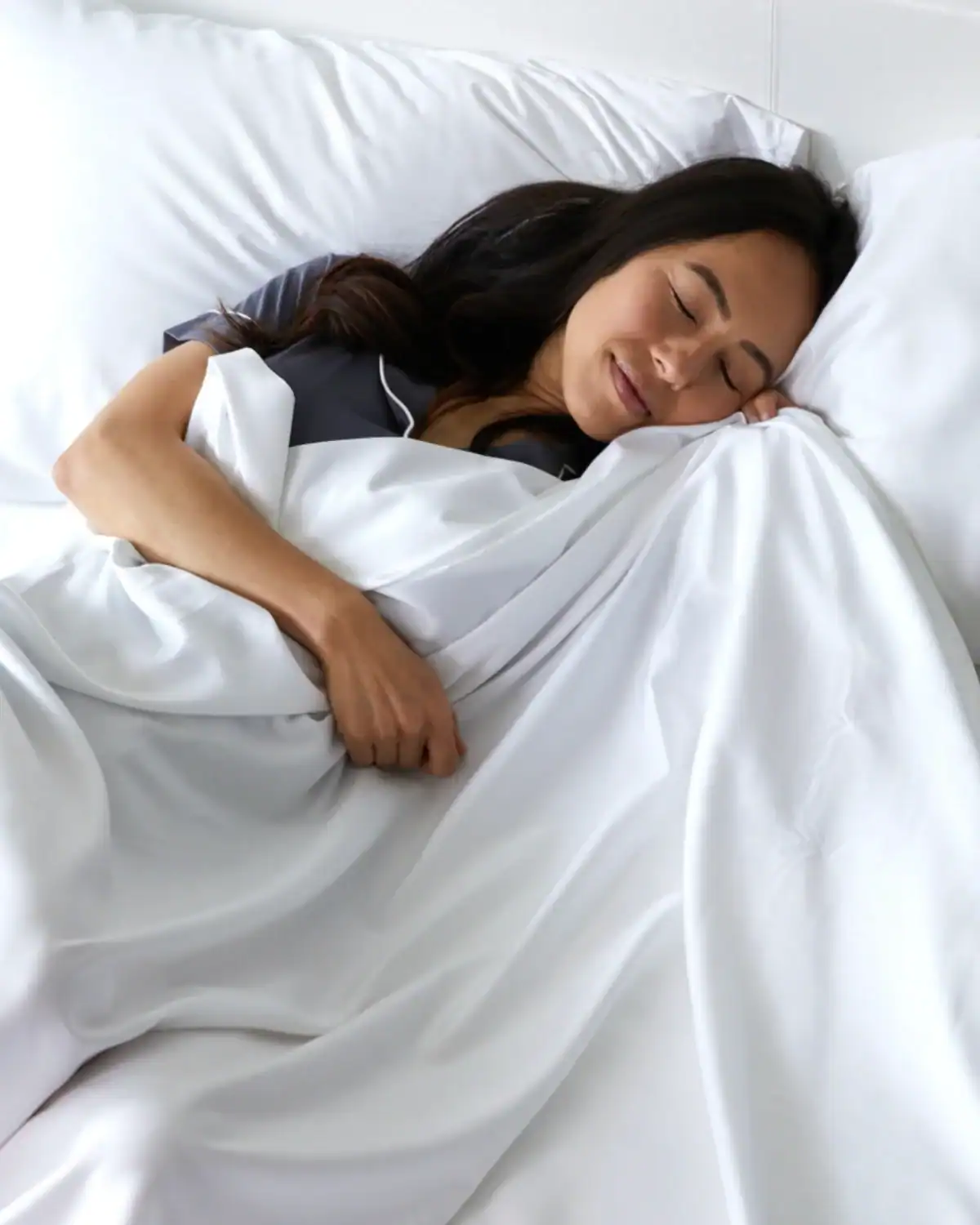
BedVoyage uses OEKO-TEX® certified bamboo viscose to create sheets that feel cool, breathable, and smooth against the skin.
The fabric naturally helps manage moisture and stays fresh longer between washes.
Each set includes deep pockets and strong elastic for a secure fit, along with a tight weave that reduces pilling.
The brand focuses on clean manufacturing and long-lasting comfort, making these sheets a dependable option for anyone wanting bamboo-based bedding.
Price (Queen) & Sizing
$109 (Fitted Sheet) | $249 (Sheet Set) | Twin XL – Split King
Notable Features
OEKO-TEX® Certified | Viscose Made From Bamboo | Closed-Loop Process
Location/Shipping
United States
Frequently asked questions about bamboo sheets
Bamboo sheets are made from fibers taken from the bamboo plant and turned into fabric. Most bamboo sheets on the market are made using either bamboo viscose (also called rayon) or bamboo lyocell.
The difference matters. Lyocell uses a more controlled, closed-loop process that recaptures solvents. Viscose is more common and involves heavier chemical processing during manufacturing, though many finished fabrics are tested for safety.
High-quality bamboo sheets are known for their silky-soft feel, cooling effect, and breathable drape. That’s why they’re so popular with hot sleepers.
They can be, but it depends on the brand.
Most bamboo sheets are viscose. While the manufacturing process can involve chemicals, reputable brands have the finished fabric tested under certifications like OEKO-TEX® Standard 100 to ensure harmful residues are not present.
If you want low-toxic bamboo sheets, look for clear processing disclosure, third-party certifications, and no added wrinkle-resistant finishes.
Bamboo grows quickly and typically requires less water than conventional cotton. It also regenerates without replanting.
However, sustainability depends on the entire process. The way the bamboo is turned into fabric, where it’s manufactured, and how long it lasts all matter. Closed-loop lyocell processing is currently the most transparent option in the bamboo category.
It depends on your priorities. Bamboo sheets are usually softer and more cooling. They wick moisture well and feel smooth against the skin.
Organic cotton, on the other hand, has stronger textile certifications like GOTS and is often more durable over time. If cooling comfort is your top concern, bamboo can be a great choice. If strict fiber certification matters most, organic cotton may be the better option.
Look for brands that clearly explain whether the fabric is viscose or lyocell. Check for OEKO-TEX® certification and FSC® sourcing claims. Avoid products labeled “wrinkle-resistant” or “stain-proof,” as those can involve added chemical treatments.
Transparency is key. If a brand won’t explain how their bamboo is processed, that’s a red flag.
Yes. Bamboo sheets are breathable and moisture-wicking, which helps regulate body temperature. Many people who sleep hot prefer bamboo because it feels cool against the skin.
They can wrinkle slightly, especially if untreated. That’s normal. Many wrinkle-resistant treatments use added chemicals, so a natural drape is not a bad thing. A low tumble dry or smoothing them out while damp usually works.
Most quality bamboo sheet sets fit mattresses up to 16–18 inches deep. Always check pocket depth before purchasing, especially if you use a topper.
Wash bamboo sheets in cold water on a gentle cycle. Use mild detergent and avoid bleach or fabric softeners. Tumble dry on low heat or air dry to extend their lifespan. With proper care, bamboo sheets often get softer over time.
Complete Your Non-Toxic Bedroom Setup
Great sheets are just the beginning. If you’re building a healthier sleep space, don’t stop here.
Explore our guides to:
- Non-Toxic & Organic Mattresses
- Best Non-Toxic Pillows
- Organic Mattress Toppers
- Non-Toxic Mattress Protectors
- Complete Non-Toxic Bedding Guide
Layer by layer, it all adds up to better sleep — and fewer hidden chemicals.
My Final Thoughts On Sustainable Bamboo Bedding!
At the end of the day, your bedding shouldn’t just feel cozy — it should reflect how you want to live. That means choosing materials that are thoughtfully made, transparently sourced, and built to last through every season of life (and laundry).
Bamboo sheets can absolutely earn a place in a healthier bedroom — especially when you prioritize brands that disclose their processing methods, carry meaningful certifications, and avoid unnecessary performance finishes. While not all bamboo bedding is created equal, the brands we ranked above represent the most transparent and reliable options currently available.
If you’re feeling overwhelmed, start with our top-ranked pick and work from there. We’ve sorted through the marketing claims so you don’t have to.
Here’s to cooler nights, better sleep, and a bedroom you can feel confident about.
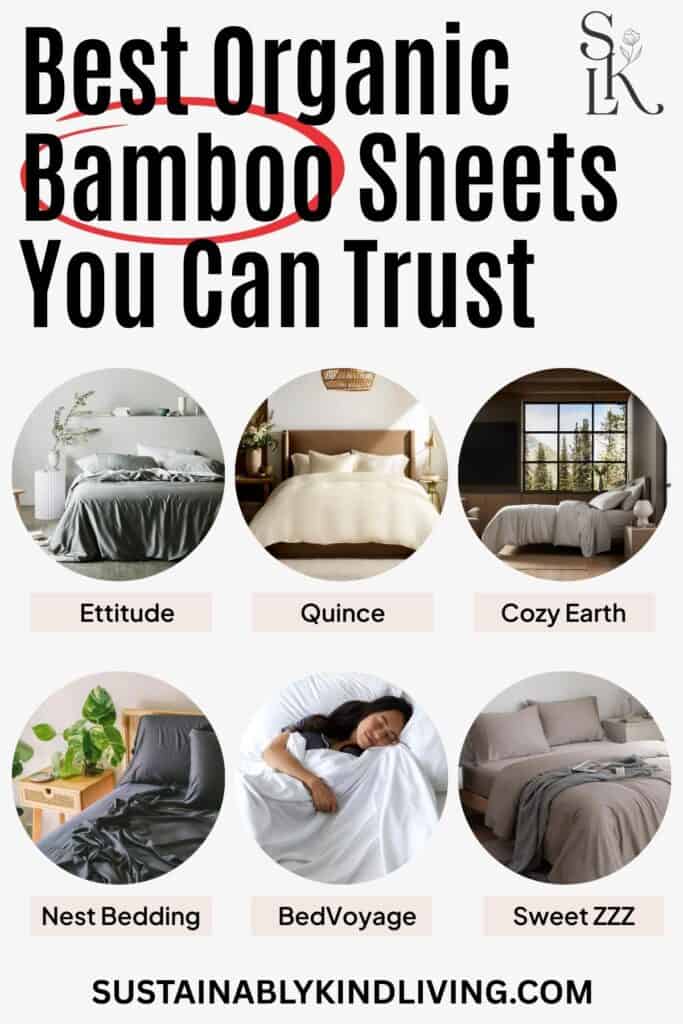
📌 Save This Guide For Later
Save this guide so you can come back anytime you’re ready to choose soft, breathable, and truly low-toxic bamboo sheets.
Sources & Further Reading
We believe informed choices start with transparent information.
The resources below include textile certification bodies, environmental health agencies, and research on regenerated fibers like bamboo viscose and lyocell. Together, they help clarify how bamboo fabric is produced, what certifications actually mean, and how different processing methods impact sustainability and material safety.
If you’d like to dig deeper into fiber processing, solvent recovery systems, or textile testing standards, these are a great place to start.
- OEKO-TEX® Standard 100
https://www.oeko-tex.com
Explains testing standards for harmful substances in finished textile products. - Forest Stewardship Council (FSC®)
https://fsc.org
Outlines responsible forest management standards relevant to bamboo sourcing. - Lenzing Group – Lyocell & Closed-Loop Processing
https://www.lenzing.com
Details solvent-spinning lyocell production and closed-loop recovery systems used in regenerated cellulose fibers. - U.S. Environmental Protection Agency (EPA) – Safer Chemical Ingredients & Manufacturing
https://www.epa.gov/saferchoice
Provides information on chemical solvents and safer production practices. - Agency for Toxic Substances and Disease Registry (ATSDR) – Carbon Disulfide Toxicological Profile
https://wwwn.cdc.gov/TSP/ToxProfiles/ToxProfiles.aspx?id=1102
Reviews health effects associated with carbon disulfide, a solvent historically used in viscose production. - European Environment Agency – Textile Production & Environmental Impact
https://www.eea.europa.eu
Discusses environmental considerations in textile manufacturing and fiber processing. - National Cancer Institute – Formaldehyde Fact Sheet
https://www.cancer.gov/about-cancer/causes-prevention/risk/substances/formaldehyde/formaldehyde-fact-sheet
Explains formaldehyde use in wrinkle-resistant textile treatments and associated health risks. - Textile Exchange – Preferred Fiber & Materials Market Report
https://textileexchange.org
Provides data on fiber sustainability, including regenerated cellulose fibers like viscose and lyocell. - Xie, L. et al. (2021). Sleep & Thermoregulation. Frontiers in Neurology.
https://www.frontiersin.org/articles/10.3389/fneur.2021.637523
Explores how temperature regulation affects sleep quality, relevant to breathable bedding materials.

Steal My Non-Toxic Cleaning Checklist!
Believe us, it’s the BEST…. and it’s free. Does it really get any better than that?! Sign up for our newsletter and get this free checklist to clean your home without any harmful chemicals!



Which ones launder best without ironing?
Hi Patty – in my experience thus far with bamboo sheets (my husband is obsessed with them) – we haven’t had any issues with wrinkles without ironing. I haven’t ironed them once (and yet I iron my cotton and linen sheets after every wash). We personally own the Yala, ettitude, and one more that isn’t on this list – Terrera from Canada. Hope this helps you!