 Shop My Favorite Non-Toxic Gifts Of 2026!
SKL is reader supported. When you buy through links on our site, we may earn affiliate commission. Learn more here.
Finding a truly non-toxic mattress is harder than it should be. Nearly every brand sounds safe at first glance, and some honestly sound magical.
“Clean sleep.” “Natural comfort.” “Organic materials.” The marketing is good.
But dig into what’s actually inside and you get a completely different story.
Many so-called non-toxic mattresses still contain flame retardants, polyurethane foam, and fiberglass. Some brands even wrap petroleum-based foam in an organic cotton cover and market the entire thing as organic. The audacity is real.
SKL Top Picks, At A Glance…
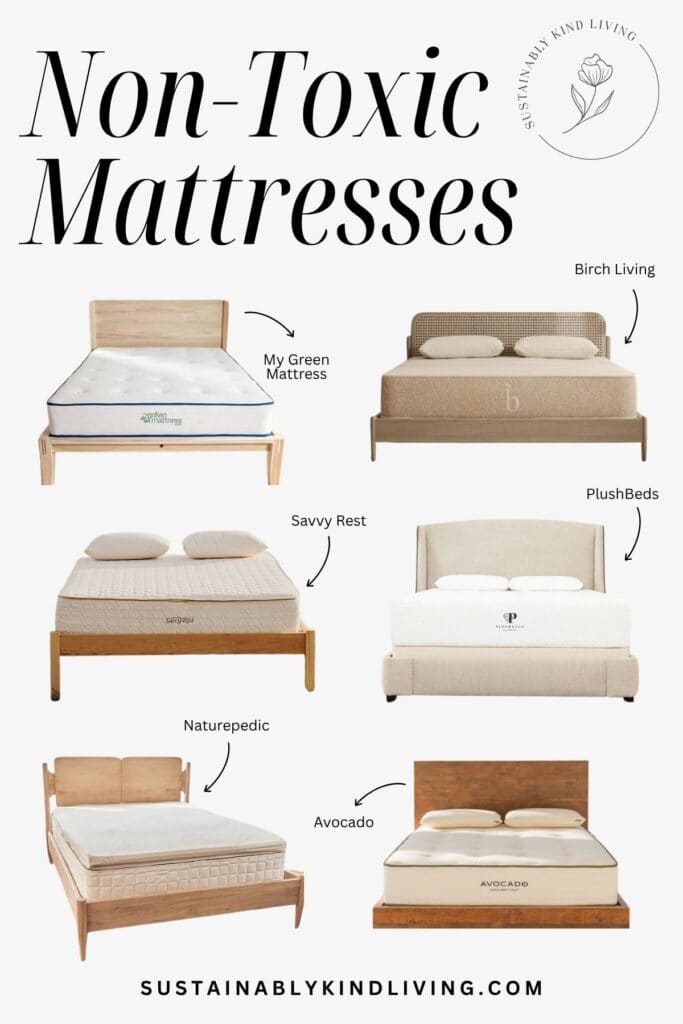
- The Organic Mattress I Use In My Own Home: My Green Mattress
- Best Certified Organic Mattress: Avocado
- Best Affordable Organic Hybrid Mattress: Birch Living
- Best Luxury Organic Latex Mattress: PlushBeds
- Best Customizable Organic Mattress: Naturepedic
I didn’t fully realize how common this was until I started researching mattresses for our own home.
After dealing with constant morning headaches, congestion, and that heavy, groggy feeling that wouldn’t go away, I started digging into indoor air quality and mattress materials for the first time. What I found honestly shocked me.
Since then, I’ve spent years researching organic mattresses, comparing certifications, questioning brands directly, and testing many of the most popular options myself.
👉🏼 If you’re creating a healthier sleep space for your family, don’t miss our guides to the best organic kids’ mattresses and the safest organic crib mattresses for babies and toddlers.
Some looked impressive online but completely fell apart once I examined the actual materials and transparency standards. Others genuinely stood out for their commitment to safer materials, honest manufacturing, and long-term quality.
The mattresses in this guide are the ones I’d personally feel comfortable bringing into my own home after years of researching mattress materials, certifications, and safety standards.
Every option below avoids fiberglass and chemical flame retardants, and each one earned its place through certifications, material transparency, comfort, durability, and real-world testing.
Best Non-Toxic Mattresses: At a Glance Comparison
Mobile Users: Scroll to see full comparison →
| Brand | Best For | Materials | Certifications | Warranty | Price (Queen) |
|---|---|---|---|---|---|
| My Green Mattress | Certified organic without luxury pricing | Cotton, Wool, Dunlop Latex & Coils | GOTS, GOLS, GREENGUARD Gold & MADE SAFE® Certified | 20 Years | $1601 |
| Avocado | Certifications & transparency | Cotton, Wool, Latex & Coils | GOTS, GOLS, GREENGUARD Gold, OEKO-TEX®, MADE SAFE® & EWG Verified® | 10 Years | $1699 |
| Birch Living | Affordable organic option | Cotton, Latex, Wool & Coils | GOLS, GREENGUARD Gold & OEKO-TEX® Certified | Lifetime | $1399 |
| PlushBeds | Luxury adjustable comfort | Cotton, Latex & Wool | GOTS, GOLS, GREENGUARD Gold & eco-INSTITUT Certified | Lifetime | $1949 |
| Naturepedic | Customizable Sleep System | Cotton, Wool & Latex | GOTS, GOLS, GREENGUARD Gold, MADE SAFE® & EWG Verified® | 25 Years | $3519 |
Why Choosing A Non-Toxic Mattress Matters
Most people spend close to a third of their lives in bed, yet mattresses are one of the least questioned products in the entire home.
We think carefully about the food we eat, the water we drink, the products we cook with in our kitchens, and even the cleaning products and skincare items we use throughout our homes every single day.
But mattresses are often treated like they’re automatically safe simply because they’re sold by well-known brands or labeled “natural.” Unfortunately, that’s rarely the case.
Many conventional mattresses are still made with polyurethane foam, synthetic adhesives, fiberglass fire barriers, and chemical flame retardants that can release VOCs into your bedroom air over time.
And because your face is pressed just inches away from those materials for hours every single night, that exposure becomes incredibly personal.
How I Chose The Best Non-Toxic Mattresses
I don’t take mattress recommendations lightly, and I have zero interest in recommending something just because the marketing sounds good.
Over the past several years I’ve researched and compared more than 40 mattresses, tested many of the most popular organic brands in our own home, and spent more hours than I can count digging into materials, certifications, and construction methods that most people never think to question.
Here’s what I actually looked for:
First, what is the mattress made from, not what the website says, but what’s actually inside. I eliminated any brand using polyurethane foam, fiberglass fire barriers, chemical flame retardants, or questionable adhesives.
Then I looked at whether the brand could back up its claims with legitimate third-party certifications like GOTS, GOLS, GREENGUARD Gold, MADE SAFE, and EWG Verified.
Beyond safety, I evaluated comfort, support, durability, motion isolation, temperature regulation, and long-term value. I also spent time in verified customer reviews to understand how these mattresses actually perform after years of real use, not just in the first few months.
If a brand couldn’t clearly disclose what’s inside their mattress or leaned on vague wellness language instead of real transparency, it didn’t make this list. Simple as that.
The Best Organic & Non-Toxic Mattresses Of 2026
1. My Green Mattress Natural Escape — The Organic Mattress We Use In Our Own Home
Best for families who want fully certified organic materials without luxury-level pricing
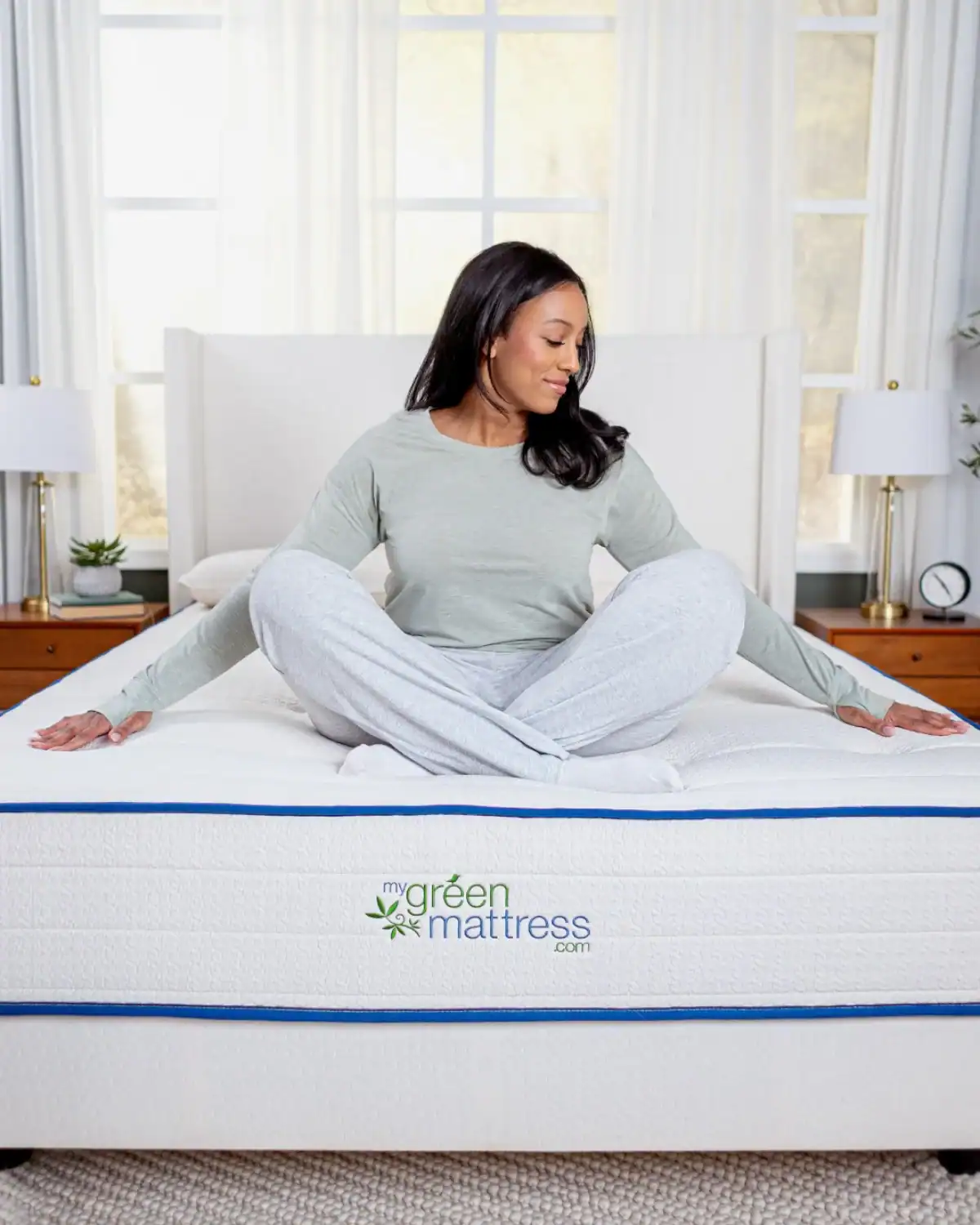
After testing more organic mattresses than I can count, this is still the one I recommend most to friends and family.
My Green Mattress strikes a balance that’s genuinely hard to find in this industry.
The Natural Escape Organic Mattress is built with GOLS-certified organic latex, GOTS-certified organic cotton and wool, and supportive pocketed coils, with no polyurethane foam, fiberglass, or chemical flame retardants hiding inside.
It’s supportive without feeling stiff, and certified organic without the inflated luxury price tag that usually comes with it.
We loved ours so much we bought one for my parents. Years later they still talk about how much better they sleep — and if you want the full breakdown, I reviewed it in detail here.
Price For Queen
$1601
Materials & Certifications
GOTS Organic Cotton & Wool | GOLS Organic Dunlop Latex | Pocketed Coils | GREENGUARD Gold & MADE SAFE® Certified
Location/Shipping
United States | Ships To Canada
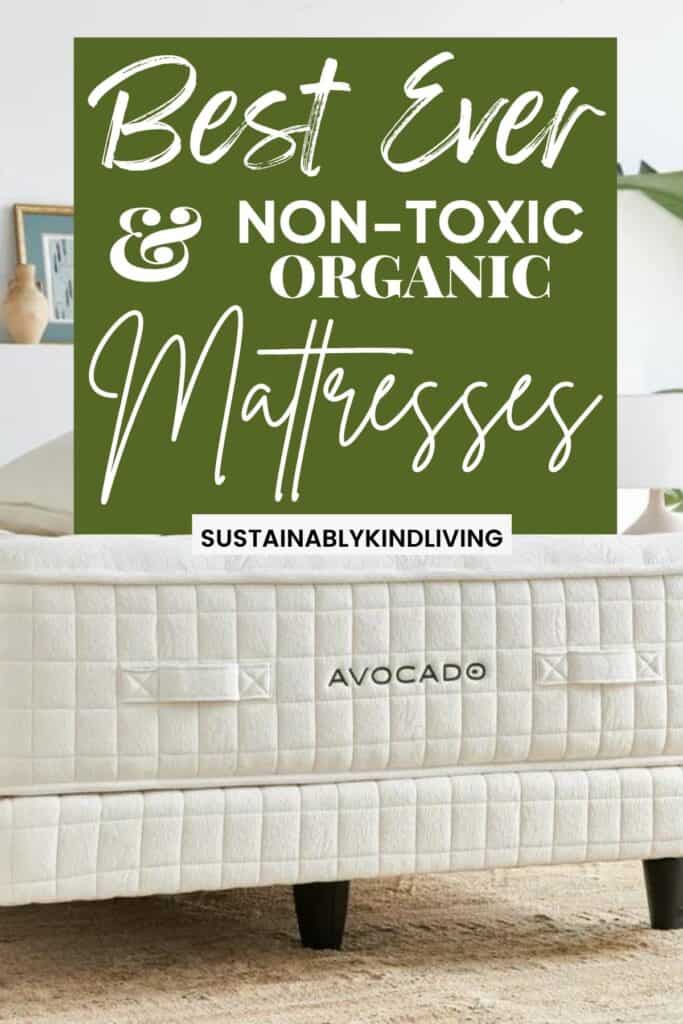
2. Avocado Hybrid Mattress — Best Certified Organic Latex Mattress
Best choice if rigorous certifications and material transparency matter most to you
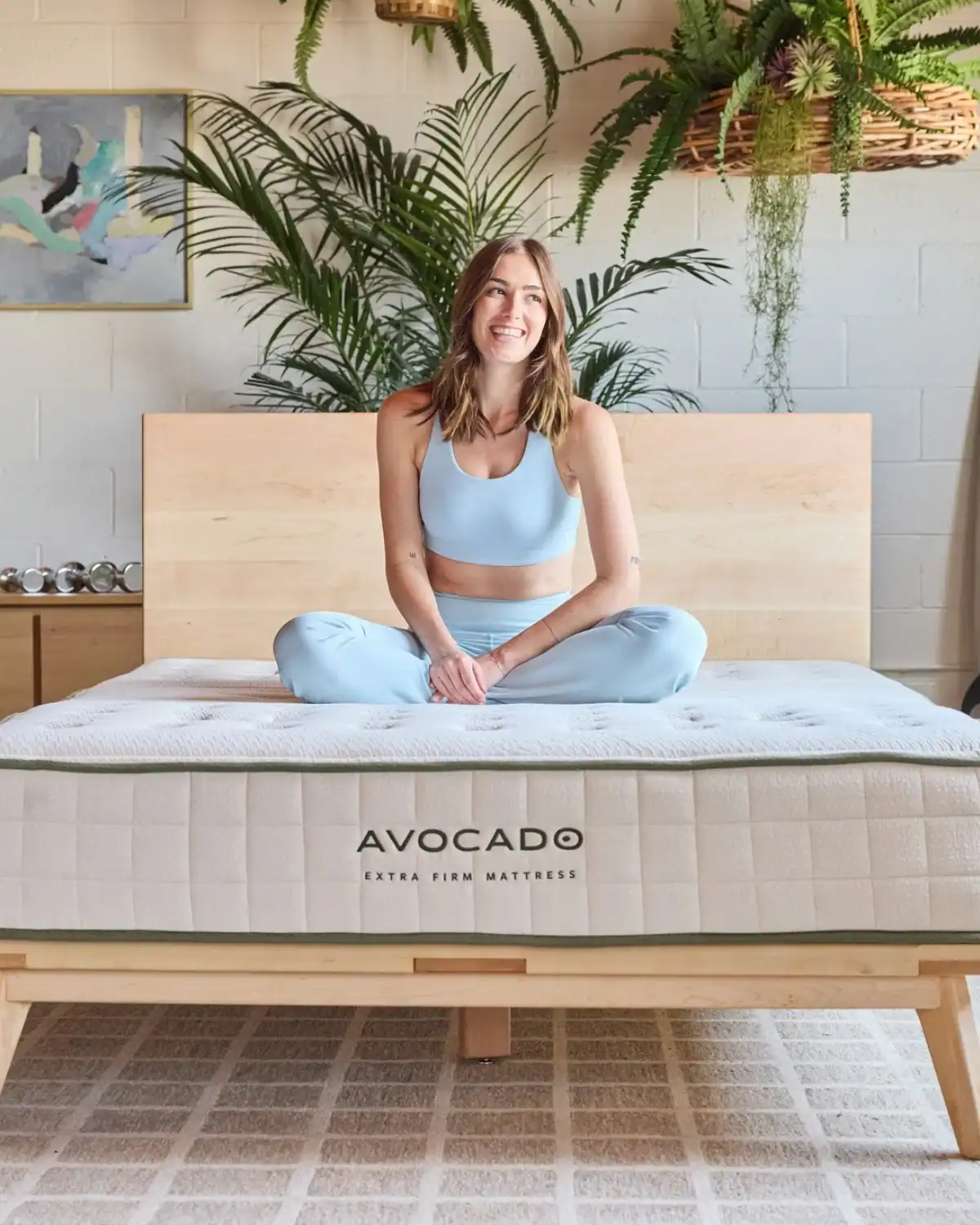
Few mattress brands come close to Avocado when it comes to certifications and material transparency.
If you’re the kind of shopper who wants to read every disclosure before buying, this is one of the strongest options in the industry.
The Organic 11″ Hybrid Mattress combines GOLS-certified organic latex, GOTS-certified organic cotton and wool, and pocketed coils with no polyurethane foam, fiberglass, or chemical flame retardants.
Avocado also goes further than most with GREENGUARD Gold, MADE SAFE, OEKO-TEX, EWG Verified, and publicly available PFAS testing.
It sleeps firm and supportive, which back and combo sleepers tend to love, and the materials, certifications, and manufacturing standards are about as well documented as it gets in this industry.
Price for queen
$1699
Materials & Certifications
GOTS Organic Cotton & Wool | GOLS Organic Latex | Pocketed Coils | GREENGUARD Gold, OEKO-TEX® & MADE SAFE® Certified | EWG Verified®
Location/Shipping
United States | Ships To Canada
3. Birch Living Natural Mattress — Best Affordable Natural Hybrid Mattress
A great first organic mattress if you’re transitioning away from conventional memory foam
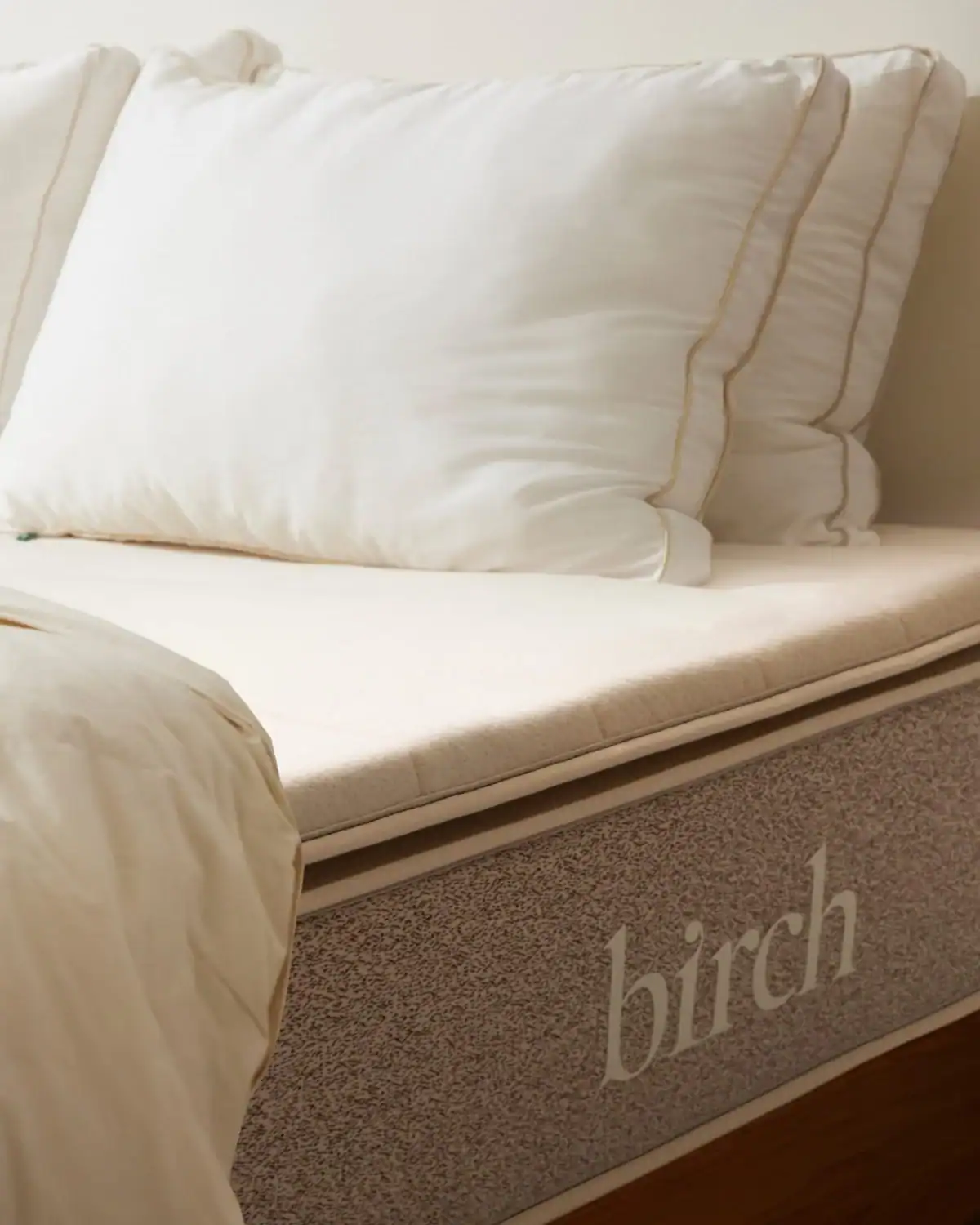
If switching to an organic mattress feels financially overwhelming, Birch Living is one of the easiest places to start.
The Birch Natural Mattress combines organic cotton, wool, natural latex, and pocketed steel coils in a clean, streamlined construction that avoids fiberglass and polyurethane foam.
It’s GREENGUARD Gold certified, noticeably more breathable than most conventional mattresses, and has a familiar hybrid feel that makes the transition away from memory foam much less jarring.
What I appreciate most is that Birch doesn’t overcomplicate things.
It’s supportive, comfortable, honestly priced, and backed by solid certifications without trying to feel overly luxurious.
For a lot of people, this is the mattress that makes organic sleep finally feel accessible.
Price for queen
$1399
Materials & Certifications
Organic Cotton | Natural Wool | GOLS Organic Latex | Pocketed Steel Coils | GREENGUARD Gold & OEKO-TEX® Certified
Location/Shipping
United States | Ships To Canada
4. PlushBeds Botanical Bliss — Best Luxury Organic Latex Mattress
Best for shoppers who want adjustable comfort and long-term latex durability
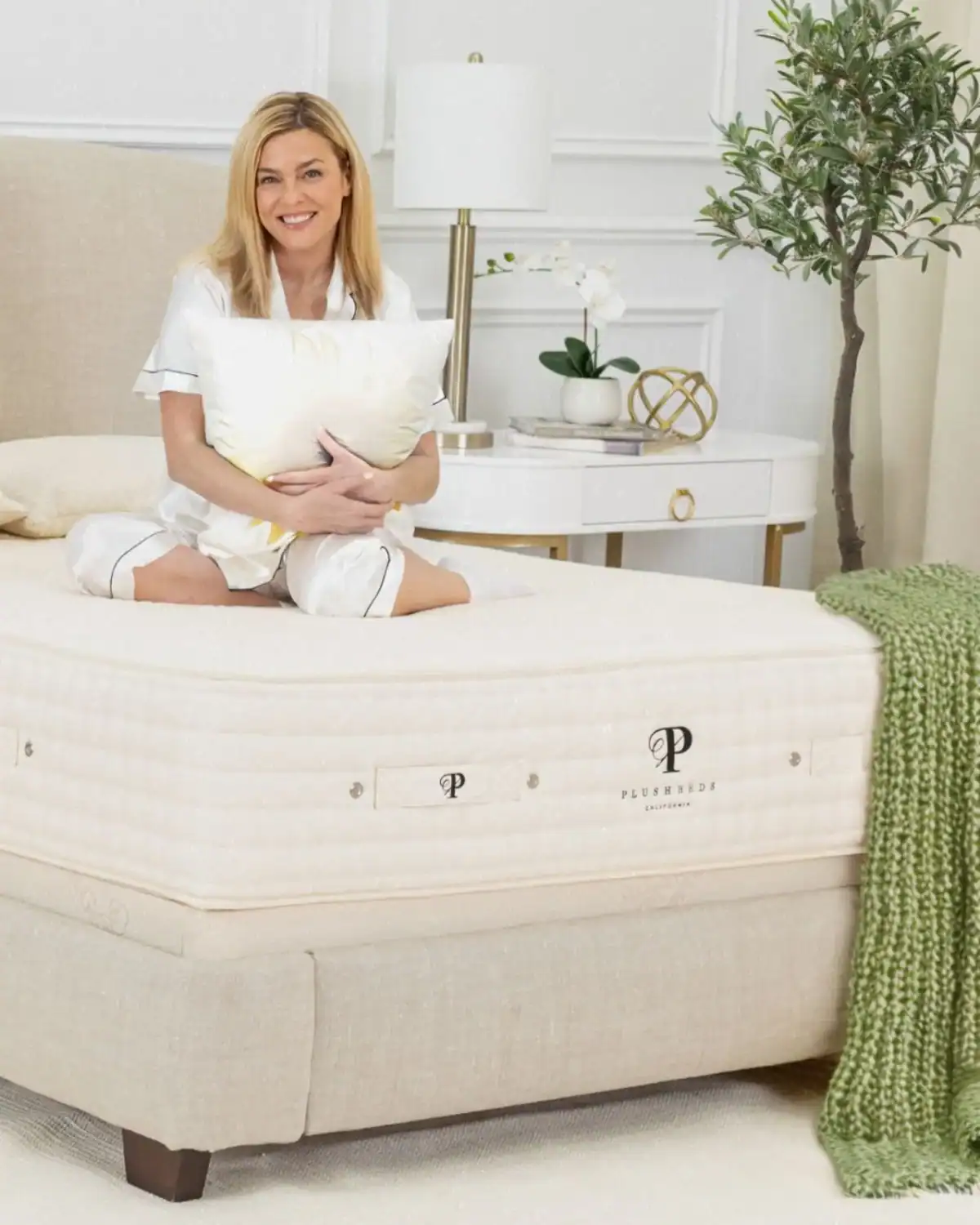
PlushBeds feels noticeably more refined than most boxed organic mattresses.
The Botanical Bliss has a dense, supportive latex feel with exceptional pressure relief and comfort.
Built with GOLS-certified organic latex, GOTS-certified organic cotton and wool, and no polyurethane foam, fiberglass, or chemical flame retardants.
What sets it apart is the adjustable latex layer system, which lets you modify firmness over time instead of replacing the whole mattress. The materials feel substantial and genuinely built to last in a way most conventional mattresses simply aren’t anymore.
If you’re looking for a true investment piece, PlushBeds earns its reputation.
Price for queen
$1949
Materials & Certifications
GOTS Organic Cotton & Wool | GOLS Organic Latex | GREENGUARD Gold & eco-INSTITUT Certified
Location/Shipping
United States | Ships To Canada
5. Naturepedic EOS Trilux — Best Customizable Organic Mattress
Best for shoppers who want maximum customization and certification oversight
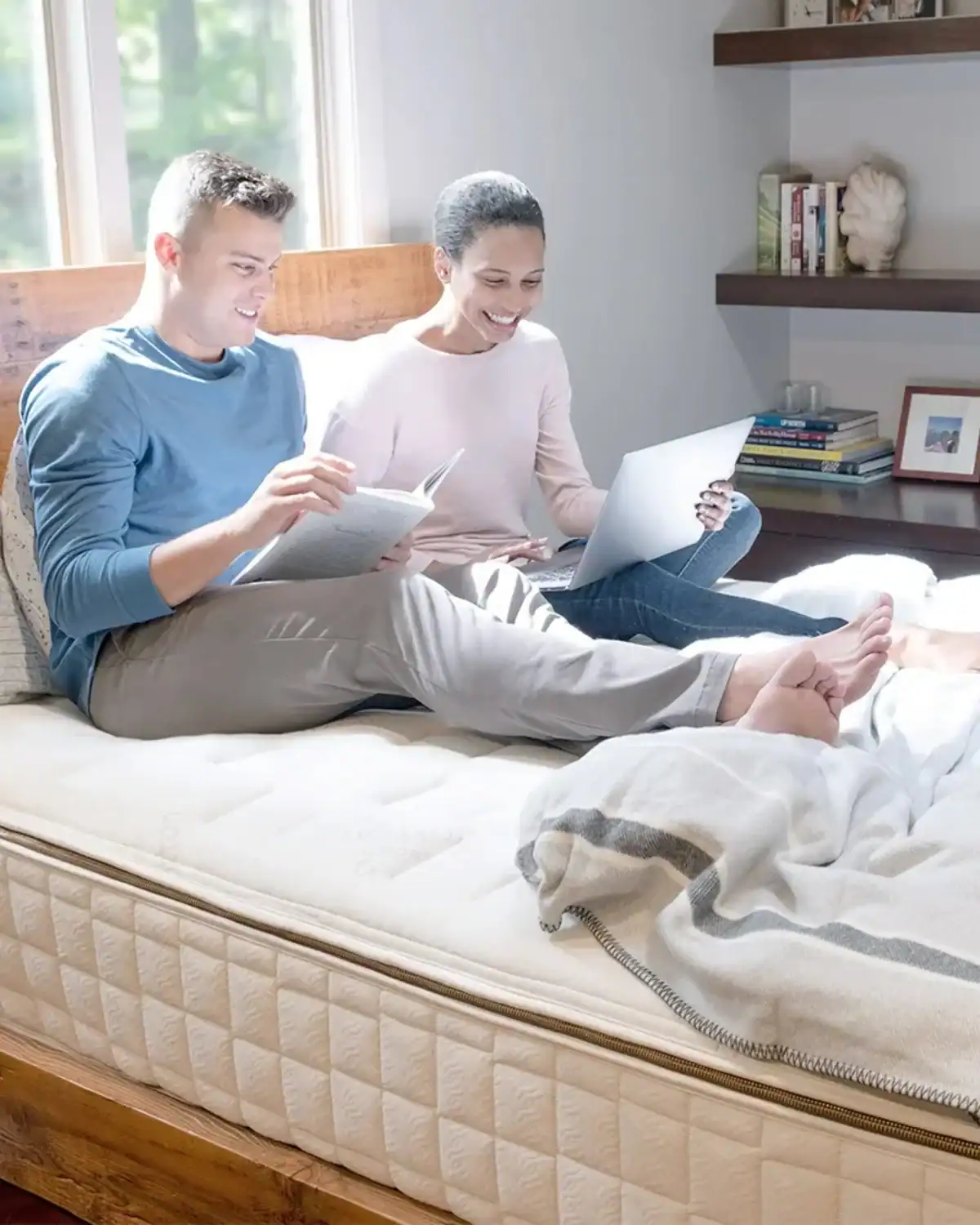
Naturepedic takes a modular approach to organic sleep that most mattress brands simply don’t offer.
The EOS Trilux features interchangeable internal layers you can adjust over time, making it especially useful for couples with different firmness preferences or anyone whose sleep needs change.
Built with GOTS-certified organic cotton and wool, GOLS-certified organic latex, and none of the usual red flags like polyurethane foam, fiberglass, or chemical flame retardants.
Naturepedic also carries one of the strongest certification portfolios in this space, including MADE SAFE and EWG Verified, and their material transparency is among the most rigorous I’ve come across.
It’s an investment, but for long-term adjustability and some of the strictest material standards in the industry, it’s hard to beat.
Price for queen
$3519
Materials & Certifications
GOTS Organic Cotton & Wool | GOLS Organic Latex | GREENGUARD Gold & MADE SAFE® Certified | EWG Verified®
Location/Shipping
United States | Ships To Canada
A Few More Organic Mattresses Worth Mentioning
Holy Lamb Organics
Best for shoppers looking for a more traditional wool-and-latex mattress experience
Holy Lamb Organics takes a very different approach from most modern mattress brands. Everything feels slower, more handcrafted, and intentionally simple.
Their mattresses use organic wool, organic cotton, and natural latex without polyurethane foams, fiberglass, or chemical flame retardants.
If you’re highly ingredient-conscious or drawn to small-batch craftsmanship over large-scale manufacturing, Holy Lamb has a very loyal following for good reason.
Savvy Rest
Best for shoppers who want boutique-level latex customization
Savvy Rest is known for its customizable latex layer systems and strong focus on material transparency. Their mattresses use certified organic latex, wool, and cotton with multiple firmness configurations available.
I personally found PlushBeds and Naturepedic slightly easier to navigate overall, but Savvy Rest is still a strong option for shoppers who want more hands-on customization and are comfortable investing in a premium organic sleep system.
Happsy
Best budget-friendly certified organic mattress for guest rooms or lighter use
Happsy is Naturepedic’s more affordable sister brand and offers a simpler entry point into certified organic mattresses.
It uses GOTS-certified organic cotton and wool alongside GOLS-certified latex without polyurethane foam or fiberglass.
While it doesn’t feel quite as refined or supportive as some of the higher-end options in this guide, it’s still a far cleaner choice than most conventional mattresses in the same price range.
Toxic Chemicals Hidden In Many Mattresses
Most people assume mattresses are heavily regulated when it comes to safety. Unfortunately, that’s not always true.
Many conventional mattresses are still made with synthetic foams, chemical adhesives, fiberglass fire barriers, and flame-retardant materials that can release VOCs into your bedroom air over time.
Here are some of the biggest materials and chemicals I personally try to avoid when shopping for a non-toxic mattress:
Polyurethane Foam
Polyurethane foam is one of the most common materials used in conventional mattresses, especially memory foam beds.
It’s made from petroleum-based chemicals and is often responsible for the strong “new mattress smell” people notice after unboxing a bed. That smell is actually off-gassing.
As the foam breaks down, it can release volatile organic compounds (VOCs) into the air, which may contribute to headaches, respiratory irritation, dizziness, and poor indoor air quality.
Chemical Flame Retardants
Most mattresses sold in the U.S. are required to meet federal flammability standards, but not all brands meet those standards safely.
Some companies still rely on chemical flame retardants that have been linked to hormone disruption, developmental concerns, and long-term health issues.
Because these chemicals sit so close to your body every night, they’re one of the biggest reasons many families start looking into organic mattresses in the first place.
Fiberglass Fire Barriers
Fiberglass is still surprisingly common in lower-cost mattresses because it’s a cheap way for brands to pass flammability testing.
The problem is that fiberglass can escape if the mattress cover is removed or damaged, releasing microscopic fibers into the air and throughout the home.
Families have reported fiberglass contamination in carpets, clothing, HVAC systems, and children’s bedrooms after exposure.
This is one of the biggest reasons I avoid inexpensive boxed mattresses that aren’t transparent about their fire barrier materials.
Formaldehyde & Synthetic Adhesives
Many conventional mattresses are held together with industrial adhesives that can contain formaldehyde and other harsh chemical compounds.
Formaldehyde is a known carcinogen and can also trigger eye irritation, headaches, skin reactions, and respiratory symptoms, especially in poorly ventilated bedrooms.
One of the first things I look for in a safer mattress is full transparency around adhesives, foams, and fire barrier materials. If a company avoids answering those questions clearly, I consider that a red flag.
The Organic Mattress Industry Has A Serious Greenwashing Problem
Words like “natural,” “organic,” and “eco-friendly” are used so loosely in this industry that they’ve become almost meaningless without proof to back them up.
Many brands market themselves as non-toxic while still using polyurethane foam, synthetic fire barriers, and chemical adhesives underneath the surface. In some cases the only organic element is a thin layer of fabric on the outside.
Terms like “plant-based foam” and “bio foam” sound clean until you dig in and realize the mattress is still primarily petroleum-based polyurethane.
That’s exactly why certifications matter. GOTS, GOLS, GREENGUARD Gold, MADE SAFE, and EWG Verified exist to separate genuinely transparent brands from companies coasting on vague claims. Without them, “organic” is just a marketing word.
Safer Mattress Materials To Look For
When I’m researching organic mattresses, there are a few materials I consistently prioritize because they tend to signal safer construction, better breathability, and stronger long-term durability.
Organic Cotton
Organic cotton is commonly used in mattress covers and quilting layers.
Unlike conventional cotton, it’s grown without heavy pesticide use and processed under much stricter standards.
I also prefer organic cotton because it tends to feel more breathable and less chemically treated overall.
Organic Wool
Wool plays a really important role in many organic mattresses because it naturally helps regulate temperature and moisture throughout the night.
It also acts as a natural flame barrier, which helps brands meet flammability standards without relying on added chemical flame retardants.
That’s one of the biggest differences between truly non-toxic mattresses and many conventional beds.
Natural Latex
Natural latex is one of the most durable mattress materials I’ve tested.
It’s derived from rubber trees rather than petroleum and tends to feel far more breathable and supportive than polyurethane memory foam.
I personally look for GOLS-certified organic latex whenever possible. And just as importantly, I pay very close attention to certifications.
Certifications I Trust Most For Organic Mattresses
One of the biggest things I learned while researching mattresses is that the word “organic” alone doesn’t mean very much unless a company is willing to back it up with certifications and full material transparency.
GOTS & GOLS
GOTS certifies organic textiles like cotton and wool, helping verify that the materials were produced according to strict environmental and social responsibility standards throughout the manufacturing process.
GOLS focuses specifically on organic latex and helps confirm that the latex comes from certified organic sources while also meeting cleaner processing and material standards.
GREENGUARD Gold
GREENGUARD Gold tests products for lower VOC emissions, which is especially important for something you sleep on every single night inside an enclosed room where air circulation may be limited.
This certification helps verify that a mattress has been tested for thousands of potentially harmful chemical emissions that can contribute to poor indoor air quality and ongoing off-gassing exposure over time.
MADE SAFE® & EWG Verified®
MADE SAFE® and EWG Verified® are two of the certifications I trust most when it comes to material safety and ingredient transparency.
They involve additional screening for harmful chemicals and help distinguish genuinely safer brands from companies that rely mostly on marketing language.
One thing I learned very quickly while researching mattresses is that the word “organic” alone doesn’t mean very much unless a company is willing to back it up with certifications and full material transparency.
Budget-Friendly Ways To Create A Healthier Sleep Space
I know firsthand how overwhelming organic mattress prices can feel at first.
A truly non-toxic mattress is absolutely an investment, and for many families, replacing a mattress immediately just isn’t realistic.
The good news is that you don’t have to change everything overnight to create a healthier sleep environment. Even small upgrades can make a meaningful difference over time.
Start With An Organic Mattress Topper
If replacing your mattress isn’t possible right now, an organic mattress topper is one of the easiest ways to create a cleaner barrier between your body and the materials underneath.
I especially like natural latex and organic wool toppers because they’re breathable, durable, and free from polyurethane foam.
Upgrade Your Bedding First
Your sheets, pillows, and mattress protector are the materials closest to your skin and face for hours every single night, which makes the materials used in your bedding especially important.
Swapping synthetic bedding for organic cotton or natural materials can help reduce exposure to heavily treated fabrics and improve airflow while you sleep.
Be Careful With Bed Frames Too
A non-toxic mattress placed on particleboard or chemically treated plywood can still impact your indoor air quality.
Whenever possible, I recommend looking for solid wood bed frames finished with low-VOC oils or stains instead of synthetic coatings.
Air Out New Mattresses Properly
Even safer mattresses can have a mild natural smell at first, especially latex and wool. Giving your mattress time to fully air out near open windows can help your bedroom feel fresher much faster.
Don’t Feel Pressured To Do Everything At Once
One of the biggest things I’ve learned through our non-toxic living journey is that progress matters far more than perfection. Creating a healthier home usually happens step by step, not all at once.
Frequently Asked Questions About Non-Toxic & Organic Mattresses
In my opinion, yes. You spend nearly a third of your life in bed, so the materials you sleep on every night matter.
Organic mattresses also tend to last longer than conventional foam mattresses, which helps offset the higher upfront cost over time.
I personally look for mattresses made with organic latex, organic wool, and certified organic cotton because they’re commonly used in many of the safest and most transparent organic mattress brands on the market.
These materials are generally more breathable, durable, and lower in chemical exposure than polyurethane foam and synthetic fire barriers.
The safest organic mattresses avoid fiberglass completely and instead rely on materials like organic wool to act as a natural flame barrier that helps meet flammability standards without synthetic fire socks or hidden fiberglass layers.
This is one of the biggest reasons I personally prefer certified organic mattress brands that openly disclose their materials, construction methods, and fire barrier systems instead of relying on vague marketing language.
Most organic mattresses have a mild natural smell at first from materials like latex or wool, but it’s very different from the harsh chemical off-gassing common with polyurethane foam mattresses.
Natural latex is generally considered a safer option because it’s derived from rubber trees instead of petroleum-based chemicals. It’s also more durable and tends to sleep cooler than conventional memory foam.
The certifications I trust most are GOTS, GOLS, GREENGUARD Gold, MADE SAFE® & EWG Verified®. These help verify organic sourcing, lower VOC emissions, and stricter material safety standards.
Yes. Conventional mattresses can release VOCs through off-gassing, especially when made with polyurethane foam and synthetic adhesives. Because bedrooms are enclosed spaces, those emissions can build up over time.
I personally avoid mattresses made with polyurethane foam, fiberglass fire barriers, chemical flame retardants, and brands that aren’t transparent about their materials.
Not all memory foam is equally problematic, but most conventional memory foam is made from petroleum-based polyurethane foam and can release VOCs into the air over time.
A high-quality organic latex mattress can last 20 years or longer with proper care, which is significantly longer than many conventional foam mattresses.
Still Deciding?
- For solid certifications, genuine comfort, and long-term value without the luxury price tag: My Green Mattress
- For the most thorough certifications and material transparency: Avocado
- For a supportive, familiar feel that makes transitioning from a conventional bed super easy: Birch Living
- For a luxurious, adjustable latex mattress built to last decades: PlushBeds
- For couples with different sleep preferences who want long-term customization: Naturepedic
Final Thoughts On Choosing A Non-Toxic Mattress
Your mattress is one of the highest-exposure products in your home. You’re spending thousands of hours every year sleeping, breathing, and recovering on it, and the materials inside matter far more than most brands want you to realize.
The good news is that genuinely safer options exist, and the brands in this guide prove it. They earned their spot through real certifications, material transparency, and construction standards that actually hold up under scrutiny. These are mattresses I’d bring into my own home without hesitation.
And if overhauling your entire sleep space at once feels overwhelming, don’t. Start with the mattress. Then the bedding. Then the pillows. Small swaps made intentionally over time add up to a meaningfully healthier environment.
Once you know what to look for, you can’t unsee it. And that’s a good thing.
Complete Your Non-Toxic Sleep Setup
Building a truly non-toxic sleep space goes beyond the mattress. Here’s where to go next:
- Non-Toxic Kids Mattresses: Organic kids mattresses made without fiberglass, polyurethane foam, or chemical flame retardants.
- Non-Toxic Mattress Protectors: Safer mattress protectors made without vinyl, PFAS, or harsh waterproof coatings.
- Organic Comforters & Duvet Inserts: Organic comforters and duvet inserts made with breathable natural materials and lower-toxic fabrics.
- Non-Toxic Mattress Toppers: Mattress toppers made without polyurethane foam, fiberglass, or unnecessary chemical additives.
- Non-Toxic Bedding: Safer bedding made with organic and natural materials for a lower-toxin sleep environment.
- Non-Toxic Sheets: Breathable sheets made with organic cotton, linen, and safer fabric finishes.
- Non-Toxic Pillows: Pillows made without polyurethane foam, synthetic fragrances, or questionable chemical materials.
📌 Save This Guide For Later
Save it so you have a trusted reference the next time you’re shopping for a healthier mattress with cleaner materials, fewer questionable chemicals, and better long-term durability.
Sources & Further Reading
If you want to learn more about mattress materials, fiberglass fire barriers, VOC exposure, flame retardants, and organic certifications, these are some of the most helpful resources I came across while researching this guide.
I found these especially useful for better understanding mattress safety standards, material transparency, and the claims many brands make throughout the industry.
- Global Organic Textile Standard (GOTS) — International certification standard for organic cotton, wool, and textile processing
- Global Organic Latex Standard (GOLS) — Organic certification standard for natural latex used in mattresses and bedding
- GREENGUARD Gold Certification — Certification program that tests products for lower VOC emissions and indoor air quality impacts
- MADE SAFE® Certification — Screening program focused on avoiding harmful chemicals and improving product safety transparency
- EWG Verified® Program — Environmental Working Group certification focused on ingredient disclosure and chemical safety
- OEKO-TEX® STANDARD 100 — Independent testing standard for harmful substances in textiles and fabrics
- Volatile Organic Compounds (EPA) — Overview of VOCs and how indoor air pollutants can affect air quality and health
- National Institute of Environmental Health Sciences (Flame Retardants) — Research and health information on chemical flame retardants and exposure concerns
- Mattress Flammability Standards (CPSC) — U.S. Consumer Product Safety Commission guidance on federal mattress flammability regulations
- Sleep Foundation — Fiberglass in Mattresses — Overview of fiberglass fire barriers and potential household contamination concerns
- Formaldehyde and Cancer Risk (NIH) — National Cancer Institute overview of formaldehyde exposure and health concerns
- Polyurethane Foam & Indoor Air Quality (EPA) — Background on chemicals commonly associated with foam manufacturing and indoor air exposure concerns
This post was graciously sponsored by Birch Living. As always, we only work with brands that we stand behind. Would you like to sponsor one of our sustainable round-ups? Contact us here.

Steal My Non-Toxic Cleaning Checklist!
Believe us, it’s the BEST…. and it’s free. Does it really get any better than that?! Sign up for our newsletter and get this free checklist to clean your home without any harmful chemicals!






Your article helps me quite a bit, I have severe allergies, asthma, etc. The one item that I am still worried about is the latex, organic or not if you are allergic to latex should it be in your mattress? I would really appreciate your input. As I am sure you know through your research, answers to these questions can be difficult to come by.
In your research were you able to find other mattresses that can be flipped over to prevent early wear?
Thank you for your time.
Hi there — I’m so glad this guide has been helpful for you 🤍 and I completely understand your concern here.
On latex + allergies:
If you have a true latex allergy, especially a diagnosed or severe one, it’s generally best to avoid latex mattresses altogether — even natural or organic latex. While many people tolerate natural latex differently than synthetic, it can still trigger reactions in sensitive individuals, especially with prolonged exposure.
In those cases, I would look toward latex-free organic options, typically made with:
• Organic cotton
• Organic wool
• Pocketed coils (no foam, no latex)
These can still meet non-toxic standards without introducing a known allergen.
On flippable mattresses:
Yes — but they’re becoming less common. Most modern mattresses are “one-sided” due to layered construction.
That said, some brands (like Naturepedic and Savvy Rest) offer modular or customizable designs, where you can rearrange or replace layers over time — which serves a similar purpose in extending lifespan.
A few more traditional, flippable styles do exist (especially in smaller or artisan brands), but they’re not as widely available in the fully certified organic space.
If you’re dealing with severe allergies, I’d always recommend confirming materials directly with the brand and, if possible, speaking with your healthcare provider — just to be safe.
Really appreciate you asking this — it’s such an important conversation 🤍