 Shop My Favorite Non-Toxic Gifts Of 2026!
SKL is reader supported. When you buy through links on our site, we may earn affiliate commission. Learn more here.
No parent should need to become an expert in flame barriers, foam chemistry, and fiberglass just to buy their kid a mattress. But here we are.
I made the same assumption most parents do: that children’s mattresses would automatically be held to a higher standard.
I had already spent years cleaning up the rest of our home, from organic bedding and non-toxic cookware to air quality and cleaning products, so I assumed kids’ mattresses would follow. They didn’t.
What I found instead was polyurethane foam, fiberglass fire barriers, vinyl waterproof layers, synthetic adhesives, and “eco-friendly” marketing that sounded nothing like the actual materials list.
Many mattress companies put more effort into appearing safe than actually being safe, and the children’s category is no exception.
The responsibility still falls on us to dig past the marketing and figure out what our kids are actually sleeping on every night. That’s exactly why I put this guide together.
SKL Top Picks, At A Glance…
- The Non-Toxic Kids Mattress My Kids Sleep On: Avocado
- Best Value Organic Kids Mattress: My Green Mattress
- Best Affordable Organic Hybrid Kids Mattress: Birch Living
- Best Waterproof Non-Toxic Kids Mattress: Naturepedic
- Best Premium Organic Latex Kids Mattress: PlushBeds
Children spend thousands of hours sleeping during the most critical stages of growth and development, yet many mattresses marketed to families still prioritize low-cost materials over transparency and safer construction.
I’ve been researching non-toxic mattresses for over eight years and have gone deep on more than 40 brands across both kids’ and adult categories.
The mattresses in this guide earned their spot through cleaner materials, strong certifications, durability, and real transparency. These are also brands I would personally put in my own kids’ rooms without hesitation, and that bar is not easy to clear.
Best Non-Toxic Kids’ Mattresses: At a Glance Comparison
Mobile Users: Scroll to see full comparison →
These are the organic and fiberglass-free kids’ mattresses that consistently stood out for safer materials, durability, and overall transparency.
| Brand | Best For | Materials | Certifications | Warranty | Price (Twin) |
|---|---|---|---|---|---|
| Avocado | Certifications & transparency | Cotton, Wool, Latex & Coils | GOTS, GOLS, GREENGUARD Gold, OEKO-TEX®, MADE SAFE® & EWG Verified® | 10 Years | $679 |
| My Green Mattress | Best Organic Value Option | Cotton, Wool, Latex & Coils | GOTS, GOLS, GREENGUARD Gold & MADE SAFE® Certified | 20 Years | $794 |
| Birch Living | Affordable organic hybrid | Cotton, Latex, Wool, Coils | GOLS & GREENGUARD Gold Certified | Lifetime | $599 |
| Naturepedic | Waterproof organic mattress | Cotton, Sugarcane, Coils & Microcoils | GOTS, GREENGUARD Gold, MADE SAFE® & EWG Verified® | 25 Years | $639 |
| Plushbeds | Premium organic latex | Cotton, Wool & Latex | GOTS, GOLS, GREENGUARD Gold & eco-INSTITUT Certified | Lifetime | $789 |
Why Choosing a Non-Toxic Kids Mattress Matters
Kids sleep 10 to 12 hours a night, breathing inches away from their mattress for years, during the exact window when their brains, immune systems, and bodies are developing most rapidly.
What’s inside that mattress matters more than most parents realize.
Many conventional kids’ mattresses still rely on polyurethane foam, fiberglass fire barriers, vinyl waterproof layers, and synthetic adhesives that can off-gas VOCs over time.
And because children’s bodies and respiratory systems are still developing, they’re more vulnerable to those exposures than adults are.
A mattress made with organic cotton, wool, natural latex, and steel coils is not a luxury purchase. It’s one of the most meaningful swaps you can make for your child’s long-term health.
Do Kids’ Mattresses Contain Fiberglass?
Yes, and it’s one of the most important things to understand before buying. Many kids’ mattresses, especially lower-cost boxed mattresses sold online, still use fiberglass as a cheap fire barrier.
If the outer cover becomes damaged, unzipped, or removed, microscopic fiberglass particles can escape into the air and spread throughout the room.
Once airborne, they can irritate the eyes, skin, throat, and lungs and may trigger coughing, rashes, and asthma-like symptoms, particularly in children who are more sensitive to airborne particles.
Every mattress in this guide is fiberglass-free and uses safer fire barrier materials instead. That was a non-negotiable.
How I Chose These Non-Toxic Kids Mattresses
Eight years of research and 40+ mattress brands tested across both kids’ and adult categories. A lot didn’t make the cut.
Some relied on polyurethane foam or vague “eco” marketing without disclosing what was actually inside. Others used synthetic waterproofing, fiberglass fire barriers, or certifications that sounded impressive but said nothing meaningful about the finished mattress. I’ve learned to spot the difference, and I’m not generous with recommendations.
The mattresses in this guide earned their spot by consistently prioritizing safer construction and material transparency without sacrificing real-world comfort and durability. Here’s exactly what I evaluated:
- Materials: What’s inside the entire mattress, not just the outer cover
- Certifications: GOTS, GOLS, GREENGUARD Gold, MADE SAFE, and EWG Verified
- Safety Standards: No polyurethane foam, fiberglass, vinyl, or chemical flame retardants
- Comfort & Support: Proper support for growing bodies at every sleep stage
- Breathability: Airflow and temperature regulation throughout the night
- Durability: Real kid use including jumping, spills, sleepovers, and daily wear
- Transparency: Honest sourcing and manufacturing disclosures
These are also the mattresses I would put in my own kids’ rooms without hesitation. That standard does not change.
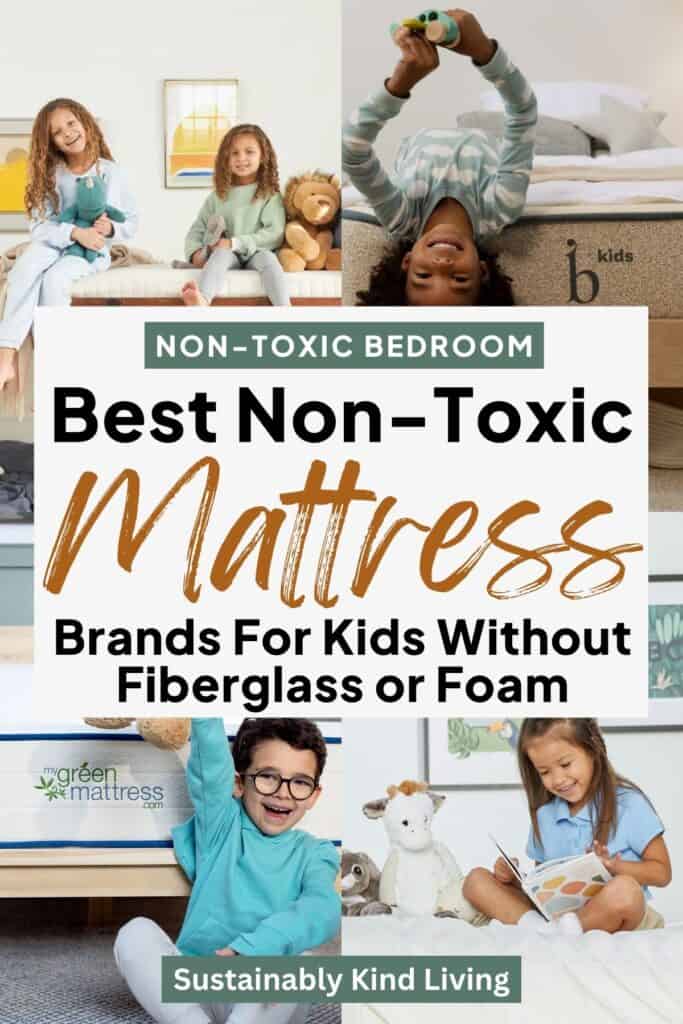
The Best Non-Toxic Kids Mattresses In 2026
1. Avocado Eco Organic Kids Mattress — Best For Parents Prioritizing Certifications & Material Transparency
Best for families wanting the most rigorously certified organic materials
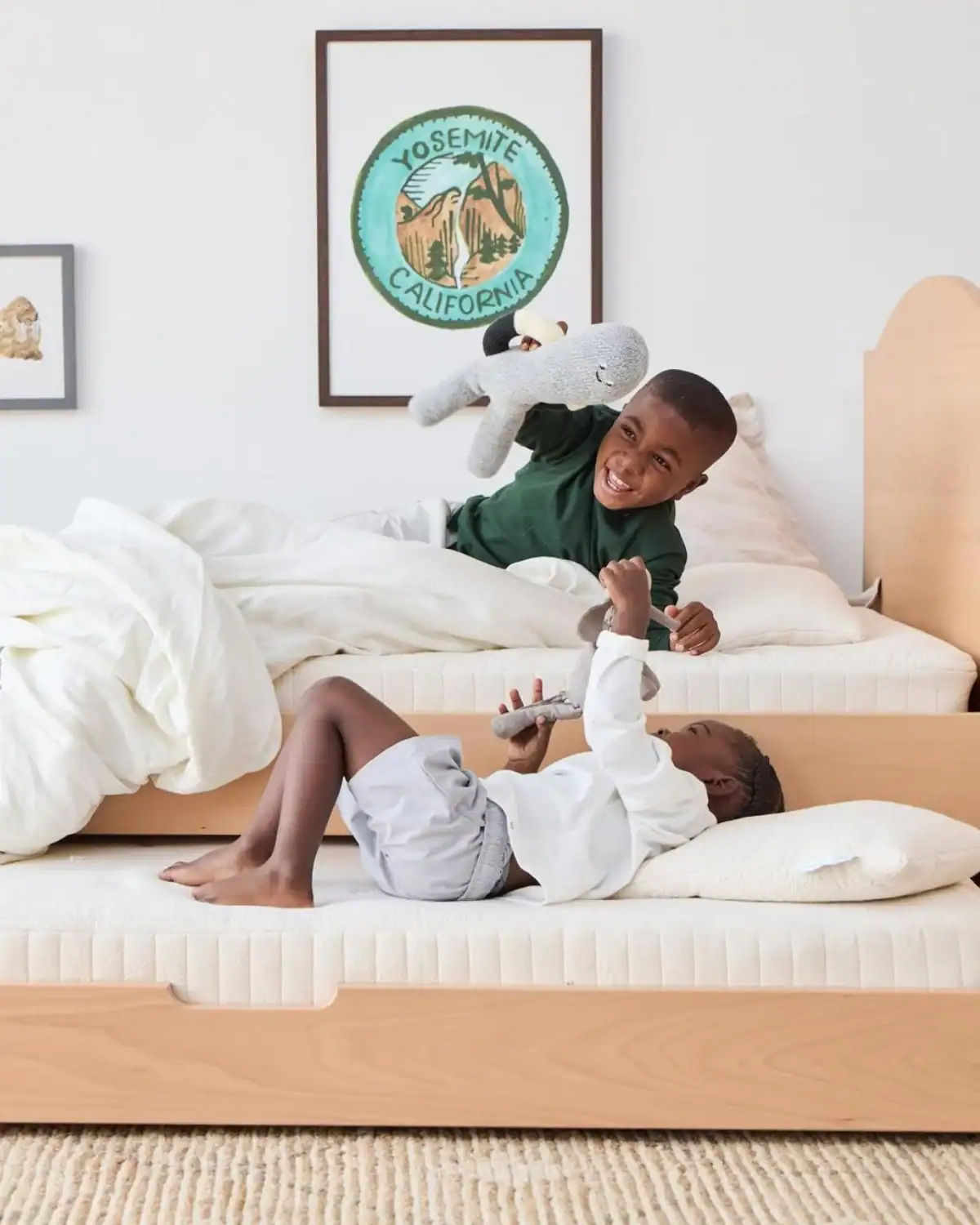
Avocado has become one of the most trusted names in the organic mattress space because the company puts such a heavy emphasis on transparency, certifications, and material sourcing.
That level of documentation matters even more when shopping for kids.
The Eco Organic Kids Mattress is made with GOTS-certified organic cotton, organic wool, GOLS-certified organic latex, and steel support coils without polyurethane foam, fiberglass, or chemical flame retardants.
The mattress has a supportive, breathable feel that works especially well for younger kids and growing bodies.
What really stands out to me with Avocado is how seriously they take ingredient disclosure and safety standards. Very few mattress brands provide this level of certification oversight.
Price for twin
$679
Materials & Certifications
GOTS Organic Cotton & Wool | GOLS Organic Latex | Pocketed Coils | Hand-Tufted | GREENGUARD Gold, OEKO-TEX® & MADE SAFE® Certified | EWG Verified®
Location/Shipping
United States | Ships To Canada
2. My Green Mattress Kiwi — Best Value Organic Kids Mattress
Best balance of safer materials, support, durability, and price
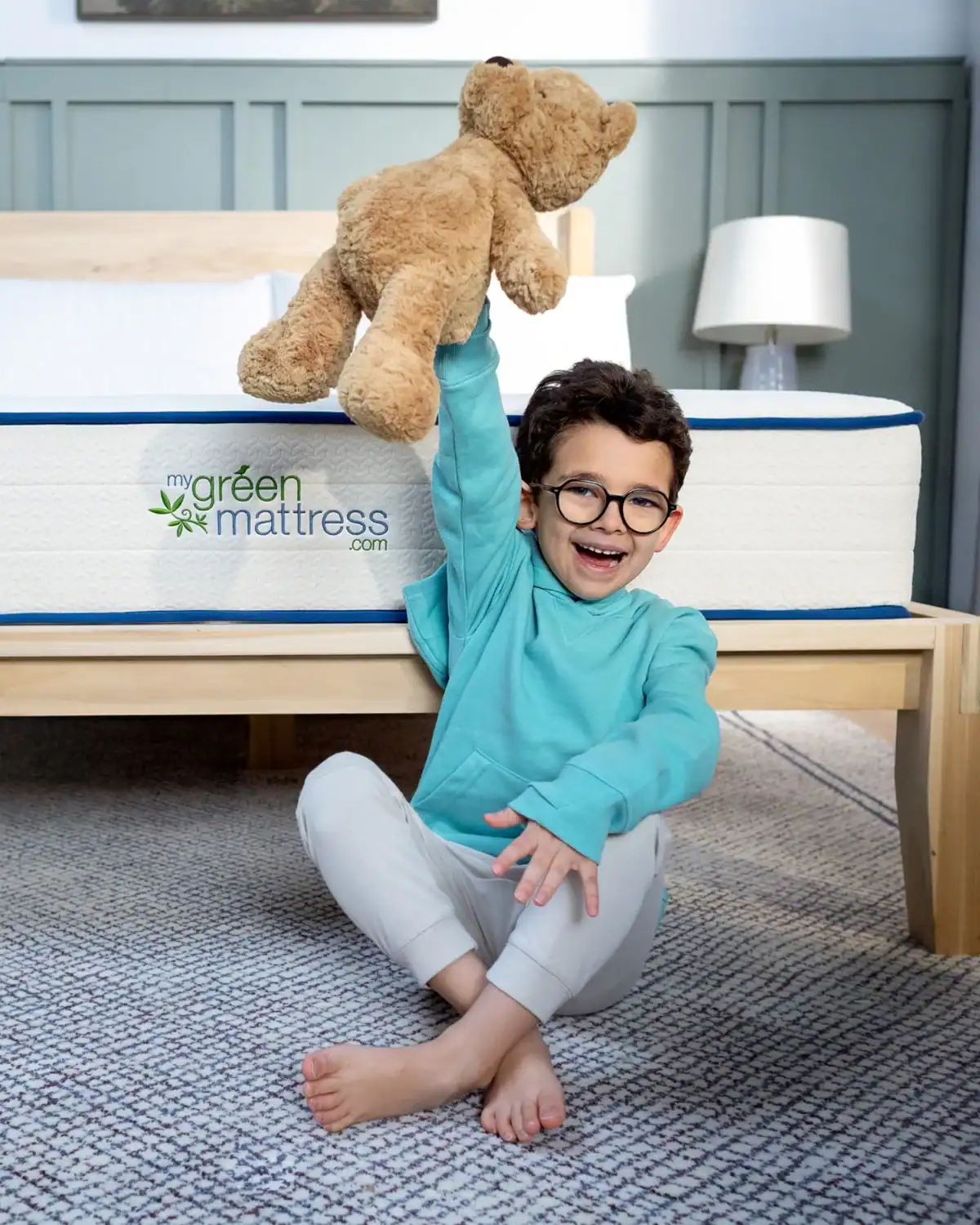
My Green Mattress continues to be one of the brands I recommend most often because it manages to balance certified organic materials with pricing that still feels realistic for many families.
The Kiwi Organic Mattress is built with GOTS-certified organic cotton and wool, GOLS-certified organic latex, and supportive pocketed coils without fiberglass, polyurethane foam, or chemical flame retardants.
It has a firmer, supportive feel that works extremely well for kids while still feeling comfortable enough for long-term use as they grow.
This mattress feels designed for actual family life. Ours have survived bedtime jumping, spills, sleepovers, and years of everyday use remarkably well.
Price for twin
$794
Materials & Certifications
GOTS Organic Cotton & Wool | GOLS Organic Latex | Pocketed Coils | Hand-Tufted | GREENGUARD Gold & MADE SAFE® Certified
Location/Shipping
United States | Ships To Canada
3. Birch Living Kids Natural Mattress — Best Affordable Organic Hybrid Kids Mattress
Best for families looking for a more affordable organic kids mattress without fiberglass
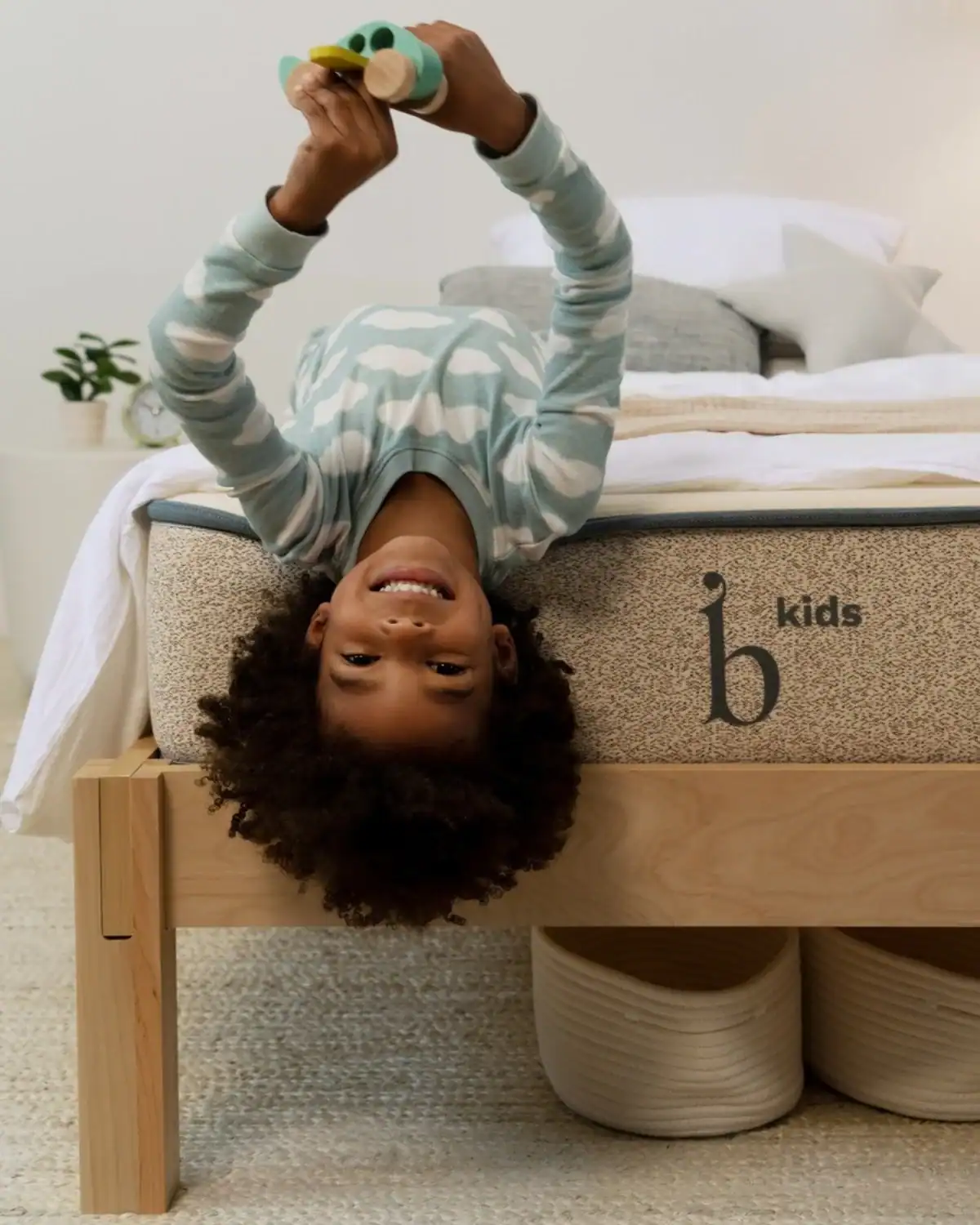
Birch Living does a really nice job creating an organic mattress that still feels approachable and familiar for families making the switch away from traditional foam mattresses.
The Birch Kids Natural Mattress combines organic cotton, natural wool, natural latex, and steel coils in a flippable hybrid design that adapts as kids grow.
One side feels slightly firmer for younger children, while the reverse side offers more cushioning for older kids.
Compared to some denser all-latex mattresses, Birch has a more balanced and familiar feel overall, which I think many families will appreciate.
Price for twin
$599
Materials & Certifications
Organic Cotton | Natural Wool | GOLS Organic Latex | Pocketed Steel Coils | GREENGUARD Gold Certified
Location/Shipping
United States | Ships To Canada
4. Naturepedic 2-In-1 Kids Mattress — Best Waterproof Non-Toxic Kids Mattress
Best for potty training years, accidents, and easy cleanup without vinyl
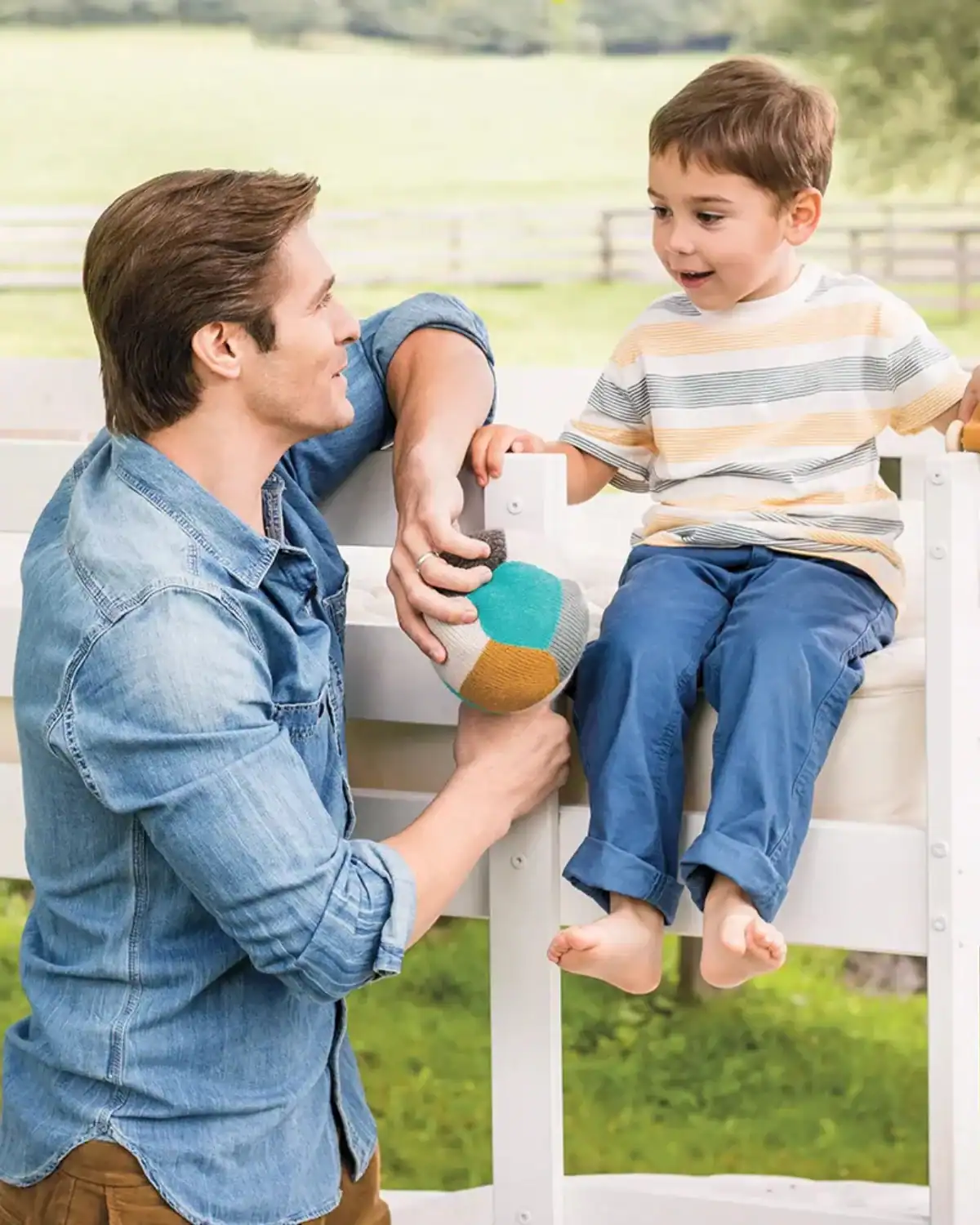
Naturepedic has been a longtime leader in the non-toxic kids mattress category, especially for families looking for safer waterproof options.
The 2-In-1 Waterproof Organic Kids Mattress uses GOTS-certified organic cotton, steel coils, and a food-grade waterproof layer instead of vinyl or PVC.
One side is fully waterproof for younger years and potty training, while the reverse side offers a more traditional quilted sleep surface once accidents become less frequent.
That dual-sided construction makes this one of the most practical long-term mattresses for families with younger children.
Price for twin
$639
Materials & Certifications
GOTS Organic Cotton | Waterproof Sugarcane Layer | Pocketed Coils & Microcoils | GREENGUARD Gold & MADE SAFE® Certified | EWG Verified®
Location/Shipping
United States | Ships To Canada
5. PlushBeds Kids Mattress — Best Premium Organic Latex Kids Mattress
Best for families wanting a high-end organic latex mattress without synthetic foams
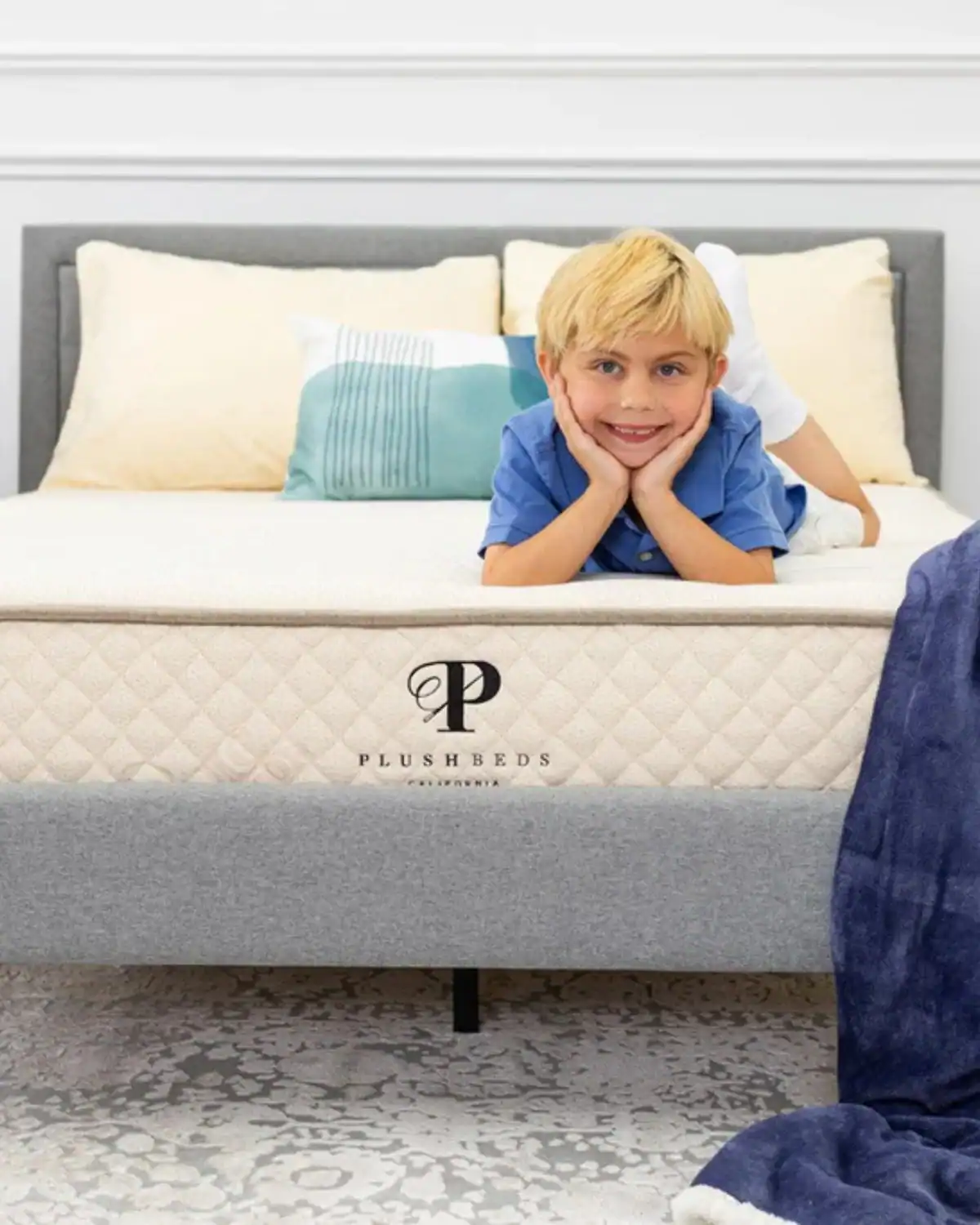
PlushBeds takes a much more latex-focused approach than many hybrid kids’ mattresses, which makes it a great fit for families specifically trying to minimize synthetic materials.
The Organic Kids Mattress uses GOLS-certified organic latex beneath, GOTS-certified organic cotton and wool, creating a breathable and highly durable sleep surface that naturally resists dust mites and moisture buildup.
The feel is slightly denser and more substantial than that of hybrid mattresses, with excellent support and long-term durability.
If you’re looking for a premium organic latex mattress designed to last for many years, PlushBeds is one of the strongest options in the category.
Price for twin
$789
Materials & Certifications
GOTS Organic Cotton & Wool | GOLS Organic Latex | GREENGUARD Gold & eco-INSTITUT Certified
Location/Shipping
United States | Ships To Canada
Mattress Brands I Personally Avoid for Kids
Some brands invest more in green marketing than in actually cleaning up their materials. Here’s what I steer clear of and why.
Brands I personally skip for kids: Casper Kids, Tuft & Needle, Purple, Nectar, and Zinus.
Memory Foam Kids Mattresses
Even “low-VOC” memory foam is still petroleum-based polyurethane. Synthetic adhesives, chemical flame barriers, and heavily processed materials are standard in this category, which is exactly why so many families start looking for simpler, more transparent alternatives in the first place.
Cheap Amazon & Big-Box Mattresses
These were consistently the least transparent mattresses I came across during research. Fiberglass fire barriers, undisclosed foam blends, and vague material descriptions are common, and getting straight answers about what’s actually inside is rarely easy.
Vinyl Waterproof Mattresses
Vinyl and PVC covers can contain phthalates and other chemical additives. I strongly prefer brands using food-grade waterproof layers or washable organic protectors instead.
Vague “Eco Foam” Marketing
“Plant-based foam,” “bio foam,” and “eco foam” are some of the most misleading terms in this space. In most cases the mattress is still primarily polyurethane with a small percentage of plant oils added. The name sounds clean. The material isn’t.
Toxic Materials Commonly Found in Kids’ Mattresses
Before I started researching safer mattresses for my kids, I had no idea how many conventional options still relied on questionable materials hidden beneath the surface.
These are the biggest red flags I look for when evaluating a non-toxic kids mattress.
Polyurethane Foam
Polyurethane foam is one of the most common materials used in conventional mattresses, especially lower-cost boxed beds.
It’s petroleum-based and can release volatile organic compounds (VOCs) into indoor air over time, particularly when new.
Some studies have raised concerns about VOC exposure contributing to headaches, respiratory irritation, indoor air pollution, and long-term chemical exposure inside the home, especially in poorly ventilated bedrooms.
Even labels like “plant-based foam” or “eco foam” are often still primarily polyurethane foam underneath the marketing.
Fiberglass Fire Barriers
Fiberglass is still widely used as a cheap fire barrier in many mattresses sold online and through big-box retailers. The problem is what happens if those tiny fiberglass particles escape from the mattress.
If the outer cover becomes damaged or removed, the particles can spread through the air and settle into carpets, clothing, bedding, and furniture throughout the room.
For children, especially, that exposure can irritate the skin, eyes, throat, and lungs and may worsen asthma, allergies, or other respiratory sensitivities. This is one of the biggest reasons I strongly prefer fiberglass-free kids’ mattresses.
Vinyl & PVC Waterproofing
Many waterproof kids’ mattresses rely on vinyl or PVC covers, which may contain phthalates and other chemical plasticizers.
Some phthalates have been linked to concerns surrounding hormone disruption and developmental health.
This is one reason many parents try to reduce unnecessary PVC exposure in children’s products whenever possible.
Chemical Flame Retardants
Some mattresses still rely on chemical flame retardants or synthetic fire barriers to meet flammability regulations.
Certain flame-retardant chemicals have faced increasing scrutiny over potential links to hormone disruption, developmental concerns, and long-term environmental accumulation.
This becomes especially concerning in household dust, where children often experience higher exposure levels because of how much time they spend playing and crawling on floors and soft surfaces.
Synthetic Adhesives & Glues
Many mattresses are assembled using industrial adhesives that may release formaldehyde and other VOCs into indoor air.
Over time, these chemicals can contribute to indoor air pollution and may trigger headaches, respiratory irritation, or sensitivities in some children, especially in smaller bedrooms with less ventilation.
What I Look For In A Non-Toxic Kids Mattress
When researching kids’ mattresses, there are a few materials I consistently prioritize because they tend to be safer, more breathable, and far more durable than conventional foam-heavy designs.
Organic Cotton
Organic cotton is commonly used in mattress covers and quilted layers because it’s breathable, soft, and produced without the heavy pesticide use associated with conventional cotton.
I always prefer GOTS-certified organic cotton whenever possible because the certification helps verify stricter standards around organic sourcing, chemical processing, and overall manufacturing transparency.
Organic Wool
Wool plays a major role in many non-toxic kids’ mattresses because it naturally helps mattresses meet fire safety standards without chemical flame retardants.
It’s also naturally temperature-regulating and moisture-wicking, which can help children sleep more comfortably throughout the night by improving breathability and reducing trapped heat and moisture buildup.
Natural Latex
Natural latex is derived from rubber trees rather than petroleum and is commonly used in higher-quality organic mattresses.
Compared to polyurethane foam, it tends to be more breathable, durable, and resistant to mold and dust mites. I personally look for GOLS-certified organic latex whenever possible.
Steel Coils
Many safer kids’ mattresses use steel coils instead of foam cores because coils provide stronger support, better airflow, and improved durability over time.
Food-Grade Waterproof Layers
For younger kids and potty-training years, some brands use food-grade waterproof barriers instead of vinyl or PVC. This is one of the safer approaches I’ve found for waterproof mattress construction.
Certifications That Actually Matter
One of the easiest ways to cut through mattress greenwashing is by looking at third-party certifications.
While no certification is perfect, they can help verify whether a mattress actually uses safer materials and cleaner manufacturing standards.
These are the certifications I pay closest attention to when researching non-toxic kids’ mattresses:
GOTS (Global Organic Textile Standard)
GOTS certifies organic textiles like cotton and wool while also setting standards around processing, chemical use, and manufacturing practices.
This is one of the most important certifications for organic mattress fabrics.
GOLS (Global Organic Latex Standard)
GOLS applies specifically to organic latex and helps verify that the latex comes from certified organic rubber plantations and meets stricter processing standards.
GREENGUARD Gold
GREENGUARD Gold tests finished products for low VOC emissions, which is especially important for children’s bedrooms and indoor air quality.
MADE SAFE®
MADE SAFE® screens products for thousands of harmful chemicals and focuses heavily on human health and ingredient safety.
EWG Verified®
EWG Verified® is one of the stricter certifications for ingredient transparency and chemical safety. It’s still relatively rare in the mattress industry, which is one reason brands carrying it tend to stand out.
OEKO-TEX® STANDARD 100
OEKO-TEX® STANDARD 100 tests textiles for harmful substances and chemical residues. While it doesn’t verify organic sourcing, it can still be a useful additional safety certification.
One thing I learned very quickly while researching kids’ mattresses is that the word “organic” alone doesn’t mean very much unless a company is willing to back it up with certifications and full material transparency.
Frequently Asked Questions About Non-Toxic Kids Mattresses
Some can be, especially lower-cost mattresses that rely heavily on synthetic materials and less transparent construction methods.
Many conventional kids’ mattresses still contain polyurethane foam, fiberglass fire barriers, vinyl waterproof layers, synthetic adhesives, and chemical flame retardants that can release VOCs into indoor air over time.
Yes, some do. Fiberglass is still commonly used as a low-cost fire barrier in many inexpensive mattresses, especially boxed beds sold online and through big-box retailers.
I personally look for mattresses made with organic cotton, organic wool, natural latex, and steel coils. These materials tend to be more breathable, durable, and lower in chemical emissions than conventional foam mattresses.
Most memory foam is made from petroleum-based polyurethane foam. While some foams are lower-VOC than others, many parents prefer mattresses made with simpler materials like cotton, wool, latex, and coils instead.
There’s no official legal definition for “non-toxic” in the mattress industry. In general, it refers to mattresses that avoid materials like fiberglass, polyurethane foam, vinyl, and chemical flame retardants.
In my opinion, yes. Children spend thousands of hours sleeping during critical stages of growth and development, so reducing unnecessary chemical exposure in their sleep environment can absolutely be worthwhile.
The certifications I trust most are GOTS, GOLS, GREENGUARD Gold, MADE SAFE®, and EWG Verified®. These help verify organic materials, lower VOC emissions, and stronger material safety standards.
Many parents prefer mattresses made with organic cotton, wool, and natural latex because they tend to be more breathable and lower in synthetic materials. I also recommend washing bedding frequently and avoiding heavily fragranced laundry products.
Naturepedic is one of my favorite options for potty-training years because it uses a waterproof design without relying heavily on vinyl or PVC materials. The dual-sided construction also helps extend the lifespan of the mattress as kids grow.
Some are safer than others. Many conventional waterproof mattresses use vinyl or PVC waterproof layers, which can contain phthalates and other chemical additives.
A high-quality organic kids mattress can often last 8–12 years or longer, depending on the materials used. Latex and steel coil systems generally last much longer than lower-cost foam mattresses.
Most children benefit from a mattress that feels supportive and slightly firmer rather than overly plush. Proper spinal support is especially important during childhood growth and development.
Yes. Natural latex is commonly used in organic kids’ mattresses because it’s breathable, durable, and naturally resistant to dust mites and mold.
I personally avoid mattresses using polyurethane foam, fiberglass fire barriers, vinyl waterproofing, and brands that aren’t transparent about their materials or fire barrier construction.
Still Deciding?
Choose Avocado if you want the highest level of certifications, material transparency, and third-party verification.
Choose My Green Mattress if you want the best balance of organic materials, comfort, support, durability, and overall value.
Choose Birch Living if you want an affordable organic hybrid mattress with a more traditional, familiar feel.
Choose Naturepedic if you need a practical waterproof mattress for potty training, accidents, or younger kids.
Choose PlushBeds if you want a premium organic latex mattress made with minimal synthetic materials.
Final Thoughts on Choosing a Non-Toxic Kids Mattress
Finding the best non-toxic kids mattress can feel overwhelming once you start realizing how many mattresses marketed toward families still contain polyurethane foam, fiberglass, vinyl waterproofing, and other questionable materials.
The good news is that there are genuinely better options available. The safest organic kids’ mattresses tend to focus on simpler, more transparent materials and cleaner construction overall.
You do not need to create a perfectly toxin-free home overnight to make a meaningful difference.
Even upgrading to a kids’ mattress made with safer materials and fewer chemical exposures can have a major impact on the overall sleep environment your child spends thousands of hours in during childhood.
Because when children spend thousands of hours sleeping during childhood, the materials surrounding them every single night truly matter.
Creating a Healthier Sleep Space For Kids
A safer mattress is one of the biggest upgrades you can make in your child’s bedroom, but it’s only one part of the overall sleep environment.
The bedding, mattress protector, pajamas, detergents, and even indoor air quality all play a role in what kids are breathing and sleeping against every night.
If you’re continuing to create a lower-tox sleep space for your family, these guides are a great next step:
- Organic Kids Bedding: Organic kids bedding made with breathable, natural fabrics and lower-toxic materials for a healthier sleep environment.
- Organic Crib Mattresses: Organic crib mattresses made without fiberglass, polyurethane foam, or chemical flame retardants.
- Non-Toxic Mattress Protectors: Safer mattress protectors made without vinyl, PFAS, or harsh waterproof coatings.
- Organic Pajamas For Kids: Organic kids’ pajamas made with softer natural fabrics and fewer harsh chemical treatments.
- Non-Toxic Mattresses For Adults: Organic and fiberglass-free mattresses made with safer materials and lower chemical exposure overall.
📌 Save This Guide For Later
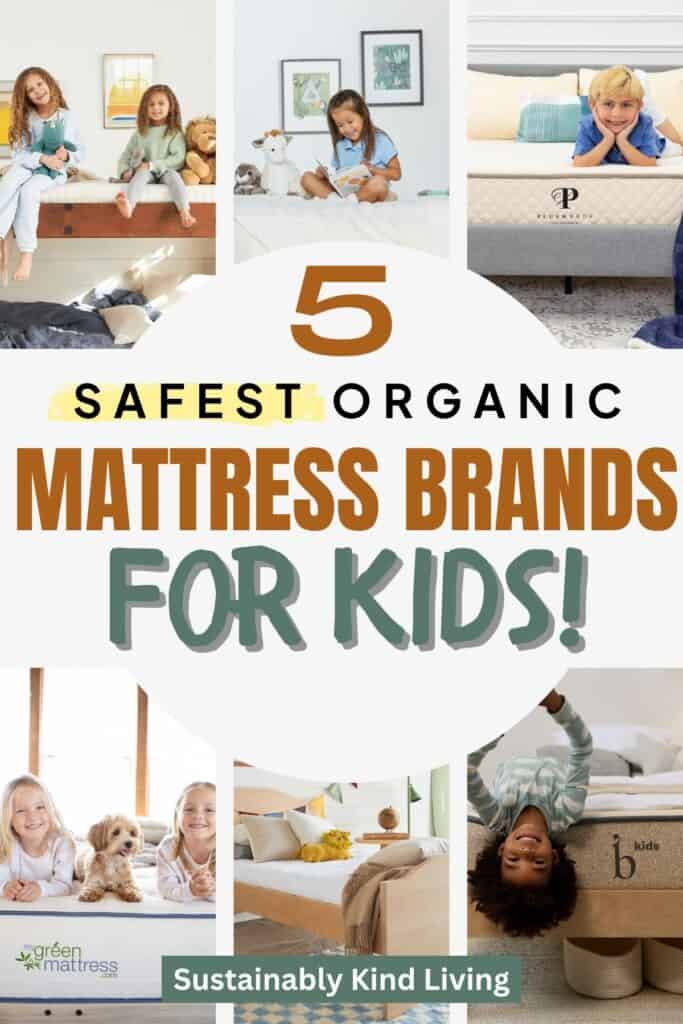
Shopping for a kids’ mattress gets a lot more complicated once you realize how many brands still use fiberglass, polyurethane foam, vinyl waterproofing, and vague “eco-friendly” marketing without clearly explaining what’s actually inside.
I created this guide to help parents cut through the confusion and better understand which materials, certifications, and mattress brands are genuinely safer for children.
Save it so you have an easy reference the next time you’re researching organic and fiberglass-free kids mattresses for your family.
Sources & Further Reading
If you’re someone who likes digging into the research behind indoor air quality, children’s environmental health, and mattress materials, these are some of the resources I found most helpful while researching non-toxic kids’ mattresses.
I always encourage parents to look beyond mattress marketing and spend time understanding how household materials, VOC exposure, flame retardants, and indoor air quality can affect the spaces our children spend the most time in.
Research & Organizations
- American Academy of Sleep Medicine (AASM) — Pediatric sleep recommendations and healthy sleep guidelines for children and teens
- Environmental Protection Agency (EPA) — Research and educational resources on indoor air quality, VOCs, and household environmental exposures
- National Institute of Environmental Health Sciences (NIEHS) — Information on children’s environmental health, chemical exposure, and long-term developmental concerns
- Environmental Working Group (EWG) — Consumer product safety research and ingredient transparency resources for healthier home products
- MADE SAFE® — Certification standards focused on ingredient screening and harmful chemical avoidance in consumer products
- Global Organic Textile Standard (GOTS) — Organic textile certification standards for materials like cotton and wool used in mattresses and bedding
- Global Organic Latex Standard (GOLS) — Organic latex certification standards focused on sourcing, processing, and material transparency
- GREENGUARD Gold Certification Standards — Low-VOC emissions testing standards designed to support healthier indoor air quality
Additional Reading
- Research on VOC exposure and indoor air quality in children’s bedrooms — Studies exploring how household materials and off-gassing can affect indoor environments where children sleep and play.
- Studies on flame retardants and household environmental exposures — Research examining long-term concerns surrounding flame-retardant chemicals and household dust exposure.
- Research surrounding fiberglass exposure and airborne particulate irritation — Information on fiberglass particles, respiratory irritation, and contamination risks associated with mattress fire barriers.
And honestly, one of the biggest things I learned while researching mattresses is that transparency matters just as much as certifications. The brands I trust most are the ones willing to clearly disclose exactly what’s inside their mattresses and why.
This post was graciously sponsored by Birch Living. As always, we only work with brands that we stand behind. Would you like to sponsor one of our sustainable round-ups? Contact us here.

Steal My Non-Toxic Cleaning Checklist!
Believe us, it’s the BEST…. and it’s free. Does it really get any better than that?! Sign up for our newsletter and get this free checklist to clean your home without any harmful chemicals!