 Shop My Favorite Non-Toxic Gifts Of 2026!
SKL is reader supported. When you buy through links on our site, we may earn affiliate commission. Learn more here.
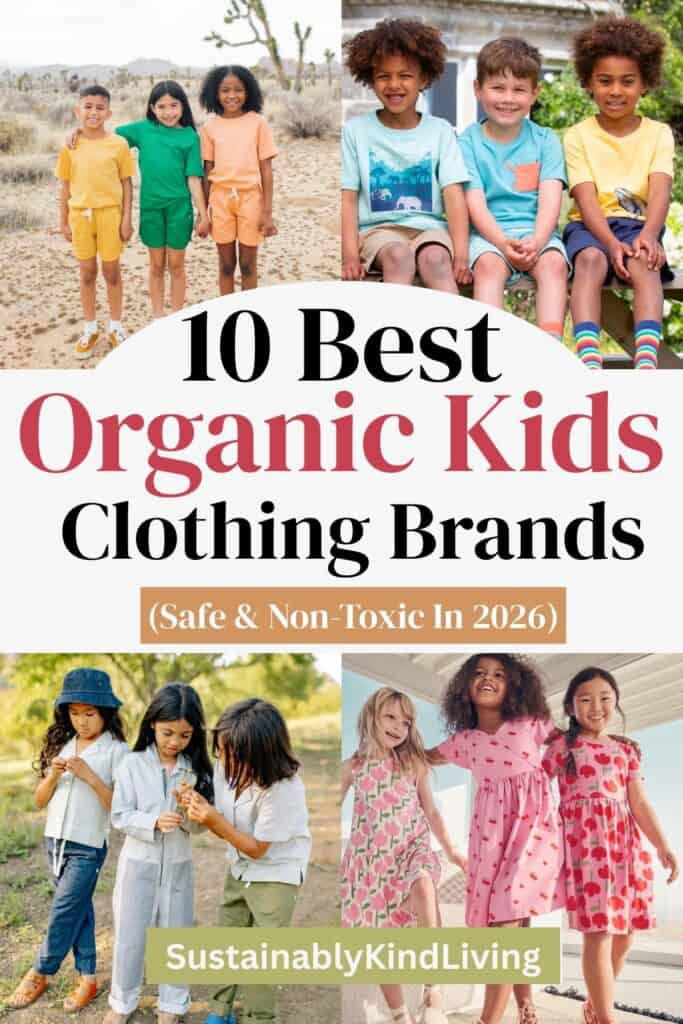
Looking for the best organic kids’ clothing brands that are truly safe, non-toxic, and gentle on sensitive skin? You’re not alone.
As more parents learn about the chemicals used in conventional textiles, interest in organic kids’ clothing made from safer, natural fabrics continues to grow.
With over 60% of clothing now made from synthetic plastic-based fabrics like polyester and nylon, many parents are starting to question what their children are wearing every day.
These materials are often treated with chemical finishes, dyes, and coatings that can irritate delicate skin or contribute to unnecessary chemical exposure.
To help you shop smarter, I researched dozens of brands and narrowed them down to the 10 best organic kids’ clothing brands in 2026 that prioritize GOTS-certified fabrics, non-toxic dyes, and ethical production.
SKL top picks, in a nutshell…
- Best Organic Kids Clothing Brand: HAHAHA
- Best Affordable Organic Kids Clothing: Mightly
- Most Durable Organic Kids Clothes: Jackalo
- Best Organic Playwear: Little Green Radicals
- Best Organic Cotton Kids Pajamas: Hanna Andersson
The brands in this guide focus on safer materials like GOTS-certified organic cotton, merino wool, linen, and other natural fibers that are grown and processed without harsh pesticides or harmful chemical treatments.
But here’s where things get tricky. The kids’ clothing market is also packed with labels like “eco-friendly,” “natural,” and “green.”
Unfortunately, many of these claims aren’t regulated—and some brands rely on greenwashing to make their products appear cleaner than they really are.
That’s why this guide goes deeper.
Below you’ll find the best organic kids’ clothing brands that actually meet high standards for safety, materials, and transparency, along with tips for spotting hidden toxins in children’s clothing and choosing fabrics that are safer for your little ones.
The Hidden Toxins Found In Most Kids’ Clothing
At first glance, children’s clothing might seem harmless.
But many conventional garments are made with synthetic fabrics and chemical treatments that can expose kids to substances linked to skin irritation, allergies, and hormone disruption.
Because babies and children have more sensitive skin and developing immune systems, what they wear every day can play a role in their overall exposure to environmental toxins.
According to the U.S. Environmental Protection Agency, children are more vulnerable to environmental chemicals because their bodies and organs are still developing and they experience higher exposures relative to their body weight.
Here are some of the most common chemicals found in conventional kids’ clothing.
PFAS (Forever Chemicals)
PFAS, short for per- and polyfluoroalkyl substances, are a group of chemicals often used to make clothing waterproof, stain-resistant, or wrinkle-resistant.
While these coatings may seem convenient, PFAS are known as “forever chemicals” because they do not easily break down in the environment or the human body.
Studies have linked PFAS exposure to concerns such as:
- Hormone disruption
- Immune system suppression
- Developmental effects in children
They’ve been detected in a surprising number of textile products, including rain gear, uniforms, and even some everyday clothing. Learn more about PFAS chemicals and why they’re often called “forever chemicals.”
Waterproof outerwear can be a particularly common source, which is why many parents are now looking for non-toxic kids’ rain gear made without PFAS coatings.
Formaldehyde Finishes
Formaldehyde is sometimes used in clothing manufacturing to help fabrics stay wrinkle-free during shipping and storage.
While it may keep garments looking crisp on store shelves, formaldehyde is a known irritant that can trigger:
- Skin rashes
- Allergic reactions
- Respiratory irritation
Children with sensitive skin or eczema may be particularly vulnerable.
Phthalates In Clothing Prints
Phthalates are chemicals used to make plastics more flexible, and they can sometimes be found in printed graphics or vinyl designs on clothing.
These chemicals have been associated with endocrine disruption, meaning they can interfere with hormone function.
For young children—who often chew on clothing or keep fabric close to their mouths—this exposure can be especially concerning.
Heavy Metals In Dyes
Some synthetic dyes used in conventional clothing may contain trace heavy metals such as lead, cadmium, or chromium.
These substances can sometimes cause skin sensitization or allergic reactions, particularly in children who already have sensitive skin.
Why Organic Kids’ Clothing Is A Safer Choice
Organic children’s clothing is designed to avoid many of these concerns.
Brands that prioritize certified organic fabrics and safer dye processes aim to minimize chemical exposure while creating comfortable clothing that is gentle on delicate skin.
Many of the best organic kids’ clothing brands use materials such as:
- GOTS-certified organic cotton
- Merino wool
- Linen
- Hemp
These natural fibers are typically grown without toxic pesticides and processed under strict standards that limit harmful chemicals during manufacturing.
For many families, switching to organic clothing is a simple way to reduce everyday exposure to unnecessary toxins while still dressing kids in clothing that is durable, breathable, and comfortable.
How We Vet
Why We Trust These Organic Kids’ Clothing Brands
With so many brands claiming to be “eco-friendly” or “natural,” it can be difficult to tell which ones truly meet high safety standards.
To create this guide, we evaluated dozens of companies based on factors such as:
- Third-party certifications like GOTS and OEKO-TEX
- Use of organic or natural fibers
- Avoidance of toxic dyes and chemical finishes
- Transparency about manufacturing and sourcing
- Durability and quality for everyday wear
Only brands that demonstrated strong commitments to non-toxic materials, ethical production, and transparency made this list.
The 10 Best Organic Kids Clothing Brands In 2026
Now that you know what to look for—and which chemicals to avoid—let’s dive into the best organic kids’ clothing brands that prioritize safe materials, ethical production, and long-lasting quality.
The brands below use fabrics like GOTS-certified organic cotton, merino wool, and other natural fibers that are grown and processed without toxic pesticides, harsh dyes, or harmful chemical finishes.
Whether you’re looking for durable playwear, organic cotton pajamas, or everyday essentials for toddlers and older kids, these brands offer some of the safest and most thoughtfully made options available today.
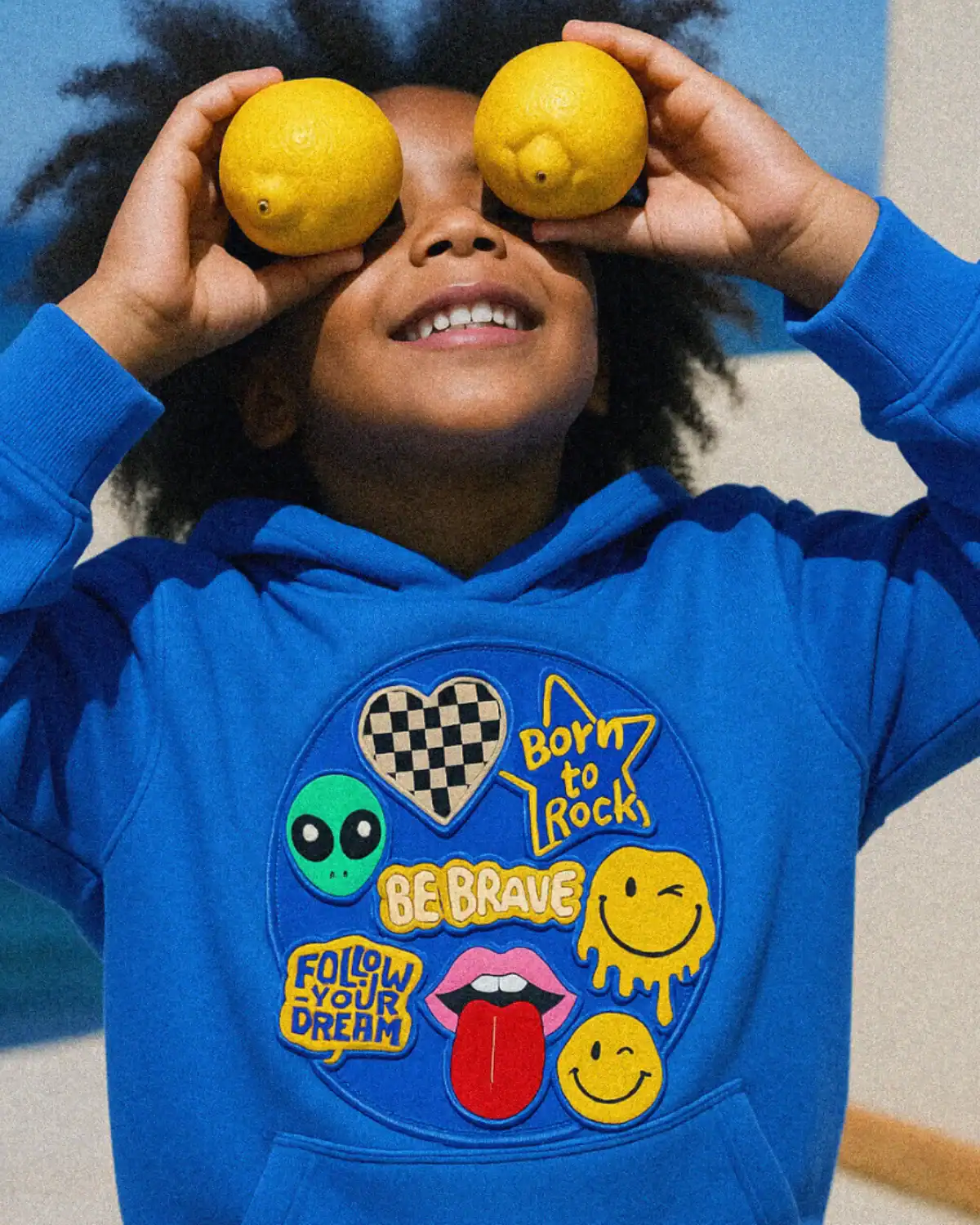
Kids’ interests change quickly — and Hahaha’s playful organic basics are designed to grow right along with them.
This LA brand creates thoughtfully made kids’ clothing from durable, non-toxic materials parents can feel good about.
Their topwear — including hoodies, zip-up jackets, and t-shirts — features a removable embroidered patch panel that lets kids change the look of their clothing without replacing the garment (also available in essential versions without the patch panel).
The patches come in themes like sports, cars, princess designs with bold messages, cultural collections celebrating traditions from around the world, and seasonal options for occasions like birthdays, Halloween, and the Fourth of July.
Each garment is made from thick 100% GOTS-certified organic cotton and tested to OEKO-TEX Standard 100, meaning the fabrics are screened for substances like formaldehyde and other harsh chemical treatments.
Price & SIZE Range
$50–$120 | 3Y–12Y
Materials
GOTS-Certified Organic Cotton
Location/Shipping
Los Angeles, USA | Ships Domestically & Internationally
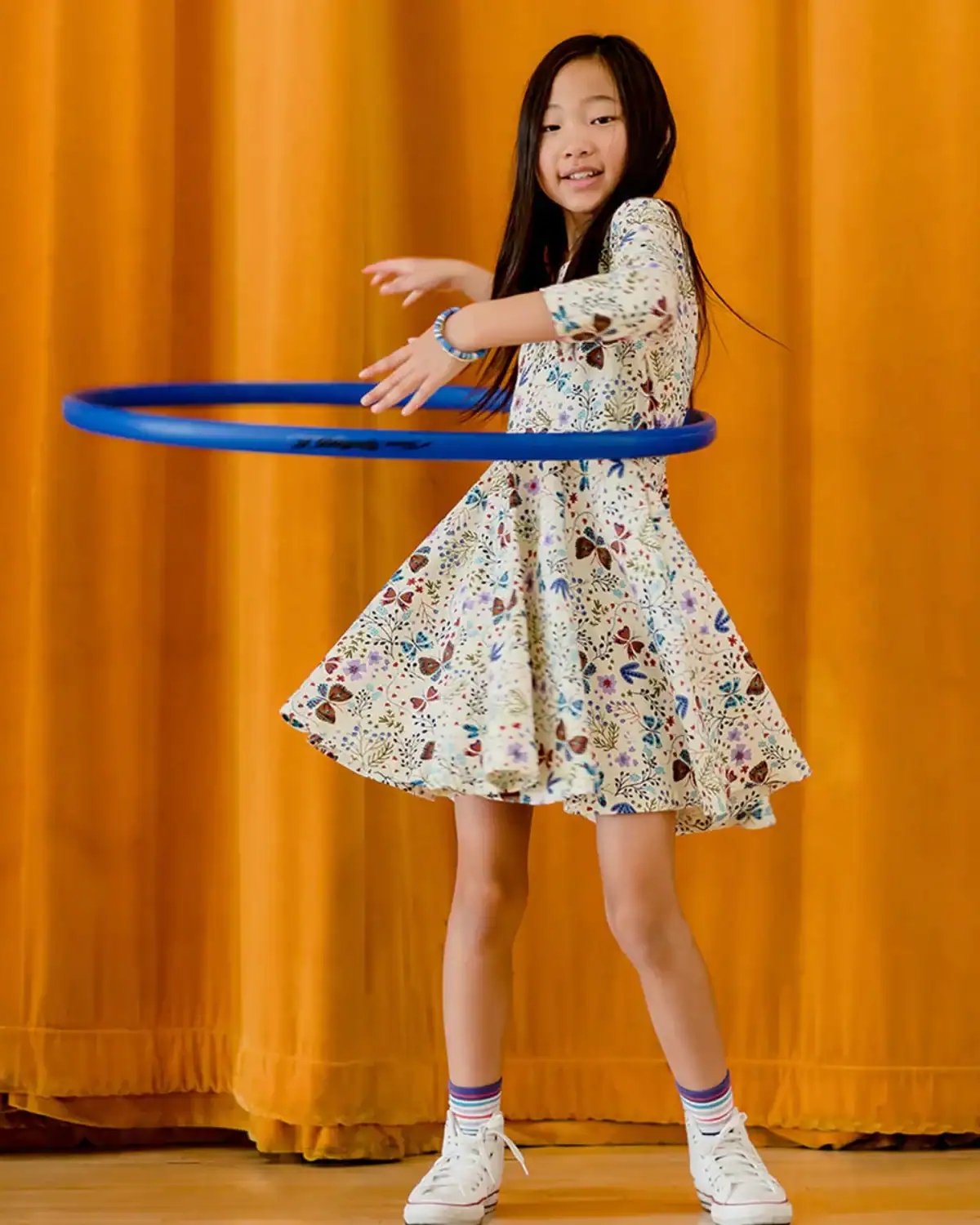
Mightly has quickly become a favorite among parents looking for colorful, durable clothing made with certified organic materials.
The brand focuses on creating fun everyday pieces that can handle the rough-and-tumble nature of childhood.
Their collections feature vibrant tees, dresses, leggings, and playwear made from GOTS-certified organic cotton that feels soft on sensitive skin while still being tough enough for playground adventures.
Founded by a mother-daughter team, Mightly also prioritizes ethical manufacturing by working with Fair Trade-certified factories and responsible production practices.
With bold prints, comfortable fabrics, and accessible pricing, Mightly makes it easy for families to choose organic clothing without overspending.
Price & Size range
$9–$55 | 2T–14Y
MATERIALS
GOTS & Fair Trade-Certified Organic Cotton
location/shipping
United States | Ships Internationally
Use discount code SKL20 to save 20%!
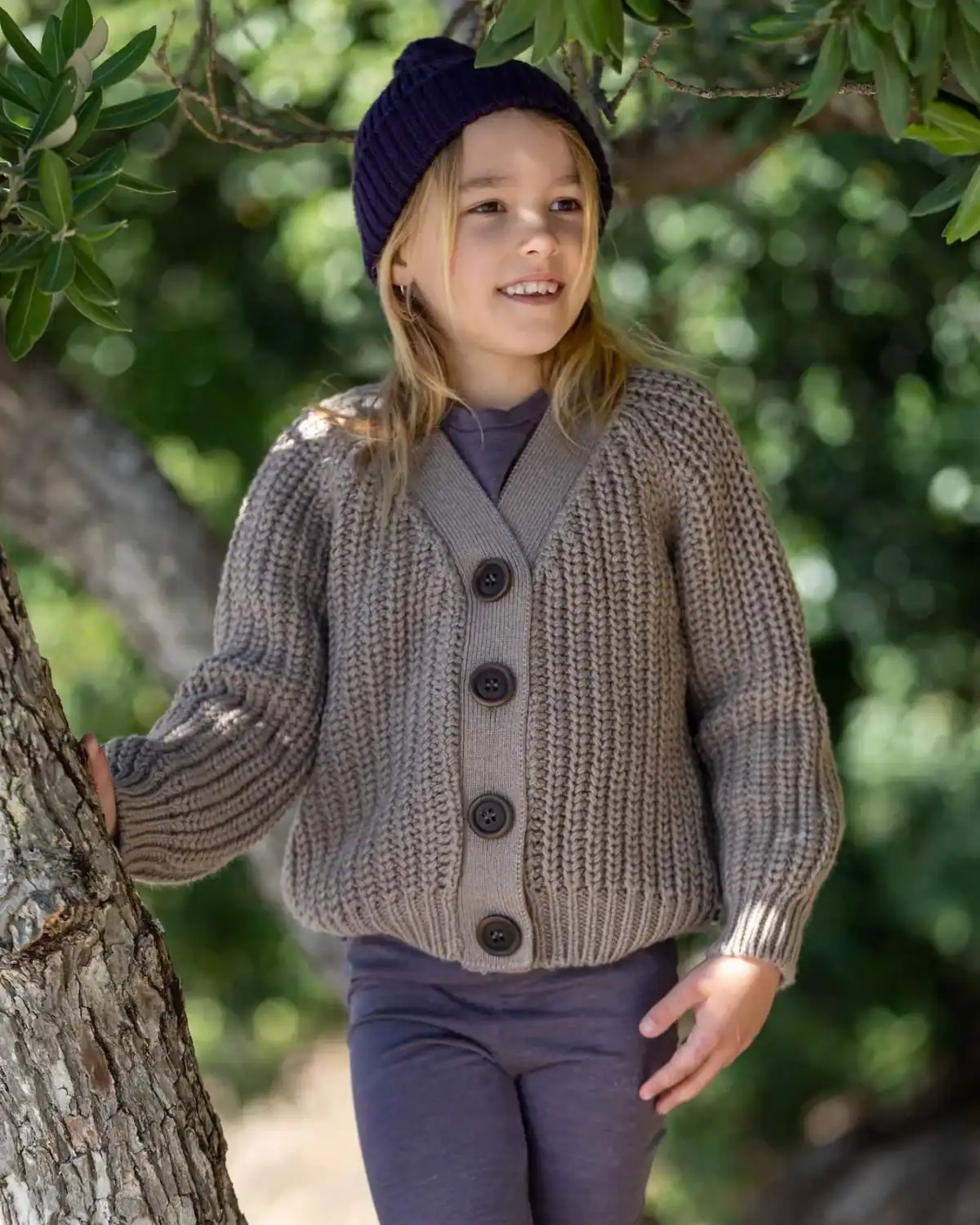
Nui Organics is beloved for its incredibly soft, natural fibers and timeless designs made specifically for sensitive skin.
The brand focuses on creating high-quality essentials using organic materials that are breathable, durable, and comfortable for everyday wear.
Their collections feature a beautiful mix of organic cotton and ultra-soft merino wool pieces that naturally regulate temperature, keeping kids warm in the winter and cool in warmer weather.
Parents especially love Nui’s thoughtfully designed base layers, dresses, and cozy knits that feel gentle on delicate skin while still holding up to active play.
With GOTS-certified organic cotton and responsibly sourced merino wool, Nui Organics creates clothing that blends comfort, sustainability, and classic style.
Price & Size range
$25–$95 | 6M–10Y
MATERIALS
GOTS-Certified Organic Cotton | Merino Wool | Merino Silk
Location/Shipping
New Zealand | Ships To The United States & Internationally
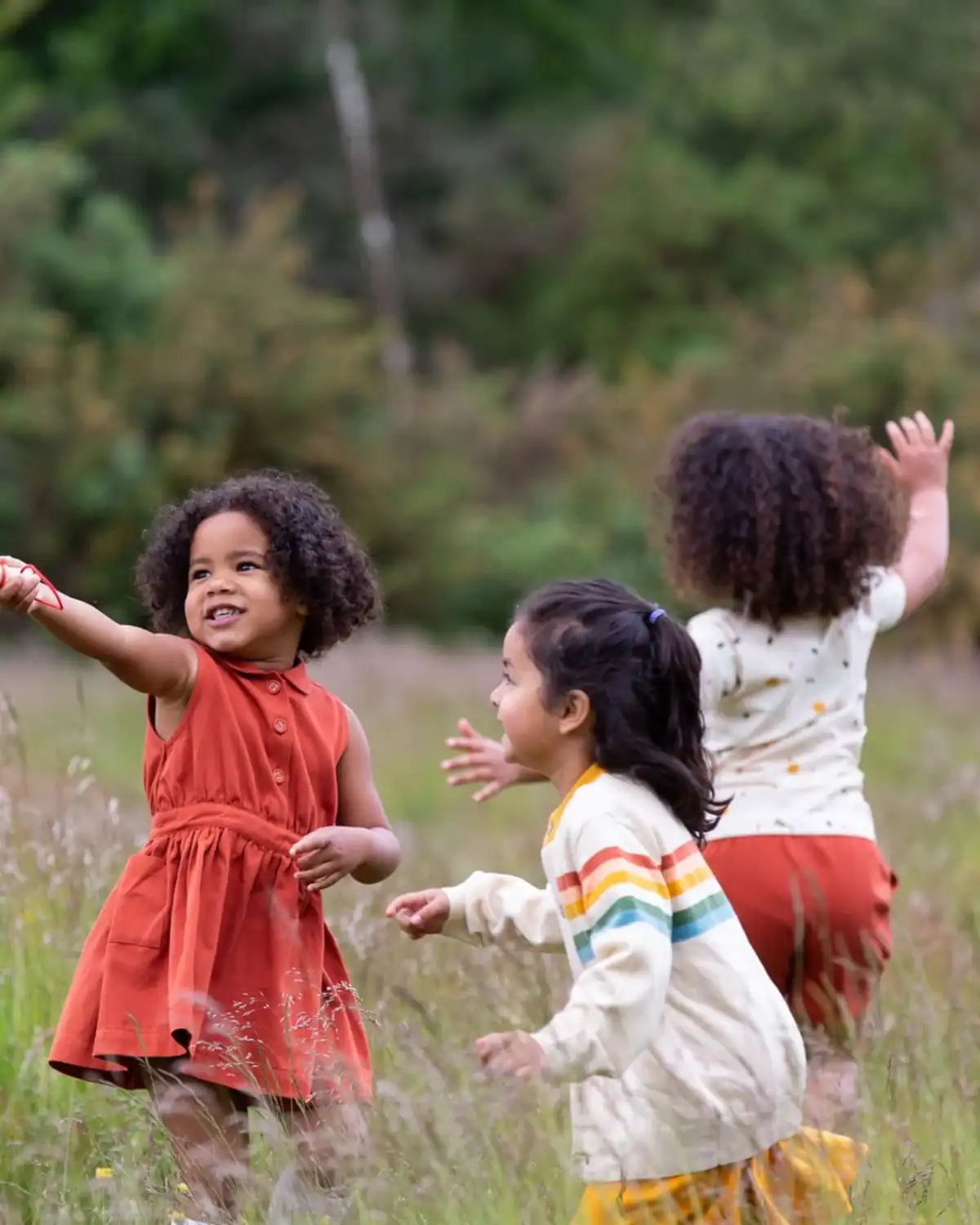
Little Green Radicals is a beloved UK-based brand known for its vibrant prints, durable fabrics, and commitment to ethical production.
The company has been creating organic children’s clothing since 2005 and focuses on pieces that can withstand active play while still being soft and comfortable.
Their collections feature colorful dresses, overalls, sweaters, and everyday basics made from organic cotton that feels gentle on sensitive skin.
The brand’s playful designs are inspired by nature and childhood adventure, making their pieces both practical and fun.
Little Green Radicals is also deeply committed to sustainability, using Fair Trade certified organic cotton and responsible manufacturing practices that support farmers and garment workers.
Price & Size range
$25–$136 | 0M–8Y
MATERIALS
GOTS-Certified Organic & Fairtrade Cotton | Recycled Polyester (Outerwear & Swimwear)
location/shipping
United Kingdom | Ships To The United States & Internationally
5. Colored Organics — Best Organic Baby Clothing
👉 If you’re specifically shopping for newborns or infants, explore our full guide to the best organic baby clothing brands.
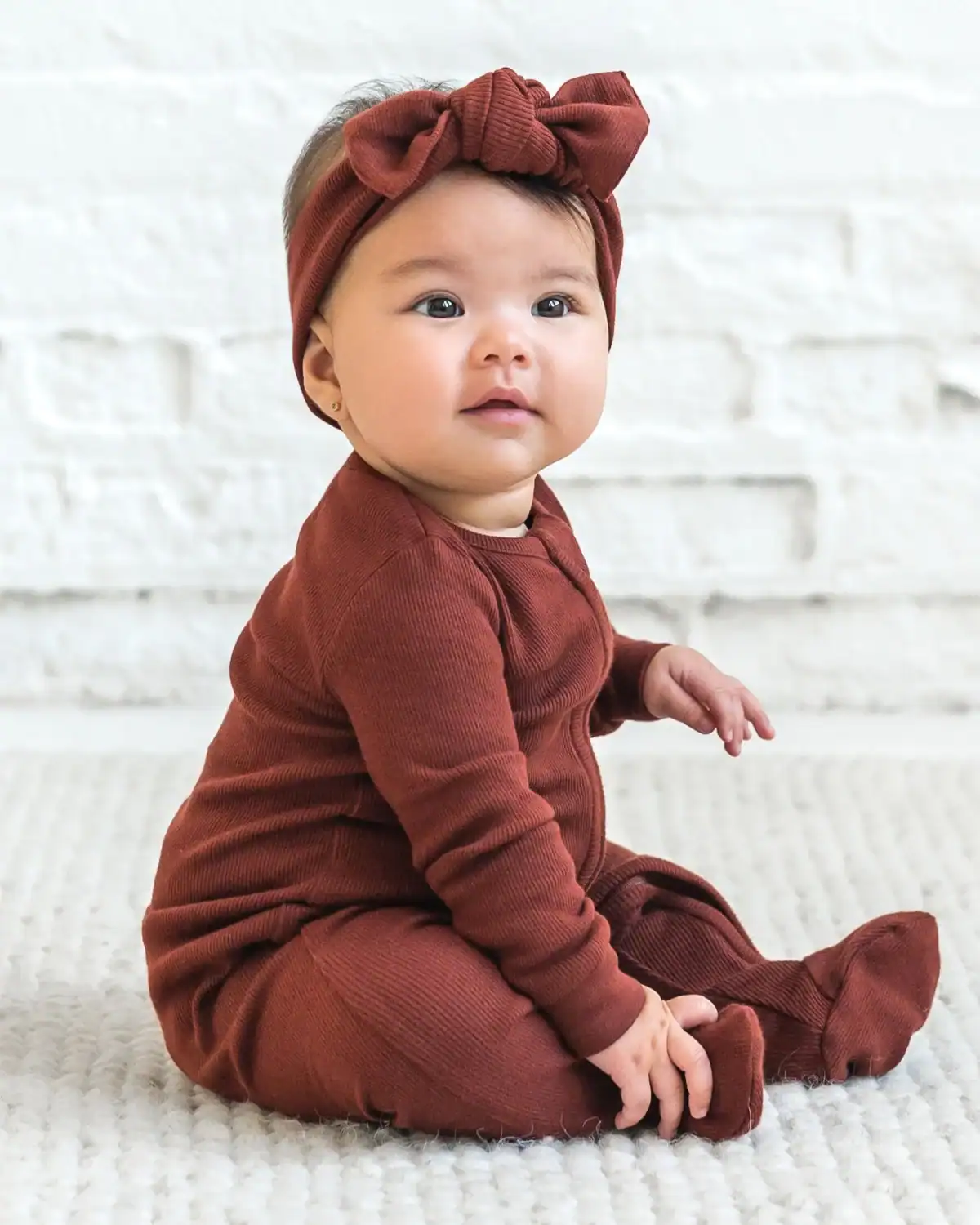
Colored Organics is a parent-favorite brand known for its soft organic baby essentials and commitment to ethical manufacturing.
Founded by a mom determined to create safer clothing for children, the company focuses on simple, comfortable pieces made with certified organic materials.
Their collections include cozy bodysuits, sleepers, dresses, and everyday basics designed specifically for babies and toddlers.
The brand’s clothing is incredibly soft and breathable, making it a great choice for sensitive skin.
Colored Organics also prioritizes responsible production by using low-impact, water-based dyes and working with ethical factories that support fair labor practices.
Price & size range
$22–$46 | 0M–6Y
MATERIALS
GOTS-Certified Organic Cotton | Water-Based Dyes
location/shipping
United States | Ships Internationally
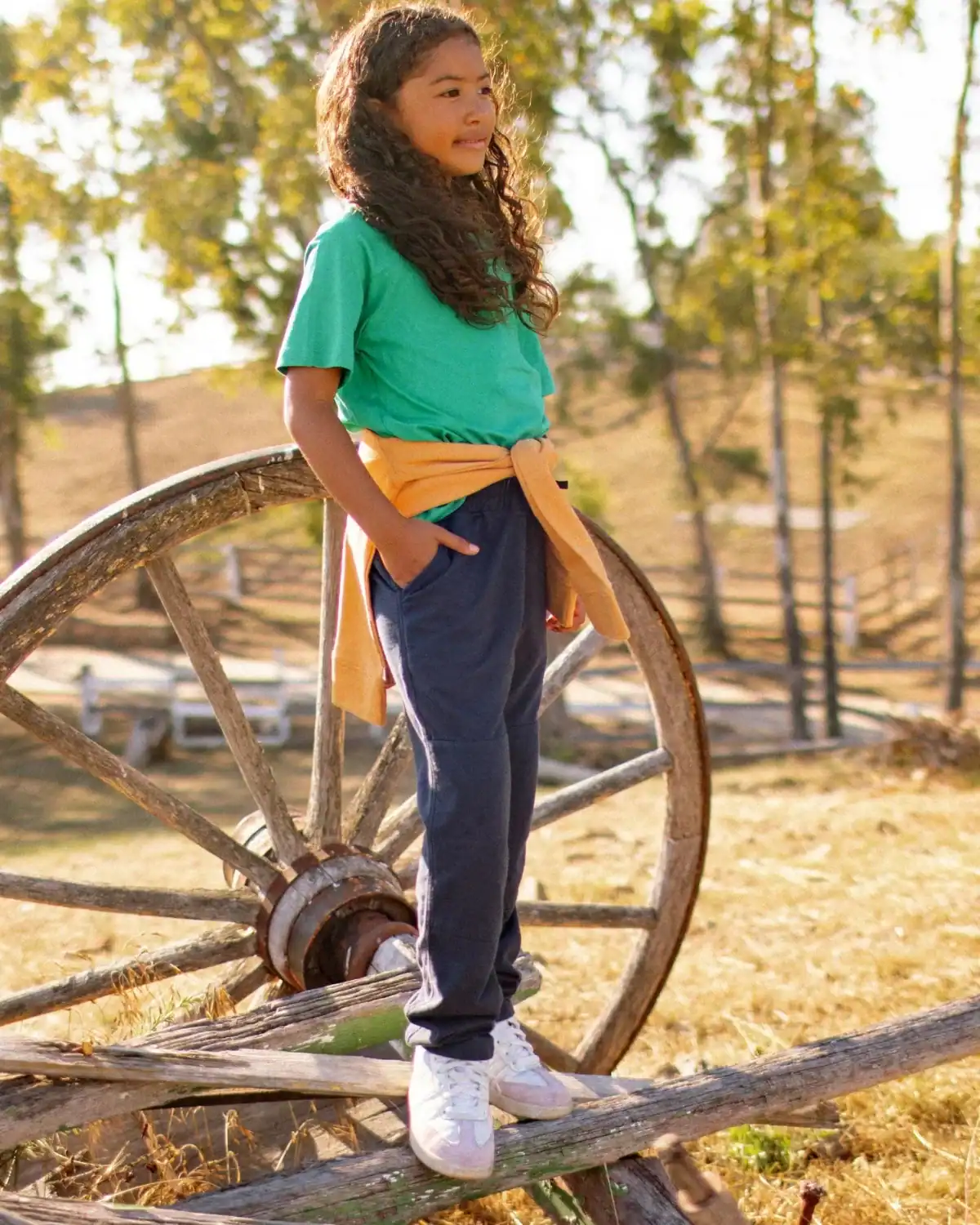
If your kids go through pants faster than you can replace them, Jackalo’s reinforced designs are worth a look.
The brand focuses on practical, long-lasting pieces made from organic fabrics that can keep up with active play.
Their clothing is especially famous for reinforced knee pants, which are built to withstand climbing, crawling, and playground adventures.
This thoughtful design helps extend the life of each garment, making it a favorite among parents of energetic kids.
Jackalo also prioritizes sustainability by using organic cotton and deadstock fabrics, reducing waste while creating comfortable everyday essentials.
With timeless styles and rugged construction, Jackalo proves that organic kids’ clothing can be both eco-friendly and incredibly tough.
Price & size range
$33–$130 | 4Y–14Y
MATERIALS
Organic Cotton | Deadstock Fabrics
location/shipping
United States | Ships Internationally
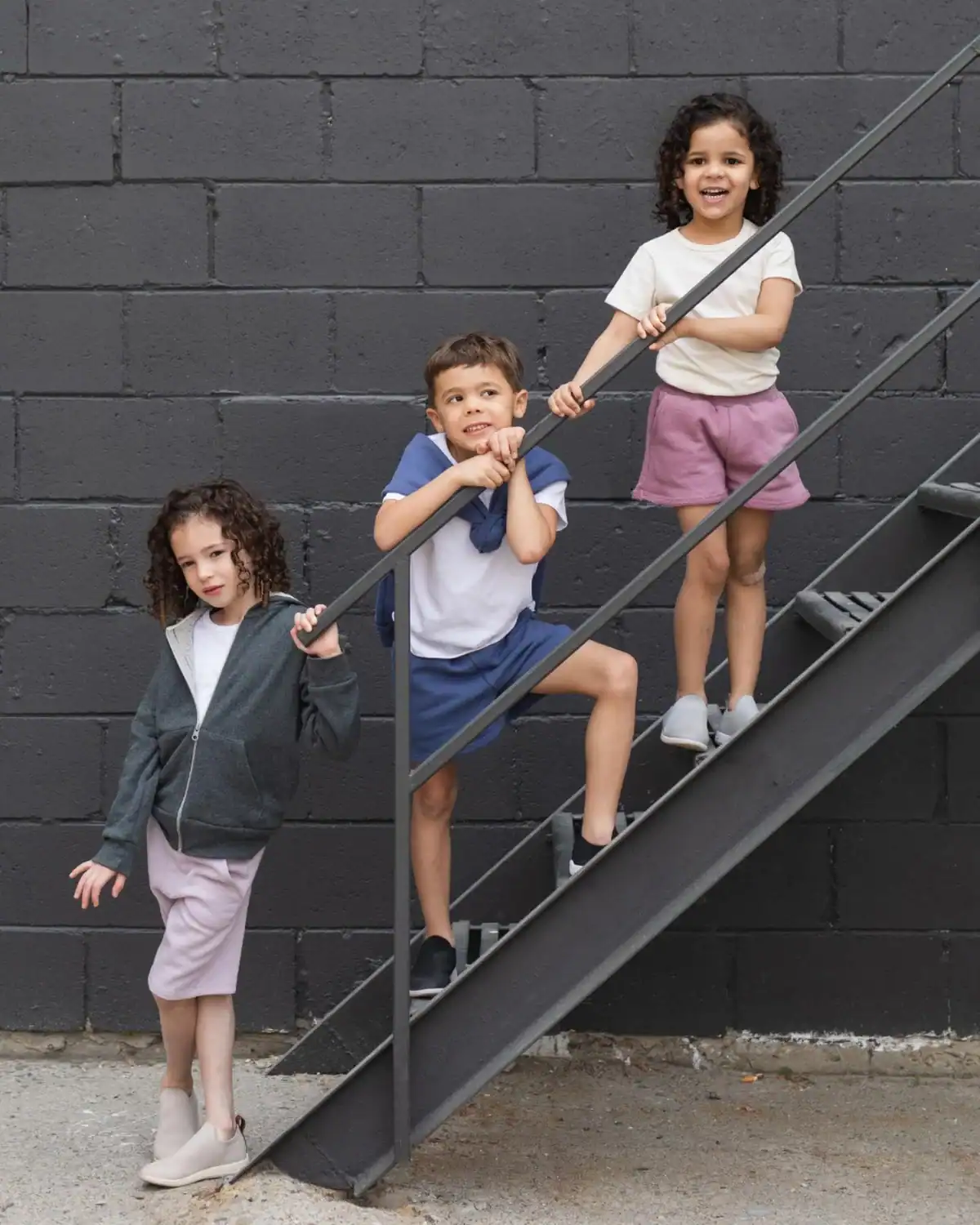
Parents who prefer simple, well-made basics often gravitate toward Mini Mioche.
The brand focuses on simple, timeless pieces designed to be comfortable, durable, and gentle on sensitive skin.
Their collections include everyday essentials like tees, leggings, sweatshirts, and dresses made from GOTS-certified organic cotton.
The minimalist color palette and classic designs make it easy to mix and match pieces for everyday wear.
Mini Mioche also prioritizes safe dye practices, using AZO-free dyes and carefully sourced materials to reduce exposure to harmful chemicals.
With high-quality fabrics and responsibly made garments, Mini Mioche creates organic kids’ clothing that is both practical and beautifully simple.
Price & size range
$38–$100 | 0M–16Y
MATERIALS
GOTS-Certified Organic Cotton
location/shipping
Canada | Ships To The United States & Internationally
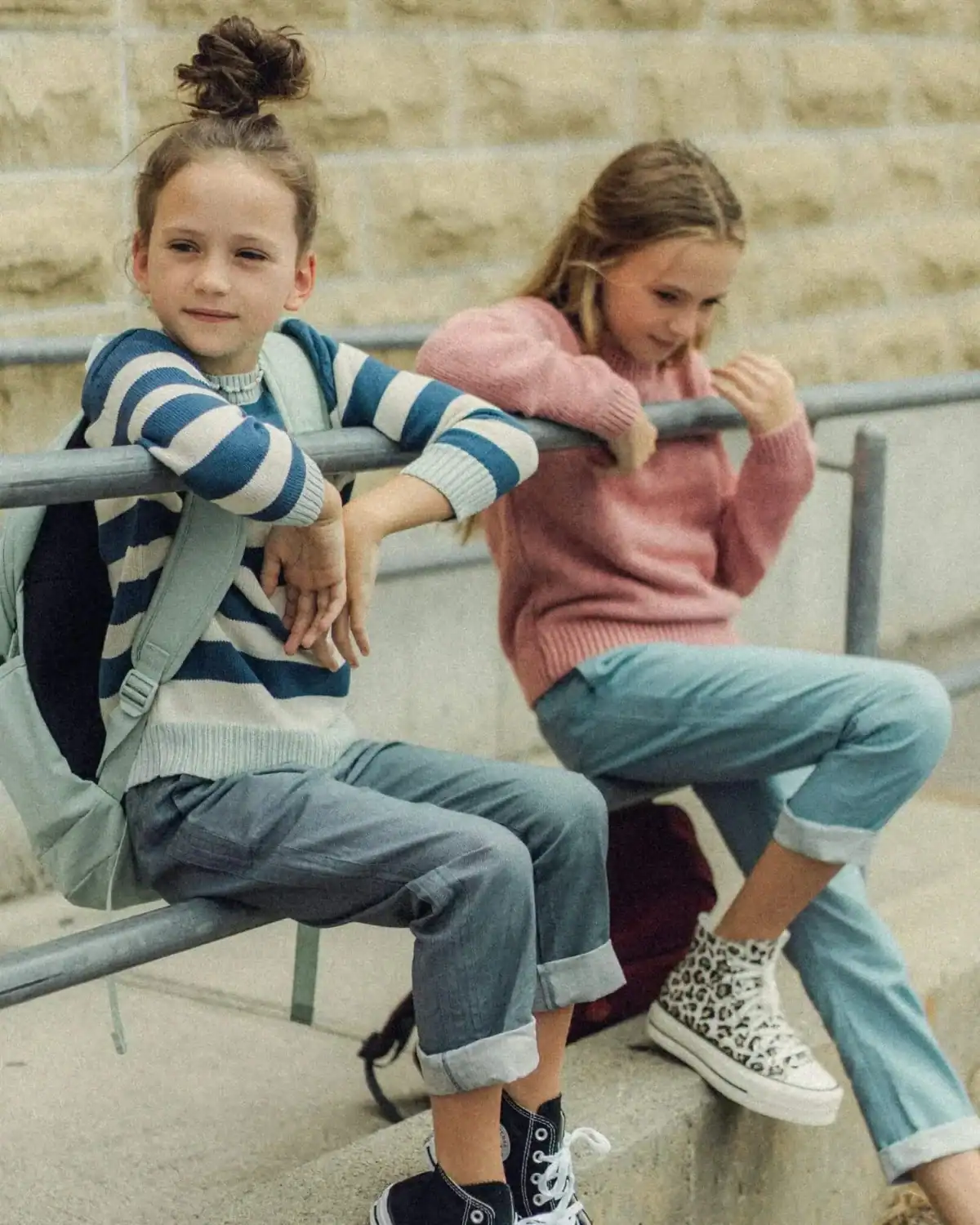
Firebird Kids is a small-batch children’s clothing brand focused on creating high-quality pieces using organic materials and ethical manufacturing practices.
The brand is known for its thoughtfully designed garments that balance comfort, durability, and simple modern style.
Their collections feature neutral tones and playful colors made from organic cotton fabrics that are soft, breathable, and gentle on sensitive skin.
Many pieces are designed to be unisex and versatile, making them easy to mix and match for everyday wear.
Firebird Kids manufactures its clothing locally in women-owned factories in Los Angeles and New York City, helping support ethical production while reducing its overall environmental footprint.
Price & size range
$45–$145 | 2T–13Y
MATERIALS
GOTS-Certified Organic Cotton | Organic Peruvian Cotton
location/shipping
United States
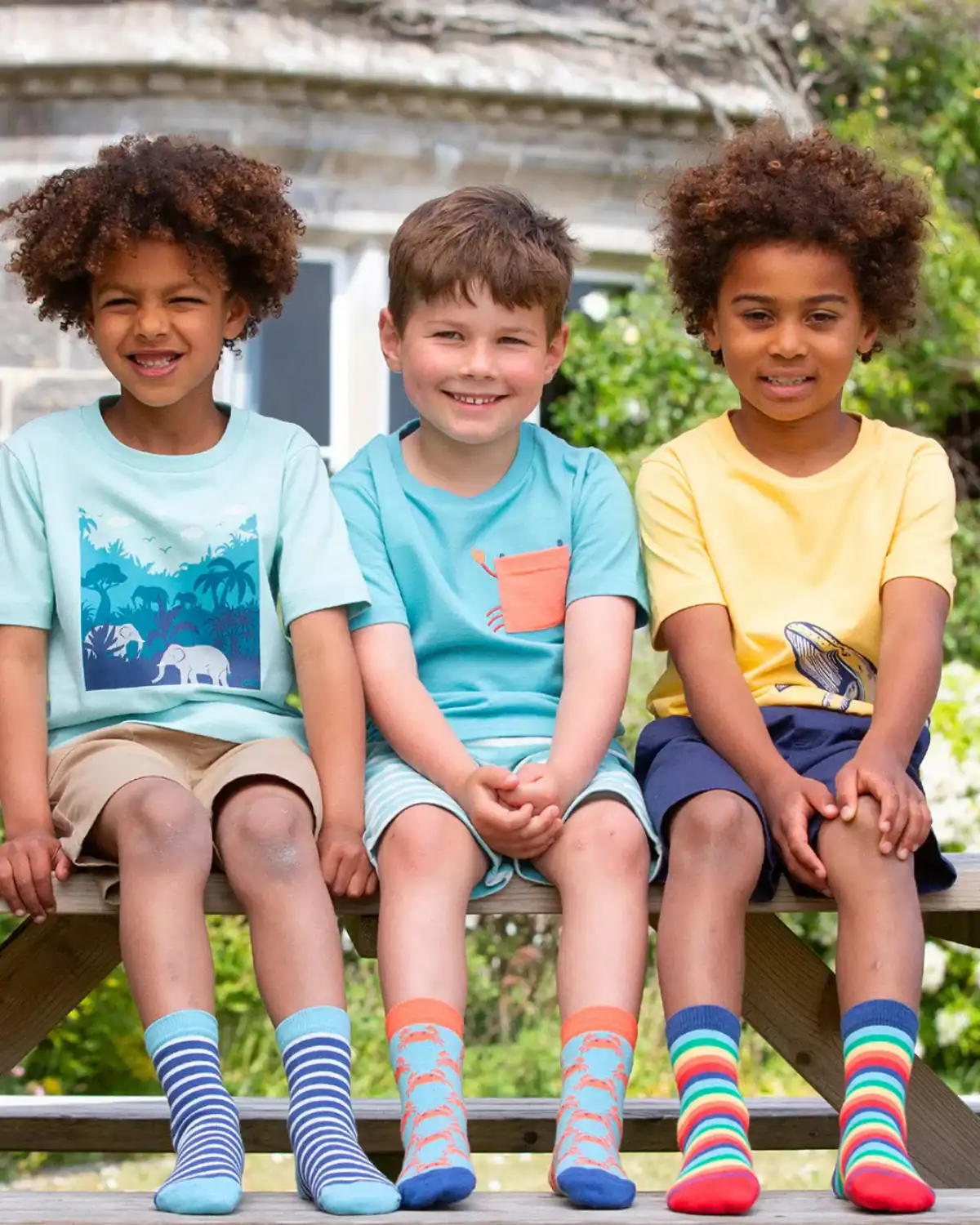
Bright prints and nature-inspired designs are what first draw many families to Kite Clothing.
Inspired by the Dorset countryside, the company creates playful pieces designed for everyday adventures.
Their collections include colorful dresses, cozy knitwear, leggings, and practical outerwear made primarily from GOTS-certified organic cotton.
The fabrics are soft, breathable, and designed to be comfortable for kids with sensitive skin.
Kite Clothing also emphasizes responsible production, using eco-friendly materials and thoughtful design to create pieces that are both durable and easy to pass down between siblings.
Price & size range
$32–$76 | 0M–13Y
MATERIALS
GOTS-Certified Organic Cotton | Recycled Materials | LENZING™ ECOVERO™ Viscose
location/shipping
United Kingdom | Ships To The United States & Internationally
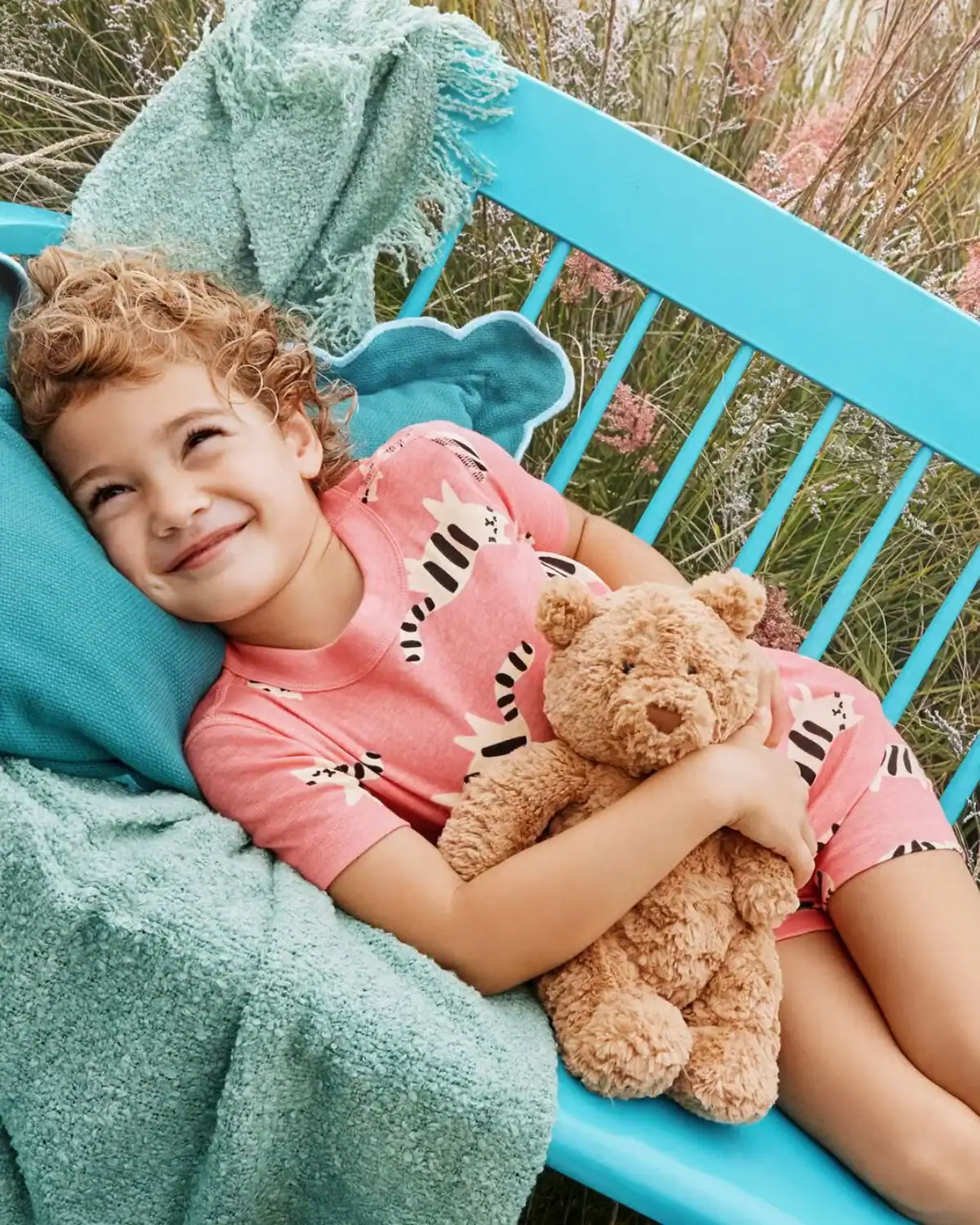
Hanna Andersson is a beloved children’s clothing brand known for its colorful Scandinavian-inspired designs and exceptionally durable fabrics.
The company has been creating high-quality kids’ clothing for decades with a strong focus on comfort, safety, and long-lasting construction.
Their collections include everything from everyday basics to their famous matching family pajamas, which are especially popular during the holidays.
Many of these pieces are made with soft organic cotton that feels gentle on sensitive skin.
Parents also appreciate the brand’s commitment to safety, with many garments certified to OEKO-TEX Standard 100 to ensure fabrics are tested for harmful substances.
Price
$25–$100 | 0M–14Y
MATERIALS
GOTS-Certified Organic Cotton | Recycled Materials
location/shipping
United States | Ships Internationally
🌱 If you’re already choosing organic clothes for everyday wear, you’ll love our guide to non-toxic and eco-conscious swimwear for kids and babies. It’s style with purpose—right down to their beachwear.
What Certifications To Look For In Organic Kids’ Clothing
When shopping for organic kids’ clothing, certifications can help cut through marketing claims and identify products that truly meet higher safety and environmental standards.
Because terms like “eco-friendly” or “natural” are not tightly regulated in the clothing industry, third-party certifications are often the most reliable way to verify that fabrics are produced without harmful chemicals and under responsible conditions.
These labels help ensure that organic fibers are grown without toxic pesticides, fabrics are processed with safer dyes and finishes, and workers throughout the supply chain are treated fairly.
For parents trying to reduce everyday chemical exposure, certifications can provide valuable peace of mind.
Global Organic Textile Standard (GOTS)
The Global Organic Textile Standard (GOTS) is widely considered the gold standard for organic textiles.
To qualify, garments must contain certified organic fibers and meet strict environmental and social standards across the entire production process.
GOTS certification restricts the use of toxic bleaches, dyes, and chemical treatments during manufacturing.
It also requires responsible wastewater treatment and ethical labor practices throughout the supply chain.
Because the certification evaluates the entire lifecycle of a garment—from raw fiber to finished product—it’s one of the most trusted indicators of truly organic clothing.
OEKO-TEX Standard 100
The OEKO-TEX Standard 100 certification focuses specifically on chemical safety.
Textiles that carry this label are tested for more than 100 potentially harmful substances that could irritate skin or pose health risks.
These tests screen for chemicals such as formaldehyde, heavy metals, pesticide residues, and certain allergenic dyes.
For families with children who have sensitive skin, eczema, or allergies, OEKO-TEX certified clothing can offer an added layer of reassurance that fabrics have been independently tested for safety.
Fair Trade Certified
While organic certifications focus on materials, Fair Trade Certified programs emphasize ethical manufacturing and worker protections.
Brands that carry this certification support safer working conditions, fair wages, and responsible environmental practices in garment factories and farming communities.
Many organic clothing companies combine Fair Trade manufacturing with organic fabrics to create clothing that is better for both people and the planet.
Together, certifications like GOTS, OEKO-TEX, and Fair Trade help consumers identify brands that prioritize safer materials, responsible production, and greater transparency—all important factors when choosing clothing for children with developing bodies and sensitive skin.
Warning Signs Of Greenwashing In Kids Clothing
As demand for organic and non-toxic clothing continues to grow, many brands have started using vague marketing language that makes their products appear safer than they actually are.
This practice—known as greenwashing—can make it difficult for parents to identify which kids’ clothing brands truly prioritize organic materials and responsible production.
Learning to spot these warning signs can help you avoid misleading claims and choose clothing that genuinely meets higher safety standards.
Vague “Eco-Friendly” Claims
Terms like eco-friendly, natural, or green often sound reassuring, but they are largely unregulated in the fashion industry.
A brand may advertise a product as sustainable even if only a small portion of the garment contains organic fibers.
When possible, look for clear details about materials and certifications rather than relying on broad marketing terms.
“Made With Organic Cotton” Labels
Another common tactic is labeling clothing as made with organic cotton when only a small percentage of the fabric is actually organic.
Without certifications like GOTS, there’s often no way to verify how much of the garment truly contains organic material.
Checking product descriptions or certification labels can help ensure the clothing is genuinely organic rather than partially blended with conventional fibers.
Lack Of Transparency
Brands that prioritize safe materials and responsible production are usually transparent about where their clothing is made and what fabrics they use.
If a company does not clearly explain its materials, certifications, or manufacturing practices, it can be a sign that the product may not meet the higher standards it claims.
Overuse Of Buzzwords
Marketing language like clean, conscious, planet-friendly, or sustainable can sound impressive but often lacks clear definitions.
While some companies genuinely strive to reduce environmental impact, others rely heavily on buzzwords without providing meaningful information about their materials or production standards.
By focusing on brands that provide clear certifications, transparent sourcing, and detailed material information, parents can more confidently choose clothing that is safer for their children and better for the environment.
Continue Building A Non-Toxic Lifestyle For Kids
If you’re upgrading your child’s wardrobe with organic clothing, you may also want to review:
- The best non-toxic school supplies for kids
- The best non-toxic kids’ water bottles (lead-free & mom-approved)
- The best non-toxic crayons for kids & toddlers
- Best barefoot shoe brands for kids (school, play, etc)
Frequently Asked Questions About Organic Kids Clothing
Organic cotton clothing can be a better option for children because it is grown without synthetic pesticides and processed with stricter environmental standards.
This helps reduce chemical residues that may irritate sensitive skin. Many parents choose organic cotton because it is soft, breathable, and comfortable for everyday wear.
Organic cotton clothing is made from cotton grown without synthetic pesticides, herbicides, or genetically modified seeds.
Because it is processed under stricter environmental standards, organic cotton is less likely to contain chemical residues that can irritate sensitive skin.
Many parents choose organic cotton to reduce everyday exposure to potentially harmful textile chemicals.
Natural fibers such as organic cotton, merino wool, linen, and hemp are often considered some of the safest fabrics for children’s clothing.
These materials are breathable and typically processed with fewer chemical treatments compared to synthetic fabrics like polyester or nylon.
The easiest way to verify organic clothing is to look for certifications like GOTS (Global Organic Textile Standard) or OEKO-TEX Standard 100.
These certifications confirm that fabrics meet strict environmental and safety standards rather than relying on vague marketing claims.
Organic clothing often costs more because organic farming requires stricter growing practices and lower chemical use.
Many organic clothing brands also prioritize ethical manufacturing, higher-quality fabrics, and safer dye processes, which increases production costs but often results in longer-lasting garments.
Many parents report that organic cotton clothing helps reduce irritation for children with eczema or sensitive skin.
Because organic fabrics are typically processed with fewer chemical finishes and dyes, they may be less likely to trigger skin reactions.
Some conventional clothing may contain substances such as formaldehyde, PFAS (forever chemicals), phthalates, and certain heavy metals used in dyes.
These chemicals are sometimes added during textile processing to create wrinkle-resistant, waterproof, or stain-resistant fabrics.
Organic kids’ clothing can cost more upfront, but it is often made with higher-quality materials and more durable construction.
Many garments last longer and can be passed down between siblings, which can make them a worthwhile investment for families.
Kids do not strictly need organic clothing, but many parents choose it to reduce exposure to pesticides, chemical dyes, and textile treatments commonly used in conventional fabrics.
Because children’s skin is thinner and more absorbent than adults’, some families prefer organic fabrics like organic cotton that are grown and processed under stricter safety standards.
Many parents try to limit clothing made from heavily treated synthetic fabrics such as polyester, acrylic, and nylon.
These materials are petroleum-based and may contain chemical finishes used to create wrinkle-resistant, stain-resistant, or water-repellent fabrics.
Natural fibers like organic cotton, linen, hemp, and merino wool are often considered more breathable and comfortable for children.
Organic cotton pajamas are a popular choice because organic cotton is soft, breathable, and less likely to contain chemical residues from textile processing.
For children with sensitive skin, organic cotton sleepwear can sometimes feel more comfortable than synthetic fabrics that trap heat or moisture.
Still Deciding?
If you’re trying to narrow it down, here are our top picks again:
- HAHAHA → Best customizable organic kids clothing
- Mightly → Best affordable organic kids clothing
- Jackalo → Most durable organic playwear
- Little Green Radicals → Best organic playwear
- Hanna Andersson → Best organic cotton pajamas
Final Thoughts On Choosing Organic Kids’ Clothing
Choosing organic clothing for your kids doesn’t have to be overwhelming.
Even small swaps—like choosing organic cotton pajamas, breathable everyday basics, or durable play clothes made from natural fibers—can help reduce everyday exposure to unnecessary chemicals.
Other simple upgrades—like switching to breathable kids cotton socks made from natural fibers—can also help reduce daily exposure to synthetic fabrics.
The brands featured in this guide prioritize safer fabrics, transparent sourcing, and more responsible production practices, making it easier for families to shop with confidence.
Whether you’re building a fully organic wardrobe or simply starting with a few key pieces, choosing better materials can make a meaningful difference for both your child’s comfort and the environment.
And the best part? Many organic kids’ clothing brands now offer playful designs, durable construction, and affordable options, proving that safer clothing doesn’t have to sacrifice style or practicality.
You can also extend these safer swaps to your child’s sleep environment by choosing non-toxic and organic kids’ bedding made without harmful dyes or chemical finishes.
As awareness around textile chemicals continues to grow, more parents are discovering that organic clothing is one of the simplest ways to create a healthier wardrobe for their children.
Sources & Further Reading
If you’re curious about the research behind safer textiles and organic fabrics, these organizations and studies provide helpful information about chemicals in clothing, textile safety standards, and children’s environmental health.
As I was researching organic kids’ clothing brands for this guide, these resources helped me better understand how conventional fabrics are produced and why certifications like GOTS and OEKO-TEX matter when it comes to reducing chemical exposure.
- U.S. Environmental Protection Agency (EPA) – Children’s environmental health and chemical exposure.
- Global Organic Textile Standard (GOTS) – Organic textile certification standards and chemical restrictions.
- OEKO-TEX® Association – Textile testing standards for harmful substances.
- Environmental Working Group (EWG) – Research on chemicals commonly found in consumer products. https://www.ewg.org
- National Institute of Environmental Health Sciences (NIEHS) – Research on environmental exposures and human health.
- OECD Report on PFAS Chemicals – Information on the persistence and health concerns associated with PFAS compounds.
Research around textile chemicals and environmental exposure is continually evolving, and I always encourage readers to explore trusted sources when learning about safer materials for their homes and families.
This post was graciously sponsored by Hahaha. As always, we only work with brands that we stand behind. Would you like to sponsor one of our sustainable round-ups? Contact us here.

Steal My Non-Toxic Cleaning Checklist!
Believe us, it’s the BEST…. and it’s free. Does it really get any better than that?! Sign up for our newsletter and get this free checklist to clean your home without any harmful chemicals!