 Shop My Favorite Non-Toxic Gifts Of 2026!
SKL is reader supported. When you buy through links on our site, we may earn affiliate commission. Learn more here.
Finding the best ethical engagement rings isn’t as straightforward as it should be.
A lot of what’s marketed as “sustainable” or “conflict-free” still comes with big question marks—especially when you start looking closer at sourcing, labor practices, and how materials are actually produced.
And if you’ve ever gone down that rabbit hole… it can feel overwhelming fast.
The good news is, there are better options now. Truly ethical engagement rings made with lab-grown diamonds, recycled metals, and more transparent practices are becoming easier to find—but you still have to know what to look for.
That’s exactly what this guide is here for.
I’ve spent years researching safer materials, digging into brand transparency, and learning how to spot greenwashing (which is everywhere in this space). Below, you’ll find ethical engagement rings that are not only thoughtfully made, but also genuinely worth considering.
SKL top picks, in a nutshell…
- Best Ethical Engagement Rings With The Most Variety: Brilliant Earth
- Best Lab-Grown Diamond Engagement Rings: VRAI
- Best Fairmined Gold Ethical Engagement Rings: Bario Neal
- Best Carbon-Negative Diamond Engagement Rings: Aether Diamonds
- Best Ethical Engagement Rings That Give Back: Do Amore
If you’re still exploring styles or want something beyond traditional engagement rings, you can also browse our guide to sustainable jewelry brands for more everyday and fine jewelry options.
Best Ethical Engagement Rings: At a Glance Comparison
Mobile Users: Scroll to see full comparison →
| Brand | Best For | Materials | Price |
|---|---|---|---|
| Brilliant Earth | Wide selection of ethical and conflict-free engagement rings | Recycled Gold & Silver, Platinum, Fairmined Gold, Beyond Conflict Free™ Diamonds, Lab-Grown Diamonds, Gemstones | $750–$10,000+ |
| VRAI | Lab-grown diamond engagement rings with low carbon impact | Lab-Grown Diamonds (Net-Zero Production), Gold (Recycled & Newly Refined), Platinum | $805–$20,000+ |
| Bario Neal | Fairmined gold engagement rings with fully traceable gemstones | Recycled Gold & Silver, Fairmined Gold, Platinum, Ethically Sourced & Recycled Diamonds, Gemstones | $500–$8,000+ |
| Aether Diamonds | Carbon-negative diamond engagement rings | Carbon-Negative Lab-Grown Diamonds, Fairmined Gold | $900–$40,000+ |
| Do Amore | Ethical engagement rings that give back to global communities | Recycled Gold, Platinum & Palladium, Lab-Grown & Recycled Diamonds, Gemstones, Moissanite | $980–$5,000+ |
| Catbird | Delicate, handmade, ethical engagement rings | Recycled Gold & Silver, Conflict-Free & Recycled Diamonds, Gemstones, Pearls | $500–$5,000+ |
| Valley Rose Studio | Artisanal engagement rings made with Fairmined gold | Lab-Grown Diamonds (Carbon-Capture), Recycled & Natural Diamonds, Gemstones, Fairmined Gold | $1285–$6,000+ |
Why Choosing an Ethical Engagement Ring Matters
An engagement ring is something you wear every single day.
It becomes part of your life in a quiet, constant way—woven into routines, memories, and moments you don’t even think twice about.
But what many people don’t realize is that traditional engagement rings often carry a much heavier story behind them.
When I first started digging into it, I was honestly surprised by how much impact it has behind something so small.
The mining process alone can be incredibly destructive—moving massive amounts of earth, affecting nearby ecosystems, and in some cases, exposing workers to unsafe conditions.
And once you see that, it’s hard to unsee it.
That’s really where ethical engagement rings come in—and why so many people are now also looking at ethical wedding bands and other alternatives that align more closely with their values.
Not as a trend, but as a response.
Over the past decade, there’s been a quiet shift happening in the jewelry industry. More brands are choosing recycled metals over new mining. Lab-grown diamonds have become a real, accessible alternative.
And transparency—actual transparency, not just marketing language—is starting to matter more. It’s not perfect, but it’s progress.
Choosing an ethical engagement ring isn’t just about avoiding harm—it’s about choosing something that aligns with your values in a way that feels thoughtful, not compromised.
👉 Looking to create a more sustainable wedding from start to finish? Check out our guide to 15 simple ways to plan a sustainable wedding — with realistic swaps that I used on my own wedding day!
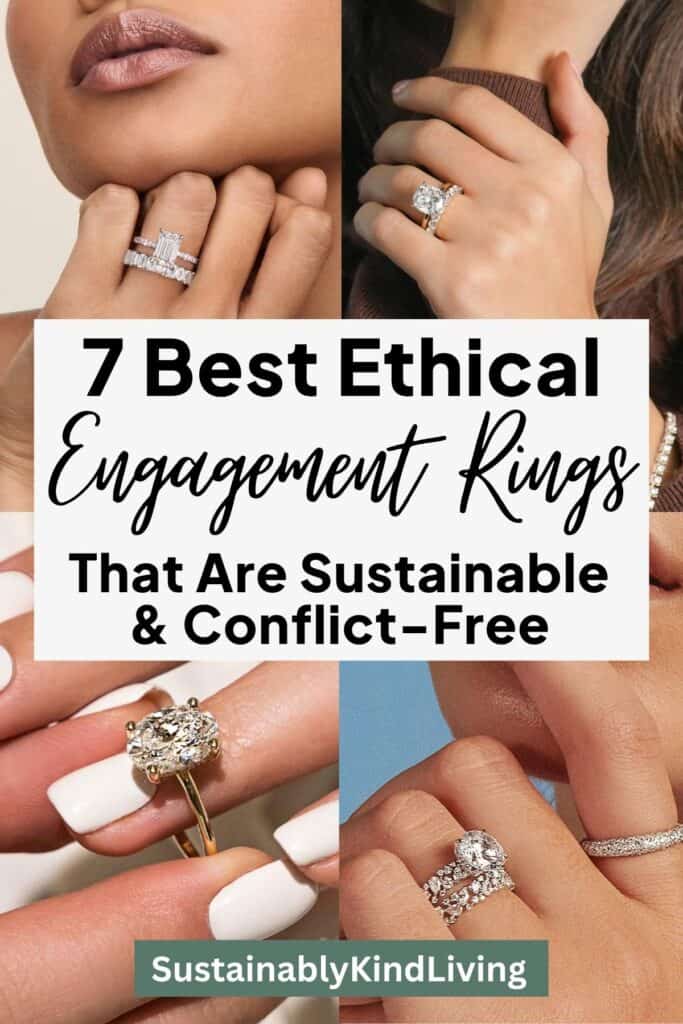
The brands below are the ones that have passed my SKL verification checks.
Each one approaches ethics a little differently, whether that’s through lab-grown diamonds, recycled metals, Fairmined gold, or transparent sourcing practices.
What they all have in common is a level of thoughtfulness that goes beyond aesthetics. These are the brands I would personally feel good about choosing from today.
The Best Ethical Engagement Rings In 2026
1. Brilliant Earth — Best Ethical Engagement Rings With The Most Variety
Best For: Couples who want the widest selection of ethical diamond options
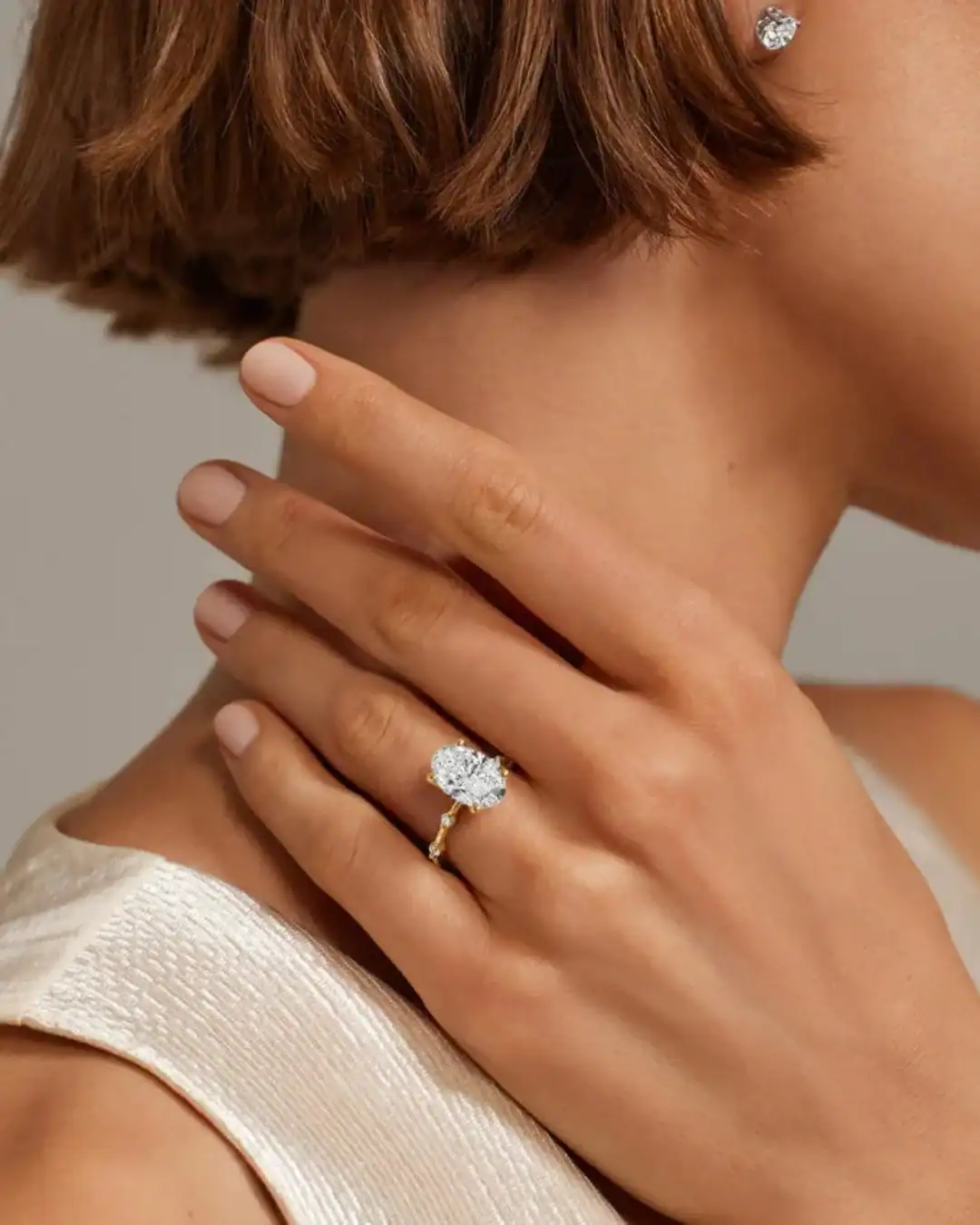
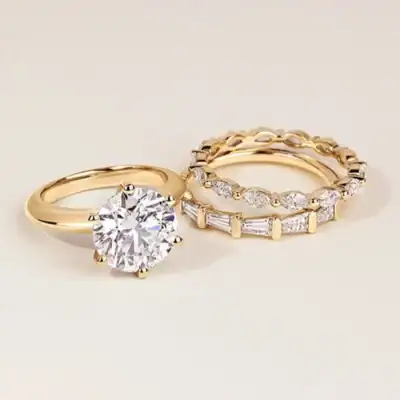
Brilliant Earth is often the first place people land when they start looking into ethical engagement rings—and for good reason.
They’ve built their entire brand around more transparent sourcing and giving customers better options from the start.
Their rings are crafted using recycled precious metals and Fairmined gold, and they offer both lab-grown and natural diamonds that meet their Beyond Conflict Free™ standards.
What stands out most is how much visibility they provide into sourcing—you can actually trace many of their stones back to their origin.
They also have one of the largest selections available, which makes the process feel a lot less overwhelming when you’re still figuring out your style.
Price
$750-$10,000+
materials
Recycled Gold & Silver | Platinum | Fairmined Gold | Beyond Conflict Free™ Diamonds | Lab-Grown Diamonds | Gemstones
Location/shipping
United States | Ships Internationally
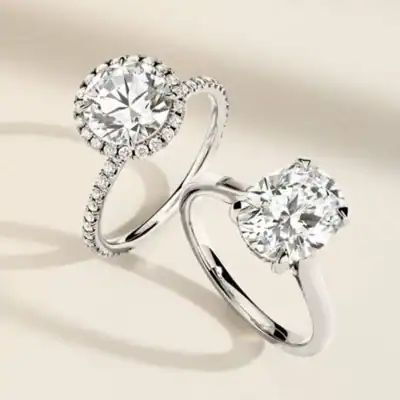
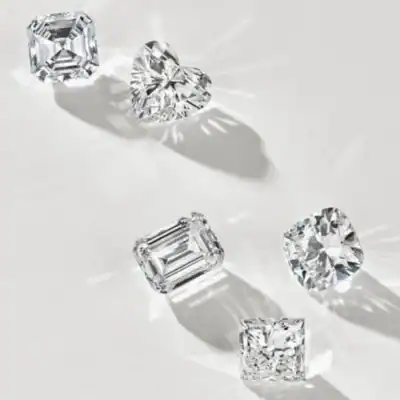
Our Favorites from Brilliant Earth:
2. VRAI — Best Lab-Grown Diamond Engagement Rings (Low-Carbon)
Best For: Those who want a modern, low-impact alternative to traditional diamonds
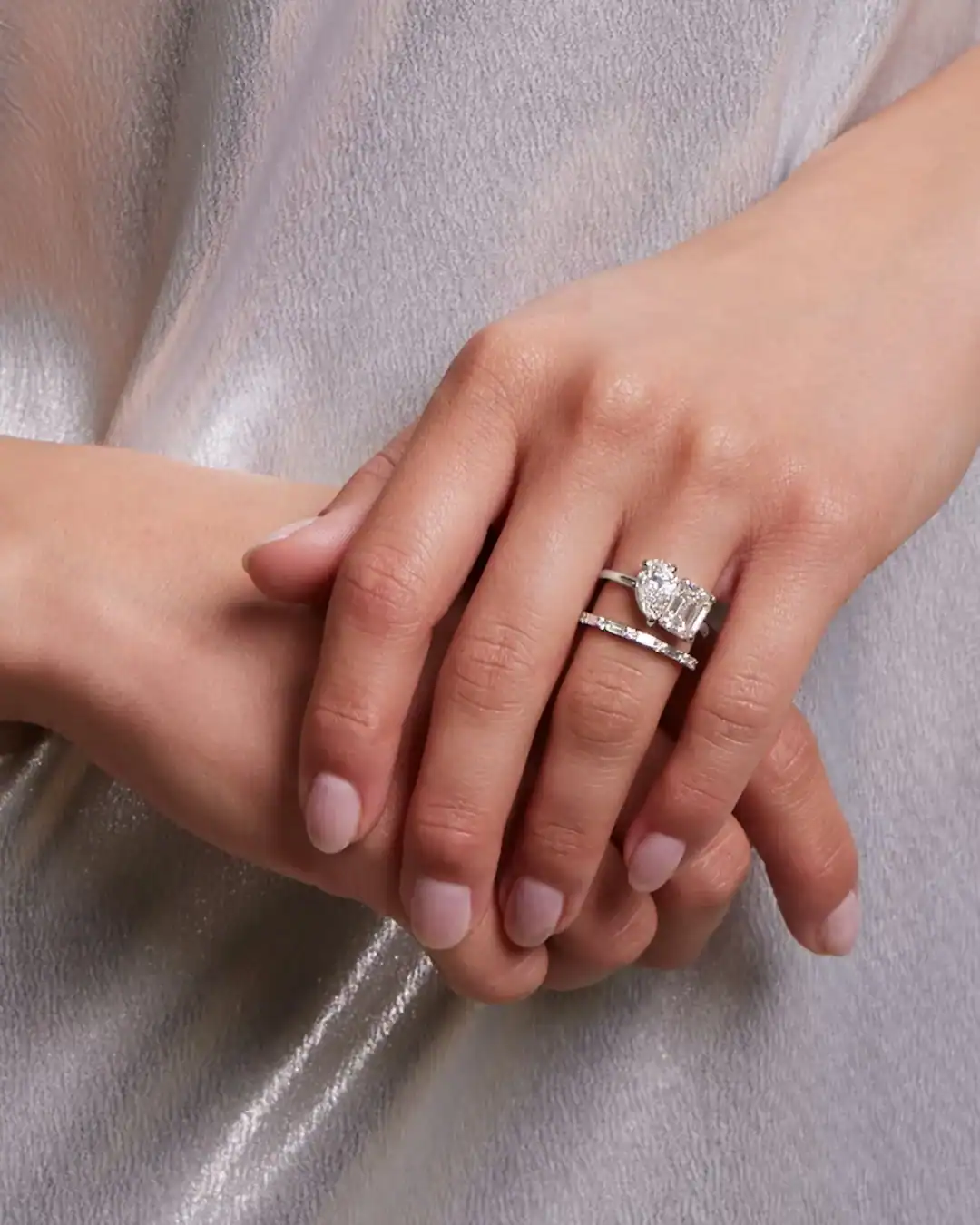
If you’re leaning toward lab-grown diamonds, VRAI is one of the most forward-thinking brands in this space.
Their diamonds are created in a zero-emission foundry powered by renewable energy, which significantly reduces the environmental footprint compared to traditional mining.
The designs themselves feel clean and minimal—more modern than traditional—which makes them especially appealing if you prefer something understated.
It’s a good option if you want the look of a diamond, but with a clearer understanding of how it was made.
Price
$805-$20,000+
Materials
Lab-Grown Diamonds (Net-Zero Production) | Gold (Recycled & Newly Refined) | Platinum
Location/Shipping
United States | Ships Internationally
3. Bario Neal — Best Fairmined Gold Ethical Engagement Rings
Best For: Those who prioritize responsibly sourced gold and fully traceable materials
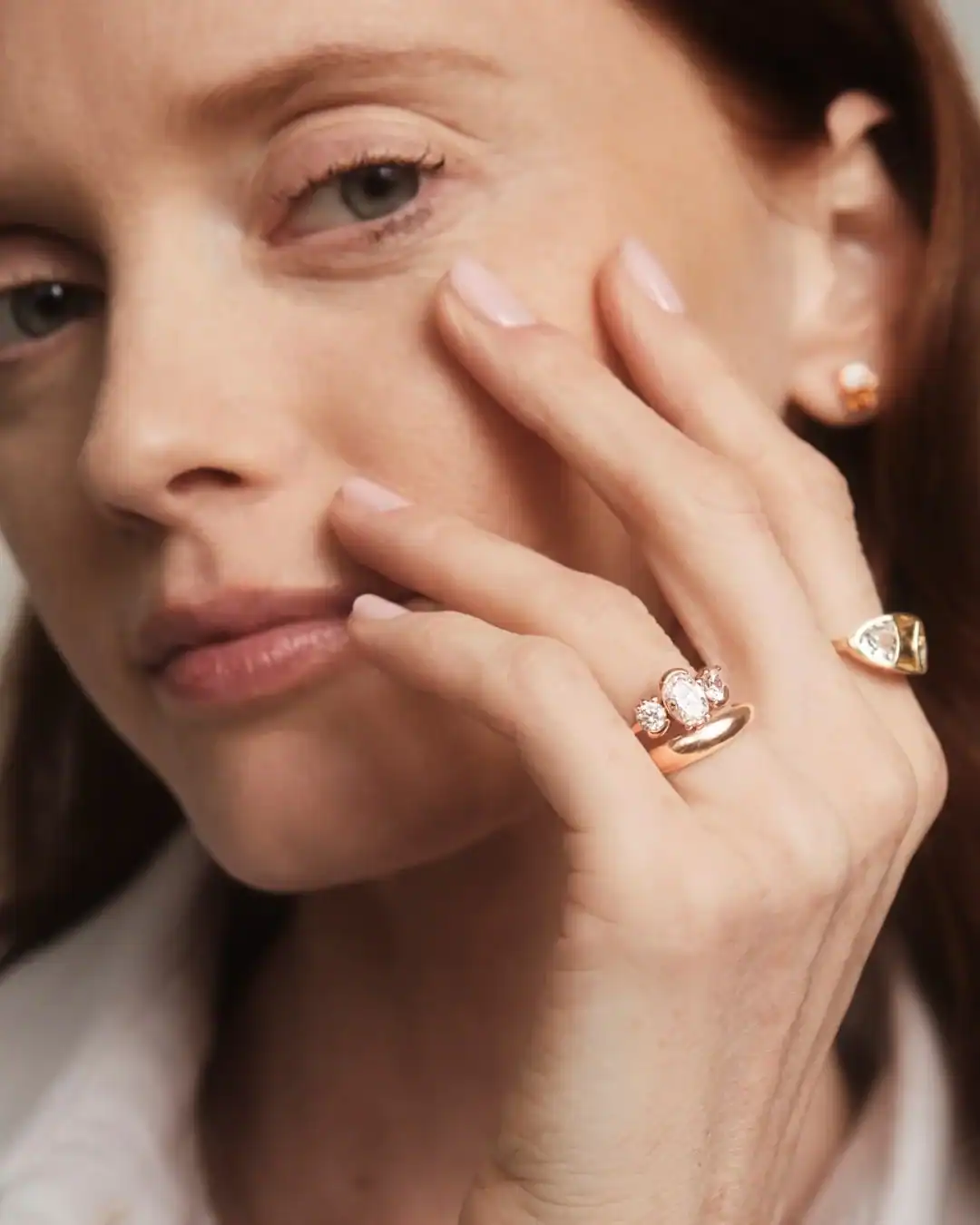
Bario Neal takes a slightly different approach by focusing heavily on responsibly sourced gold.
They were one of the first jewelers in the U.S. to use Fairmined gold, which supports small-scale mining communities with safer working conditions and fair pay.
Their gemstones are also carefully sourced, with an emphasis on traceability—even down to smaller accent stones, which many brands overlook.
Design-wise, their rings feel a bit more unique and less mass-produced, which is refreshing if you’re looking for something that doesn’t feel overly traditional.
Price
$500-$8,000+
Materials
Recycled Gold & Silver | Fairmined Gold | Platinum | Ethically Sourced & Recycled Diamonds | Gemstones
Location/Shipping
United States | Ships Internationally
4. Aether Diamonds — Best Carbon-Negative Diamond Engagement Rings
Best For: Couples who want the most innovative, climate-focused diamond option available
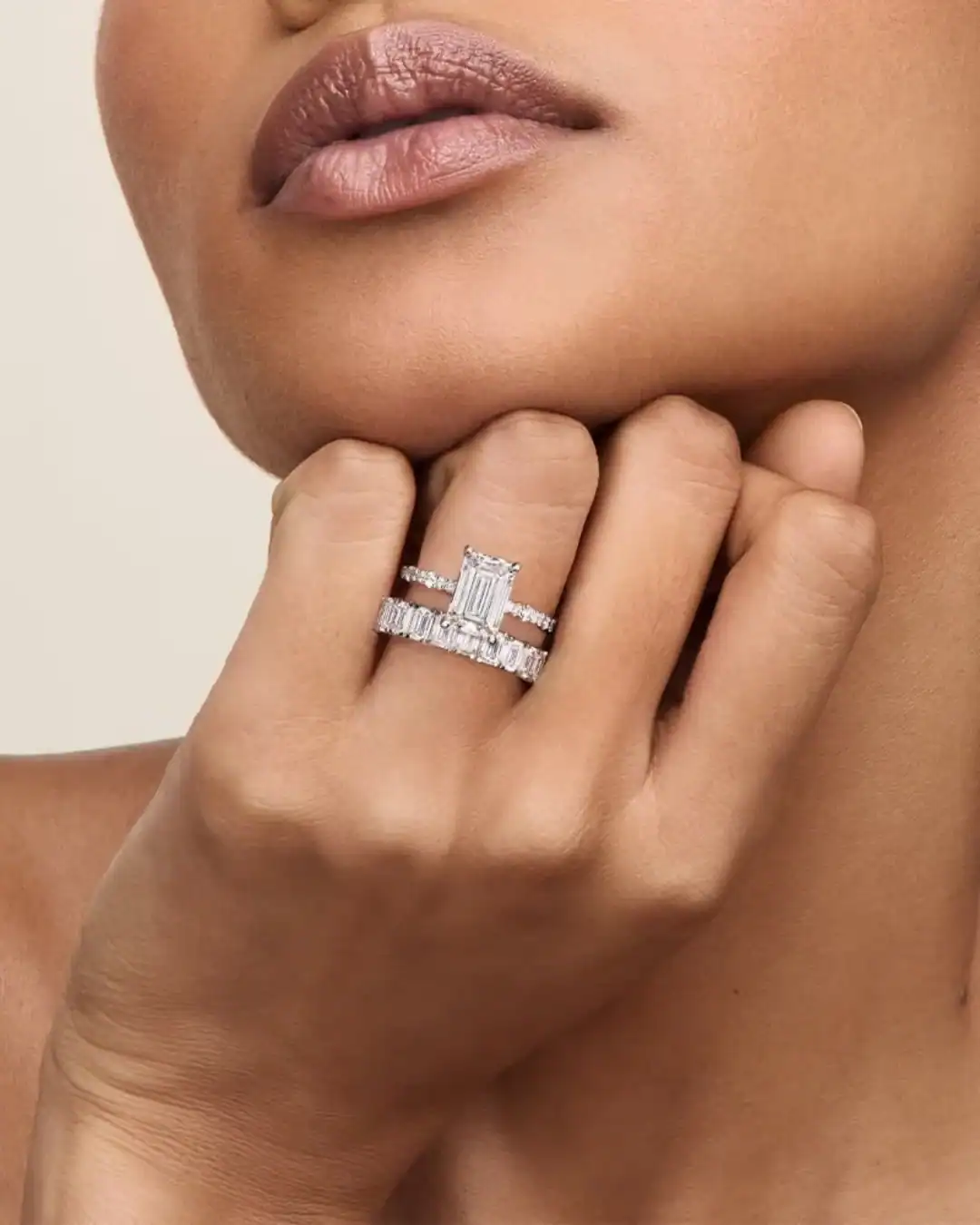
Aether Diamonds is doing something completely different.
Their diamonds are created using carbon captured from the atmosphere, which means each stone actually helps remove CO₂ rather than contributing to emissions.
It’s a newer approach, but one that’s gaining attention for how it rethinks the entire lifecycle of a diamond.
The designs lean more elevated and high-end, making this a strong choice if you’re looking for something both luxurious and environmentally progressive.
Price
$900-$40,000+
Materials
Carbon-Negative Lab-Grown Diamonds | Fairmined Gold
Location/Shipping
United States | Ships To Select International Countries
5. Catbird — Best Delicate & Artisan Ethical Engagement Rings
Best For: Those who prefer a softer, handmade aesthetic with responsibly sourced materials
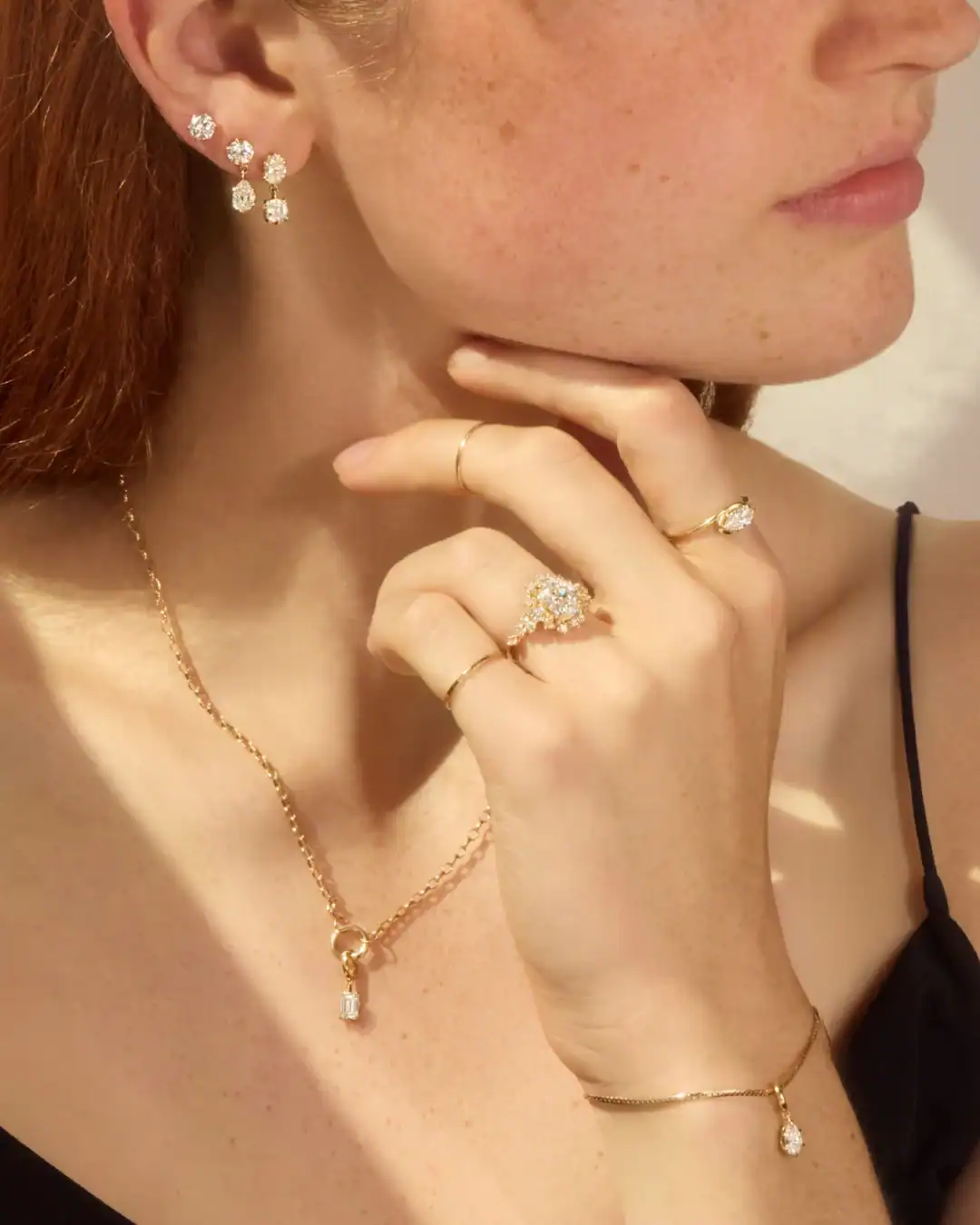
Catbird has a very different feel compared to larger jewelry brands.
Their rings are handmade in Brooklyn and tend to be delicate, slightly vintage, and a bit more personal.
They use a high percentage of recycled gold, along with a mix of recycled, lab-grown, and ethically sourced stones.
If you’re drawn to rings that feel less traditional and more like something you’d discover in a small studio, this is a beautiful option.
Price
$500-$5,000+
Materials
Recycled Gold & Silver | Conflict-Free & Recycled Diamonds | Gemstones | Pearls
Location/Shipping
United States | Ships Internationally
6. Do Amore — Best Ethical Engagement Rings That Give Back
Best For: Couples who want their purchase to directly support social impact
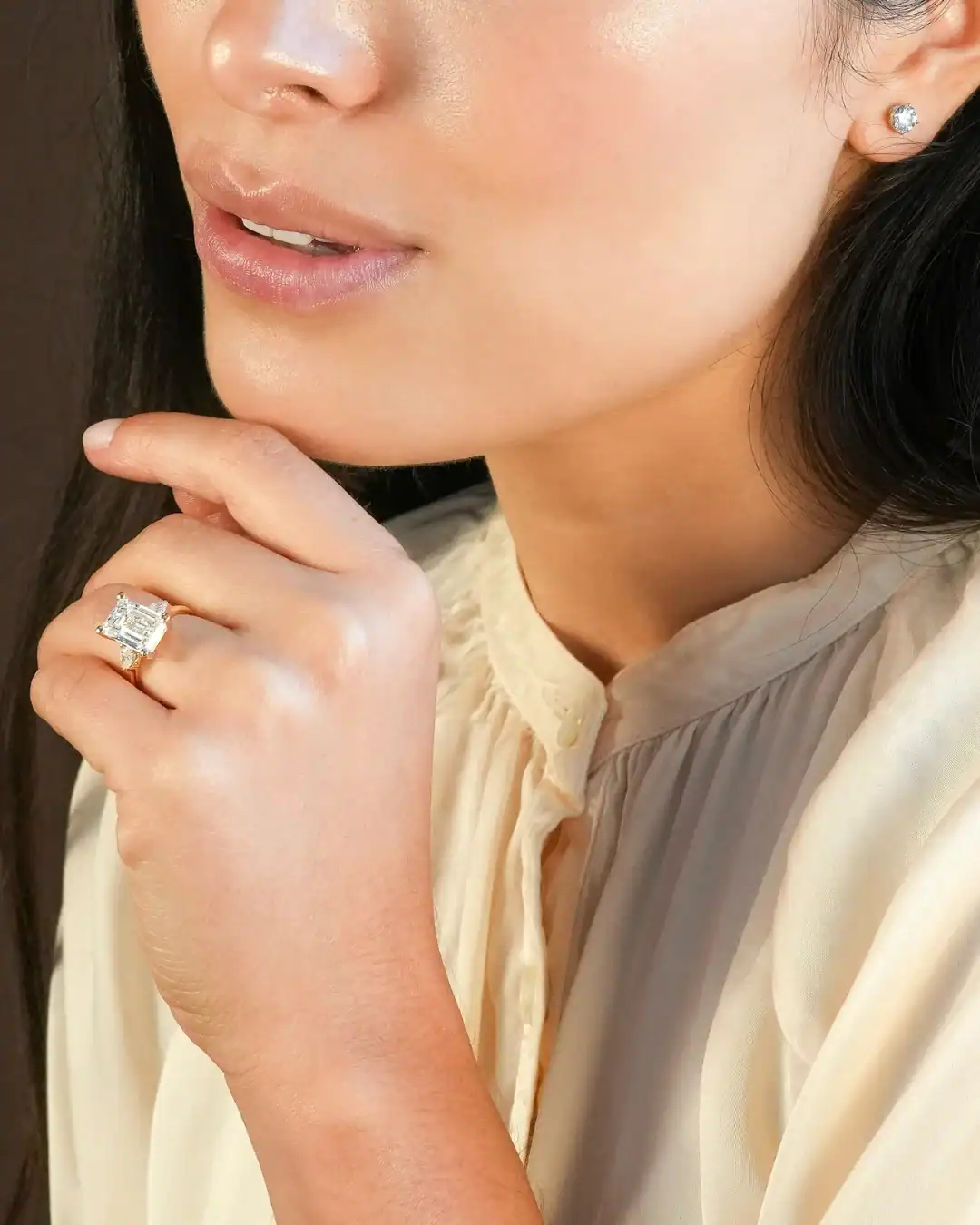
Do Amore combines ethical sourcing with a strong give-back mission.
For every ring purchased, they help fund clean water projects in communities around the world.
Their rings are made with lab-grown diamonds, moissanite, and recycled metals, offering a range of options depending on your preferences and budget.
If you’re someone who wants your purchase to have a direct, measurable impact beyond the product itself, this is one of the few brands doing that in a meaningful way.
Price
$980-$5,000+
Materials
Recycled Gold, Platinum & Palladium | Lab-Grown & Recycled Diamonds | Gemstones | Moissanite
Location/Shipping
United States | Ships To Select International Countries
7. Valley Rose Studio — Best Artisanal Fairmined Gold Engagement Rings
Best For: Those who want a handcrafted ring with strong material integrity
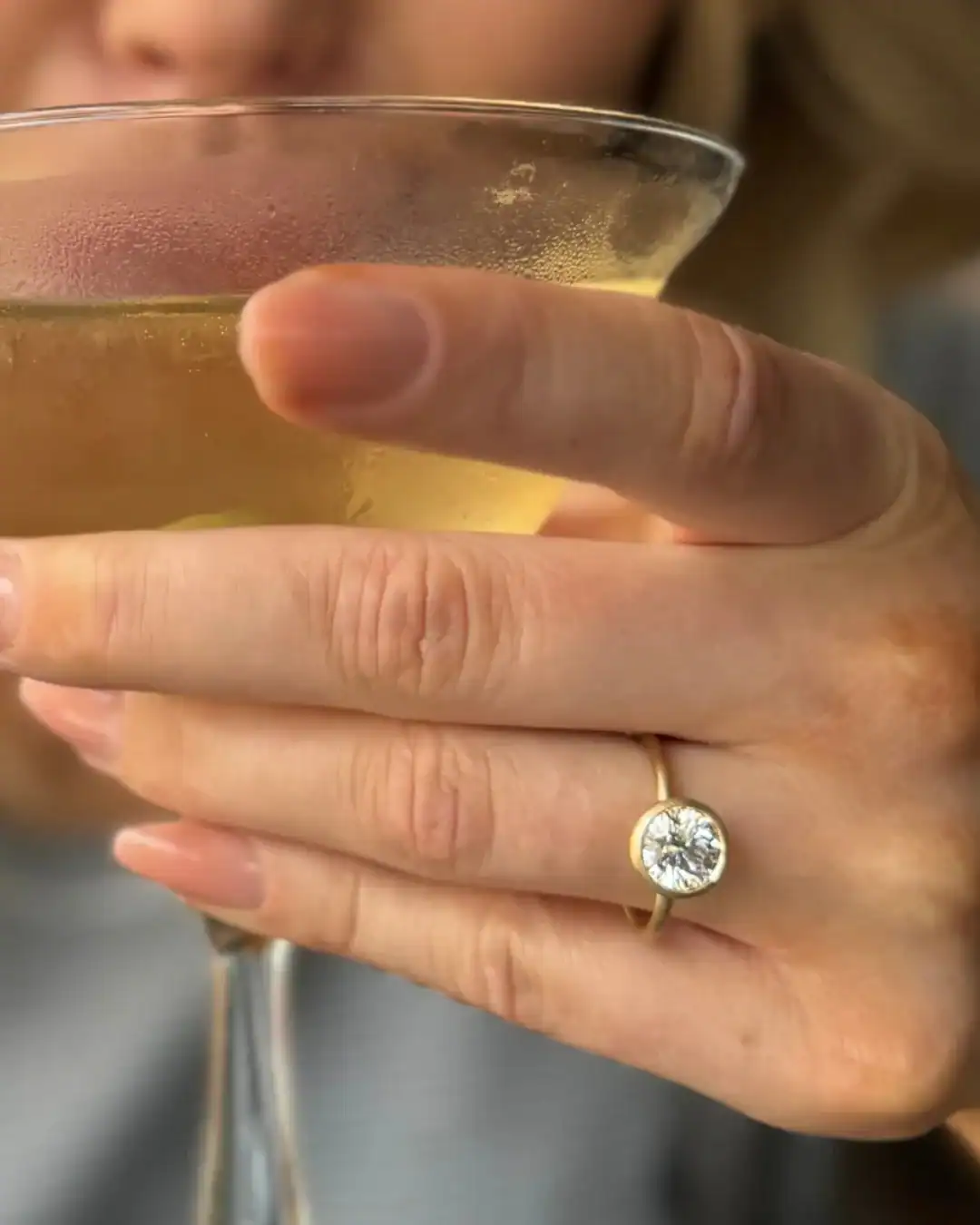
Valley Rose Studio crafts fine jewelry that marries celestial inspiration with earth-conscious materials.
Each piece is made from 100% Fairmined gold and SCS-certified conflict-free diamonds, ensuring ethical sourcing from mine to market.
The brand’s dedication to sustainability extends to their packaging, which utilizes recycled and compostable materials.
This is a great option if you’re looking for something that feels both intentional and quietly unique.
Price
$1285-$6,000+
Materials
Lab-Grown Diamonds (Carbon-Capture) | Recycled & Natural Diamonds | Gemstones | Fairmined Gold
Location/Shipping
United States | Ships Internationally
The Problem With Traditional Diamonds
Traditional diamond and gold mining can be incredibly resource-intensive.
Extracting the materials for a single ring can mean moving tons of earth, disrupting ecosystems, and leaving behind long-term environmental damage that isn’t always visible to us as consumers.
But it’s not just about the environmental impact. In some parts of the world, mining is still tied to unsafe working conditions and unfair labor practices.
The term “conflict-free” gets used a lot in marketing, but it really only scratches the surface—and doesn’t necessarily guarantee that a diamond was sourced in a way that’s truly ethical across the board.
That’s the part that often gets lost. Because when you’re shopping for a ring, you’re shown the sparkle, the setting, the story you’re supposed to feel… not what it took to get it there.
And once you start asking those questions, it changes things. It doesn’t mean every traditional ring is the same, or that there aren’t improvements happening.
But it does mean that the conventional system has some real gaps—and that’s exactly why so many people are starting to look for better alternatives.
How to Choose an Ethical Engagement Ring
When you’re actually shopping for a ring, it’s easy to get pulled in a hundred different directions—style, stone, budget, materials. And once you add “ethical” into the mix, it can feel even more complicated.
What helped me was simplifying the decision into a few key choices:
1. Decide On Your Stone First
This is usually the biggest decision. If you want a traditional look, lab-grown diamonds are the most common ethical option.
If you’re open to something different, moissanite or sapphires can be beautiful alternatives with a lower environmental impact. You can also consider vintage or reclaimed stones, which avoid new mining entirely.
2. Choose Your Netal
Next, look at what the ring is made from. Recycled gold is one of the easiest ways to reduce environmental impact without changing the look or quality.
Some brands also use Fairmined gold, which supports safer and more ethical mining practices.
3. Find a Brand That’s Actually Transparent
This is where a lot of the difference comes in. Look for brands that clearly explain where their materials come from and how their rings are made.
If everything feels vague or overly polished, it’s worth questioning.
4. Narrow It Down By Style & Budget
Once you’ve made those bigger decisions, everything else starts to feel easier. At this point, you’re just choosing the design that fits your style and the price range that works for you.
You don’t have to figure everything out perfectly. But having a simple order like this can make the process feel a lot more manageable—and help you choose something that feels aligned from the inside out.
The Best Materials For Ethical Engagement Rings
The materials used in a ring are where most of the impact comes from—both environmentally and ethically.
Once you understand the differences, it becomes a lot easier to choose something that actually aligns with your values.
Here are the most common options you’ll come across:
Lab-Grown Diamonds
Lab-grown diamonds are one of the most popular choices right now—and for good reason. They’re chemically identical to mined diamonds but don’t require large-scale extraction from the earth.
That said, how they’re made still matters. Brands using renewable energy or low-emission processes tend to be the better choice here.
Moissanite
Moissanite is a completely different stone, but visually very similar to a diamond. It’s typically lab-created, which makes it a lower-impact option overall.
It also tends to be more affordable, which can open up more flexibility in your budget.
Recycled Gold
Gold doesn’t wear out or degrade over time, which means it can be reused without losing quality.
Choosing recycled gold helps avoid the environmental impact of new mining while giving you the exact same look and durability.
Fairmined Gold
If you prefer newly mined gold, Fairmined-certified options are worth looking for.
This certification focuses on safer working conditions and fair pay for small-scale mining communities. It’s not perfect, but it’s a more responsible approach within the mining system.
Alternative Gemstones (Sapphires, Emeralds, etc.)
For something a little different, alternative stones can be a beautiful option. Sapphires are especially popular for engagement rings and can often be sourced more responsibly, depending on the supplier.
Like everything else, transparency from the brand is key. No single material is perfect—but understanding these differences makes it much easier to choose something that feels right for you.
How I Vet Ethical Engagement Ring Brands
Not every brand that uses words like “ethical” or “sustainable” is actually doing the work behind the scenes.
Over the years, I’ve learned that this is one of those industries where marketing can sound really good on the surface—but the details matter.
So when I’m researching engagement ring brands, I look at a few specific things:
Material Transparency Comes First
I always start by looking at what materials are being used and how clearly a brand explains them.
Are they using lab-grown diamonds, recycled gold, or Fairmined gold? And just as important, are they actually telling you where those materials come from?
Sourcing & Supply Chain Clarity
The brands I trust most don’t hide behind vague language. They’re open about their sourcing, their partners, and how their pieces are made.
If I have to dig too hard to find that information, that’s usually a sign something’s missing.
Certifications (But With Context)
Certifications like Fairmined gold or third-party sourcing standards can be helpful, but I never rely on them alone. They’re one piece of the puzzle—not the full picture.
No Greenwashing Language
This is a big one. If a brand leans heavily on words like “eco-friendly” or “sustainable” without explaining what that actually means, I take a step back.
Clear, specific language is always a better sign than broad claims.
Design, Quality & Longevity
An engagement ring is something you wear every day, so it needs to hold up. I look for brands that balance responsible materials with craftsmanship and durability—not just aesthetics.
Every brand included in this guide meets these standards in some way, whether that’s through material choices, transparency, or overall approach.
Certifications To Look For In Ethical Engagement Rings
Certifications can be helpful—but they don’t always mean what you think they do.
Here are the ones you’ll see most often, and what they actually tell you:
Kimberley Process (KP)
The Kimberley Process is the most common diamond certification, but it’s also the most misunderstood. It only ensures diamonds aren’t funding armed conflict. It does **not** cover environmental impact, labor conditions, or broader ethics.
Fairmined Gold
One of the stronger certifications to look for. It supports small-scale mining communities with safer working conditions, fair wages, and better environmental practices.
SCS Certification
Often used for lab-grown diamonds, this looks at the environmental and social impact across production. It can offer more insight—but still depends on how the brand implements it.
Responsible Jewellery Council (RJC)
This focuses on ethical practices across the supply chain, including labor and environmental standards. It’s a baseline—but not all certified brands go beyond the minimum.
✔️ What matters more than certifications:
Transparency matters more than anything — look for brands that clearly share where their materials come from, how their rings are made, and the standards they actually follow.
If that information feels vague or hard to find, it’s usually a sign to take a closer look.
Frequently Asked Questions About Ethical Engagement Rings
The most ethical engagement rings are typically made with lab-grown diamonds or alternative stones like moissanite, paired with recycled or Fairmined gold.
The key is avoiding newly mined materials and choosing brands that are transparent about sourcing and production.
Lab-grown diamonds are generally more ethical than mined diamonds because they avoid large-scale mining and its environmental and social impacts.
However, the energy source used to create them matters—brands using renewable energy are the better option.
A conflict-free diamond simply means it wasn’t used to fund armed conflict.
It does **not** guarantee fair labor conditions, environmental responsibility, or full ethical sourcing, which is why it’s considered a baseline—not a gold standard.
Not necessarily. Lab-grown diamonds and recycled materials are often more affordable than traditional mined options.
You can find ethical engagement rings at a wide range of price points, depending on the stone and design.
Yes—moissanite is one of the most popular ethical alternatives. It’s lab-created, lower impact, and visually very similar to a diamond, often with even more sparkle at a lower price.
Recycled gold is one of the most sustainable options because it avoids the environmental damage of new mining.
Fairmined gold is another strong choice if you prefer newly mined materials with better labor and environmental standards.
They can be lower-toxicity depending on the materials used.
Choosing high-quality metals like gold or platinum (especially recycled) and avoiding unknown alloys or coatings can help reduce potential exposure to harmful substances.
Yes—vintage and secondhand rings are often one of the most sustainable options because they don’t require new materials. They also tend to have a unique, one-of-a-kind feel.
Look for clear material transparency, detailed sourcing information, and specific language about how products are made.
If a brand relies heavily on vague terms like “eco-friendly” without explanation, that’s usually a red flag.
The best place is with brands that prioritize transparency and responsible sourcing.
Companies like Brilliant Earth, VRAI, and Bario Neal are good starting points because they clearly outline their materials, sourcing practices, and certifications.
Still Deciding?
If you’re narrowing it down, here’s a quick way to choose based on what matters most to you:
- Brilliant Earth → Best if you want the most variety and an easy place to start.
- VRAI → Best for low-carbon, lab-grown diamond rings with a modern feel.
- Bario Neal → Best if responsibly sourced gold is your top priority.
- Aether Diamonds → Best for a truly innovative, carbon-negative diamond option.
- Do Amore → Best if you want your purchase to directly support a meaningful cause.
Sometimes it just comes down to what feels right—and you really can’t go wrong with any of these.
Final Thoughts on Choosing an Ethical Engagement Ring
Choosing an ethical engagement ring isn’t about finding a perfect option—it’s about making a more informed one.
Once you understand where materials come from and how rings are made, it becomes a lot easier to see past the marketing and focus on what actually matters to you.
Whether that’s avoiding newly mined materials, choosing a lab-grown diamond, or supporting brands that prioritize transparency, there’s no one “right” path—just the one that feels aligned.
And the good news is, you don’t have to compromise the way people once did. There are now beautiful, well-made rings that reflect both your style and your values.
You can have something that feels meaningful not just because of what it represents, but because of how it was made.
If you’re still deciding, start simple. Choose the material that matters most to you, find a brand you trust, and go from there. That alone puts you miles ahead of where most people start.
Continue Your Sustainable Wedding Journey
If you’re planning a wedding that aligns with your values, these guides can help you build a more thoughtful, low-impact celebration from start to finish:
- Sustainable Wedding Dress Brands – Beautiful gowns made with more responsible materials.
- Ethical Wedding Bands – Wedding rings designed with transparency and care.
- Sustainable Jewelry Brands – Everyday pieces made with ethical sourcing and safer materials.
- Ways To Plan A Sustainable Wedding – Simple, realistic swaps that make a big difference.
- Non-Toxic Makeup Brands – Safer beauty products for your wedding day.
Creating a more sustainable wedding doesn’t have to be overwhelming—small, intentional choices really do add up.
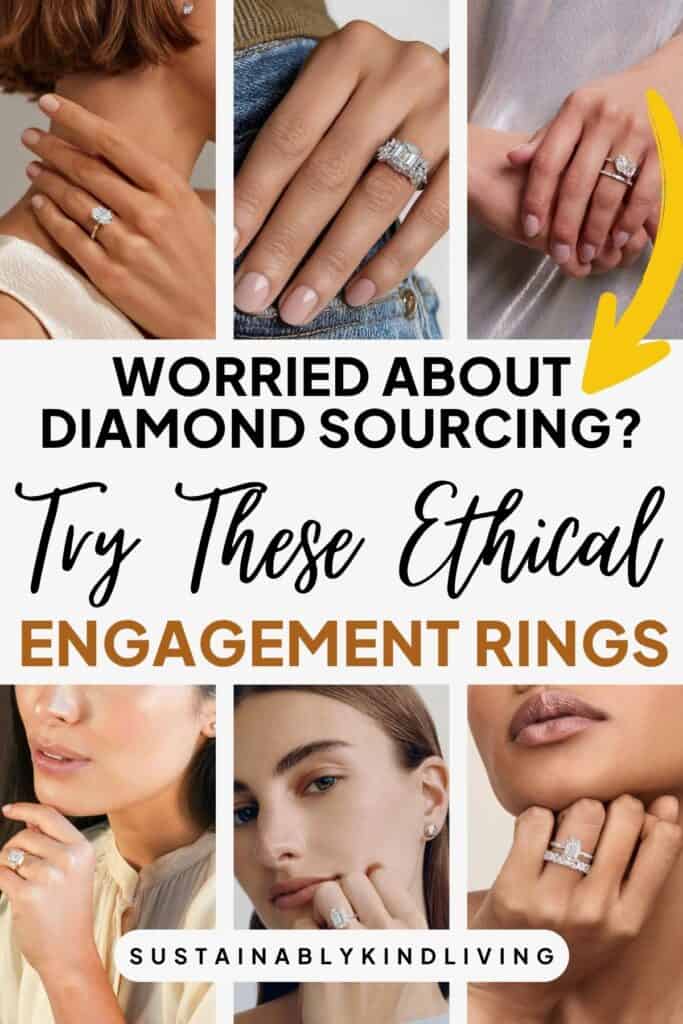
📌 Save This Guide For Later
If you’re exploring ethical engagement rings, this is one of those guides you’ll want to come back to.
This breakdown covers what actually makes a ring “ethical” — from lab-grown vs. mined diamonds to recycled metals, certifications, and the transparency that truly matters (not just the marketing claims).
Save it for later so you have a clear, grounded reference when you’re ready to choose a ring that aligns with your values.
Sources & Further Reading
If you’re interested in learning more about the impact of the jewelry industry and what makes a ring truly ethical, these are some of the resources I’ve found most helpful:
- Environmental Protection Agency (EPA) – Information on the environmental impact of mining and resource extraction.
- Human Rights Watch – Research on labor conditions and human rights concerns in the diamond and gold industries.
- Fairmined – Standards and certification details for responsibly sourced gold.
- Kimberley Process Certification Scheme – Overview of how “conflict-free” diamonds are defined and regulated.
- SCS Global Services – Certification standards for sustainably rated diamonds and materials.
- Responsible Jewellery Council (RJC) – Guidelines for ethical practices across the jewelry supply chain.
These resources can help you go deeper if you want to better understand how materials are sourced and what different certifications actually mean.
This post was graciously sponsored by Brilliant Earth. As always, we only work with brands that we stand behind. Would you like to sponsor one of our sustainable round-ups? Contact us here.

Steal My Non-Toxic Cleaning Checklist!
Believe us, it’s the BEST…. and it’s free. Does it really get any better than that?! Sign up for our newsletter and get this free checklist to clean your home without any harmful chemicals!