 Shop My Favorite Non-Toxic Gifts Of 2026!
SKL is reader supported. When you buy through links on our site, we may earn affiliate commission. Learn more here.
Non-toxic baby wipes are one of those products parents reach for constantly. From diaper changes and sticky hands to quick clean-ups in the car, wipes become part of daily life during the early years.
Because they touch a baby’s delicate skin so often, the ingredients inside them matter more than many families realize.
Yet many conventional wipes still rely on synthetic fragrance, harsh preservatives, chlorine-bleached fibers, or plastic materials that sit against sensitive skin during every change.
When I first started researching safer baby products for Sustainably Kind Living, baby wipes quickly stood out as one of the most surprisingly greenwashed categories in the nursery (If you’re new to this space, I break this down more in my Greenwashing Guide.)
Many products look clean at first glance, but once you dig into the ingredient lists, the reality can be very different.
SKL top picks, in a nutshell…
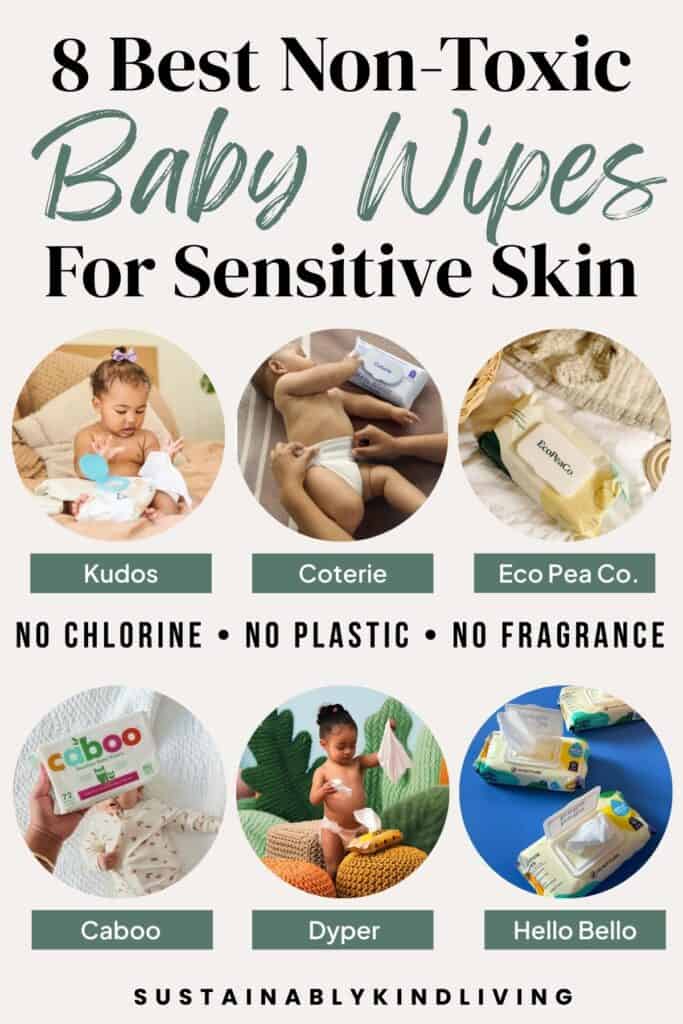
- Best Non-Toxic Baby Wipes For Sensitive Skin→ Kudos
- Best EWG VERIFIED Baby Wipes → HealthyBaby
- Best Bamboo Baby Wipes → Eco Pea Co.
- Best Premium Baby Wipes → Coterie
- Best Compostable Baby Wipes → Dyper
In the early months, families can go through hundreds of baby wipes every week — with newborns often requiring 8–12 diaper changes per day,
Because of that, many parents assume wipes designed for babies must automatically be gentle. Unfortunately, that isn’t always the case.
Many conventional wipes are formulated for shelf stability and low cost first, not necessarily for delicate skin — which is why some still include potential irritants like fragrance or certain preservatives.
Taking a closer look at ingredient lists makes it much easier to spot which wipes truly prioritize gentler materials and which ones rely mostly on marketing language — especially in categories where terms like “natural” or “gentle” aren’t tightly regulated.
Why Choosing Non-Toxic Baby Wipes Matters
A baby’s skin barrier is still developing during the first years of life, which means it’s naturally thinner and more sensitive than adult skin.
Repeated exposure to irritating ingredients — even mild ones — can sometimes lead to dryness, redness, or diaper rash.
Safer baby wipes focus on simple formulations. Many rely primarily on purified water, plant-based fibers, and minimal preservatives to keep wipes fresh without unnecessary additives.
The goal isn’t perfection — disposable wipes will always require some form of preservation — but rather choosing formulas that avoid unnecessary ingredients.
What Ingredients To Avoid In Baby Wipes
Because babies’ skin barriers are still developing, repeated exposure to certain additives can sometimes contribute to dryness, redness, or diaper rash.
Learning which ingredients commonly appear in conventional wipes can help parents make more informed choices.
Synthetic Fragrance
Fragrance is one of the most common irritants in baby wipes. The term “fragrance” or “parfum” can represent dozens of undisclosed chemicals used to create scent.
For babies with sensitive skin, fragrance blends may increase the risk of irritation or allergic reactions. This is why many safer baby wipes focus on fragrance-free formulas.
Harsh Preservatives
Because baby wipes contain a large amount of water, preservatives are necessary to prevent bacterial growth. However, some preservatives can be more irritating than others.
Ingredients such as methylisothiazolinone (MIT) and methylchloroisothiazolinone (CMIT) have been linked to skin sensitivities and are widely avoided in safer baby wipe formulations.
Plastic-Based Wipe Fibers
Many disposable wipes are made from polyester or polypropylene, which are petroleum-based plastic fibers.
These materials are durable but can feel rougher against delicate skin and contribute to environmental waste.
Some newer brands instead use plant-based fibers such as bamboo, wood pulp, or viscose, which create a softer wipe.
Chlorine Bleaching
Some wipe materials are processed with chlorine bleaching to achieve a bright white appearance. This process can create chemical byproducts that many families prefer to avoid.
Safer brands often use totally chlorine-free (TCF) processing or alternative bleaching methods.
Greenwashing in Baby Wipes
Baby wipes are one of the most heavily greenwashed baby products on the market.
Terms like “gentle,” “natural,” or “plant-based” often appear on packaging even when the wipes contain synthetic fragrance blends, plastic fibers, or harsh preservatives.
Many brands also highlight a single ingredient — such as aloe or chamomile — while overlooking the rest of the formulation. This type of marketing can make wipes appear cleaner than they actually are.
For this guide, I focused on brands that offer clear ingredient disclosure, fragrance-free formulas, and safer material choices rather than relying on vague marketing claims.
A handful of baby wipe brands are starting to move in a better direction — simplifying their formulas, improving material transparency, and rethinking what touches a baby’s skin during everyday diaper changes.
The wipes below are the ones that currently come closest to that standard.
The Best Non-Toxic Baby Wipes in 2026
Use discount code SKL15 to save 15%!
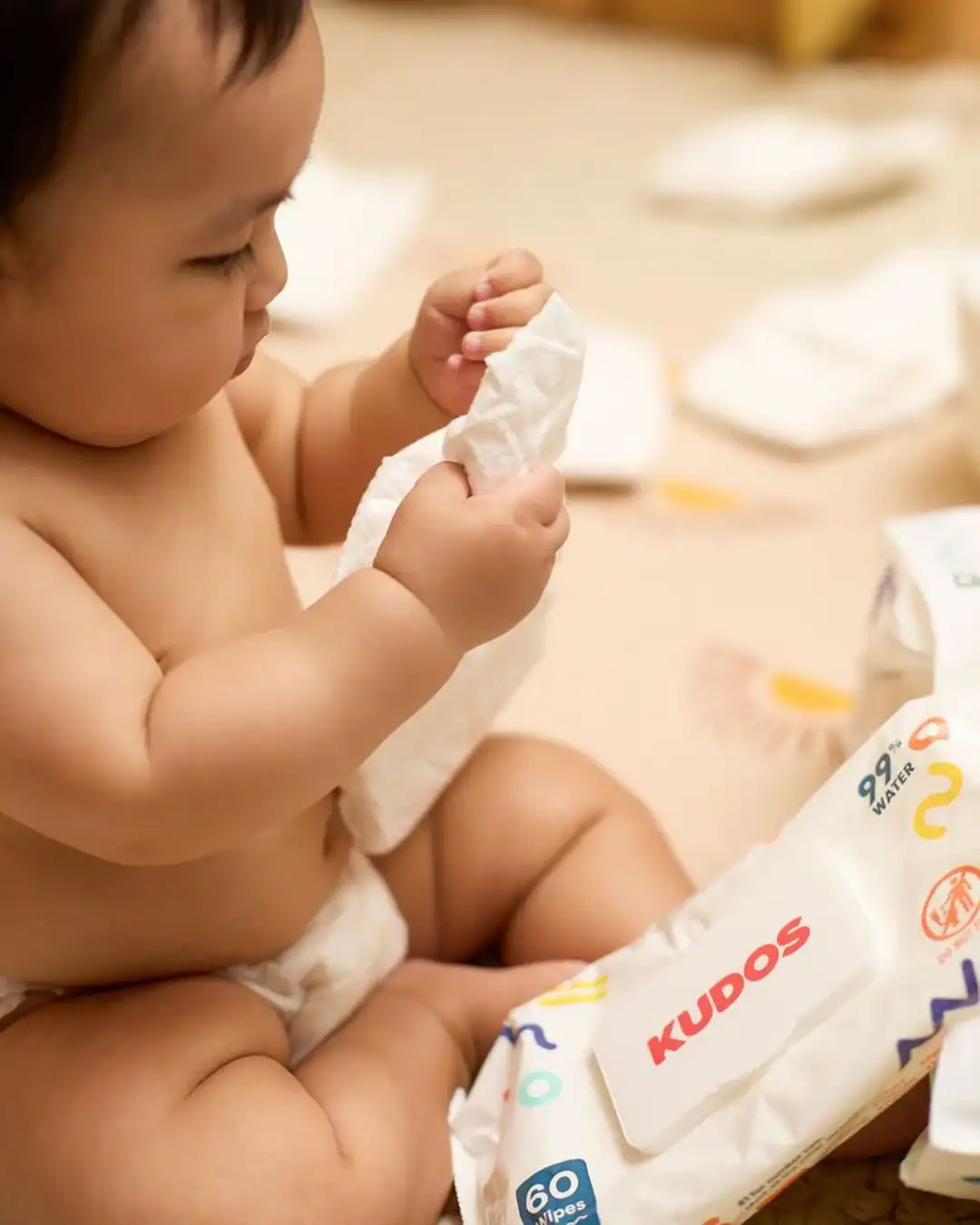
Kudos has become one of the most trusted names in the non-toxic baby space, largely because the brand focuses on material transparency first and marketing second.
Their wipes follow the same philosophy as their popular diapers: fewer ingredients, clearer disclosures, and materials designed to be gentle on developing skin.
The wipes are made with plant-based fibers and a water-forward formula, which helps keep the ingredient list short and straightforward.
There’s no added fragrance, alcohol, or unnecessary preservatives — just a simple cleansing solution designed for babies whose skin barrier is still developing.
What I appreciate most about Kudos is that the wipes actually hold up during real diaper changes. A wipe can be “clean” on paper, but if it tears or dries out too quickly, parents end up using more of them.
Kudos manages to balance gentle ingredients with practical performance, which isn’t always easy to do in this category.
Price
$0.10+/Wipe
Ingredients
Purified Water & Aloe | Glycerin & Squalane | Plant-Based Cleansers & Preservatives
Location/Shipping
United States
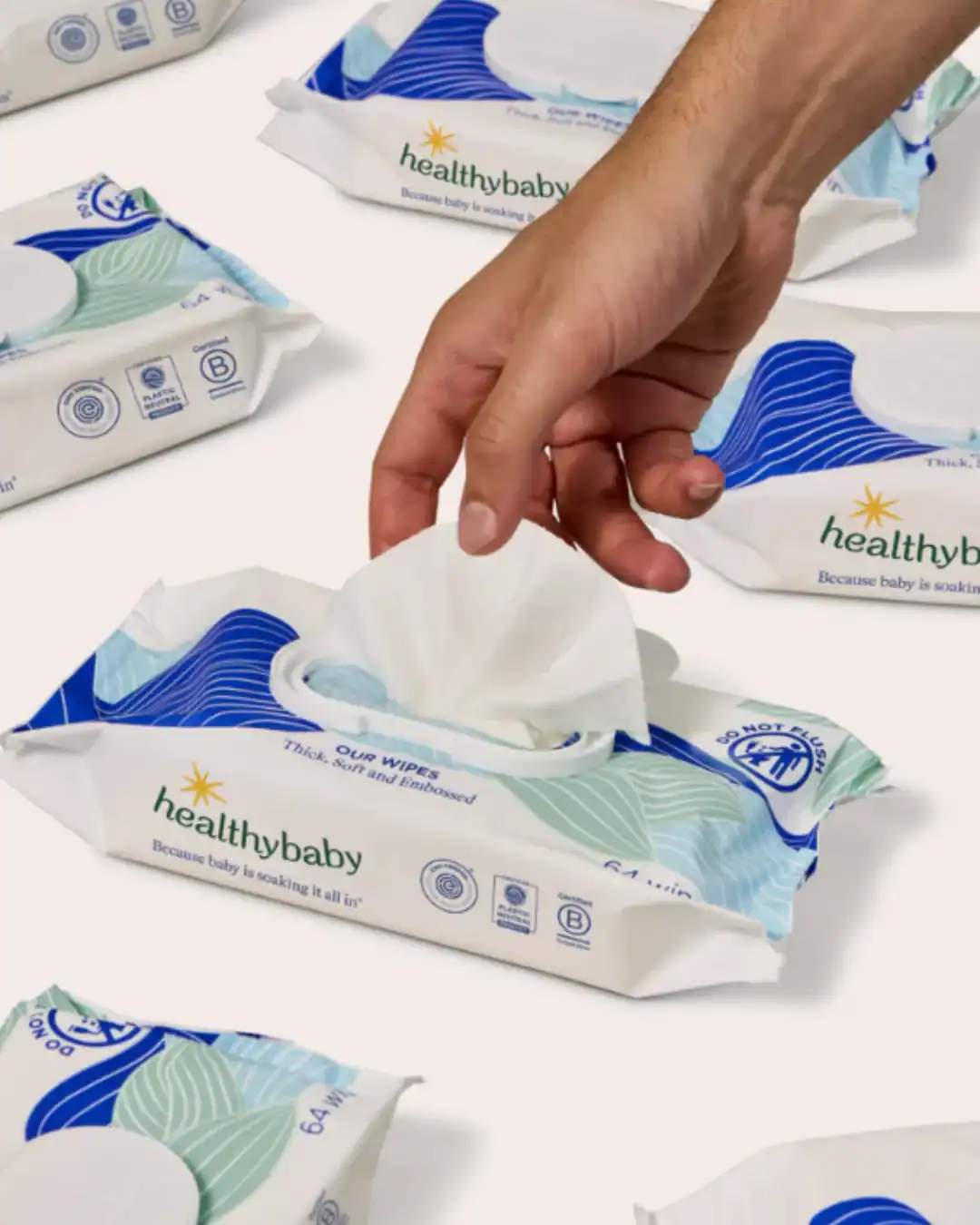
Ingredient transparency is surprisingly rare in the baby wipe industry, which is why HealthyBaby immediately stood out during research.
These wipes are EWG VERIFIED™, a certification that requires brands to disclose their ingredients and meet strict safety criteria for potential contaminants and irritants.
In the baby wipe category, that level of scrutiny is still relatively uncommon.
HealthyBaby uses a plant-based wipe fabric combined with a water-focused formula, avoiding synthetic fragrance, alcohol, and harsh preservatives.
The result is a wipe that feels soft and flexible while still being durable enough for everyday diaper changes.
For parents who prefer products backed by third-party safety verification, HealthyBaby offers a level of reassurance that most conventional wipes simply don’t provide.
Price
$0.11+/Wipe
Ingredients
Organic Aloe, Chamomile & Calendula | Vegetable Glycerin & Vitamin E | Plant-Based Preservatives
Location/Shipping
United States
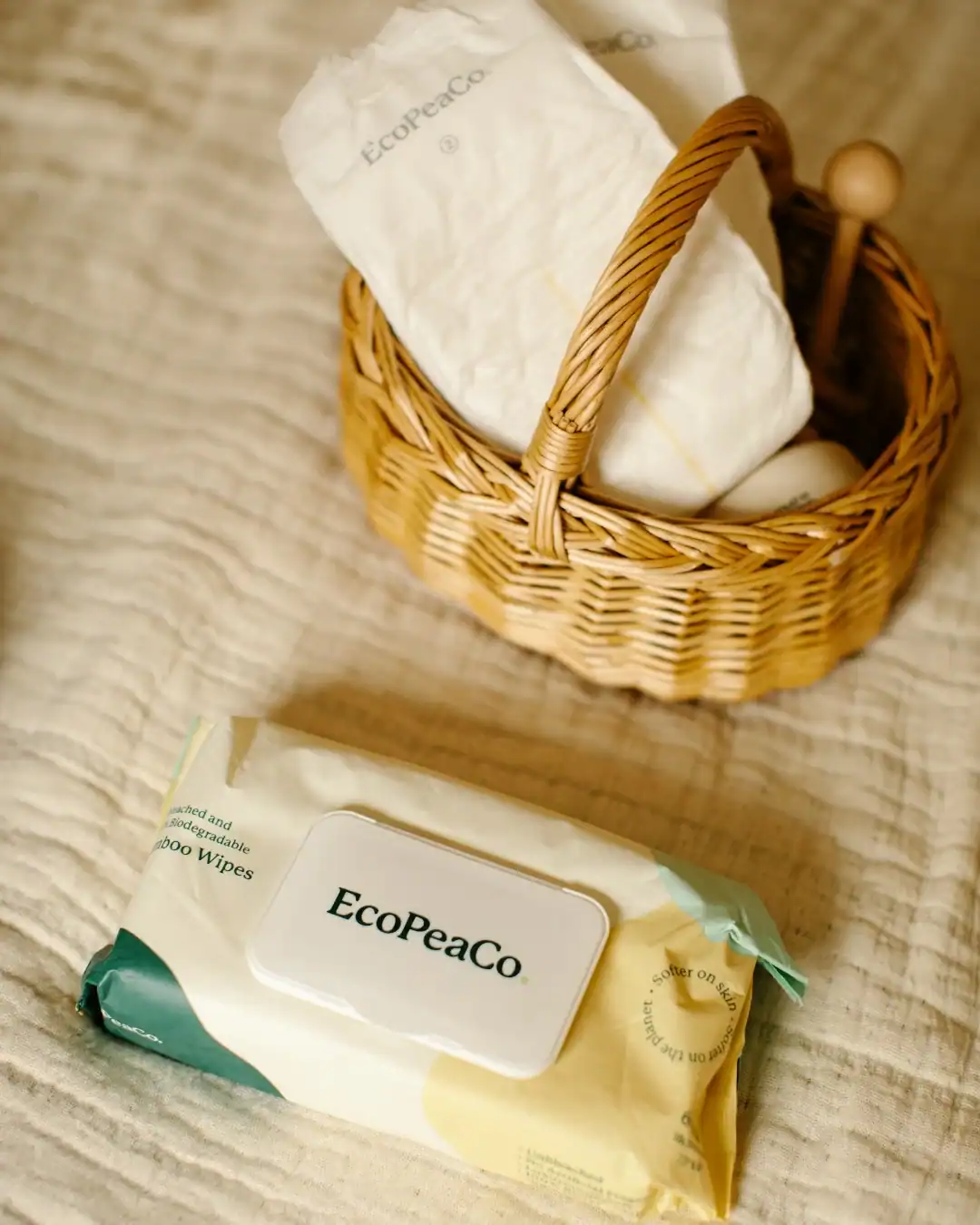
Bamboo has become a popular material in eco-friendly baby products, but not every bamboo wipe is created with the same level of care.
Eco Pea Co. focuses heavily on responsibly sourced bamboo fibers, which naturally produce a soft, durable wipe that holds moisture well.
The wipe material feels noticeably cloth-like, which helps reduce friction during diaper changes.
That matters more than most people realize — babies’ skin is thinner than adult skin and far more prone to irritation from repeated wiping.
The formula itself remains intentionally simple, relying on purified water along with calming ingredients like aloe and chamomile.
It’s a thoughtful combination that keeps the wipes gentle without sacrificing everyday practicality.
Price
$0.13+/Wipe
Ingredients
Water & Aloe | Chamomile & Cucumber Extracts | Cleansers & Preservatives | Unbleached Bamboo Fiber
Location/Shipping
Canada | Ships To The United States
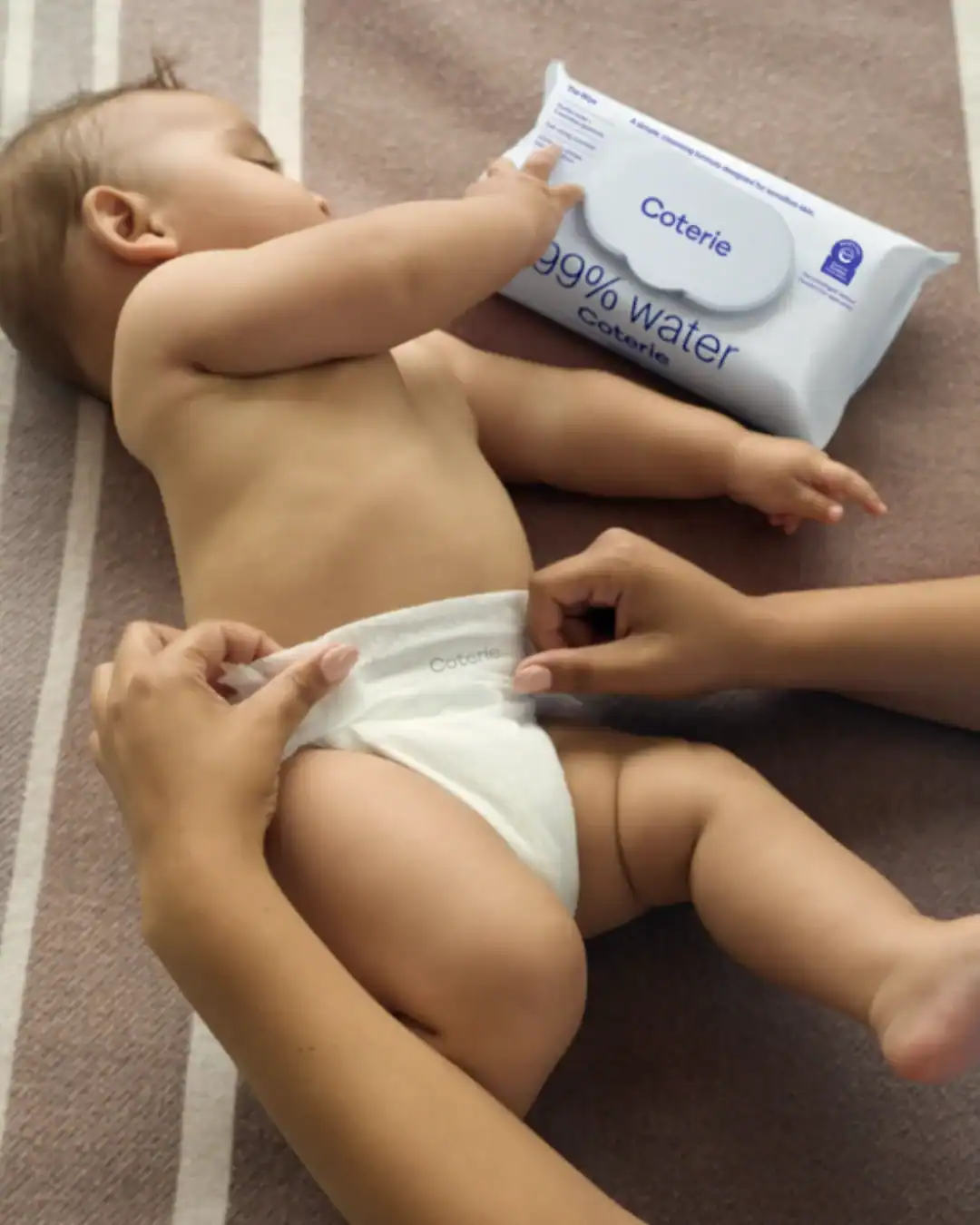
Coterie is best known for its high-performance diapers, but the brand’s wipes have quietly developed a strong reputation among parents who want a thicker, more durable wipe for heavy messes.
These wipes are made with VEOCEL™ lyocell fibers derived from responsibly sourced wood pulp, creating a material that feels soft but noticeably sturdier than many standard wipes.
That extra durability can make a real difference during bigger diaper changes.
The formula is centered around purified water with a few carefully selected ingredients, like glycerin, to help maintain skin hydration.
Coterie also excludes more than 200 potentially irritating ingredients, including fragrance and alcohol.
It’s definitely a premium option, but the combination of strong materials and a thoughtfully minimal formula makes it one that many parents keep coming back to.
Price
$0.15+/Wipe
Ingredients
Purified Water & Glycerin | Plant-Based Cleanser | Preservatives | FSC-Certified VEOCEL™ Plant Fibers
Location/Shipping
United States
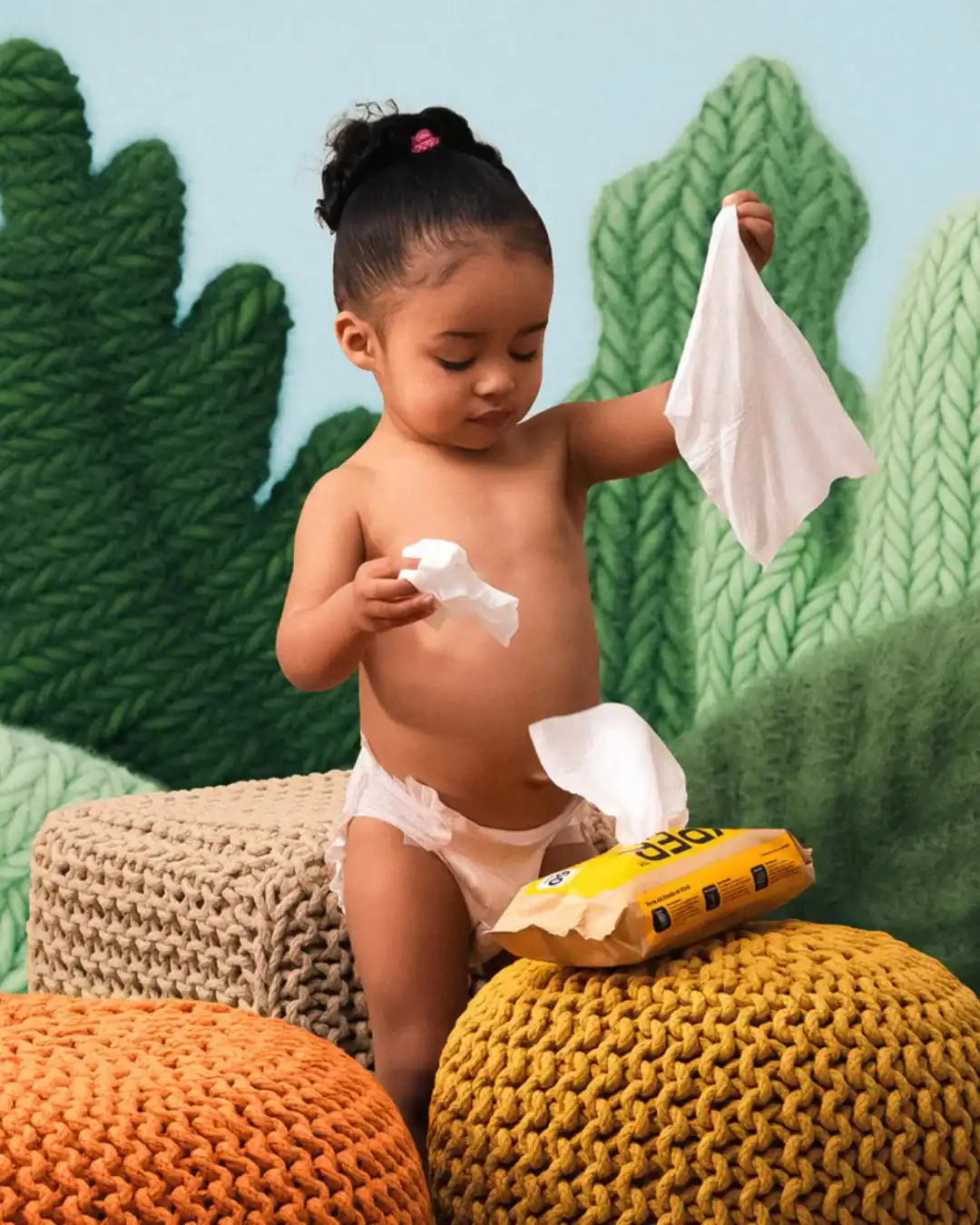
Disposable wipes create more waste than most parents expect, which is one reason Dyper has focused heavily on developing plant-based alternatives with a more thoughtful material approach.
The wipes are made from plant-based viscose fibers sourced from responsibly managed forests, creating a soft wipe that holds moisture well and remains durable during diaper changes.
The formula itself stays minimal and avoids fragrance, alcohol, chlorine bleaching, and other common additives.
Dyper is also known for its REDYPER™ composting program, which allows participating households to send used diapers and wipes to industrial composting partners — a rare initiative in the disposable baby product space.
Price
$0.10+/Wipe
Ingredients
99% Purified Water | Aloe, Chamomile & Cucumber | Glycerin | Plant-Based Cleanser & Preservatives | FSC-Certified Plant-Based Fibers
Location/Shipping
United States
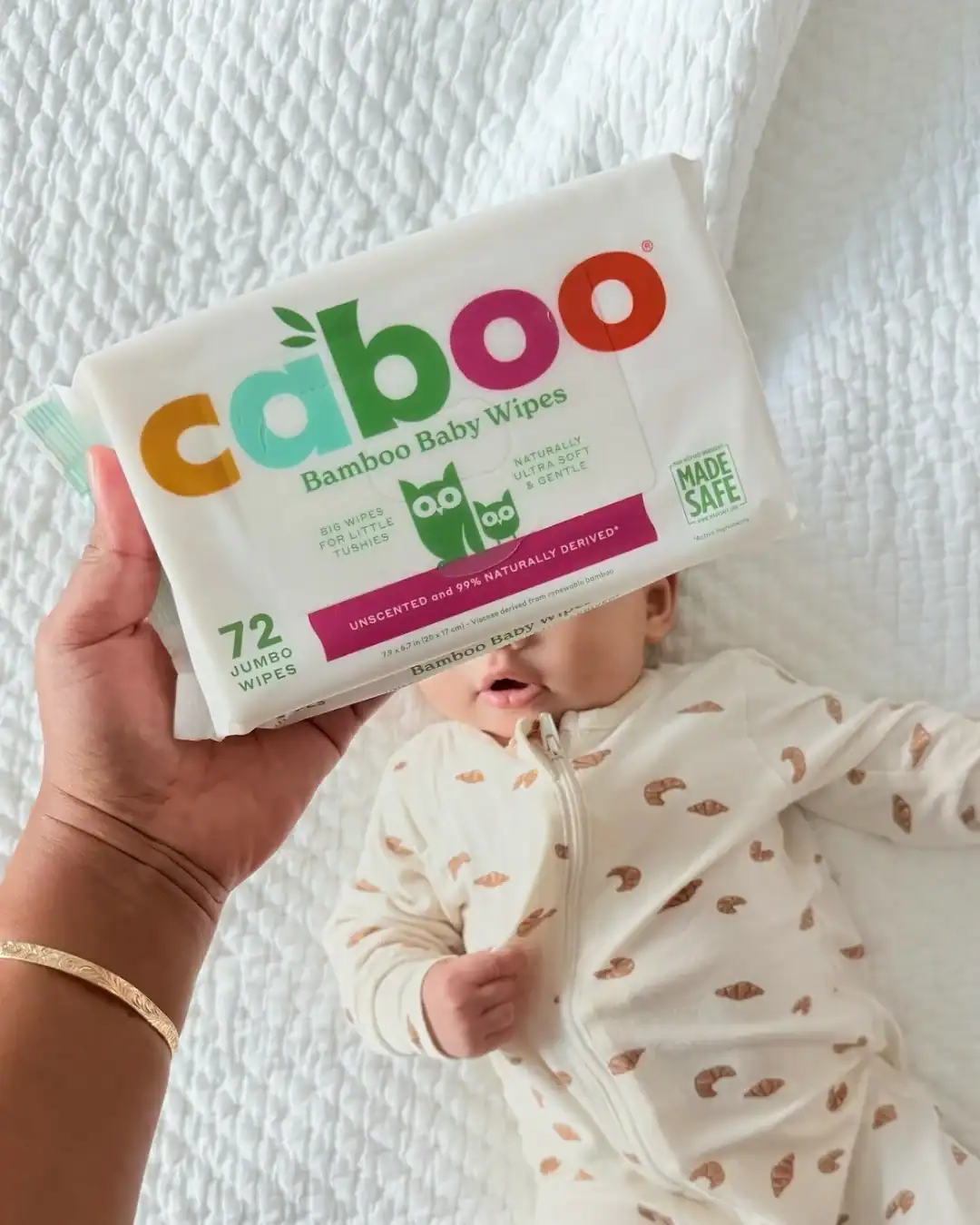
Many disposable wipes rely on polyester or polypropylene fibers, which means they’re technically made with plastic.
Caboo takes a different approach by producing wipes from bamboo pulp fibers instead of petroleum-derived materials.
The wipe fabric feels soft and flexible, creating a cloth-like texture that helps reduce friction on delicate skin during diaper changes.
The formula itself keeps things refreshingly simple with purified water and a short list of mild ingredients.
For parents looking to reduce plastic exposure in everyday baby products, bamboo-based wipes like Caboo can be one of the simplest swaps.
Price
$0.13+/Wipe
Ingredients
99% Naturally Derived | 100% Bamboo Viscose Wipes
Location/Shipping
Canada | Ships To The United States Via Grove Collaborative
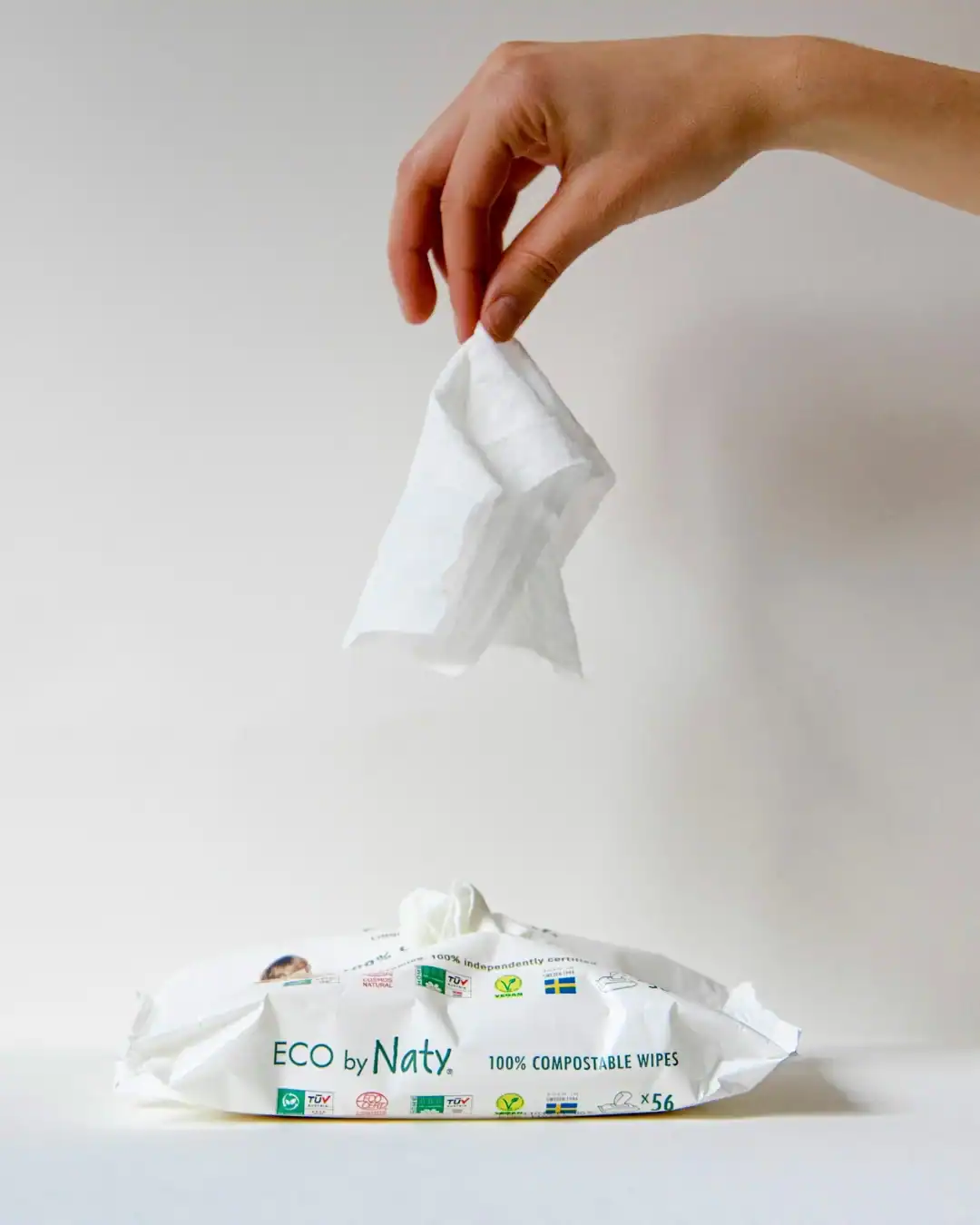
Chlorine bleaching is still commonly used in disposable wipes to create a bright white appearance.
Naty avoids that process by using chlorine-free production and plant-based wipe fibers, which help reduce unnecessary chemical byproducts.
The wipes are made with FSC-certified wood pulp fibers, giving them a soft texture that feels gentle during diaper changes.
The formula remains fairly simple and centers around purified water with gentle cleansing and skin-conditioning ingredients.
Naty has been part of the eco-baby space for years, and many parents appreciate the brand’s emphasis on responsible sourcing and ingredient transparency.
Price
$0.12+/Wipe
Ingredients
Purified Water & Organic Aloe | Chamomile | Plant-Based Hydration | Cleansers & Preservatives | FSC-Certified Plant-Based Fibers
Location/Shipping
Sweden | Ships Internationally Via Amazon
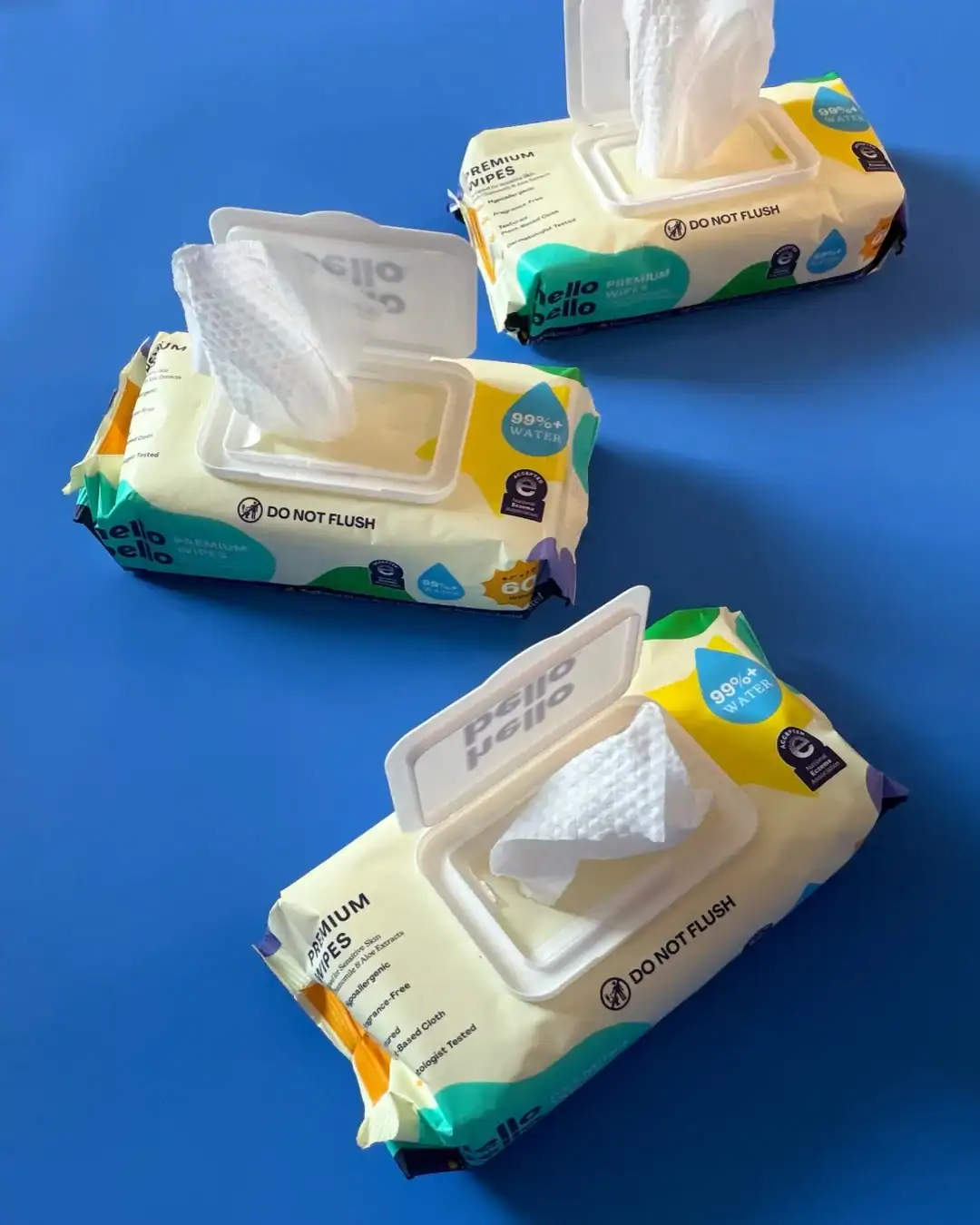
Hello Bello has become a popular option for families who want cleaner baby products at a more accessible price point.
The wipes rely on a water-based formula with soothing ingredients like aloe and chamomile, while avoiding synthetic fragrance, parabens, phthalates, and alcohol.
The wipe material is durable enough for everyday diaper changes without feeling rough on the skin.
Because the brand is widely available in major retailers and often sold in larger value packs, Hello Bello offers a practical option for families who want fragrance-free wipes without dramatically increasing their monthly baby care costs.
Price
$0.12+/Wipe
Ingredients
Purified Water & Aloe | Chamomile Extract | Plant-Based Cleanser | Preservatives
Location/Shipping
United States | Ships To Canada
SKL Standards
How We Vet Non-Toxic Baby Products at SKL
At Sustainably Kind Living, every product guide begins with research.
Because baby products come into contact with delicate skin so frequently, we take a closer look at the materials, ingredients, and certifications behind each brand before including it in our recommendations.
For this guide, we reviewed ingredient disclosures, wipe materials, third-party certifications, and brand transparency.
We prioritized wipes that are fragrance-free, rely on simple formulas, and use safer materials like plant-based fibers or responsibly sourced pulp whenever possible.
We also pay attention to what brands leave out — including synthetic fragrance, harsh preservatives, chlorine bleaching, and unnecessary additives that may irritate sensitive skin.
Finally, we evaluate how brands communicate with parents. Companies that clearly disclose their ingredients, certifications, and manufacturing practices tend to stand out from those relying on vague terms like “natural” or “eco-friendly.”
Our goal is always the same: helping families find products that balance safety, transparency, and real-life practicality for everyday use.
Why WaterWipes Didn’t Make Our List
WaterWipes are often recommended in “clean baby product” roundups because the original formula contained only water and grapefruit seed extract.
However, the formula has changed over time to include additional ingredients that help stabilize the product and prevent microbial growth.
Today’s formula includes preservatives such as sodium benzoate, which are considered safe in many cosmetic products, but move the wipes away from the ultra-minimal formula the brand originally promoted.
For this guide, we focused on brands that offer simpler ingredient lists, clearer material disclosures, and stronger transparency about their formulations.
WaterWipes may still work for many families, but newer brands now offer simpler formulas and stronger material transparency.
Choosing baby wipes often raises a lot of questions for new parents — especially when ingredient lists and marketing claims can be confusing.
Below are some of the most common questions families ask when searching for safer baby wipes.
Frequently Asked Questions About Non-Toxic Baby Wipes
The safest baby wipes for newborns are typically fragrance-free and made with simple ingredients like purified water and minimal preservatives.
Many safer wipes also use plant-based fibers instead of plastic materials. Choosing wipes with transparent ingredient lists can help reduce the risk of irritation on delicate newborn skin.
Many baby wipes are safe for sensitive skin, but formulas with synthetic fragrance, alcohol, or harsh preservatives can sometimes cause irritation.
Fragrance-free wipes with simple ingredients and gentle materials tend to be the best option for babies prone to redness or diaper rash.
Common ingredients many parents choose to avoid include synthetic fragrance, alcohol, methylisothiazolinone (MIT), parabens, and phthalates.
Some wipes also contain plastic fibers or chlorine-bleached materials. Simpler formulas with fewer additives are usually better suited for sensitive skin.
Bamboo wipes are often softer than conventional wipes made with plastic fibers, which can help reduce friction during diaper changes.
Many bamboo wipes also use plant-based materials instead of petroleum-derived fabrics. However, the overall ingredient formula still matters when evaluating safety.
All baby wipes contain ingredients that help keep the product stable and prevent bacterial growth. However, safer wipes tend to rely on simpler formulas with fewer additives.
Many parents prefer wipes that avoid fragrance, alcohol, and unnecessary preservatives.
Water-based wipes can be a good option because they typically rely on purified water as the primary cleansing ingredient.
This often results in shorter ingredient lists and gentler formulations. Still, it’s important to check the full ingredient list since preservatives are still required.
New parents may use between 30 and 70 wipes per day, especially during the newborn stage when diaper changes are frequent.
Because wipes come into contact with a baby’s skin so often, ingredient safety and gentle materials become especially important.
Some babies may develop irritation from ingredients like fragrance or certain preservatives found in wipes.
Switching to fragrance-free wipes with simple formulas can sometimes help reduce redness and diaper rash. Frequent diaper changes and gentle cleaning also play an important role.
Biodegradable or plant-based wipes may break down more easily than wipes made with plastic fibers.
However, most disposable wipes still require specific conditions to fully decompose. Families focused on reducing waste may also consider reusable cloth wipes.
Many fragrance-free baby wipes can be used for quick cleanups on a baby’s hands or face. However, wipes designed specifically for diaper changes may contain mild cleansing agents that are not ideal for everyday facial use.
Some parents prefer dedicated face wipes or a soft cloth with water.
Final Thoughts on Non-Toxic Baby Wipes
Baby wipes are one of the products parents reach for the most during the early years.
Because they come into contact with delicate skin so often, choosing wipes with simple ingredients and gentle materials can make a meaningful difference.
While no disposable wipe is completely perfect, many brands are now moving toward better transparency, cleaner formulas, and more responsible material choices.
The wipes in this guide stood out for combining ingredient simplicity, safer materials, and brand accountability—making them strong options for families looking to build a healthier nursery.
Continue Building a Non-Toxic Nursery
If you’re creating a safer nursery, these guides can help you explore other essentials that come into contact with your baby every day.
- Non-Toxic Diapers – A guide to disposable diapers made with safer materials and fewer chemical additives.
- Non-Toxic Baby Bottles – Discover the safest baby bottles made from glass, stainless steel, and food-grade silicone.
- Natural Baby Laundry Detergents – Learn which laundry detergents are gentle enough for babies with sensitive skin.
- Organic Baby Clothes Brands – A roundup of clothing brands using organic cotton and safer dyes.
- Best Organic Crib Mattresses – A guide to crib mattresses made with certified organic and non-toxic materials.
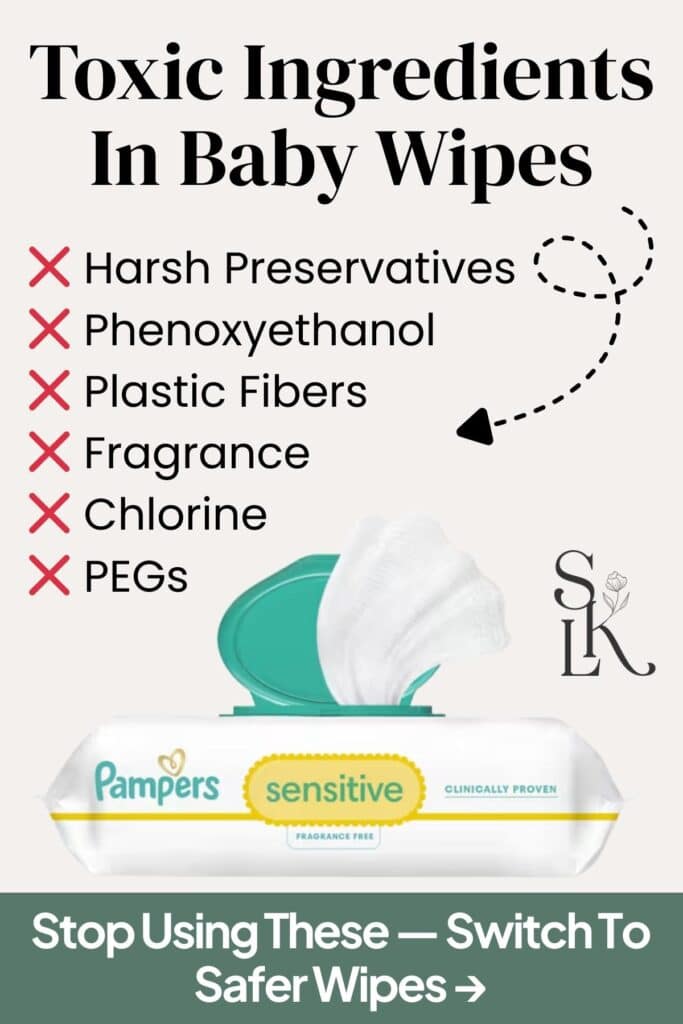
📌 Save This Guide For Later
Save this guide for later so you know exactly which baby wipes are truly non-toxic.
Many conventional wipes contain fragrance, chlorine, and hidden preservatives that sit on your baby’s skin all day.
This guide breaks down the safest baby wipes made with organic, plant-based, and plastic-free materials—so you can make a confident, healthier choice for your baby.
Sources & Further Reading
When researching baby products, I’ve learned that it’s often helpful to look beyond marketing claims and explore how ingredients, materials, and safety standards are actually evaluated.
The organizations below are some of the resources I regularly reference when researching non-toxic products for Sustainably Kind Living.
They provide valuable insight into ingredient safety, textile testing, environmental health, and the certifications that often appear on baby products.
- Environmental Working Group (EWG): EWG studies chemical exposure in everyday products and maintains one of the most widely used consumer databases for ingredient safety. Their work also supports certifications like EWG VERIFIED™, which evaluates products for ingredient transparency and stricter health standards.
- OEKO-TEX® Standard 100: OEKO-TEX tests textiles for hundreds of substances that could be harmful to human health. This certification is often used for fabrics that come into direct contact with skin, including baby clothing, bedding, and wipe materials.
- Forest Stewardship Council (FSC): FSC certification ensures that wood-based materials — like the pulp used in many wipes and diapers — come from responsibly managed forests that prioritize sustainability and ethical harvesting practices.
- Global Organic Textile Standard (GOTS): GOTS is one of the most trusted certifications for organic fibers such as cotton. It verifies that textiles meet strict environmental and chemical safety standards throughout the manufacturing process.
- American Academy of Pediatrics (AAP): The AAP provides research-based guidance on infant skin care, diaper rash prevention, and safe product use for babies and young children.
- National Institute of Environmental Health Sciences (NIEHS): NIEHS conducts scientific research on environmental exposures and how chemicals in everyday products may affect human health — especially for more sensitive populations like infants.
- European Scientific Committee on Consumer Safety (SCCS): This committee evaluates the safety of cosmetic ingredients used in personal care products, including preservatives and fragrance components often found in wipes and skincare products.
- U.S. Consumer Product Safety Commission (CPSC): The CPSC monitors consumer product safety and helps establish standards designed to protect infants and children from potential product hazards.
This post was graciously sponsored by Kudos. As always, we only work with brands that we stand behind. Would you like to sponsor one of our sustainable round-ups? Contact us here.

Steal My Non-Toxic Cleaning Checklist!
Believe us, it’s the BEST…. and it’s free. Does it really get any better than that?! Sign up for our newsletter and get this free checklist to clean your home without any harmful chemicals!