 Shop My Favorite Non-Toxic Gifts Of 2026!
SKL is reader supported. When you buy through links on our site, we may earn affiliate commission. Learn more here.
Finding affordable sustainable underwear shouldn’t mean choosing between two bad options: cheap underwear that stretches out after a few washes, or paying $40 or more for a single pair just to get something safer.
Thankfully, there are now plenty of brands proving you can shop more responsibly without blowing your budget.
I ordered and tested pairs across dozens of brands, comparing materials, pricing, transparency, and how they actually held up over time, to find the ones that offer the best value.
These picks are made with better fabrics, built to last, and produced by companies that are more upfront about how and where their underwear is made.
One thing I’ve noticed while updating our sustainable fashion guides is that affordable options have come a long way.
A few years ago, finding ethically made underwear at a reasonable price felt almost impossible. Today, more brands are offering high-quality basics that are comfortable, durable, and genuinely accessible.
👉 If you’re building out a full non-toxic wardrobe rather than just your underwear drawer, our guide to non-toxic clothing brands covers everything else.
For this guide, I wasn’t looking for the absolute cheapest underwear. I wanted to find brands that deliver lasting value. That means thoughtful materials, ethical production, and underwear you’ll still enjoy wearing long after the first wash.
If you’re looking to make your top drawer a little more sustainable without overspending, these are the five brands I’d recommend starting with.
Best Affordable Sustainable Underwear Brands: At a Glance Comparison
(Mobile Users) Scroll to see full comparison →
| Brand | Best For | Materials | What You’ll Find |
|---|---|---|---|
| Julie May | Sensitive Skin | 78% GOTS-Certified Organic Pima Cotton | 22% Silk | Luxuriously soft underwear and bras designed for sensitive skin, allergies, and everyday comfort. |
| Pact | Everyday Organic Cotton Basics | 95% GOTS-Certified Organic Cotton | 5% Elastane | Affordable briefs, bikinis, hipsters, thongs, and value multipacks for everyday wear. |
| Quince | Lowest Cost Per Pair | 95% OCS-Certified Organic Cotton | 5% Spandex | Budget-friendly organic cotton underwear sold in affordable six-packs. |
| Subset | Durable Everyday Essentials | 95% GOTS-Certified Organic Cotton | 5% Elastane | Long-lasting organic cotton underwear and bralettes made in Fair Trade Certified™ factories. |
| TomboyX | Inclusive Sizing | 95% OEKO-TEX® Certified Cotton | 5% Spandex | Gender-inclusive underwear, boxer briefs, briefs, bikinis, and fuller-coverage styles in sizes 3XS-6XL. |
Why Sustainable Underwear Matters
Underwear isn’t like the rest of your closet. It sits against skin, in the same spot, for hours a day, often in tight, high-spandex fabric that traps heat and moisture right where it touches you.
That’s exactly the setup that lets chemicals transfer most easily from fabric to skin, and it’s why underwear deserves more scrutiny than almost anything else you wear.
Polyester-spandex blends have tested at meaningfully higher bisphenol (BPA/BPS) levels than cotton, and researchers specifically flag tight garments worn for extended periods, underwear especially, as the highest-exposure category.
That health risk and the sustainability problem actually trace back to the same root cause. Virgin polyester and nylon are the cheapest fibers to produce at scale, which is exactly why cheap multipacks lean so synthetic-heavy.
Those same synthetic garments are built to a low price point, so they wear out fast and get replaced fast. Americans generate 17 million tons of textile waste a year, and nearly 85% of discarded textiles end up landfilled or incinerated, where those same synthetic fibers can take hundreds of years to break down.
So affordable and sustainable aren’t actually in tension. They’re the same fix seen from two different angles. Certified organic cotton underwear means fewer chemicals against your skin and less synthetic waste in a landfill down the line.
That’s why I look past the price tag on a $5 multipack. The cheapest fiber to produce is usually the worst one for both your body and the planet, and that trade-off shows up whether you’re measuring it in health risk or in waste.
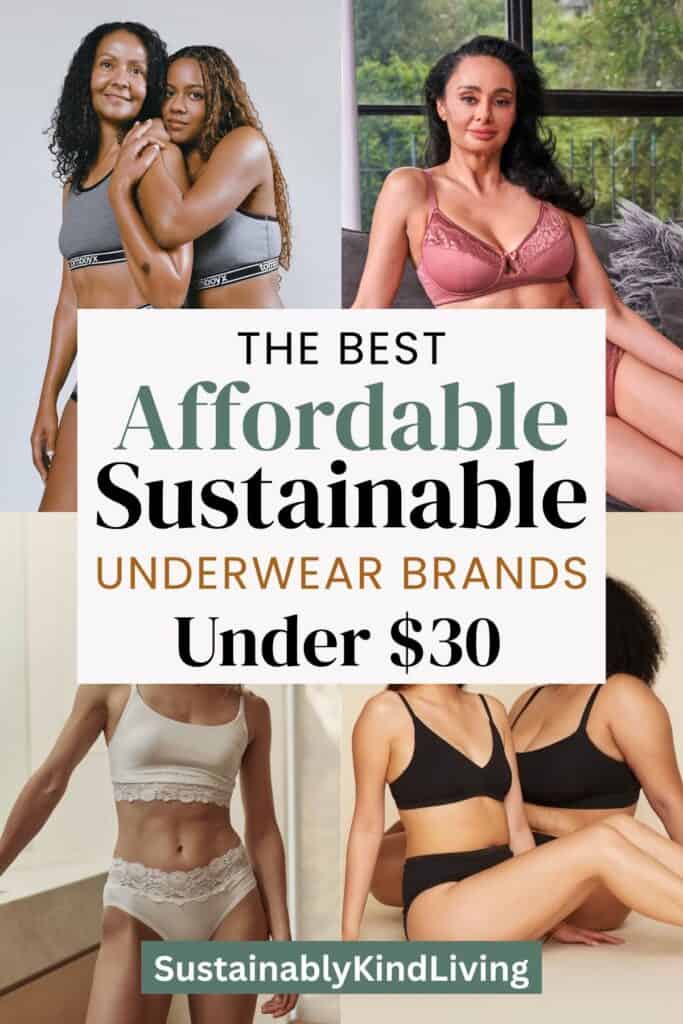
Finding affordable sustainable underwear is easier than it used to be, but not every brand delivers the same quality, transparency, or value. Some prioritize low prices, others focus on premium materials, and the best ones manage to keep everyday essentials affordable without cutting corners on either.
The five brands below stood out for that balance: comfortable, responsibly sourced, ethically produced, and worth the price long-term.
Whether you’re shopping for sensitive skin, organic cotton, hemp, or just reliable everyday basics, these are the affordable sustainable underwear brands I recommend in 2026.
The Best Affordable Sustainable Underwear Brands of 2026
1. Julie May | Best Affordable Sustainable Underwear For Sensitive Skin
Best For: Anyone looking for breathable, low-tox underwear made with certified organic materials and natural silk.

Use the discount code SKL15 to save 15%!
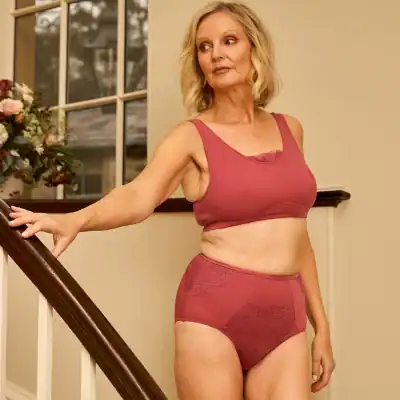
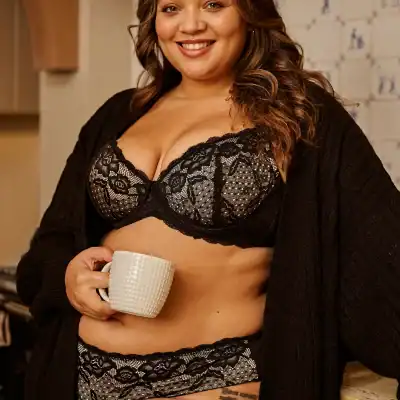
Julie May was created with sensitive skin in mind. Every pair is made from GOTS-certified organic Pima cotton and pure silk, creating a naturally breathable, hypoallergenic fabric that’s incredibly soft against the skin.
All of their underwear is certified by Allergy UK, making it an excellent option for anyone prone to irritation, allergies, or eczema.
I’ve tested both Julie May’s bras and underwear, and they’re some of the most luxurious pieces I’ve ever worn.
The quality is immediately noticeable, yet the pricing is still surprisingly reasonable compared to many premium sustainable lingerie brands.
They also avoid harsh chemicals, dyes, bleach, and detergents during manufacturing, handcrafts every piece in its own ethical production facility, and uses responsibly sourced recyclable packaging.
Price & Sizing
$27+ (UK 8-18 | US 4-14)
Materials
78% GOTS-Certified Organic Pima Cotton | 22% Silk
Location/Shipping
United Kingdom | Ships To The United States (Unlimited Free UK & USA Returns)
Our Favorites from Julie May:

2. Pact | Best Affordable Organic Cotton Underwear For Everyday Wear
Best For: Anyone looking to stock up on comfortable organic cotton basics without overspending.
Use the discount code SKL15 to save 15%!
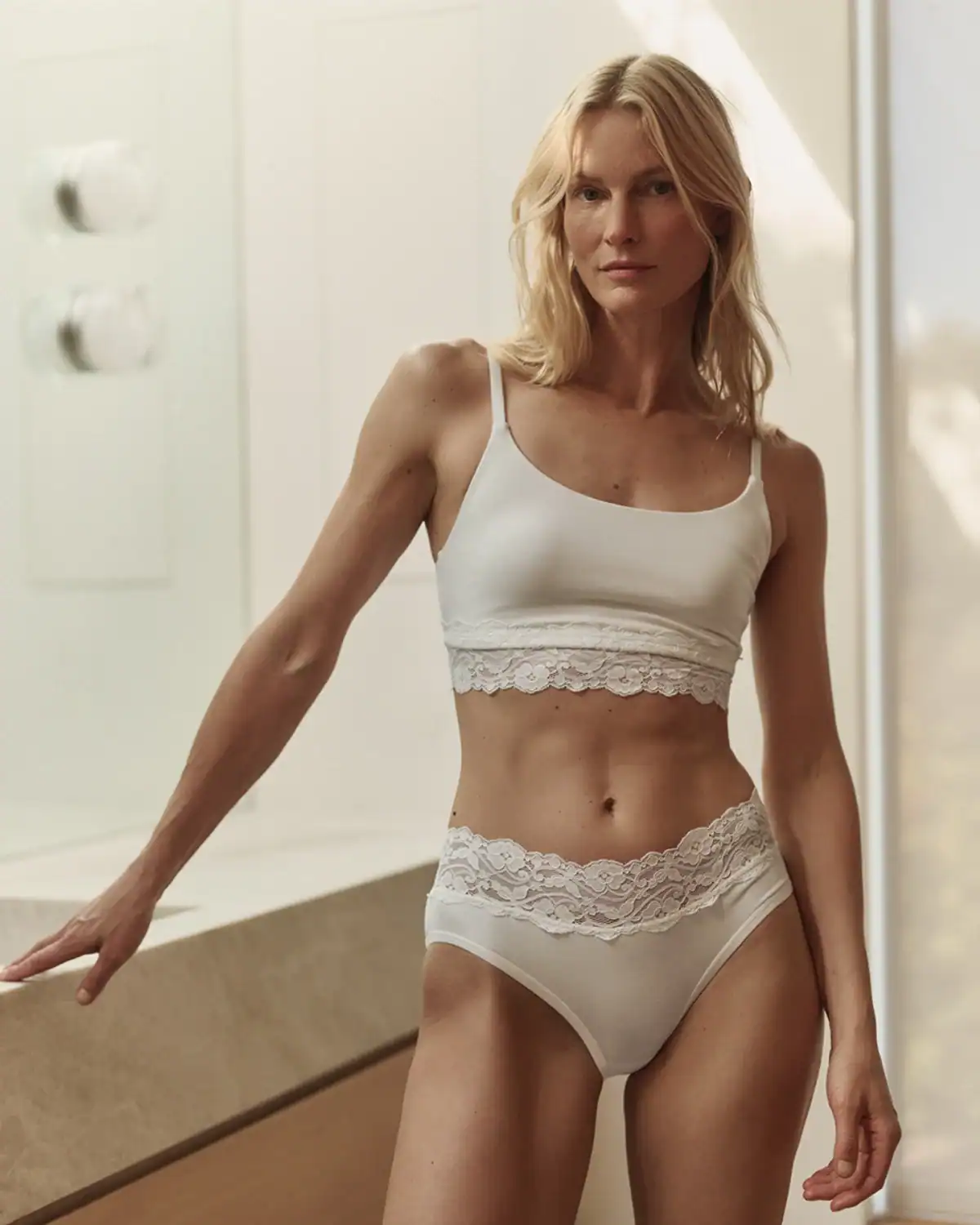
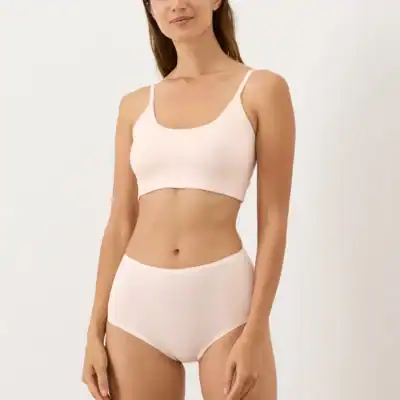
Pact has earned its reputation for making affordable sustainable underwear that’s comfortable, durable, and easy to wear every day.
I’ve been wearing Pact underwear for the past five years, and they’re still some of my favorites.
I keep coming back to them because they’re comfortable, well-made, and easy to stock up on when it’s time for a refresh.
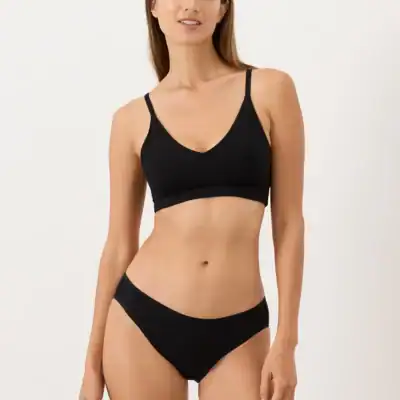
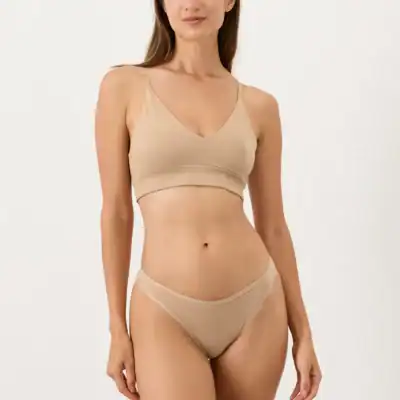
The collection includes everything from briefs and bikinis to hipsters and thongs, with singles and multipacks that make stocking up even more budget-friendly.
Every pair is made from GOTS-certified organic cotton in Fair Trade Certified™ factories using low-impact dyes, making Pact a brand I feel good about recommending.
If you’re looking for everyday underwear that balances comfort, quality, and affordability, Pact consistently delivers some of the best value on the market.
Price & Sizing
$16+ (Singles) | $13+ Per Pair (5-Pack Pricing) | XS-2XL
Materials
95% GOTS-Certified Organic Cotton | 5% Elastane
Location/Shipping
United States | Ships Internationally
Our Favorites from Pact:
👉 Shopping for the whole household? We’ve also got dedicated guides to organic cotton underwear, organic men’s underwear, and organic kids’ underwear.
3. Quince | Lowest Cost-Per-Pair Underwear
Best For: Anyone looking to stock up on certified organic cotton underwear at the lowest price.
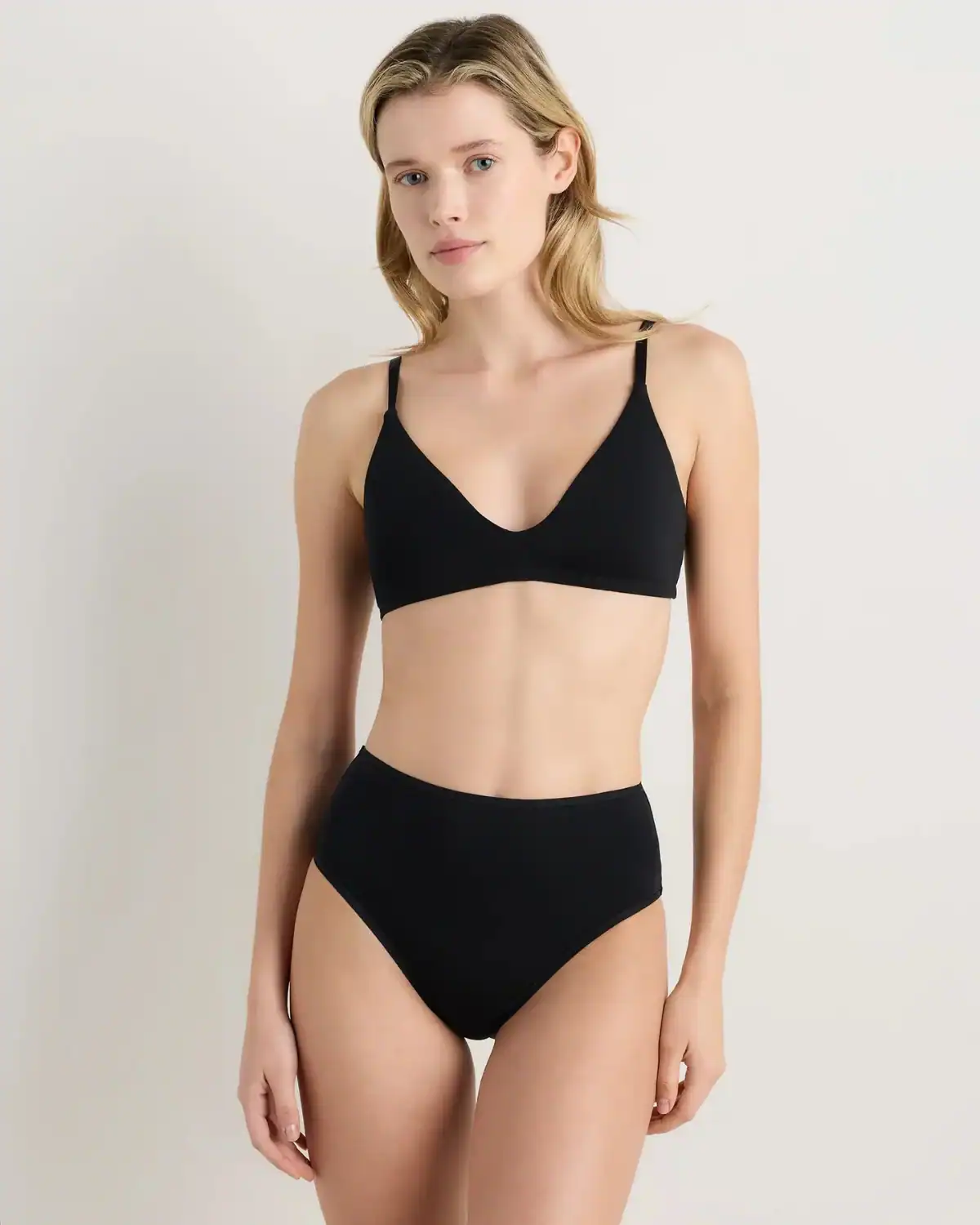
Quince earns a spot on this list because it offers some of the cheapest certified organic cotton underwear I’ve found, with every style sold in convenient six-packs for less than $5 per pair.
We tested Quince’s organic cotton underwear for a previous review and had a positive experience with the fit, comfort, and overall quality.
However, recent customer reviews have been more mixed, with some shoppers reporting issues like shrinkage, inconsistent sizing, and durability after washing.
The fabric is OEKO-TEX® Standard 100 certified, processed in a bluesign®-approved dyeing facility, and manufactured in a WRAP-certified factory in Sri Lanka.
If keeping costs low is your biggest priority, Quince is a solid choice. Just be sure to check the reviews for the specific style you’re interested in, as recent customer experiences have been mixed.
Price & Sizing
$4.98 Per Pair (6-Pack Pricing) | XS-XL
Materials
95% OCS-Certified Organic Cotton | 5% Spandex
Location/Shipping
United States | Ships To Canada
4. Subset | Best Fair Trade Everyday Basics
Best For: Anyone looking for durable organic cotton underwear that’s made to last.

I’ve been wearing Subset underwear and bralettes since the brand was still called Knickey, and they’ve remained some of my favorite everyday basics.
What keeps me coming back is the quality. They’re exceptionally well made, hold up beautifully over time, and are reasonably priced for the craftsmanship you get.
Subset offers classic styles like briefs, bikinis, thongs, and high-rise underwear, available as singles or value packs.
Every pair is made with organic cotton in Fair Trade Certified™ factories, and the brand also offers carbon-neutral shipping, a take-back recycling program for worn-out underwear, and easy exchanges.
If you’re looking for durable organic cotton underwear that will last for years, Subset is a brand I can confidently recommend after wearing it for nearly a decade.
Price & Sizing
$20 (Singles) | $18.33 Per Pair (6-Pack Pricing) | $85 (Underwear Starter Set) | 2XS-3XL
Materials
95% GOTS-Certified Organic Cotton | 5% Elastane
Location/Shipping
United States
5. TomboyX | Best Gender-Inclusive Sustainable Underwear
Best For: Anyone looking for durable everyday underwear with inclusive sizing and boxer-inspired styles.
Use the discount code SUSTAINABLYKINDLIVING to save 15%!
I’ve owned several pairs of TomboyX boy shorts for years, and they’ve held up incredibly well.
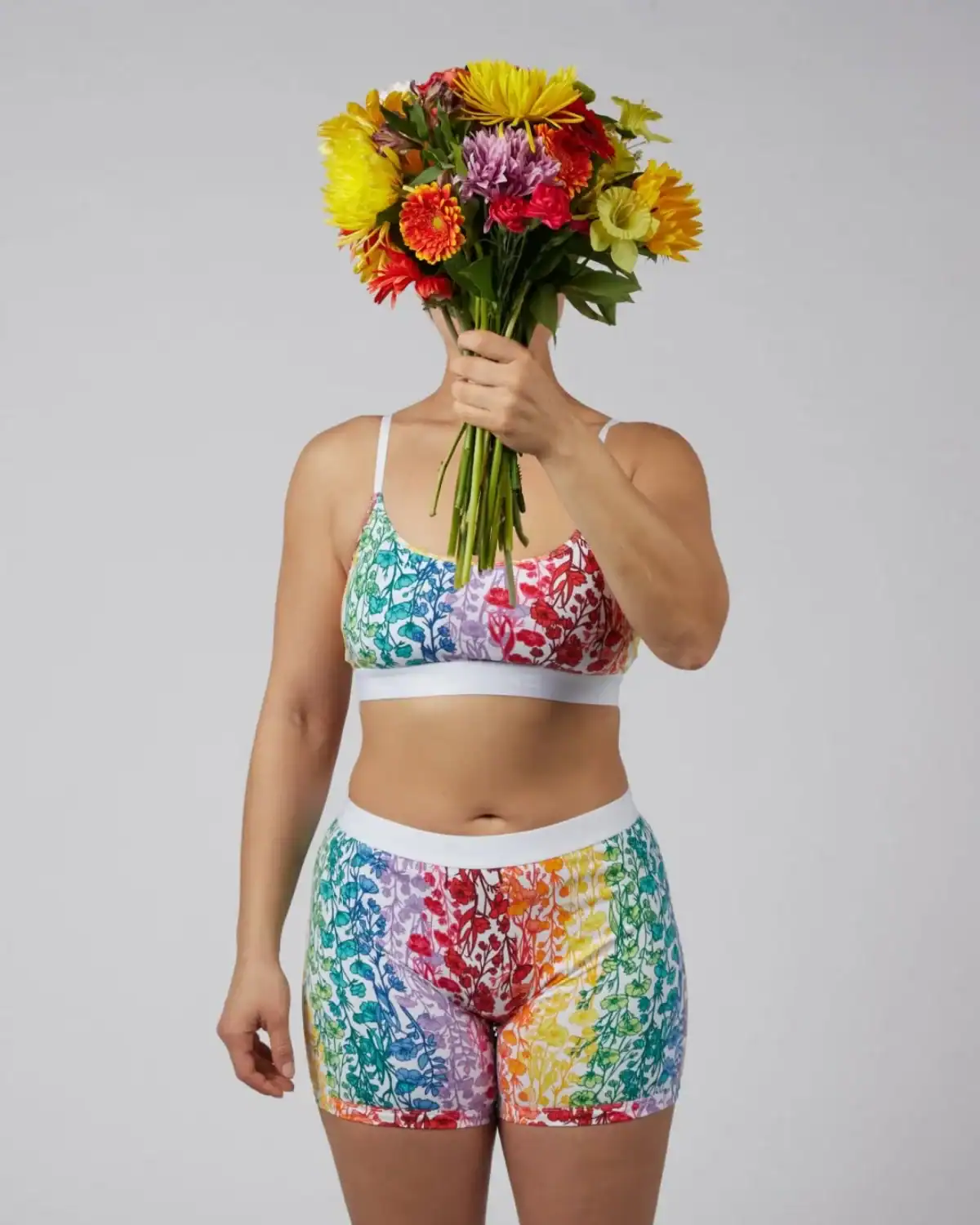
They’re some of the most durable underwear I own, with substantial fabric, sturdy stitching, and a waistband that stays comfortable wash after wash. If you prefer fuller coverage or boxer-style underwear, this is one of my favorite brands to recommend.
TomboyX offers everything from briefs and bikinis to trunks, boxer briefs, and boy shorts, in sizes 3XS to 6XL, with many of their cotton styles made from 95% OEKO-TEX® certified cotton.
The company is also a Certified B Corporation, committed to fair labor practices, inclusive hiring, biodegradable packaging, and ongoing improvements to its environmental impact.
If comfort, durability, and inclusive sizing are at the top of your list, TomboyX is well worth considering.
Price & SIZE Range
$29.47 Per Pair (3-Pack Pricing) | $26+ (Singles) | 3XS-6XL
Materials
95% OEKO-TEX® Certified Cotton | 5% Spandex (Cotton Styles)
Location/Shipping
United States | Ships Internationally
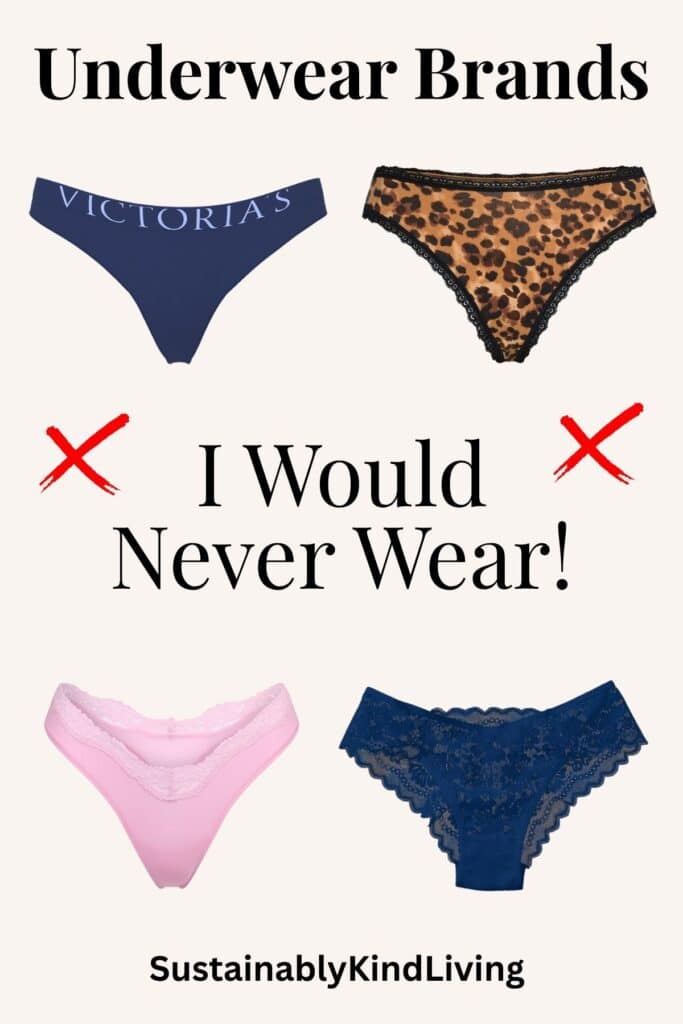
Underwear Brands We Don’t Recommend
Not every underwear brand marketing itself as safe or sustainable is being straight with you, and this category matters more than most.
Underwear sits against skin for hours a day, often in tight, high-spandex blends, which is exactly the combination that lets chemicals like BPA, BPS, and phthalates transfer most easily.
The brands below either lean on virgin synthetics at scale, have documented chemical testing failures, or make packaging and sustainability claims that don’t hold up.
Here’s who to skip and why:
Shein
Underwear here is polyester and spandex, consistent with the brand’s catalog-wide fiber mix, where polyester makes up 82% of materials used.
Independent lab testing found phthalates, lead, and formaldehyde in Shein garments exceeding EU legal chemical limits. Phthalates are hormone disruptors, and this is fabric worn against skin for hours at a stretch.
Skims
The Essential Bodysuit fabric, one of Skims’ core shapewear pieces, is 95% nylon.
High-spandex synthetic blends like this have tested at meaningfully higher bisphenol (BPA/BPS) concentrations than cotton, and tight garments worn for extended periods are exactly the category flagged for highest exposure.
Skims also marketed its packaging as “not plastic” and compostable when it’s actually LDPE, a plastic that’s hard to recycle, a claim the Changing Markets Foundation called misleading.
Victoria’s Secret
Most VS underwear runs on virgin polyester and nylon.
The brand’s own ESG report discloses only 24% recycled polyester and 11% recycled polyamide, meaning the rest is confirmed virgin synthetic by their own numbers.
Synthetic-heavy intimates are also where disperse dyes show up most, the dye class most linked to textile contact dermatitis, especially in tight, dark-colored pieces worn against the waistband and inner thigh.
Savage X Fenty
Bestselling styles run heavily synthetic; one popular bralette is 93% polyamide and 7% elastane lace with a 100% polyester lining.
Same underlying issue as Skims and VS: high-synthetic, tight-fitting intimates are the exact category researchers point to for elevated bisphenol exposure from spandex blends.
How We Chose These Affordable Sustainable Underwear Brands
There are hundreds of underwear brands claiming to be “eco-friendly,” but not all of them live up to the marketing.
For this guide, I wanted to find brands that strike the best balance between affordability, comfort, durability, and transparency.
Every brand featured here was personally purchased and tested by me. I evaluated each one for fit, comfort, fabric quality, durability after washing, and overall value.
Beyond my own experience, I also reviewed materials, certifications, manufacturing practices, pricing, and recent customer feedback before deciding whether a brand deserved a place on this list.
Rather than recommending dozens of options, I narrowed it down to five brands I genuinely feel comfortable recommending for everyday wear.
How To Avoid Greenwashing When Shopping For Sustainable Underwear
The word “sustainable” gets thrown around a lot in the fashion industry, but it doesn’t always mean very much. Here’s what I actually check before buying a new pair of underwear:
Read The Materials Label.
Marketing terms like “eco-friendly” or “conscious” don’t tell you what the underwear is actually made from, and that’s usually the point.
Vague language lets a brand skip the one detail that actually matters: fiber content.
I always check that first and prioritize certified organic cotton, hemp, and other thoughtfully sourced natural fibers over “sustainably-minded” synthetics.
Look For Third-Party Certifications.
A brand telling you it’s sustainable is marketing. An outside organization verifying it is something else. The certifications I trust:
- GOTS for organic fiber content and processing chemistry.
- OEKO-TEX® Standard 100 for testing against harmful substances in the finished product.
- Fair Trade Certified for factory labor standards.
- WRAP for social compliance and safe, lawful manufacturing.
- B Corp for a company’s overall social and environmental accountability.
None of these are perfect, but each one means someone besides the brand itself checked the claim.
Buy Fewer, Better Pairs.
One well-made pair that lasts for years is often a better investment than replacing cheap multipacks every few months. Better materials and stronger construction usually save you money over time, not just the planet.
Transparency Matters.
The brands I trust clearly explain where their materials come from, how their products are made, and which certifications they hold, and they make that information easy to find. If it’s buried, vague, or missing entirely, I move on. That absence is usually the clearest signal you’ll get.
How To Care For Sustainable Underwear
Taking good care of your underwear helps it last longer, saving money and reducing waste.
Wash in cold water whenever possible.
Heat is what actually kills elastane: above 60°C, spandex fibers begin to contract and lose their elastic structure permanently, and even a warm wash accelerates that breakdown over time.
Cold water is also gentler on natural fibers like cotton and silk, preventing the fading and premature aging that hot water causes, and it saves energy in the process.
Skip fabric softener, which can break down elastic over time.
This one isn’t a myth. Fabric softener coats fibers in a waxy residue that clogs the fabric’s pores and chemically degrades the elastane over repeated washes, which is exactly what makes waistbands and leg bands go slack and stop snapping back.
Once that damage happens, it’s permanent; no amount of washing reverses it. If you want the softness without the tradeoff, check our non-toxic dryer sheets guide for options that won’t coat or degrade the elastane.
Use a gentle detergent without unnecessary fragrances or dyes.
Harsh detergents with strong enzymes or optical brighteners attack elastane fibers directly and reduce stretch recovery with every wash cycle.
A mild, dye-free detergent cleans just as effectively without contributing to that breakdown, and it’s also less likely to irritate skin in a garment that sits against you all day.
See our non-toxic laundry detergent guide for picks that are gentle on both your skin and the elastic.
Air dry when you can, or tumble dry on low heat.
Dryer heat is one of the most reliable ways to permanently degrade elastane, even on a single cycle, and the damage compounds with every trip through the machine.
Air drying eliminates that heat exposure entirely and is consistently cited as the single highest-impact swap for extending the life of anything with stretch in it.
Rotate your underwear regularly instead of wearing the same favorites every week.
Rotating between multiple pairs lets the elastic recover between wears instead of staying under constant tension, which is part of why bras in particular hold their shape longer with a rotation than in daily rewear.
It also means less frequent washing overall, and every wash cycle is itself a source of wear, so spacing them out preserves the fabric on both ends.
These small habits can significantly extend the life of organic cotton, hemp, silk, and other natural fibers, and they matter just as much for the small percentage of spandex holding the shape of your favorite pair together.
Frequently Asked Questions About Affordable Sustainable Underwear
Pact is the best all-around pick for affordable sustainable underwear, thanks to its GOTS-certified organic cotton construction, Fair Trade Certified™ factories, and multipack pricing that keeps cost per pair low without cutting corners on materials.
If price is your only priority, Quince gets you certified organic cotton even cheaper, and if you want a splurge-feeling upgrade, Julie May is worth the higher price point for sensitive skin.
Sustainable underwear is typically made with lower-impact materials like certified organic cotton, hemp, or responsibly sourced natural fibers.
I also look for brands that are transparent about their manufacturing, use third-party certifications, and produce durable underwear that’s made to last.
I think so. Organic cotton is breathable, soft, and comfortable for everyday wear.
It’s also grown without conventional synthetic pesticides and fertilizers, making it a better choice for both your skin and the environment.
Both have benefits, but I generally prefer certified organic cotton.
It’s easier to verify through certifications like GOTS, tends to be more durable over time, and requires less chemical processing than bamboo viscose or rayon.
Some of the most trustworthy certifications include GOTS (Global Organic Textile Standard), OEKO-TEX® Standard 100, Fair Trade Certified™, WRAP, and Certified B Corporation.
While no certification tells the whole story, they can help verify a brand’s claims about materials, manufacturing, and product safety.
Not always. While some premium brands charge more, there are plenty of affordable options made with better materials and responsible manufacturing practices.
Brands like Pact, Quince, and TomboyX prove you don’t have to spend a fortune to build a more sustainable underwear drawer.
Start by looking beyond words like eco-friendly, natural, or conscious.
Check the fiber content, look for independent certifications, and see whether the brand clearly explains where its materials come from and how its products are made.
If those details are hard to find, that’s often a red flag.
Still Deciding?
Here’s a quick recap of my top picks based on what you’re looking for:
- Choose Julie May if you have sensitive skin or want luxurious underwear made with GOTS-certified organic Pima cotton and silk.
- Choose Pact if you want the best everyday value with GOTS-certified organic cotton and affordable multipacks.
- Choose Quince if your priority is getting the lowest price per pair without giving up organic cotton.
- Choose Subset if you want durable organic cotton basics that are made to last for years.
- Choose TomboyX if you prefer fuller coverage, boxer-inspired styles, or need a more inclusive size range.
No matter which brand you choose, investing in a few well-made pairs is often a smarter long-term choice than repeatedly replacing inexpensive underwear that doesn’t hold up.
Final Thoughts on Affordable Sustainable Underwear
Finding affordable sustainable underwear doesn’t have to feel overwhelming.
After personally testing every brand in this guide, I’ve learned that paying a little more for well-made underwear often saves money in the long run.
Better materials, stronger construction, and thoughtful manufacturing simply hold up better than the cheap multipacks I used to buy. If you’re just getting started, don’t feel like you need to replace your entire underwear drawer overnight.
Start with a few pairs from a brand that fits your budget and priorities, whether that’s Julie May for sensitive skin, Pact for everyday organic cotton basics, or Quince if you’re looking for the lowest price per pair.
At Sustainably Kind Living, my goal is always to help you make informed, realistic choices, not perfect ones.
Every small swap adds up, and choosing underwear that’s made with better materials and designed to last is one simple way to reduce waste while investing in your own comfort.
I hope this guide helps you find a brand you’ll love as much as I do.
Continue Your Non-Toxic Wardrobe Journey
If you’re building a safer everyday wardrobe, underwear is just one piece of the bigger picture. Here are a few guides to help you go further:
- Best Organic Cotton Underwear: The full breakdown of fiber content, certifications, and red flags before you add to cart.
- Organic Men’s Underwear: He’s wearing synthetic blends against skin all day too. Here’s what to swap him into.
- Organic Kids’ Underwear: Their skin is more absorbent and more sensitive than yours. This is where it matters most.
- Sustainable Lingerie & Bras: Same synthetic-and-spandex problem, different drawer. Here’s how to shop it right.
- Non-Toxic Clothing Brands: Ready to take this past your underwear drawer? Start here.
- Non-Toxic Living for Beginners: New to all this and not sure where to start? This is the first guide to read.
📌 Save This Guide For Later
Finding affordable, sustainable underwear doesn’t have to be overwhelming. Save this guide so you’ll always have our top organic cotton, Fair Trade, and budget-friendly picks when it’s time to replace your underwear.
Sources & Further Reading
If you’ve ever tried to compare “sustainable” underwear brands side by side, you’ve probably noticed the same problem we ran into.
Some brands publish full fiber breakdowns and third-party certifications. Others lean on words like “eco-friendly” or “conscious” without ever telling you what’s actually in the fabric.
These are some of the resources we kept coming back to while researching materials, chemical exposure, and what greenwashing actually looks like in this category:
- Environmental Protection Agency: Data on U.S. textile waste generation, recycling rates, and how much ends up in landfills each year.
- Environment + Energy Leader: Reporting on global textile waste volumes and the gap between what’s produced and what’s actually recycled.
- NBC News: Expert interviews on which fabrics and finishing chemicals show up most often in underwear, and what that means for exposure.
- Science Insights: A breakdown of bisphenol (BPA/BPS) testing in polyester and spandex blends compared to cotton.
- Greenpeace: Investigation into Shein’s fiber sourcing and chemical testing results.
- Cimmino: Independent lab testing findings on phthalates, lead, and formaldehyde in fast fashion garments.
- Earth Day: A fiber-by-fiber breakdown of Skims’ shapewear and underwear fabrics.
- The Cool Down: Reporting on Skims’ packaging claims and the greenwashing findings behind them.
- WWD: Coverage of Victoria’s Secret’s first ESG report and its disclosed recycled material percentages.
- The Glitter and Gold: A fiber-by-fiber look at Savage X Fenty’s bestselling styles.
- Global Organic Textile Standard: Certification standards for organic fiber content and processing chemistry.
- OEKO-TEX®: Testing standards for harmful substances in finished textile products.
- Fair Trade Certified: Certification standards for factory labor practices.
- WRAP Compliance: Independent social compliance certification for apparel manufacturing facilities.
- B Corporation: Certification covering a company’s overall social and environmental accountability.
- Sportek International: Fabric care guidance on what actually damages elastane over time.
- Earth Day: Practical tips for extending garment life and reducing textile waste at home.
This post was graciously sponsored by Julie May. As always, we only work with brands that we stand behind. Would you like to sponsor one of our sustainable round-ups? Contact us here.

Steal My Non-Toxic Cleaning Checklist!
Believe us, it’s the BEST…. and it’s free. Does it really get any better than that?! Sign up for our newsletter and get this free checklist to clean your home without any harmful chemicals!