 Shop My Favorite Non-Toxic Gifts Of 2026!
SKL is reader supported. When you buy through links on our site, we may earn affiliate commission. Learn more here.
I’ve tested more than 20 organic cotton underwear brands over the years, many of them sent to me directly by brands for review. Most did not make this list.
Some were too tight. Some fit strangely. Some stretched out or fell apart faster than I expected. And some were simply fine, but not good enough to recommend when I had better options sitting in the same drawer.
These are the six I keep coming back to.
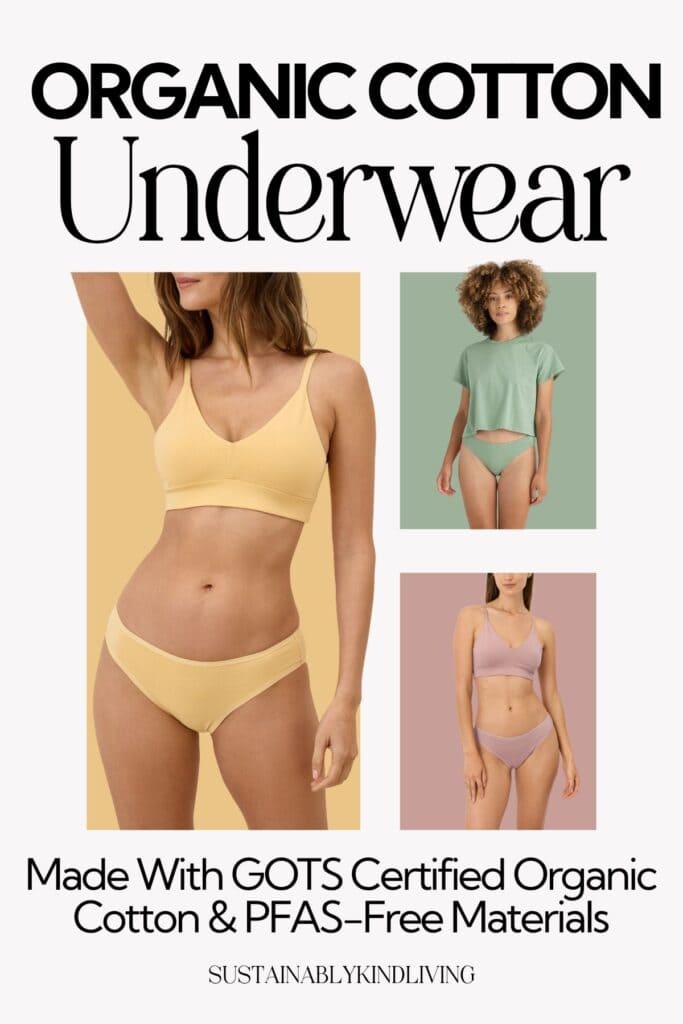
I’ve worn every brand on this list for years, and a few for more than a decade, so I’m not judging them after one try-on. I know which waistbands hold up, which fabrics stay soft, which cuts I actually reach for, and which pairs survive repeated washing without losing their shape.
If You’re In A Rush: My Top 6
- Best Affordable Organic Cotton Underwear: Pact
- Softest Organic Cotton Underwear: Oddobody
- Best Organic Cotton Underwear For Sensitive Skin: Cottonique
- Best Size-Inclusive Organic Cotton Underwear: Subset
- Most Attractive Organic Cotton Underwear: Q for Quinn
- Most Durable Organic Cotton Underwear: Mate The Label
I also looked at the things you cannot feel in a fitting room, including organic cotton percentages, synthetic fiber content, certifications, dyes, elastics, and overall material transparency.
If you want the best organic cotton underwear for real-life wear, these are the six brands I would start with.
Safe vs. Not
Materials to Avoid in Underwear
- Polyester and Nylon. Synthetic fibers that are less breathable than cotton and can trap more heat and moisture against the skin.
- High Elastane or Spandex Content. Useful for stretch, but still a synthetic plastic fiber. I prefer underwear where organic cotton makes up the vast majority of the fabric.
- PFAS-Treated Fabrics. Sometimes used for stain, moisture, or performance finishes, especially in period underwear and technical styles.
- Antimicrobial and Odor-Control Treatments. Added finishes that can involve unnecessary chemical treatments in a garment worn directly against sensitive skin.
- Undisclosed Dyes and Finishes. If a brand will not tell me how its fabric is dyed or finished, that is a transparency red flag.
- Bamboo Viscose or Rayon Marketed as Automatically “Natural.” Bamboo starts as a plant, but turning it into viscose involves intensive chemical processing.
Safer Materials To Look For In Underwear
A few to start with, more are covered in detail later in this guide:
- GOTS-Certified Organic Cotton. Covers both organic fiber standards and restrictions on many chemicals used during processing.
- 100% Organic Cotton. The best option if you want to avoid synthetic stretch fibers altogether.
- High-Percentage Organic Cotton Blends. Styles made with around 90 to 95% organic cotton can offer more stretch while still keeping synthetic content relatively low.
- OEKO-TEX Standard 100. Tests finished textiles for a broad range of harmful substances.
- Natural Rubber or Covered Elastic. A better option when brands want stretch without relying entirely on exposed synthetic elastics.
- AZO-Free or Lower-Impact Dyes. A sign that the brand is paying attention to how the fabric is processed, not just what fiber appears on the label.
Want a deeper dive? After the brand reviews, I break down Toxic Materials in Underwear Explained and Safest Materials in Underwear Explained.
The Best Organic Cotton Underwear Brands in 2026
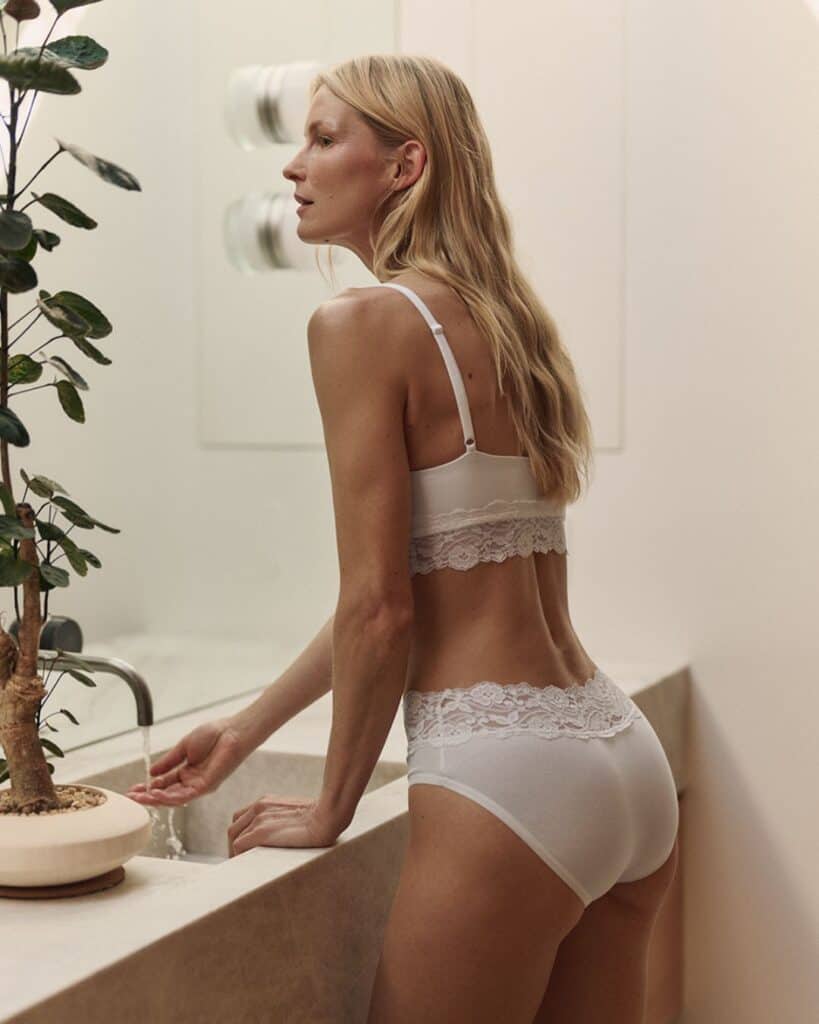
1. Pact | Best Affordable Organic Cotton Underwear Multipacks
Best For: Anyone who wants comfortable, certified organic cotton underwear at a price that makes replacing an entire drawer realistic.
Use the discount code SKL15 to save 15%!
Pact is one of the brands I’ve worn the longest, and honestly, probably the one I reach for the most.
I usually wear the briefs. The fit just works for me. A lot of underwear ends up digging or riding up in the back, and these never do. They stay put, feel soft, and I can wear them all day without thinking about them.
I also like their thongs on occasion when I want less coverage, but the briefs are definitely my everyday favorite.
The fabric is 95% GOTS-certified organic cotton and 5% elastane, so you still get that soft cotton feel with enough stretch to hold its shape.
The multipacks are another reason I recommend them so often. Pact makes it easy to replace conventional underwear without spending a fortune, but I would still buy these even if they were not one of the more affordable options on this list.
Price & Size
$16 (Single Pair) | $65 (5-Pack) | XS-2XL
Materials
95% GOTS-Certified Organic Cotton | 5% Elastane
Location/Shipping
United States | Ships Internationally
Our Favorites from Pact:
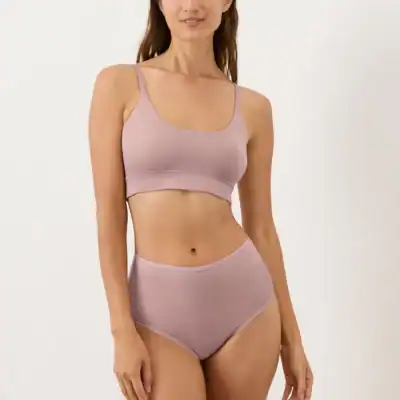
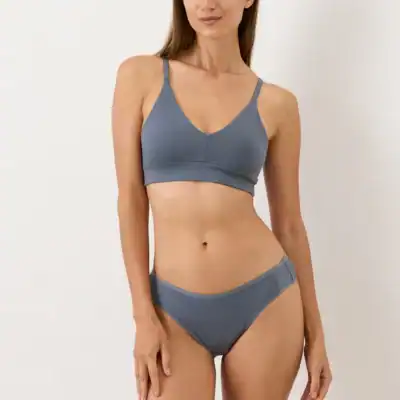
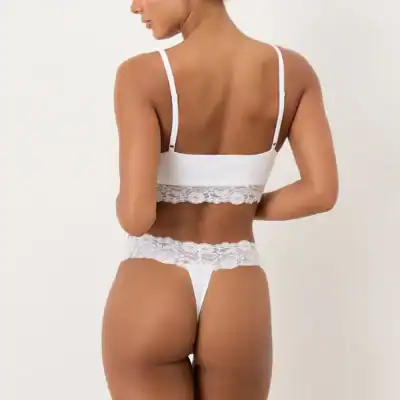
2. Oddobody | Softest Organic Cotton Underwear We’ve Tested
Best For Those: Who want buttery-soft organic cotton underwear made without synthetic fabrics, spandex, or irritating seams.
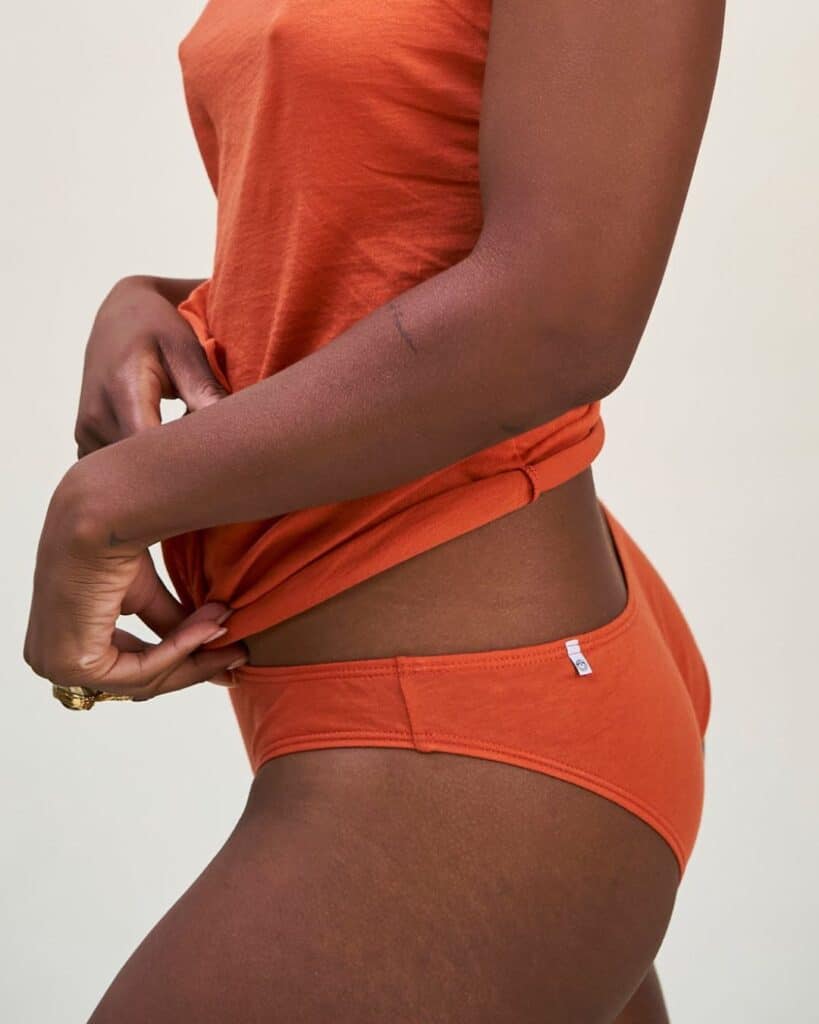
Oddobody genuinely shocked me the first time I tried them.
I have never in my life felt underwear this soft. I honestly did not even know cotton underwear could feel like this.
They are made from 100% GOTS-certified organic cotton, and the fabric is unbelievably light, soft, and comfortable. You notice the difference immediately.
The fit is a little different from what most people are probably used to. Because there is no elastane blended through the fabric, they do not sit completely flush against the body and can bunch up a little.
That is not a bad thing. They are still extremely comfortable. They just have a softer, looser feel than more structured underwear.
If softness is what you care about most, these are incredible.
Price & size
$26+ (Single Pair) | $66+ (3-Pack) | XS-3XL
Materials
100% GOTS-Certified Organic Cotton
Location/Shipping
United States | Ships To Canada
Our Favorites from Oddobody:
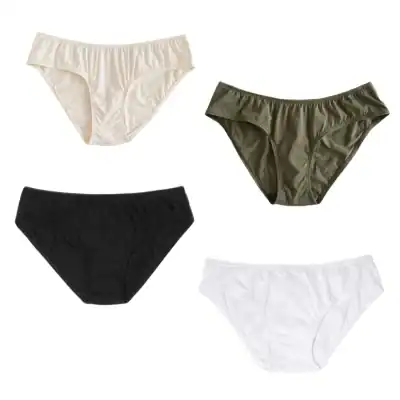
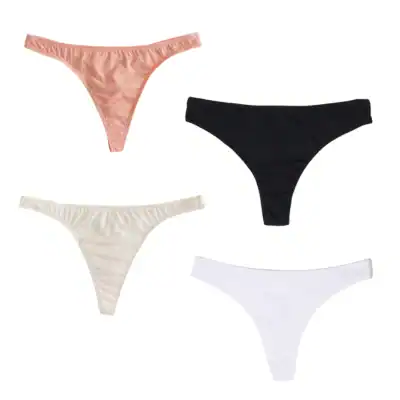
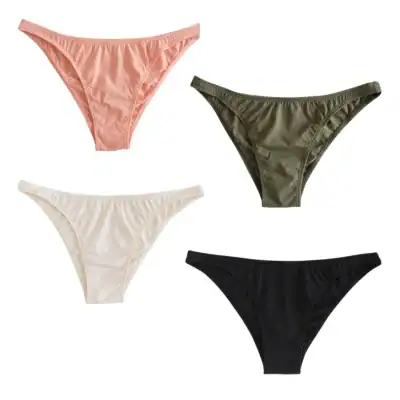
✔️ Looking for period underwear? That category needs even more scrutiny, especially around PFAS and waterproof layers. My guide to organic period panties that are PFAS-free and non-toxic breaks down the brands I feel most comfortable recommending.
3. Q for Quinn | Most Attractive Organic Cotton Underwear
Best For Those: Who love lightweight organic cotton underwear with delicate details and a more feminine feel than traditional basics.
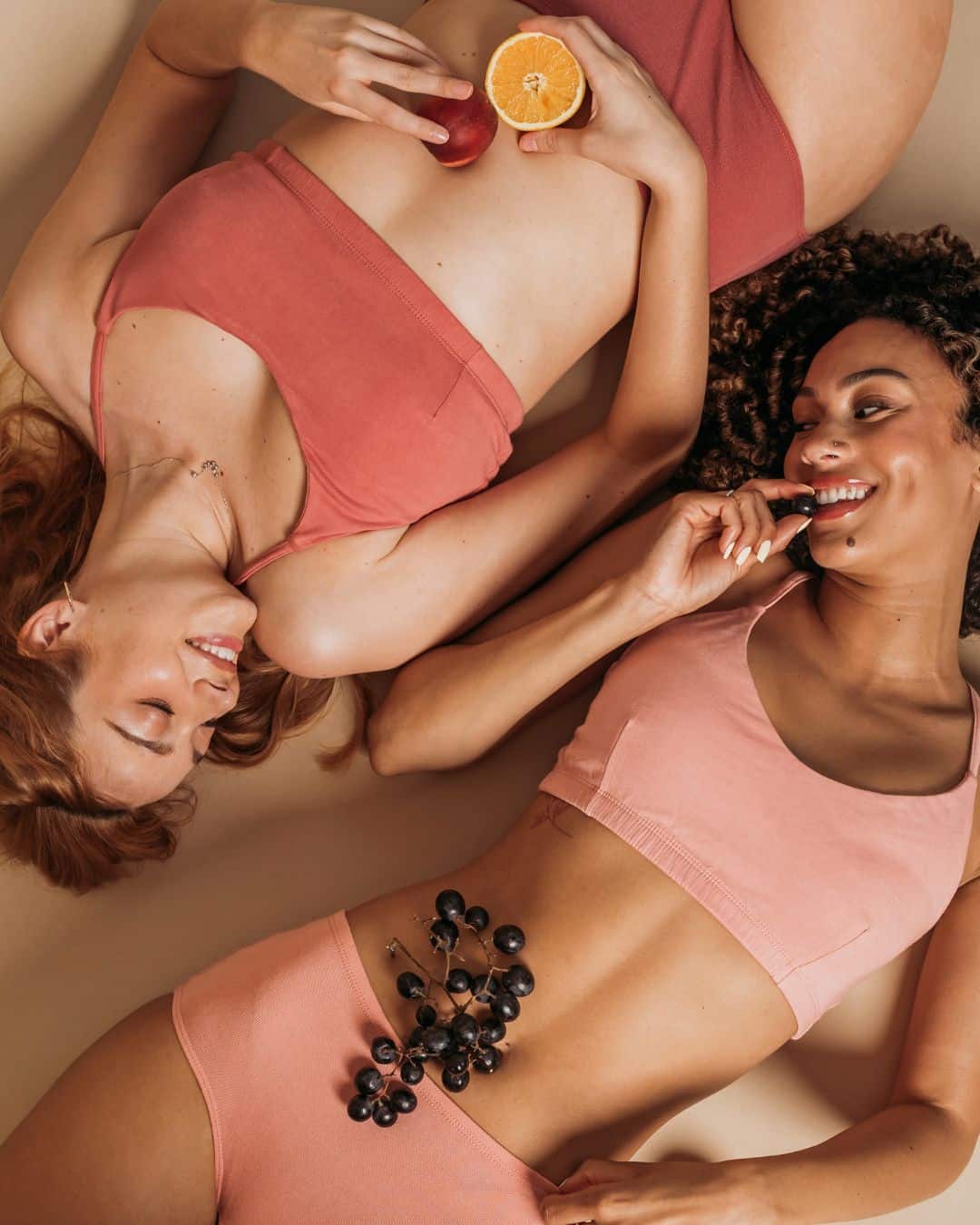
Q for Quinn Q for Quinn really feels like the best of all worlds.
These are some of the prettiest organic cotton underwear I own, but they are also incredibly well made. The fabric is soft, the construction feels polished, and they have held up beautifully over time.
I especially love the Pointelle styles. They feel feminine and a little special without sacrificing comfort, which is surprisingly hard to find in this category.
The quality is what keeps me coming back, though. Nothing feels flimsy or overly delicate, and after years of wear, they still feel like a genuinely good purchase.
They also use thoughtful materials, including GOTS-certified organic cotton, natural rubber, OEKO-TEX-certified elastic, and AZO-free dyes.
Price & size
$25 (Single Pair) | $49+ (2-Pack) | XS-3XL
Materials
GOTS-Certified Organic Cotton | Elastic (OEKO-TEX® Certified) | Natural Rubber | AZO-Free Dyes
Location/Shipping
United States/Canada | Ships Internationally
Our Favorites from Q for Quinn:

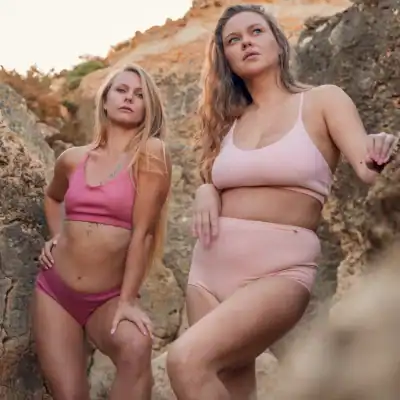
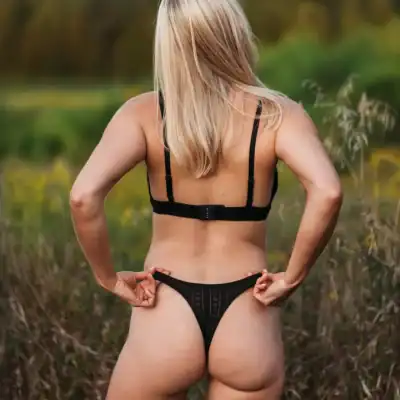
4. Cottonique | Best Organic Cotton Underwear For Chemical Sensitivities
Best For Those: With sensitive skin, eczema, contact dermatitis, or latex allergies who need underwear made without spandex, synthetic fibers, or irritating elastics.
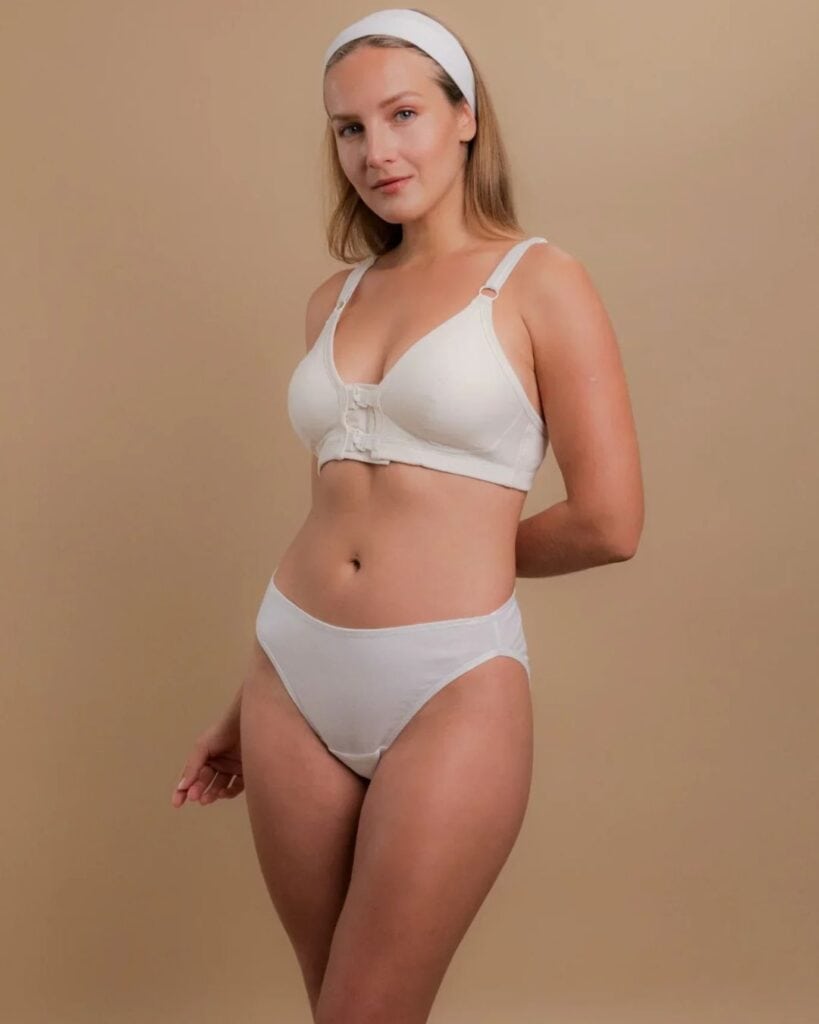
Use the discount code SKL10 to save 10%!
Cottonique is the outlier in this list, in a good way.
It is not trying to be the prettiest or trendiest underwear brand. It is built around people who have a genuinely hard time tolerating conventional fabrics and elastics.
The pairs I have tried feel much more functional than fashion-focused, but that is exactly why they earn a spot here. The construction is unusually simple, with 100% organic cotton and no spandex or latex, plus cotton-covered elastic.
For someone dealing with itching, irritation, textile sensitivity, or reactions to stretch fibers, that level of simplicity can matter a lot.
I would not call Cottonique the most polished-looking underwear in this guide. I would call it one of the most purpose-built. And for the person who needs that, it is hard to replace.
Price & Size
$34–$45 (2-Pack) | Bundle Discounts Available | S-XXL
Materials
100% GOTS-Certified Organic Cotton | Latex-Free & Spandex-Free
Location/Shipping
United States | Ships Internationally
5. Mate The Label | Most Durable Organic Cotton Underwear
Best For Those: Who want thick, substantial organic cotton underwear that feels exceptionally well made and holds up beautifully over time.
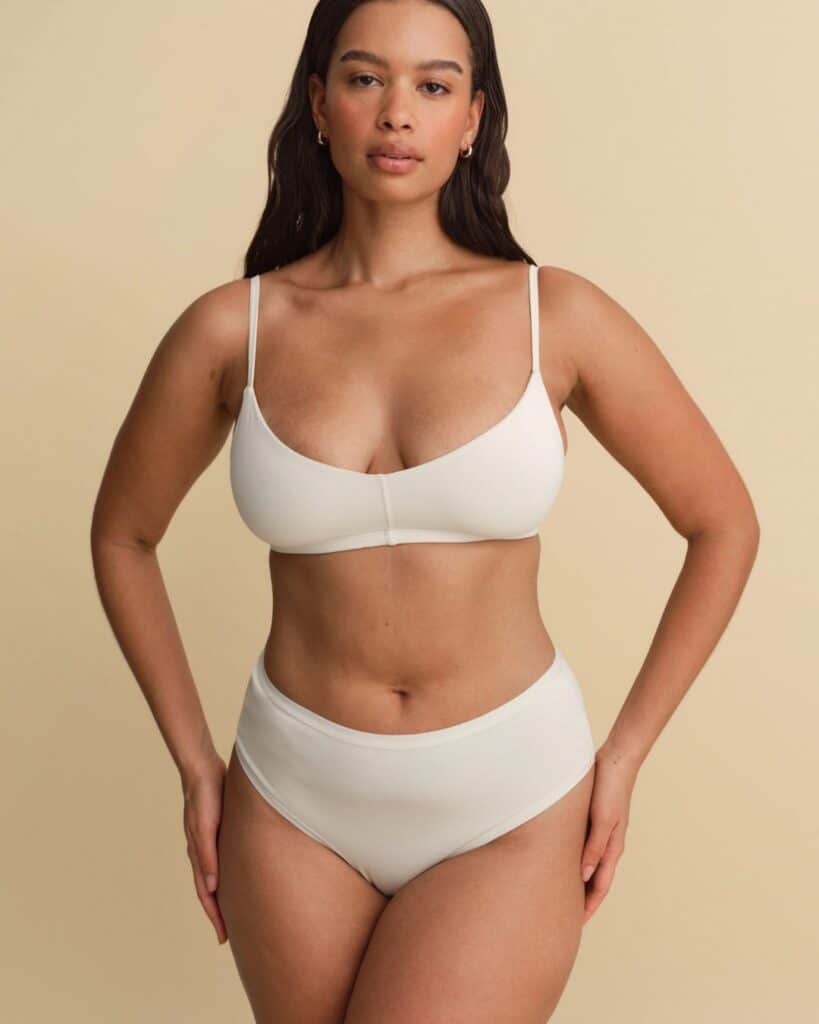
Mate The Label makes some of the most durable organic cotton underwear I own.
The fabric is thicker and more substantial than most pairs I’ve tested, and the construction feels incredibly solid. These are the kind of underwear that feel expensive the second you put them on.
They are also really comfortable. The fabric is soft, the fit feels secure, and they hold their shape extremely well after repeated washing.
What stands out most to me is how well they wear over time. They do not have that flimsy feel some organic underwear can have, and they still look and feel good after a lot of use.
The downside is the price. They are definitely one of the more expensive options on this list.
But if durability and construction are your priority, MATE is one of the strongest options I’ve tested.
Price & size
$28 (Single Pair) | $84 (3-Pack) | XS-XL
Materials
95% GOTS Certified Organic Cotton | 5% Spandex
Location/Shipping
United States | Ships Internationally
✔️Updating the kids’ drawer? I also rounded up my favorite organic kids underwear made with breathable cotton and safer materials for little ones.
6. Subset | Best Size-Inclusive Organic Cotton Underwear
Best For Those: Who want soft organic cotton underwear with a genuinely broad size range and plenty of cuts to choose from.
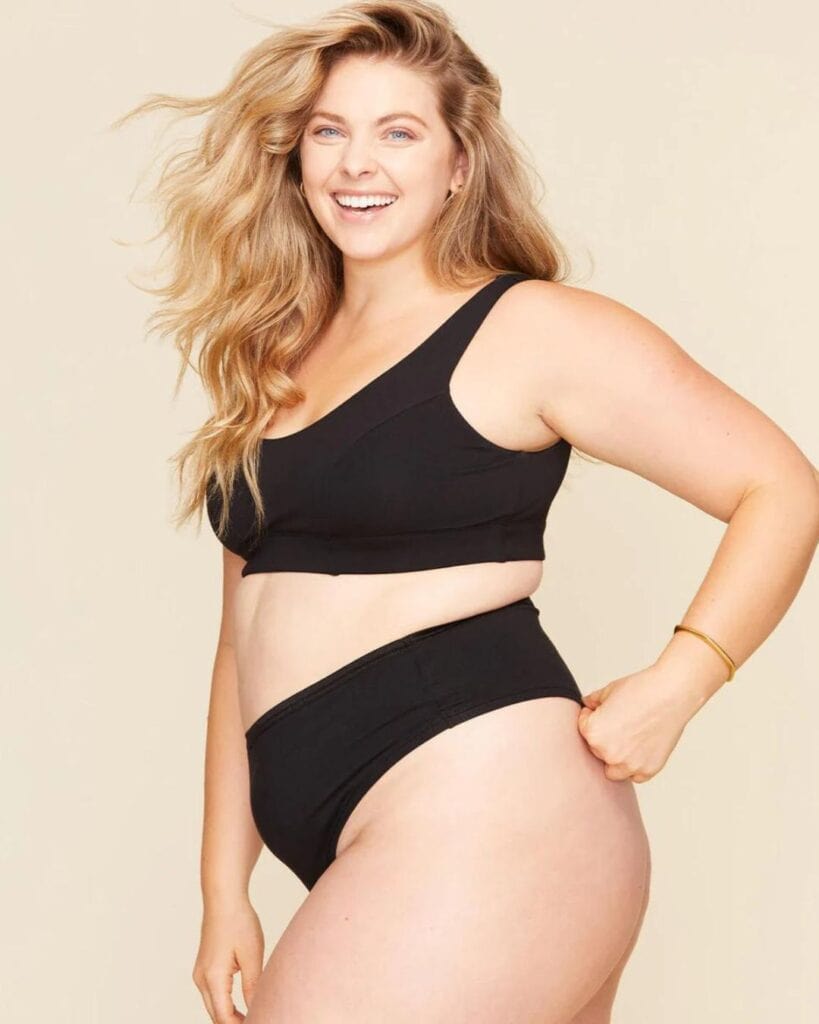
Subset gets something right that a lot of brands still do not: choice.
There are enough rises, cuts, and sizes here that you can actually shop for the underwear shape you already know you like instead of settling for whatever happens to come in organic cotton.
The fabric has a smooth, easy stretch to it and feels soft without being flimsy. I also like that the collection feels modern and wearable, not overly “eco” or utilitarian.
What makes Subset especially useful is that it works for a much wider range of bodies. The sizing runs from 2XS to 4XL, and the variety of silhouettes makes it much easier to find something that feels like your underwear, just made with better materials.
If fit has been the thing holding you back from switching to organic cotton, this is the brand I would look at first.
Price & size
$20 (Single Pair) | $55 (3-Pack) | $110 (6-Pack) | $85 (Starter Set) | 2XS-4XL
Materials
95% Certified Organic Cotton | 5% Elastane
Location/Shipping
United States
Toxic Materials in Underwear, Explained
Underwear sits against your skin all day, in an area that already deals with heat, moisture, and friction. That doesn’t make every synthetic pair dangerous. It does mean fiber content, dyes, and finishes matter more here than in a winter coat.
Doctors keep it simple. MedlinePlus recommends cotton underwear and loose clothing to reduce moisture buildup. For chronic vulvar pain, ACOG goes further: 100% cotton underwear, and avoiding irritants like dyes, perfumes, and detergents.
Here’s what I check.
Synthetic Fibers: Polyester, Nylon, Spandex
Polyester, nylon, and elastane are plastic. I don’t reject a pair over 5% elastane. That’s usually what keeps it from sagging by noon.
I do skip underwear made mostly of synthetics when an organic cotton version works just as well. Synthetic textiles shed plastic microfibers, mostly during the first few washes. The European Environment Agency estimates 200,000 to 500,000 tonnes of textile microplastics reach the oceans every year.
95% organic cotton with 5% elastane is not the same as a polyester brief. Read the percentages.
PFAS From “Performance” Finishes
PFAS are fluorinated chemicals used to make fabric repel water, oil, and stains. A plain cotton brief shouldn’t need them. So when underwear advertises stain resistance or “moisture management” without explaining how, I get skeptical.
GOTS bans all PFAS, PTFE included.
That doesn’t mean conventional underwear is full of PFAS. It means I want brands to explain their finishes, not hide behind “performance fabric.”
Antimicrobial and Odor-Control Treatments
“Antimicrobial” and “stays fresh” mean something was added to the fabric to suppress bacteria. Everyday underwear doesn’t need that. Washing works. Biocide finishes are a documented cause of textile contact dermatitis. If a brand can’t name the treatment, I pass.
Textile Dyes
Dyes cause more skin reactions than most people realize. Disperse dyes are considered the most important allergens in textile dermatitis. The most common offenders, Disperse Blue 106 and 124, turn up mostly in polyester and acetate. One more point for cotton.
Some azo dyes can break down into carcinogenic aromatic amines. The EU bans them in clothing worn against the skin. GOTS prohibits them too.
Color isn’t the problem. Uncontrolled dye chemistry is. “Non-toxic dyes” with no certification behind it tells me nothing.
Formaldehyde and Easy-Care Finishes
Formaldehyde resins make fabric wrinkle-resistant. They’re a known cause of allergic contact dermatitis. A US GAO review found levels in clothing are generally low, and washing new clothes before wearing them often helps.
Underwear doesn’t need to be wrinkle-free. “Easy care,” “no-iron,” or “permanent press” on a pair of briefs is a reason to ask how it was finished.
“Bamboo” Underwear
The biggest label trap in this category. Silky “bamboo” underwear is almost always rayon or viscose: bamboo pulp dissolved in chemicals and re-spun.
The FTC says it has to be labeled “rayon made from bamboo,” that no trace of the plant survives in the finished fiber, and that brands can’t claim it keeps bamboo’s antimicrobial properties. The agency has fined major retailers for selling rayon, including men’s briefs, as “bamboo.”
Viscose isn’t automatically terrible. It just doesn’t earn points for the word on the tag.
Vague “Clean,” “Natural,” or “Non-Toxic” Claims
If a brand says clean, toxin-free, natural, or chemical-free but won’t give fiber percentages, certifications, or dye standards, I keep scrolling.
“Organic cotton” has a loophole too. The cotton can be grown organically and still go through conventional dyeing and finishing. That’s why I look for GOTS on the finished garment, not just the fiber.
✔️Shopping for him too? My organic men’s underwear guide covers my favorite lower-tox options for everyday wear.
Safest Materials in Underwear
Simple materials. Mostly natural fiber. Real certification. Enough transparency to know what’s touching your skin.
GOTS-Certified Organic Cotton
My starting point. GOTS covers the whole chain from fiber to finished garment and prohibits inputs including PFAS, carcinogenic azo dyes, and formaldehyde. “Made with organic cotton” tells you how the crop was grown. GOTS tells you what happened after. Version 8.0, released in 2026, tightens the rules further.
100% Organic Cotton
The simplest way to avoid synthetics. Oddobody, Cottonique, and KENT offer styles without elastane blended through the main fabric.
The tradeoff: cotton doesn’t snap back like spandex. A 100% cotton pair may loosen a bit and won’t feel as sleek under fitted clothes. Different, not worse. If you have sensitive skin or recurring irritation, try this first. It’s what ACOG recommends for vulvar pain.
90–95% Organic Cotton With Elastane
Not plastic-free. Usually fits better, stays put, and holds its shape longer. For most people, that’s a fair trade. What matters is that organic cotton makes up the overwhelming majority. That’s why I list best organic cotton underwear and best plastic-free underwear as separate picks.
OEKO-TEX STANDARD 100
A different job from GOTS. OEKO-TEX lab-tests the finished product, every thread and component, against more than 1,000 harmful substances. Limits get stricter with more skin contact. Underwear falls under Product Class 2, direct skin contact.
It says nothing about whether the cotton was organic.
GOTS: organic fiber plus controlled processing.
OEKO-TEX STANDARD 100: a tested finished product.
Both is best.
Elastic: Where It Is and What It’s Made Of
Even all-cotton underwear needs something at the waist and legs. I check whether the elastic is blended throughout, limited to the waistband, wrapped in cotton, made from natural rubber, or sitting bare against the skin.
Cotton-covered elastic or natural rubber cuts synthetic contact. One caveat: natural rubber is latex, and clothing elastic is a known exposure for people with latex allergy. Natural isn’t automatically right for everyone.
Dyes With Real Standards
Underwear doesn’t have to be beige. I look for GOTS-compliant dyes, OEKO-TEX testing, or explicit azo restrictions. Not “eco-friendly colors.”
Transparency
The least glamorous criterion. Probably the most useful. A good brand answers these without making you dig:
- What percent is organic cotton, and what’s the rest?
- Is the finished garment GOTS-certified, or just the fiber?
- Is the elastic synthetic, natural rubber, or covered?
- What dye standard do they use?
- Is the finished product OEKO-TEX tested?
After testing more than 20 brands, the ones I still wear are the ones that answer these easily. Good materials, honest construction, underwear I actually want to put on. That’s what earns a spot here.
All Your Organic Cotton Underwear Questions, Answered!
I think it can be, especially when the finished garment is GOTS-certified. Organic cotton is grown without the synthetic pesticides and fertilizers used in conventional cotton, and GOTS also places restrictions on many chemicals used during processing.
That said, I still look at the full fabric blend, dyes, elastic, and certifications. “Organic cotton” on its own does not automatically tell you everything about the finished pair.
Not always. It really depends on what matters most to you.
100% organic cotton is the better choice if you want to avoid synthetic stretch fibers completely. A 95% organic cotton and 5% elastane blend usually has more stretch, snaps back into shape more easily, and can feel better under fitted clothing. I wear and recommend both.
Not necessarily.
A pair can be made with 95% organic cotton and still contain 5% elastane or spandex, which is a synthetic fiber. If you specifically want plastic-free underwear, look for 100% organic cotton and check what the waistband and leg elastic are made from too.
For very sensitive skin, I would start with simple, breathable underwear made from a high percentage of organic cotton and avoid unnecessary finishes, fragrance, and heavily treated performance fabrics.
If you are especially sensitive to elastane or latex, look for 100% cotton styles and check how the elastic is constructed. Cottonique is the most specialized option in this guide for people with textile sensitivities.
GOTS stands for Global Organic Textile Standard, and it covers much more than how the cotton was grown.
It also sets requirements for textile processing and restricts a long list of chemicals used in dyes, finishes, and manufacturing. That is why I give GOTS-certified underwear more weight than a pair that simply says “made with organic cotton.”
They do different jobs, so I do not really think of one as better than the other.
GOTS focuses on organic fiber plus processing standards. OEKO-TEX STANDARD 100 tests finished textiles for a broad range of harmful substances. If a brand has both, even better.
Yes, cotton is generally breathable and handles moisture differently from many synthetic fabrics, which is one reason it is commonly recommended for everyday underwear.
Fit still matters though. A pair that is too tight or stays damp is not going to feel comfortable just because it is made from organic cotton.
For me, yes, when the quality is there.
I have tried plenty of expensive organic underwear that I would not buy again, so I do not think the word “organic” automatically justifies a higher price. The brands I recommend here earned their place because the fabric, fit, construction, and durability held up over time.
It can. Cotton naturally has some shrinkage potential, especially with high heat.
I wash mine in cool or warm water and air dry whenever possible. If I use the dryer, I keep the heat low. Following the brand’s care instructions makes a big difference.
Not automatically.
Most “bamboo” underwear is actually rayon or viscose made from bamboo, which is a heavily processed regenerated fiber. It can feel very soft, but I do not treat the word bamboo as proof that something is safer or more sustainable.
For me, a transparent, certified organic cotton pair is much easier to evaluate.
Final Thoughts on Organic Cotton Underwear
Testing this many brands taught me one thing above everything else. Better materials only matter if you actually wear the pair.
Sounds obvious. It’s also where a lot of “sustainable” underwear fails. A pair can check every box on paper and still dig in, bunch up, stretch out, and end up at the back of the drawer.
The six brands in this guide are the ones I kept grabbing long after testing ended. That’s the real test.
If it feels good, holds up wash after wash, and makes ditching cheap synthetics easy, it earned its spot.
Have You Found an Organic Cotton Underwear Brand You Love?
If you have a pair you swear by, tell me in the comments. I’m always testing new brands, and I’d love to know which ones have actually held up for you over time.
Build a Safer Wardrobe
Once you start paying attention to what is sitting directly against your skin all day, underwear is usually just the beginning.
If you want to keep going, these are the guides I would read next:
- Non-Toxic Bras: I tested 10 bras and narrowed them down to the 6 I would actually recommend for comfort, materials, support, and everyday wear.
- Non-Toxic Sports Bras: After testing more than 15 sports bras, these are the 6 that stood out for performance, fit, and better materials.
- Organic Activewear: My favorite activewear brands using organic cotton and other lower-tox materials instead of relying entirely on polyester and nylon.
- Non-Toxic Fashion Brands: A bigger-picture guide to clothing brands I trust for safer materials, better transparency, and fewer unnecessary chemical treatments.
- Non-Toxic Sweaters: My favorite lower-tox sweater options made with natural fibers and better materials for colder weather.
You do not have to replace your entire closet overnight. I usually start with the pieces that sit closest to my skin or that I wear most often, then work outward from there.
📌 Save This Guide For Later
Still wearing conventional cotton or synthetic underwear and wondering if it really matters?
This guide breaks down the best organic cotton underwear brands, what toxic materials and greenwashing claims to avoid, and which brands offer the safest options for women, sensitive skin, plastic-free living, and everyday comfort.

Steal My Non-Toxic Cleaning Checklist!
Believe us, it’s the BEST…. and it’s free. Does it really get any better than that?! Sign up for our newsletter and get this free checklist to clean your home without any harmful chemicals!




Do you have cotton underwear with no elastic on your waist and legs
Hi Dolores, great question! Cottonique, Oddobody and Q for Quinn are the ones you are looking for 🙂
This was so very helpful, thank you!! Quick question, which one do you like the most for high waisted full coverage?
Great question! I really like the Q for Quinn one for high waist full coverage – the fit is just spot on. Oddobody also has a high waist full coverage but it’s a bit too soft (if that makes sense). It just doesn’t feel supportive enough for what I need after kids. Subset was also really nice but I do like the Q for Quinn more. Hope this helps!
Have you tried the Quince underwear yet? Curious on your thoughts
I have and was not a fan at all. The sizing was off and the quality was not good. I find Quince to be a hit or miss. Huge miss on the underwear side.