 Shop My Favorite Non-Toxic Gifts Of 2026!
SKL is reader supported. When you buy through links on our site, we may earn affiliate commission. Learn more here.
This guide to building a natural and non-toxic first aid kit is perfect for health-conscious families who want to ditch harmful chemicals without sacrificing effective care.
You’ll learn how to treat minor injuries safely, support healing naturally, and make eco-friendly swaps that are better for your home—and the planet.
Did you know that 95% of Americans have PFAS “forever chemicals” in their bodies?
These toxins are nearly impossible to avoid—and shockingly, they’re even found in many conventional first aid products.
Linked to cancer and immune dysfunction, PFAS are the last thing we want in items meant to protect us.
And it’s not just PFAS. Common first-aid staples like hydrogen peroxide and alcohol can actually slow healing by damaging healthy tissue.
Many so-called “sterile” products also contain petroleum, parabens, and triclosan—ingredients that can disrupt hormones and do more harm than good.
Even worse? The environmental impact. Most bandages and plastic packaging aren’t biodegradable and can linger in landfills for centuries.
That’s why I decided to rethink my medicine cabinet—and build a natural, non-toxic first aid kit instead. One that’s safer for my family and the planet.
In this guide, I’ll walk you through the hidden toxins in standard first aid kits, the science behind safe alternatives, and my personal picks for natural remedies that actually work.
You’ll learn how to build a customized, sustainable first aid kit that fits your lifestyle—and know when to use what.
Toxins in Traditional First Aid Supplies
❌ The Surprising Truth About Hydrogen Peroxide and Alcohol
Though often seen as essentials for wound care, hydrogen peroxide and alcohol can actually slow healing.
They kill not only harmful bacteria but also the healthy cells your body needs to repair tissue—leading to longer healing times and possible scarring.
❌ Hidden Dangers in “Sterile” First Aid Products
“Sterile” doesn’t always mean safe. Many conventional products come in single-use plastic and may contain chemicals that irritate the skin or trigger allergic reactions—contributing to both health and environmental harm.
❌ The “Forever Chemicals” in Your Bandages
PFAS chemicals—commonly used in water-resistant bandages—are linked to cancer, immune dysfunction, and hormonal imbalances.
Even more alarming: the CDC has found PFAS in over 95% of Americans. These “forever chemicals” don’t break down and accumulate in the body, making PFAS-free alternatives a must.
❌ Petroleum in Antibiotic Creams
Products like Neosporin often contain petroleum, which can trap moisture and slow healing.
Worse, improperly refined petroleum may contain polycyclic aromatic hydrocarbons (PAHs)—carcinogenic compounds that can absorb through the skin.
❌ Endocrine Disruptors
Ingredients like triclosan and parabens—common in first aid creams and ointments—can disrupt your hormonal system, leading to reproductive issues and developmental concerns.
These chemicals are easily absorbed through the skin and can build up in the body over time.
❌ Bandages Contribute to the Plastic Pollution Problem
Beyond the personal health risks, the environmental impact of traditional first aid supplies is staggering.
Conventional bandages, made from non-biodegradable materials, can take hundreds of years to decompose in landfills.
This contributes to the growing problem of plastic pollution, harming wildlife and contaminating our ecosystems.
Benefits of a Non-Toxic First Aid Kit
✅ Avoid Harmful Chemicals
Non-toxic kits help you avoid ingredients like PFAS, petroleum, triclosan, and parabens—chemicals linked to hormone disruption and delayed healing.
✅ Natural Remedies That Work
Studies show natural options like aloe vera (for burns) and arnica (for bruises) can be just as effective—sometimes more—than conventional products, without the synthetic side effects.
✅ Tailored to Your Needs
Building your own kit means you can choose products that match your skin sensitivity, lifestyle, and most common injuries. It’s first aid, personalized.
✅ Better for the Planet
Biodegradable bandages, reusable containers, and low-waste packaging reduce your environmental impact. Small swaps like bamboo bandages or glass jars add up in a big way.
Science-Backed Natural Alternatives
1. Comfrey
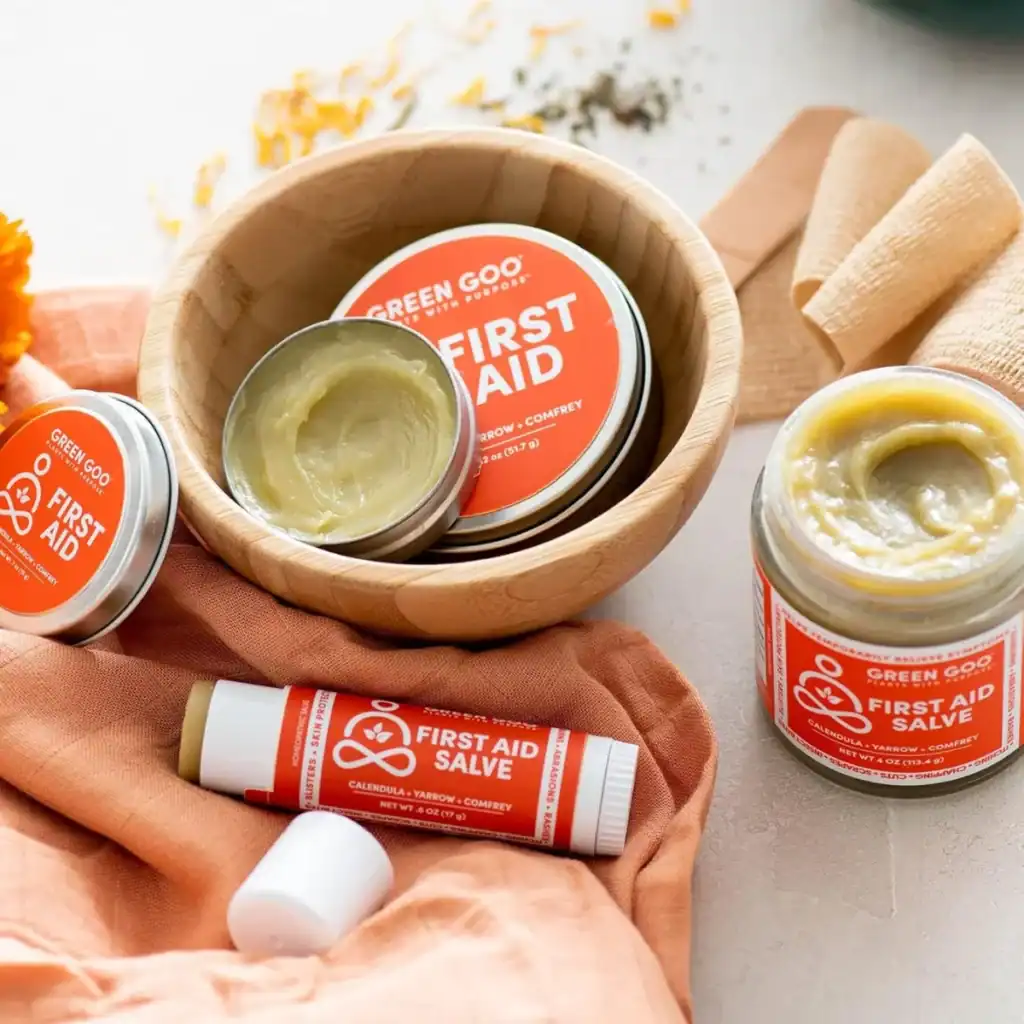
Traditional Use: Comfrey has been used for centuries to accelerate wound healing, and its effectiveness was even recognized during World War II when it was included in soldier’s medical packs.
How It Works: Comfrey’s allantoin stimulates cell growth and tissue repair, making it a powerful wound-healing agent.
Scientific Support: Comfrey contains allantoin, a compound known to stimulate cell growth and tissue repair. Studies have shown that comfrey can help reduce inflammation, promote healing, and even strengthen skin and bones.
One study found that comfrey root extract was as effective as diclofenac gel in treating ankle sprains, demonstrating its potential as a natural alternative to conventional treatments.
Green Goo First Aid Ointment: Green Goo First Aid is an all-natural herbal salve made with comfrey designed to soothe and promote healing for minor cuts, burns, scrapes, and skin irritations.
2. Aloe Vera

Traditional Use: Aloe vera’s ability to soothe and heal burns has been extensively studied and proven by scientific research. Its cooling, anti-inflammatory properties can provide instant relief and promote faster healing.
How It Works: Aloe vera contains compounds like polysaccharides and anthraquinones, which have anti-inflammatory and antimicrobial properties. These compounds work together to reduce pain, prevent infection, and stimulate skin regeneration.
Scientific Support: This study found that aloe vera gel was more effective than silver sulfadiazine in treating second-degree burns, highlighting its potential as a natural burn remedy.
Univera Aloe Vera Gel: This 100% organic aloe vera gel provides a soothing and cooling natural remedy for minor burns, making it a valuable addition to a first aid kit.
3. Arnica
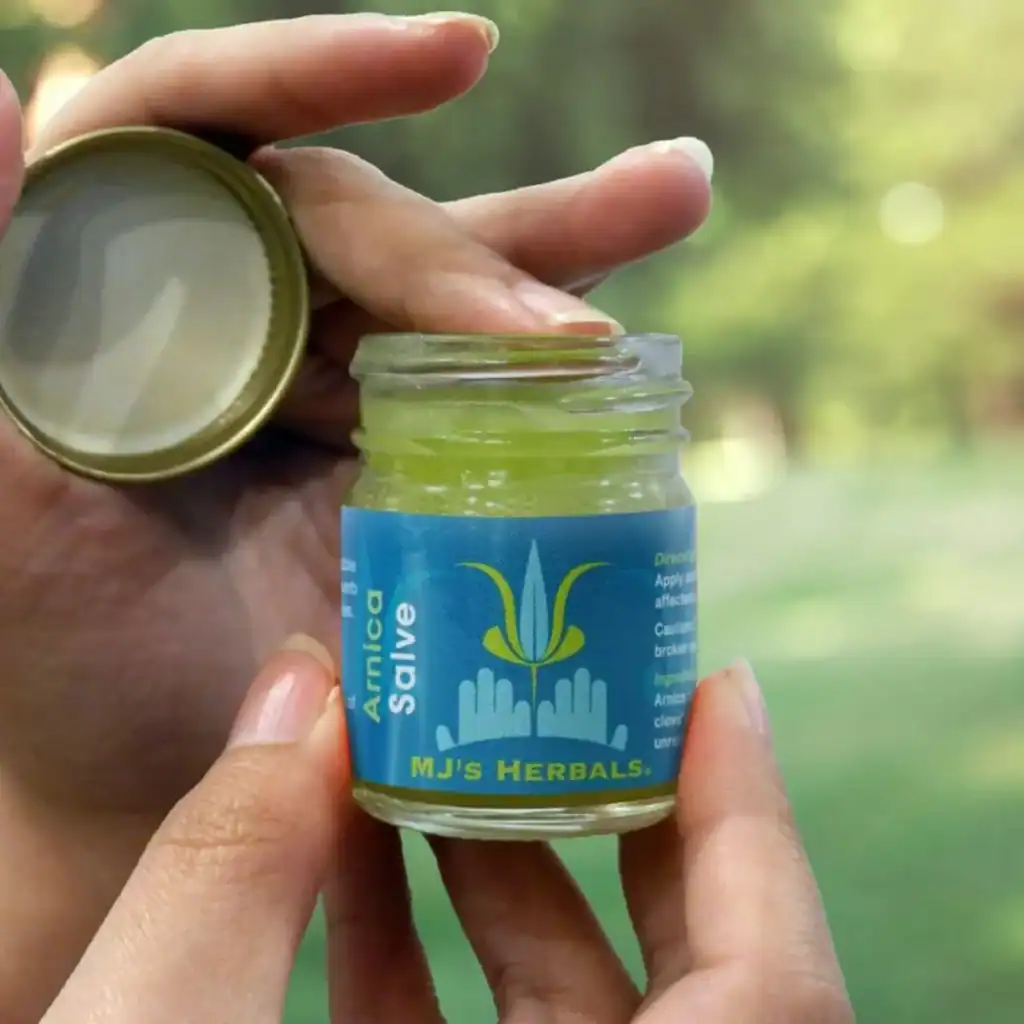
Anti-Inflammatory Power: Arnica has gained popularity as a natural remedy for bruises, and for a good reason. This botanical contains potent anti-inflammatory compounds called sesquiterpene lactones, which help reduce swelling and discoloration.
Scientific Support: Numerous studies have demonstrated arnica’s effectiveness in treating bruises, sprains, and other minor injuries.
Research Comparison: Researchers found that arnica gel applied topically was as effective as a 5% ibuprofen gel in reducing pain and inflammation.
MJ’s Herbals Arnica Salve: MJ’s Herbals Arnica Salve Concentrate offers a natural and potent solution for reducing bruising and swelling, making it a great addition to any natural first aid kit.
4. Tea Tree Oil
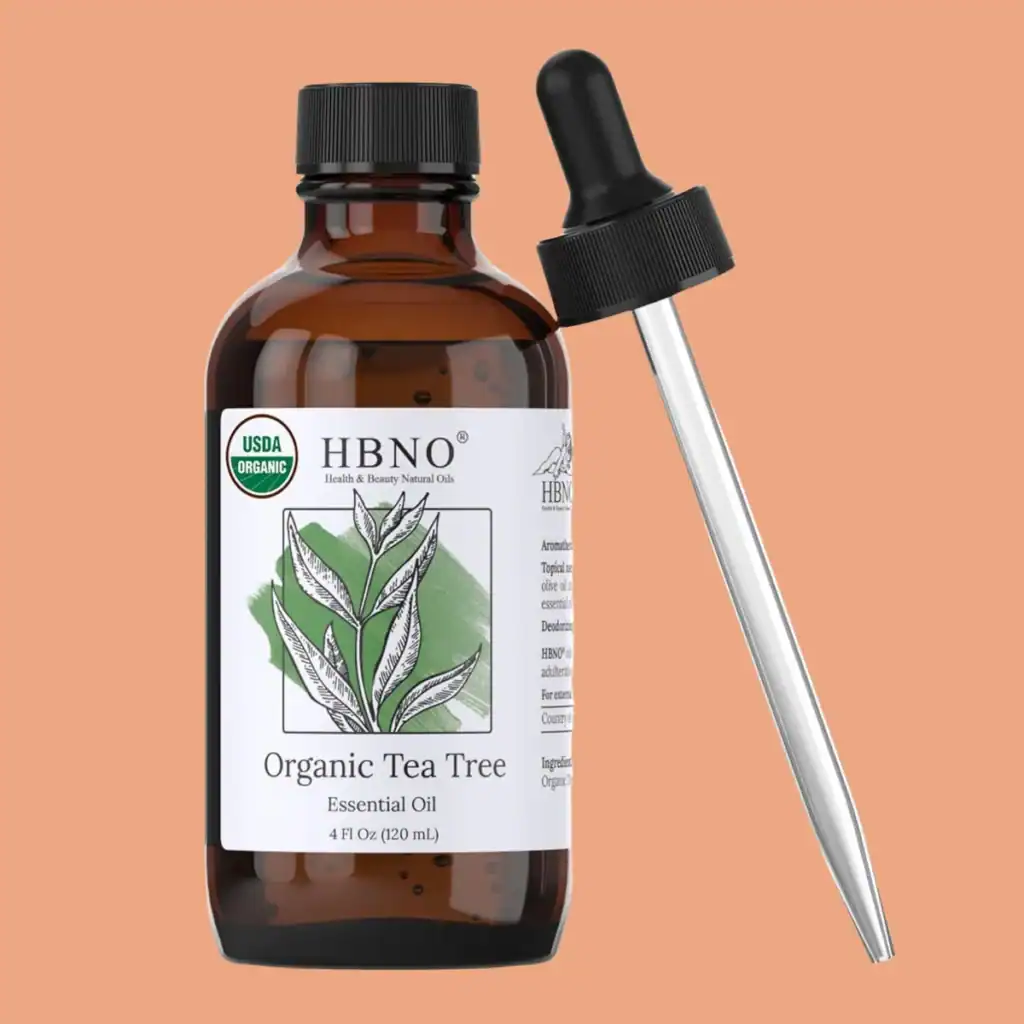
Nature’s Antiseptic: Tea tree oil has long been used as a natural antiseptic and antifungal agent. Its powerful antibacterial properties make it an excellent choice for preventing infection in minor cuts and scrapes.
Active Compounds: Tea tree oil’s terpinen-4-ol and other compounds provide powerful antibacterial and antifungal properties, making it a versatile addition to your non-toxic first aid kit.
Research-Backed: Studies have confirmed tea tree oil’s effectiveness against a wide range of bacteria and fungi. Scientists have found that tea tree oil can be effective in fighting antibiotic-resistant bacteria.
HBNO Organic Tea Tree Oil: HBNO Organic Tea Tree Essential Oil offers natural antiseptic properties, making it effective for cleaning minor cuts and wounds and preventing infection.
5. Manuka Honey
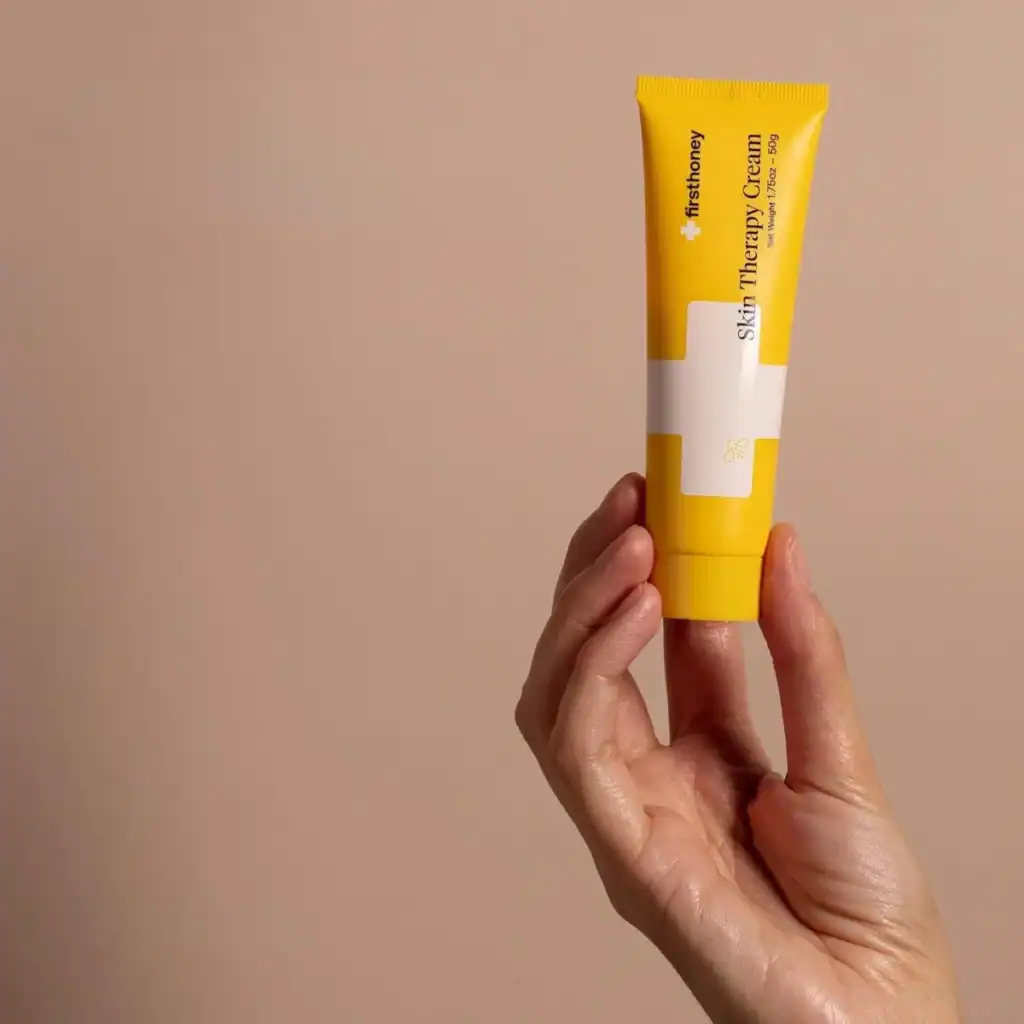
Traditional Remedy: Manuka honey, derived from the nectar of the manuka tree, has been used for centuries in traditional medicine to treat wounds and prevent infection.
Scientific Evidence: Research has shown that manuka honey has potent antibacterial and anti-inflammatory properties. A 2012 study found that manuka honey could effectively inhibit the growth of bacteria commonly found in wounds, including MRSA.
Healing Mechanisms: Manuka honey’s methylglyoxal and other enzymes create a potent antibacterial effect, while its high sugar content and low pH help create an environment that promotes wound healing.
First Honey Manuka Honey Cream: This Manuka Therapy cream is a medical-grade honey ointment designed to soothe and heal skin conditions like eczema and psoriasis.
Natural Would Care Essentials
1. Bamboo Bandages or Organic Cotton Bandages

Ditch the plastic and opt for eco-friendly, biodegradable bandages made from sustainable materials like bamboo and organic cotton.
These natural alternatives are gentle on your skin and the planet.
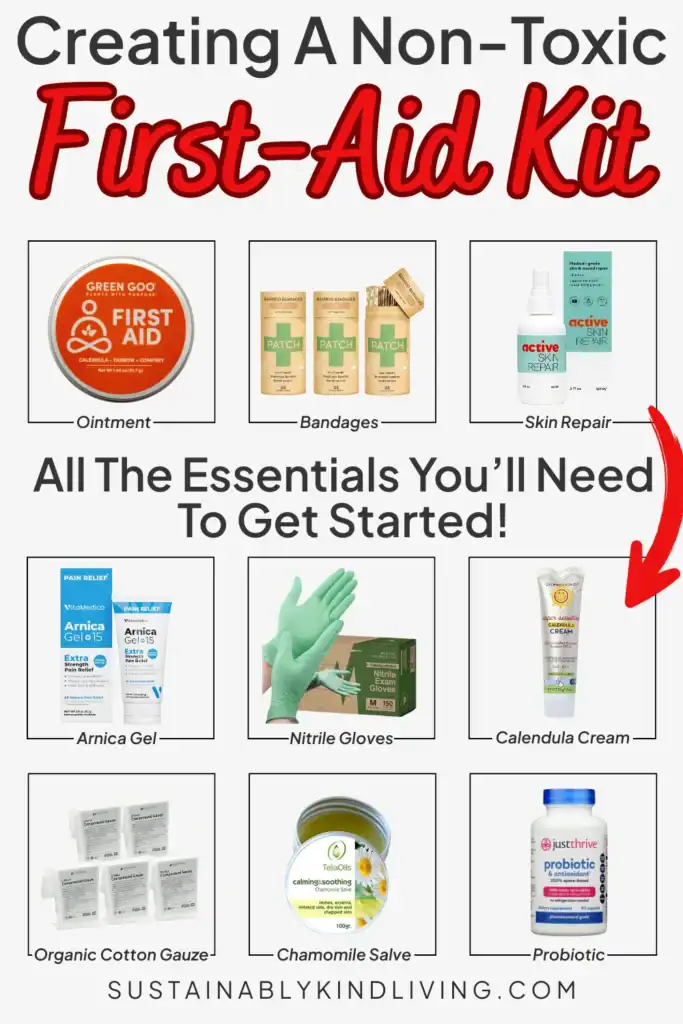
- Patch Bandages (PFAS-free bamboo bandages)
- FEBU Bandages (latex-free bandages made from premium organic bamboo viscose)
- Strap Bamboo Body Tape (flexible athletic tape made from 100% natural bamboo fiber)
2. Witch Hazel
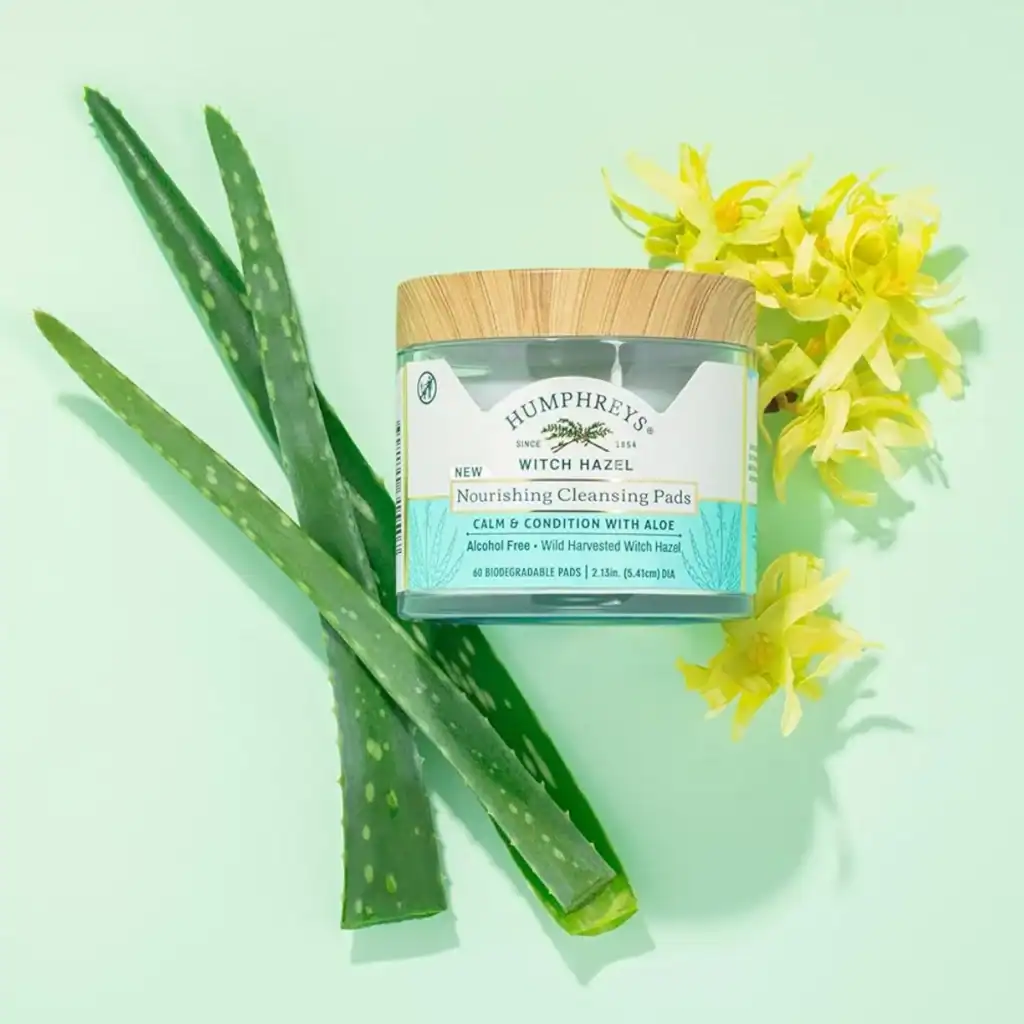
Say goodbye to harsh chemical antiseptics and hello to witch hazel, a natural astringent that helps cleanse wounds and soothe skin irritations.
This gentle yet effective solution is a must-have for your non-toxic first aid kit.
- Humphrey’s Witch Hazel Pads (certified organic witch hazel with antiseptic properties)
3. Hypochlorous Acid
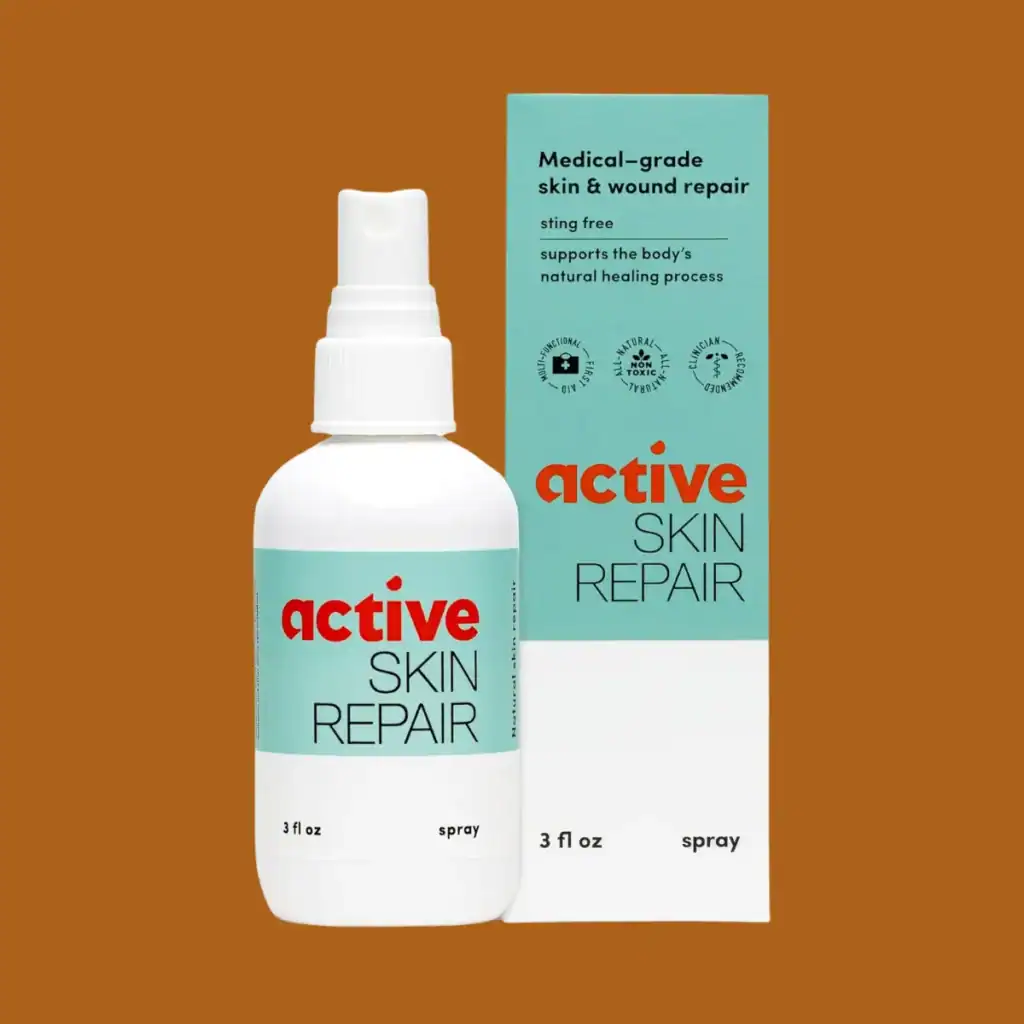
The Infection-Fighting Powerhouse: Harness the power of hypochlorous acid, a natural antiseptic produced by our own immune systems.
This potent solution helps prevent infection and promote healing, making it an essential addition to your wound care arsenal.
- BLDG Active Skin Repair (contains hypochlorous acid, naturally produced by white blood cells)
Natural Pain & Inflammation Management
1. Arnica Cream/Gel
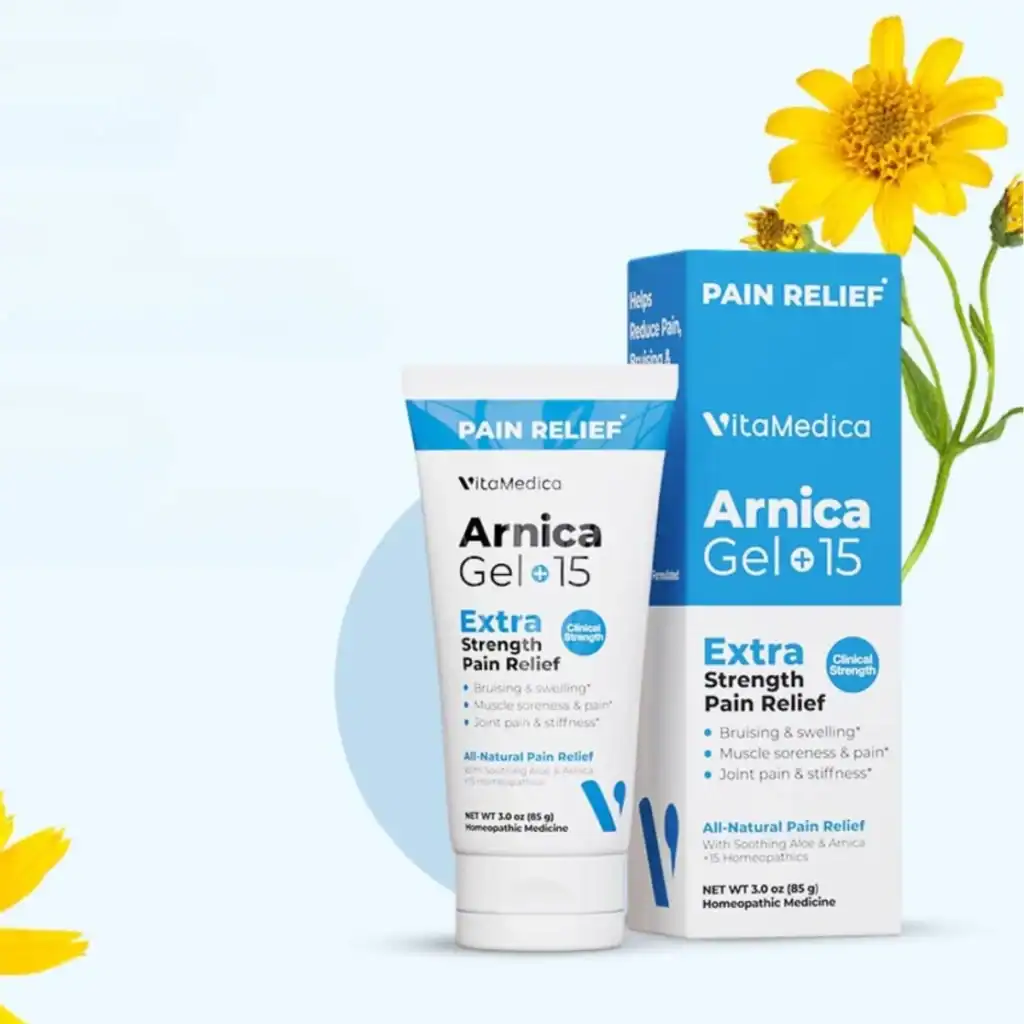
Soothe those bruises and sprains with arnica cream or gel, a natural anti-inflammatory that helps reduce swelling and discoloration.
This botanical wonder is a must-have for anyone prone to bumps and bruises.
- VitaMedica Arnica Gel (plant-powered relief for bruises and swelling)
2. White Willow Bark

Ditch the synthetic pain relievers and try white willow bark, a natural alternative that contains salicin, a compound similar to aspirin.
This herbal remedy can help alleviate pain and inflammation without the potential side effects of conventional medications.
- Biokoma Organic White Willow Bark (pure, organic support for natural pain management)
3. Turmeric
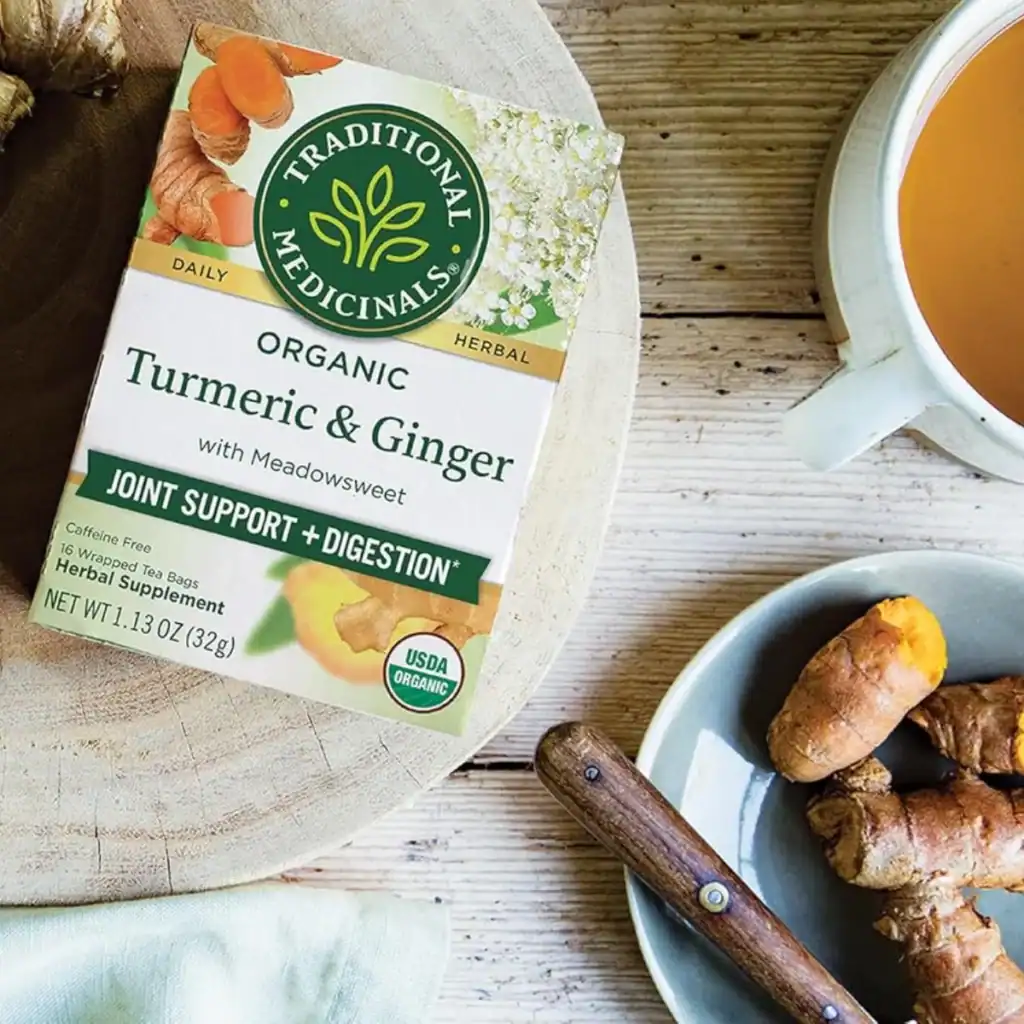
Spice up your first aid kit with turmeric, a potent anti-inflammatory that can help reduce pain and swelling.
Whether taken orally or applied topically, this golden spice is a natural way to manage inflammation.
- Traditional Medicinals Organic Turmeric (organic blend to naturally reduce inflammation)
Natural Digestive Health Support
1. Activated Charcoal
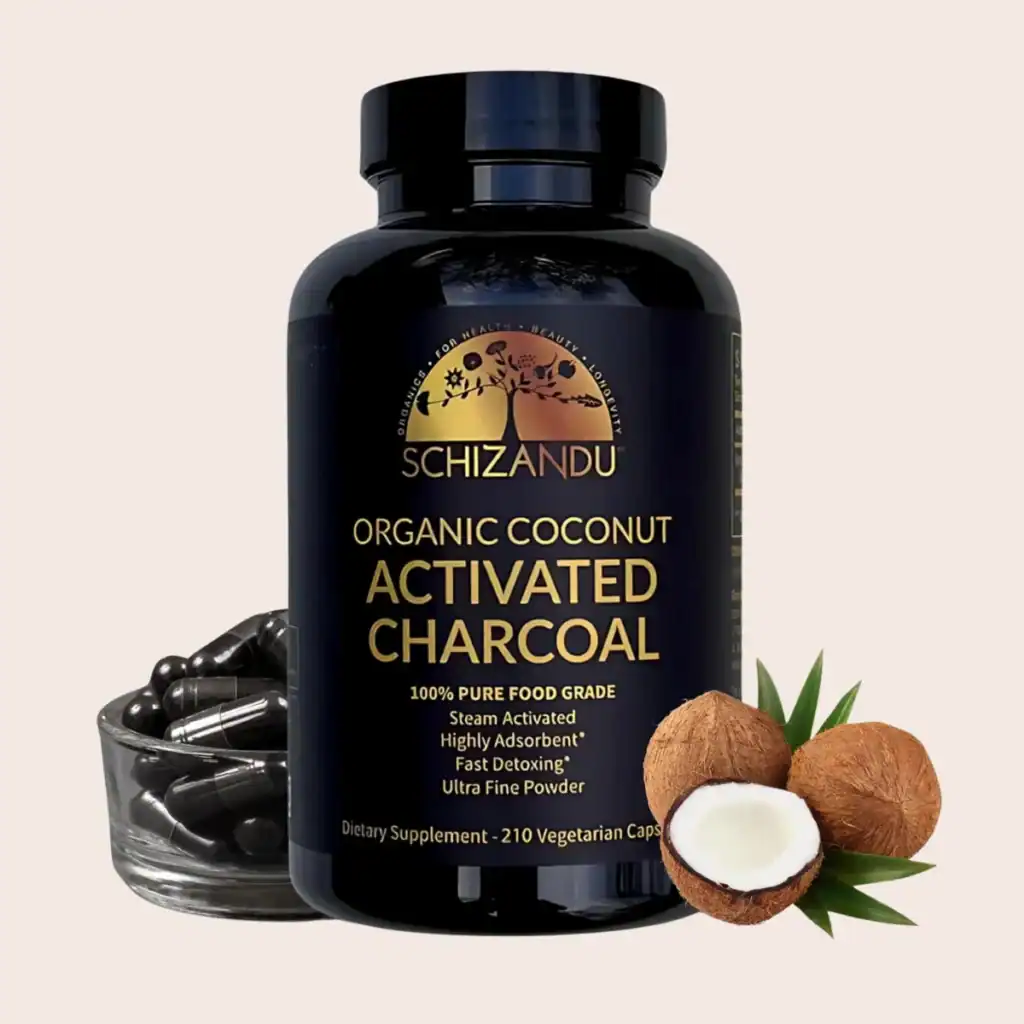
Keep activated charcoal on hand for those unexpected stomach issues.
This natural remedy can help absorb toxins and relieve symptoms of digestive distress, such as bloating and gas.
- Schizandu Activated Coconut Charcoal Capsules (natural toxin absorber for stomach relief)
2. Probiotics
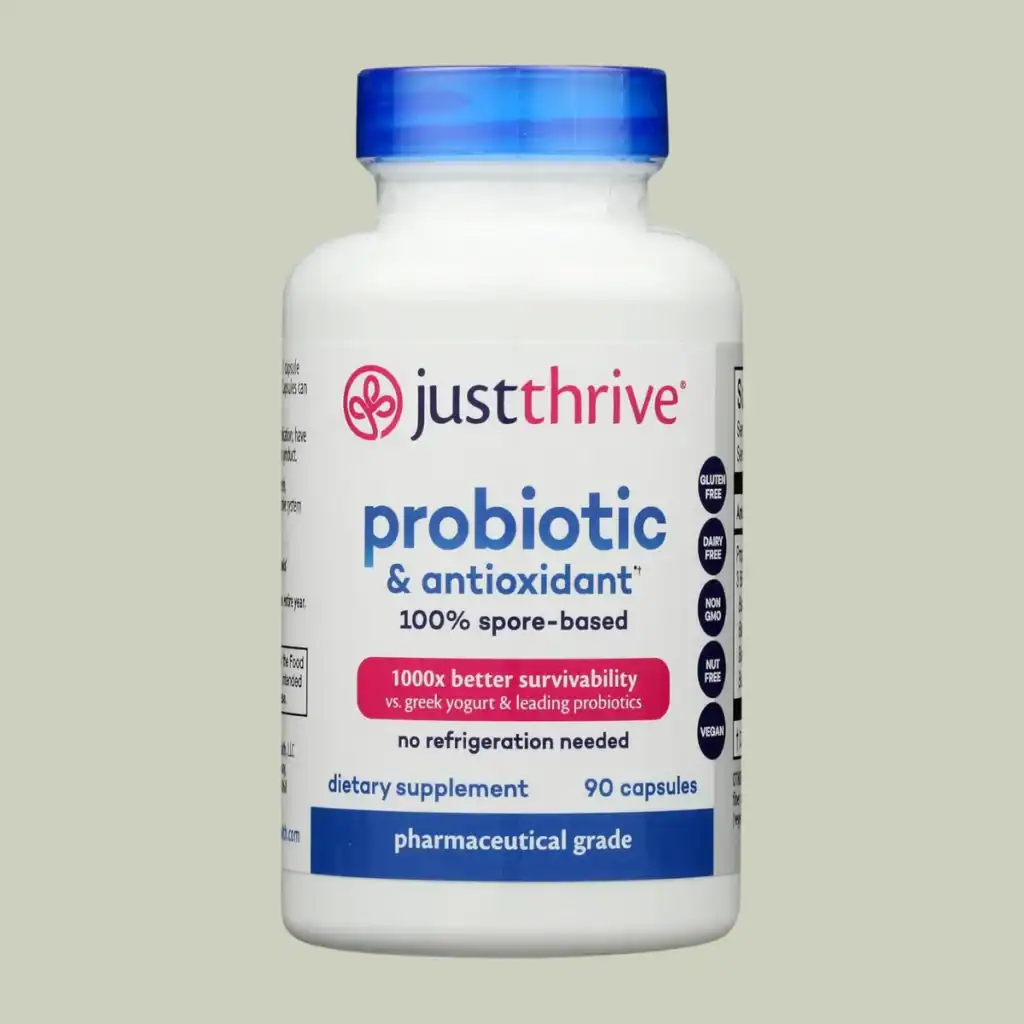
Support your digestive health with probiotics, the beneficial bacteria that help maintain a healthy gut balance.
These tiny allies can help alleviate digestive upset and boost your overall well-being.
- Just Thrive Probiotic & Antioxidant Supplement (spore-based probiotics for gut balance)
3. Ginger
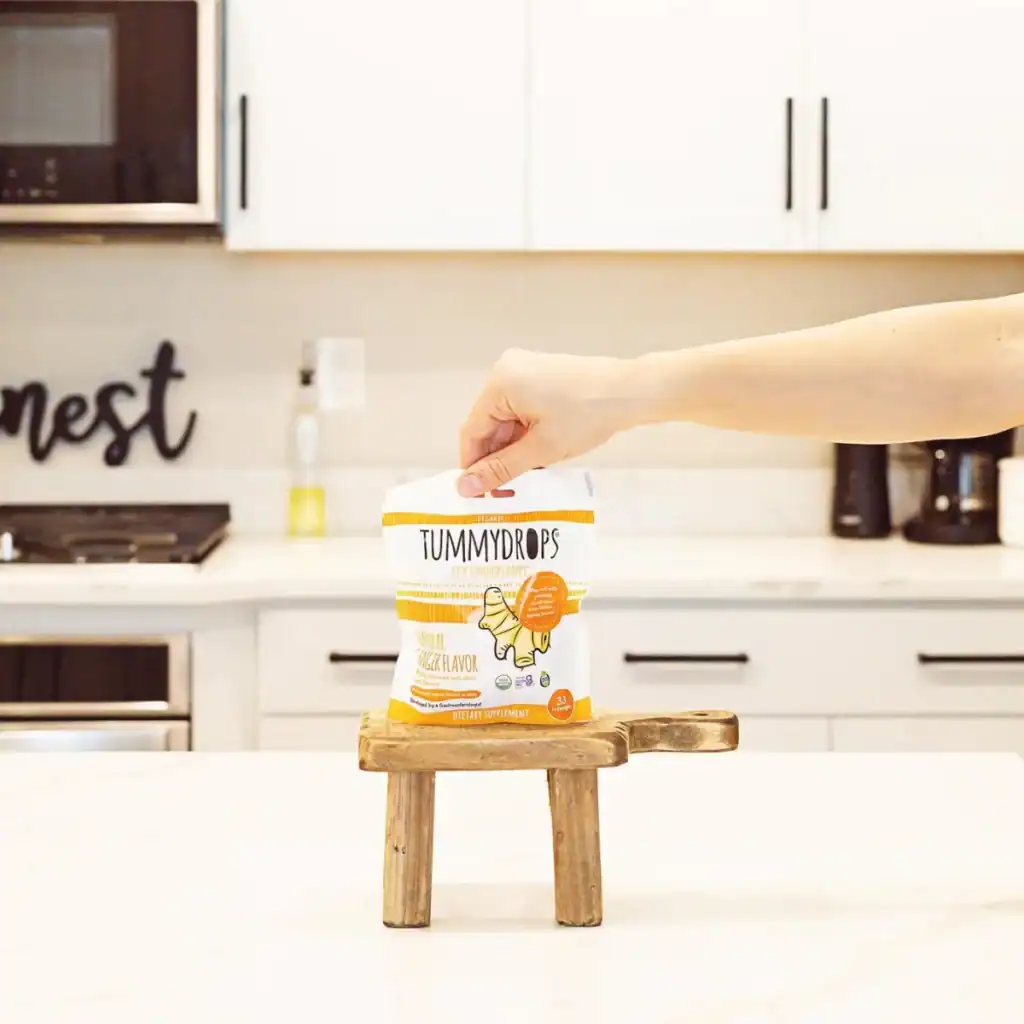
Don’t let motion sickness or nausea ruin your day.
Pack some ginger tea bags or capsules in your first aid kit for a natural way to calm your stomach and ease queasiness.
- USDA Organic Ginger Tummydrops (calm queasiness with Tummydrops natural ginger drops)
Natural Skin Care & Protection
1. Aloe Vera Gel
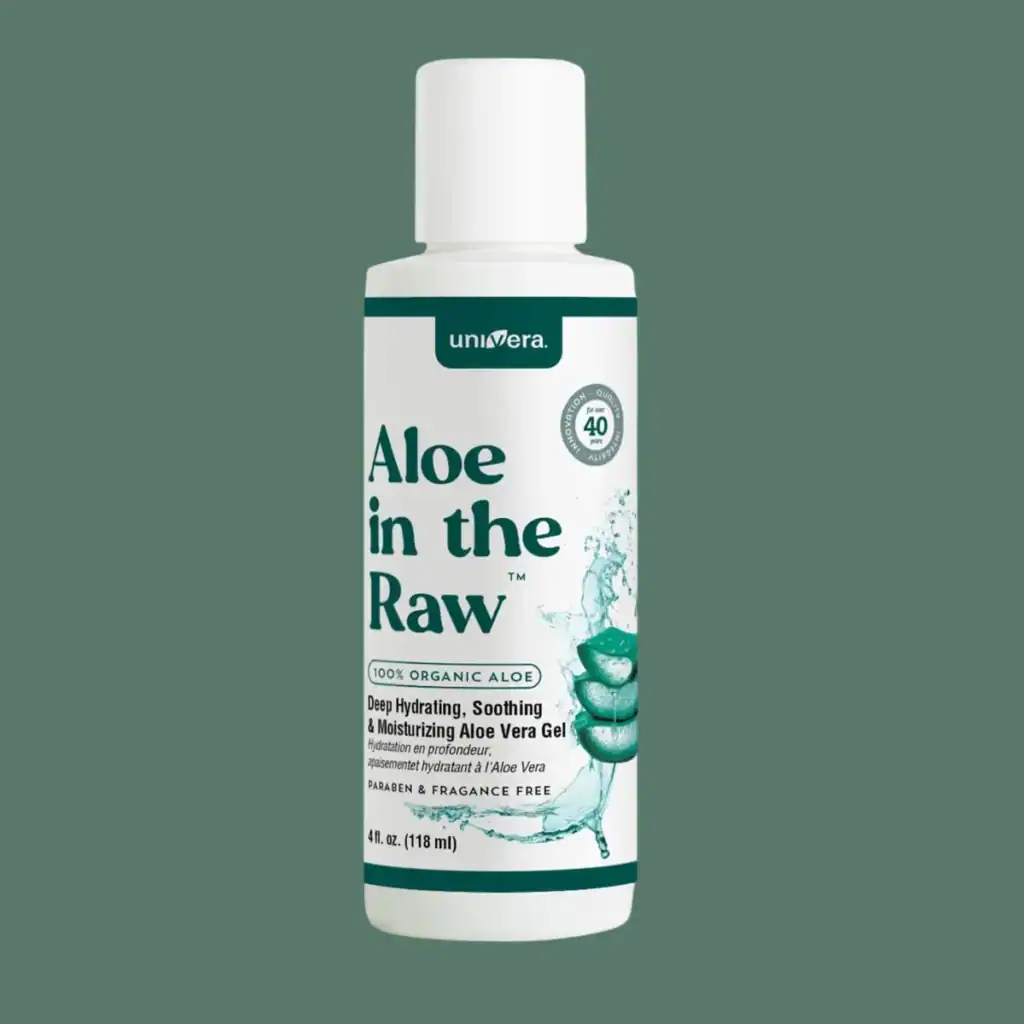
The Sunburn Soother: Soothe sunburned or irritated skin with the cooling, anti-inflammatory properties of aloe vera gel.
This natural remedy can help reduce redness, promote healing, and provide much-needed relief for your skin.
- Univera Aloe Vera Gel (cooling sunburn and irritation relief)
2. Calendula Cream
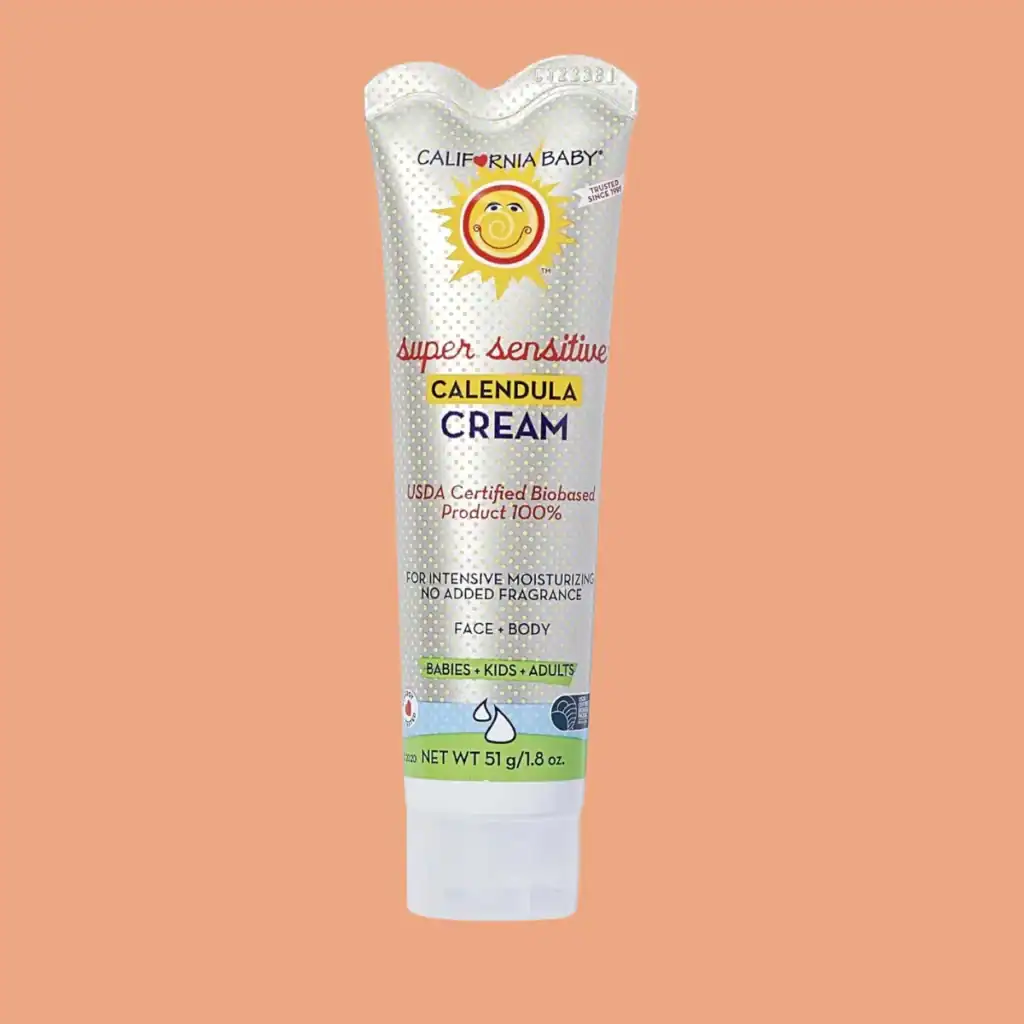
Calm inflamed skin with calendula cream, a gentle and effective natural remedy.
This soothing botanical can help reduce redness, itching, and discomfort, making it a must-have for your non-toxic first aid kit.
- California Baby Calendula Cream (natural relief for inflamed, irritated skin)
3. Non-Toxic Sunscreen
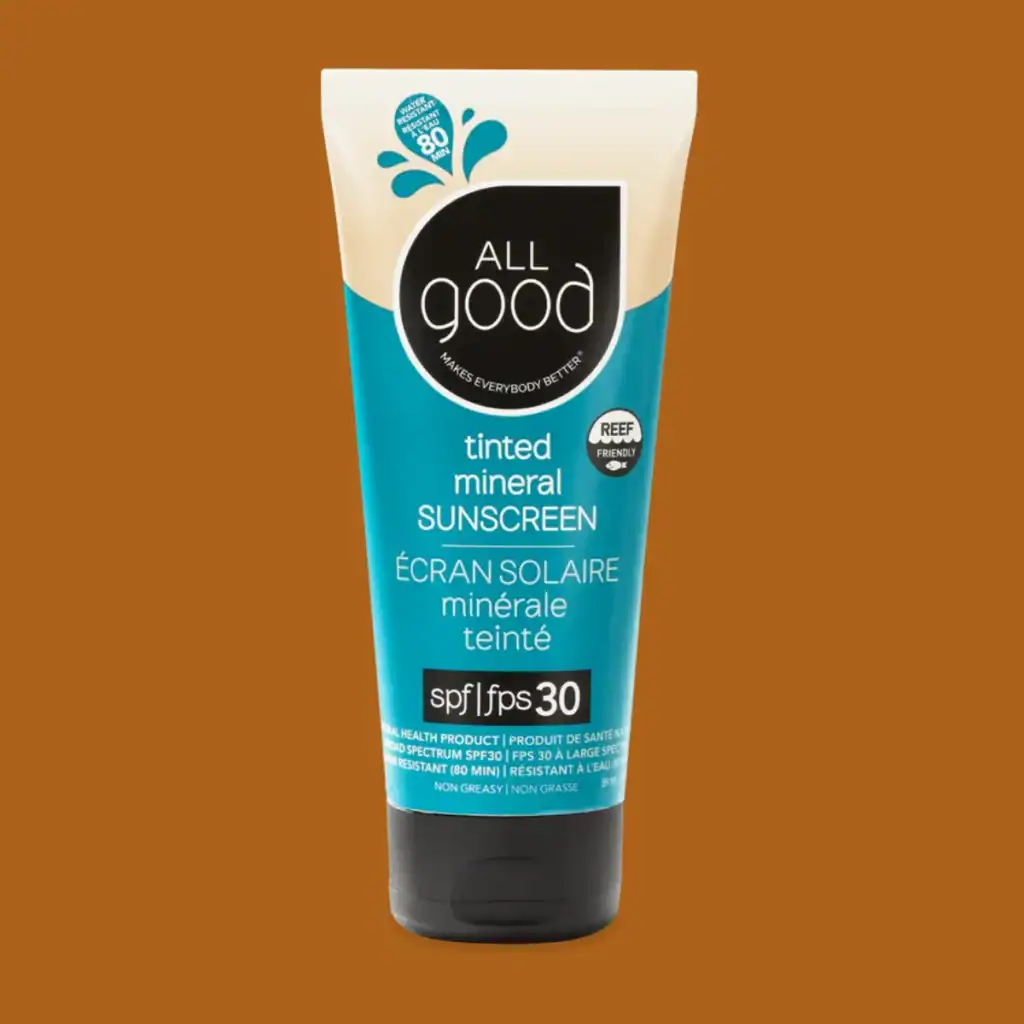
Protect Your Skin and the Environment: Shield your skin from harmful UV rays without exposing yourself to potentially toxic chemicals.
Choose non-toxic, mineral-based sunscreens that are safe for both you and the environment.
- All Good Sunscreen (mineral-based, non-toxic UV protection)
4. Chamomile

Harness the soothing power of chamomile in your first aid kit.
This versatile herb can be used as a calming tea to relieve stress and anxiety or applied topically to soothe skin irritations and promote relaxation.
- Teliaoils Pure Chamomile Salve (soothes skin, relieves stress naturally)
Additional Non-Toxic Tools & Supplies
1. Organic Cotton Gauze
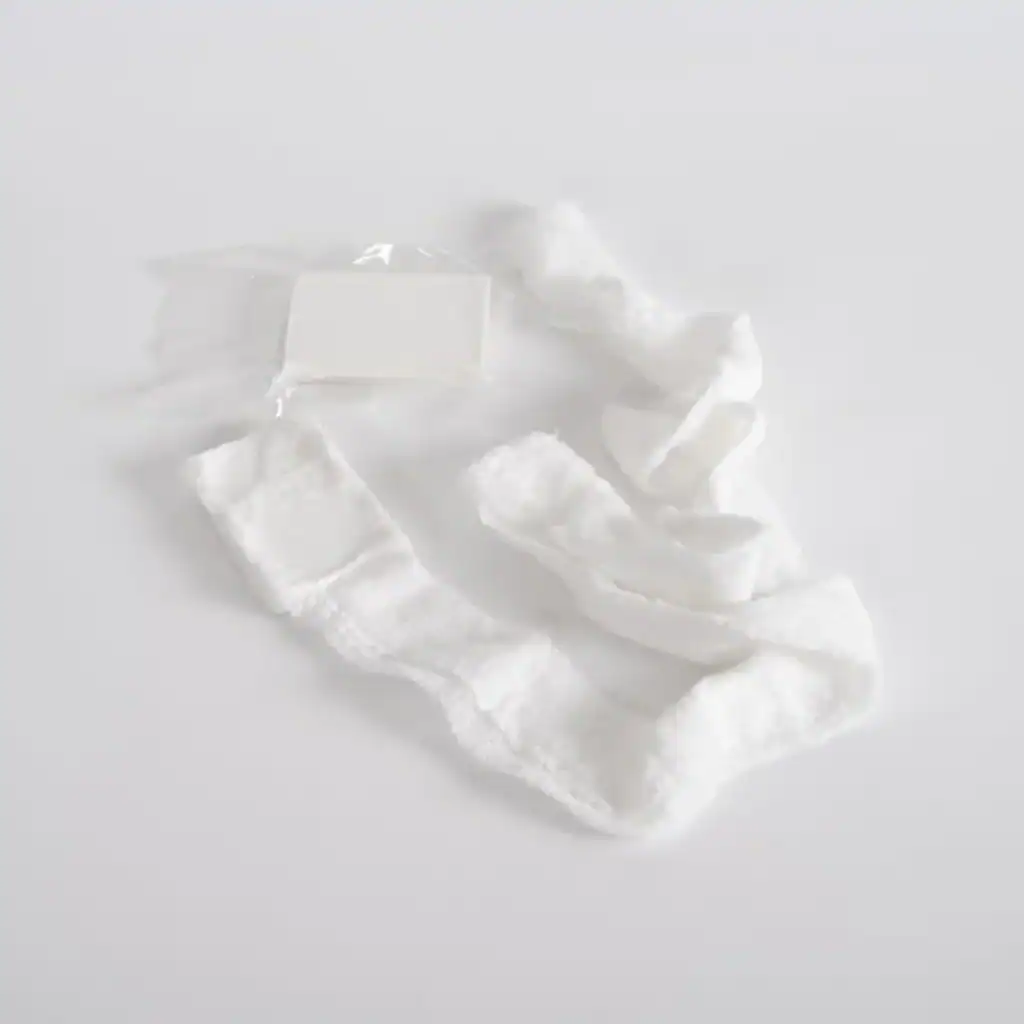
Dress wounds with organic cotton gauze, a natural and biodegradable alternative to synthetic materials.
This eco-friendly option is gentle on your skin and the environment.
- HOSPORA Cotton Sterile Gauze (organic cotton, gentle wound dressing)
2. Biodegradable Nitrile Gloves

Protect your hands and the planet with biodegradable nitrile gloves.
These eco-friendly gloves provide a safe and sustainable way to handle first aid situations without contributing to plastic waste.
- FifthPulse Biodegradable Disposable Gloves (biodegradable nitrile gloves for safe first aid handling)
3. Eco-Friendly Tools

Stock your first aid kit with eco-friendly tools like bamboo tweezers and stainless steel scissors.
These durable and sustainable options are built to last, reducing the need for constant replacements and minimizing your environmental impact.
- YongBo Bamboo Tweezers (sustainable, eco-friendly tweezers for pulling splinters)
- Madison Supply Nurse Scissors (durable, eco-friendly way to cut gauze and bandages)
Customizing Your First Aid Kit by Activity
🏕️ Non-Toxic Outdoor Adventure Kit
- Bandages
- Antiseptics
- Pain relievers
- Any personal medications you might need
- Motion sickness remedies
- Antihistamines for unexpected allergies
- Blister treatments
- Insect repellent
- Sunscreen
- A snake bite kit if venturing into snake territory
- Consider adding a compact guide to wilderness first aid for quick reference
🚗 Non-Toxic Car Emergency Kit
In addition to a basic first aid kit, your car emergency kit should include items like:
- A flashlight
- Extra batteries
- A reflective triangle
- An emergency whistle to signal for help
- A wool blanket
- Bottled water
- Non-perishable snacks in case you’re stranded for an extended period
For Wintertime:
For Summertime:
- Extra water
- Electrolyte tablets
- Handheld fan
👶 Non-Toxic First Aid Kit For Kids
When assembling a first aid kit for children, include items like
- Fun, kid-friendly bandages
- A toy or stuffed animal for comfort
- Age-appropriate doses of medications
- A list of emergency contacts and any specific instructions for your child’s care
If your kiddo has a specific health condition, make sure to include any necessary medications, supplies, or equipment in your first aid kit.
For example, if you have diabetes, pack extra glucose tablets, a blood sugar monitor, and insulin (if prescribed).
If they have severe allergies, include an EpiPen and antihistamines.
Keeping Your First Aid Kit Organized
- Upcycled Containers: Repurpose old containers like metal tins, glass jars, or cloth pouches to store your first aid supplies. Not only does this reduce waste, but it also adds a unique, eco-friendly touch to your kit. Make sure to clean and sanitize any upcycled containers before use.
- Clear Labeling: Use a label maker or write clearly on masking tape to label each section of your first aid kit. This will help you quickly find what you need in an emergency situation. Consider color-coding your labels for even faster identification.
- Modular Organization: Divide your supplies into smaller, modular containers within your main first aid kit. Use small bags, pouches, or containers to group similar items together, such as wound care supplies or medications. This modular approach makes it easy to grab what you need without digging through the entire kit.
- Regular Inventory Checks: Make a habit of checking your first aid kit regularly to ensure all supplies are in good condition and haven’t expired. Replace any used or expired items promptly to keep your kit fully stocked and ready for use.
🚑 When to Seek Professional Medical Help
While a well-stocked, non-toxic first aid kit can be a valuable tool for addressing minor injuries and illnesses, it’s crucial to recognize the limitations of natural remedies and know when to seek professional medical help.
In some situations, attempting to treat a condition on your own can lead to serious complications or even life-threatening consequences.
As a general rule, any injury or illness that is severe, persistent, or rapidly worsening should be evaluated by a healthcare professional.
This includes deep cuts that won’t stop bleeding, burns that blister or cover a large area of the body, suspected fractures or dislocations, and any head injury accompanied by loss of consciousness, confusion, or severe headache.
In addition, if you experience symptoms like difficulty breathing, chest pain, or sudden, severe abdominal pain, it’s essential to seek emergency medical attention immediately.
It’s also important to be aware of warning signs that indicate a seemingly minor condition may be more serious than it appears.
For example, a small cut that becomes red, swollen, and painful may be a sign of infection, while a persistent cough or fever that doesn’t respond to natural remedies may indicate a more severe underlying illness.
If you’re ever unsure whether a condition requires medical attention, it’s always better to err on the side of caution and consult with a healthcare provider.
That’s a Wrap—Heal Naturally, Live Consciously!
So now you know everything you need to build your very own non-toxic first aid kit!
I’ll admit, my family thought I was going a bit overboard when I tossed our perfectly good (but secretly toxic) first aid supplies into the recycling bin.
But the first time my husband used the arnica salve on a bruise and watched it disappear “like magic,” he became a convert!
Start small if you need to. Maybe swap out those plastic bandages for bamboo ones, or trade your petroleum jelly for some manuka honey. Every little change makes a difference!
Like It? Pin It!


Steal My Non-Toxic Cleaning Checklist!
Believe us, it’s the BEST…. and it’s free. Does it really get any better than that?! Sign up for our newsletter and get this free checklist to clean your home without any harmful chemicals!