 Shop My Favorite Non-Toxic Gifts Of 2026!
SKL is reader supported. When you buy through links on our site, we may earn affiliate commission. Learn more here.
If you’re anything like me, you probably have a small collection of reusable water bottles scattered around your life.
There’s the sturdy stainless steel one in my gym bag, the sleek glass bottle that travels everywhere with me, and the insulated favorite that never leaves my desk while I work.
But here’s the thing: not all reusable water bottles are created equal.
While most of us switched to “reusable” for environmental reasons, I quickly learned that many popular bottles — especially those made with plastic — can still expose us to harmful chemicals like BPA, BPS, phthalates, and even heavy metals.
And as a mom of three, I can’t ignore what those hidden toxins mean for my family’s health. (It’s the same reason I dug deep into non-toxic baby bottles and safe kids’ lunch gear — because what touches our kids’ food and water matters most.)
Add to that the environmental nightmare of single-use plastic — 38 billion bottles ending up in U.S. landfills every year, breaking down into microplastics that seep into our soil, oceans, and food chain — and the urgency for truly safe, sustainable bottles becomes clear.
My 3 Top Picks for the Safest Non-Toxic Water Bottles
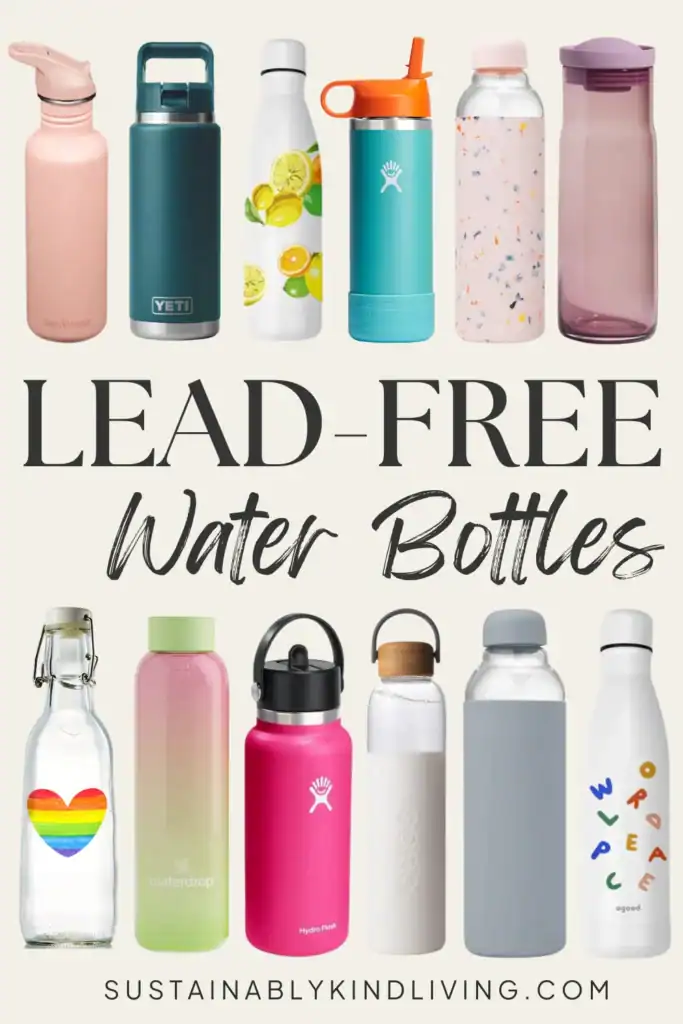
If you only want the very best of the best, these are the bottles I recommend most (and the ones readers buy again and again):
✔️ Hydro Flask (Best Insulated Option) – Lead-free since 2013, pro-grade stainless steel, keeps drinks cold for 24 hrs / hot for 12 hrs.
✔️ Klean Kanteen (Best Everyday Stainless Steel) – Climate-neutral B Corp, recycled 18/8 stainless steel, durable + minimal plastic.
✔️ Love Bottle (Best Glass Option) – U.S.-made recycled glass, dishwasher-safe, and decorated with safe lead-free inks.

The good news? There are incredible non-toxic options out there. From insulated stainless steel to endlessly recyclable glass, these bottles are durable, safe, and stylish enough to make hydration a daily ritual you’ll actually look forward to.
After hours of research (and plenty of testing in my own home), I’ve pulled together the best non-toxic reusable water bottles of 2026 — bottles I feel confident handing to my kids, tossing in my travel bag, or keeping at my side day after day.
(And if you’re on a full kitchen detox journey, you’ll also want to peek at our guides to non-toxic cookware and safe food storage containers — because it’s never just one product, it’s all the little daily choices that add up.)
Let’s dive into the safest options for your health and the planet.
What Is the Safest Material for Reusable Water Bottles?
When it comes to reusable water bottles, stainless steel is one of the safest and most reliable choices. Unlike plastic, which can leach chemicals like BPA, BPS, or phthalates when exposed to heat or wear, food-grade stainless steel is inert— meaning it won’t release harmful substances into your water.
It’s also incredibly durable. A well-made stainless steel bottle can withstand drops, daily use, and years of refills without cracking or breaking — making it both a health-conscious and eco-friendly investment.
Another bonus? Many stainless steel bottles are double-walled and insulated, keeping your water icy cold on hot summer days (or your tea steaming warm in winter) for hours on end.
For families like mine, that combination of safety, durability, and practicality is exactly what makes stainless steel one of the most trusted materials for everyday hydration.
What toxic chemicals are hiding in most water bottles?
Unfortunately, many water bottles on the market — especially those made with plastic — come with more than just hydration. Hidden inside their materials are chemicals that can quietly leach into your drink, especially when bottles are heated, scratched, or reused over time. Here are the biggest culprits to watch out for:
Bisphenol A (BPA)
BPA is a synthetic chemical once widely used in polycarbonate plastics. The problem? BPA is an endocrine disruptor, meaning it can interfere with hormone function, fertility, and even child development. It leaches most easily when bottles are exposed to heat, sunlight, or acidic drinks (think lemon water).
Also, if you think BPA free is safe – its sister BPS is even worse. We did a full deep dive into the BPA & BPS confusion and were shocked by what we found out.
Phthalates
Phthalates are added to plastics to make them flexible — but they don’t stay put. They can migrate into your water, especially with heat or long-term use. Like BPA, many phthalates are linked to hormone disruption and potential reproductive harm.
Antimony
Antimony is a toxic metalloid that shows up in PET (polyethylene terephthalate) bottles. Studies have found it in nearly every plastic water bottle tested — and long-term exposure has been linked to cancer and organ damage.
Polyvinyl Chloride (PVC)
PVC is less common in bottles today, but it’s worth calling out. It often contains phthalates and other additives, making it one of the more toxic plastics overall.
Polycarbonate
Many older reusable bottles were made from polycarbonate plastic, which can release BPA — especially under heat or wear. Even though some are now marketed as “BPA-free,” that usually means the BPA was swapped for another bisphenol (like BPS or BPF) that isn’t any safer.
👉 The Bottom Line: Plastics, even “BPA-free” ones, are not a risk worth taking. The safest choices for your health (and the planet) are stainless steel and borosilicate glass bottles — both non-toxic, durable, and endlessly reusable.
If you’re beginning a full kitchen detox, you may also want to check out our guides to non-toxic food storage containers and PFAS-free cookware, since water bottles are just one piece of the daily toxin puzzle.
The Best Non-Toxic Reusable Water Bottles In 2026
1. Klean Kanteen

Did you know that Klean Kanteen was the first-ever brand to create reusable water bottles?
Yes, this climate-neutral B Corp is the reason why stainless steel water bottles are the new norm and a prominent part of our sustainable lifestyle.
From the best-insulated water bottles in a slew of colors to tumblers and thermoses, this brand offers us a way to keep our beverages cold for up to 135 hours and hot for up to 38 hours — now that’s impressive.
Price: From $19.95+ for the 27 oz Water Bottle
Materials: 90% post-consumer recycled 18/8 stainless steel | BPA-Free
Location/Shipping: United States
2. Hydro Flask

From reusable water bottles with straws to classic reusable water bottles made of stainless steel, Hydro Flask has all our H2O needs covered.
You can opt for standard mouth sizes, which are wide enough to add ice cubes, and wide mouths, as well as many kids’ options!
These insulated water bottles are packed with TempShield™, which keeps our beverages cold for up to 24 hours and hot for up to 12 hours.
Price: From $24.98+ for the 32 oz Water Bottle
Materials: 18/8 pro-grade stainless steel
Location/Shipping: United States
3. A Good Company
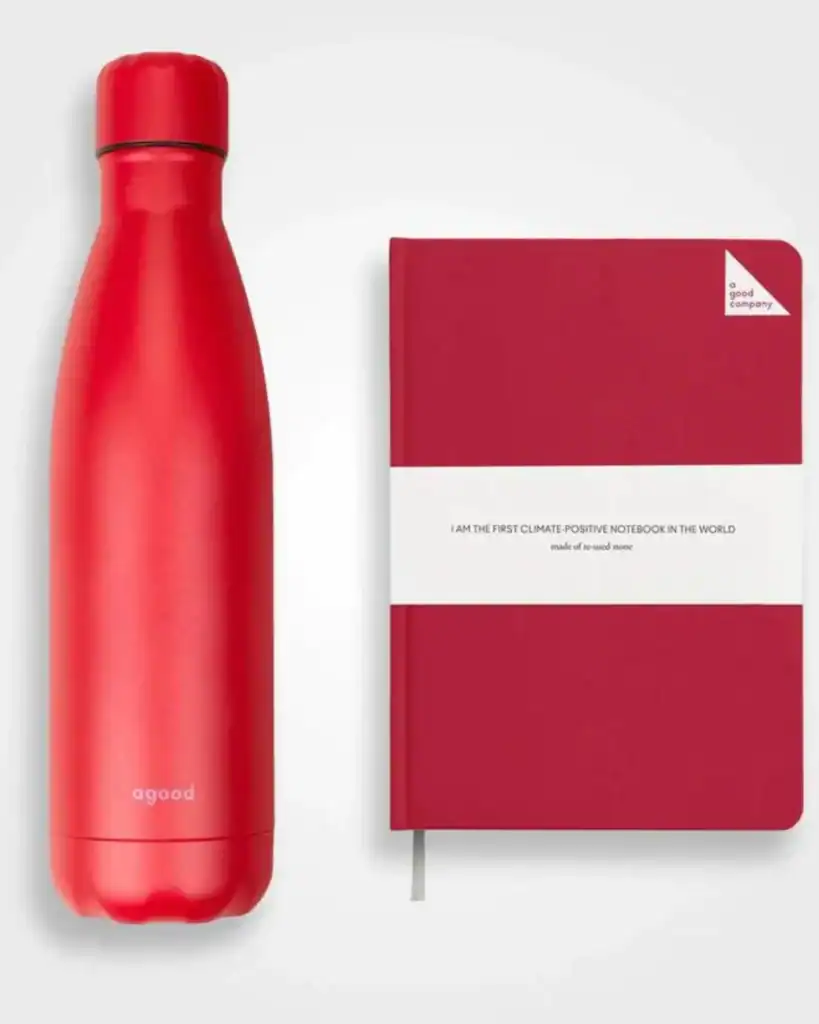
A Good Company is the virtual home of some of the best eco-friendly water bottles crafted from recycled steel.
Sure, their super sleek design and array of colors are a bonus, but the real amazement comes from their ability to keep our beverages cold for 48 hours and piping hot for 20 hours.
On top of that, for every order, the brand donates 4% to A Good Foundation.
Price: From €30.00 for the 500 ml Water Bottle
Material: 304 recycled stainless steel
Location/Shipping: Sweden, ships worldwide
4. Love Bottle
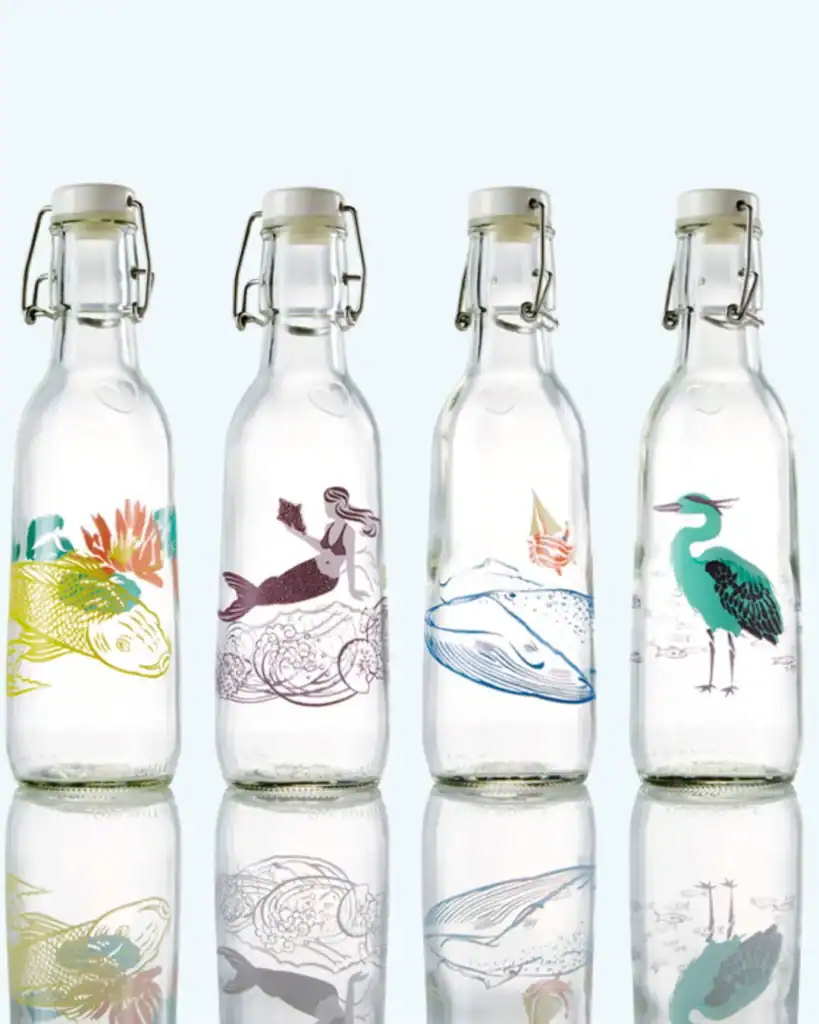
When it comes to the best eco-friendly glass water bottles, Love Bottle reigns supreme.
The Certified B Corp manufactures their 16.9 oz reusable glass water bottle in the US with dishwasher-safe, scratch-resistant, lead-free inks and glass.
Plus, every product is drenched in messages of love and positivity.
The end goal? To bring love to you and the planet.
Price: From $20 for the “Clearly Love”
Material: 40% recycled glass | Ceramic
Location/Shipping: United States
5. Waterdrop
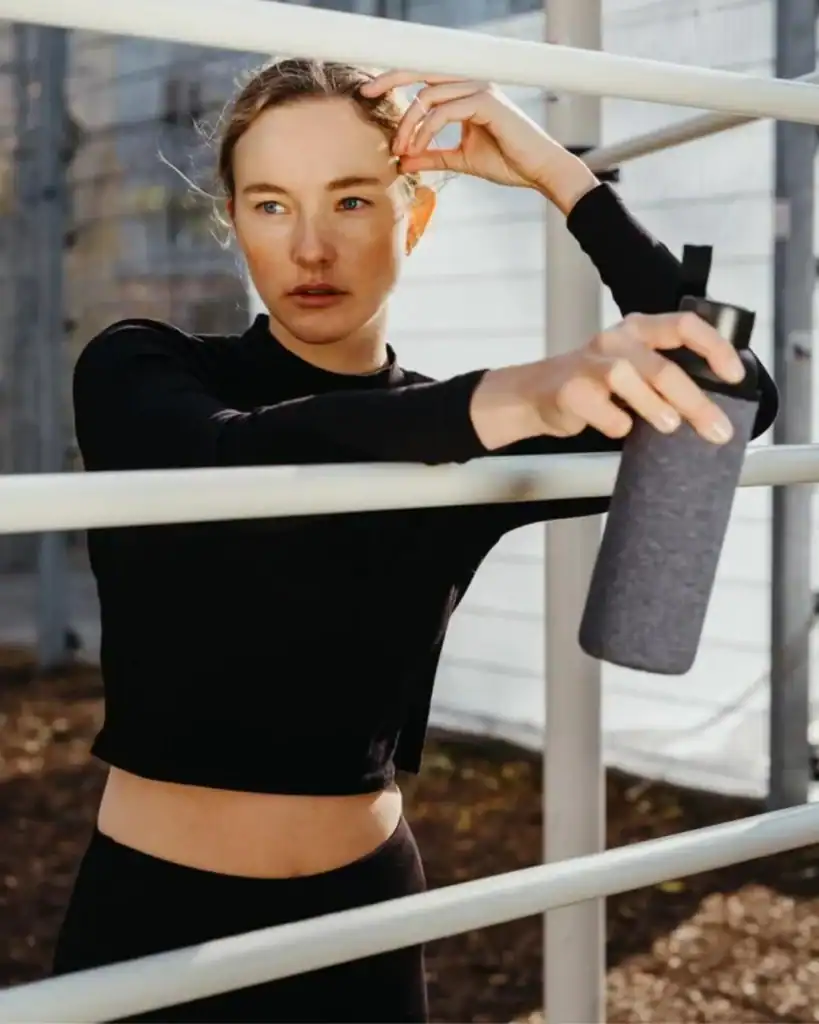
For the best reusable water bottle for every aesthetic, look no further than Waterdrop.
The stylish and durable borosilicate glass bottles are odorless, BPA-Free, and proudly manufactured in Europe, adhering to the strictest quality standards.
We absolutely love the square-shaped design, which ensures a secure and comfortable grip, enhancing your overall drinking experience.
Plus, you can choose from an array of colors and prints to match your own style. So cute!
Price: From $30+ for the 20 oz Water Bottle
Material: Borosilicate Glass | BPA-Free
Location/Shipping: Europe, ships worldwide
6. Yeti

Yeti’s reusable water bottles made of stainless steel are not only extremely practical, thanks to their ideally-sized cups, but also dishwasher safe and utterly stylish.
The no Sweat™ exterior will keep your beverages sweat-free.
On top of that, they carry an array of bold, uplifting colors, whether you decide to opt for the 12, 16, 26, 36, 46, or 64 ounces.
Price: From $30 for the 18 oz Water Bottle
Materials: Kitchen-grade stainless steel | BPA-Free
Location/Shipping: United States
The Different Types Of Reusable Water Bottles To Consider:
Reusable water bottles come in a variety of styles, each catering to different preferences and needs.
Stainless Steel Water Bottles
Stainless steel bottles are known for their durability and insulation properties. Crafted from stainless steel, they often feature vacuum insulation to keep beverages hot or cold, and they come in various sizes and designs.
Reusable Glass Water Bottles
Made from glass, these bottles provide a clean and non-reactive surface for your beverages. Often encased in protective silicone sleeves for added durability, glass bottles are suitable for both hot and cold beverages.
Their transparent nature allows you to easily monitor the liquid inside and ensures that no residual flavors are retained, providing a pure drinking experience.
Hydration Tracker Water Bottles
These bottles can be made from various materials. They are equipped with time or volume markings to help users track their daily water intake.
The clear markings serve as a reminder to stay hydrated, making them an excellent choice for those who need a little extra motivation to drink enough water throughout the day.
Smart Water Bottles
Smart bottles, crafted from various materials, integrate technology into the hydration experience. They can feature hydration reminders, notifying users when it’s time to drink water.
Some models include temperature monitoring to ensure your drink stays at the desired temperature. Others may offer Bluetooth connectivity, allowing you to sync your bottle with a mobile app for personalized hydration tracking.
Collapsible Water Bottles
Collapsible bottles are designed with flexible materials like silicone or collapsible plastics. Compact and space-saving, these bottles are ideal for travelers or those with limited bag space.
Infuser Water Bottles
Crafted from various materials, including plastic, glass, or stainless steel, infuser bottles are designed with a specific feature that sets them apart.
These reusable water bottles come equipped with a compartment intended for infusing fruits, herbs, or tea into the water.
This unique feature allows users to enhance the flavor of their beverages naturally, offering a refreshing and personalized twist to their hydration experience.
Wide-Mouth Water Bottles
Wide-mouth bottles, available in various materials, have a wide opening for easy filling, cleaning, and the addition of ice cubes.
Reusable Water Bottles With Straws
Straw bottles come with a built-in or removable straw, offering convenient sipping and making them popular for those on the go or during workouts.
What kind of reusable water bottle is best?
The best kind is insulated water bottles, as well as most kitchen-grade stainless steel options.
First, insulated bottles are fantastic at keeping your beverages cold and warm for many hours.
Basically, they can keep the temperature contained, which is useful no matter the season. Additionally, they are dishwasher-safe and very easy to clean.
On top of that, insulated reusable water bottles made of stainless steel are surprisingly affordable!
What is the most sustainable, reusable water bottle?
The most sustainable reusable water bottle is one made from recycled materials, stainless steel, or glass.
Most eco-conscious folks swear by the best eco-friendly glass water bottles because they are infinitely recyclable, reusable, and extremely easy to clean.
Furthermore, glass bottles are known for preserving minerals. Rest assured that your glass water bottles are better for your health and the environment.
How often should I wash my reusable water bottle?
It’s recommended to wash your reusable water bottle regularly, ideally after each use. Regular cleaning helps prevent the growth of bacteria, mold, and other contaminants, ensuring that your bottle stays safe for use.
What is the best way to clean reusable water bottles?
- Empty & Disassemble: Empty any remaining liquid from the bottle. If your bottle has multiple parts, such as a lid, straw, or gasket, disassemble them for thorough cleaning.
- Rinse Immediately: Rinse the bottle and its parts with warm water as soon as possible after use to help prevent odors and stains from setting in.
- Use Dish Soap: Add a small amount of dish soap or mild detergent into the bottle. Add warm water and use a bottle brush or long-handled sponge to scrub the interior thoroughly, paying attention to the bottom and sides.
- Clean The Lid and Straw: Scrub the lid, cap, and any other parts separately. If your bottle has a straw, use a small brush or toothbrush to clean inside the straw.
- Optional Deep Cleaning: For periodic deep cleaning, you can use baking soda or white vinegar. Fill the bottle halfway with warm water, add a tablespoon of baking soda or white vinegar, and let it sit for an hour before scrubbing and rinsing thoroughly.
- Rinse Well: Rinse the bottle and all parts with warm water to remove any soap, detergent, or cleaning solution residue.
- Air Dry: Allow the bottle and its parts to air dry completely with the lid off. This helps prevent the growth of mold or mildew.
Safe drinking starts here!
At the end of the day, no water bottle is “perfect.” Even the best brands may rely on a silicone gasket or lid to prevent leaks. But by choosing stainless steel and borosilicate glass bottles from trusted makers, you’re avoiding the worst offenders — BPA, phthalates, PFAS, and other hidden toxins.
For my family, that’s what matters most. I want bottles I can hand to my kids without worrying what’s leaching into their water at soccer practice, just like I want my slow cooker or air fryer to be free from toxic coatings when I cook dinner. These little swaps really add up.
So whether you’re sipping from a glass bottle at your desk, keeping hydrated on a flight, or filling your child’s non-toxic water bottle for school, these safer choices will support your health and lighten your footprint.
And if you’re ready for more toxin-free upgrades, don’t miss our guides to PFAS-free cookware, mattresses, and coffee makers — because once you see the hidden risks in water bottles, you’ll never look at other daily-use items the same way again.
💧 You Might Also Love…
If you’re exploring safer swaps beyond water bottles, these guides are a natural next step:
- 🍼 Keep the little ones safe with the best non-toxic baby bottles — free from hidden plastics and toxins.
- 👕 Toxins sneak into closets too — here are the best non-toxic leggings I tested for daily wear.
- 💄 Curious about hidden chemicals in beauty? Check out the best non-toxic skincare brands.
- 🛋 For a toxin-free home, discover the safest non-toxic couches worth investing in.
- 🚰 Go deeper on hydration with the safest full-house water filters.
- 🎒 And for families, don’t miss our roundup of non-toxic school supplies — because kids deserve safer basics too.
📌 Save This Water Bottle Guide!
Pin this guide to your Non-Toxic Living or Sustainable Kitchen board so you’ll always have it handy when you’re ready to upgrade your hydration game. 💧✨
Sources & Further Reading
- EFSA (2023) – Re-evaluation of BPA Safety — Reduced the tolerable daily intake (TDI) of BPA by 20,000× due to stronger evidence of endocrine disruption.
- Food Packaging Forum – Bisphenols Overview — Clear breakdown of BPA, BPS, and BPF and why “BPA-free” doesn’t mean safe.
- World Health Organization (2019) – Microplastics in Drinking Water — Comprehensive report on microplastic exposure, health risks, and research gaps.
- Ecology Center (2022) – PET Plastic Report — Found antimony, a carcinogenic metalloid, in all tested PET plastic water bottles.
- AZoM – Food-Grade Stainless Steel Explained — Technical overview of 304 vs. 316 stainless steel and their safety for food contact.
- EPA – PFAS Fact Sheet — U.S. guidance on PFAS, including phase-out of PFOA/PFOS and their classification as hazardous contaminants.
- Toxic Free Choice – BPA & BPS Alternatives Guide — Our deep dive into the dangers of BPA-free plastics and what safe alternatives to actually trust.

Steal My Non-Toxic Cleaning Checklist!
Believe us, it’s the BEST…. and it’s free. Does it really get any better than that?! Sign up for our newsletter and get this free checklist to clean your home without any harmful chemicals!