 Shop My Favorite Non-Toxic Gifts Of 2026!
SKL is reader supported. When you buy through links on our site, we may earn affiliate commission. Learn more here.
If you’re looking for non-toxic leggings or PFAS-free yoga pants that are actually safe to wear (not just marketed that way), you’ve probably already hit the same wall I did.
The second you start reading labels, you realize most leggings are made with synthetic fabrics, chemical treatments, and dyes that brands don’t disclose.
This is especially true in “performance” or activewear lines, where moisture-wicking and stretch finishes often mean PFAS, formaldehyde-based resins, or antimicrobial treatments hiding behind vague marketing language.
My Top Non-Toxic Legging Picks
- Best Budget-Friendly Organic Leggings: Pact
- Best For Sensitive & Allergy-Prone Skin: Cottonique
- Best Non-Toxic Workout Leggings: Tripulse
- Best Everyday Lounge & Lifestyle Leggings: Mate The Label
- Best Classic, No-Frills Organic Cotton Legging: Maggie’s Organics
Leggings are one of the most worn pieces in your closet. That makes them one of the easiest ways to rack up daily exposure to skin irritants, hormone-disrupting chemicals, and dye residue, since you’re wearing them against your skin for hours at a time.
I’ve tested and reviewed every brand in this guide myself.
Through years of workouts, postpartum recovery, and everyday life chasing three kids around, I’ve worn these leggings in real conditions, not just tried them on for a photo.
I’ve also spent that same stretch of time digging into fabric certifications, contacting brands directly, and learning exactly how loosely “clean” and “sustainable” get used in this industry.
So this isn’t a roundup of what’s trending. It’s a breakdown of the non-toxic leggings I actually trust, based on the materials, the certifications behind them, and how they hold up when I put them through real life.
Why Choosing Non-Toxic Leggings Matters
The biggest issue with leggings isn’t just the materials. It’s how little transparency brands actually give you around them.
Terms like “moisture-wicking” or “performance fabric” sound harmless on a label, but in my testing, they usually signal one of three things: PFAS (per- and polyfluoroalkyl substances), synthetic blends like polyester or nylon, or chemical finishes that never make it onto the tag.
Sustainability claims don’t fix this either. I’ve pulled plenty of leggings marketed as “eco-friendly” that were still made from synthetic fibers or treated with dyes and finishes that don’t come close to meeting non-toxic standards. Eco-friendly and non-toxic are not the same claim, even though brands love to blur the two.
This is where materials like organic cottonand TENCEL™ actually earn their spot instead.
Because leggings are something most of us wear on repeat, for workouts, travel, lounging, and everyday life, they’re not an occasional exposure. They’re a constant one. That’s why knowing what’s actually in them matters more than most people realize.
Toxic Chemicals To Avoid in Leggings
Not all leggings are created equal. After testing dozens of pairs across nearly every major activewear brand, I’ve found that a surprising number still rely on materials and chemical treatments that don’t come close to meeting non-toxic standards.
Here are the main ones I check for before any pair makes it into one of my guides:
PFAS (Per- and Polyfluoroalkyl Substances)
Often used to create moisture-wicking, stain-resistant, or water-repellent fabrics, PFAS are known as “forever chemicals” because they don’t break down in the body or the environment.
In my testing, these show up most often in performance leggings and activewear marketed for sweat-heavy workouts.
Synthetic Fabrics (Polyester & Nylon)
Most conventional leggings are made from polyester or nylon, both petroleum-based materials.
I’ve noticed these fabrics run less breathable on their own, and they’re frequently paired with chemical treatments and dyes that increase irritation, especially once you’re a mile into a workout and sweating.
Toxic Dyes & Heavy Metals
Dark dyes and heavily processed colors can carry trace amounts of heavy metals or chemical residues.
Brands rarely disclose this on the label, but I’ve found it’s a common contributor to skin irritation with repeated wear, particularly in black or navy leggings worn day after day.
Formaldehyde Finishes
Formaldehyde is sometimes used to create wrinkle-resistant or “smooth finish” fabrics.
It’s a known irritant linked to respiratory and skin reactions, especially with the kind of prolonged, sweaty contact leggings are built for.
Phthalates
Used to increase flexibility in synthetic materials, phthalates have been associated with hormone disruption and show up most often in printed designs or heavily treated fabrics I’ve tested.
What Materials Are Actually Safe for Leggings?
When it comes to non-toxic leggings, the material matters more than anything else.
A brand can market itself as “sustainable” all day long, but the fabric itself can still be made from synthetic fibers or processed with chemical treatments that don’t align with low-tox standards. I’ve learned to check the materials first and the marketing second.
Here are the materials I look for, and the ones I steer clear of, after testing leggings across dozens of brands:
Organic Cotton (Best Overall)
Organic cotton is one of the safest and most reliable materials I’ve tested for leggings.
It’s grown without synthetic pesticides or fertilizers and is typically processed with fewer harmful chemicals, especially when it’s GOTS-certified. I look for that certification specifically, since “organic cotton” alone isn’t a regulated claim.
It’s also breathable, soft, and holds up well through everyday wear. This is always my first choice for non-toxic leggings, especially for sensitive skin, and it’s what I reach for personally more than any other fabric on this list.
TENCEL™ Lyocell (Best for Performance + Breathability)
TENCEL™ is a plant-based fiber made from wood pulp, usually eucalyptus.
It’s produced in a closed-loop system that reduces chemical waste, and it doesn’t require the same level of synthetic processing as polyester or nylon.
In my experience wearing it through workouts, it’s naturally breathable and manages moisture well without needing a chemical finish to do it. If you want performance without leaning hard on synthetics, this is one of the strongest alternatives I’ve found.
Safer Stretch Materials (Use in Small Amounts)
Most leggings need some stretch, but not all stretch fibers are created equal.
Elastane (spandex) is the most common option, and when it’s in a pair I recommend, I look for the lowest percentage possible. Some brands use alternatives like ROICA® V550, designed to be a more environmentally responsible option.
The goal isn’t to eliminate stretch completely. It’s to minimize it and choose better versions when they’re available.
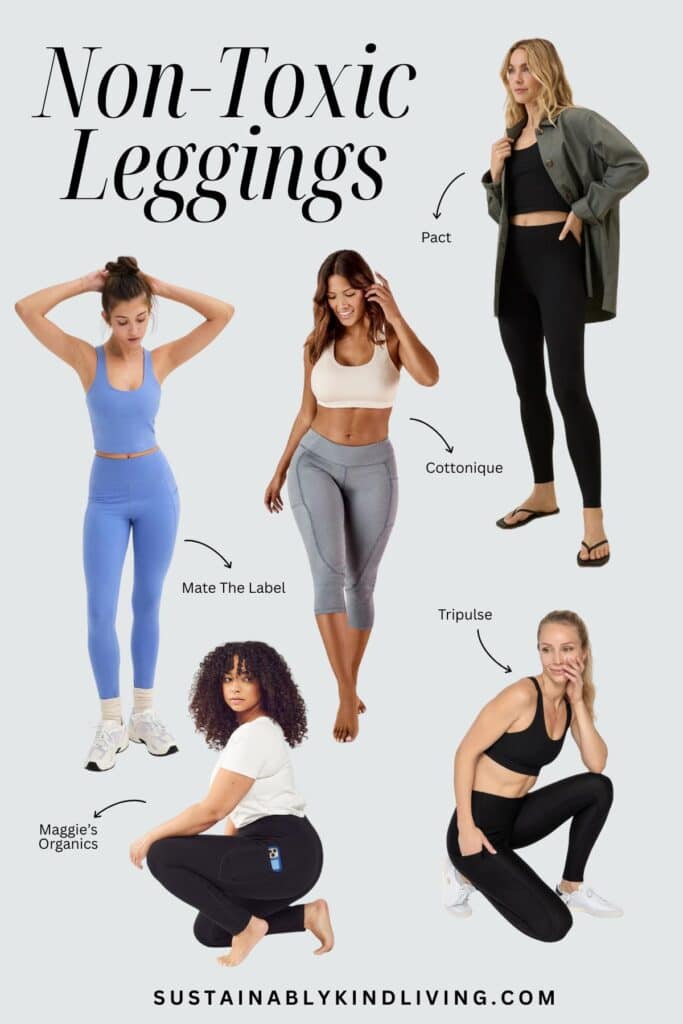
These are the non-toxic leggings I’ve personally tested, worn, and would put on my own body every single day without a second thought.
I ordered every pair on this list, checked the materials against my own standards, and wore each one through real conditions before deciding it belonged here. Each brand uses safer materials, avoids PFAS and unnecessary chemical treatments, and is transparent about how their leggings are actually made, which is rarer in this category than it should be.
No two options on this list are exactly the same. Some prioritize 100% organic cotton, while others balance performance with safer stretch materials. The goal was never perfection. It’s finding the pair that fits your lifestyle while still lowering your overall exposure.
The Best Non-Toxic & Organic Leggings
1. Pact | Best Budget Organic Cotton Leggings
Best For: Affordable, everyday organic leggings you can wear on repeat.
Use discount code SKL15 to save 15%!
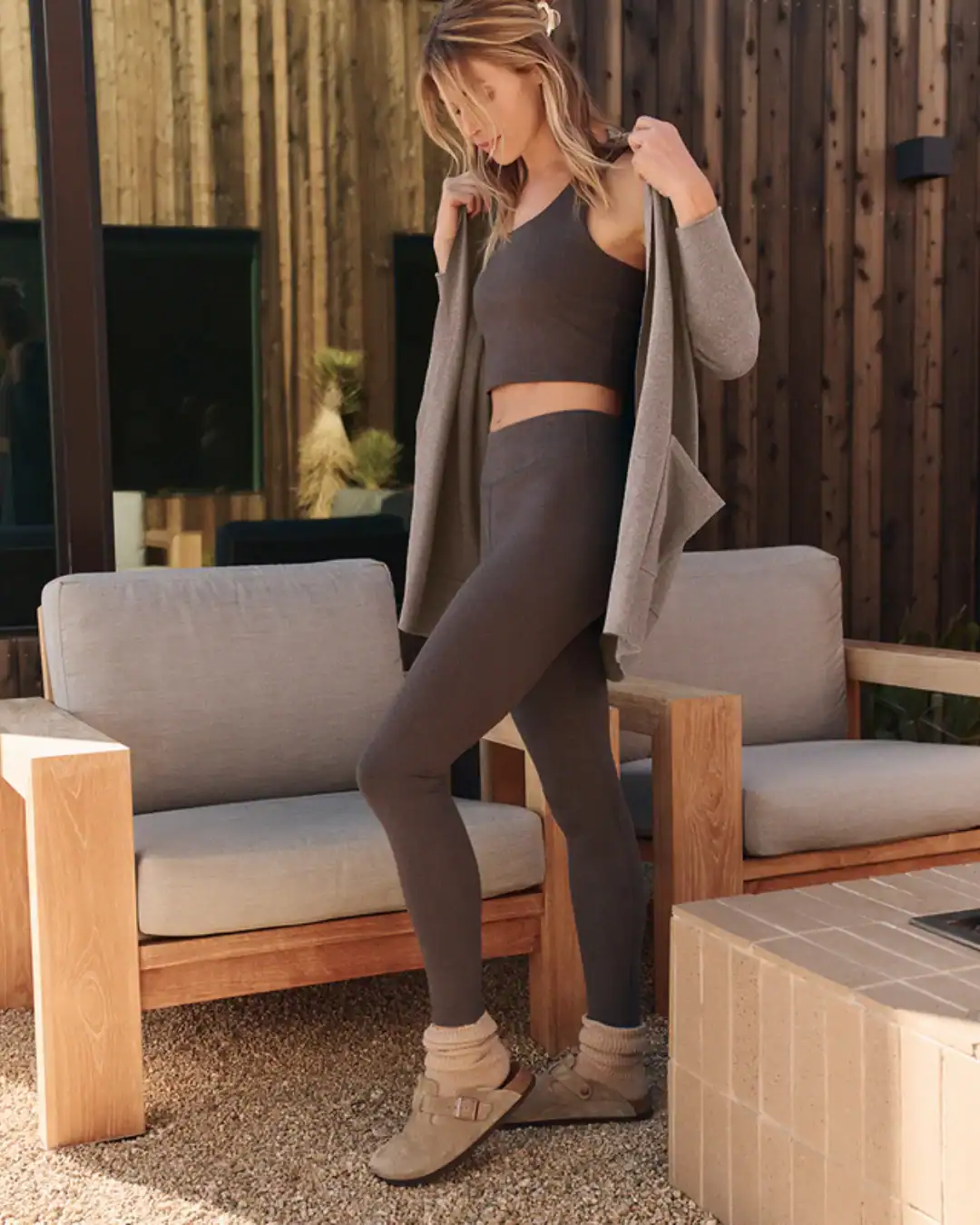
If you’re trying to switch to non-toxic leggings without overthinking it (or overspending), Pact is one of the easiest places to start.
I love these and wear them almost daily. They’re one of the few brands that consistently keeps prices low while still using certified organic materials, which is why they’ve earned a permanent spot in my own rotation.
These leggings are made with 90% GOTS-certified organic cotton, giving them a soft, breathable feel that holds up well for daily wear.
They’re lightweight, flexible, and easy to style, whether you’re at home, running errands, or layering in cooler weather.
They’re not built for intense workouts, but for everyday comfort and accessibility, they’re one of the most practical options on this list, and one I keep coming back to myself.
Price & Sizing
$28+ | XS-2XL
MATERIALS
90% GOTS-Certified Organic Cotton | 10% Elastane
Location/Shipping
United States | Ships Internationally
Our Favorites from Pact:


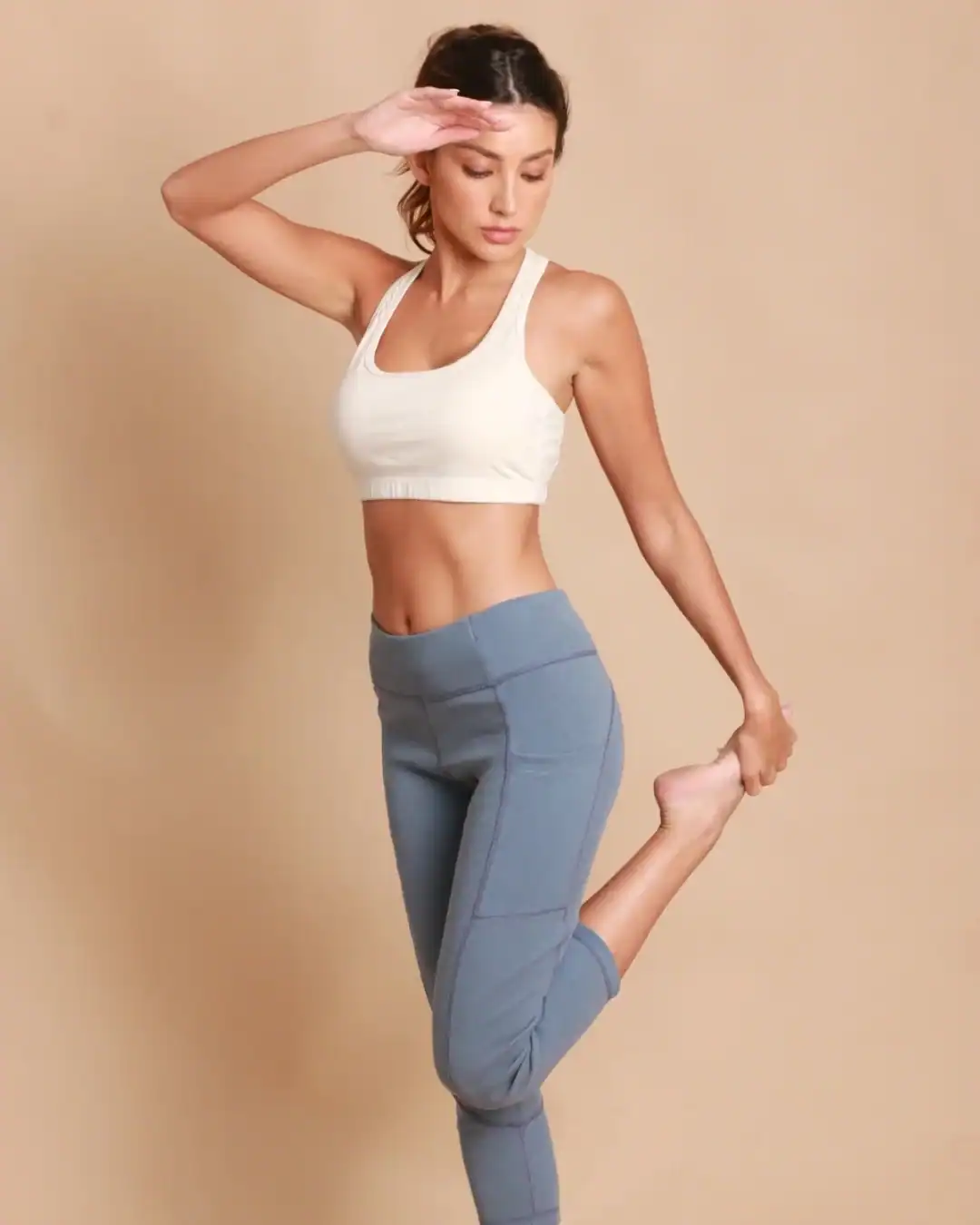
2. Cottonique | Best 100% Organic Cotton Leggings for Sensitive Skin
Best For: Eczema, allergies, and anyone avoiding all synthetic fibers.
Use discount code SKL10 to save 10%!
Cottonique takes a completely different approach by eliminating synthetic materials entirely.
These leggings are made from 100% organic cotton with no elastane, polyester, or blends, which is extremely rare in this category.
Even the waistband is designed with sensitive skin in mind, making them a strong option for eczema, MCS, or severe sensitivities.
I’ve worn these myself and they’re amazing, but there’s one thing worth knowing before you buy: with no spandex in the fabric, they run stiffer than a conventional legging.
They don’t have the same stretch or compression you’re used to, but that trade-off is exactly what makes them one of the cleanest, lowest-tox options available.
If you want the stretch of a typical legging, this isn’t it. If you want zero synthetic exposure, this is one of the best options out there.
Price & Sizing
$55 | 4-8
MATERIALS
100% GOTS-Certified Organic Cotton
Location/Shipping
United States | Ships Internationally
3. Mate The Label | Best Organic Cotton Lounge Leggings
Best For: Thicker, cozy leggings for lounging and everyday wear.
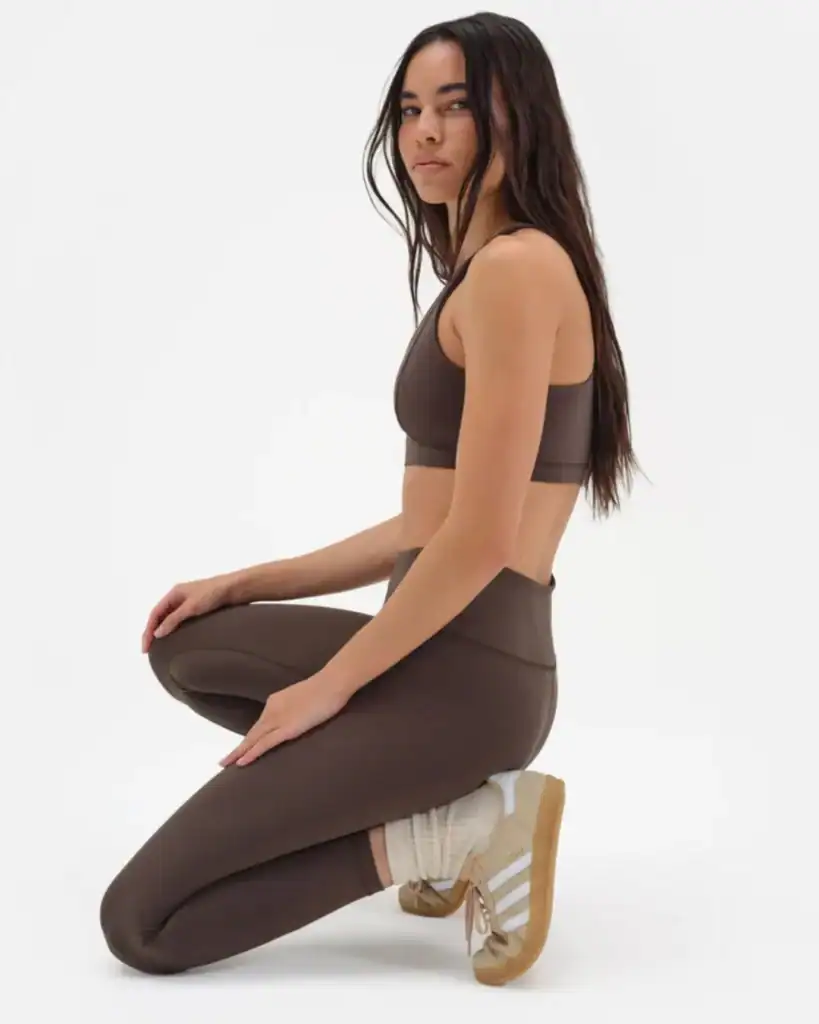
Mate The Label’s leggings are the kind you reach for when comfort is the priority.
I own these and they’re amazing. They feel like a genuinely high-end legging, the kind of quality you’d expect from a much pricier premium brand, and after months of wear they’re still holding up beautifully.
They have a thicker, more substantial feel than most organic cotton options, which makes them especially good for lounging or casual wear. Made with 92% GOTS-certified organic cotton and dyed using low-impact dyes, they strike a balance between softness and structure.
They’re not overly compressive, but they hold their shape well and feel durable over time in a way that’s rare for organic cotton leggings. If you want something that feels elevated but still relaxed, this is one of the most wearable, well-made options on this list.
Price
$88+ | XS-3XL
MATERIALS
92% GOTS-Certified Organic Cotton | 8% Spandex
location/shipping
United States | Ships Internationally
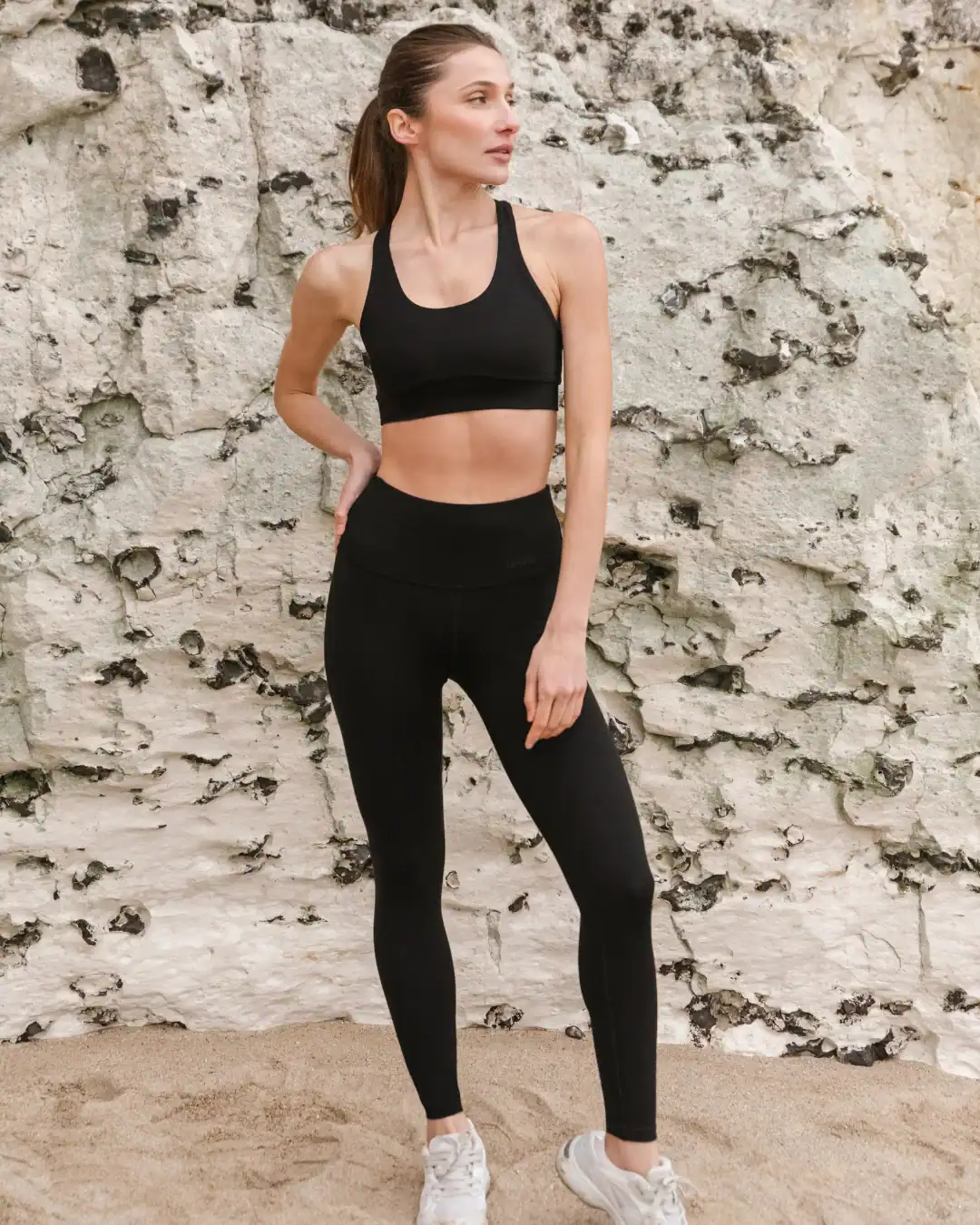
4. Tripulse | Best Non-Toxic Performance Leggings
Best For: Workouts and activewear with safer, lower-toxic materials
Use discount code 15SKL to save 15%!
Performance leggings are where things usually get complicated, but Tripulse is one of the few brands doing it differently.
Instead of relying on heavy synthetic blends, they use TENCEL™ Lyocell combined with ROICA® V550, a more eco-conscious elastane alternative. The result is a legging that’s breathable, flexible, and actually holds up during workouts.
This is one of my favorite brands for strength training. I’ve put these through squats, deadlifts, and everything in between, and they’re squat-proof, moisture-managing, and built for real movement without leaning on PFAS or unnecessary chemical treatments to get there.
If you’re active and still want to prioritize safer materials, this is one of the strongest options I’ve found.
Price & Sizing
$185+ | XXS-3XL
MATERIALS
86/84% TENCEL™ Lyocell | 16/14% ROICA® EF385/V550 (Eco-Friendly Version Of Elastane)
Location/Shipping
Sweden | Ships Worldwide
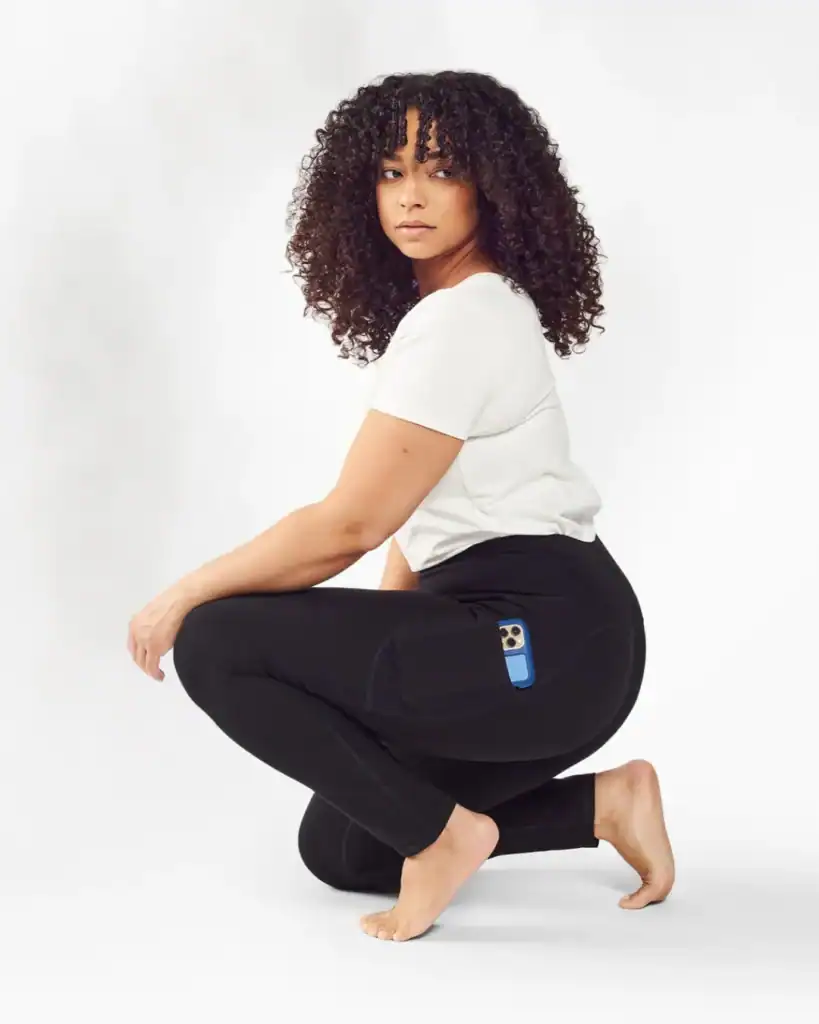
5. Maggie’s Organics | Best Classic Organic Cotton Leggings
Best For: Simple, traditional organic cotton leggings with a reliable fit.
Use discount code SKL10 to save 10%!
Maggie’s Organics keeps things simple in a way that feels refreshing. There’s no over-designing or unnecessary features, just straightforward organic cotton leggings that do exactly what you expect.
This is a solid, straightforward organic brand, and sometimes that’s exactly what you want. No gimmicks, no marketing spin, just a legging that delivers on the basics.
They use organic cotton with a small amount of stretch, giving them a more traditional legging feel compared to 100% cotton options. The fit is supportive without being restrictive, and there are multiple styles and lengths available.
If you’re looking for a dependable, no-frills option that still aligns with non-toxic values, this is a solid choice.
Price & Sizing
From $32+ | S-2XL
MATERIALS
Organic Cotton | Spandex
location/shipping
United States, ships worldwide
6. Organic Basics | Best Mid-Range Organic Leggings
Best For: A more polished, modern feel with organic materials.
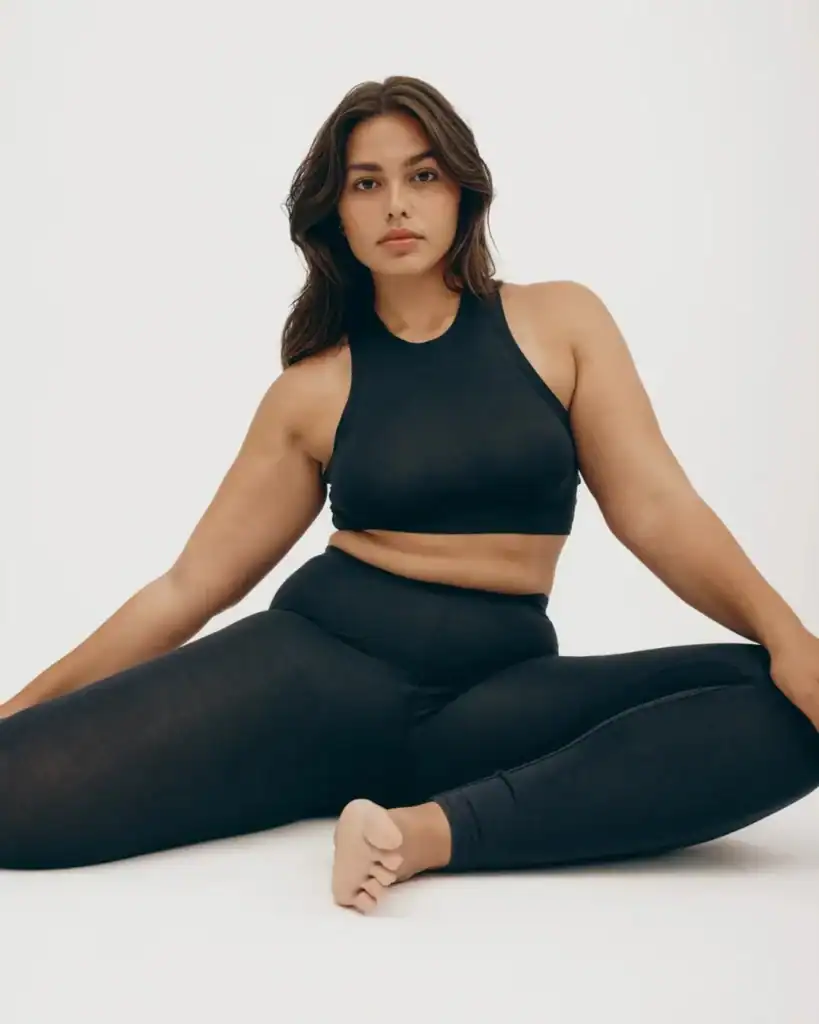
Organic Basics sits in that middle ground between casual and elevated. Their leggings feel more refined than typical basics, with a smoother finish and a slightly more structured fit.
Made with 95% organic cotton, they’re still rooted in safer materials, but with a design that feels more intentional and put-together than most everyday leggings.
They’re a good option if you want something that transitions easily from home to out-and-about without looking like you’re still in loungewear.
Organic Basics also places a strong emphasis on responsible production, which adds another layer of trust beyond just the materials themselves, something I always check before a brand makes it onto one of these lists.
Price & Sizing
$44 | XS-XXL
MATERIALS
95% Organic Cotton | 5% Elastane
location/shipping
Denmark, ships worldwide
How I Chose the Best Non-Toxic Leggings
I don’t rely on marketing claims to decide what goes in this guide. I ordered every pair myself, checked what’s actually in the fabric, and wore each one through real life before it earned a spot on this list.
Here’s what I prioritized when choosing the best brands:
Safer Materials First
I focused on leggings made with organic cotton, TENCEL™, or other lower-tox fabrics, and avoided any brand leaning heavily on polyester, nylon, or chemical-treated synthetics.
This is the same standard I hold for essentials like non-toxic underwear, where fabric safety matters just as much as comfort.
No PFAS or Chemical Finishes
Any brand using PFAS, stain-resistant coatings, or vague “performance treatment” language was cut before I even got to the wear test. Transparency here matters more than marketing, and I checked ingredient and fabric disclosures brand by brand rather than taking a label’s word for it.
Minimal Stretch, Safer Alternatives
Most leggings need some stretch. I looked for the lowest possible percentage of elastane in every pair, or safer alternatives like ROICA® V550 where a brand offered one.
Low-Impact Dyes & Processing
Dyes and finishing processes matter just as much as the fabric itself. I prioritized brands using low-impact dyes and gave preference to those that skip unnecessary chemical treatments during finishing.
Real-Life Wearability
If leggings aren’t comfortable, breathable, and durable, they won’t get worn, no matter how clean the fabric is. I personally tested every pair in this guide through workouts, daily wear, and postpartum recovery, so what made the list is proven practical, not just proven clean on paper.
Brand Transparency
I only included brands that are clear about their materials, sourcing, and production, and I reached out directly to several to confirm details that weren’t listed on their site.
If a brand wasn’t upfront about what’s actually in their leggings, it didn’t make the cut, the same bar I hold across all non-toxic fashion brands, not just activewear.
Why Most “Sustainable” Leggings Aren’t Actually Non-Toxic
One of the biggest misconceptions with leggings is that “sustainable” automatically means safe. In my years of testing brands in this category, I’ve found that’s often not true.
Many brands focus on environmental impact, like recycled materials or lower water use, which matters. But that doesn’t mean the fabric itself is non-toxic. Part of the problem is that terms like “sustainable” and “natural” have no legal definition.
Even the FTC’s own Green Guides decline to define “sustainable,” “natural,” and “organic,” since these terms can mean different things to different consumers.
Recycled polyester (rPET) shows how murky this gets. It’s a common choice in “eco-friendly” leggings, and while it cuts down on plastic waste, it’s still a synthetic material underneath the marketing.
Once recycled polyester becomes fabric, it’s typically blended with other fibers, dyed, and treated with chemical finishes, the same steps virgin polyester goes through. Starting from bottle waste doesn’t automatically make the finished textile safer.
The same goes for “moisture-wicking,” “odor-resistant,” or “performance fabric.” These features often rely on chemical treatments, including PFAS, that brands rarely disclose on product pages. I’ve checked enough of these myself to know that’s the exception, not the rule.
Words like “clean,” “green,” or “natural” don’t have strict definitions in fashion either. Unlike terms such as “compostable,” “recyclable,” and “non-toxic,” which have specific meanings under FTC guidelines, “green” and “planet-friendly” have no universally accepted definition. A brand can use all of these words while still relying on synthetic blends or undisclosed finishes.
That’s why I don’t rely on front-label claims. Every brand in this guide, I checked:
- the actual materials used
- whether PFAS or chemical treatments are involved
- how transparent the brand is about production
Because when it comes to something worn this often, this close to your skin, those details matter more than the marketing.
Certifications To Look For In Activewear
Certifications can be helpful, but only if you know what they actually mean. Here are the ones I look for when evaluating non-toxic leggings:
GOTS (Global Organic Textile Standard)
GOTS-certified fabrics must meet strict requirements for organic fiber content, chemical processing, and environmental impact across the entire supply chain, from fiber processing all the way to the finished product.
It also includes social criteria like fair labor practices. If a product is GOTS-certified, it’s one of the strongest indicators of safer material processing available.
OEKO-TEX® Standard 100
This certification tests finished fabrics for harmful substances, with stricter limits the more intensive the skin contact and the more sensitive the intended wearer.
It doesn’t mean the material is organic, but it does mean the final product has been screened for specific chemicals that could harm human health.
Bluesign®
Bluesign focuses on the entire production process, including chemical inputs, water use, energy consumption, and worker safety, rather than only testing the finished product.
It’s commonly seen in performance fabrics and is a good sign that a brand is managing harmful inputs upstream, even if the material itself is synthetic.
Fair Trade Certified
While not directly related to chemical safety, Fair Trade certification verifies fair wages, safe working conditions, and improved conditions for the people making the garment.
It’s a good additional signal when evaluating a brand’s overall practices, not a substitute for checking the materials themselves.
Popular Legging Brands That Didn’t Make the Cut
There are a lot of well-known leggings brands that dominate the activewear space, but when you look closely at the materials, they don’t meet non-toxic standards.
Here are a few you’ll see often, and why they didn’t make this list:
Lululemon
Most Lululemon leggings are made from nylon and polyester blends with added chemical treatments for stretch, sweat-wicking, and durability.
Independent lab testing has actually detected organic fluorine, an indicator of PFAS, in Lululemon leggings, and the brand’s own public commitments only restrict specific PFAS compounds (PFOA and PFOS) rather than PFAS as a class. They’re built for performance, but not with material safety or transparency in mind.
Athleta
Athleta markets itself as a more sustainable option, but most of their leggings still rely heavily on synthetic fabrics like polyester and nylon. The same independent testing that flagged Lululemon also found detectable fluorine in Athleta products.
In this case, “sustainable” refers more to sourcing than to the actual safety of the materials used.
Girlfriend Collective
Girlfriend Collective uses recycled materials, but their leggings are still made from 79% recycled polyester and 21% spandex, both synthetic, petroleum-derived fibers.
While that reduces waste, it doesn’t change the fact that you’re still wearing synthetic material, and recycled content doesn’t automatically mean a fabric belongs in a non-toxic category.
Nike & Adidas
These brands prioritize performance and innovation, but their leggings are almost entirely synthetic. The Center for Environmental Health found BPA levels in Nike and Adidas activewear at more than 40 times California’s legal limit, prompting legal notices against both brands.
There are absolutely ways to find leggings that balance performance with safer, lower-toxic materials, which is exactly what this guide focuses on. But these brands don’t meet the standard for ingredient transparency, material safety, or chemical avoidance that I look for here.
💬 FAQs About Non-Toxic & Organic Leggings
Some leggings can be toxic to wear, especially if they’re made with synthetic fabrics like polyester or nylon and treated with PFAS, dyes, or chemical finishes.
These substances can sit directly against your skin for hours, increasing exposure to potential irritants and hormone-disrupting chemicals.
Yes, many conventional leggings contain PFAS (per- and polyfluoroalkyl substances), especially those labeled as moisture-wicking, stain-resistant, or water-repellent.
These “forever chemicals” are often used in performance fabrics and are not always clearly disclosed.
The safest materials for leggings are organic cotton and TENCEL™ Lyocell.
These fabrics are typically processed with fewer harmful chemicals and don’t rely on synthetic coatings or PFAS to perform, making them a better option for sensitive skin and daily wear.
Yes, organic cotton leggings are generally better for your health because they are grown and processed without synthetic pesticides, harsh chemicals, or toxic dyes.
This reduces your overall exposure to irritants and makes them a safer choice for long-term wear.
Polyester leggings aren’t inherently dangerous, but they are petroleum-based and often treated with dyes and chemical finishes that may irritate the skin or increase chemical exposure.
They’re also less breathable, especially during workouts.
PFAS-free leggings are made without per- and polyfluoroalkyl substances, chemicals commonly used for water resistance and stain protection.
Choosing PFAS-free options helps reduce exposure to these persistent chemicals, which can build up in the body over time.
Yes, leggings can cause skin irritation, especially if they contain synthetic fabrics, chemical dyes, or finishes. This is more common during sweating or prolonged wear.
Switching to organic or low-toxic materials can help reduce irritation.
Look for certifications like GOTS (for organic textiles), OEKO-TEX® Standard 100 (tested for harmful substances), and Bluesign® (safer chemical processing).
These help verify that the materials and production methods meet higher safety standards.
Not always. Moisture-wicking leggings are often made from synthetic materials and may include chemical treatments like PFAS.
While they improve performance, they don’t always align with non-toxic or low-tox standards.
Yes, there are non-toxic workout leggings made with safer materials like TENCEL™ and low-impact stretch fibers.
These options are designed to perform well without relying on PFAS or heavy synthetic blends.
Recycled leggings made from rPET are better for reducing plastic waste, but they are still synthetic and may contain dyes or chemical treatments.
They are more sustainable, but not necessarily non-toxic.
Check the materials and look for transparency. Prioritize organic cotton, TENCEL™, and certifications like GOTS or OEKO-TEX®.
Be cautious of vague terms like “performance fabric” or “sustainable” without clear material details.
Still Not Sure Which Non-Toxic Leggings to Choose?
If you’re feeling stuck, here’s the simplest way to decide:
- For Affordable, Everyday Wear: Pact
- For Sensitive Skin or Allergies: Cottonique
- For Lounging & Comfort: Mate The Label
- For Workouts & Performance: Tripulse
- For a Classic, No-Frills Organic Cotton Legging: Maggie’s Organics
You really don’t need to overcomplicate it. All of the leggings in this guide meet the same core standards: safer materials, lower-tox processing, and better transparency.
Final Thoughts on Non-Toxic Leggings
Leggings are just one piece of the puzzle. Once you start paying attention to materials, it naturally extends to the rest of your activewear, especially the pieces that sit just as close to your skin and get worn just as often.
That includes non-toxic sports bras made without synthetic fabrics and harsh dyes, and non-toxic activewear that skips PFAS, polyester blends, and unnecessary chemical treatments altogether.
The reality is, these pieces get worn together, during workouts, long days out, or just lounging at home, which means the exposure from each individual piece adds up fast. The good news is there are more brands than ever building activewear that delivers on performance without cutting corners on material safety, and I’ve tested enough of them at this point to know the options are only getting better.
Leggings are one of the most-worn pieces in our wardrobes.
Because they sit so close to the skin and are worn so often, the materials they’re made from matter more than most people realize. No leggings on the market are completely perfect, but brands are moving toward better materials, safer processing, and greater transparency, and that’s a genuinely encouraging shift to see after years of testing this category.
The options in this guide stood out for combining comfort, lower-toxic fabrics, and a level of transparency that still feels rare in activewear.
Continue Building Your Non-Toxic Wardrobe
If you’re working toward a lower-tox lifestyle beyond leggings, these are the guides I recommend next:
- Non-Toxic Sports Bras: Supportive, low-tox options made without harsh chemicals.
- Non-Toxic Activewear: Safer workout clothing without PFAS or synthetic-heavy fabrics.
- Non-Toxic Yoga Mats: Yoga mats made without PVC or harsh chemicals so you can stretch, breathe, and move comfortably.
- Non-Toxic Protein Powders: Clean protein options without artificial sweeteners or mystery fillers.
- Non-Toxic Laundry Detergent: Because what you wash your clothes in matters too.
📌 Save This Guide For Later
If you’re trying to find truly non-toxic leggings, this breaks down what actually matters, from PFAS-free fabrics and organic cotton to the brands that prioritize comfort, transparency, and lower-tox materials for everyday wear.
Sources & Further Reading
If you’ve ever gone down the rabbit hole of “what’s actually in my clothes,” you know how quickly it can get overwhelming.
These are a few of the standards, organizations, and reports I personally come back to when I’m trying to make sense of materials, certifications, and what brands are actually doing behind the scenes:
- GOTS (Global Organic Textile Standard): One of the most reliable indicators that a fabric is truly organic and processed with stricter chemical standards.
- OEKO-TEX® Standard 100: Helpful for understanding whether a finished fabric has been tested for harmful substances.
- Bluesign®: Focuses more on how textiles are made, including chemical use and environmental impact.
- Fair Trade Certified: Useful for understanding what fair wages and safe working conditions actually look like on the factory floor.
- FTC Green Guides: Explains why terms like “sustainable” and “natural” have no legal definition, which is exactly why they get overused in marketing.
- EHN / Mamavation PFAS testing in activewear: Independent lab testing on organic fluorine, a PFAS indicator, across dozens of legging and activewear brands.
- Forbes coverage of the Center for Environmental Health’s BPA findings: Details the legal notices sent to major activewear brands over BPA levels in their clothing.
- EWG (Environmental Working Group): A good starting point for learning more about chemical exposure in everyday products.
None of these are perfect on their own, but together they give you a much clearer picture of what’s actually behind a product, beyond the marketing.

Steal My Non-Toxic Cleaning Checklist!
Believe us, it’s the BEST…. and it’s free. Does it really get any better than that?! Sign up for our newsletter and get this free checklist to clean your home without any harmful chemicals!






I prefer leggins that are cotton stretch & not shiny & soft & comfy. Pact’s leggings are so stiff! Leggings made of recycled plastic sound unhealthy given what plastic goes through to be broken down & that sounds very synthetic as well. Any advice for a soft & comfy, not shiny, cotton legging? Also, I really don’t like high rise. Seems everyone loves that right now. The waist just rolls down & makes me feel uncomfortable. Thank you for all the information!
Hey Kristen! After trialing all of them, I’d highly recommend Happy Earth (so soft and not as high rise like the other brands from my experience) for you. Indigo Luna is also fantastic – but their leggings are more flowy at the bottom. While they are technically “high rise” – I love to roll the waist over (as is an option when wearing their leggings!) and it’s nice and low with a good snug feeling (but not too tight at all). I have received endless compliments when wearing both of these brands and I just love the way they look and feel. 🙂 As a note: The indigo Luna will sit a lot lower than Happy Earth will – so if you are super keen on that, I would recommend them first.
Check out Conscious Clothing. Their yoga collection is made out of Hemp + Cotton and is PFAS free.
what about the dyes? they can be equally toxic?
Absolutely! Some dyes used in clothing production contain heavy metals and other toxic substances, which can be harmful to the environment and may cause skin irritation. The leggings on this list have been vetted and cleared for non-toxic dyes 🙂
Hi! Have you found any leggings that have a rise around 10” or higher? It’s all I can wear due to my long torso. Lululemon is the only brand that I’ve found that makes super high rise leggings and I want to find something healthier to wear. Thank you for your time!
Hi Lex! I would recommend Tripulse or Indigo Luna. I personally wear Tripulse the most and the rise is high and it never sinks down (I also have a long torso!). The indigo luna is SUPER high rise and you have the option of rolling it – but it is flowy at the bottom (cute but not always practical for certain sports).
Really fantastic advice. Thank you. I’ve been suffering for years with skin irritation on my legs. I recently realised it was the spandex and probably other chemicals in my jogging clothing that is the main cause. Thanks to you I can now find sports clothing that will be healthier for me to wear.
This comment is such a good example of why I keep talking about textiles.
Most people would never suspect their workout clothes. We’re told synthetic activewear is the gold standard, so nobody thinks to question it.
Really glad you may have found a piece of the puzzle. ❤️
Do any of the leggings you suggest have pockets?
Absolutely! Pact, Tripulse, Mate The Label and Cottonique have pockets (just be sure to buy the ones with the pockets – they all offer both options)