 Shop My Favorite Non-Toxic Gifts Of 2026!
SKL is reader supported. When you buy through links on our site, we may earn affiliate commission. Learn more here.
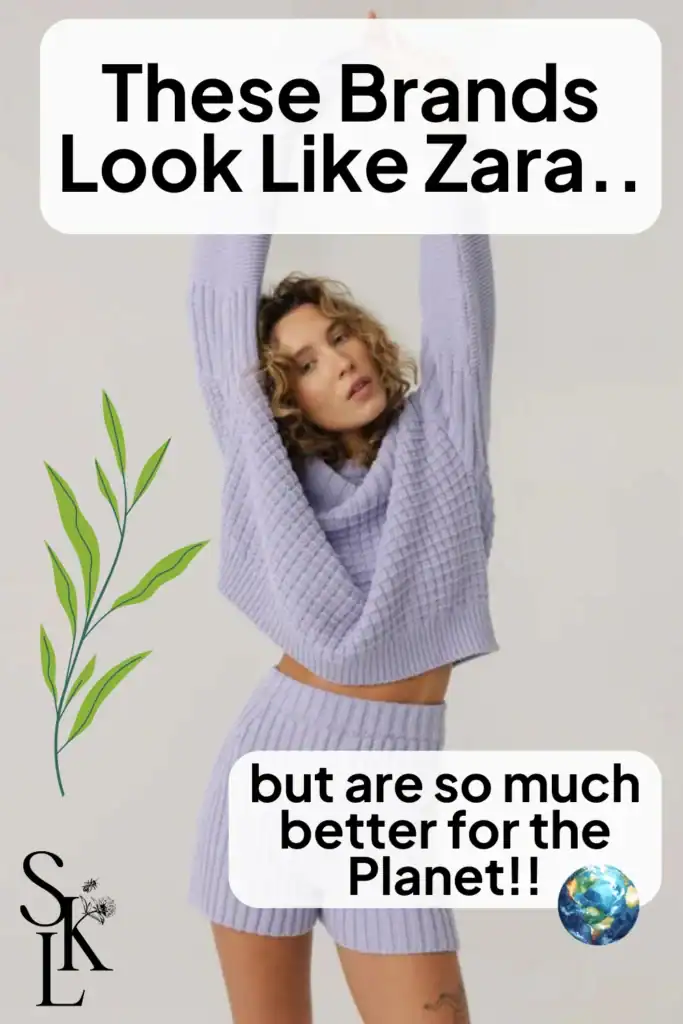
Looking to ditch fast fashion but still love a good trend? These 15 sustainable brands deliver the same chic, style-forward vibe as Zara, without the greenwashing or toxic materials.
From minimalist staples to bold statement pieces, each one is ethically made and built to last.
👉 Want even more conscious wardrobe options? Check out The 25 Best Slow Fashion Brands You Need To Know.
If you’re drawn to the trendy pieces at Zara, you’re not alone—I’ve fallen down the “add to cart” rabbit hole more times than I can count.
Those $29.99 price tags? Incredibly tempting. But they don’t tell the full story.
Behind fast fashion’s affordability are garment workers earning below-living wages, ecosystems suffering from toxic dyes and waste, and landfills overflowing with barely-worn pieces.
SKL top picks, in a nutshell…
- Best for 90’s vibes: LA Relaxed
- Most affordable Zara dupe: Pact
- Best for The Basics: Standard Stitch
- Best for Feminine Elegance: Whimsy + Row
- Best for Modern Classics: KOTN
Zara and other brands like it have mastered the art of impulse: “limited time only,” “new arrivals twice a week,” and “almost sold out” triggers that keep us in a constant cycle of overconsumption—and underwhelming closets.
But here’s the good news: you don’t have to choose between your values and your style. In fact, there are brands out there doing both beautifully—elevated, trend-forward fashion that’s produced with people and planet in mind.
So I did the work. I searched high and low for stylish, sustainability-minded labels that can actually compete with Zara, without the guilt.
Whether you’re looking for timeless essentials, dreamy dresses, or just a better way to shop, these are the brands worth switching to.
Why It’s Time to Rethink Zara (and fast fashion)
Zara is often credited with perfecting fast fashion, and for good reason.
Since the 1970s, they’ve set the pace with lightning-fast production cycles, dropping new pieces twice a week. That constant stream of fresh trends keeps shoppers coming back for more, fueling a culture of overconsumption.
But behind those irresistible price tags and trend-driven collections lie some serious concerns.
🌱 Environmental impact? Big promises, but little proof. In an industry responsible for 10% of global carbon emissions, goals without action aren’t enough.
💸 Worker rights? Many Zara supply chain workers still aren’t earning a living wage, and ethical labor practices remain inconsistent.
🐑 Animal welfare? While they’ve banned fur and angora, Zara still uses animal-based materials with little transparency around sourcing.
🌍 Sustainability ratings? Repeatedly marked “Not Good Enough” by watchdog organizations assessing labor, environmental practices, and animal welfare.
Even with recycling programs and eco capsules, Zara’s fast fashion model—designed for speed, volume, and disposability—just isn’t built for true sustainability.
But here’s the good news: looking beyond Zara doesn’t mean giving up style. It means supporting brands that care just as much about people and the planet as they do about good design.
What Makes a Brand a True Alternative to Zara?
When I first started exploring more sustainable fashion, I quickly realized that real sustainability isn’t just about using organic cotton or adding a few recycled styles.
It’s about the whole picture—from how garments are made, to who makes them, to what happens after we’re done wearing them.
Yes, materials matter—but they’re just one piece of the puzzle.
A truly ethical alternative to Zara goes beyond surface-level “eco” marketing and commits to:
- 🌱 Low-impact materials: Organic, recycled, or regenerative fabrics
- ✂️ Thoughtful production: Small batches, pre-orders, and waste-reducing patterns
- 💧 Eco-conscious processes: Lower water use, no toxic dyes or finishes
- 👷 Fair labor: Living wages, safe factories, and full transparency
- 🐑 Responsible sourcing: Ethical wool, leather, and other animal products
- 📦 Sustainable packaging & shipping
- ♻️ Circularity: Repair programs, take-back options, and designs built to last
But let’s be real, style matters too.
One of the biggest reasons we shop Zara is the look. Luckily, today’s best sustainable brands get it. They create on-trend, polished pieces that feel just as current, without being disposable.
From modern minimalism to statement silhouettes, these brands prove that looking good and doing good can go hand in hand.
The Best Sustainable Alternatives to Zara in 2026
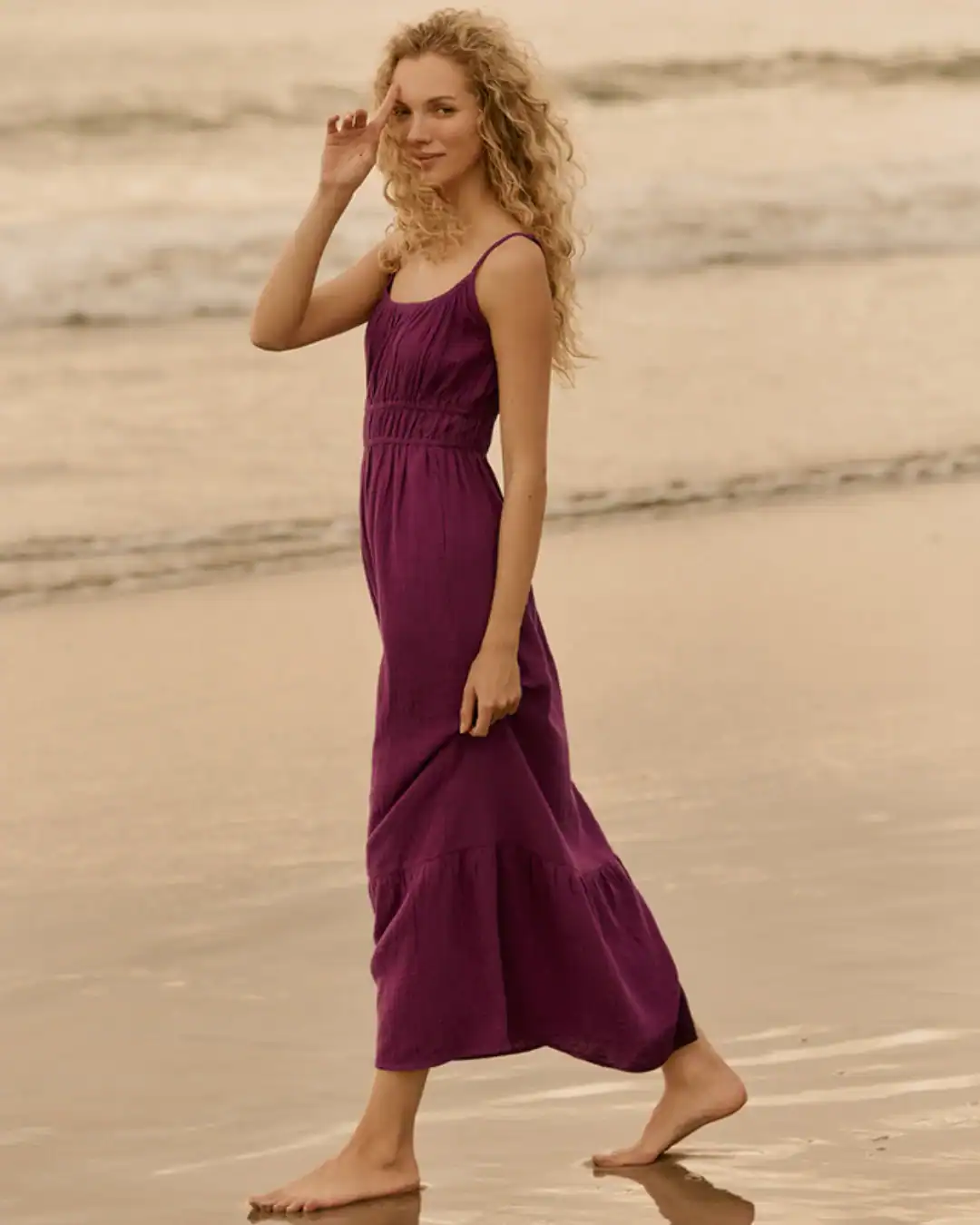
Use discount code SKL15 to save 15%!
Embrace comfort with a conscience through Pact’s range of sustainable clothing essentials.
Their collection of tops, bottoms, dresses, and activewear features simple, functional designs perfect for everyday wear, all while maintaining their commitment to ethical production and eco-friendly materials.
Pact uses a minimum of 97% non-GMO organic cotton in all their clothing, which saves significant water and energy compared to conventional cotton.
Their fabrics are known for their exceptional softness and breathability, making them ideal for everyday wear.
Their multiple certifications from GOTS, Fair Trade USA, and SimpliZero underscore their commitment to both environmental sustainability and social responsibility.
Price & Size Range
$22-$90 | XXS-3XL
materials
GOTS Certified Cotton
Location/Shipping
United States
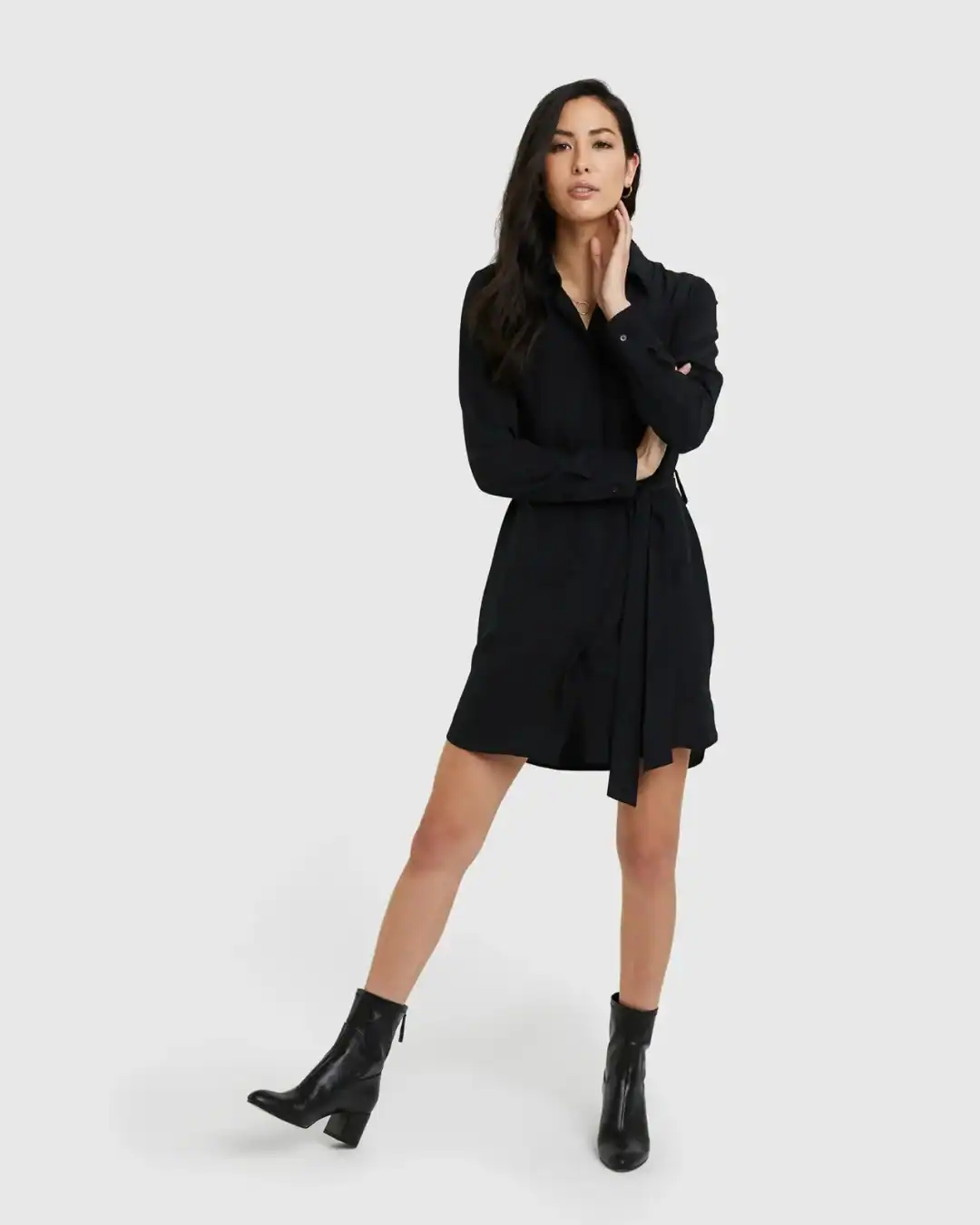
Drawn to effortless, elevated basics?
Quince delivers timeless wardrobe staples made from high-quality natural materials like organic cotton, washable silk, and Mongolian cashmere—designed to last and made with integrity.
With a minimalist aesthetic and a commitment to ethical production and transparency, Quince is ideal for anyone looking to simplify their closet without compromising on style.
While not entirely plastic-free, the brand is focused on low-impact materials, responsible sourcing, and long-term wearability, making it a smart, stylish alternative to fast fashion.
Price & Size Range
$15-$500 | XS-XL
materials
Organic Cotton, European Linen, Mongolian Cashmere, Mulberry Silk, Merino Wool
location/shipping
United States | Ships To Canada
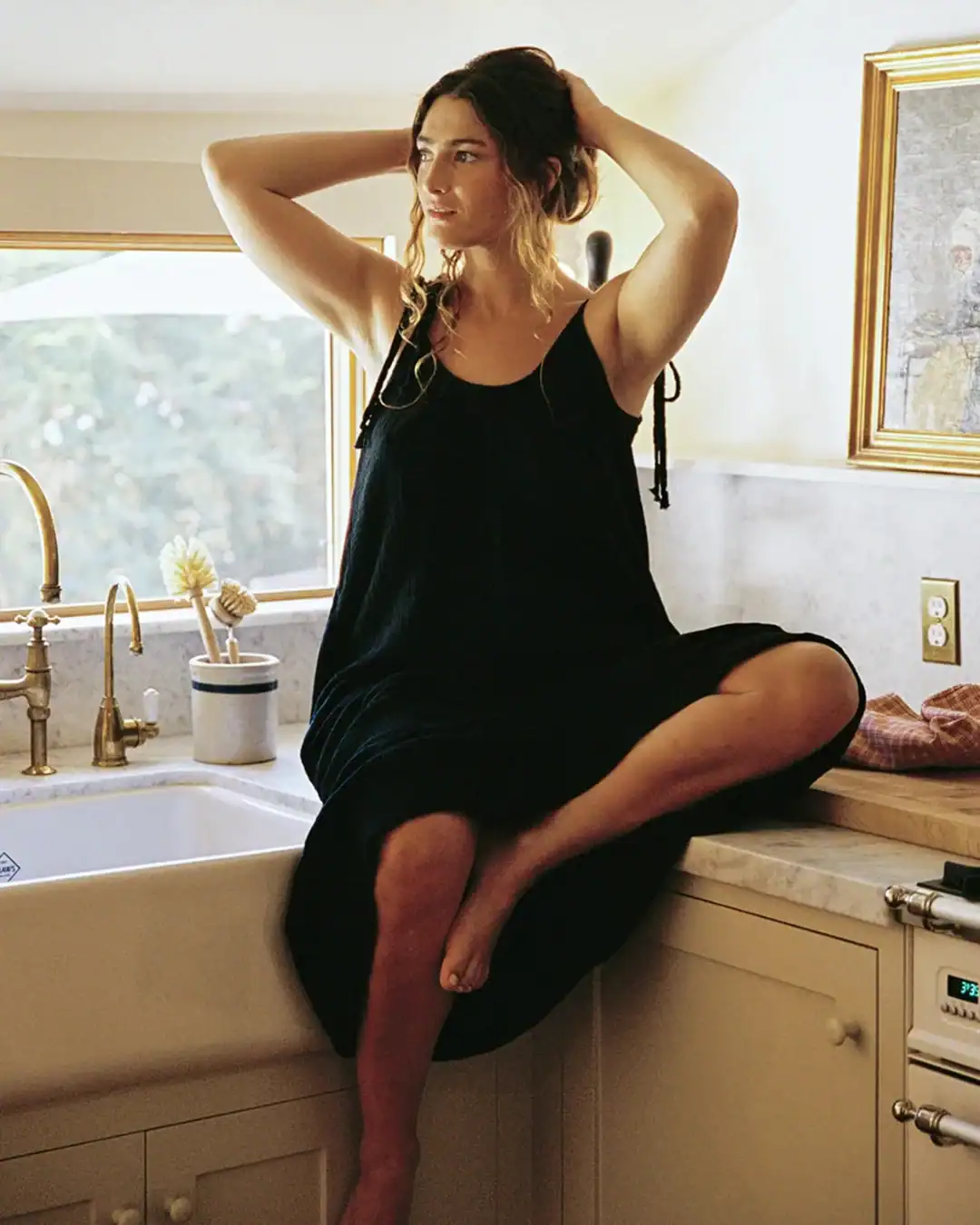
Use discount code SKL10 to save 10%!
LA Relaxed is a slow fashion brand that lives up to its name—offering effortless, minimalist clothing made from sustainable, vegan, and cruelty-free fabrics.
Based in Los Angeles, they specialize in soft loungewear, relaxed dresses, and elevated everyday basics that are as comfortable as they are conscious.
Everything is made locally in small batches to reduce waste and ensure ethical working conditions.
If you’re looking for a laid-back yet polished alternative to fast fashion giants like Zara, LA Relaxed is a go-to for timeless essentials with a California-cool edge.
Price & Size Range
$32-$118 | XS-XL
Materials
GOTS Organic Cotton, TENCEL Lyocell and Modal, Hemp (Blended with Organic Cotton), Linen
Location/Shipping
United States, ships to Canada & Australia
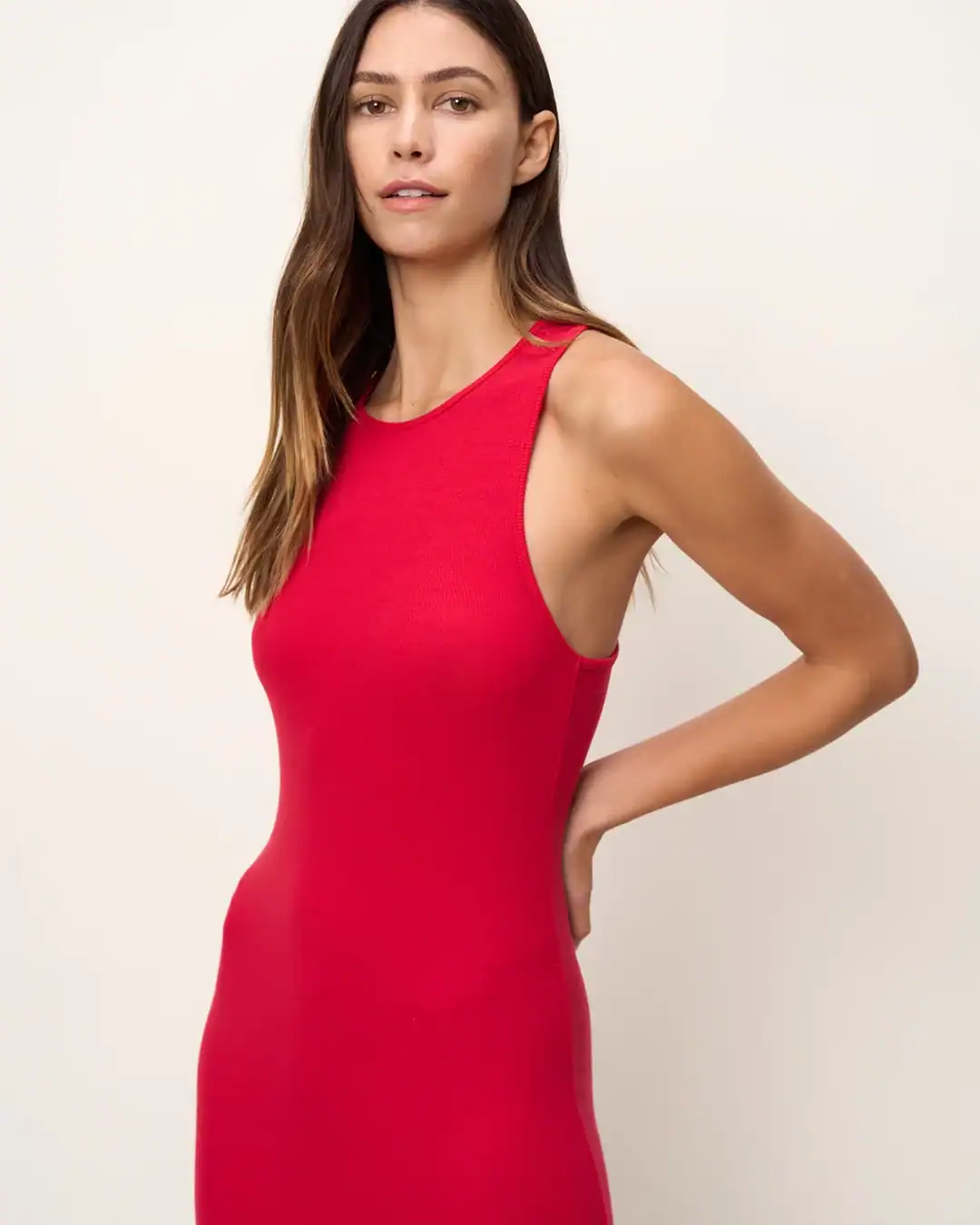
Use discount code SKL20 to save 20%!
The Standard Stitch brings feel-good energy to sustainable fashion with colorful, size-inclusive basics that are anything but boring.
Based in Los Angeles, this woman-owned brand makes relaxed joggers, cozy sets, and playful staples using organic cotton, recycled fabrics, and non-toxic dyes.
With extended sizing up to 5XL and a body-positive ethos woven into everything they do, The Standard Stitch is a refreshing alternative to fast fashion.
Ethically made in the U.S. with fair wages and low-waste practices, this is eco-friendly loungewear that actually lives up to the hype.
Price & Size Range
$32-$148 | XS-5XL
Materials
Organic and Recycled Cotton, Spandex, Recyclable/Organic Trims
Location/Shipping
United States
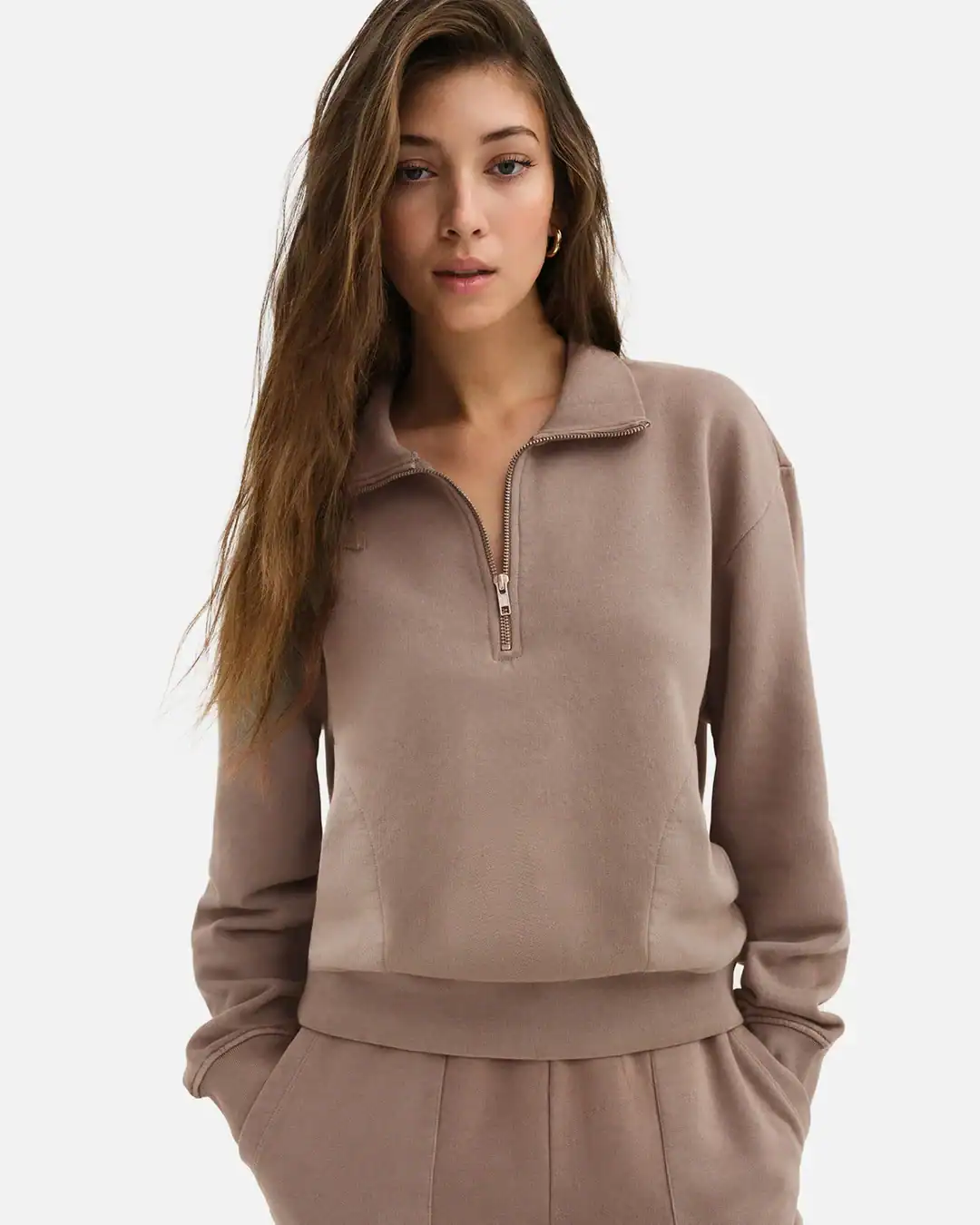
Mate The Label makes getting dressed feel refreshingly simple.
Their laid-back essentials—like organic cotton tees, joggers, dresses, and activewear—are clean, comfy, and completely non-toxic.
Based in Los Angeles, Mate The Label is serious about what goes on your skin.
Every piece is made with certified organic fabrics, low-impact dyes, and zero harmful chemicals (no PFAS, no formaldehyde, no greenwashing).
If your style leans minimalist and your values lean clean living, this is a brand worth bookmarking.
Price & Size Range
$41-$238 | XS-3XL
materials
GOTS Organic Cotton, Flax Linen, TENCEL Lyocell, Hemp, Spandex
location/shipping
United States, ships to Canada, the United Kingdom, the UAE & Australia
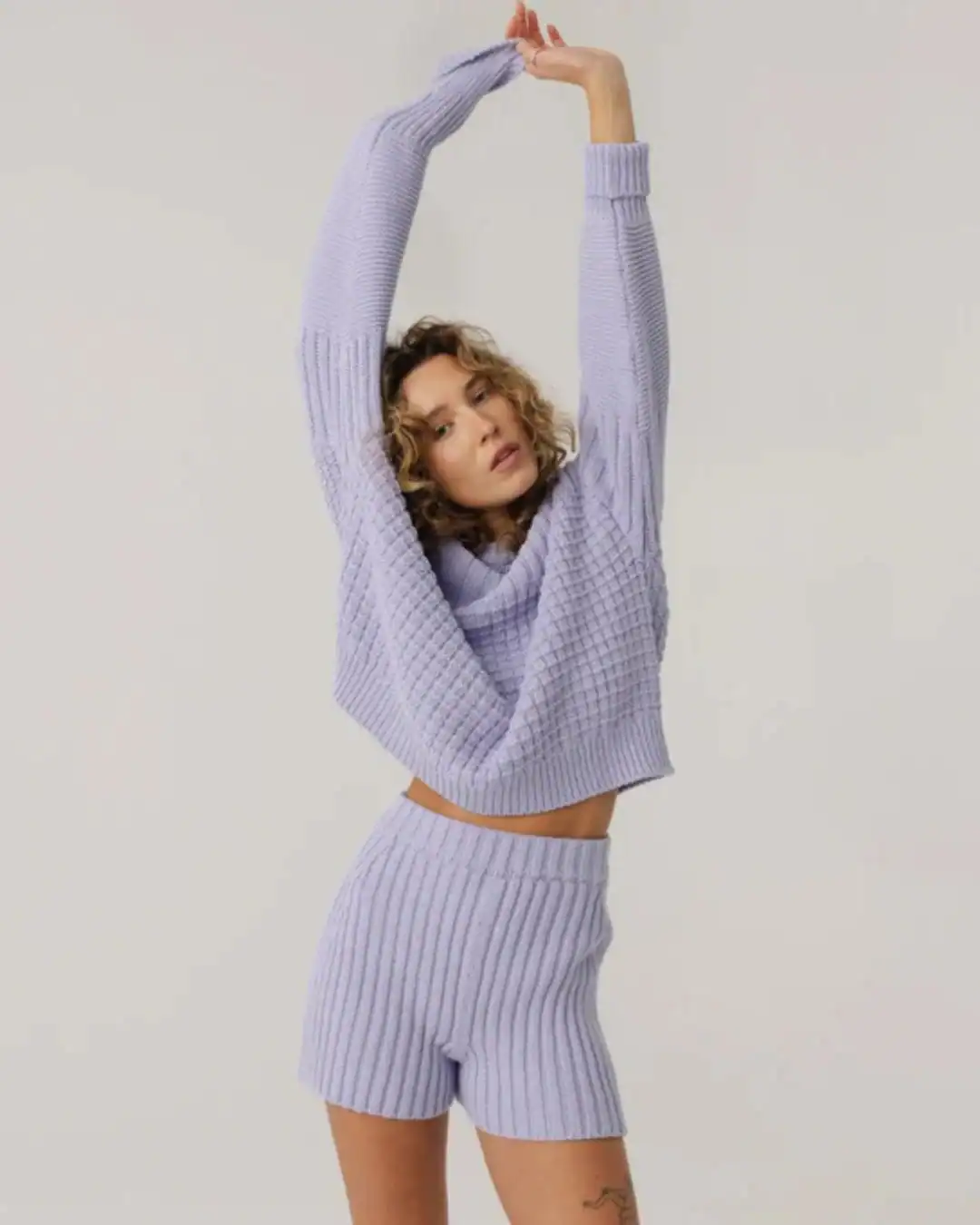
The Knotty Ones blends cozy craftsmanship with modern values.
Founded by three women in Lithuania, the brand works directly with local female artisans to hand-knit sweaters that are both ethically made and seriously warm.
Each piece is crafted from natural, non-toxic materials like OEKO-TEX® certified merino wool or organic cotton, with a focus on longevity over trends.
With their commitment to slow fashion, fair wages, and Baltic knitting traditions, The Knotty Ones is the kind of sustainable brand that feels as good as it looks.
Price & Size Range
$141-$679 | XS-XL
materials
Merino Wool, Alpaca Wool, Mulesing-Free Wool, OEKO-TEX Cotton
location/shipping
United States
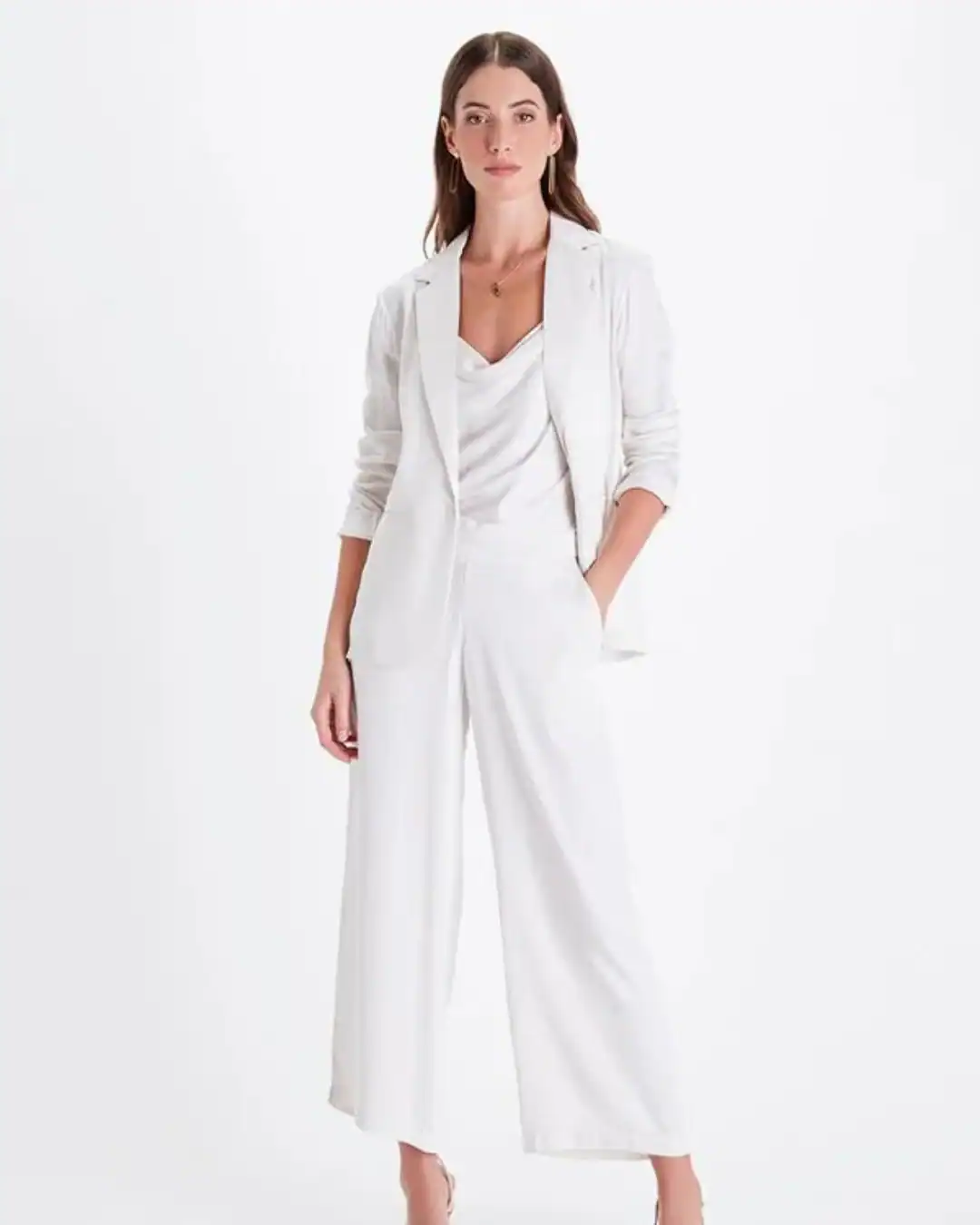
Neu Nomads brings effortless elegance to sustainable fashion with minimalist silhouettes and luxuriously soft, biodegradable fabrics.
Designed by industry veterans, the brand focuses on clean lines, timeless staples, and a fully transparent, low-impact supply chain.
With pieces made for travel, layering, and everyday wear, Neu Nomads is a chic, sustainable alternative to Zara for the modern minimalist.
This is sustainable luxury—simple, ethical, and surprisingly accessible.
Price & Size Range
$25-$129 | XXS-XXL
materials
TENCEL, Eco-Jersey, 100% Organic Cotton Flannel, Linen, Cupro
location/shipping
United States, ships to India
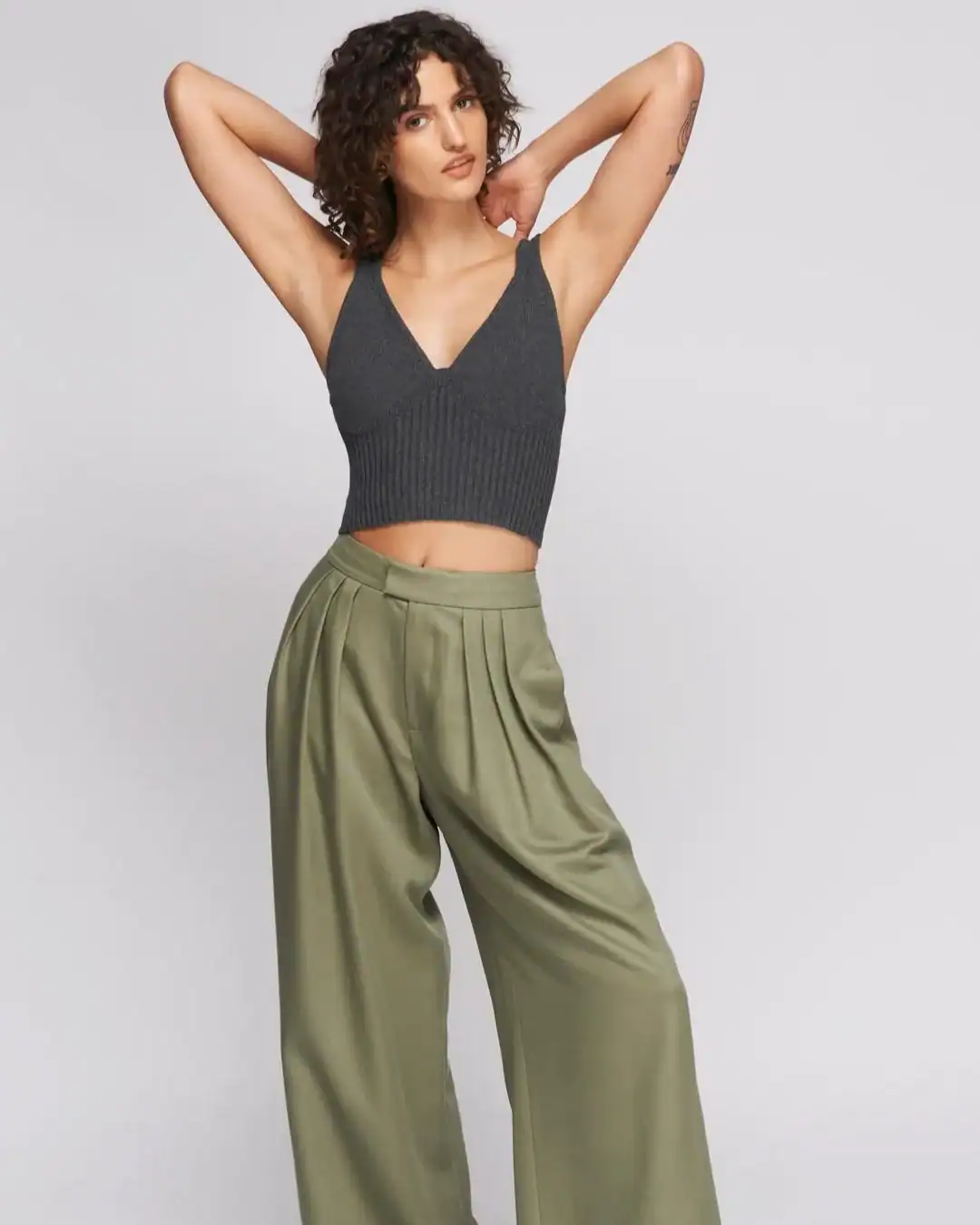
KOTN is where quality meets conscience.
This Canadian B Corp is known for its timeless essentials—think buttery-soft tees, crisp button-ups, and clean-lined basics—all made from 100% Egyptian cotton.
Designed in Canada and ethically made in Egypt and Portugal, KOTN keeps full transparency across its supply chain and invests directly in the communities it works with.
If you’re looking for an ethical alternative to fast fashion that still feels elevated, KOTN delivers the goods—literally and figuratively.
Price & Size Range
$21-$148 | XXS-XXL
materials
Egyptian Cotton, ECOTEC Cotton, TENCEL Lyocell, Linen, Merino Wool
location/shipping
Made in Egypt/Portugal | Designed in Canada | Ships to the United States
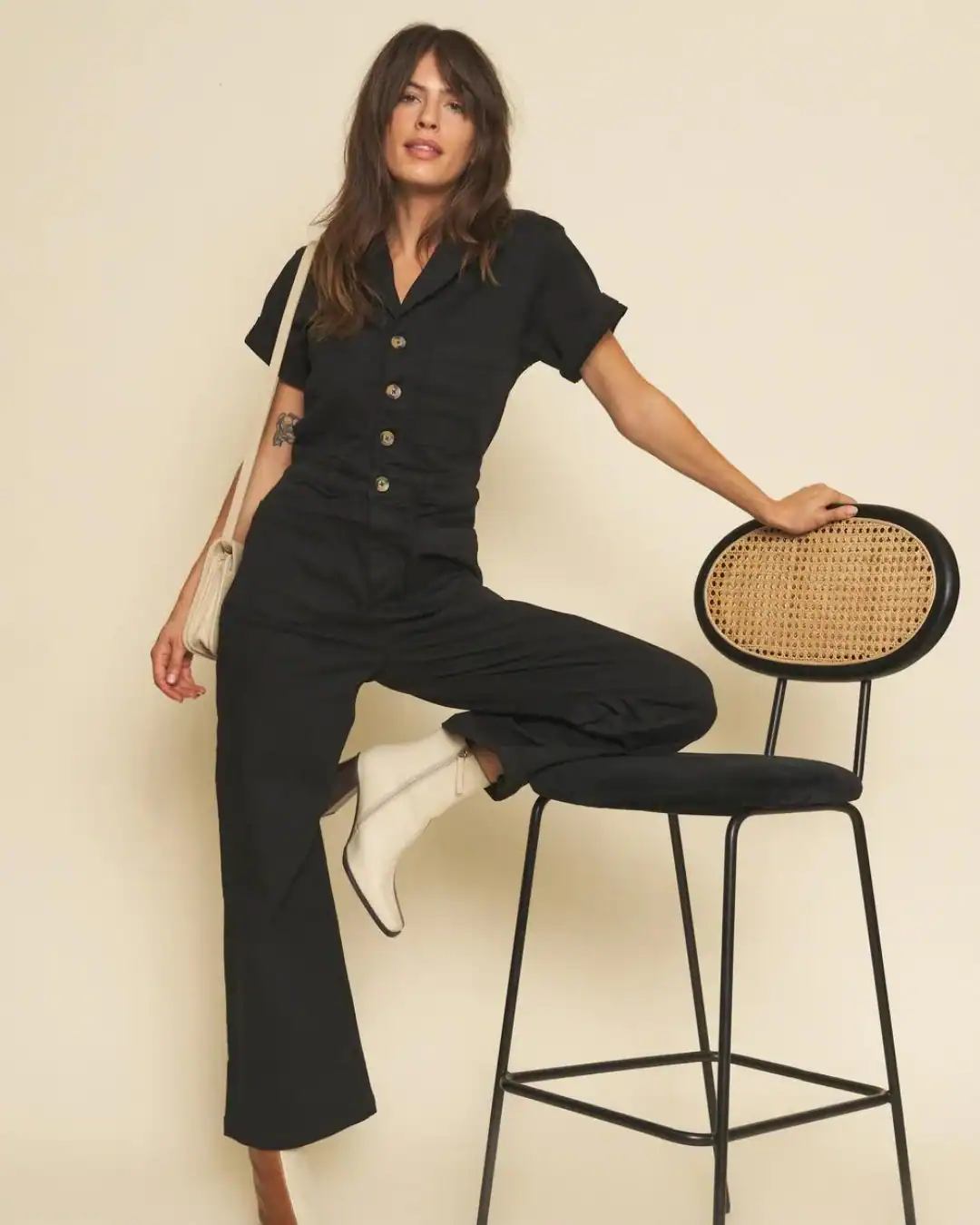
Whimsy + Row brings a touch of feminine charm to eco-conscious fashion with timeless silhouettes, soft fabrics, and wear-anywhere versatility.
Based in Los Angeles, the brand creates limited-run collections in small batches, handcrafted just miles from their studio under ethical conditions.
From low-waste production to carbon-conscious practices, Whimsy + Row is a sustainable fashion brand that truly walks the talk.
If you’re craving a stylish, ethical alternative to fast fashion with a softer edge, this one’s for you.
Price & Size Range
$32-$288 | XXS-XL
materials
Organic Cotton, Linen, TENCEL, Cupro, Deadstock/Upcycled Fabric
location/shipping
United States
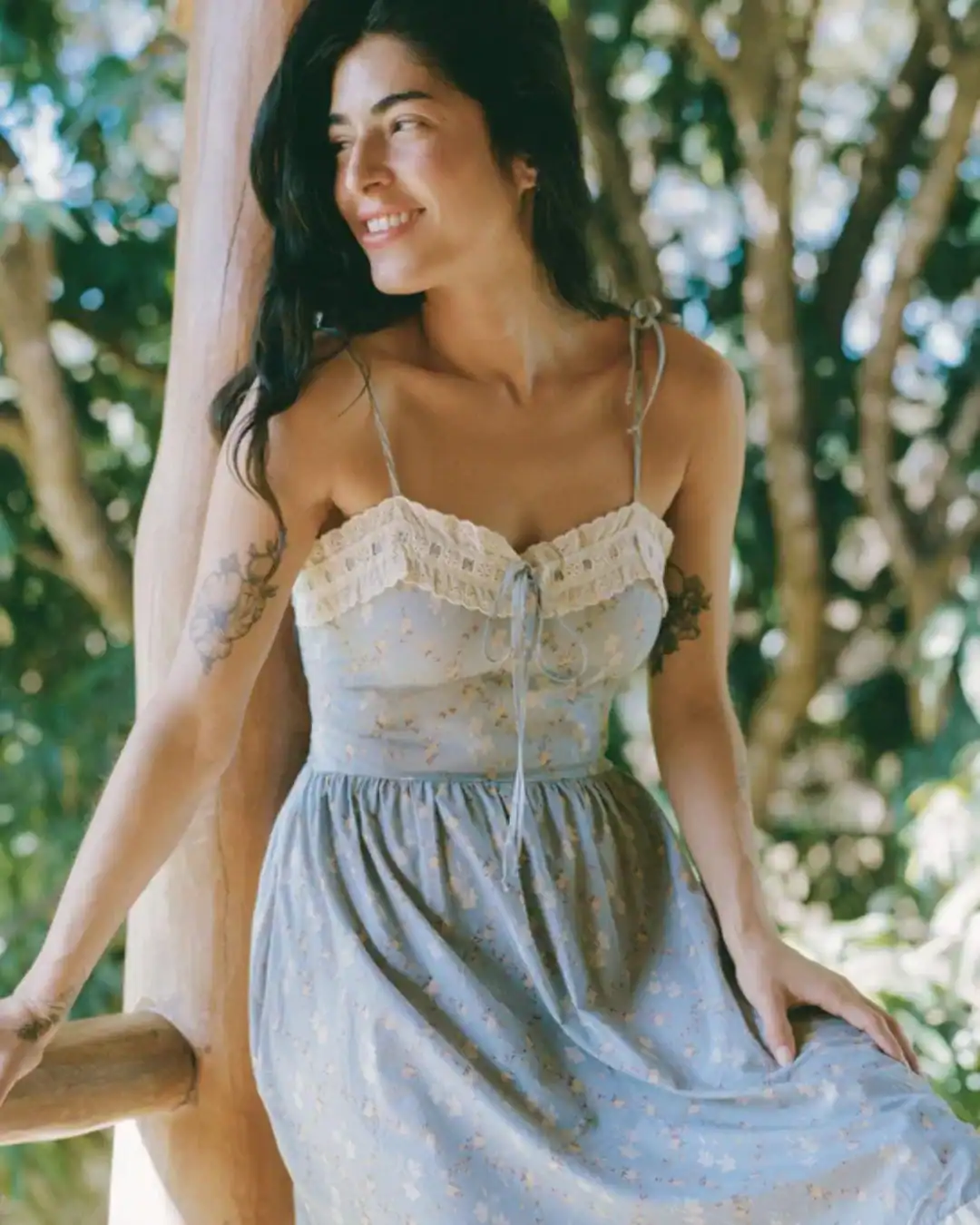
Christy Dawn brings timeless femininity to sustainable fashion with vintage-inspired dresses, soft florals, and romantic silhouettes that never go out of style.
Based in Los Angeles, the brand breathes new life into deadstock fabrics, transforming textile waste into one-of-a-kind pieces full of story and soul.
Beyond beautiful design, Christy Dawn is deeply rooted in regenerative practices, partnering with farms in India to support soil health and ethical production through their Land Stewardship Program.
If you’re looking for a more meaningful alternative to fast fashion, this is it.
Price & Size Range
$198-$398 | XS-3XL | Petite Sizing Available
materials
Deadstock Fabrics, Cotton, Rayon, Cashmere, Leather
location/shipping
United States
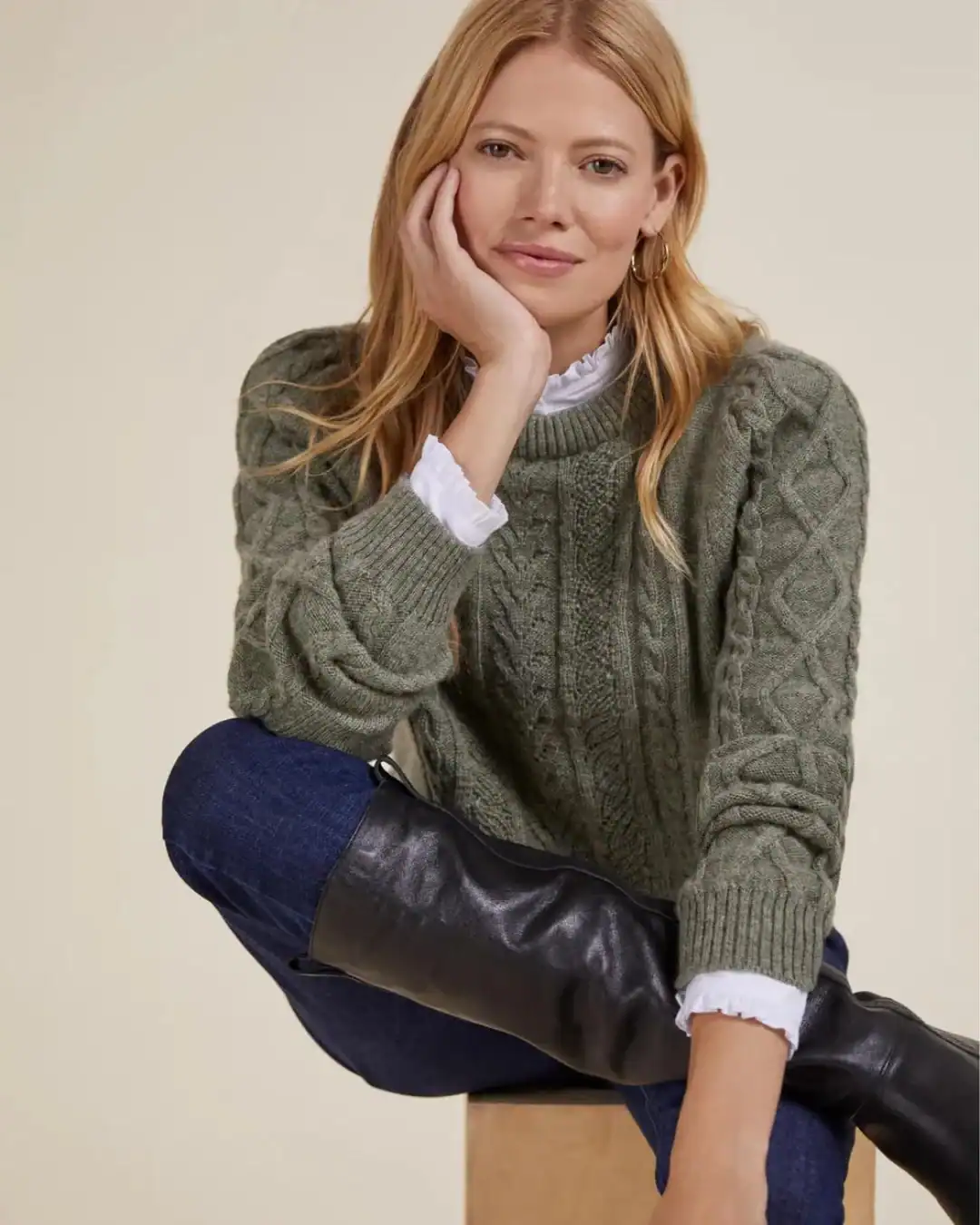
Baukjen makes sustainable clothing with a blend of modern and timeless fashion.
Their collections focus on foundational pieces that integrate classic essentials with contemporary trends, emphasizing comfort, quality, and a perfect fit for various occasions.
As a Certified B Corp, ranking among the highest-scoring fashion B Corps in the UK, Baukjen proves its deep commitment to sustainability with 99.4% responsibly sourced fabrics and 90% lower-impact fibers.
Price & Size Range
$40-$80 | US 2-14 | UK 6-8
materials
Eco Cashmere, Leather, Recycled Polyester, Organic Cotton, Linen, Lycra
location/shipping
United Kingdom, ships to the United States, the United Kingdom & Europe
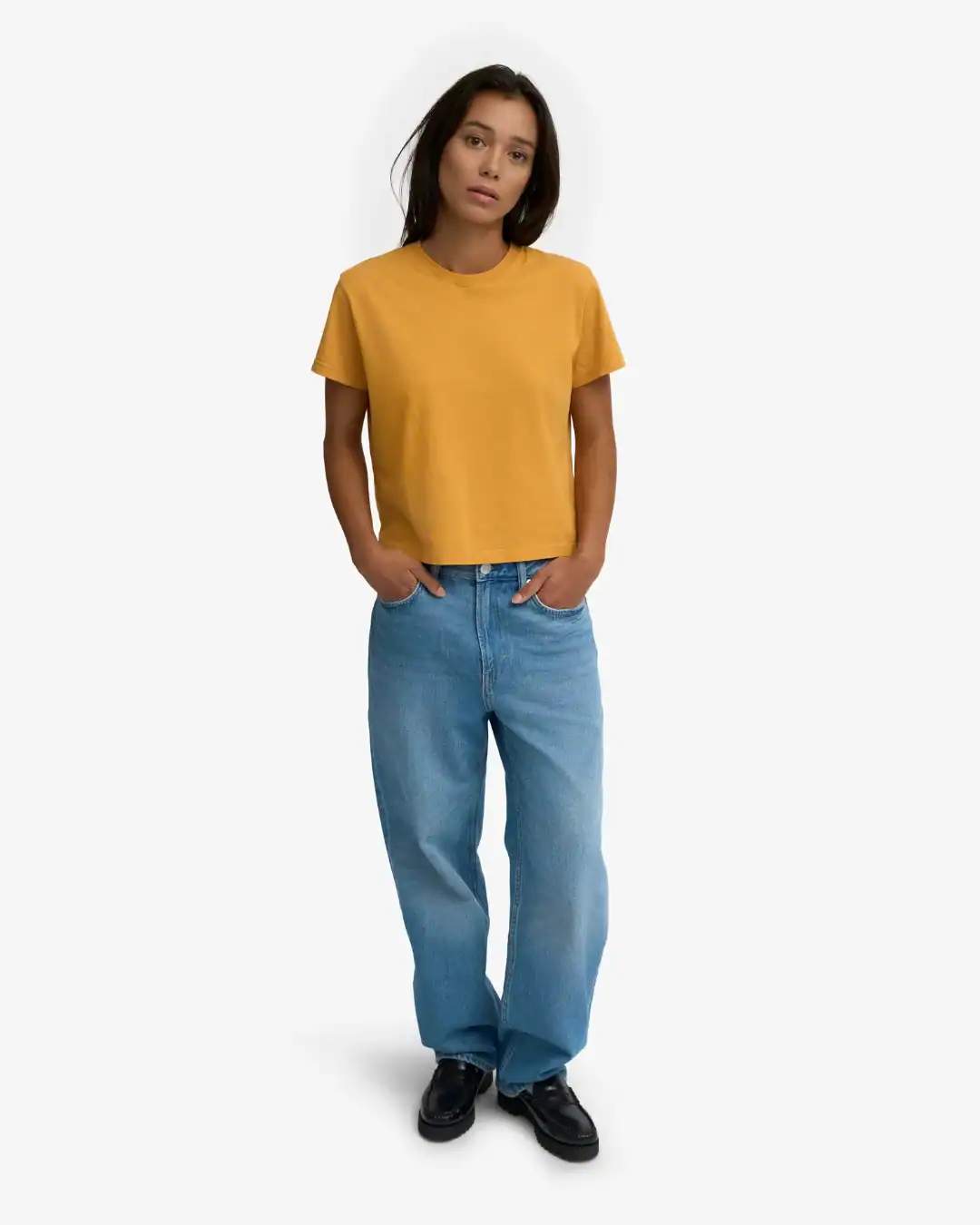
Colorful Standard proves that basics don’t have to be boring.
This Copenhagen-based brand is all about bold hues, clean cuts, and seasonless staples made from 100% organic cotton and recycled wool.
Their year-round collections skip the sales and trends in favor of thoughtful design and consistent quality, so you can build a vibrant, low-waste wardrobe at your own pace.
With eco-certified dyes, laser-cut precision, and ethical production in Portugal, Colorful Standard is a sustainable fashion brand that keeps things simple, colorful, and conscious.
Price & Size Range
$40-$136 | XXS-2XL
materials
Organic Cotton, Recycled Merino Wool, OEKO-TEX certified dyes
location/shipping
Portugal, ships to the United States, the United Kingdom, the Netherlands, Germany & Switzerland
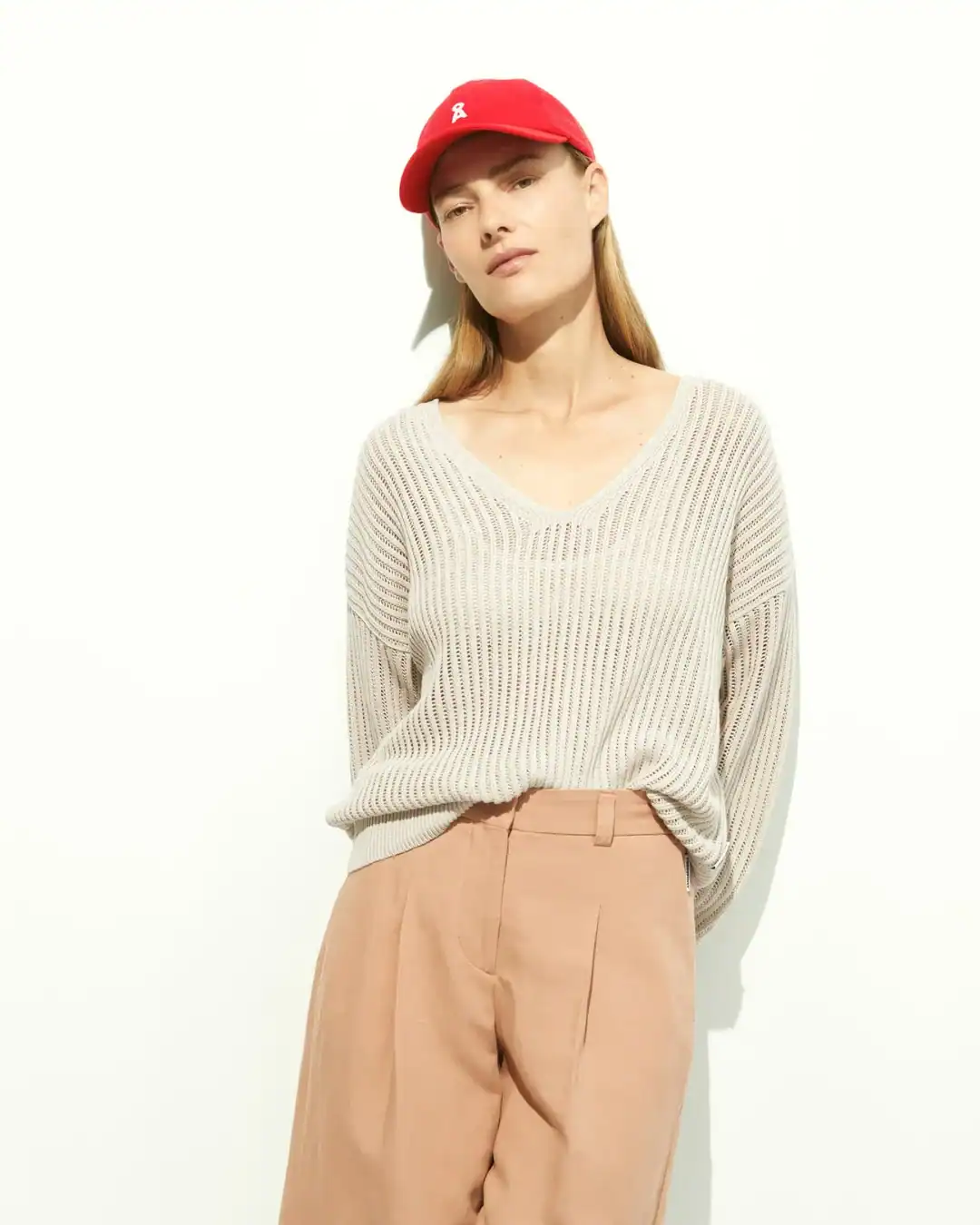
Armedangels is a German trailblazer in sustainable fashion, blending clean, minimalist design with real environmental and social impact.
From organic cotton tees to circular denim, their timeless pieces are made to last—and made responsibly.
The brand supports small-scale farmers through its own Organic Farmers Association and uses GOTS-certified cotton and recycled materials across its collections.
With take-back programs, zero-waste cutting, and bold climate action, Armedangels is more than just an ethical Zara alternative—it’s a movement.
Price & Size Range
$35-$90 | $35-$90
materials
Organic Cotton, Cellulose Fibers, Organic Wool, Recycled Polyester, Organic Linen
location/shipping
Germany, ships to the United States, Canada, the United Kingdom, Norway, South Africa & Australia
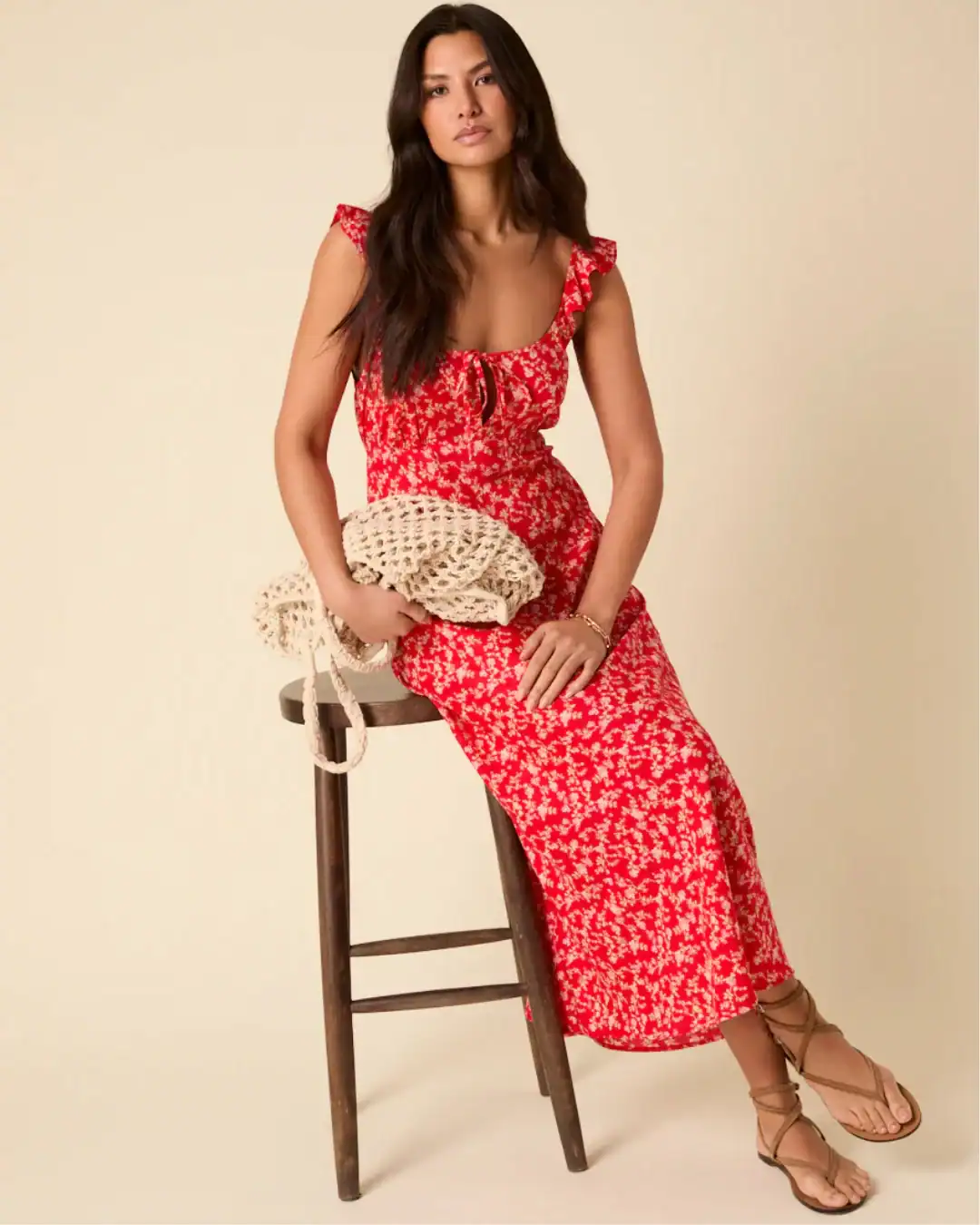
Nobody’s Child is a London-based sustainable fashion brand that blends playful prints with thoughtful design.
From feminine florals to easy, everyday silhouettes, their collections feel fun, flattering, and wearable all year round.
As a stylish, sustainable alternative to Zara, Nobody’s Child focuses on lower-impact materials like organic cotton, recycled fabrics, and FSC-certified viscose.
They also back it up with ethical supply chain audits and real wellness support for their team.
Price & Size Range
$183-$465 | US 0-20 | UK 4-24 | Petite Sizing Available
materials
Lenzing Viscose, GOTS Organic Cotton, Linen, Mulesing-Free Wool, Recycled Fibers
location/shipping
United Kingdom, ships to Ireland, Finland, Germany & Spain
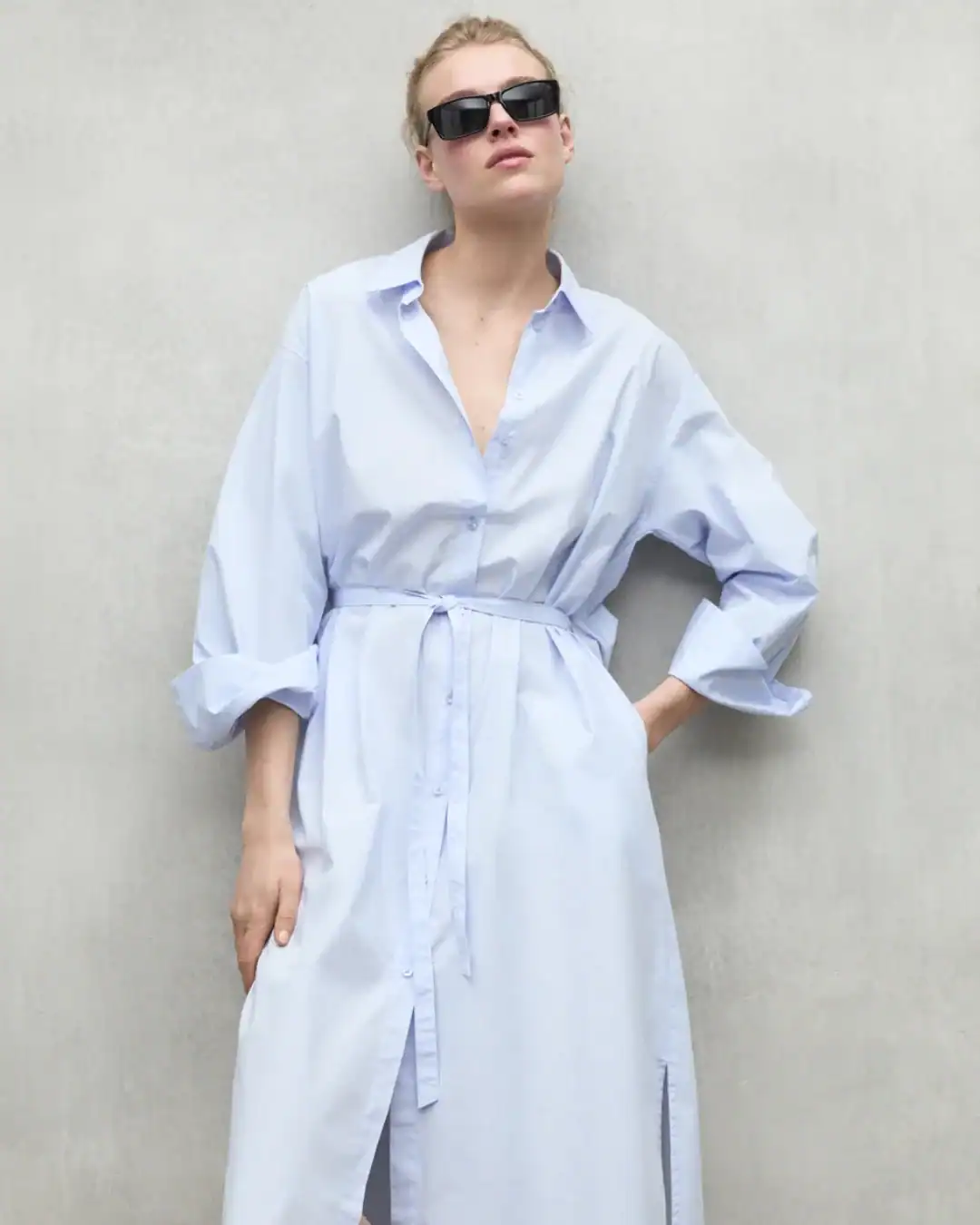
ECOALF proves you don’t have to sacrifice style to protect the planet.
This Spanish brand transforms ocean waste—like plastic bottles and discarded fishing nets—into sleek jackets, everyday basics, and accessories for men and women.
Their minimalist aesthetic pairs perfectly with a powerful environmental mission, including ocean cleanups that have removed over 188 million bottles from the Mediterranean.
As a sustainable alternative to Zara, ECOALF blends innovation, ethics, and style in one seriously cool package.
Price & Size Range
$30-$320 | XXS-XXL
Materials
Recycled Polyester, Recycled Nylon, Recycled Cotton, Recycled Wool/Acrylic, Organic Cotton
location/shipping
Spain, ships to Germany, Austria, Italy & France
Commonly Asked Questions
Zara’s business model relies on speed, volume, and disposability. They release new styles weekly, encourage constant consumption, and often use synthetic fabrics, toxic dyes, and underpaid labor. Even their “eco” lines can’t offset the damage caused by their production pace and scale.
Absolutely. Today’s top sustainable brands understand that aesthetics matter. From minimalist tailoring to trend-forward silhouettes, ethical fashion now rivals mainstream styles—without compromising on materials or labor ethics.
Not necessarily. While some pieces cost more upfront, they’re built to last—making them more cost-effective over time. Brands like Pact and Colorful Standard offer affordable options, especially when you calculate cost-per-wear.
Look for organic cotton, TENCEL™, hemp, linen, and recycled fibers. These fabrics have a lower environmental impact, and when paired with non-toxic dyes and safe finishing processes, they’re better for your skin and the planet.
Yes! Sustainable brands like The Standard Stitch, Universal Standard, and Free People are leading the way with sizes ranging from XXS – 5XL+!
Watch for vague terms like “eco-friendly” or “conscious” without proof. Real sustainable brands disclose where their clothes are made, who makes them, what materials are used, and often back it up with third-party certifications.
Both are great! Buying less and choosing secondhand is always the most sustainable route. But when you do buy new, opting for well-made, ethical pieces helps shift the industry toward better practices.
Start with a 24-hour wait rule before buying. Unfollow fast fashion brands on social, delete their apps, and create a capsule wardrobe with versatile, loved pieces. Use tools like Pinterest to define your personal style so you’re not chasing every trend.
Certifications and Standards To Look For When Shopping For Sustainable Clothing
GOTS (Global Organic Textile Standard)
The gold standard for organic textiles that covers the entire production process:
- Requires at least 95% certified organic fibers
- Enforces strict environmental criteria, including wastewater treatment
- Prohibits toxic chemicals and GMOs
- Requires fair labor practices throughout the supply chain
Climate Neutral Certification
Verifies a brand’s commitment to addressing climate change:
- Measures their entire carbon footprint
- Requires offsetting of all carbon emissions
- Mandates the development of a plan to reduce future emissions
B Corp Certification
One of the most rigorous certifications evaluating the entire business:
- Requires a comprehensive assessment of social and environmental impact
- Minimum score of 80/200 points needed (most companies score around 50)
- Companies must consider all stakeholders, not just shareholders
- Recertification is required every three years
Fair Trade Certification
Focuses specifically on the people behind our products:
- Ensures payment of premiums for community development
- Prohibits child and forced labor
- Requires safe working conditions
- Supports worker organization and fair wages
How to Spot Greenwashing vs. Genuine Sustainability From Fast Fashion Brands
❌ Red Flags for Greenwashing
- Vague terms like “eco-friendly” without specifics
- Environmental claims for only a tiny percentage of products
- Focus on minor improvements while ignoring major issues
- Lack of transparency about supply chains
- No third-party certifications
🌱 Signs of Genuine Commitment
- Specific, measurable goals with regular progress reports
- Transparent information about materials and production
- Multiple third-party certifications
- Willingness to discuss challenges and improvement areas
- Holistic approach to sustainability
Tips For Transitioning to a More Sustainable Wardrobe
Shifting away from fast fashion doesn’t mean throwing out your entire wardrobe overnight. Here’s how to make the transition gradual, mindful, and enjoyable:
Start With Your Shopping Habits
Breaking the cycle of overconsumption is the first step:
- Implement a 24-hour waiting period before any purchase
- Unsubscribe from fast fashion emails that trigger impulse buying
- Delete shopping apps from your phone to reduce temptation
- Ask yourself: “Will I wear this at least 30 times?”
- Consider cost-per-wear rather than just the price tag
Understand Your Style vs. Passing Trends
Knowing the difference helps you make smarter choices:
- Create a digital mood board of styles you consistently love
- Identify your personal “uniform” that works across seasons to create your own capsule wardrobe
- Distinguish between trend-driven desires and genuine style preferences
- Focus on versatile pieces that can be styled multiple ways
- Choose classic silhouettes with modern details for longevity
Identify Investment Pieces
Some items are worth spending more on:
- Quality outerwear that protects you from the elements
- Well-made shoes that support your feet properly
- Denim that’s designed to mold to your body over time
- Knitwear crafted from natural fibers that improve with age
- Special occasion wear that won’t look dated in photos years later
Shop Your Own Closet First
Before buying anything new:
- Try the hanger trick: turn hangers backward, then flip them when you wear items
- Create new outfits by mixing pieces you haven’t paired before
- Host clothing swaps with friends who wear similar sizes
- Identify gaps in your wardrobe rather than duplicating what you already own
- Rediscover forgotten items at the back of your drawers and closet
Embrace Second-Hand and Vintage
Pre-loved fashion extends the lifespan of existing garments:
- Explore online platforms like ThredUP, Poshmark, and Depop, which is a great way to shop sustainable fashion on a budget
- Visit local consignment stores or online thrift stores for curated second-hand finds
- Search for specific Zara items on resale sites instead of buying new
- Consider rental services for special occasion wear
- Look for vintage pieces that add unique character to your wardrobe
When Buying New, Choose Better
For new purchases, prioritize:
- Brands with transparent production practices – there are so many great, affordable, sustainable fashion brands out there
- Natural, organic, or recycled materials
- Timeless designs that won’t quickly look dated
- Versatile pieces that work with your existing wardrobe
- Companies that align with your values
Start Small and Build Gradually
Focus on achievable changes:
- Replace items as they wear out rather than all at once
- Begin with the basics, you wear most frequently
- Choose one category to improve first (like t-shirts or jeans)
- Set a realistic budget for higher-quality pieces
- Celebrate small victories in your sustainable fashion journey
It’s Clear: Ditching Zara Doesn’t Mean Ditching Style
As you can see, there are so many amazing alternatives to Zara that offer style without the ethical compromises.
When we choose these brands, we’re voting for fair wages, cleaner production, and clothing designed to last.
Remember that “cheap” fashion is only cheap because someone else is paying the true cost, whether it’s underpaid workers, polluted communities, or our planet’s health.
By investing in better brands, we’re actually saving money in the long run while creating a fashion industry that works for everyone.
I’d love to hear about your favorite ethical alternatives to Zara! Drop them in the comments below and let’s build this resource together.
Your next wardrobe decision is powerful. Happy shopping!
If you loved this article check out our other amazing articles on sustainable fashion:
Best Affordable Sustainable Fashion Brands
Best Sustainable Fashion Brands
Best Sustainable Shoe Brands For Women
Best Ethical & Sustainable Winter Boots
Beginner’s Guide to Sustainable Fashion
Best Sustainable & Ethical Jewelry
Best Sustainable Beanies & Winter Hats
Best Sustainable Jackets and Coats
Best Vegan Fashion Brands

Steal My Non-Toxic Cleaning Checklist!
Believe us, it’s the BEST…. and it’s free. Does it really get any better than that?! Sign up for our newsletter and get this free checklist to clean your home without any harmful chemicals!