 Shop My Favorite Non-Toxic Gifts Of 2026!
SKL is reader supported. When you buy through links on our site, we may earn affiliate commission. Learn more here.
If you love thrifting, finding the best online thrift stores can completely open up your options.
Not everyone has access to great secondhand stores locally — and even if you do, it usually takes time (and a lot of digging) to find something you actually love.
That’s exactly why online thrifting has become such a useful tool.
With the right platforms, you can search for exactly what you want — by size, brand, material, or style — without sorting through endless racks.
And once you know where to look, it becomes one of the easiest ways to shop more affordably, find unique pieces, and extend the life of clothing that already exists.
SKL top picks, in a nutshell…
- Best Resale Marketplace: eBay
- Best Online Thrift Store For Everyday Brands & Easy Searching: Poshmark
- Best Secondhand Clothing Website For Easy, Retail-Style Shopping: ThredUp
- Best Online Thrift Shop For Affordable Finds in Europe: Vinted
- Best Designer Resale Website For Luxury Secondhand Pieces: The RealReal
Best Online Thrift Stores: At a Glance Comparison
Mobile Users: Scroll to see full comparison →
| Platform | Best For | Price |
|---|---|---|
| Poshmark | Finding specific brands & everyday pieces | $–$$$ |
| ThredUp | Easy, curated secondhand shopping | $–$$$ |
| Worn Wear | Durable, repairable outdoor clothing | $$–$$$ |
| the realReal | Authenticated luxury fashion | $–$$$$ |
| ebay | everything from cookware to books to fashion | $–$$$ |
| The Plus Bus Boutique | Curated plus-size secondhand | $$–$$$ |
| Persephone Vintage | Romantic, one-of-a-kind vintage | $$$–$$$$ |
| Rebag | Designer bags & accessories | $$$–$$$$ |
| Vestiaire Collective | Global designer resale | $$–$$$ |
| vinted | Affordable secondhand in Europe | $–$$ |
| depop | Trendy, creative, upcycled pieces | $–$$$ |
| beyond retro | Consistent vintage drops | $–$$$ |
| curate & rotate | Minimalist, elevated secondhand | $$–$$$ |
| Mercari | Easy buying & local deals | $–$$$ |
| Facebook Marketplace | Local secondhand & quick deals | $–$$$ |
| Grailed | Menswear & streetwear | $$–$$$$ |
| Goodfair | Low-waste bulk thrift bundles | $–$$ |
| Nuuly | Curated, quality-checked resale | $$–$$$ |
| ReSee | Luxury vintage & archival designer | $$$–$$$$ |
As a mom of three and the founder of Sustainably Kind Living, I’ve spent years researching safer materials and more sustainable ways to shop — especially when it comes to clothing.
Over time, I started paying closer attention to how much fast fashion ends up in landfills, and how difficult it can be to find higher-quality pieces made from better materials.
That’s really what led me to online thrifting.
It gave me a way to find natural fabrics, better brands, and more durable pieces — without contributing to the cycle of overproduction. And once I figured out how to search properly, it completely changed how I shop.
Why Shop Secondhand?
Shopping secondhand isn’t just about saving money — although that’s definitely part of it.
It also means keeping clothing in circulation longer, reducing textile waste, and getting access to higher-quality pieces at a lower price point.
One of the biggest advantages is flexibility. You’re not limited to what’s currently in stores — you can find past-season pieces, better fabrics, and styles that aren’t mass-produced anymore.
And when something can’t be worn anymore, knowing the best places to recycle old clothes helps keep those items out of landfills instead of tossing them.
What Makes Online Thrifting So Useful
Online secondhand shopping makes the entire process more efficient — especially when you’re using the best online thrift stores.
Instead of spending hours searching in person, you can:
- Filter by your exact size (which is huge for secondhand)
- Search for specific brands, materials, or styles
- Compare multiple listings across different platforms
You’re not relying on luck anymore — you’re searching with intention. It also opens up access in a way that in-person thrifting can’t.
You’re able to shop across regions, find more inclusive sizing, and browse a much wider range of styles and price points — no matter where you live.
And once you get the hang of it, online thrifting is often faster, easier, and more successful than shopping secondhand in person.
What Materials to Look for When Thrifting Online
When you’re shopping secondhand, materials matter more than ever.
One of the biggest advantages of thrifting is access to higher-quality fabrics that are often harder to find in newer clothing.
I always try to prioritize:
- Natural fibers like cotton, linen, wool, and silk — these tend to be more breathable and longer-lasting
- Denim and structured fabrics that hold their shape over time
- Blends with minimal synthetics, rather than fully synthetic pieces
On the flip side, I’m a bit more cautious with:
- Polyester and acrylic (especially for everyday wear)
- Thin, fast-fashion fabrics that show wear quickly
This doesn’t mean you have to avoid synthetics entirely — but paying attention to materials can make a huge difference in how long a piece actually lasts.
How To Shop Secondhand Like A Pro
If you’ve ever felt overwhelmed walking into a thrift store or left empty-handed wondering what you’re doing wrong, you’re not alone — I’ve been there too.
There was a time when I’d walk into a secondhand store and immediately feel out of place. Racks everywhere, no real system, and no idea where to even begin. Meanwhile, other shoppers seemed to move through everything so effortlessly.
What I didn’t realize back then is that secondhand shopping isn’t about luck — it’s a skill. And once you understand how to approach it, everything gets a lot easier.
The biggest shift for me was moving from browsing randomly to shopping with intention — and that applies just as much online as it does in-store.
Here’s what actually makes a difference.
Start With A Plan (Not Just Browsing)
One of the fastest ways to feel overwhelmed is going in without a clear idea of what you’re looking for.
Instead of searching broadly, try getting specific:
- “100% wool sweater”
- “Vintage Levi’s 501 black”
- “Linen white button-down”
This simple shift makes it much easier to filter through secondhand listings and find pieces that are actually worth your time.
Focus on Materials Over Labels
It’s easy to get caught up in brands, but material quality matters more — especially when you’re shopping secondhand.
I always look for:
- cotton
- linen
- wool
- silk
These fabrics tend to last longer and feel better compared to synthetic materials like polyester or acrylic.
Some of the best pieces I’ve found weren’t designer — they were just well-made.
Learn How To Spot Quality Quickly
Whether you’re thrifting online or in person, a quick quality check saves you from wasting money.
Look for:
- strong, even stitching
- functional zippers and secure buttons
- minimal signs of wear in high-friction areas
And a few red flags to skip:
- stains that look set in
- thinning fabric
- strong odors that won’t easily wash out
Over time, this becomes second nature.
Don’t Rush The Process
Secondhand shopping doesn’t always reward urgency — and that’s actually a good thing.
It creates a natural pause between wanting something and buying it.
Instead of grabbing whatever is available, you’re waiting for the right piece — which usually means better quality, better fit, and something you’ll actually wear.
Why This Matters
Once you understand how to shop secondhand more intentionally, everything shifts.
You’re no longer:
- digging through endless options
- settling for lower-quality pieces
- or walking away frustrated
Instead, you’re able to find pieces you genuinely love — often made better than what’s currently in stores.
Online Thrifting Tips (That Actually Help You Find What You Want)
Once you understand how secondhand shopping works, the next step is making it efficient.
Because while online thrifting is easier in a lot of ways, it can still feel overwhelming if you don’t have a system.
These are the online thrifting tips that make the biggest difference when you’re trying to find quality secondhand pieces without wasting time.
1. Be Specific With Your Search Terms
The difference between finding something in 2 minutes vs 30 minutes is how you search.
❌ Don’t type: “Sweater”
✅ Instead, try:
- “100% wool oversized sweater”
- “Vintage Levi’s 501 black”
- “Linen button-down white”
The more specific your keywords (brand, fabric, fit), the better your results — especially on large secondhand platforms.
2. Use Filters Immediately (Not Later)
If you’re serious about learning how to thrift online efficiently, this is non-negotiable.
Always filter by:
- Size
- Condition
- Price
- Brand (if relevant)
This removes 80% of what you don’t want and saves you from endless scrolling.
3. Search Across Multiple Thrift Platforms
No single site has everything. If you’re looking for a specific item, check at least 2–3 of the best online thrift stores, because listings are scattered.
Pro Tip: Search your item on Google with “secondhand” or “used” at the end to find where it’s listed.
4. Know Your Measurements (Not Just Your Size)
Sizing is inconsistent across brands — and even more so with vintage clothing. If you’re shopping secondhand online, your measurements matter more than the size tag.
Focus on:
- Chest
- Waist
- Hips
- Inseam
Then compare with listing measurements whenever possible.
5. Save Searches So You Don’t Start Over
Most of the best online thrift stores let you save searches or follow keywords. This is one of the easiest ways to thrift online without constantly checking back manually.
If the item you want isn’t there today, it might show up tomorrow — and you’ll be notified.
6. Ask Questions Before You Buy
One of the biggest advantages of online thrifting is direct access to sellers.
If something is unclear, ask:
- Exact measurements
- Fabric composition
- Condition details
This is especially important for higher-priced or vintage pieces.
7. Be Patient — The Right Piece Will Show Up
Secondhand shopping doesn’t always reward urgency. If you’re looking for something specific, it can take time — but that’s also what prevents impulse buying.
Learning how to thrift online well means getting comfortable waiting for the right piece, not just the available one.
How I Chose The Best Online Thrift Stores
Not all resale platforms are created equal, so I focused on a few key factors when putting this list together.
First, I looked at how easy it is to actually find what you’re looking for — because that’s where most people get stuck with online thrifting.
Then I considered things like:
- Transparency around listings and condition
- Filtering tools (size, fabric, brand)
- Pricing consistency and value
- Authentication (for luxury platforms)
- Shipping and accessibility
I also paid attention to how each platform fits into real life — whether that’s quick everyday shopping, finding something specific, or investing in higher-quality pieces.
Now that you know how to thrift online without wasting time, let’s get into the best online thrift stores to actually shop from.
The Best Online Thrift Stores For All The Things
1. eBay — The Biggest & Best Resale Marketplaces
Best For: Anyone looking to buy pretty much anything secondhand
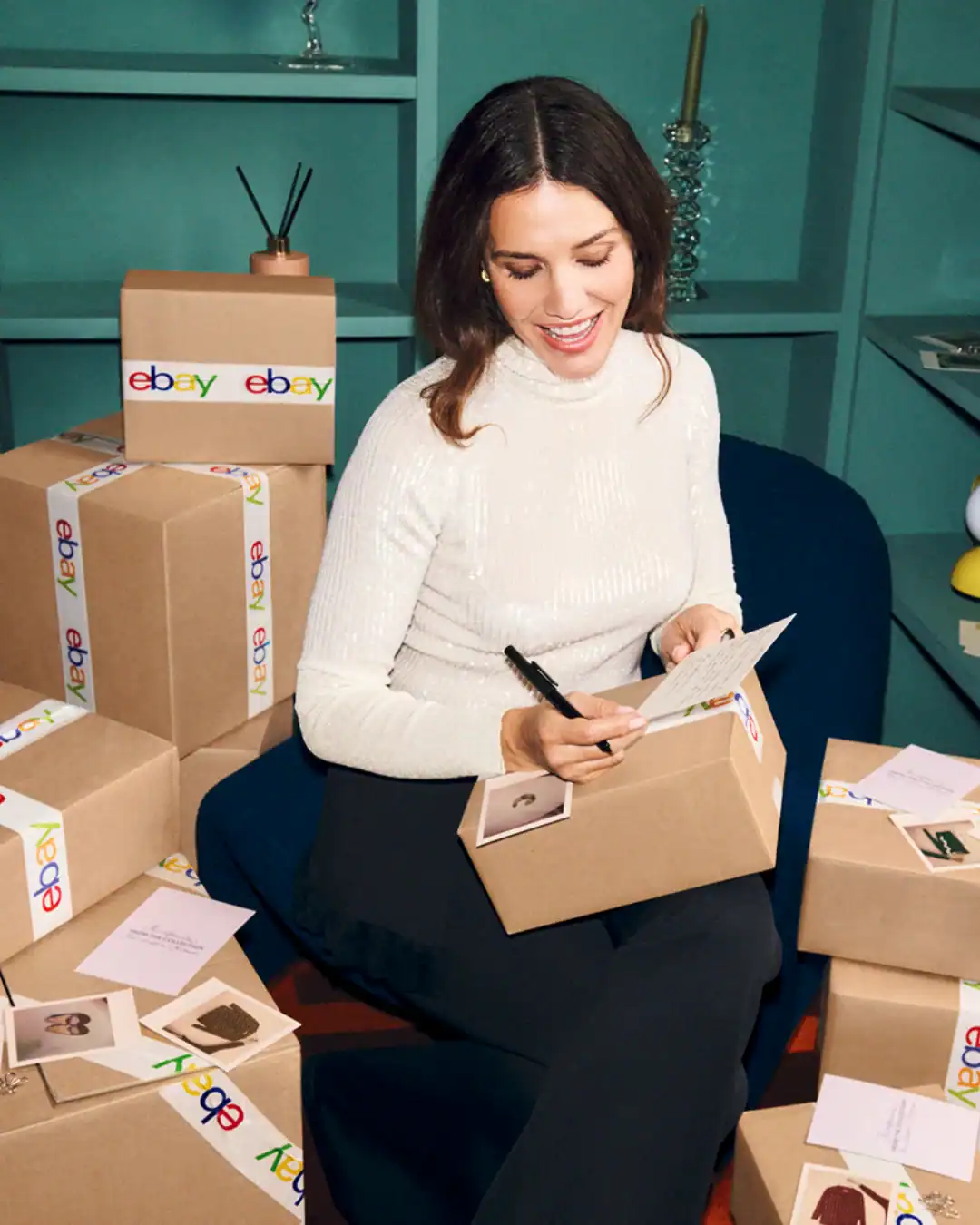
eBay remains one of the largest and most established resale marketplaces, offering an extensive range of items across nearly every category.
While the platform may feel less curated than newer resale apps, its search tools and filters make it highly effective if you know what you’re looking for.
The SKL team decided to help our readers out and create an SKL eBay marketplace so you can shop the best sustainable and non-toxic items, all secondhand!
Price
$–$$$
Size Range
XXS–Plus (very wide, seller-dependent)
Location/Shipping
International (seller-dependent)
2. Poshmark — Best For Finding Specific Brands & Everyday Pieces
Best For: Shoppers who already know what they’re looking for and want to hunt it down secondhand
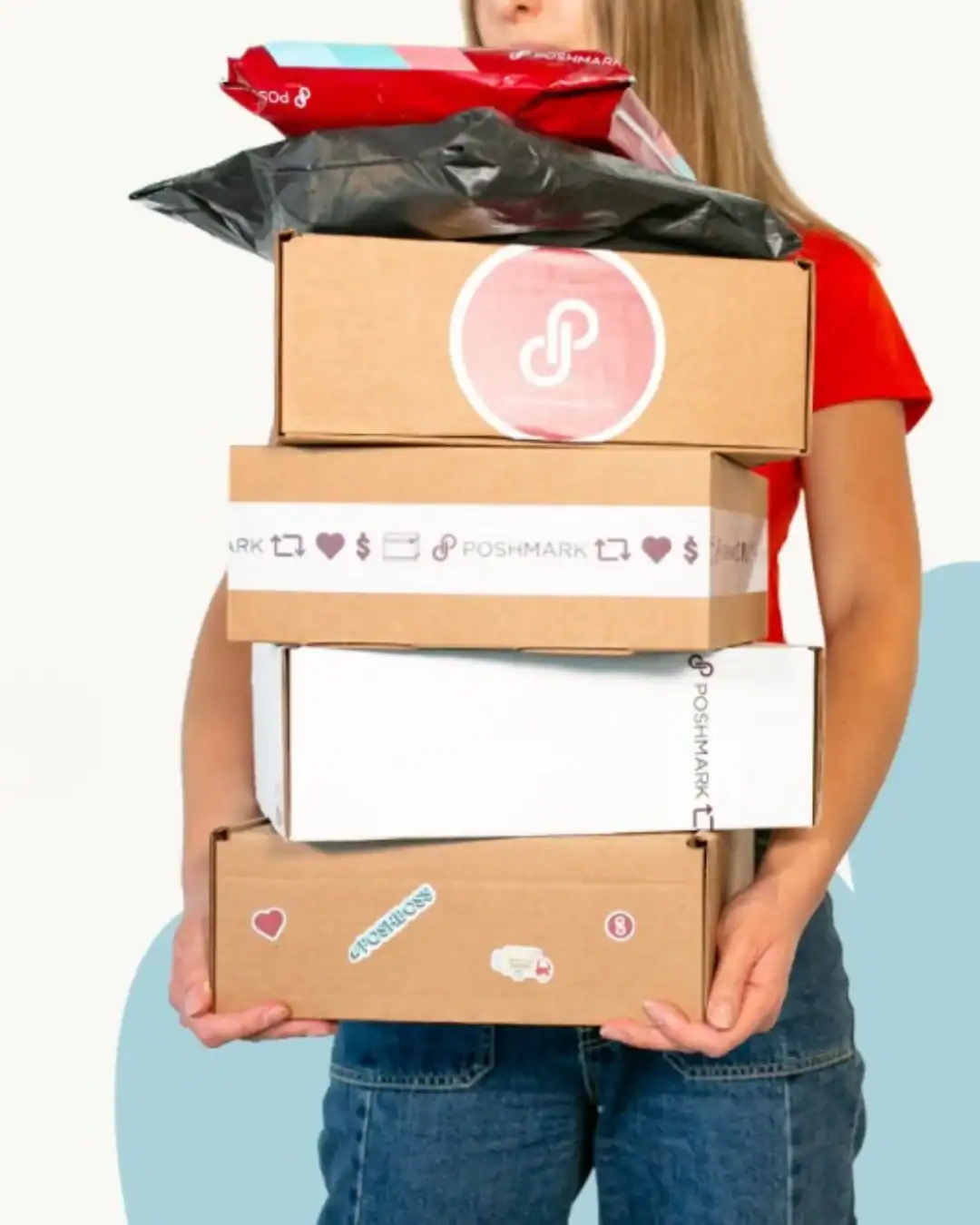
Poshmark is one of the largest peer-to-peer resale platforms, making it especially useful when you’re searching for a specific brand, item, or size.
Listings are created and shipped by individual sellers, so the inventory is constantly changing and highly varied.
This can lead to some inconsistency in quality and packaging, but it also increases the likelihood of finding exactly what you want.
It’s particularly strong for everyday clothing, accessories, and well-known brands, making it a practical starting point for online thrifting when you prefer a more targeted search experience.
Price
$–$$$
Size Range
XXS–Plus (seller-dependent, wide range)
Location/Shipping
United States (Canada via separate platform)
3. ThredUP — Best For Convenience Without The Search Fatigue
Best For: Anyone who wants a curated thrift experience without digging through listings
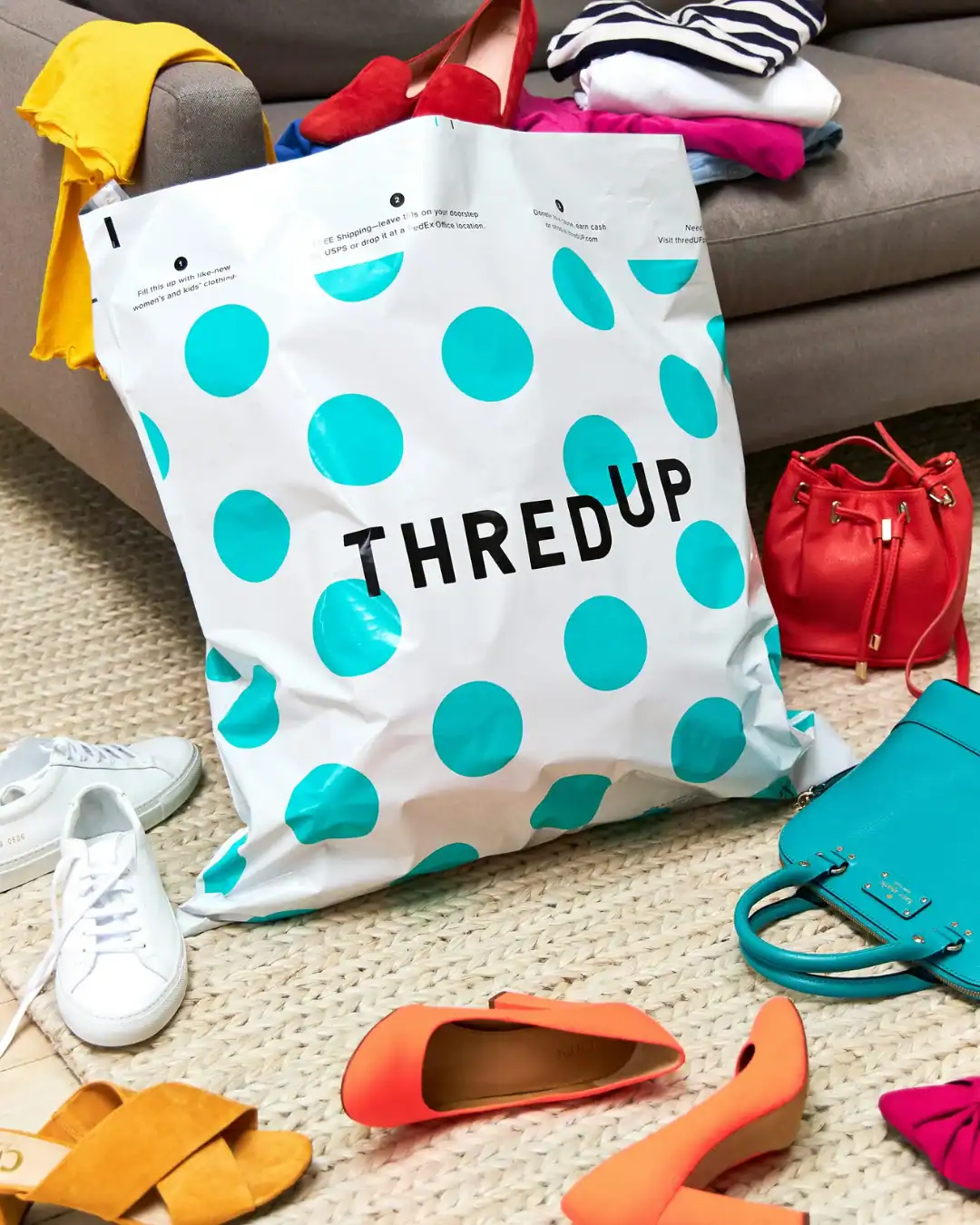
ThredUP operates more like a traditional online store than a peer-to-peer marketplace, handling the intake, inspection, and listing of items itself.
This creates a more structured and predictable shopping experience, which can be helpful if you don’t want to spend time browsing individual seller listings.
The platform carries a wide range of brands across multiple price points, from everyday basics to higher-end labels.
Its filtering system is also more refined than most resale apps, making it easier to narrow down options efficiently and reduce search fatigue.
Price
$–$$$
Size Range
XXS–4X (varies by item, strong extended sizing)
Location/Shipping
United States & Canada
4. Patagonia Worn Wear — Best For Durable, Repairable Outdoor Clothing
Best For: Investing in long-lasting outdoor gear with a lower environmental footprint
Worn Wear is Patagonia’s resale platform, designed to extend the lifespan of its products through repair and reuse.
Items are sourced from customer trade-ins and excess inventory, with many pieces refurbished before being resold.
Because Patagonia prioritizes durability and repairability in its design process, these garments tend to hold up better over time than typical secondhand outerwear.
The platform reflects a more circular approach to clothing, making it a more intentional option for those looking to invest in long-lasting outdoor gear.
Price
$$–$$$
Size Range
XS–XXL
Location/Shipping
United States
5. The RealReal — Best For Authenticated Luxury Pieces
Best For: Buying designer items with verification and less risk

The RealReal is a luxury consignment platform that focuses on authenticated designer goods, helping reduce the uncertainty often associated with buying high-end items secondhand.
Each piece is reviewed by an authentication team before being listed, which adds a layer of trust not typically found on peer-to-peer marketplaces.
The platform includes clothing, handbags, watches, and accessories from well-known designer brands, often at reduced prices.
It offers a more structured and reliable way to shop for luxury resale compared to less regulated platforms.
Price
$–$$$$
Size Range
XXS–XL (designer-dependent, limited plus options)
Location/Shipping
International
6. The Plus Bus Boutique — Best For Curated Plus-Size Secondhand
Best For: Size-inclusive shopping that doesn’t feel like an afterthought

The Plus Bus Boutique focuses exclusively on plus-size fashion, offering a curated mix of new, vintage, and secondhand pieces.
This specialization helps address a common gap in the resale market, where extended sizing is often limited or overlooked.
The selection feels more intentional than traditional marketplaces, with a range that includes both everyday wear and more elevated items.
In addition to its online presence, the brand also sells through social platforms, creating a more personal and boutique-style shopping experience for plus-size consumers.
Price
$$–$$$
Size Range
10–32 (plus-focused)
Location/Shipping
International
7. Persephone Vintage — Best For Romantic, One-Of-A-Kind Pieces
Best For: Unique vintage pieces you won’t see anywhere else

Persephone Vintage is a curated vintage shop known for its feminine, romantic aesthetic and one-of-a-kind pieces.
Rather than focusing on basics, the collection leans toward statement items that feel more distinctive and expressive.
Each piece is selected with a clear visual identity in mind, giving the shop a more editorial feel compared to larger resale platforms.
This makes it a better fit for those looking to build a more unique wardrobe or find occasion-specific pieces rather than everyday essentials.
Price
$$$–$$$$
Size Range
S–L (limited sizing)
Location/Shipping
International
8. Rebag — Best For Designer Bags & Accessories
Best For: Investing in pre-owned luxury with authentication
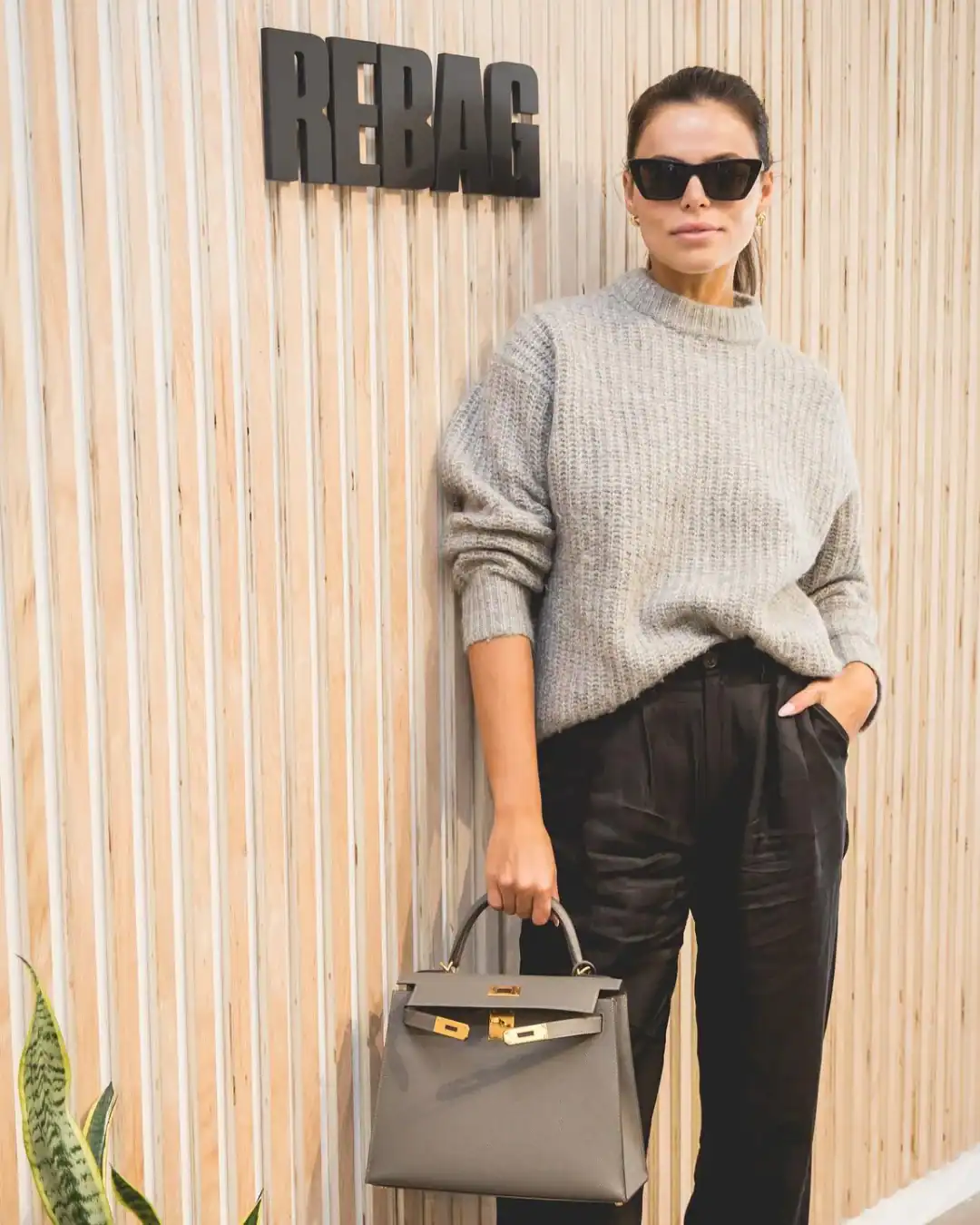
Rebag specializes in luxury resale, with a particular focus on designer handbags and accessories.
Each item is inspected and authenticated before being listed, which helps reduce the risk of counterfeits in a category where verification is especially important.
The platform includes products from major luxury brands and provides condition grading to give buyers a clearer understanding of what they’re purchasing.
This added structure makes it a more reliable option for those looking to invest in pre-owned luxury goods with greater confidence.
Price
$$$–$$$$
Size Range
Accessories-focused (minimal apparel sizing)
Location/Shipping
International
9. Vestiaire Collective — Best For Global Designer Access
Best For: International shopping with a lower shipping footprint option
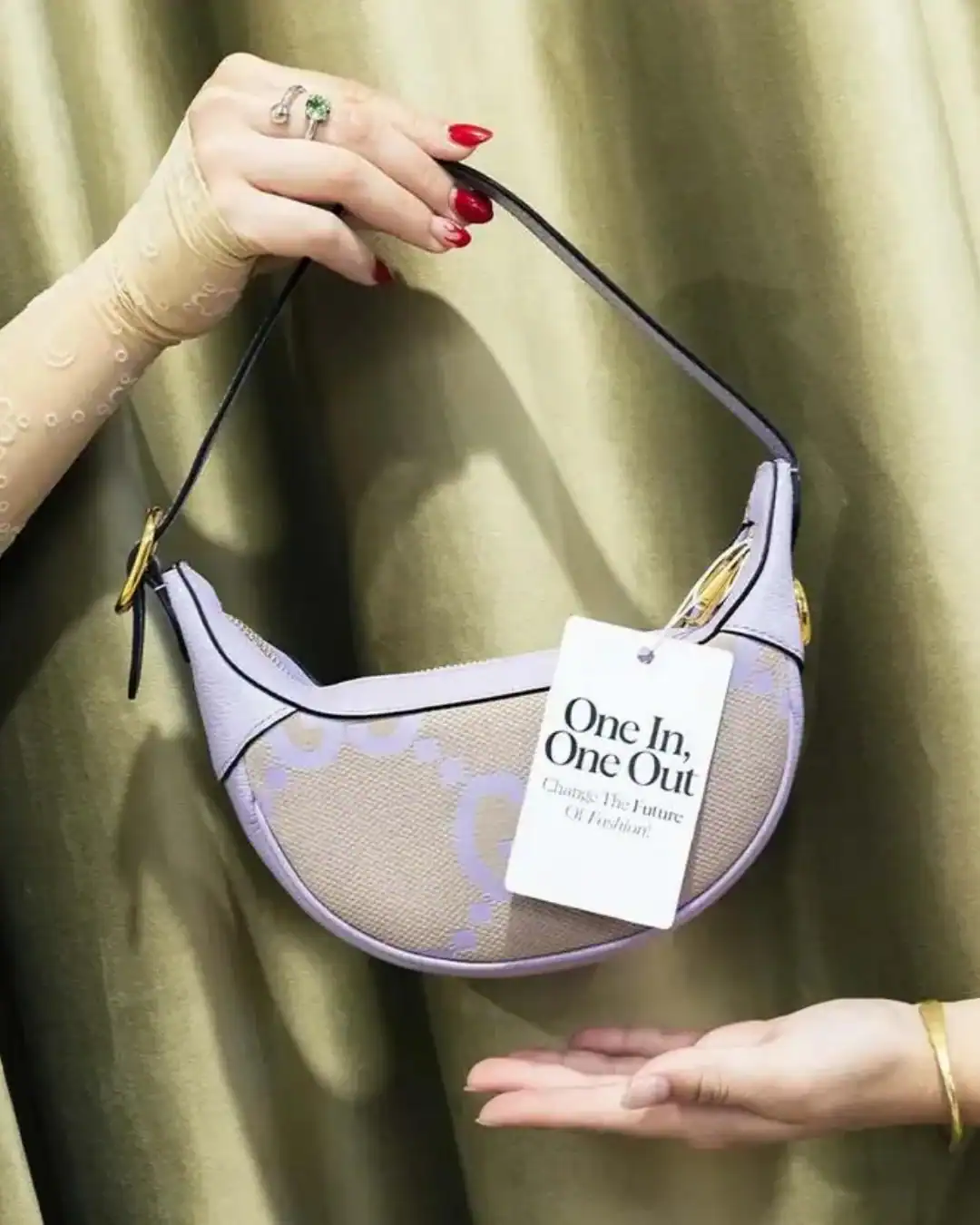
Vestiaire Collective is a global resale marketplace that connects buyers and sellers of pre-owned designer fashion.
The platform offers optional authentication services and includes features that allow users to shop by region, which can help reduce shipping distance and environmental impact.
Its inventory spans both high-end designer labels and more accessible brands, creating a broader range of price points.
The international reach and filtering options make it a more flexible choice for those looking to shop secondhand across different markets.
Price
$$–$$$
Size Range
XXS–XL (designer-dependent)
Location/Shipping
International
10. Vinted — Best For Affordable Secondhand In Europe
Best For: Budget-friendly secondhand shopping across Europe
Vinted is one of the most widely used resale platforms in Europe, with a strong focus on affordability and accessibility.
The platform allows users to buy and sell clothing, home goods, and entertainment items, making it more of a general secondhand marketplace.
It is particularly useful for everyday purchases rather than high-end items, with a large volume of listings at lower price points.
Its straightforward structure and wide availability make it a practical option for budget-conscious secondhand shopping across Europe.
Price
$–$$
Size Range
XXS–Plus (wide range across sellers)
Location/Shipping
Europe & UK
11. Depop — Best For Trendy, Creative & Upcycled Pieces
Best For: Discovering unique styles and independent sellers

Depop blends elements of social media with resale, creating a more visual and community-driven shopping experience.
Sellers often style and photograph their items creatively, which makes browsing feel more curated compared to traditional marketplaces.
The platform attracts a mix of individual sellers, vintage shops, and independent designers, including those offering upcycled or reworked pieces.
This makes it particularly useful for finding trend-driven styles or more unique items that reflect current fashion influences.
Price
$–$$$
Size Range
XXS–XL (trend/vintage skew, limited plus)
Location/Shipping
International (seller-dependent)
12. Beyond Retro — Best For True Vintage With Consistent Drops
Best For: Reliable vintage sourcing without digging through random listings
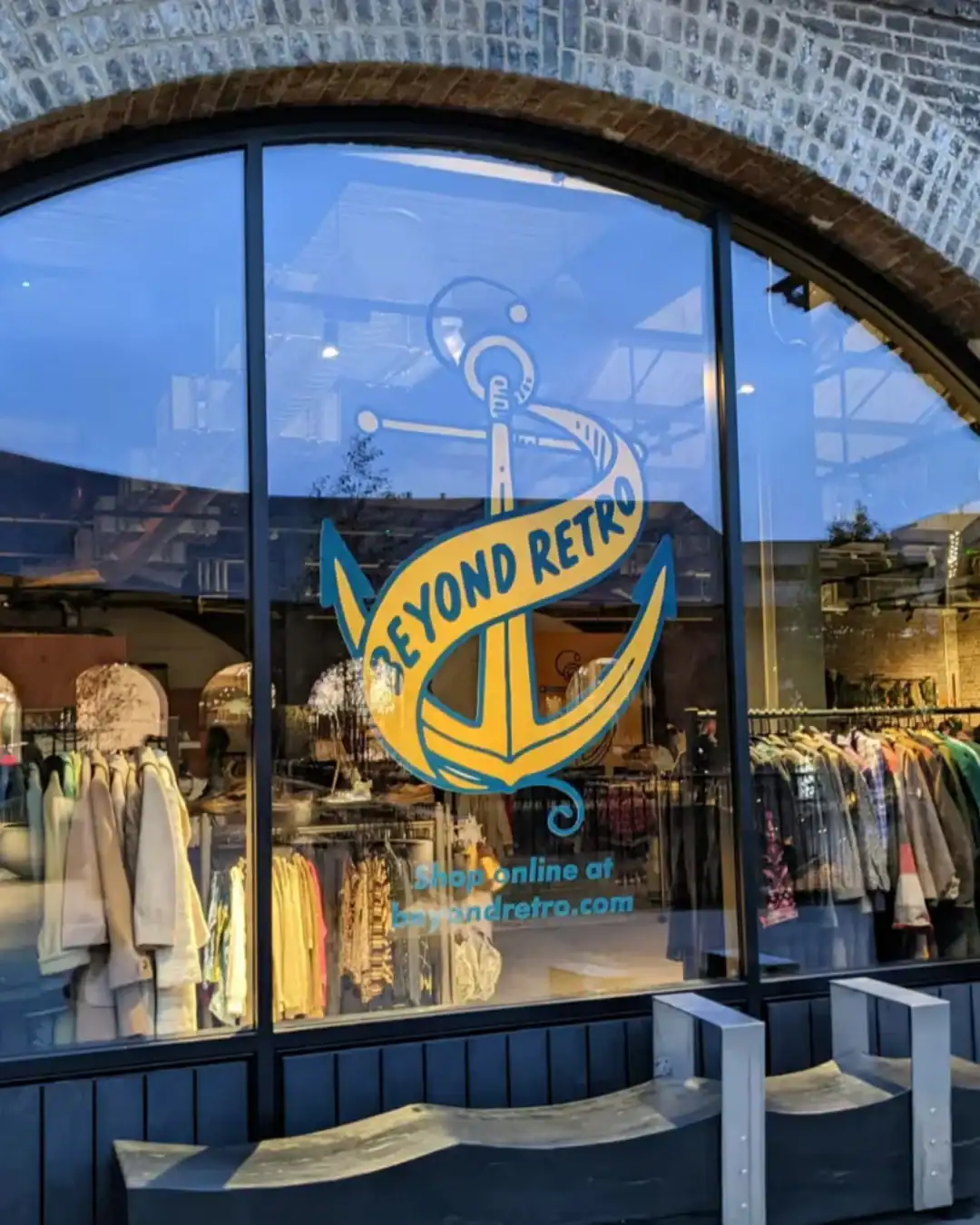
Beyond Retro is a vintage retailer that offers curated clothing from past decades, with a consistent flow of new inventory added regularly.
Unlike peer-to-peer platforms, where availability can be unpredictable, this structure provides a more reliable browsing experience.
The selection includes pieces from the 60s through the early 2000s, covering a wide range of styles and categories.
Its combination of curation and consistency makes it easier to shop vintage without relying on chance or constant searching.
Price
$–$$$
Size Range
XS–XL (vintage sizing varies)
Location/Shipping
International (seller-dependent)
13. Curate & Rotate — Best For Minimalist, Elevated Secondhand
Best For: Timeless, neutral wardrobes without fast fashion noise

Curate & Rotate focuses on pre-loved fashion with a minimalist and elevated aesthetic, bringing together vintage pieces, contemporary brands, and emerging labels.
The platform emphasizes neutral tones and timeless silhouettes, making it a strong option for those looking to build a more intentional wardrobe.
Rather than following fast-moving trends, the selection is designed to feel cohesive and versatile.
This approach makes it particularly appealing for shoppers interested in long-term wear and simplified styling.
Price
$$–$$$
Size Range
XS–XL (limited extended sizing)
Location/Shipping
International
14. Mercari — Best For Easy Buying & Local Deals
Best For: Simple resale transactions and local pickup options

Mercari is a resale marketplace that offers a straightforward buying and selling experience across a wide range of categories.
One of its more notable features is Mercari Local, which allows users to complete transactions within their own city, reducing the need for shipping.
The platform operates separately in different regions, including Japan and the United States, each with its own marketplace.
Its simplicity and flexibility make it an accessible option for both casual buyers and sellers looking for convenience.
Price
$–$$$
Size Range
XXS–Plus (seller-dependent, wide range)
Location/Shipping
United States & Japan
15. Facebook Marketplace — Best For Local Secondhand & Quick Deals
Best For: Finding nearby deals and avoiding shipping altogether

Facebook Marketplace is a location-based resale platform that connects buyers and sellers within their local area.
While it is often associated with furniture and household goods, it also includes clothing, shoes, and accessories.
The ability to arrange local pickup reduces the need for packaging and shipping, which can be a more convenient and lower-impact option.
Although it is less curated than dedicated resale apps, its accessibility and wide user base make it a useful option for quick, local transactions.
Price
$–$$$
Size Range
XXS–Plus (local seller-dependent)
Location/Shipping
Local pickup or seller-dependent
16. Grailed — Best For Curated Menswear & Streetwear
Best For: Shoppers looking for elevated menswear, designer, and niche streetwear pieces
Grailed is a resale platform focused specifically on men’s fashion, with an emphasis on designer labels, streetwear, and niche brands.
The platform’s community is more style-focused than general marketplaces, which helps create a more curated selection of listings.
This makes it easier to find distinctive or harder-to-source pieces without sorting through large volumes of basic items.
It is particularly useful for those interested in more directional menswear or brands that are not widely available in traditional retail settings.
Price
$$–$$$$
Size Range
XS–XXL (menswear-focused, seller-dependent)
Location/Shipping
International (seller-dependent)
17. Goodfair — Best For Low-Waste Bulk Thrift & Surprise Bundles
Best For: Shoppers who want affordable secondhand basics with minimal packaging waste

Goodfair offers a different approach to online thrifting by selling clothing in curated bundles rather than individual items.
Customers select a category, such as t-shirts or sweatshirts, and receive a pre-selected assortment, which helps streamline the sorting process and reduce textile waste.
This model keeps prices relatively low but requires flexibility, as specific items cannot be chosen in advance.
The focus on bulk resale and waste reduction makes it a more sustainable-oriented alternative to traditional secondhand platforms.
Price
$–$$
Size Range
S–XL (bundle-based, varies by drop)
Location/Shipping
United States
18. Nuuly — Best For Curated Resale From A Rental-Based Platform
Best For: Shoppers who want curated, quality-checked secondhand clothing without the unpredictability of peer-to-peer resale
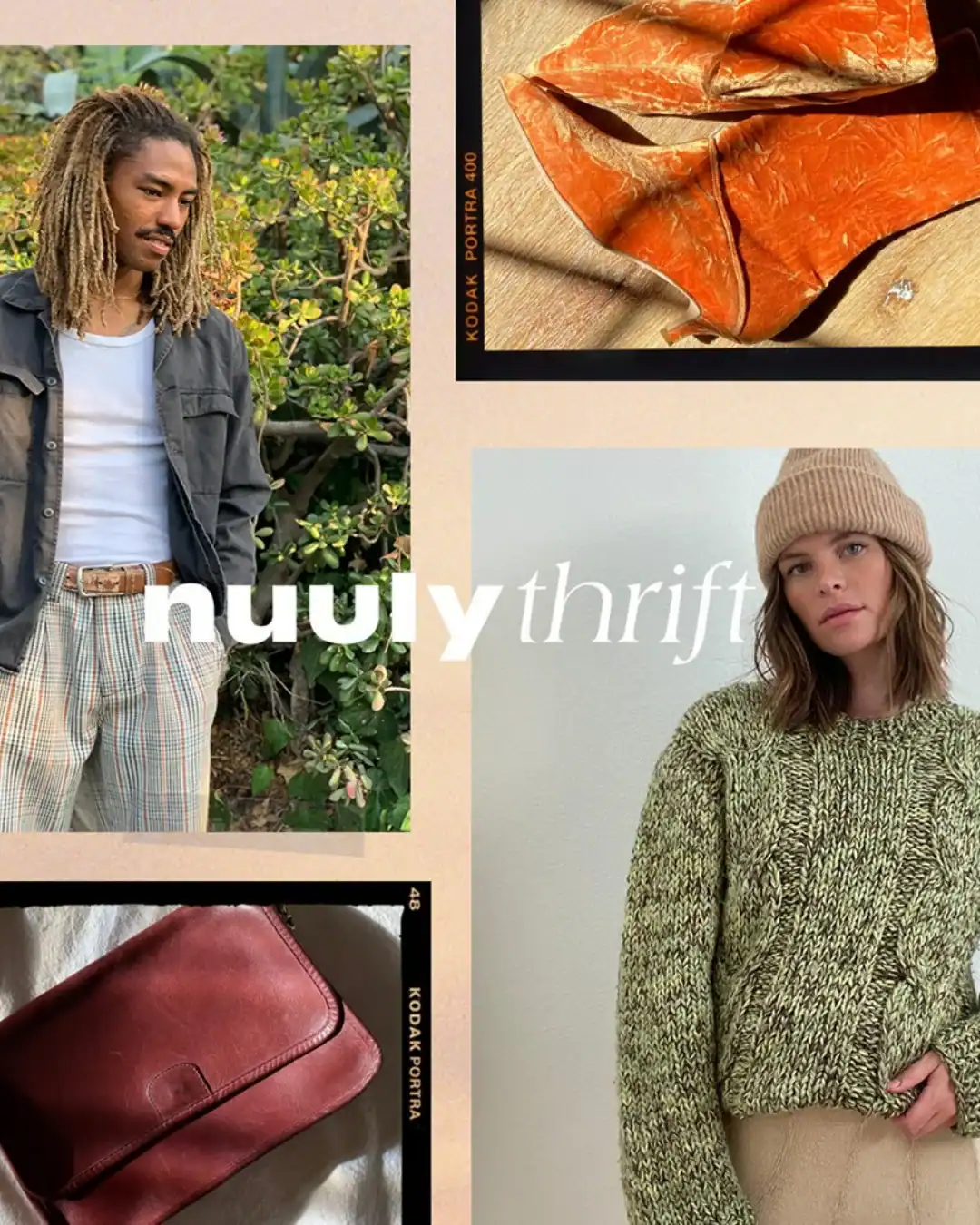
Nuuly is primarily known as a clothing rental service, but it also offers a resale section where customers can purchase pre-owned pieces from its inventory.
Because items are managed, cleaned, and quality-checked through the brand, the selection tends to feel more consistent than peer-to-peer marketplaces.
The platform includes a mix of contemporary and trend-focused brands, often in good condition due to controlled circulation, creating a more predictable secondhand shopping experience.
Price
$$–$$$
Size Range
XXS–3X (varies by item, strong range from rental inventory)
Location/Shipping
United States
19. ReSee — Best For High-End Vintage & Archival Designer Pieces
Best For: Shoppers looking for rare, investment-level vintage fashion
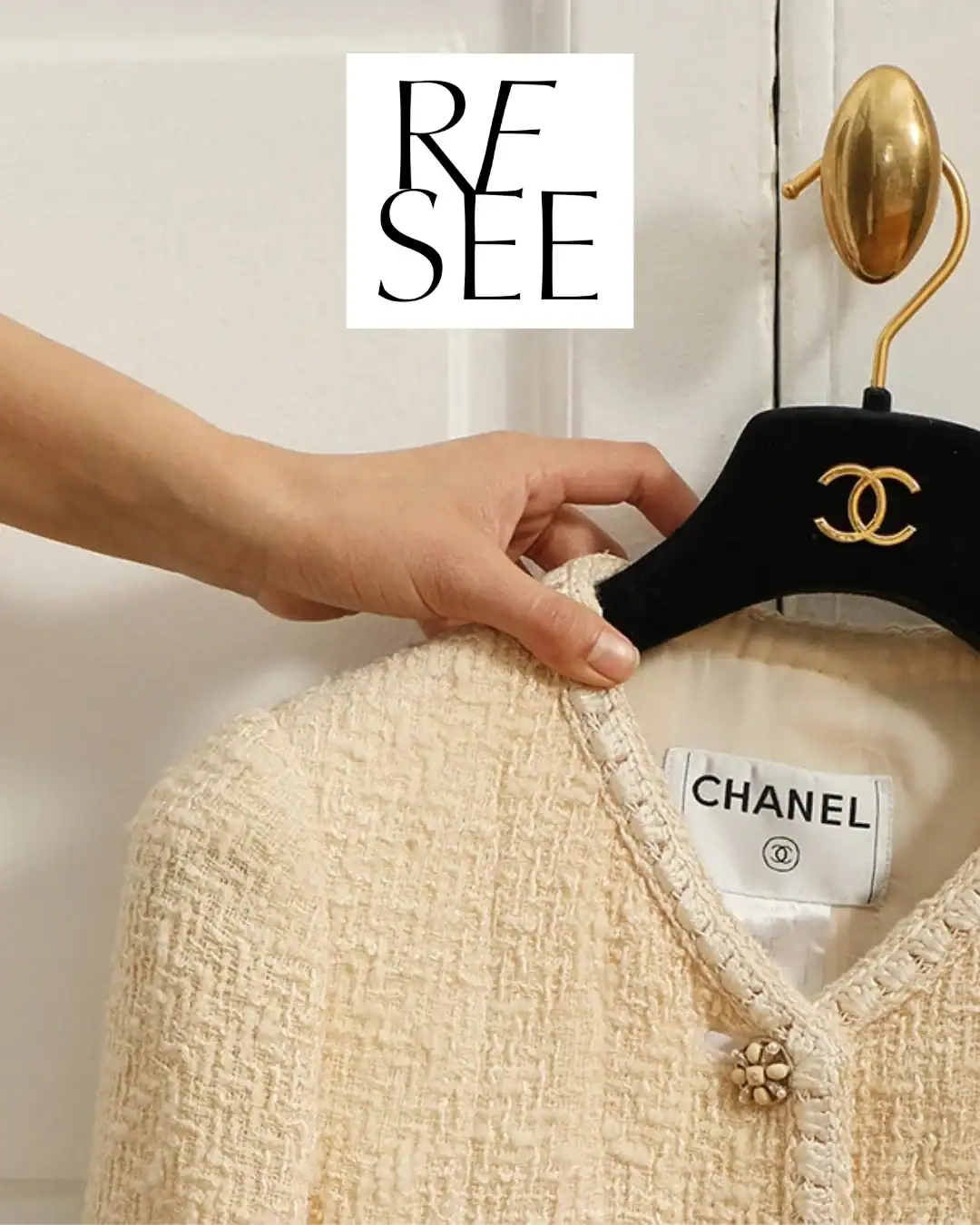
ReSee is a curated resale platform specializing in luxury vintage and archival designer fashion.
The selection focuses on rare and high-end pieces, often sourced from past collections that are no longer widely available.
Compared to broader resale marketplaces, the inventory is more refined and intentionally selected, with an emphasis on quality and uniqueness rather than volume.
This makes it a more suitable option for those looking for investment-level pieces or distinctive additions to a designer wardrobe.
Price
$$$–$$$$
Size Range
XS–L (luxury vintage, limited sizing)
Location/Shipping
International
Frequently Asked Questions About Online Thrift Stores
The best online thrift stores include platforms like Poshmark, ThredUp, Vinted, Depop, and The RealReal. Each one serves a different purpose, from affordable everyday clothing to luxury resale and curated vintage pieces. The right choice depends on your budget, style, and how specific your search is.
Yes, most online thrift stores are safe, especially established platforms with buyer protection policies. Marketplaces like ThredUp and The RealReal add extra layers of quality control, while peer-to-peer apps rely more on seller ratings and reviews. It’s always a good idea to check photos, descriptions, and return policies before purchasing.
In many cases, yes — online thrift stores can be significantly cheaper than buying new. Prices vary depending on brand, condition, and demand, but you can often find higher-quality materials at a lower cost. That said, rare or designer pieces may still be priced higher due to resale value.
Vinted, eBay, and Goodfair are some of the best options for affordable secondhand clothing. These platforms tend to have lower price points and a higher volume of listings. They’re especially useful if you’re focused on budget-friendly everyday pieces.
The RealReal, Vestiaire Collective, and Rebag are some of the most reliable platforms for luxury resale. They offer authentication services and structured listings, which helps reduce the risk of counterfeit items. This makes them a safer option for higher-end purchases.
Start by searching with specific keywords like fabric type, brand, or fit. Always check item descriptions, zoom in on photos, and look for details about condition and materials. Knowing your measurements also helps you avoid sizing issues, especially with vintage items.
Online thrifting can be a more sustainable option because it extends the life of existing clothing and reduces demand for new production. However, shipping and packaging still have an environmental impact. Choosing local sellers or platforms with regional filtering can help reduce that footprint.
Be cautious of vague descriptions, missing measurements, and listings without clear photos. It’s also worth watching out for “greenwashing” language that doesn’t actually reflect material quality. When in doubt, ask the seller for more details before buying.
Return policies vary depending on the platform. Structured resale sites like ThredUp or The RealReal may offer returns, while peer-to-peer marketplaces like Poshmark or Depop often have stricter policies. Always check return terms before purchasing.
It depends on your shopping style. Online thrifting is more efficient and allows you to search by size, brand, or material, while in-person thrifting can offer a more hands-on experience. Many people find that combining both gives the best results.
Still Deciding?
If you’re not sure where to start, here’s a quick way to narrow it down:
- Poshmark → best for finding specific brands and everyday pieces
- ThredUp → best for easy, retail-style shopping
- Vinted → best for affordable secondhand in Europe
- The RealReal → best for authenticated luxury
- Depop → best for trendy, creative style
Sometimes the easiest way to start is just picking one platform and getting familiar with how it works.
Final Thoughts On The Best Online Thrift Stores
Shopping secondhand is one of the easiest ways to start building a more sustainable wardrobe — and honestly, it’s something I keep coming back to in my own home.
Once you start paying attention to how much clothing is overproduced (and how quickly trends cycle through), it’s hard to ignore just how much waste the fashion industry creates.
Secondhand shopping offers a really practical way to step out of that cycle without feeling like you’re sacrificing style or quality.
And beyond the environmental impact, there’s a personal side to this, too.
You can usually find better prices, more unique pieces, and brands that might otherwise feel out of reach. It also gives you the freedom to experiment with your style in a way that doesn’t feel tied to fast-moving trends.
For me, that’s really the biggest shift — shopping secondhand feels more intentional.
So whether you’re trying to save money, reduce waste, or just find pieces you actually love wearing, this guide will walk you through the best online thrift stores to keep bookmarked.
Continue Your Sustainable Fashion Journey
If you’re starting to rethink how you shop and build your wardrobe, these guides can help you take the next step:
- Kids Online Thrift Stores – A handpicked list of the best places to buy gently used kids’ clothes online, helping families save money while reducing waste.
- Circular Fashion: Closing The Loop On Fashion Waste – A deeper look at how circular systems and textile recycling can reduce fashion waste — and which brands are doing it well.
- Places To Recycle Old Clothes – Reliable drop-off locations, mail-in programs, and take-back initiatives to keep clothing out of landfills.
- Guide To Renting Clothes – How clothing rental works, why it can be a lower-waste option, and the best platforms to try.
- How To Shop Second-Hand Like A Pro – Practical tips for finding quality pieces, avoiding greenwashing, and building a wardrobe more intentionally.
- Ways To Reuse Old Clothing – Simple, creative ways to extend the life of what you already own.
Small changes really do add up — and each step moves you toward a more sustainable closet.
📌 Save This Guide For Later
If you’re starting to shift toward secondhand shopping, this is one of those guides worth coming back to.
This breakdown of the best online thrift stores covers everything from peer-to-peer marketplaces to curated resale platforms, so you can find what works best for your style, budget, and shopping preferences — without getting overwhelmed.
Save it for later so you have it on hand the next time you’re looking to add something to your wardrobe without buying new.
Sources & Further Reading
If you’re like me and want to understand what’s actually happening in the fashion industry, not just what brands market as “sustainable”.
These are some of the resources I found most helpful while researching secondhand shopping and textile waste:
- Ellen MacArthur Foundation – One of the leading organizations on circular fashion, with research on textile waste, overproduction, and how resale helps extend the life of clothing.
- Environmental Protection Agency (EPA) – Provides data on textile waste, landfill impact, and how clothing consumption contributes to environmental pollution.
- WRAP (Waste and Resources Action Programme) – Offers research on the clothing lifecycle, waste reduction, and how keeping garments in use longer reduces environmental impact.
- ThredUp Resale Report – A yearly report with insights into secondhand growth, consumer behavior, and the expansion of online thrifting.
- Global Fashion Agenda – Publishes industry reports on sustainability challenges in fashion, including overproduction and resource use.
- United Nations Environment Programme (UNEP) – Covers the broader environmental impact of the fashion industry, including water use, emissions, and waste.
- Fashion Revolution – Focuses on transparency, ethical production, and helping consumers better understand how clothing is made.
- Textile Exchange – Provides insights into materials, fiber production, and the environmental impact of different textiles.
I also spent time reviewing how different resale platforms actually operate — from peer-to-peer marketplaces to managed consignment models — to understand how inventory is sourced, handled, and resold beyond the marketing language.
As with most things in the sustainable fashion space, this is still evolving. Resale is growing quickly, but it doesn’t automatically solve overproduction — which is why I always come back to buying less, choosing better, and extending the life of what already exists whenever possible.

Steal My Non-Toxic Cleaning Checklist!
Believe us, it’s the BEST…. and it’s free. Does it really get any better than that?! Sign up for our newsletter and get this free checklist to clean your home without any harmful chemicals!