 Shop My Favorite Non-Toxic Gifts Of 2026!
SKL is reader supported. When you buy through links on our site, we may earn affiliate commission. Learn more here.
If you’ve ever wondered how to reuse old clothing instead of tossing it, this guide is for you. It’s designed for anyone who wants to reduce textile waste, embrace creative sustainability, and breathe new life into worn garments — all while avoiding the environmental impact of fast fashion and overflowing landfills.
Did you know the average American throws away over 80 pounds of clothing each year?!
I was shocked when I first learned that—and even more stunned to find out that nearly 95% of those textiles could have been reused or recycled.
And while I used to feel good about donating my old clothes, thinking it was the best way to give them a second lease on life, I was surprised to learn the truth.
Only 10–20% of donated items are actually resold locally. The rest is often exported to developing countries, where it can overwhelm local economies and still ultimately end up in landfills.
This is a global issue—one that disproportionately affects communities in economically disadvantaged regions, especially in the Southern Hemisphere.
Quick Ways to Reuse Old Clothes (At a Glance)
- Best for quick repairs → Embroidery
- Best stain fix → Natural Dye
- Best beginner upcycle → T-shirt tote
- Best home decor project → Sweater pillow
- Best sentimental project → T-shirt quilt
That realization completely changed the way I think about my wardrobe.
Over the past few years of running Sustainably Kind Living, I’ve tested dozens of ways to extend the life of clothing — from visible mending to natural dyeing to turning worn fabrics into household essentials.
Instead of automatically donating, discarding, or replacing pieces that were worn or slightly damaged, I started asking a different question:
Can this become something better?
What started as a small experiment — patching a pair of jeans, dyeing a stained tee, cropping an outdated dress — quickly turned into something much bigger.
I began to see my closet not as a collection of finished products, but as raw material.
And the truth is?
Reusing old clothes is far more creative, empowering, and satisfying than I ever expected.
It also shifts you out of the fast fashion cycle in one of the most practical ways possible — by simply using what you already own.
If you’re ready to try a few of these ideas yourself, it helps to have a small repair toolkit ready. The good news? Most upcycling projects require only a few simple tools.
Basic Upcycling Tools (A Simple Starter Kit)
Before we jump into the ideas, it helps to have a few simple tools on hand. The good news? You don’t need a full sewing studio to start reusing old clothes.
Most clothing repairs and upcycling projects can be done with just a handful of basics — many of which you may already have in a drawer somewhere.
These are the tools I reach for most often when repairing or repurposing garments at home:
Fabric Scissors
A sharp pair of fabric scissors makes cutting clean lines much easier, whether you’re cropping a shirt, cutting patch fabric, or turning old tees into reusable bags. Regular kitchen scissors tend to snag fabric, so having a dedicated pair is worth it.
👉 Best for precise cuts when cropping, patching, or turning clothes into DIY projects.
Sewing Needles
Even if you don’t sew often, a small set of hand-sewing needles is incredibly useful. They’re perfect for quick repairs like fixing loose seams, attaching patches, or closing up simple projects.
👉 A must-have for basic clothing repairs and beginner upcycling.
Embroidery Thread
Embroidery thread is ideal for visible mending techniques like sashiko or decorative repairs. It’s thicker than standard sewing thread and comes in a wide range of colors, making it great for both strengthening fabric and adding personality.
👉 Perfect for creative mending that turns damage into design.
Fabric Glue (No-Sew Option)
If sewing isn’t your thing, fabric glue can be a lifesaver. It allows you to secure patches, seal hems, and finish simple projects in minutes without touching a needle.
👉 Great for quick fixes or beginner no-sew projects.
Patch Fabric or Scrap Bundles
Saving fabric scraps from worn clothing can be surprisingly useful. Old jeans, cotton shirts, and linen pieces make excellent patch material for reinforcing knees, elbows, and worn seams.
👉 One of the easiest ways to repair clothing while reducing waste.
In this guide, I’m sharing 20 realistic, beginner-friendly ways to:
• Refresh worn pieces
• Replace single-use household items
• Create meaningful home decor
• Turn sentimental garments into keepsakes
• And reduce textile waste without feeling overwhelmed
Some of these ideas take five minutes.
Some are weekend projects.
All of them extend the life of something that would otherwise end up in a landfill.
Let’s start with the easiest wins first.
That’s the beauty of small repairs — they build momentum.
Once you realize how easy it is to extend the life of a single piece, something shifts. You stop seeing worn spots as flaws and start seeing them as opportunities.
But refreshing a garment is only part of the story.
Upcycling isn’t just about saving money or trying a cute DIY trend — it’s part of a much bigger conversation about waste, production, and the true cost of clothing.
Why Upcycling Our Old Clothing Matters
Before we dive deeper, let’s clarify a few key terms that shape how we think about textile waste.
- Upcycling: Upgrading an item’s value through creative reuse.
- Recycling: Recycling old clothes involves breaking down materials to remake something new.
- Downcycling: Reusing an item in a way that diminishes its original quality or value.
While recycling has its place, upcycling offers the most impact, not just environmentally, but creatively, too.
It helps us:
- Divert textiles from overburdened landfills.
- Reduce the need for new clothing production, which often relies on water-intensive processes, petroleum-based fabrics, and unethical labor.
- Celebrate craftsmanship and individuality by creating something no one else has.
- Reconnect with our clothes, breaking away from a culture of disposable fashion.
As Paola, the founder of sustainable clothing brand Soigné, puts it:
“Fast fashion is killing our planet… The world doesn’t need another clothing brand—we need to use what already exists.”
Upcycling is one of the most accessible ways to step out of the waste cycle.
With just a few tools and a little creativity, you can turn your old clothes into something functional, beautiful, and something you can enjoy for years to come.
Of course, not every garment can be saved forever.
Even with the best repairs, natural fibers thin out. Elastic wears down. Seams eventually give way.
And that’s okay.
Sustainable living isn’t about squeezing every thread past its breaking point — it’s about being thoughtful with what we own, and equally thoughtful about what replaces it.
When something truly reaches the end of its life, that’s our opportunity to choose better the next time around.
♻️ When It’s Truly Beyond Repair…
Sometimes a piece just can’t be salvaged — and that’s okay.
If you’re replacing something worn beyond repair, consider upgrading to:
• Organic cotton underwear that lasts years
• Non-toxic leggings made without PFAS
• Sustainable basics built for repeat wear
Sometimes the most sustainable choice isn’t just repairing — it’s knowing when to repair, when to repurpose, and when to thoughtfully replace.
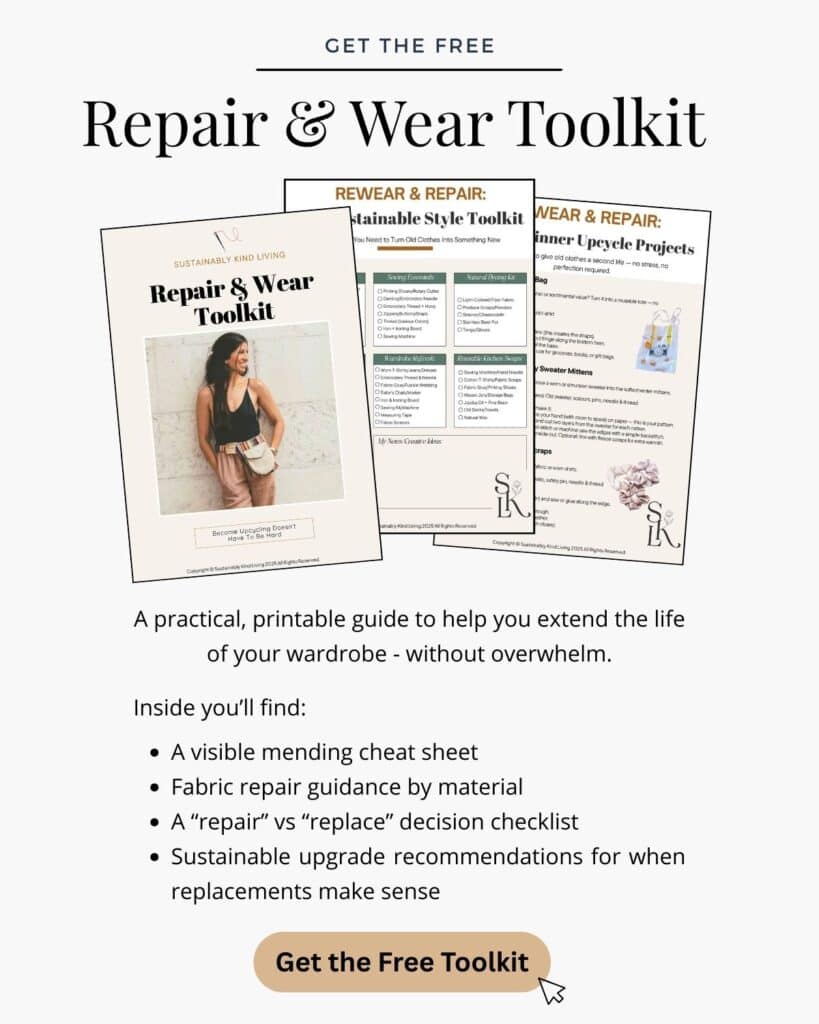
If you want a simple framework to help you make those decisions confidently, I created something for you:
Now that you have a framework for deciding what’s worth saving, let’s start with the simplest upgrades — the ones that require minimal tools and zero advanced sewing skills.
These quick refreshes can instantly extend the life of pieces you already love.
Simple Wardrobe Refreshes (No Major Reconstruction Required)
1. Embroider It
Credit: Aboderie
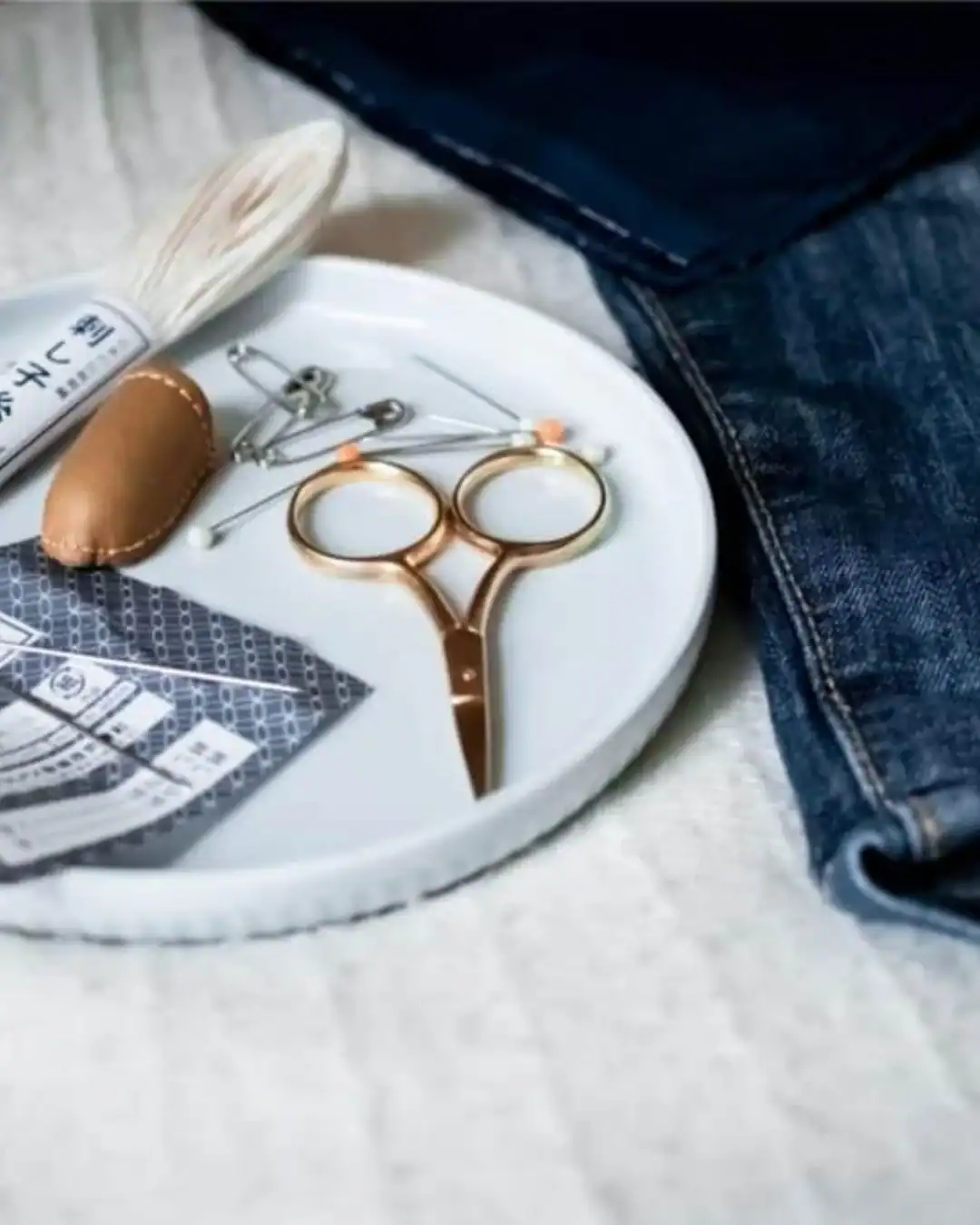
Embroidering over a tear, hole, or worn spot is a powerful way to transform damage into design.
Using the traditional Japanese technique of sashiko, you can create beautiful, geometric stitches that both reinforce the fabric and add visual texture, making your repairs just as stylish as they are functional.
This tutorial by Aboderie walks through how to use sashiko to patch and stitch denim, making it especially great for jeans and workwear.
You’ll need a sashiko needle (or a long embroidery needle), sashiko thread (or embroidery thread using all 6 strands), fabric scraps, safety pins, fabric scissors, and optionally, tailor’s chalk.
Sashiko involves repetitive, evenly spaced stitches often done in lines or crosses.
The stitching process is meditative and beginner-friendly, with room for creativity and personalization.
2. Dye It
Credit: Side Lake Stitch
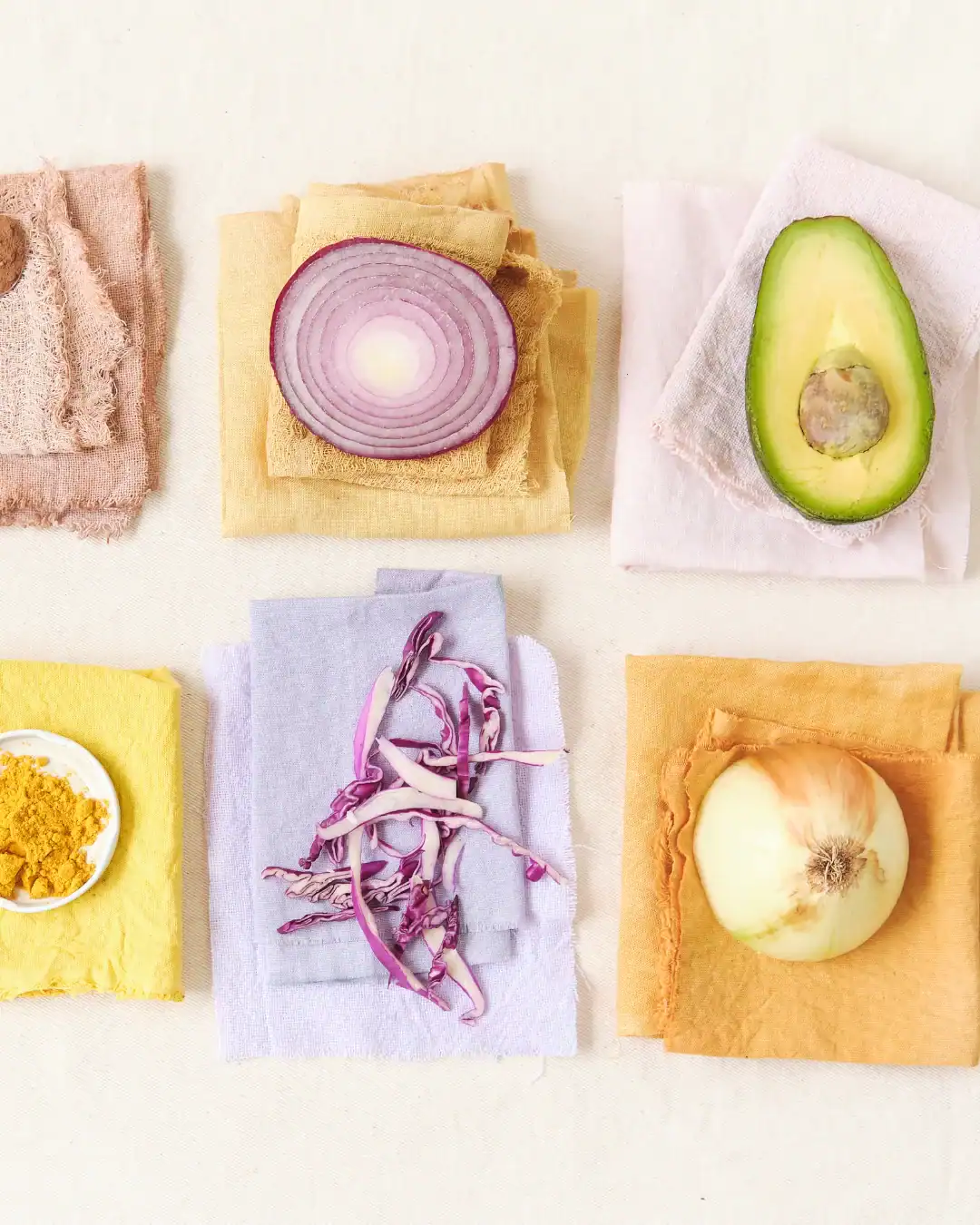
Natural dyeing is a beautiful and low-impact way to give stained or faded garments new life, especially when using food scraps you already have on hand.
In this method from Side Lake Stitch, avocado pits and skins are used to produce soft blush to deep maroon tones, thanks to the tannins naturally present in the fruit.
This technique is best for white or light-colored natural fiber garments like cotton, silk, or linen.
♻️ No-Sew Hack: Grab this Eco Fabric Glue to seal seams in minutes—no needle required.
You’ll need 4–6 cleaned avocado pits and skins, a stainless steel dye pot, and pre-washed fabric. No mordant is necessary, as avocados naturally help the color bind to fibers.
The process involves simmering the pits and skins to extract the dye, then soaking the fabric in the dye bath for 1–2 hours (or longer for deeper hues).
Letting the fabric sit overnight or up to 24 hours enhances the color. Once you’re happy with the tone, rinse and wash the fabric gently.
This gentle, beginner-friendly method offers a unique way to explore natural dyeing, resulting in one-of-a-kind tones and extending the life of your wardrobe without synthetic chemicals.
3. Patch It
Credit: MadamSew

Patching is a creative and functional way to repair clothes, adding unexpected textures or pops of color while extending their lifespan.
You can use fabric scraps, decorative embroidered patches, or even cut pieces from garments that are too worn to wear.
To begin, gather your patch material, scissors, needle and thread or sewing machine, pins, and an iron if using fusible webbing.
Fusible webbing offers a no-sew option by adhering the patch with heat, though sewing the patch on provides a more durable attachment.
Experiment with contrasting fabrics like floral prints on denim, velvet on canvas, or tie-dye on neutral tones to create a unique look.
Layering patches or designing around areas like knees, elbows, or worn seams can add more personality.
4. Crop It
Credit: Paper & Stitch

Cropping is one of the easiest and most transformative ways to revive old clothing—and you don’t need a sewing machine to get started.
Whether you’re trimming worn-out jeans into summer-ready shorts or turning an outdated dress into a flirty mini, this is the kind of quick upcycle project that offers immediate payoff.
Cropping works best on garments with clean lines like t-shirts, jeans, dresses, and long cardigans.
All you need are fabric scissors, a ruler, and tailor’s chalk to mark your cutting line.
Always try on the garment and mark conservatively. You can always trim more, but you can’t add length back!
For a more polished look, you can hem the bottom or use fabric glue for a no-sew option.
If you’re going for a laid-back vibe, raw edges can work just fine, especially with denim or cotton knits that won’t fray excessively.
Replacing Single-Use Items (Practical Sustainability)
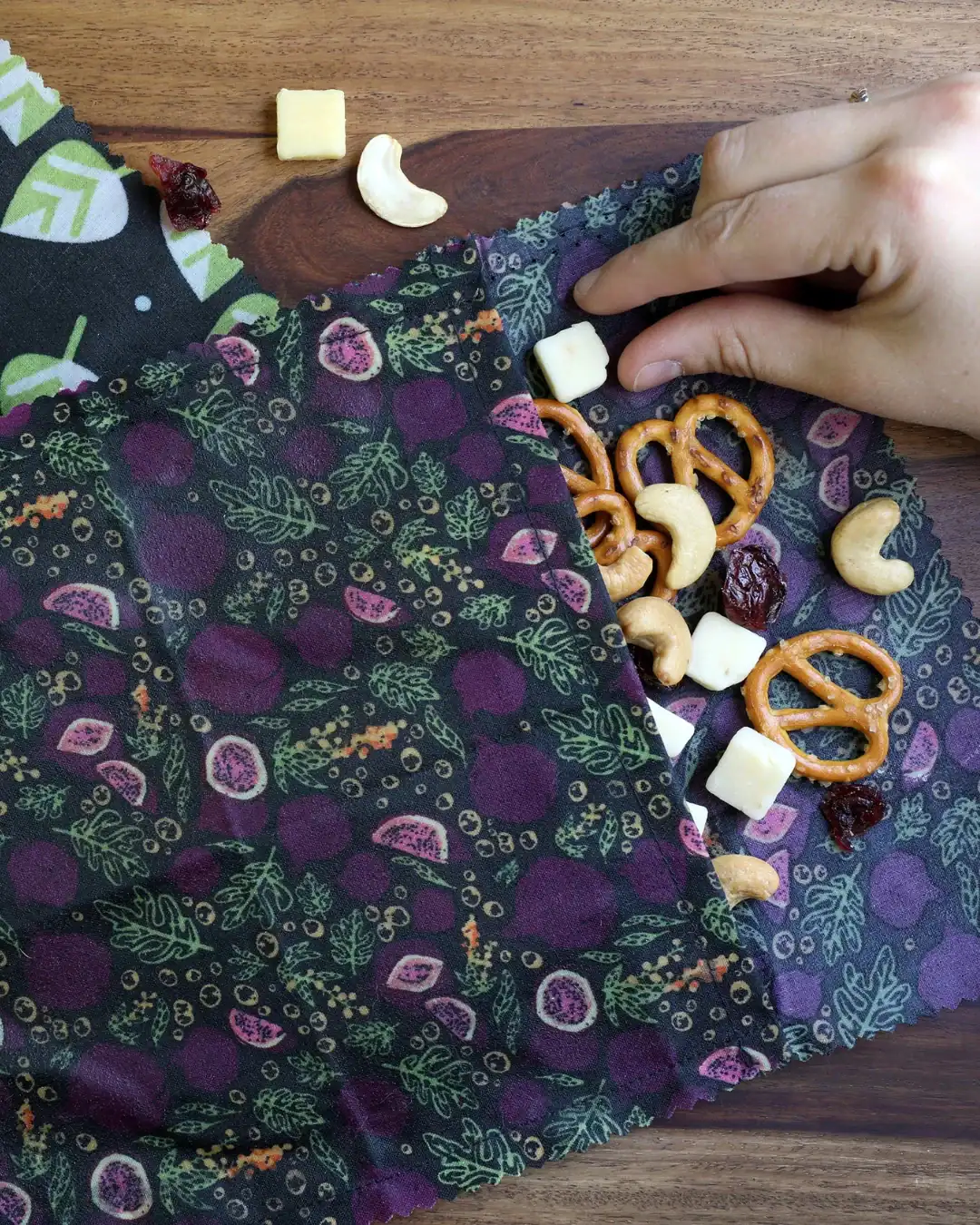
Beeswax wraps are a sustainable, reusable alternative to plastic wrap, and making your own is a simple way to reduce waste while repurposing fabric scraps.
This method from Mountain Rose Herbs includes both beeswax and plant-based (beeless) variations, making it accessible for everyone.
🐝 DIY Kit Option: This Beeswax Wrap Kit includes everything you need: cotton squares, wax pellets, and even jojoba oil!
To make your own, you’ll need pre-washed 100% cotton fabric (light to medium weight works best), beeswax pellets or soy/candelilla wax for a vegan option, pine resin (to help with stickiness), and jojoba oil (to soften and preserve the wrap).
You can melt the mixture using a double boiler or in the oven, then brush or pour it onto your fabric before baking briefly and letting it cool.
Once cured, these wraps can be used to store sandwiches, cover bowls, or wrap produce.
They’re naturally antibacterial, washable with cool water, and compostable once worn out—typically lasting up to a year with proper care.
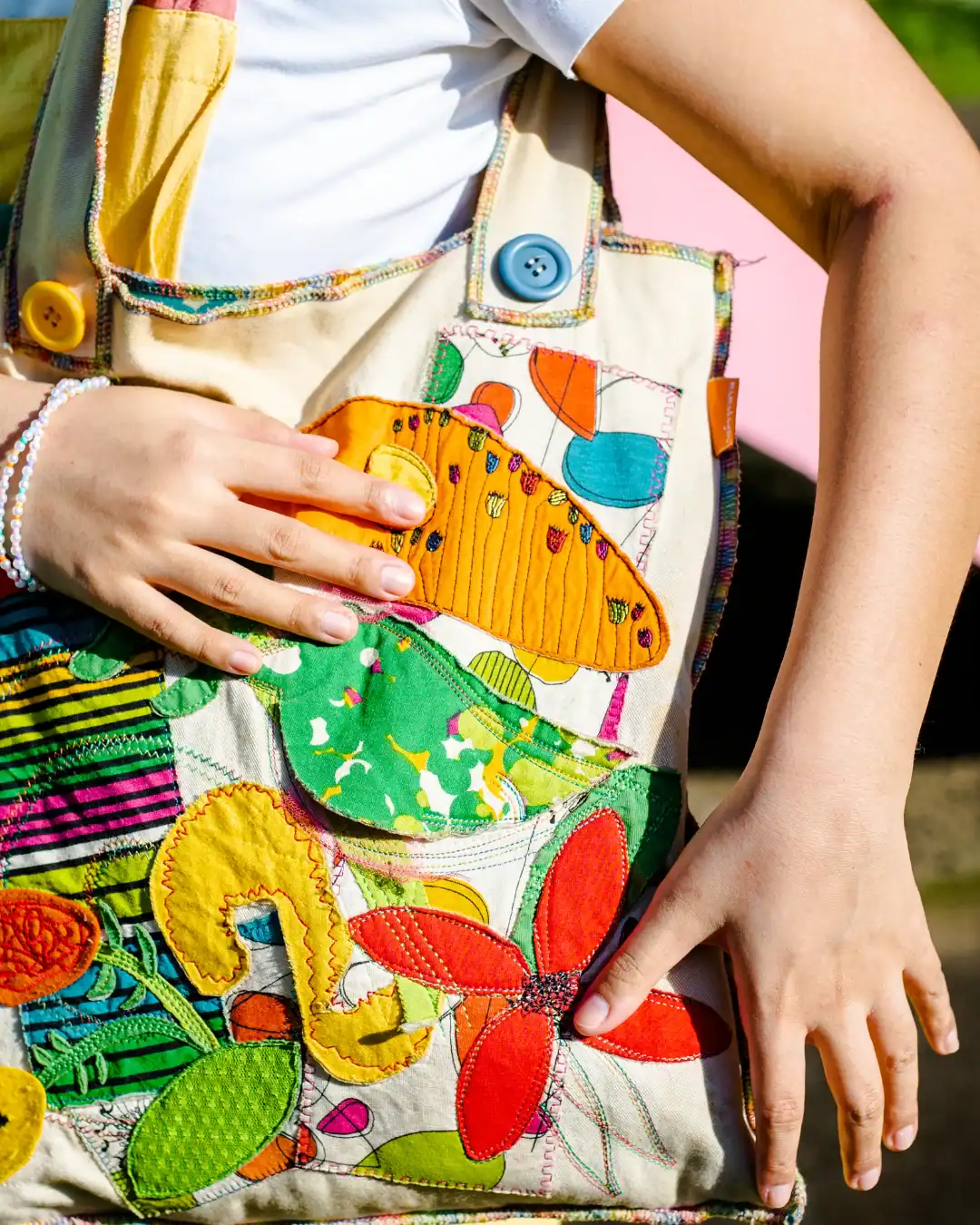
Plastic produce bags are a major source of single-use waste, and most aren’t recyclable.
Upcycling old t-shirts into reusable produce bags is an easy, beginner-friendly swap that significantly reduces your plastic use.
This no-sew method from Delia Creates works best with lightweight cotton t-shirts that are soft and worn-in.
You’ll cut off the sleeves and neckline, then add vertical slits along the bottom hem to create ventilation for your produce.
Instead of sewing, you simply knot the bottom fringe together to close the bag. Optional: Add a few drops of fabric glue like Liquid Stitch for extra hold.
These bags are best used for short-term storage, like grocery trips or farmers’ markets, as cotton can retain moisture. They’re machine washable, foldable, and stylish enough to gift.
Each one can replace hundreds of disposable produce bags over time, making this one of the more impactful upcycles you can do in under 20 minutes.
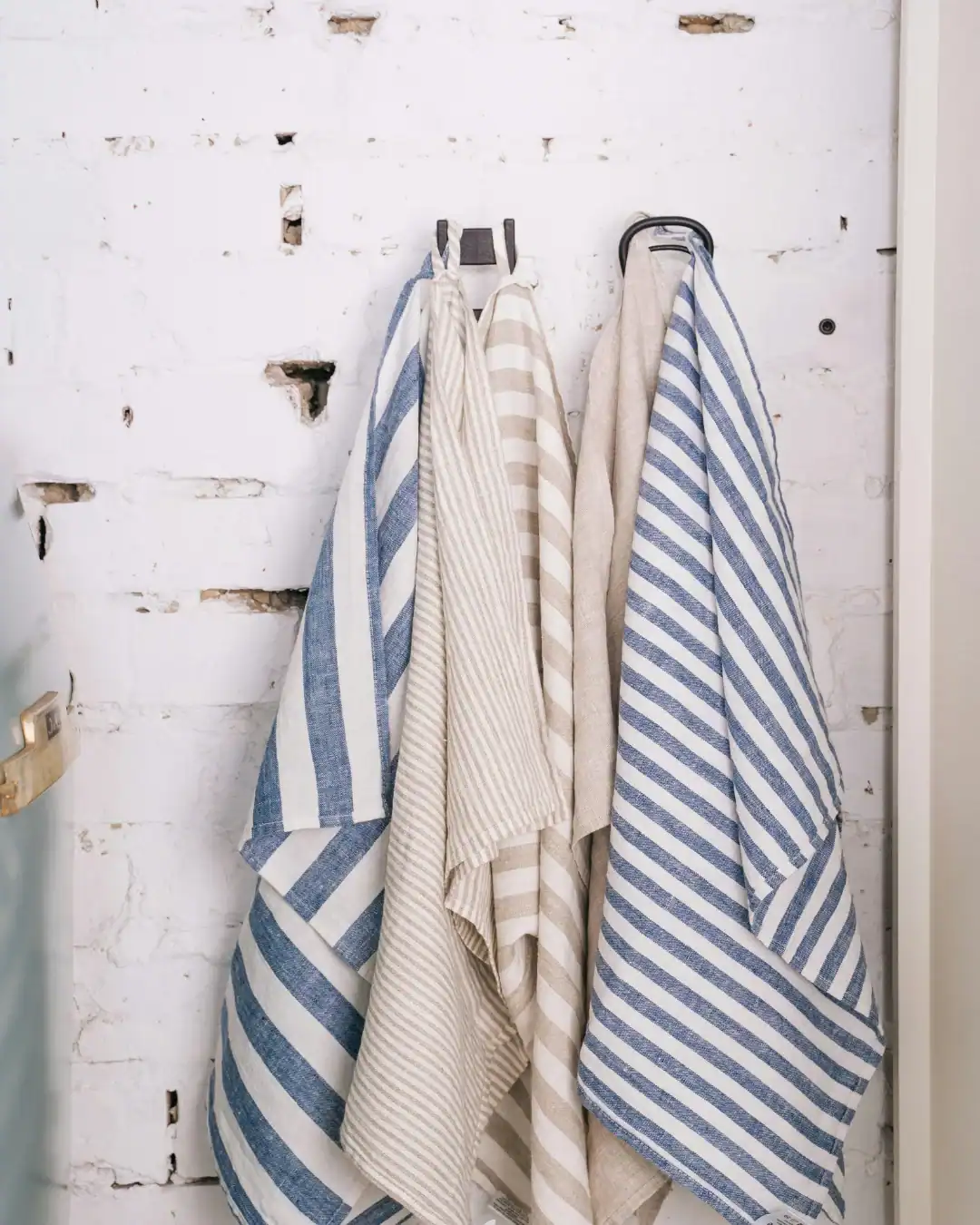
Paper towels are convenient, but they’re also a major source of single-use waste.
Instead of buying more, repurpose your old bath towels and tattered t-shirts into a full set of reusable cleaning cloths.
🧼 Organize Your Stash: Store your rags by room with these Cotton Storage Bins.
Terrycloth is perfect for scrubbing, soaking up spills, or cleaning surfaces, while jersey cotton from old tees works well for dusting electronics or polishing mirrors and windows.
To create your cleaning rags, just cut the fabric into squares (6×6 or 10×10 inches works well), and if desired, stitch around the edges to prevent fraying.
These rags can be washed and reused hundreds of times. Keep different cloths for different rooms (e.g., bathroom, kitchen, garage), and store them in a bin or drawer for easy access.
This is a great way to reduce household waste, and since you likely already have the materials on hand, it’s completely free.
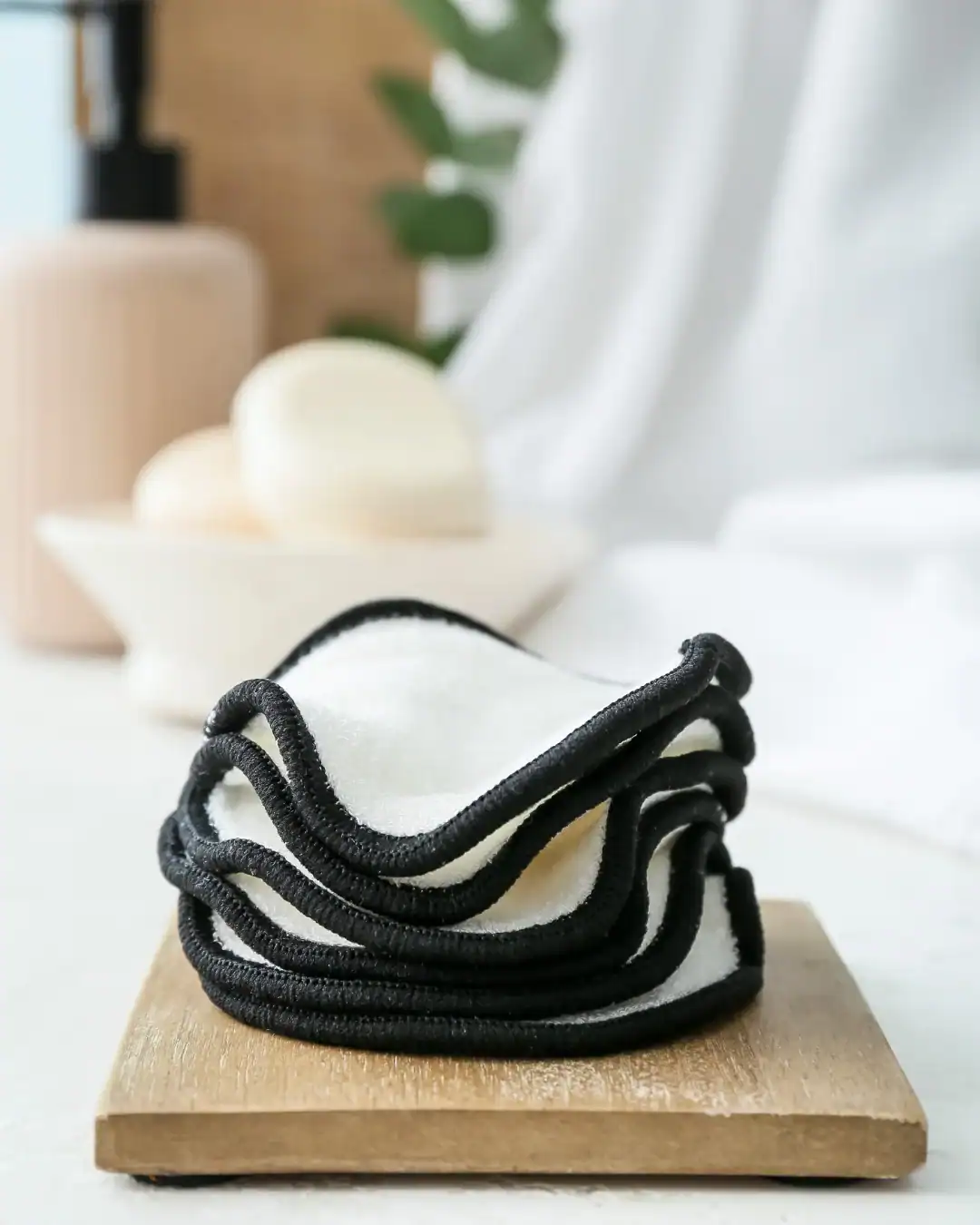
Soft, worn-in T-shirts are the perfect material for homemade cotton rounds.
These are gentle on your skin, effective for applying toner or removing makeup, and can be tossed in the wash with your towels, over and over again.
To make them, simply trace small circles (about 2–3 inches in diameter) onto your fabric and cut them out with sharp scissors or pinking shears to prevent fraying.
You can sew two layers together for added thickness, or just leave them single-layer for lightweight use. If you want to get fancy, serge the edges or use a zigzag stitch to reinforce the seams.
These rounds can be stored in a mason jar or a cloth bag and washed in a mesh laundry bag.
This simple swap eliminates the need for disposable cotton pads or wipes, cutting down on bathroom waste while giving old garments a brand-new role in your daily self-care routine.
Want to Go Even Further?
If you’re replacing disposable items, it may also be time to evaluate:
• Safer, low-tox cleaning systems
• Plastic-free kitchen swaps
• Non-toxic cookware
👉 Our full guide to Non-Toxic Kitchen Essentials
👉 Best Non-Toxic Cleaning Products
👉 Top Ceramic & Stainless Steel Cookware Brands
Home Comfort & Decor (Visual Impact Projects)
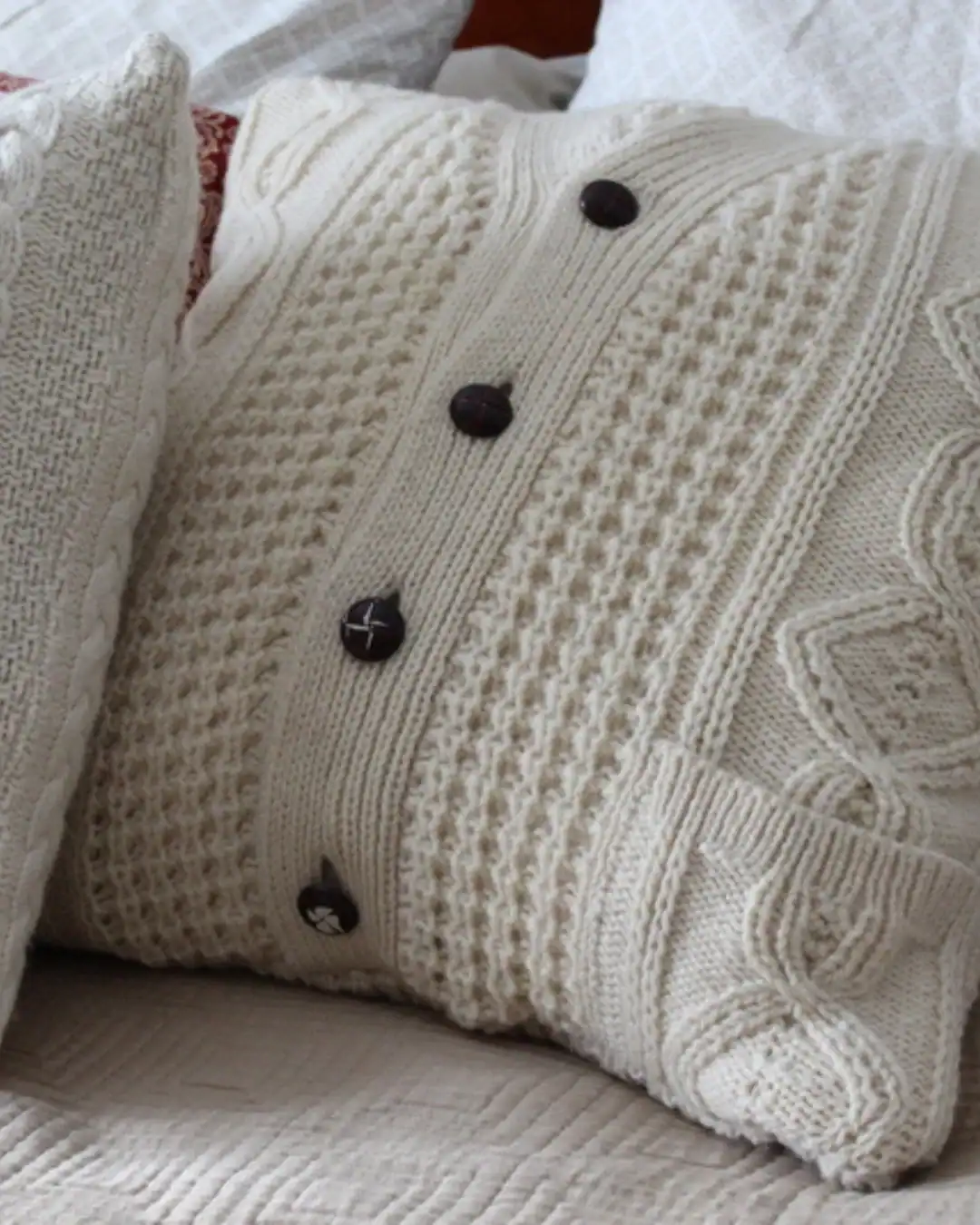
Don’t toss that shrunken wool sweater—turn it into a cozy new home accent instead!
Felted wool and chunky knits make the perfect materials for pillow covers or even oversized poufs that double as footrests or floor seating.
To make a sweater pillow, cut the sweater to match your pillow insert size, sew the edges (right sides together), and add a zipper, buttons, or envelope-style fold for closure.
🧶 Pro Tip: Use this Zipper Pillow Kit for a polished finish. Great for gifting, too!
For poufs, stitch multiple sweater panels together and fill them with fabric scraps, foam, or old clothing.
This is a fantastic way to give loved garments a second life while adding a soft, handmade touch to your home.
Sweaters with cable knit patterns or rich textures work especially well for creating a hygge-inspired atmosphere in any room.
Bonus: These projects make thoughtful DIY gifts, too, especially when you use sweaters with sentimental value.
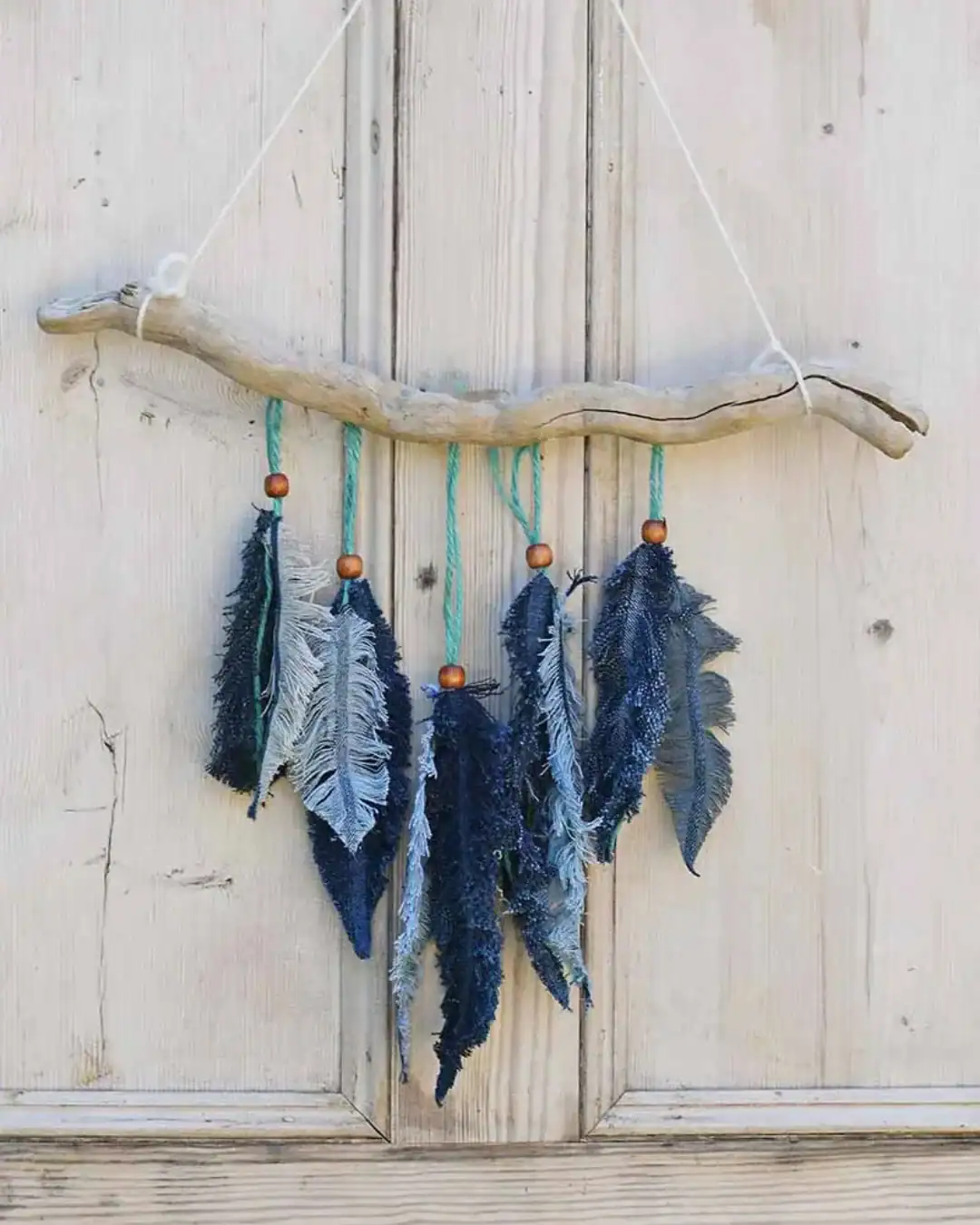
Old jeans are a goldmine for creative projects, and transforming them into a feather-inspired wall hanging is a fantastic way to upcycle denim scraps.
This boho-chic craft adds texture and visual interest to your space while giving new life to worn-out denim.
Start by cutting feather shapes from your denim, ensuring the cuts follow the fabric’s grain to achieve your desired color effect.
🎨 Creative Pick: Denim Scrap Packs make it easy to mix blues and textures for this boho DIY.
Removing white threads results in blue feathers, while removing blue threads yields white feathers.
To create a realistic feather spine, attach a piece of twine along the center of each cutout using fabric glue; this not only adds structure but also serves as a hanger.
Gently fray the edges by pulling out threads, working your way toward the center spine.
For added flair, thread wooden beads onto the twine before hanging the feathers from a wooden dowel, stick, or piece of driftwood.
11. Framed T-Shirt Art
Licensed By: Apartment Therapy
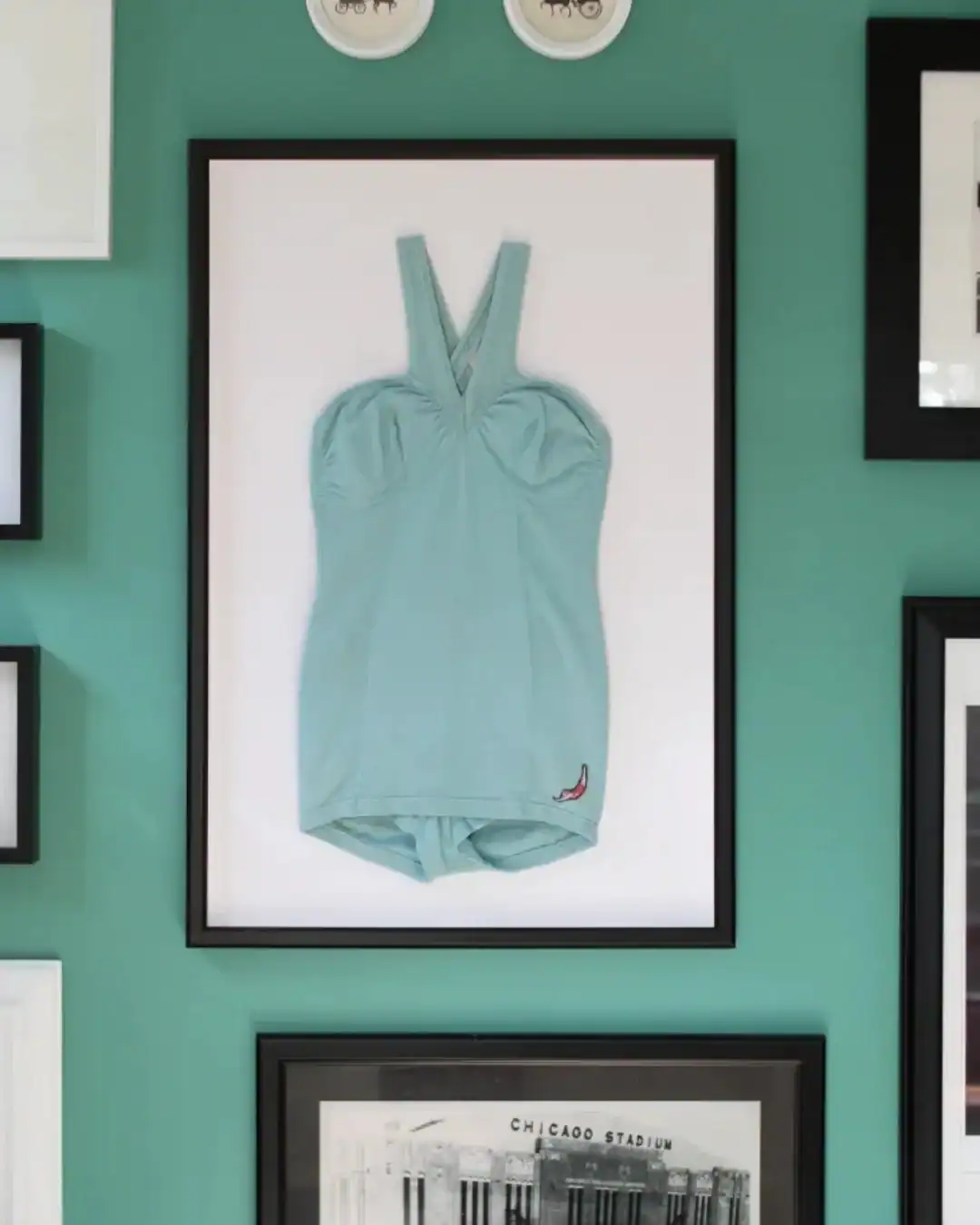
T-shirts often carry memories—a favorite concert, a family trip, a beloved team—and framing them is a great way to preserve those stories while decluttering your wardrobe.
🖼️ Get Framing: These Canvas Frame Packs are ideal for stretching and displaying your favorite tees.
Instead of letting them sit folded in a drawer, put them on display. You can stretch a t-shirt over a blank canvas, staple it to a wooden frame, or use fusible interfacing to mount it on a backing board inside a shadow box.
For an extra personal touch, consider sewing multiple shirts into a quilted wall hanging, perfect for dorm rooms, kids’ rooms, or game rooms.
This project works best with cotton tees that have bold graphics or sentimental value.
It’s a thoughtful way to create home decor from garments that are too meaningful to let go—and a wonderful tribute to your personal style or life events.
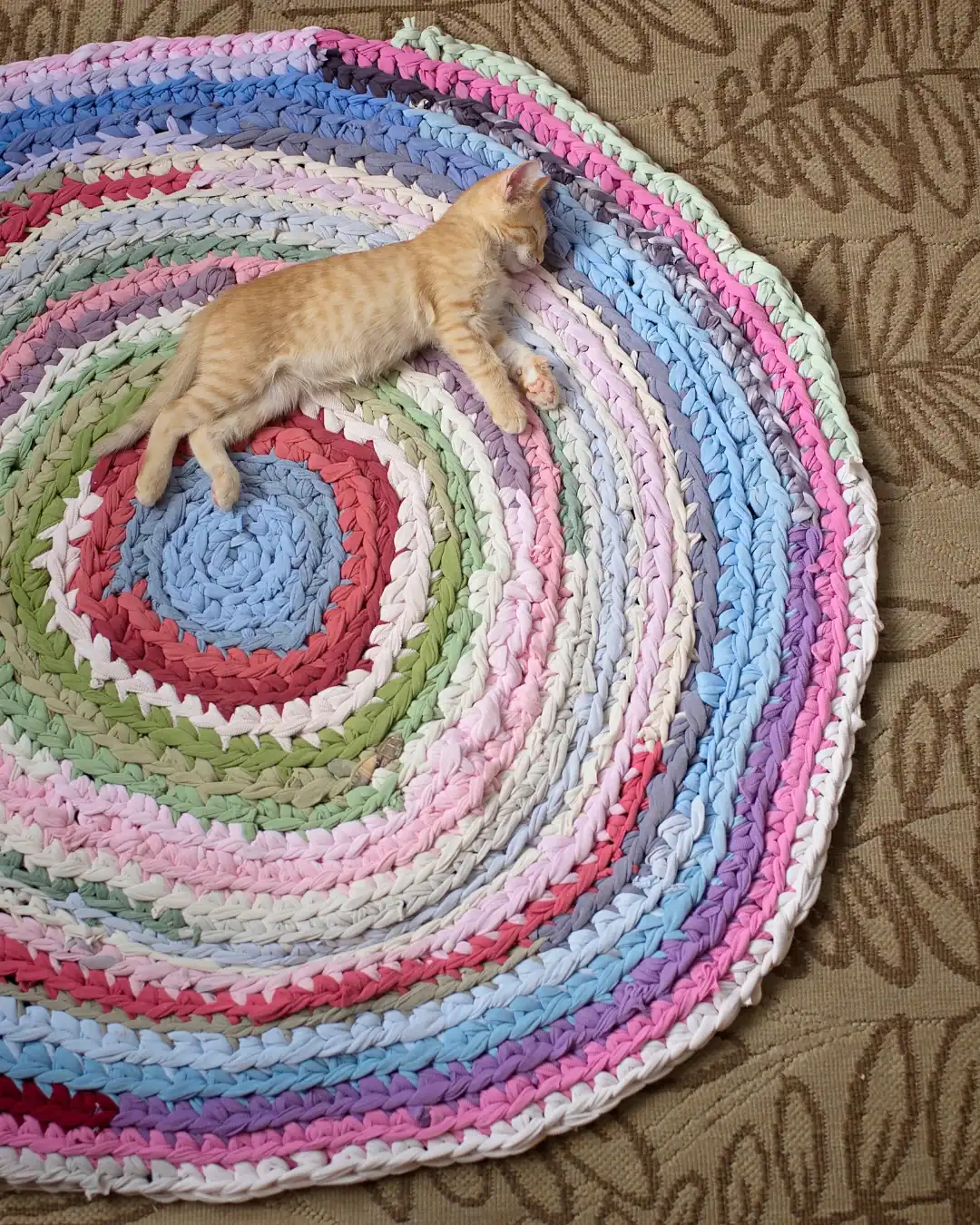
Got a pile of old t-shirts that are too worn out to donate? Why not turn them into a cozy, colorful braided rug?
This project is a fantastic way to clean out your closet and add a handmade touch to your home.
Start by cutting your t-shirts into strips about 2 inches wide. Don’t worry about being too precise—this is a forgiving project.
🧵 Make it Easier: Use these Fabric Clips to secure your braids as you go.
If you’re mixing thinner and thicker fabrics, cut the thinner ones a bit wider to balance things out. Roll each strip into a ball to keep things tidy.
Next, braid your strips just like you would hair. To keep the braid tight and manageable, hold it between your knees and use a clothespin to secure the end as you work. This helps prevent it from unraveling.
Practical Accessories (Everyday Use Items)
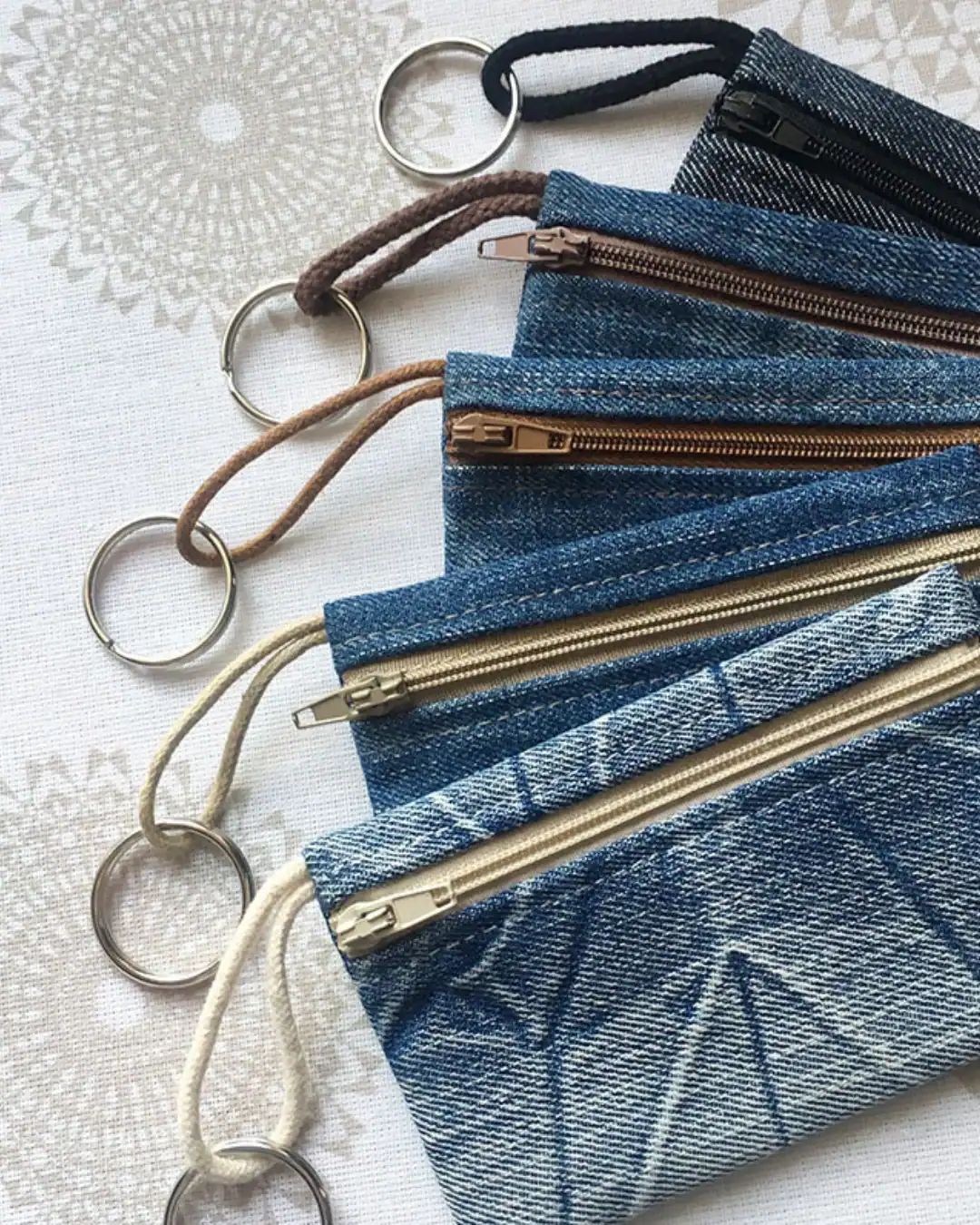
Old jeans may be too ripped or tight to wear, but the denim is still incredibly valuable, especially when repurposed into sturdy, stylish zipper pouches.
These small bags are ideal for organizing art supplies, tech accessories, toiletries, or even repackaging small gifts.
🪡 Starter Kit: Try this Zipper & Liner Set with eco-friendly fabrics and step-by-step instructions.
Start by cutting out two equal-sized denim rectangles and sewing them together, adding a zipper at the top.
If you’re comfortable with a sewing machine, you can add lining, boxed corners, or even embellishments like embroidery or patchwork.
Because denim is naturally thick and durable, these pouches can handle daily use without fraying or stretching.
They also make thoughtful, handmade gifts—and they’re a great way to make use of worn knees, frayed hems, or leftover scraps from other upcycle projects.

If you have a stack of old t-shirts and a need for reusable bags, this is the upcycle for you.
T-shirt totes are lightweight, easy to make, and endlessly practical for groceries, beach days, or library runs.
Plus, they roll up small enough to stash in a purse or glove box for on-the-go errands.
The simplest method is no-sew: cut off the sleeves and neckline, then tie or stitch the bottom closed.
For a more stylized version, cut vertical slits at the bottom and tie them together for a fringe finish.
Want to get even more creative? Try your hand at a macramé-style market bag made by weaving strips of t-shirt yarn.
Soft cotton or jersey fabric works best, and graphic tees give the bag a fun, personalized vibe.
This project is perfect for beginners, kids, or quick weekend crafts—and best of all, it’s a stylish way to eliminate the need for plastic shopping bags.
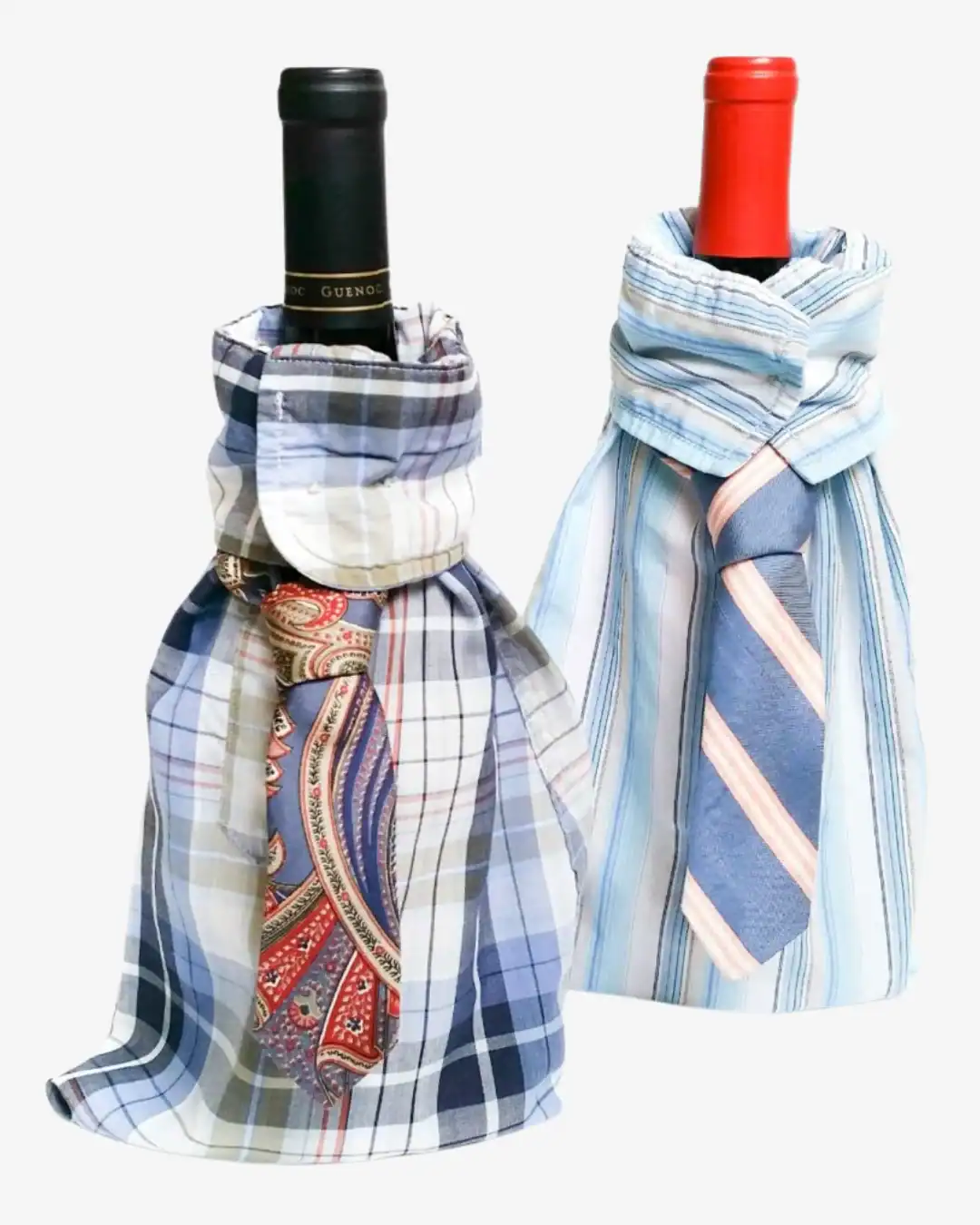
Looking for a unique and eco-friendly way to present a bottle of wine?
Transforming the sleeve of an old men’s button-down shirt into a stylish wine tote is a clever and sustainable solution.
This upcycling project not only breathes new life into an old shirt but also adds a personalized touch to your gift-giving.
🍷 Gift-Ready: Pair with these Recycled Kraft Wine Tags to complete the look.
Begin by laying the sleeve flat and place the wine bottle on top to determine the appropriate length, ensuring the bottle’s neck will peek out slightly above the cuff.
Cut the sleeve, allowing an extra half-inch for the bottom seam. Turn the sleeve inside out and sew the cut end closed, creating a flat bottom for the bag.
Once sewn, turn the sleeve right side out, and insert the wine bottle. The cuff serves as a decorative top, adding a tailored finish to the tote. To complete the look, repurpose a coordinating necktie as a stylish closure.

Got a stash of fabric scraps or old garments? Turn them into trendy oversized scrunchies!
This project is perfect for both woven and knit fabrics—think silk, satin, organza, or even lightweight cotton. But avoid heavy materials like denim, as they can be too bulky.
For a jumbo scrunchie, cut a fabric strip measuring 6.75 inches wide by 40 inches long. You’ll also need an 8.5-inch piece of 1/4-inch wide elastic.
Fold the fabric lengthwise with right sides together and sew along the long edge, leaving a 1.5-inch gap at both ends.
Turn it right side out, align the short ends, and stitch them together. Insert the elastic using a safety pin, overlap the ends by about half an inch, and secure them with a zigzag stitch.
Finally, close the opening with a ladder stitch or fabric glue for a polished finish.
Comfort & Care (Sentimental + Self-Care)
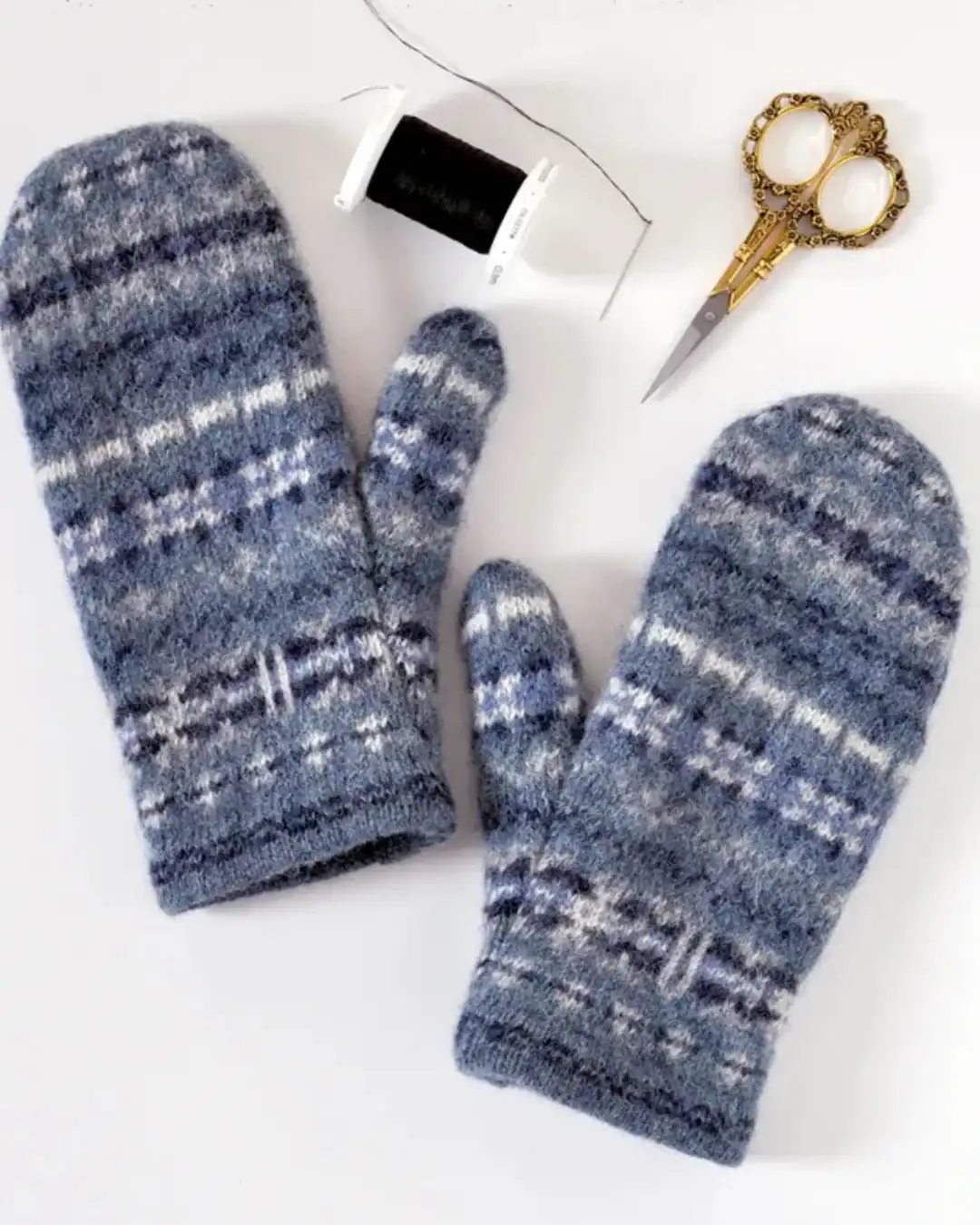
Accidentally shrunk that wool sweater? Don’t toss it—turn it into cozy mittens!
Felting wool creates a dense, non-fraying fabric that’s perfect for this project.
Trace your hand onto paper, adding a ½-inch seam allowance, and create a separate thumb piece for better mobility.
Use these patterns from The Artyologist to cut out pieces from the felted sweater, sew them together with right sides facing, and then flip them right-side out.
For added warmth, consider lining the mittens with stretchy fabric from an old t-shirt.
🧤 Bundle Up: Use this Felted Wool DIY Mitten Kit that includes a pattern and sewing instructions.
18. T-Shirt Quilt
Credit: Becky Stern
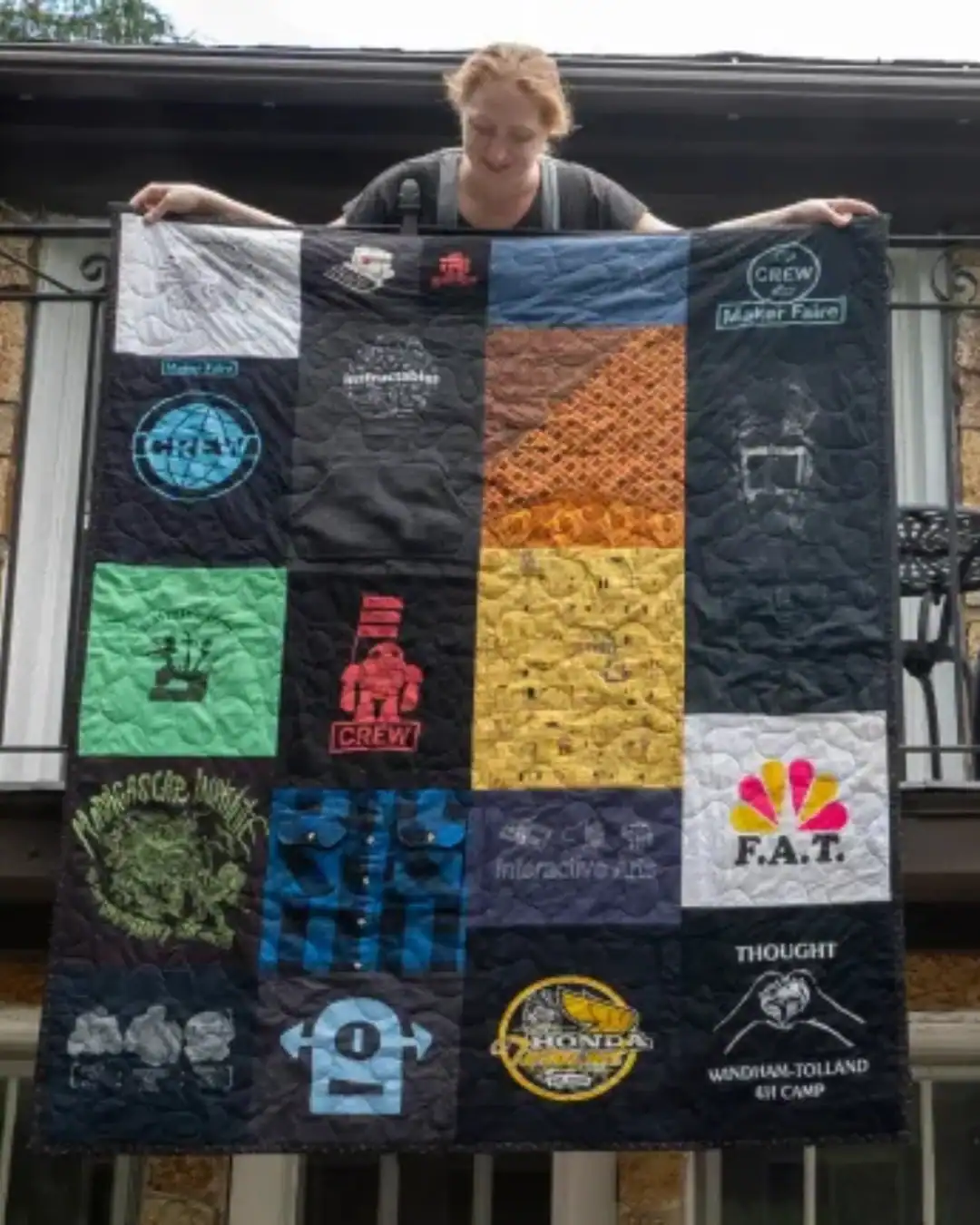
Whether it’s a stack of concert tees, old sports uniforms, or sentimental baby clothes, turning your worn shirts into a memory quilt is one of the most meaningful ways to reuse old garments.
Each square becomes a visual time capsule—and the final result is both cozy and full of heart.
To create your own t-shirt quilt, cut shirts into uniform blocks, stabilizing the fabric, and sewing them together into a grid pattern.
🧶 Patchwork Favorite: This T-Shirt Quilt Starter Kit includes stabilizer sheets and cotton batting.
Add batting and a backing layer to finish it off, either by hand or with a sewing machine.
If sewing isn’t your thing, you could commission a professional quilt-maker on Etsy to do the assembly for you.
This project is great for milestone gifts (like graduations or anniversaries) or as a long-term project for preserving pieces you just can’t part with.
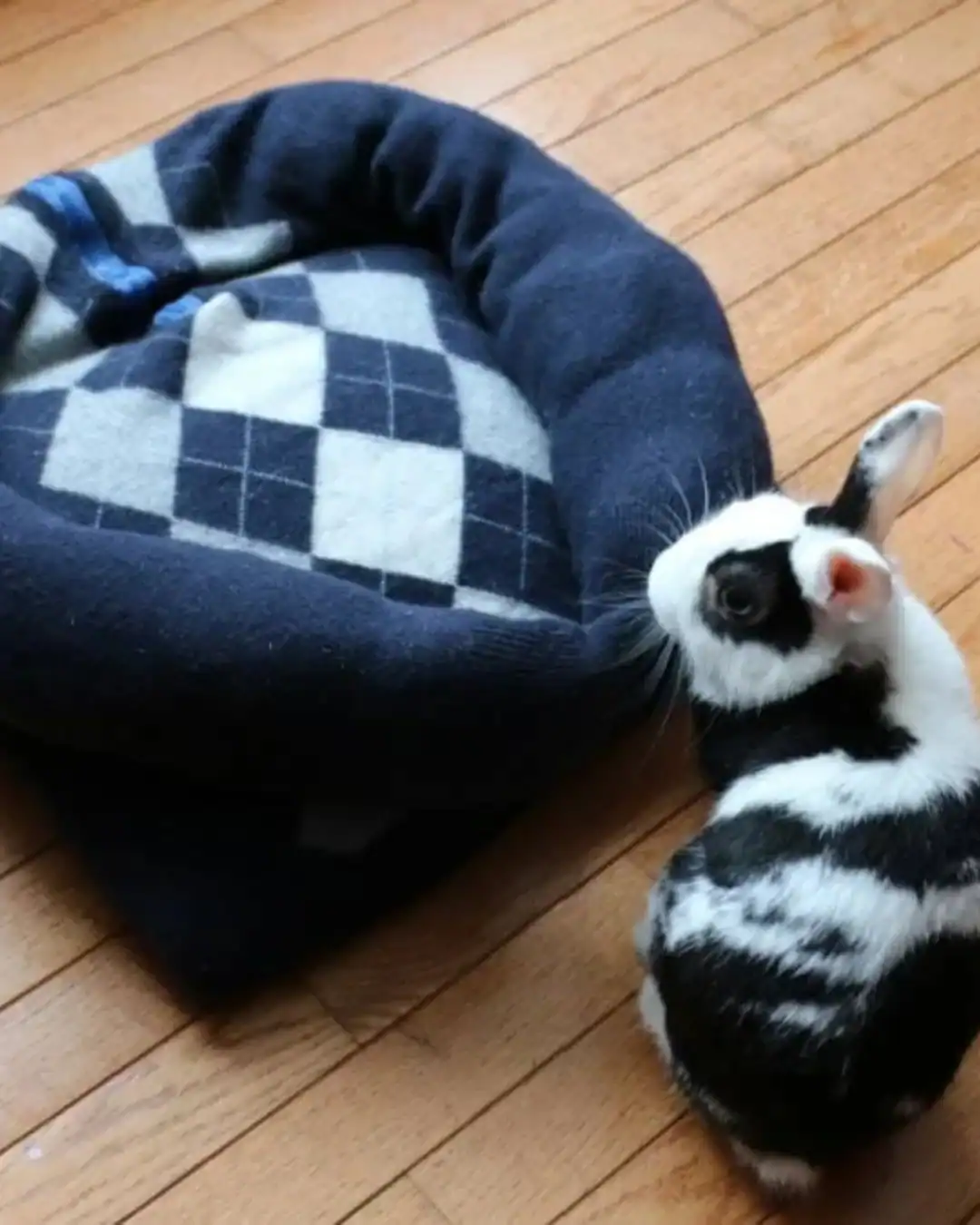
Your furry friends deserve a sustainable snooze spot, too!
By upcycling a shrunken wool sweater, you can create a soft, cozy pet bed that smells just like you—something our pets instinctively love.
The felting process makes the material denser and more suitable for a pet bed.
🐾 Upgrade Your Pet’s Bed: Use Removable Zipper Covers for easy cleaning and reusing.
For a no-fuss version, insert an old pillow into the torso of the sweater to form the main cushion, and roll up a fleece baby blanket to fill the sleeves, creating bolsters for extra comfort.
Sew the armholes and neck shut, and consider adding a zipper, snaps, or Velcro to the neck opening for easy removal and washing of the stuffing.
Finally, sew the cuffs of the sleeves together and attach them to the body of the sweater to create a defined bolster around the bed, enhancing its structure and comfort.
This project is machine washable, fully customizable in size, and an ideal way to use materials that are otherwise destined for donation or landfill.
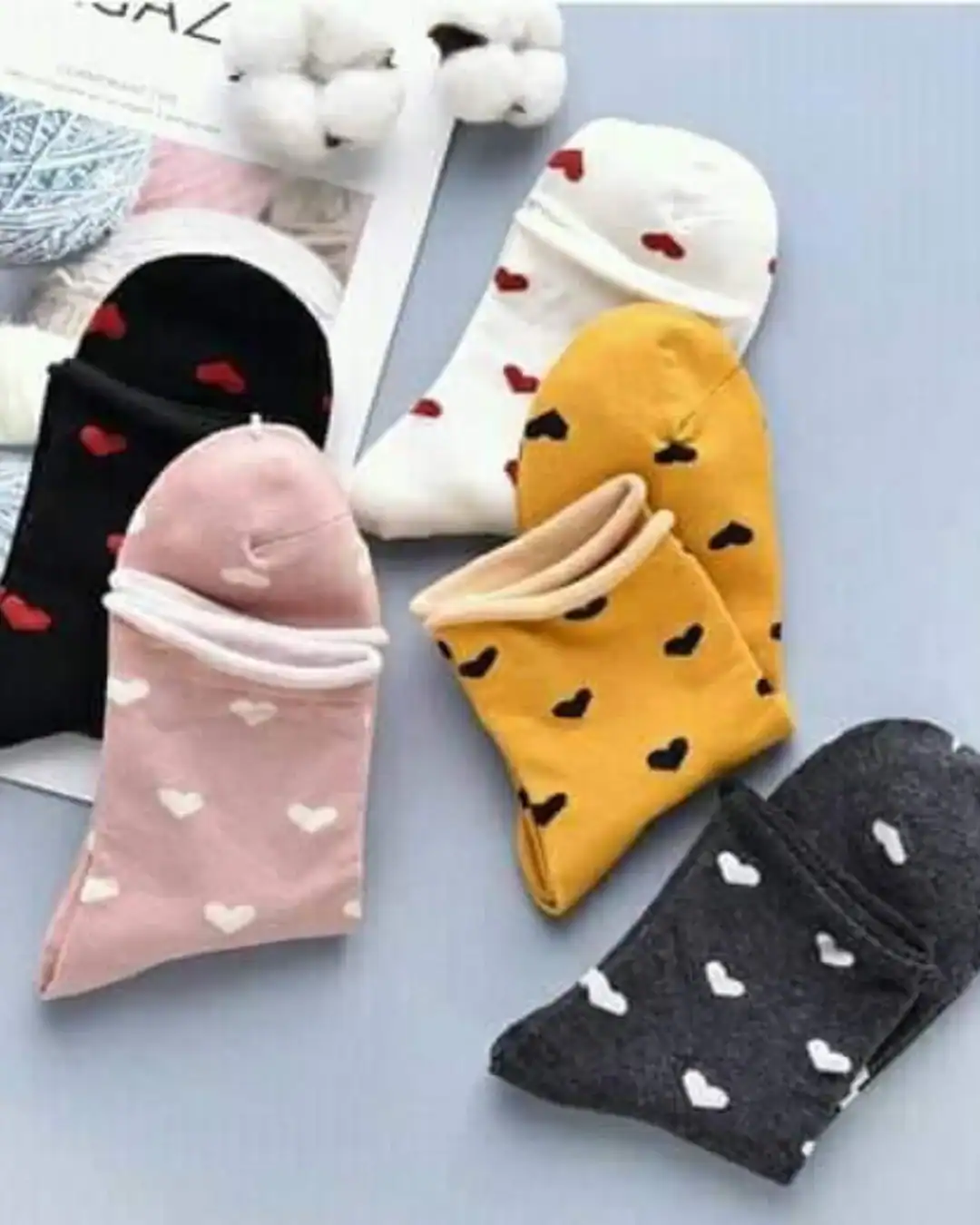
Skip the plastic-packaged heating pads and make your own using nothing more than an old sock, some rice, and a few stitches.
These microwaveable compresses are perfect for soothing sore muscles, warming cold feet, or easing menstrual cramps.
To make one, simply fill a clean sock (preferably cotton or wool) about 3/4 full with dry rice and sew or tie it shut.
For added relaxation, sprinkle in a few drops of essential oils like lavender, eucalyptus, or peppermint. Then heat in the microwave in 30-second intervals until warm (usually about 1–2 minutes).
These DIY heating pads are endlessly reusable, moldable to your body, and totally customizable in size and scent.
They’re also a smart way to reuse mismatched or stretched-out socks that are too good to toss but not worth keeping in your drawer.
Download Your Free Repair & Wear Toolkit
It’s easy to feel inspired in the moment — but harder to remember what to do when you’re standing in front of your closet.
If you want a clear decision-making system you can actually refer back to, I created a free Repair & Wear Toolkit to make this process simple and repeatable.
Instead of guessing, you’ll have:
• A repair decision flowchart
• Material-specific mending tips
• A replace-with-better guide
• Sustainable brand recommendations
Download it free above and keep it handy the next time something wears out.
What Clothes Should Not Be Donated?
Most people assume that donation is always the most responsible way to get rid of old clothing — but that’s not always the case.
Donation centers typically accept only items that are clean, wearable, and in good condition. Clothing that is heavily stained, torn, stretched out, or missing essential parts like zippers or buttons often cannot be resold.
When damaged clothing is donated anyway, charities must spend time and money sorting it. In many cases, these items are eventually discarded or sold in bulk for textile recycling.
A good rule of thumb is simple:
- If you would feel comfortable giving the item directly to a friend, it’s probably appropriate to donate.
- If it’s too worn to wear, it’s usually better to repurpose the fabric or recycle the material instead.
And that’s exactly where many of the ideas in this guide come in — turning worn clothing into something useful instead of sending it to the landfill.
Frequently Asked Questions About Reusing Old Clothes
The best way to reuse old clothes is to repair or upcycle them before considering disposal. Simple fixes like patching, dyeing, or altering the fit can extend a garment’s life significantly. If the item is beyond repair, repurposing the fabric into household items keeps it out of landfills.
Instead of throwing old clothes away, you can repair them, repurpose the fabric, donate wearable items responsibly, or recycle them through textile programs. Reusing clothing reduces waste and decreases demand for new production.
Upcycling is often more sustainable than recycling because it preserves the original fabric without industrial processing. Recycling typically breaks fibers down, which reduces material quality and requires additional energy.
Yes, many old clothes can be recycled through textile recycling programs. Natural fibers like cotton and wool are easier to process, while blended fabrics may be more difficult. Always check local guidelines before disposal.
Clothes that cannot be donated due to stains or damage can be repurposed into cleaning cloths, pet bedding, or DIY projects. If reuse is not possible, textile recycling is the next best option.
Reusing old clothes reduces textile waste, conserves water, lowers carbon emissions, and decreases demand for new clothing production. Extending the life of garments is one of the most effective ways individuals can reduce fashion’s environmental impact.
Fast fashion contributes to pollution, excessive water use, carbon emissions, and landfill overflow. Many garments are produced quickly with low-quality materials, leading to short lifespans and high waste levels.
What To Do With Clothes You Truly Can’t Reuse
At some point, even the best-loved pieces reach the end of the line.
And if you’ve worked your way through a few of these ideas, you’ll probably start to notice something…
Most things can be reused in some way. But not everything should be.
If a piece is too worn, too stretched, or just doesn’t have enough usable fabric left, this is where it helps to have a simple plan.
Because tossing it in the trash might feel easy — but it’s rarely the best option.
Most clothing today (especially anything made with synthetic fibers like polyester or spandex) can take decades to break down. And in the process, it can release microplastics into the environment.
So instead of asking “Can I throw this away?” I like to ask:
What’s the most responsible next step for this piece?
Here’s the order I follow:
Reuse at home first
Old towels, tees, and worn cotton pieces make some of the best cleaning cloths you’ll ever own. This is usually my go-to.
Salvage what you can
Even if the full garment doesn’t work, parts of it might. Think sturdy denim for patches or soft cotton for future projects.
Rehome locally (if possible)
Sometimes art programs, shelters, or local groups can still use textiles in ways traditional donation centers can’t.
Recycle as a last step
Textile recycling exists, but it’s not perfect. Most items are downcycled into insulation or rags, not turned back into clothing.
That doesn’t mean it’s a bad option — it just means it’s not the first one to rely on.
The goal isn’t perfection
It’s simply to keep clothing in use for as long as possible — in whatever form makes sense.
Because every extra use (even as a rag, a patch, or stuffing) helps reduce the demand for something new to be made.
The Best Way to Reuse Old Clothing Starts Here
This guide isn’t just about reusing old clothing — it’s about changing the way we think about consumption.
When we repair instead of replace, repurpose instead of discard, and create instead of consume, we interrupt the fast fashion cycle in a meaningful way.
I hope these ideas give you the confidence to experiment, mend boldly, and see possibility where you once saw waste.
Start small. Stay consistent. Let creativity lead.
Because every piece you transform is one less piece contributing to textile waste — and one more step toward a more sustainable wardrobe.
Still Deciding?
If you’re starting your upcycling journey, these are the easiest tools to begin with:
• Best beginner repair kit → Sashiko Mending Kit
• Best natural dye starter → Natural Dye Kit
• Best no-sew solution → Eco Fabric Glue
• Best DIY sewing upgrade → Fabric Scissors
Let’s Talk: What’s in Your Closet Right Now?
Before you go — I’d love to hear from you.
Is there something in your closet you’ve been unsure what to do with?
A pair of jeans with worn knees?
A stack of old t-shirts?
A sentimental sweater you can’t part with?
Drop it in the comments below and I’ll share a creative reuse idea you can try.
Let’s make this a space where we swap ideas and help each other extend the life of what we already own.
Like It? Pin It!

Steal My Non-Toxic Cleaning Checklist!
Believe us, it’s the BEST…. and it’s free. Does it really get any better than that?! Sign up for our newsletter and get this free checklist to clean your home without any harmful chemicals!





Can upcycling old clothing truly be a sustainable solution to the fast fashion industry, or is it just a temporary trend that may not address the root causes of overconsumption and waste?”,
“refusal
It is absolutely a sustainable solution and not a temporary trend. Folks have been “upcycling” since textiles were created, some thousands of years ago. Repairing, mending, reusing and upcycling are simply common sense ways to prolong the lifespan of the textiles in our homes. The fact that anyone would think upcycling is a trend is frightening!
You can also cut up old clothes to make loops for potholder looms.
What a wonderful idea – thank you!
I didn’t see quilting in the suggestions. That’s what my grandmother’s generation did to repurpose old clothing. Unfortunately she never got around to teaching me. It would be nice if there was more information on the internet about how to do that. All the instructions I find are about how to make quilts out of brand new fabric with colors all matching or coordinated. You won’t find anything like that in MY closet. Also, clothing fabric has all different weights and textures, how is that dealt with?
Thank you so much for your message—what a beautiful memory of your grandmother. You’re absolutely right: quilting was such a meaningful way for past generations to repurpose worn clothing into something practical, lasting, and often deeply sentimental. And yes, that knowledge hasn’t been passed down nearly enough.
You’re not alone in feeling frustrated with the lack of accessible info on how to quilt with scraps and mixed fabrics from actual clothing. So many modern tutorials are focused on buying coordinated, brand-new fabric bundles—which misses the point entirely when it comes to sustainable or heirloom-style quilting.
When working with clothing scraps, it’s totally normal to encounter a wide mix of fabric weights and textures—from stretchy t-shirts and flannels to stiff denim or delicate blouses. A few beginner tips that might help:
Use stabilizer or interfacing for stretchy or lightweight fabrics to help them behave more like cotton quilting fabric.
Pre-wash everything so you know how it behaves and won’t shrink later.
Iron each piece well to help with accurate cutting and piecing.
Sort fabrics by thickness so that each block or section has relatively consistent weight (or pad lighter pieces with batting).
Use a forgiving pattern, like crazy quilting or log cabin blocks, where precision isn’t the goal—storytelling is.
Most importantly, there is no rule that says your quilt needs to match. In fact, the mismatched pieces are often the ones with the most character and meaning. They tell a story that coordinated fabric never could.
I’m going to take your message as inspiration to create a beginner’s guide to sustainable quilting with repurposed clothes—thank you for sparking that idea!
Try English paper peicing. It takes awhile because each piece is quite small. You can leave the paper in as you sew them together, and remove after, or other ways. I sew all mine by hand, and then remove all the paper at once. The only fabric I bought, is black, because I am putting black between the flowers, or you can just sew the pieces together any way that makes you happy. Yes, I have used t-shirts, cotton, jeans..mens plaid shirts, whatever would go in my rag bag…oh old sheets, that may have holes or worn to bad to use on the bed. Old sheets are great for repurposing if you sew. They have enough fabric to make dresses, pants, skirts, tops almost anything…oh and kimonos, caftans. They usually have enough usable fabric for many things..line curtains with them.