 Click To Shop Danielle's Favorites!
SKL is reader supported. When you buy through links on our site, we may earn affiliate commission. Learn more here.
Not sure what to do with your pumpkins after Halloween? Don’t worry, I got you.
If you’re anything like me, you love everything about spooky season — from carving jack-o’-lanterns with your kids to sipping cider by pumpkin-lit porches.
But come November 1st, that lingering question creeps in: What do we do with all these pumpkins (without just tossing them out)?
Each year, more than a billion pounds of pumpkins end up in landfills across the U.S. — and what seems like harmless food waste actually contributes to climate change by releasing methane, a powerful greenhouse gas.
But here’s the good news: There are so many better ways to give your pumpkins a second life — and teach your kids that Halloween magic doesn’t have to stop at the trash can.
And the truth is, it doesn’t have to be that way.
As a mom of three and a longtime advocate for reducing food waste, I’ve learned that even a single pumpkin can make a difference because it’s never just about the pumpkin.
It’s about choosing better — one small thing at a time.
That’s the same philosophy behind everything we do here at Sustainably Kind Living, whether it’s finding non-toxic Halloween candy, creating DIY costumes from what you already own, or ditching disposables during Thanksgiving.
This year, we’re doing things differently — and I’d love for you to join us.
Below are 11 practical, family-friendly, and eco-conscious ways to keep Halloween pumpkins out of landfills. Whether you’re composting, cooking, or creating with your kids, each of these ideas is easy to try and genuinely impactful.
Let’s give those pumpkins a second life — and teach our kids that sustainability can be simple, meaningful, and even a little magical.
Why It Matters What You Do With Pumpkins After Halloween
Each fall, pumpkins take center stage — decorating porches, lining sidewalks, and glowing from windows with carved-out grins.
But once Halloween ends, most of those pumpkins head straight to the landfill. The problem?
Pumpkins are food. And when food waste ends up in landfills, it creates more than just clutter — it creates climate pollution.
🎃 The Environmental Impact of Halloween Pumpkins
Pumpkins are biodegradable, but in landfills, they break down without oxygen.
This process is called anaerobic decomposition, and it produces methane gas, a greenhouse gas that’s up to 84 times more potent than CO₂ over a 20-year period.
That means your jack-o’-lantern, tossed in the trash, could end up doing more environmental damage than you’d expect from such a cheerful fall tradition.
📈 The Scale of Pumpkin Waste
- An estimated 1.91 billion pounds of pumpkins are grown in the U.S. each year.
- Roughly one-third of those are discarded after Halloween.
- In the UK, it’s estimated that 18,000 tonnes of pumpkins are thrown out annually.
Most of these pumpkins are perfectly edible, or at the very least, compostable — yet they’re treated as trash.
🍂 Related Reading: Want to extend your low-waste efforts beyond Halloween? Check out our guide to eco-friendly Thanksgiving swaps for the upcoming holiday season.
💨 Food Waste = Methane Gas
Food waste is responsible for roughly 8–10% of global greenhouse gas emissions.
And pumpkins are just one small part of the larger issue. When we throw away food — even if it’s biodegradable — we deny it the chance to return nutrients to the soil.
Instead, it gets sealed in a plastic garbage bag, trapped in a landfill, and slowly releases methane as it decomposes.
🎃 What To Do With Pumpkins After Halloween: 11 Smart & Easy Ideas
Whether you’re carving jack-o’-lanterns with your kids, decorating your front porch, or stocking up on sugar pumpkins for baking, what you do after Halloween matters just as much as the celebration itself.
Here are 11 creative, practical, and eco-friendly ways to keep your pumpkins out of the landfill (and why each one actually makes a difference):
1. Compost Your Halloween Pumpkins
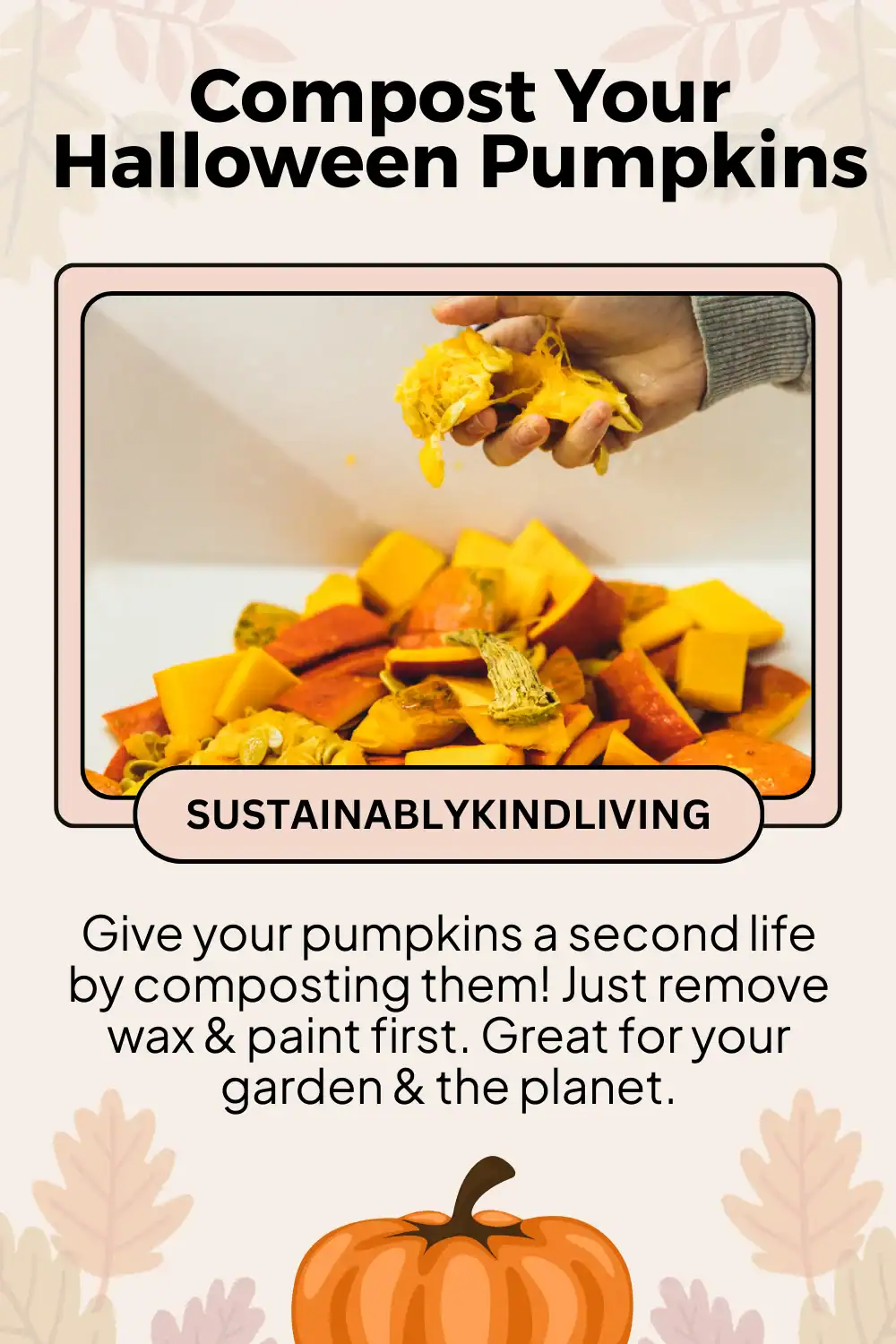
One of the best things to do with pumpkins after Halloween is to compost them.
When you compost, you’re returning those nutrients to the earth — not burying them in plastic to rot.
- Remove candles, wax, paint, or decorations before composting.
- Cut pumpkins into smaller pieces to speed up decomposition.
- Add to your backyard compost bin, garden, or curbside compost pickup (check your city’s green waste guidelines).
💡 Don’t have your own compost pile? Google your town + “pumpkin compost drop-off” — many cities offer free post-Halloween collection events.
2. Join or Host a Pumpkin Smash Event
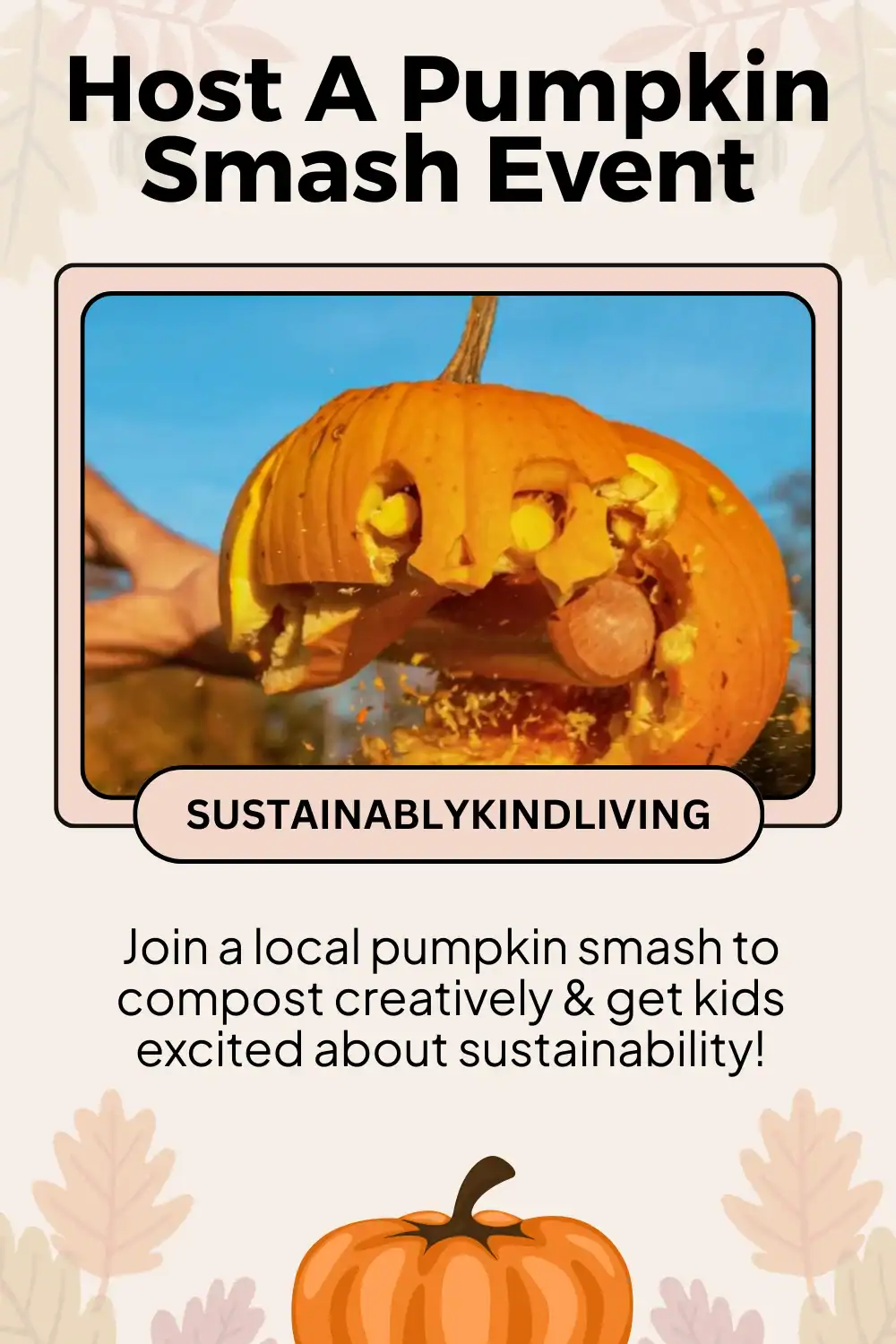
This one’s exactly what it sounds like — and it’s as fun as it is sustainable.
Pumpkin smashes are community events where people gather to destroy their jack-o’-lanterns (responsibly!) before they’re composted in bulk.
- Great way to get kids excited about composting.
- Many are hosted by schools, farms, or local compost organizations.
- Search: “[your city] pumpkin smash event 2026” to find one near you.
📸 Bonus Tip: Share your smash on social media and tag us to encourage more families to join the zero-waste fun.
3. Donate Pumpkins to Local Farms or Zoos for Animal Feed
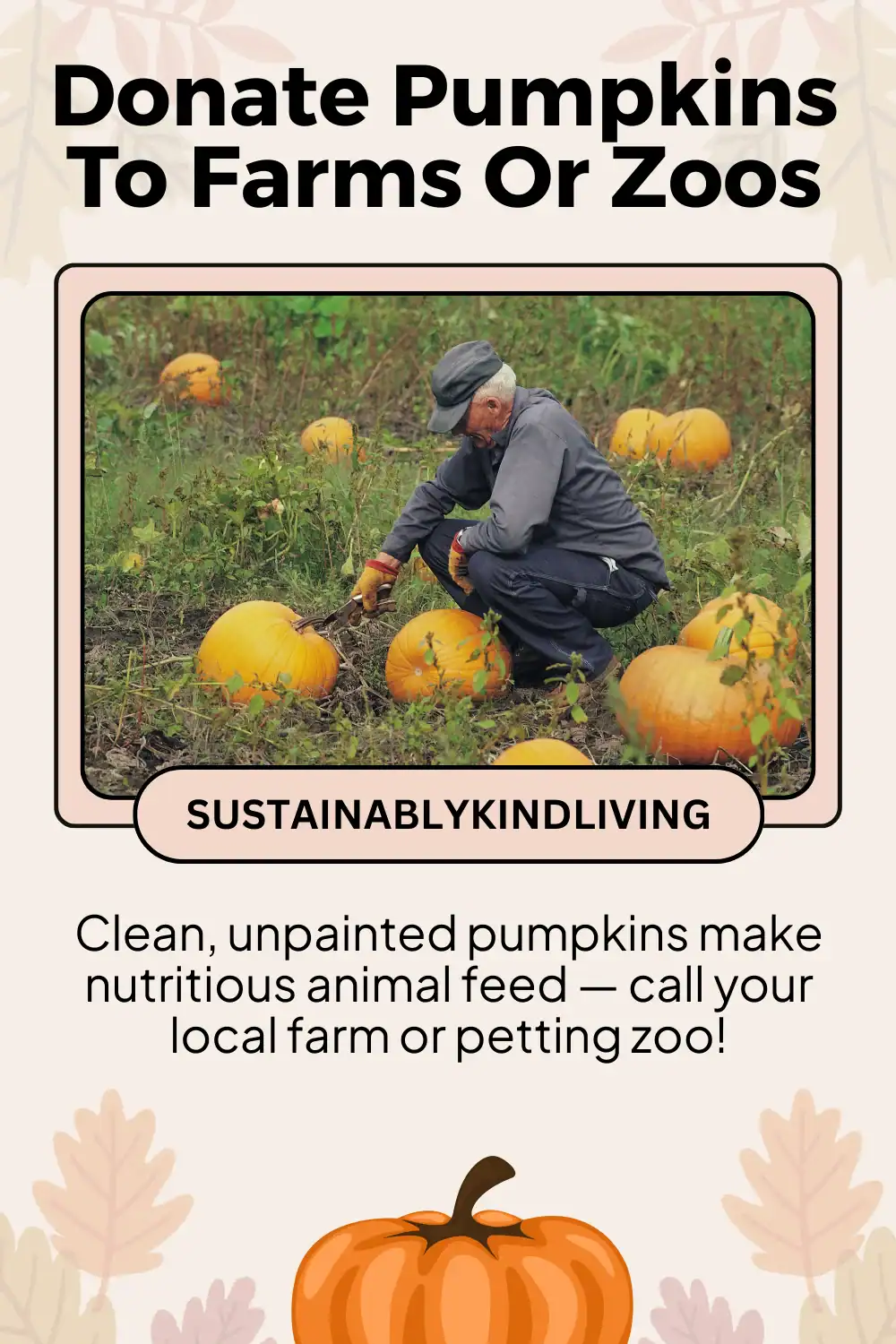
What feels like waste to us might be a treat for farm animals.
Many small farms and petting zoos accept clean, undecorated pumpkins as nutritious food for goats, pigs, and chickens. Some even use pumpkins for animal enrichment play!
Before donating, call ahead to make sure your pumpkins meet their criteria (unpainted, not moldy, no wax inside).
🐮 Bonus Idea: Turn your pumpkin donation trip into a weekend visit — many farms offer fall events, cider, and corn mazes!
4. Roast the Seeds for a Healthy Snack
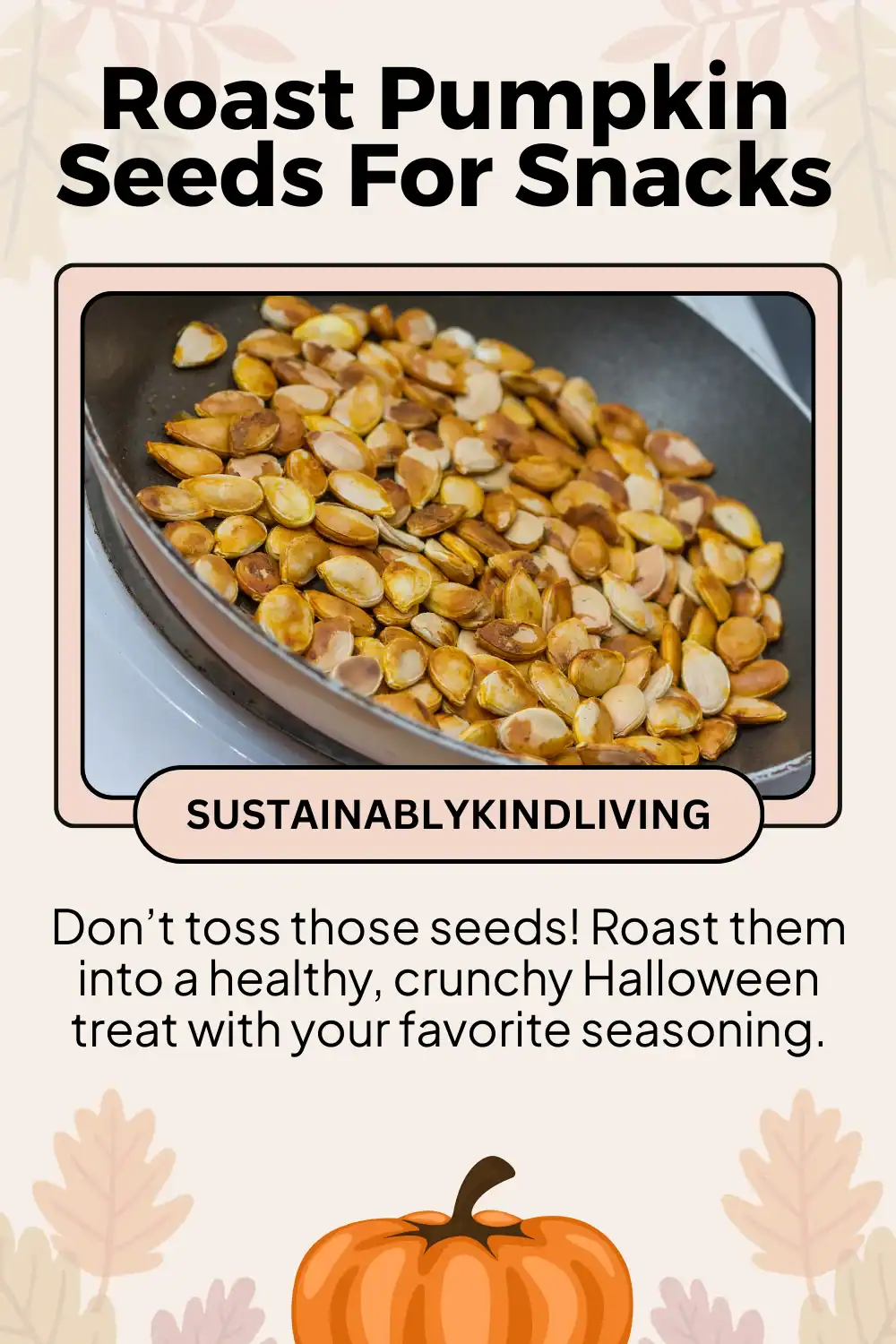
Pumpkin seeds are packed with protein, magnesium, and zinc — and they’re way too good to toss.
Here’s how we prep ours:
- Rinse and dry the seeds.
- Toss with olive oil or vegan butter, plus sea salt.
- Bake at 300°F (150°C) for 45 minutes, stirring halfway through.
Try fun flavors like:
- Cinnamon sugar
- Garlic herb
- Smoky paprika + maple syrup
🥣 Kid-Friendly Tip: Let your little ones mix their own seed seasoning blend — it’s a fun sensory activity and teaches low-waste cooking.
5. Turn Your Jack-O’-Lantern Into a Planter
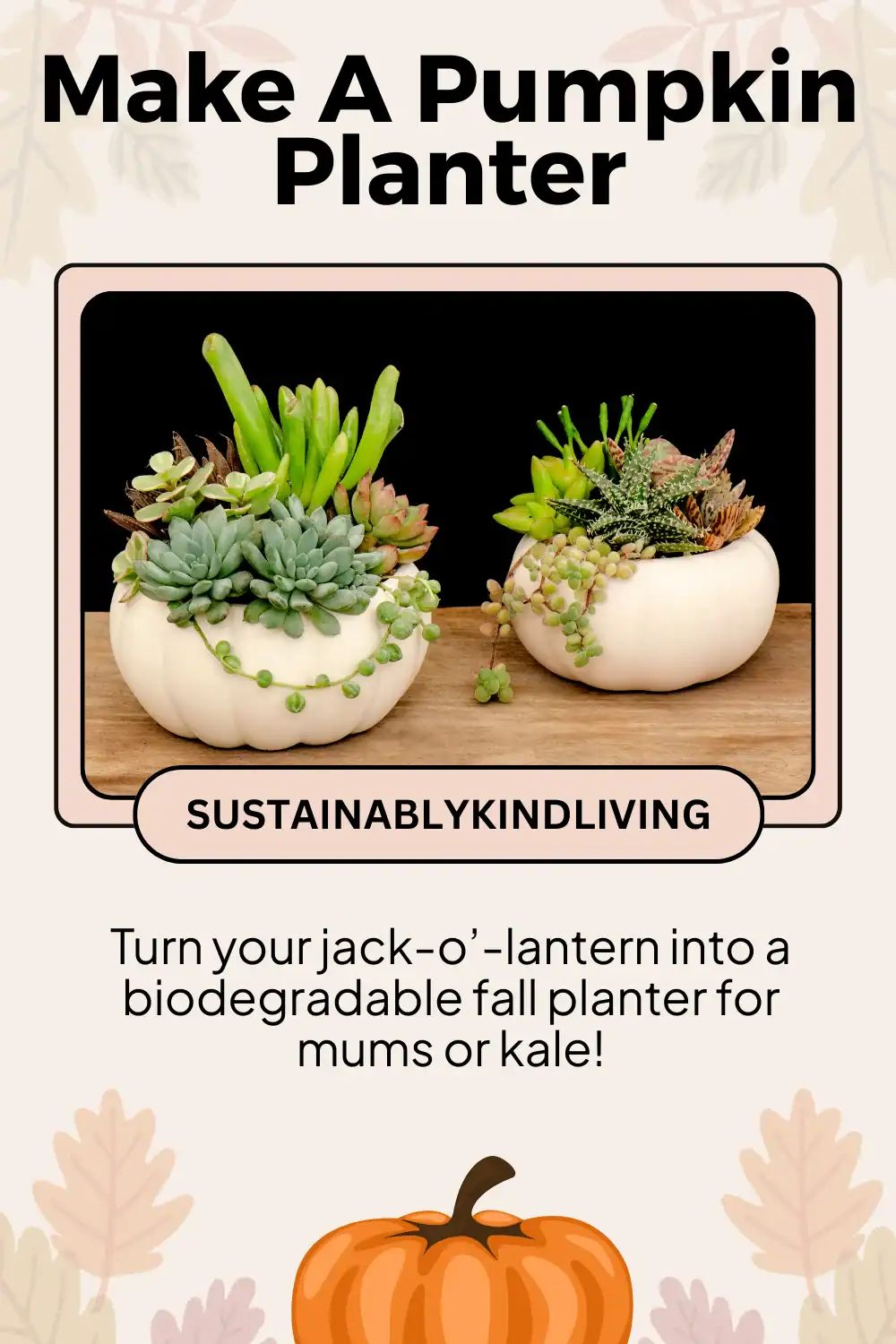
Your carved pumpkin can have a second life as a cute seasonal planter!
Just fill it with potting soil and add fall flowers like mums or ornamental kale.
- Cut off the top if needed, and poke a few drainage holes in the bottom.
- Place it outside in a cool spot — it’ll naturally break down over time.
- Once it starts softening, toss the whole thing into your compost bin or garden bed
🌼 Great for front porch decor that’s both beautiful and biodegradable.
6. Make Homemade Pumpkin Puree
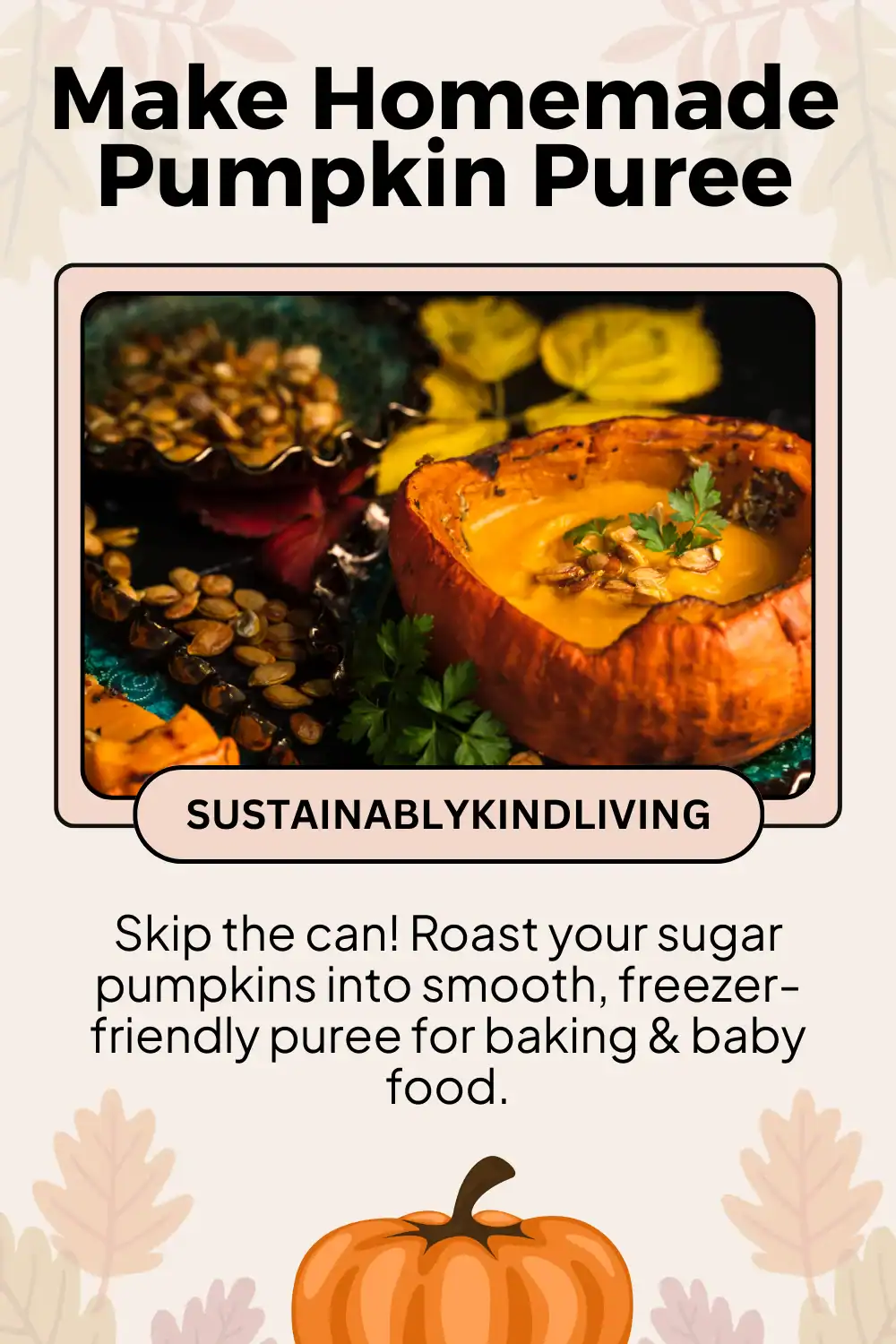
If you used uncarved sugar pumpkins for decor this year, don’t toss them — they’re perfect for homemade pumpkin puree!
It’s easy to make, freezer-friendly, and so much tastier than the canned kind (plus, no BPA-lined packaging).
You can use it in everything from pies and muffins to soups, smoothies, and even baby food.
Here’s how to make it:
- Cut your pumpkin in half and scoop out the seeds.
- Roast until fork-tender.
- Blend the flesh until smooth — no additives needed.
🎃 Bonus Tip: Try it in our kid-approved pumpkin muffin recipe from the Homemade Halloween Treats Guide!
7. Blend a Fall-Inspired Pumpkin Smoothie
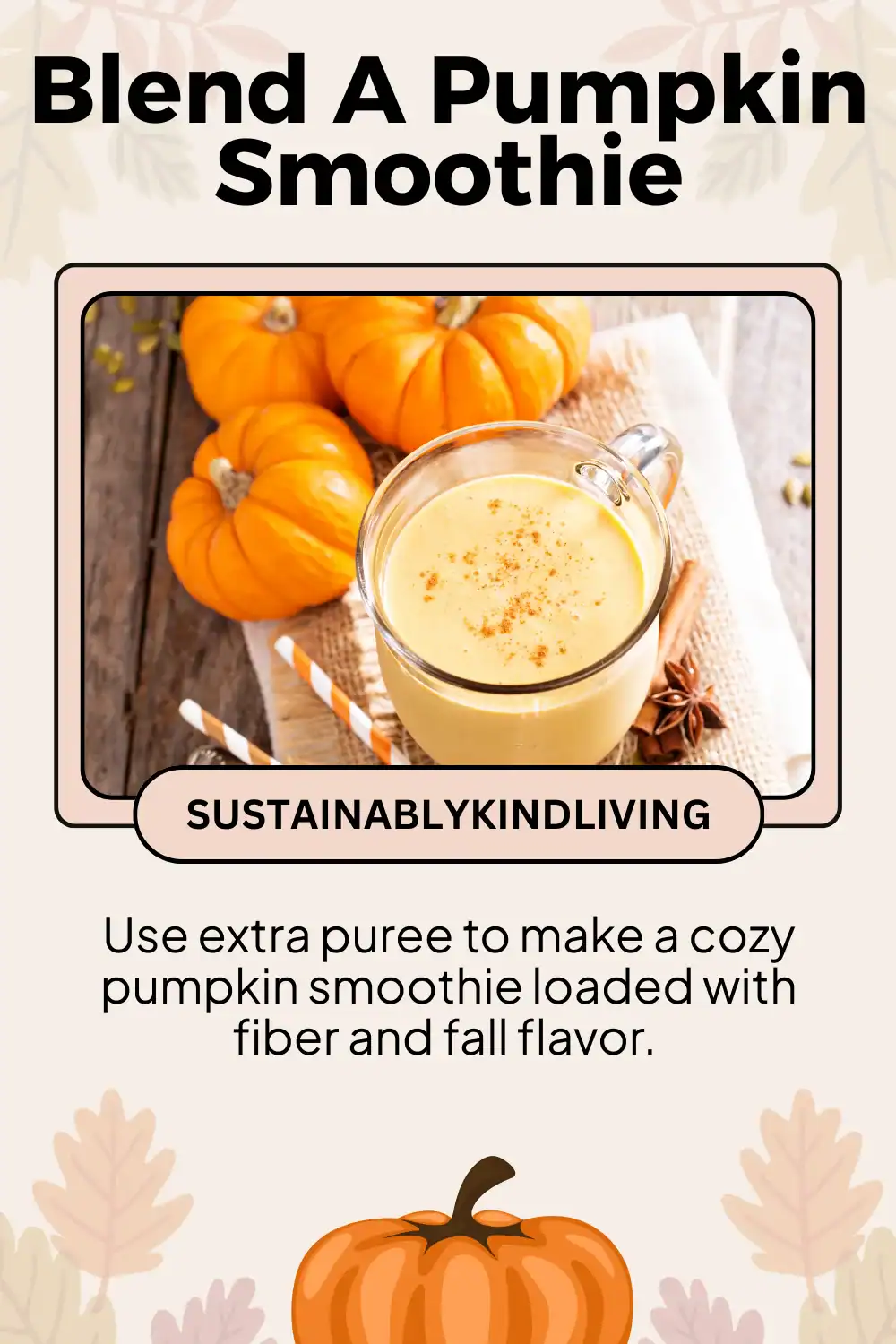
Got extra pumpkin puree? Turn it into a creamy, nutrient-rich smoothie that tastes like autumn in a glass.
Pumpkin is packed with vitamin A, fiber, and antioxidants — and when paired with warming spices and your favorite plant milk, it makes the perfect seasonal breakfast or after-school snack.
🌀 Our go-to blend:
- ½ cup pumpkin puree
- 1 frozen banana
- 1 cup oat or almond milk
- ½ tsp cinnamon, pinch of nutmeg
- Drizzle of maple syrup or date paste (optional)
Blend until smooth and enjoy chilled — or warm it slightly for a cozy pumpkin latte vibe.
8. Cook a Small Batch of Homemade Pumpkin Butter
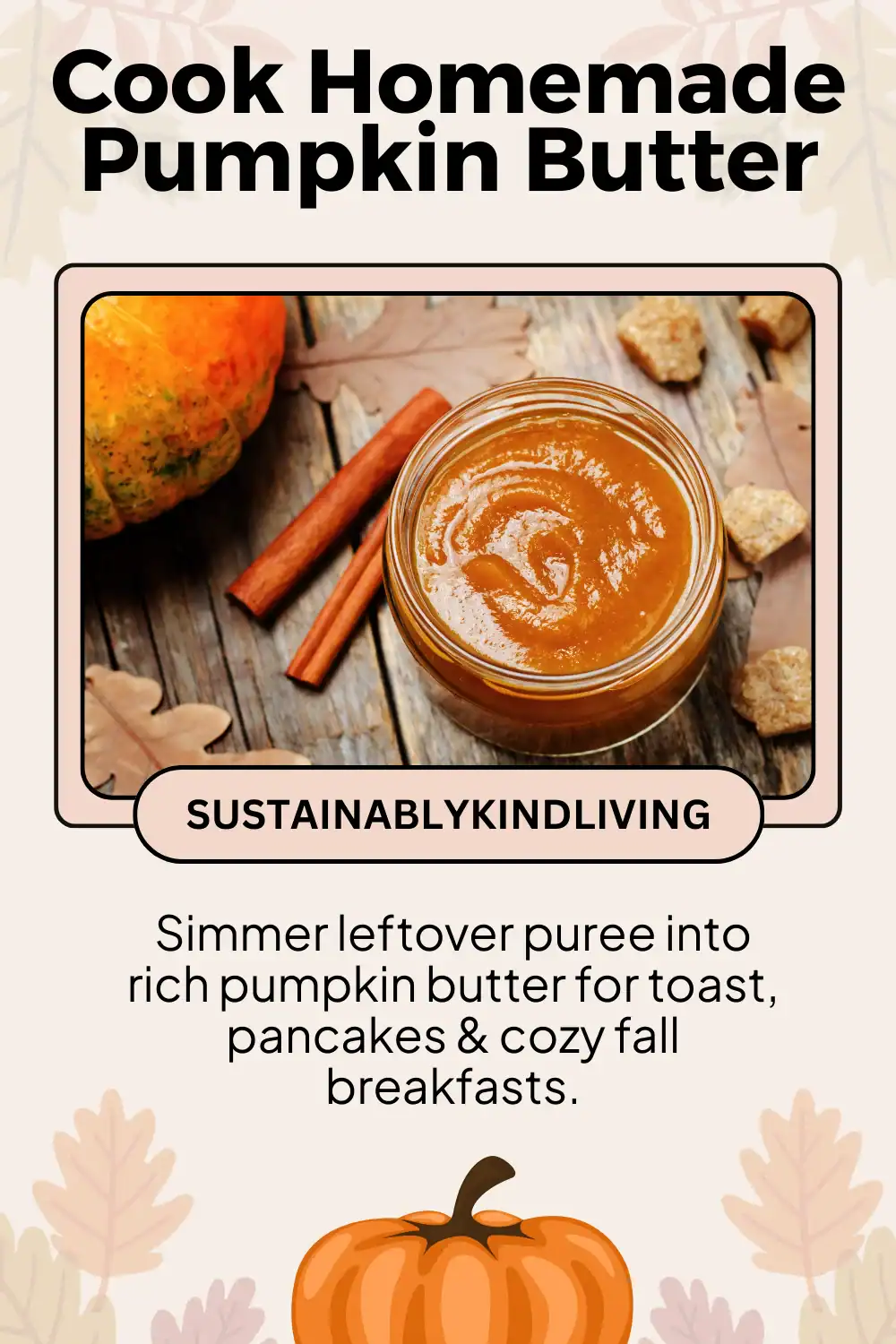
If you’ve never tried pumpkin butter, you’re in for a fall-flavored treat that’s perfect on everything — toast, oatmeal, yogurt bowls, even pancakes.
It’s also a fantastic way to use up extra pumpkin puree (especially if you made your own).
Best of all? No artificial ingredients, BPA-lined cans, or mystery preservatives.
✨ How to make it:
- Simmer 2 cups of pumpkin puree with ¼ cup maple syrup, 1 tsp of cinnamon, ½ tsp ginger, and a pinch of salt.
- Cook low and slow until thick and glossy (about 20–30 minutes).
- Let cool, then store in jars in the fridge or freezer.
Want more cozy fall swaps? Visit our Eco-Friendly Thanksgiving Guide for sustainable kitchen inspo.
9. Turn the Guts Into DIY Veggie Broth
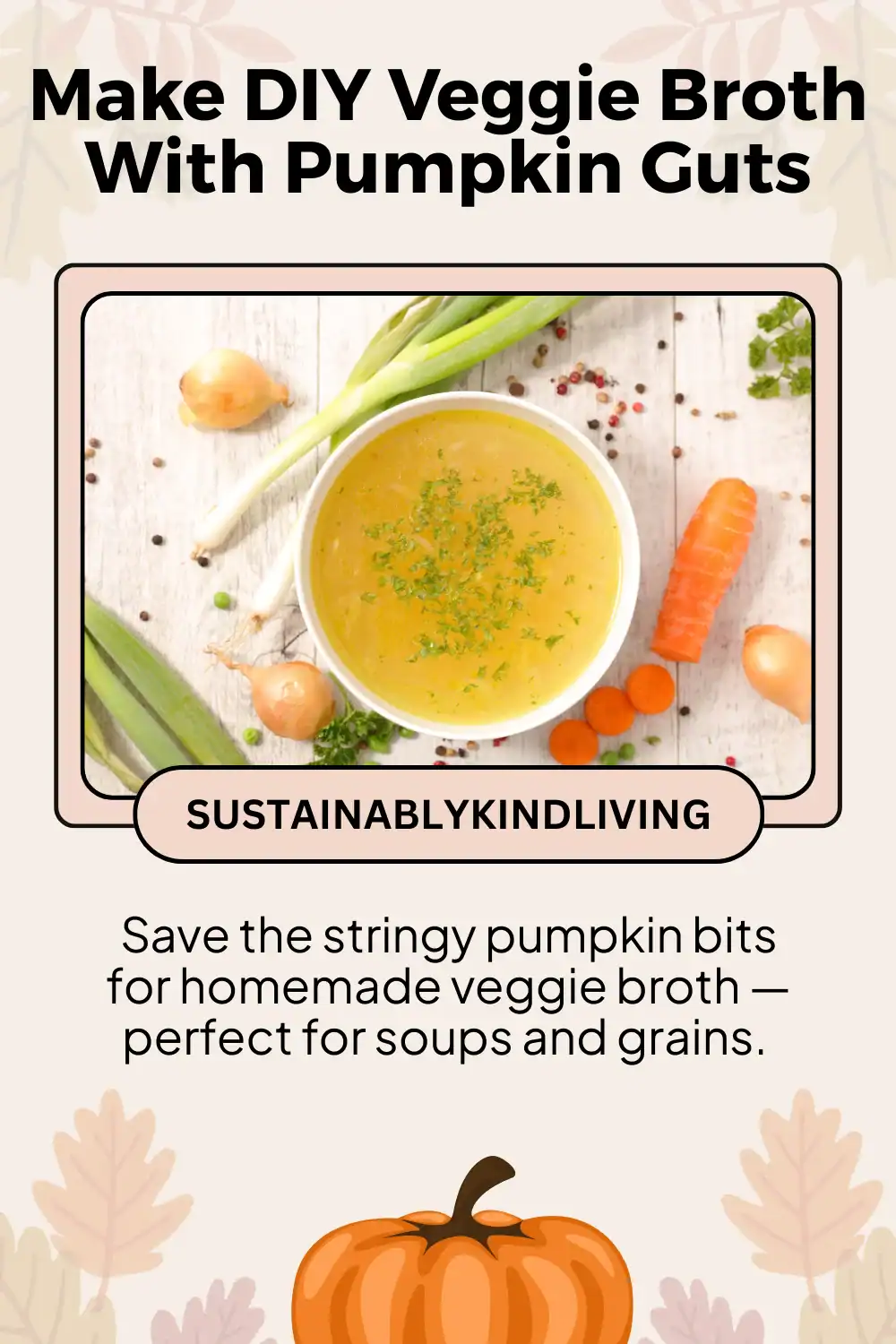
Before you compost those stringy pumpkin insides, consider turning them into a flavorful autumn broth.
This low-waste kitchen hack is perfect for soups, risottos, or even cooking your grains — and it’s packed with trace minerals and depth of flavor.
🫙 Just add:
- Pumpkin guts (strings + seeds)
- Onion peels, carrot ends, garlic skins, celery tops
- Water + a bay leaf or two
Simmer for 30–60 minutes, then strain. Store in glass jars in the fridge or freezer.
♻️ It’s one of our favorite ways to reduce waste and stock your pantry at the same time.
10. Make Old-Fashioned Candied Pumpkin
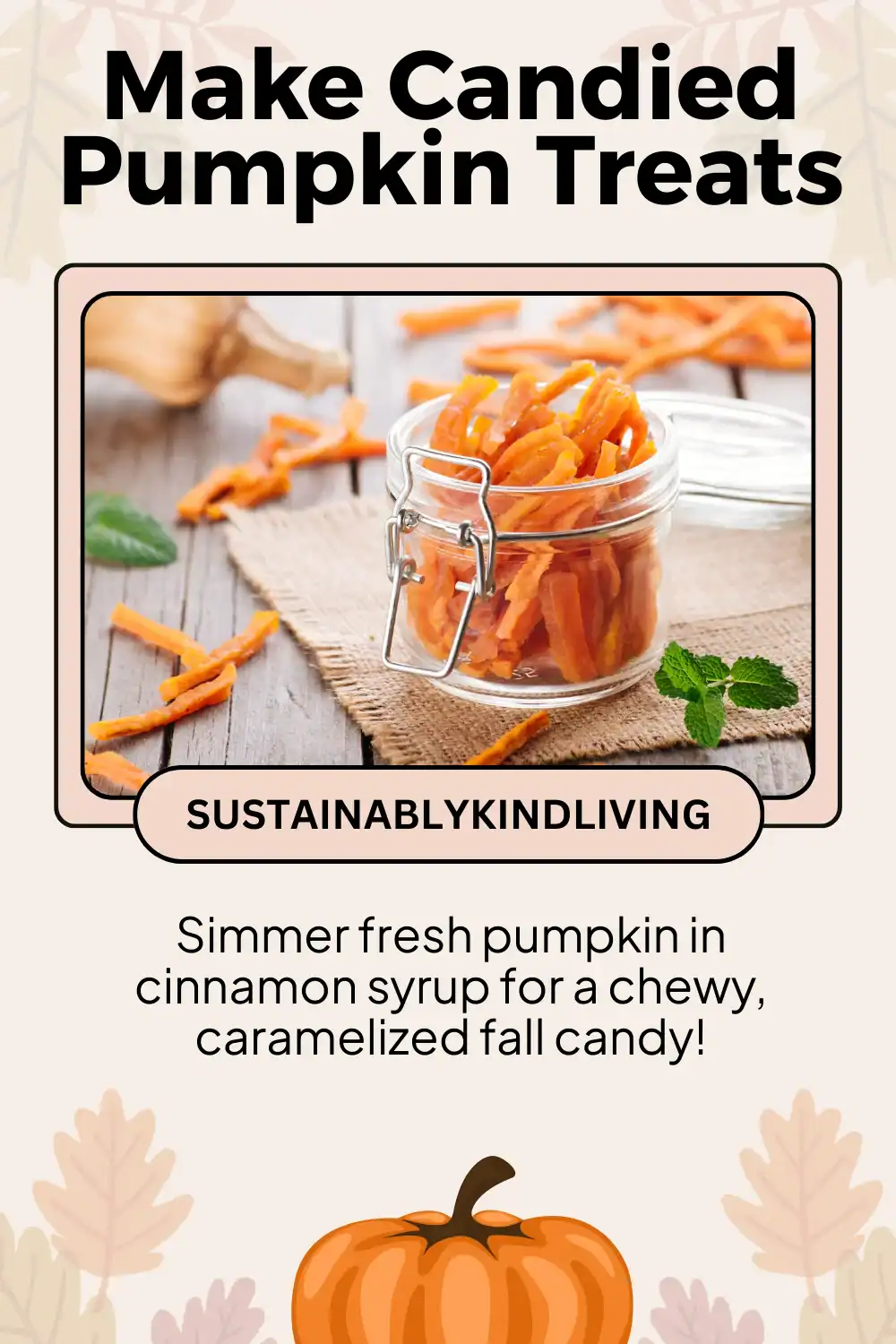
If your pumpkin is still firm and fresh, why not transform it into something sweet and unexpected?
Candied pumpkin slices are a fall favorite in many cultures — soft, chewy, and totally unique.
Slice the pumpkin into thin wedges, then simmer in a syrup made of water, sugar, cinnamon sticks, and cloves.
Once softened, bake or air-dry until tacky and lightly caramelized.
🍭 It’s a fun DIY snack and also makes a lovely seasonal gift when wrapped in parchment or packed in a jar.
11. Donate Unused Pumpkins to Food Banks or Community Kitchens
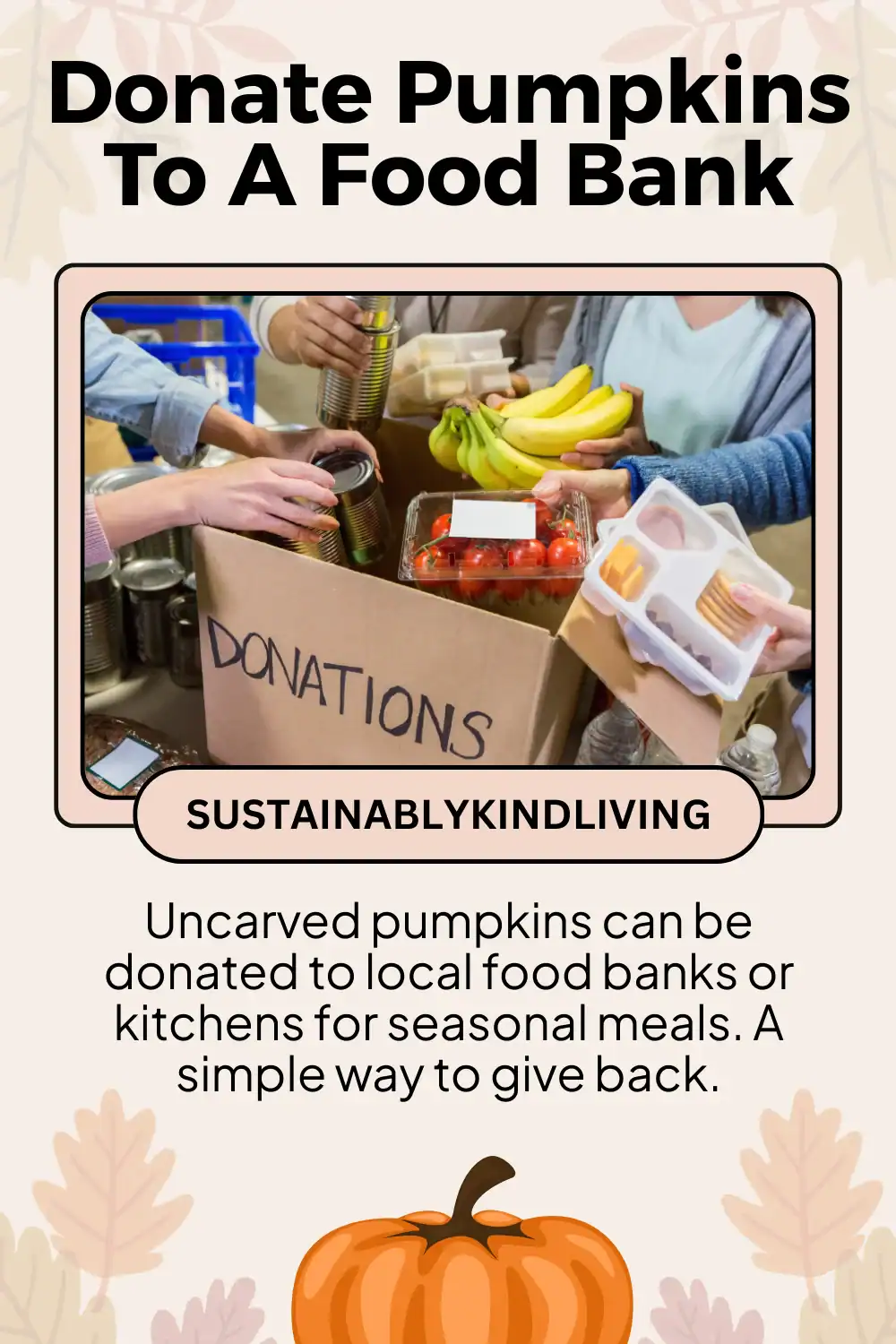
Still have whole, uncarved pumpkins from your fall decor?
Don’t toss them — many food banks and community meal programs can use them in seasonal recipes.
Winter squash and pumpkins are incredibly nutritious and versatile in soups, stews, and baking.
But not all families have access to fresh produce like this.
🥫 What to do:
- Check in with local food banks or mutual aid groups.
- Ask about their donation policies — some only take produce before a certain date.
- Bring clean, uncarved pumpkins (preferably sugar or pie pumpkins).
🎃 One small act can feed a family and prevent food waste — it’s a win-win.
🎃 FAQ: What To Do With Pumpkins After Halloween
Yes, carved pumpkins can be composted as long as they haven’t been painted, waxed, or covered in glitter.
Before composting, remove all decorations and candles, then chop the pumpkin into smaller pieces to help it break down faster.
No compost pile? Check if your city offers fall compost drop-off events or yard waste collection.
Yes, many animals love pumpkins — especially goats, pigs, chickens, cows, and even some wildlife.
Zoos and farms often accept leftover pumpkins for feed or enrichment, but they must be free of paint, mold, and candle wax. Always call ahead to confirm what’s accepted.
Homemade pumpkin puree will stay fresh in the fridge for 4 to 6 days when stored in a sealed glass jar. It can also be frozen for up to 3 months.
We recommend freezing it in small portions using silicone trays or jars for easy use in baking, smoothies, or baby food.
Usually not. Once a pumpkin has been carved and left outside, it’s no longer safe to eat — especially if it’s been exposed to insects, candles, or moisture.
Painted pumpkins should also be avoided. If you want to cook with your decor, use uncarved sugar pumpkins that were stored indoors.
There’s no single best answer — but anything that keeps your pumpkin out of a landfill is a win.
Composting, cooking, donating to farms or zoos, and repurposing the seeds or flesh are all great low-waste options.
Even just tossing your pumpkin into a wooded area for wildlife is better than the trash.
Final Thoughts: Small Changes, Big Impact
If there’s one thing I’ve learned as a mom and sustainability advocate, it’s that the little things matter.
Choosing to compost your pumpkin instead of tossing it in the trash may seem small — but when enough of us make these choices, the impact is real.
It’s not just about food waste. It’s about showing our kids that seasonal joy and sustainability can go hand-in-hand.
That even Halloween — a holiday known for excess — can be a moment to model care, creativity, and connection to the earth.
So whether you’re roasting seeds, sharing leftovers with farm animals, or turning your jack-o’-lantern into garden compost, know this: you’re making a difference.
And you’re helping build a tradition that’s not just fun, but deeply meaningful.
You Might Also Love…
If you’re looking to make your Halloween (and every season after) a little more sustainable, these guides are a great next step:
🎃 Planning ahead? Browse 25 organic and non-toxic candy brands for a safer, sweeter Halloween.
👻 Get crafty with 21 DIY Halloween costume ideas — fun, affordable, and plastic-free.
🍪 Skip the artificial stuff with 15 homemade Halloween treats kids will actually eat (and love).
🍂 Hosting Thanksgiving? Try these 7 easy eco-friendly swaps to reduce waste and stress.
🧼 Ready for a deeper home detox? Explore 20 DIY cleaning recipes that actually work.
🌎 Learn how to start living more sustainably with our beginner’s guide to non-toxic living.
🧸 For families, see our roundup of non-toxic baby and kid gear trusted by real parents.
📌 Save This Sustainable Halloween Pumpkin Guide
Pin this guide to your Eco-Friendly Fall or Zero Waste Living board so you’ll always have it handy when spooky season rolls around again.

Steal My Non-Toxic Cleaning Checklist!
Believe us, it’s the BEST…. and it’s free. Does it really get any better than that?! Sign up for our newsletter and get this free checklist to clean your home without any harmful chemicals!







What a lovely, practical post — thank you! Your writing has a real spark of life and determination; it’s inspiring and genuinely motivates me to treat the earth more kindly. I loved all the suggestions — they feel down-to-earth and doable — and I’m especially keen to try the candied pumpkin idea. Thank you for these thoughtful, realistic tips and for keeping a blog dedicated to a healthier, happier, safer planet for all.
With gratitude and love,
— Anya 🌷
Oh Anya, thank you so much for these kind words — they truly made my day! 💛 I’m so glad the tips felt both practical and inspiring, because that’s exactly what I hope to share here. The candied pumpkin is such a fun one — please let me know how it turns out if you give it a try! Sending gratitude right back to you for being part of this community and for caring about a healthier, safer planet alongside me.