 Shop My Favorite Non-Toxic Gifts Of 2026!
SKL is reader supported. When you buy through links on our site, we may earn affiliate commission. Learn more here.
Finding truly non-toxic makeup isn’t as simple as shopping the “clean beauty” aisle.
Over the past year, I tested every makeup brand featured in this guide (plus six more that did not make the cut), wearing everything from foundation and concealer to blush, lipstick, mascara, and multi-use sticks to see which products actually performed as well as their ingredient lists promised.
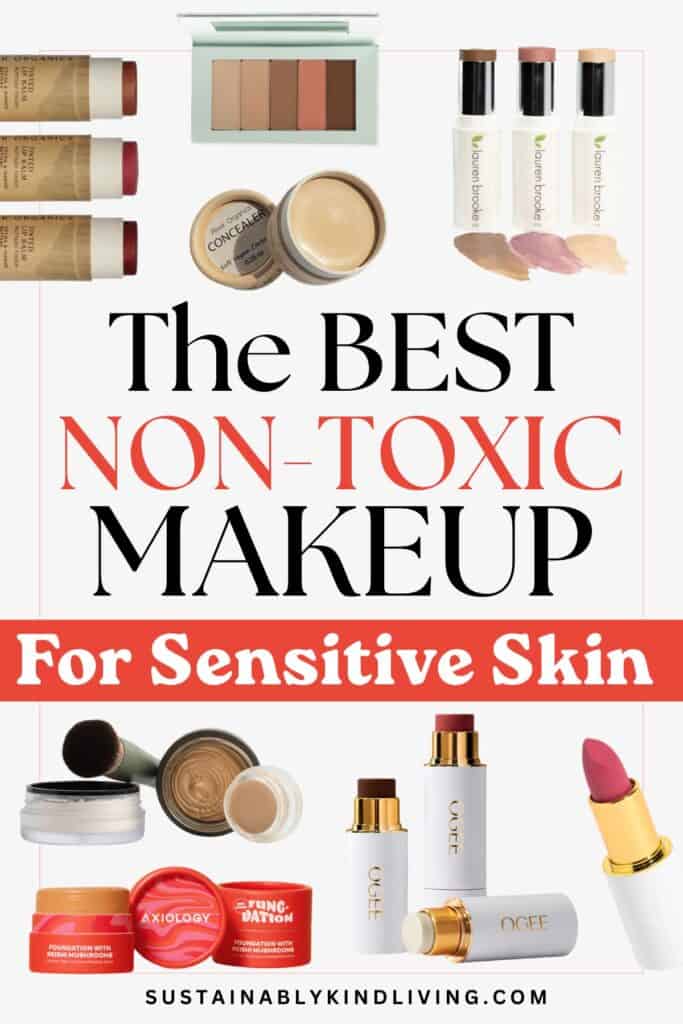
Some brands looked impressive online but didn’t live up to the hype once I started using them. Others completely surprised me with thoughtful formulations, beautiful finishes, and products I now reach for almost every day.
After testing them side by side, I narrowed the list to the brands I’d confidently recommend based on ingredient transparency, formulation quality, performance, and overall value.
SKL Top Non-Toxic Makeup Brands (quick picks)
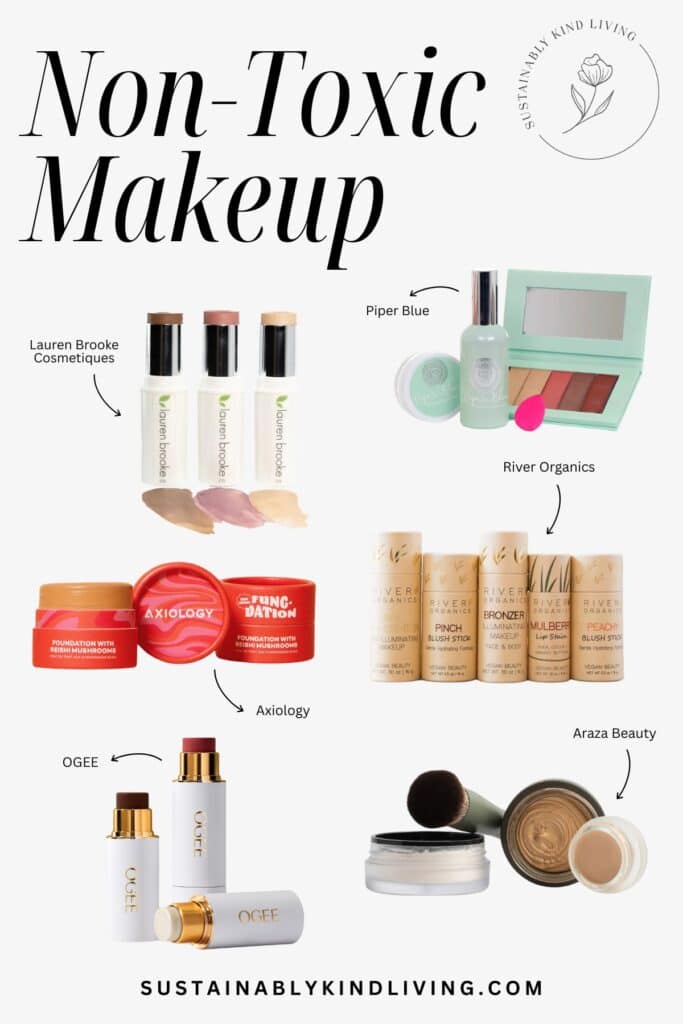
- The Non-Toxic Makeup I Reach For The Most: OGEE
- The Best Organic Makeup Brand: Araza Beauty
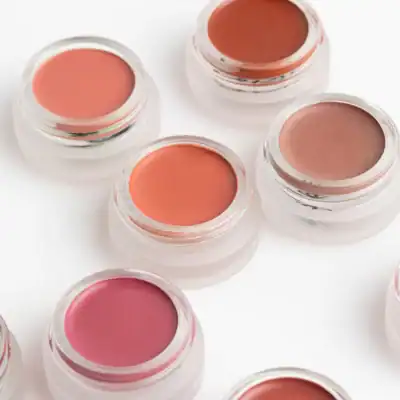
- Non-Toxic Makeup For Sensitive Skin: Lauren Brooke Cosmetiques
- Best Plastic-Free Makeup Brand: River Organics
- The Best Natural Makeup Kit: Piper Blue
Every brand on this list earned its spot for a different reason, one for how it performs on sensitive skin, another for how little packaging waste it leaves behind. Before we dive into the full reviews, here’s a side-by-side comparison of all six brands (below).
If you’re short on time, this table alone should point you toward the right pick, the full reviews below go deeper into why each one made the list and how it performed in my own routine.
Best Non-Toxic Makeup: At a Glance Comparison
(Mobile Users) Scroll to see full comparison →
| Brand | Best For | Key Highlights | Price Range |
|---|---|---|---|
| OGEE | Simple Everyday Makeup | Organic ingredients, multi-use sticks, skincare-focused formulas | $32-$220 |
| Araza Beauty | Ingredient Purists | Fruit-based ingredients, Paleo Certified, highly transparent formulations | $13–$150 |
| Lauren Brooke Cosmetiques | Sensitive Skin | Minimal ingredients, botanical formulas, and gentle complexion products | $12-$50 |
| River Organics | Plastic-Free Beauty | Compostable packaging, vegan formulas, certified organic ingredients | $8-$63 |
| Piper Blue | Complete Makeup Kits | Curated kits, organic ingredients, beginner-friendly collections | $22-$210 |
| Axiology | Zero-Waste Makeup | Plastic-free packaging, multi-use products, vegan, and cruelty-free | $16-$118 |
What Actually Matters When Choosing Non-Toxic Makeup
Twelve brands went through testing for this update. Six made it. Across years of testing and watching what the SKL community keeps repurchasing, a few things kept separating the makeup worth buying from the makeup that just looked good in the packaging.
✔ A “clean” claim tells you nothing on its own.
Any brand can call itself clean, natural, or non-toxic, none of those are regulated terms. What matters is whether the brand actually discloses its full ingredient list and explains its formulation, not just a front-label claim. If you can’t find the INCI list easily, that’s worth noticing.
✔ One hero ingredient doesn’t make a formula good.
A foundation with jojoba oil or a lip color with vitamin E isn’t automatically well-formulated, those are often just one ingredient in a much longer list. Check how the whole formula works together, not just what’s featured on the front of the box.
✔ Safer ingredients still have to perform.
Coverage, blendability, wear time, and pigmentation matter as much in non-toxic makeup as anywhere else. A product that’s technically clean but doesn’t blend, wears off in an hour, or looks chalky isn’t actually solving your problem, it’s just trading one frustration for another.
✔ A brand’s bestseller doesn’t guarantee its whole lineup.
Some brands nail one product and fall short everywhere else. If you love a brand’s foundation, don’t assume their blush or lip color will perform the same way, check each product on its own.
After the reviews, I’ll break down the ingredients I recommend looking for, the ones I personally avoid in makeup, and explain why they matter.
The Best Non-Toxic Makeup Brands Of 2026
1. OGEE | Best Natural Makeup For 5-Minute Routine
Best For: Anyone who wants a simple, streamlined makeup routine with multi-use sticks that create a natural, put-together look in just a few minutes.
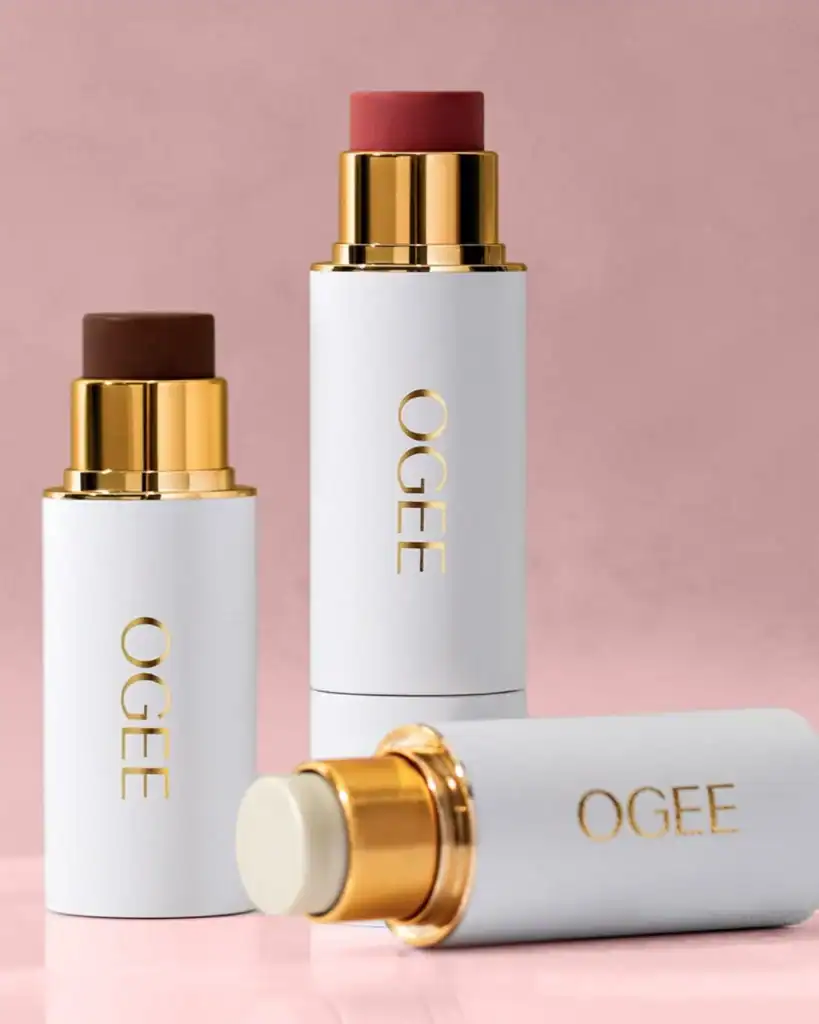
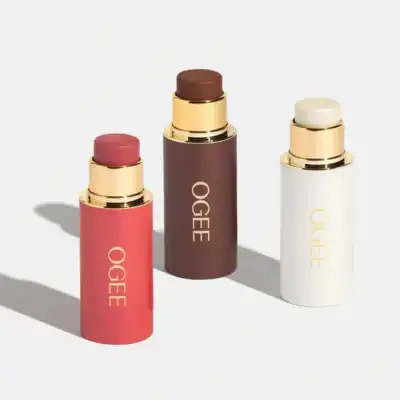
Of all the non-toxic makeup brands I’ve personally tested, OGEE is the one I reach for most often.
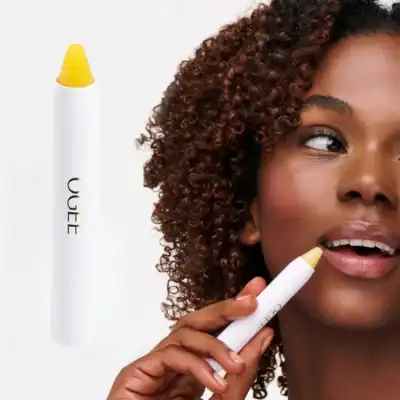
The Crystal Contour Collection has become part of my daily routine because the contour, blush, and highlighter sticks blend effortlessly and make getting ready feel incredibly simple.
I also genuinely love the Sculpted Complexion Foundation Stick. It provides natural-looking coverage, wears beautifully throughout the day, and feels much lighter than many conventional foundations I’ve used.
For readers who want clean beauty products that don’t require a complicated routine, OGEE consistently delivers.
What sets the brand apart is its ability to combine skincare-focused ingredients with makeup that is easy to use and performs well.
Many of the formulas are built around organic oils, botanical extracts, and mineral pigments, creating products that feel nourishing while still providing a polished finish.
Price
$32-$220
Ingredient highlights
Aloe Vera Juice | Beeswax | Butterfly Bush Extract | Coconut Oil | Edelweiss Stem Cells | Galactoarabinan | Jojoba Oil | Mallow Flower Extract | Sunflower Seed Oil | Essential Oils
location/shipping
United States | Ships To Select International Countries
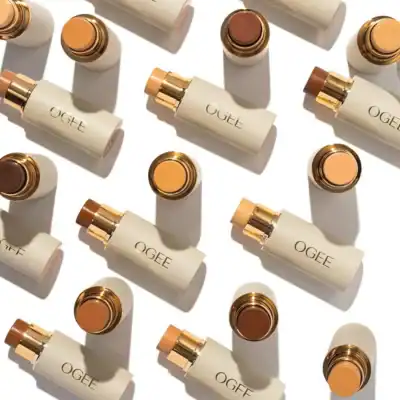
Best Sellers From OGEE:
2. Araza Beauty | Best Non-Toxic Makeup For Ingredient Purists
Best For: Shoppers who carefully read ingredient labels and want makeup made with natural, recognizable ingredients and minimal synthetic additives.
Use the discount code SKL15 to save 15%!
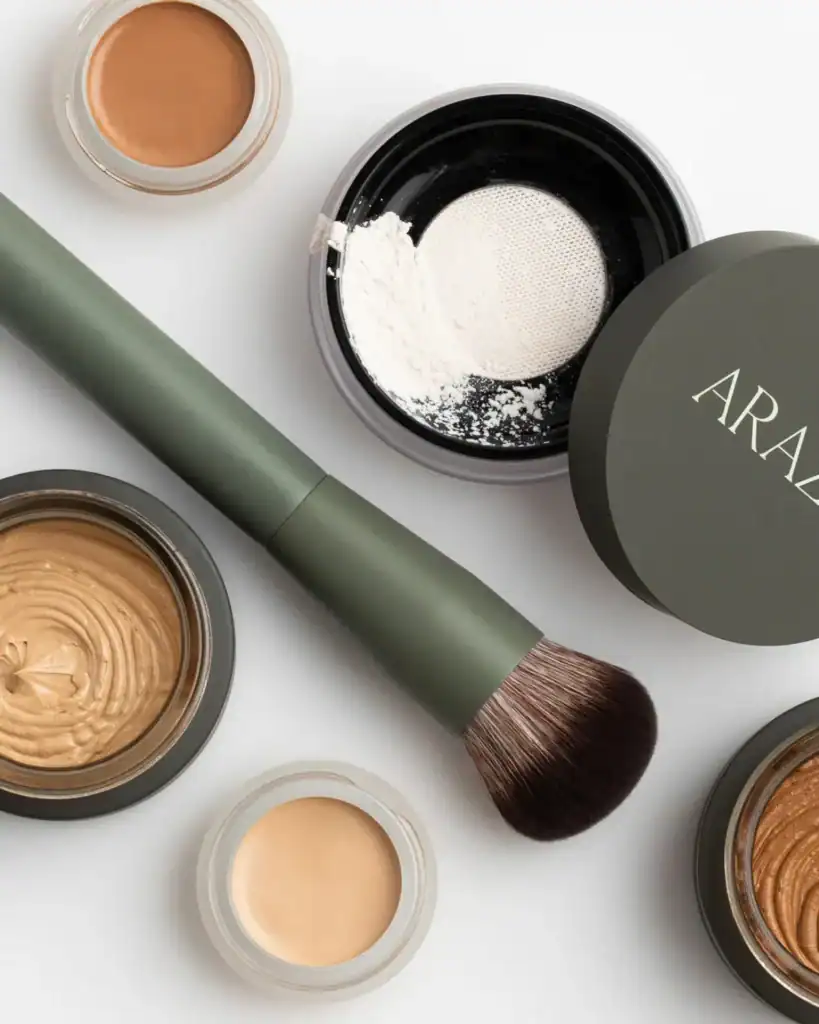
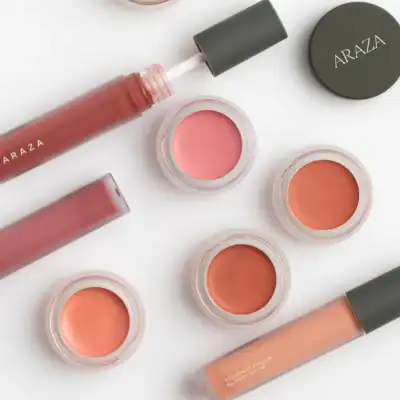
Araza Beauty is one of the cleanest makeup brands I’ve personally tested and continues to be one of my favorite recommendations for readers who prioritize ingredient quality.
Unlike many conventional beauty products, Araza Beauty formulates its makeup with organic oils, fruit-based antioxidants, and mineral pigments while avoiding artificial fragrances and many of the questionable ingredients commonly found in traditional cosmetics.
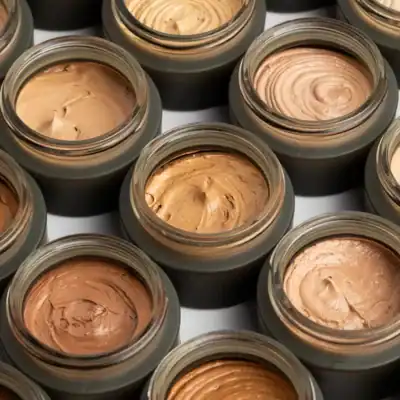
One of the products I keep coming back to is the Coconut Cream Foundation. It provides beautiful light-to-medium coverage while feeling more like skincare than makeup.
The formula is packed with nourishing ingredients and creates a healthy, natural-looking finish that works especially well for those seeking a more minimalist makeup routine.
Araza’s Paleo certification sets it apart from many clean beauty brands and reflects the company’s commitment to ingredient transparency and minimally processed, whole-food-inspired formulations.
Price
$13–$150
Ingredient Highlights
Araza Fruit Extract | Vitamin E | Postbiotics | Cold-Pressed Oils | Plant-Based Pigments | Antioxidant-Rich Botanicals
Location/Shipping
United States | Ships Internationally
Our Favorites from Araza Beauty:
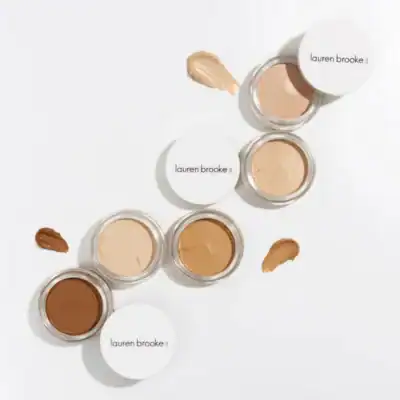
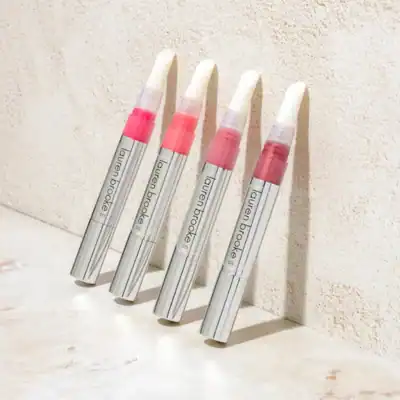
3. Lauren Brooke Cosmetiques | Best Non-Toxic Makeup for Sensitive Skin
Best For: People with sensitive, reactive, or allergy-prone skin who prefer simple formulas with fewer ingredients.
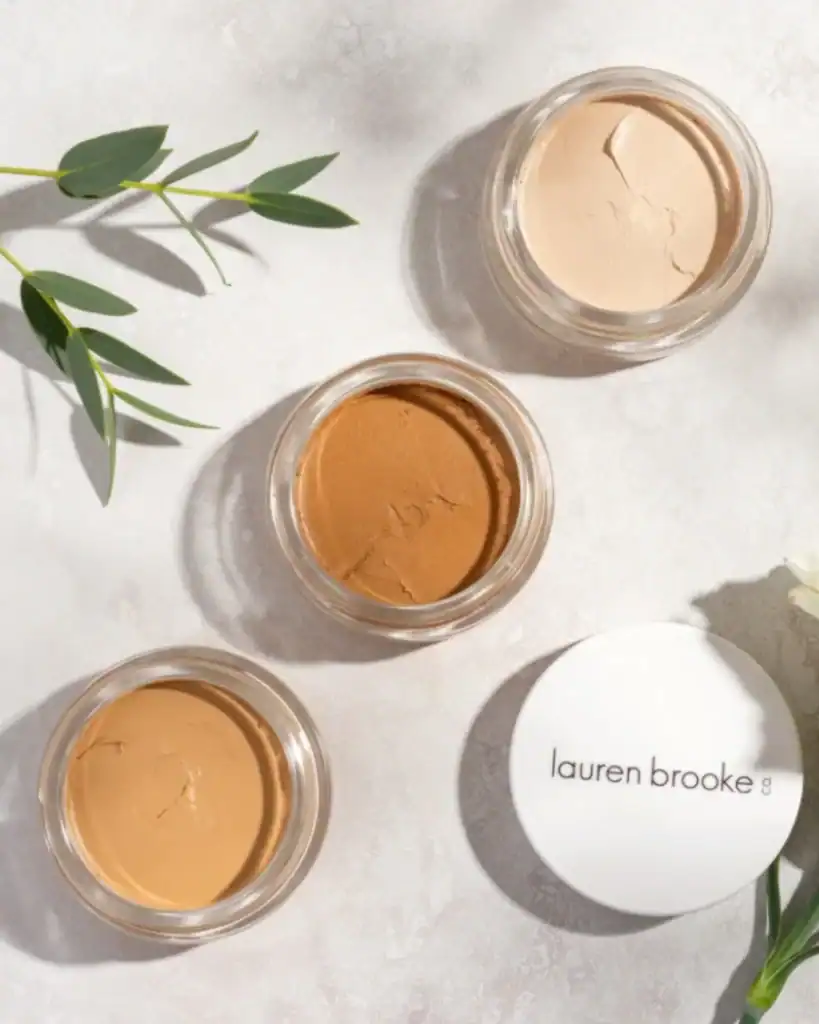
Lauren Brooke Cosmetiques caught my attention because it approaches beauty from a completely different angle than most makeup brands.
Founded by Lauren Brooke after her own health struggles, the company was built around the idea that makeup should support your well-being, not work against it.
What surprised me most during my review, though, was how well the products performed. With so much emphasis on organic oils, botanical ingredients, and food-grade components, I expected the formulas to feel more natural than functional.
Instead, many of the products delivered the coverage, wear time, and blendability I’d expect from a much larger beauty brand.
The complexion products were particularly impressive. Ingredients like organic jojoba oil, rosehip oil, avocado oil, green tea extract, and zinc oxide help create formulas that feel comfortable on the skin while providing a natural, polished finish.
Price
$12-$50
ingredient highlights
Organic Botanicals | Mineral Pigments | Plant Oils | Herbal Extracts | Natural Waxes | Wildcrafted Ingredients
location/shipping
United States | Ships Internationally
Our Favorites from Lauren Brooke Cosmetiques:
4. River Organics | Best Plastic-Free Makeup Essentials
Best For: Eco-conscious shoppers who want to reduce plastic waste without compromising on ingredient quality or performance.
Use the discount code SKL15 to save 15%!
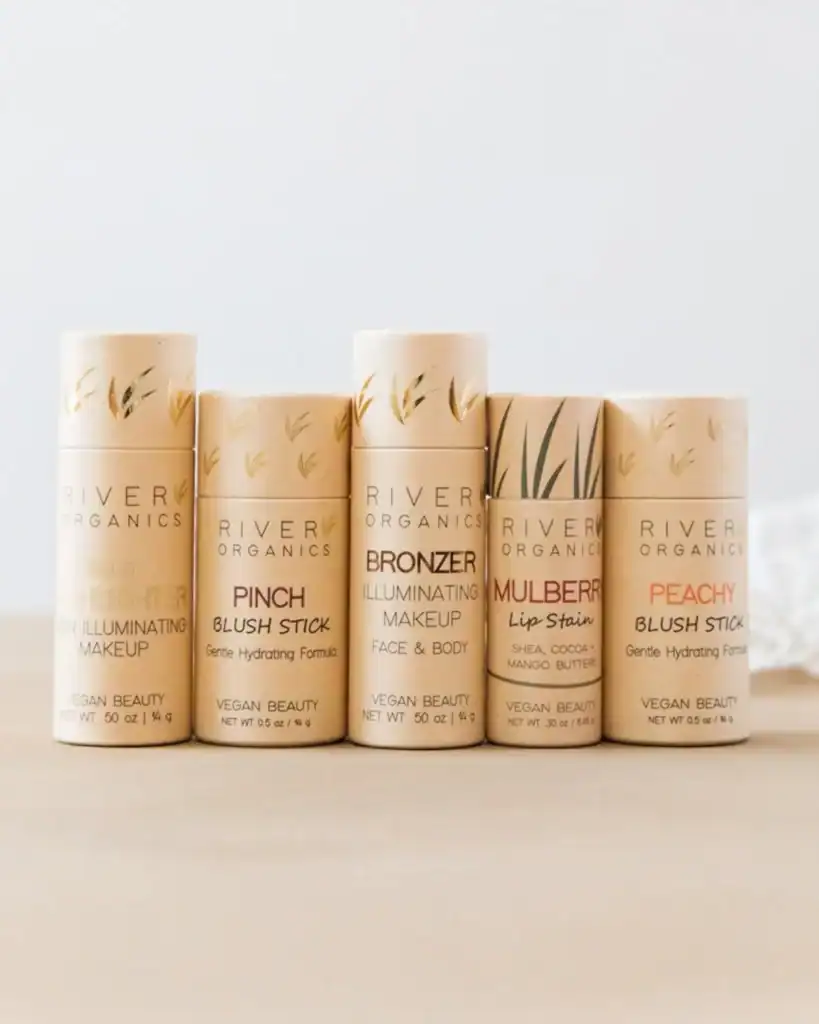
River Organics is one of the most thoughtfully designed sustainable beauty brands I’ve reviewed.
Founded by Corinne and Fabien, the company creates makeup with certified organic ingredients, vegan formulas, and plastic-free packaging that can be composted at home.
The brand is also transparent about its ingredients and manufacturing practices, which is something I always appreciate. What impressed me most was that the products lived up to the packaging.
The Titanium Dioxide-Free Concealer offered surprisingly good coverage, the Tinted Lip Balms felt comfortable and hydrating, and the brand’s Solid Mascara is a unique alternative to conventional plastic-packaged options. I
If you’re trying to reduce beauty waste without giving up effective makeup, River Organics is a brand worth exploring.
Price
$8-$63
ingredient highlights
Jojoba Oil | Shea Butter | Cocoa Butter | Mango Butter | Organic Plant Oils | Mineral Pigments | Arrowroot Powder | Vitamin E | Non-Nano Zinc Oxide
Location/Shipping
United States | Ships Internationally
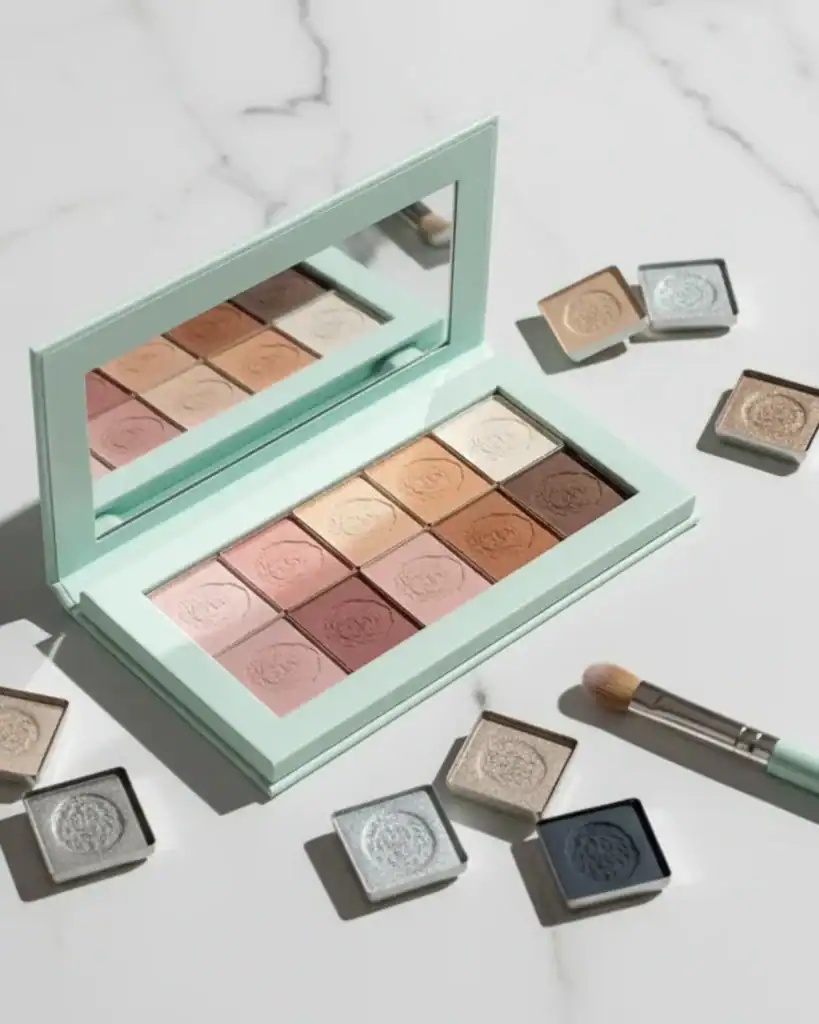
5. Piper Blue | Best All-In-One Non-Toxic Makeup Kit
Best For: Anyone looking for a one-and-done makeup palette that goes perfectly with your skin tone and complexion.
Use the discount code SKL10 to save 10%!
After battling Stage IV CKD, Jamie uncovered the harsh truth: even so-called “natural” makeup was full of toxic ingredients.
So she created Piper Blue, a brand rooted in trust, purity, and purpose. At Piper Blue, beauty never comes at the cost of your health.
Their high-performing, non-toxic formulas are crafted with the purest natural and organic ingredients to nourish your skin and elevate your confidence, without compromise.
Every purchase helps empower women and families around the world. Because true beauty should be honest, ethical, and life-changing.
Price
$22-$210
ingredient highlights
Jojoba Oil | Coconut Oil | Non-Nano Zinc Oxide | Kaolin Clay | Arrowroot Powder | Vitamin E | Carnauba Wax | Mineral Pigments
Location/Shipping
United States | Ships Internationally
6. Axiology | Best Zero-Waste Multi-Use Makeup
Best For: Minimalists who prefer versatile products that can be used on lips, cheeks, and eyes while keeping packaging waste to a minimum.
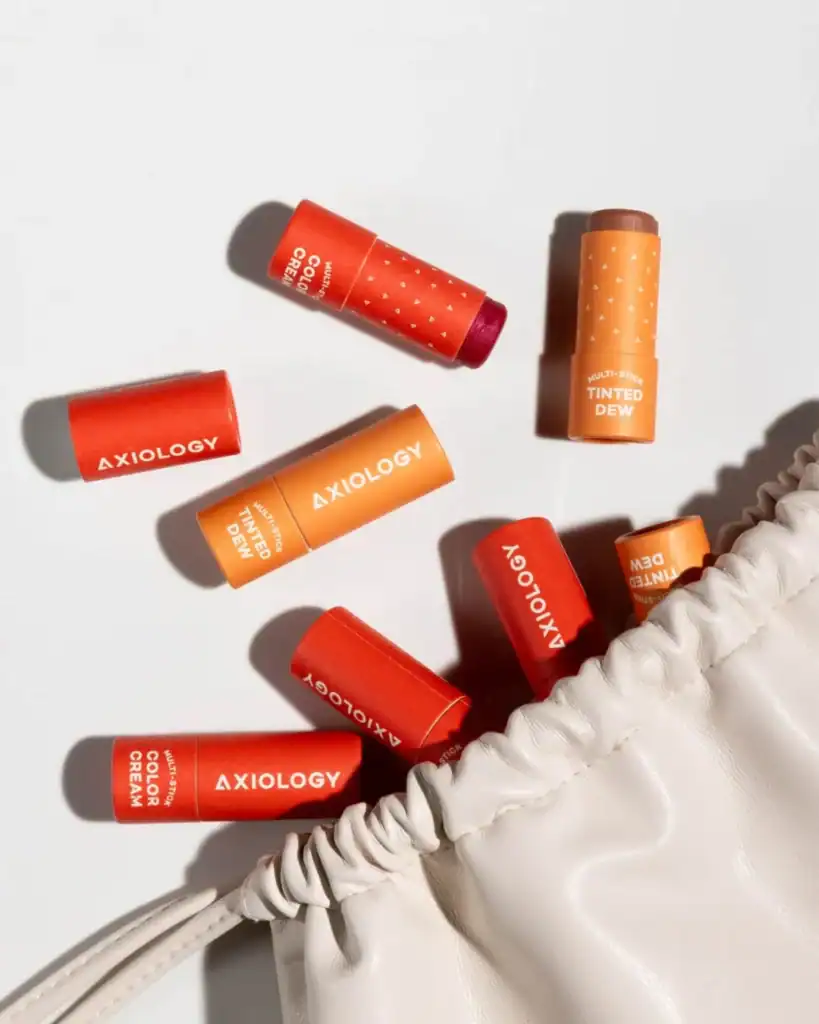
Use the discount code SKL20 to save 20%!
Axiology is a vegan, cruelty-free beauty company on a mission to fight the industry’s massive plastic waste problem.
The founder started by making her own 10-ingredient lipsticks in her tiny kitchen, and Axiology has since grown into a global brand.
In 2022, they made the bold move to ditch all plastic packaging and switch to 100% recyclable boxes made from island trash.
Partnering with a women’s cooperative in Bali that provides fair wages while reducing pollution.
Price
$16-$118
ingredient highlights
Jojoba Oil | Coconut Oil | Non-Nano Zinc Oxide | Kaolin Clay | Arrowroot Powder | Vitamin E | Plant Waxes | Mineral Pigments
Location/Shipping
United States
Best-Selling Makeup Brands We Don’t Recommend
These are some of the most popular makeup brands on the market, and also common sources of PEG compounds, parabens, synthetic fragrance, and preservatives I don’t recommend in daily-wear cosmetics.
L’Oréal True Match Foundation
Why it didn’t qualify: Contains PEG-10 Dimethicone and Phenoxyethanol. The pressed powder version also contains Methylparaben, Propylparaben, Butylparaben, and BHT.
Better alternative: OGEE or Lauren Brooke Cosmetiques for buildable coverage without PEGs or parabens.
Maybelline (Fit Me Foundation & Great Lash Mascara)
Why it didn’t qualify: The foundation contains multiple PEG compounds, Phenoxyethanol, Methylparaben, and Butylparaben. The mascara contains Methylparaben, Butylparaben, and Quaternium-15, a formaldehyde-releasing preservative.
Better alternative: Araza Beauty for foundation, River Organics’ Solid Mascara for lashes.
e.l.f. Poreless Putty Primer
Why it didn’t qualify: Marketed as free of phthalates, parabens, and fragrance, and it is, but still contains multiple PEG compounds.
Better alternative: A silicone- and PEG-free primer from OGEE, or skip the step if your foundation grips well without one.
Smashbox Photo Finish Original Primer
Why it didn’t qualify: Contains Retinyl Palmitate, which carries phototoxicity concerns in a daytime product worn under makeup and sun exposure.
Better alternative: OGEE primer without retinoids for daytime, save retinyl palmitate for nighttime skincare instead.
Kylie Cosmetics (Power Plush Foundation & Skin Tint Blurring Elixir)
Why it didn’t qualify: Both contain PEG compounds. The Skin Tint also lists Ethylene Brassylate, a synthetic fragrance ingredient, despite being described elsewhere as fragrance-free.
Better alternative: Lauren Brooke Cosmetiques for a lightweight tint without PEGs or hidden fragrance chemicals.
Charlotte Tilbury Airbrush Flawless Foundation
Why it didn’t qualify: Contains PEG-10 Dimethicone, Phenoxyethanol, Parfum, and several synthetic fragrance allergens (alpha-isomethyl ionone, benzyl salicylate, citronellol, limonene).
Better alternative: OGEE for a comparable luxury, skincare-forward foundation without PEGs or added fragrance.
What Ingredients Should You Look For in Non-Toxic Makeup?
After a decade of checking ingredient lists for this site, these are the ones I actually want to see on a label, and the ones I look for first when I’m vetting a new brand.
- Iron Oxides. The mineral alternative to synthetic dyes and coal-tar-derived colorants common in conventional makeup. Naturally occurring, with no meaningful skin absorption or safety concern at typical use levels. This is one of the first things I check for on a foundation or concealer label.
- Non-Nano Zinc Oxide. A mineral pigment and natural SPF booster. The non-nano particle size matters, it reduces skin penetration and inhalation risk compared to nano-sized versions. I specifically look for the word “non-nano” on the label, not just “zinc oxide” alone.
- Ethically Sourced Mica. Provides shimmer and light-reflective finish. Mica mining has documented labor and child labor concerns in some regions, so I ask brands directly about their mica sourcing before recommending them, this isn’t something you can verify from an ingredient list alone.
- Ultramarines. Naturally derived mineral pigments used for richer, more vibrant color, an alternative to synthetic dyes in deeper shades.
- Organic Jojoba Oil. Closely mimics skin’s natural sebum, helps products glide on smoothly without clogging pores. One of the most consistent ingredients across every brand that’s made it onto my list over the years.
- Organic Shea Butter, Cocoa Butter, and Plant Oils (rosehip, sunflower, argan). Add hydration and skin-conditioning benefits beyond just color and coverage, this is what separates makeup that treats your skin like an afterthought from makeup that doesn’t.
- Plant-Derived Preservatives (rosemary extract, radish root ferment). Help prevent bacterial growth without relying on parabens or formaldehyde-releasing preservatives, the same two ingredient categories I flag as concerns earlier in this guide.
What Toxic Ingredients Are Hiding in Makeup?
After a decade of digging through ingredient lists and lab reports for this site, these are the five things I check for first, and the ones I’d tell you to check before anything else on a label.
PFAS Contamination in Popular Makeup Products
A Notre Dame study found that over half of foundations and eye products, nearly half of lip products, and about a third of mascaras sold in the US and Canada showed high fluorine levels, an indicator of likely PFAS content.
PFAS, known as “forever chemicals” because they don’t break down in the body or the environment, have been linked to hormone disruption, liver and kidney effects, and other health concerns.
Parabens
Methylparaben, ethylparaben, propylparaben, and butylparaben are common preservatives used to prevent bacterial growth. Research on parabens’ receptor-binding activity has raised concerns about their potential to mimic estrogen and interfere with hormone signaling.
Phthalates
Formaldehyde-Releasing Preservatives
DMDM hydantoin, quaternium-15, and similar preservatives slowly release small amounts of formaldehyde into a formula over time.
The American Cancer Society classifies formaldehyde as a known human carcinogen, and it’s a well-documented skin irritant and allergen.
Heavy Metals
Lead, arsenic, mercury, and cadmium can show up as trace contaminants in color cosmetics, particularly pigments. Sustained heavy metal exposure is linked to neurological issues, developmental delays, and organ toxicity.
This one can’t be verified from an ingredient list alone, it requires a brand’s actual heavy metal testing data, which is why I ask for it directly when vetting a brand rather than assuming a clean label means clean testing.
Talc
Used as a base in many powder cosmetics, talc mined near asbestos deposits can carry asbestos contamination, a known carcinogen linked to mesothelioma and ovarian cancer.
Cosmetic-grade talc is supposed to be tested and asbestos-free, but sourcing and testing rigor vary by brand, which is why “talc” alone on a label isn’t enough to trust without knowing more.
How To Spot Truly Clean Beauty Products Among The Greenwashing
In a market flooded with “natural” and “clean” claims, finding truly non-toxic makeup requires becoming a savvy shopper.
Here’s how to cut through the marketing noise and find products that deliver on their promises.
Recognizing Misleading Marketing Claims
- “Natural” has no legal definition in cosmetics, allowing brands to use it freely even with synthetic ingredients.
- “Organic” means nothing unless you see the USDA organic seal.
- “Hypoallergenic” and “chemical-free” are unregulated terms designed to build consumer confidence without scientific backing.
- “Free from” lists often distract from other problematic ingredients still present in formulas.
Reading Labels Effectively
- Check ingredient order – they’re listed by concentration, the highest first.
- Beware of “fragrance” or “parfum” – legal loopholes allowing hundreds of undisclosed chemicals.
- Look for recognizable ingredients rather than an overwhelming list of synthetic compounds.
- Watch for suffix clues – ingredients ending in “-eth” often indicate ethoxylation, which can create carcinogens.
Third Party Certifications That Matter In Non-Toxic Makeup Brands
Certifications aren’t all created equal, some verify very little, and a few actually mean something. Here’s what the ones I trust require, and what to watch for.
USDA Organic.
Requires at least 95% organic content for the full seal. This is the gold standard for agricultural ingredients grown without synthetic pesticides, GMOs, or irradiation, but look for the actual green USDA seal, not just the word “organic” on a label, since that word alone isn’t regulated in cosmetics.
NSF/ANSI 305.
Verifies that a product formulation contains at least 70 percent organic content by weight, and is the only American National Standard for personal care products making organic ingredient claims. This is the certification most makeup and skincare brands actually use, since USDA Organic’s food-focused rules don’t account for the manufacturing processes cosmetics require.
EWG Verified.
Products cannot contain any ingredients on EWG’s “unacceptable” list of chemicals with health, ecotoxicity, or contamination concerns, and must meet EWG’s standards for full ingredient disclosure, including fragrance ingredients. This is the certification worth trusting most for what’s actually excluded, since it requires disclosing what’s inside “fragrance,” not just avoiding the word.
Leaping Bunny or PETA Cruelty-Free.
Ensures no animal testing at any stage of production. Leaping Bunny is the more rigorous of the two, requiring an independent supplier monitoring system and audits, not just a company’s own pledge.
COSMOS/ECOCERT.
European certifications for natural and organic cosmetics, with restricted ingredient lists and environmental manufacturing requirements. Common on European and UK clean beauty brands, worth checking for since it’s a rigorous third-party standard, not a self-issued label.
Made Safe.
Certifies products made without ingredients on their Ingredients Database of chemicals known or suspected to harm human health, animals, or ecosystems, screened by their own scientists rather than the brand itself.
One thing worth remembering from earlier in this guide: none of these certifications are required to call a product “clean” or “non-toxic,” those words still aren’t regulated. A certification is a real, third-party-verified signal. A word on a label isn’t.
Still Deciding?
- OGEE is the best choice for busy women who want a quick, effortless makeup routine with easy-to-use multi-purpose products.
- Araza Beauty stands out for ingredient-conscious shoppers who prioritize organic, food-based ingredients and maximum transparency.
- Lauren Brooke Cosmetiques is ideal for sensitive or reactive skin thanks to its simple formulations and gentle botanical ingredients.
- River Organics is perfect for eco-conscious shoppers looking to reduce plastic waste without sacrificing performance.
- Piper Blue works best for anyone who wants a complete non-toxic makeup collection in one place without having to mix and match products.
- Axiology is a great option for minimalists who love versatile products that can be used on lips, cheeks, and eyes while supporting a zero-waste lifestyle.
My Final Thoughts On Non-Toxic Makeup
What I’ve learned after testing more makeup brands than I can count is that safer ingredients and real performance were never actually in conflict. The brands on this list prove that, coverage, wear time, blendability, none of it had to be sacrificed to avoid parabens, PEGs, or synthetic fragrance.
You don’t have to replace your entire makeup bag overnight. Start with what stays on your skin longest, foundation and concealer, and swap the rest as you run out. That’s genuinely how I built my own routine over the years, one product at a time, not all at once.
This guide isn’t static, and it’s not supposed to be. Brands come off this list when they stop earning their place, and new ones go on when they actually deserve to be there. That’s the whole point of testing this the long way instead of trusting a label.
If you take one thing from this guide, let it be this: skip the front of the bottle. Read the ingredients yourself, check for what’s actually in the formula, and let that decide what earns a place in your routine, not the marketing.
Build A Healthier Beauty Routine
If you’re working toward a lower-toxic beauty routine overall, these guides may help next:
- Non-Toxic Lipstick: Safer lipsticks made without PFAS, questionable dyes, or other potentially harmful ingredients.
- Non-Toxic Deodorant: Aluminum-free deodorants made with safer ingredients that help control odor without harsh chemicals.
- Non-Toxic Skincare: Safer cleansers, serums, and moisturizers made with skin-friendly ingredients and fewer potential irritants.
- Non-Toxic Perfume: Fragrance options made without undisclosed synthetic fragrance blends and common endocrine disruptors.
Because honestly, once you start researching what goes into your makeup products, you quickly realize that every product you use daily contributes to your overall chemical exposure. Small swaps can add up to a much healthier beauty routine.
📌 Save This Guide For Later
This guide breaks down the best non-toxic makeup brands, the ingredients linked to hormone disruption and skin irritation, and which clean beauty products are actually worth buying.
Save this guide for your next makeup refresh!
Sources & Further Reading
Much of the research that shaped this guide comes from toxicology studies, ingredient safety databases, regulatory agencies, and scientific research on PFAS, endocrine disruptors, heavy metals, and cosmetic ingredient disclosure.
Here are some of the resources I found most helpful while researching safer makeup brands:
- Environmental Working Group (EWG) Skin Deep Database: An ingredient safety database that rates thousands of cosmetics and personal care products.
- National Institute of Environmental Health Sciences (NIEHS) Endocrine Disruptors: Research and education on chemicals that may interfere with hormone function.
- Agency for Toxic Substances and Disease Registry (ATSDR) Lead Toxicological Profile: Scientific review of lead exposure, toxicity, and health effects.
- Agency for Toxic Substances and Disease Registry (ATSDR) Cadmium Toxicological Profile: Comprehensive overview of cadmium exposure and associated health risks.
- National Academies Report on PFAS Exposure and Health Effects: Independent scientific review of PFAS exposure and potential health impacts.
- Made Safe Certification Program: Third-party certification that screens products for known and suspected toxic chemicals.
- USDA Organic Certification Standards: Federal standards for products made with certified organic ingredients.
- Leaping Bunny Certification Program: Verifies that products and ingredients are not tested on animals.
- COSMOS Organic & Natural Cosmetic Standards: International certification standard for organic and natural cosmetics.

Steal My Non-Toxic Cleaning Checklist!
Believe us, it’s the BEST…. and it’s free. Does it really get any better than that?! Sign up for our newsletter and get this free checklist to clean your home without any harmful chemicals!




Thanks for this list. FYI, 100% Pure is no longer true to its name and now uses synthetic colors, unfortunately.
We will update this immediately!
It’s so helpful to see these brands broken down by their ethics and ingredients. I’ve found that even when brands claim to be ‘clean,’ you still have to be so careful with label reading.