 Shop My Favorite Non-Toxic Gifts Of 2026!
SKL is reader supported. When you buy through links on our site, we may earn affiliate commission. Learn more here.
Looking for a truly non-toxic deodorant that actually works? I get it.
Finding a clean formula that keeps you fresh without leaving you irritated, rashy, or reaching for your old antiperspirant by noon can feel like an endless loop of disappointment.
I have tested over 40 formulas myself through postpartum, international moves, sweaty hikes in the mountains, and baby-wearing marathons, and I can finally say: these are the ones that really work.
No greenwashing, no stinky pits.
At A Glance: My Top Non-Toxic Deodorant Picks
- For Ultra Sensitive Skin & No Stink: Blissoma
- For Sensitive Skin & Pregnancy Safe: Earth Mama Organics
- Certified Organic Ingredients & Zero Waste: Chagrin Valley
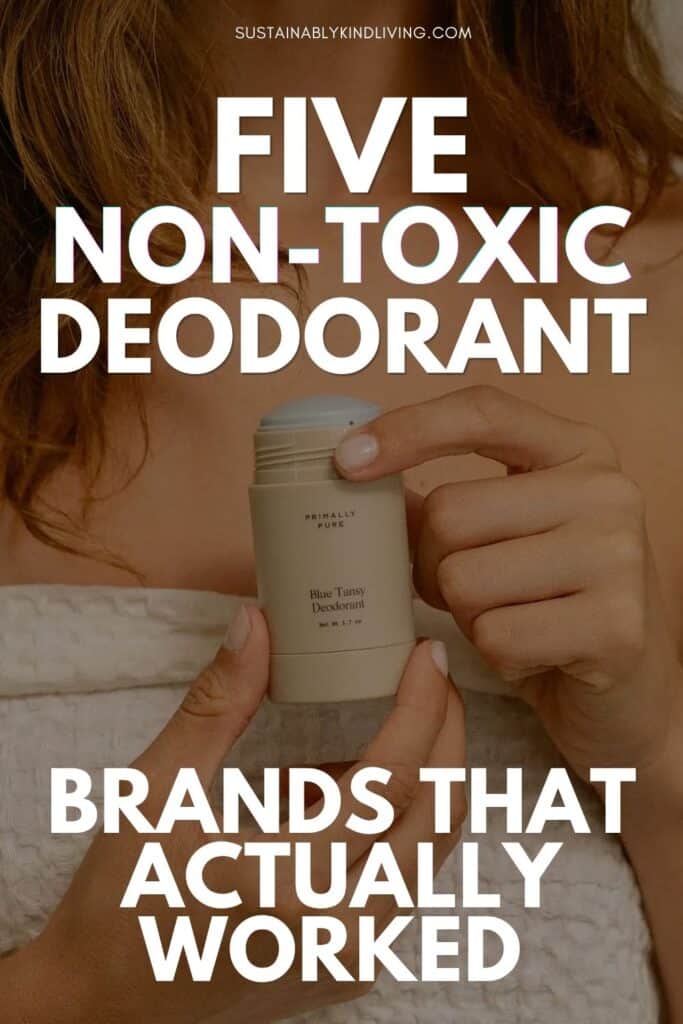
- For All-Day Protection (Baking Soda Formula): Primally Pure
- For Customizable Scents & Probiotic Power: Living Well With Dr. Michelle
If you are already switching to a non-toxic body wash or non-toxic skincare routine, swapping your deodorant is the next natural step, and arguably one of the most important.
I did not start switching because it was trendy. I did it because my skin gave me no choice.
Years ago, I developed a painful rash from a conventional antiperspirant that sent me into a full spiral of label-reading and deep-dive research. What I found stopped me in my tracks.
Most mainstream formulas contain synthetic fragrance, which is the number one cause of cosmetic contact allergy according to the American Contact Dermatitis Society, and can hide dozens of undisclosed chemicals, including phthalates linked to hormone disruption.
Best Non-Toxic Deodorant: At a Glance Comparison
(Mobile Users) Scroll to see full comparison →
| Brand | Best For | Baking Soda Free Option | Fragrance Free Options | Price |
|---|---|---|---|---|
| Blissoma | Reactive Skin / Sensitive Skin | Yes | Yes | $26-$28 |
| Earth Mama Organics | Pregnancy & Postpartum | Yes (all) | Yes | $6.49-$12.99 |
| Chagrin Valley | Organic & Zero Waste | Yes | Yes | $10.5-$15 |
| Primally Pure | Tallow-Based Formula | Yes | Yes | $16-$22 |
| Living Well | Probiotic Support | Yes (All) | Yes | $19.97 |
Many still contain parabens, which have documented weak estrogenic activity and have been partially banned in EU cosmetics.
Some contain triclosan, an antimicrobial that the FDA banned from hand soaps in 2016 due to endocrine disruption concerns that can still legally appear in deodorant.
And propylene glycol, a known contact sensitizer, is in more formulas than most people realize.
Here’s the thing:
Your underarms have thin, absorbent skin. You apply this product every single day. That combination matters.
Since that rash sent me down the rabbit hole, I have made it my mission to find formulas that do not just sound clean but actually are.
Formulas with full ingredient transparency, no red flag chemicals, and real performance you can count on.
Whether you are new to non-toxic living, dealing with sensitive or reactive skin, or just ready to make the switch with confidence, this guide is for you.
What Is Natural Deodorant & Why Should You Care?
Natural deodorants are made without aluminum compounds, parabens, phthalates, or synthetic fragrances.
Instead, they rely on plant-based ingredients and natural minerals to absorb moisture and neutralize odor-causing bacteria.
Unlike antiperspirants, which block sweat glands with aluminum compounds, natural deodorants allow your body to do what it was designed to do: sweat. But they keep you smelling fresh in the process.
The case for switching is straightforward:
Synthetic fragrance can hide dozens of undisclosed chemicals, including hormone disruptors.
Parabens and triclosan raise legitimate endocrine concerns backed by regulatory action in the EU and the FDA, respectively.
And conventional formulas are simply harsh on sensitive skin, which is exactly what sent me searching for something better in the first place.
Switching to a well-formulated natural deodorant means no questionable ingredients in daily contact with some of your most absorbent skin.
The Best Non-Toxic Deodorants Of 2026
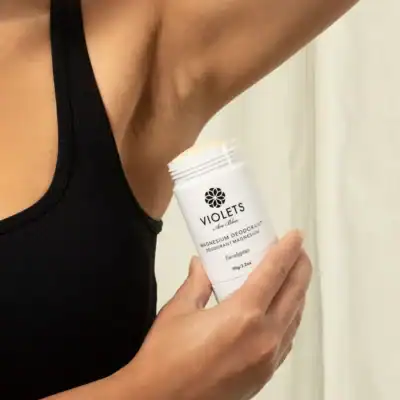
1. Blissoma – Best Non-Toxic Deodorant For Sensitive Skin
Baking Soda-Free Options | Fragrance-Free Options
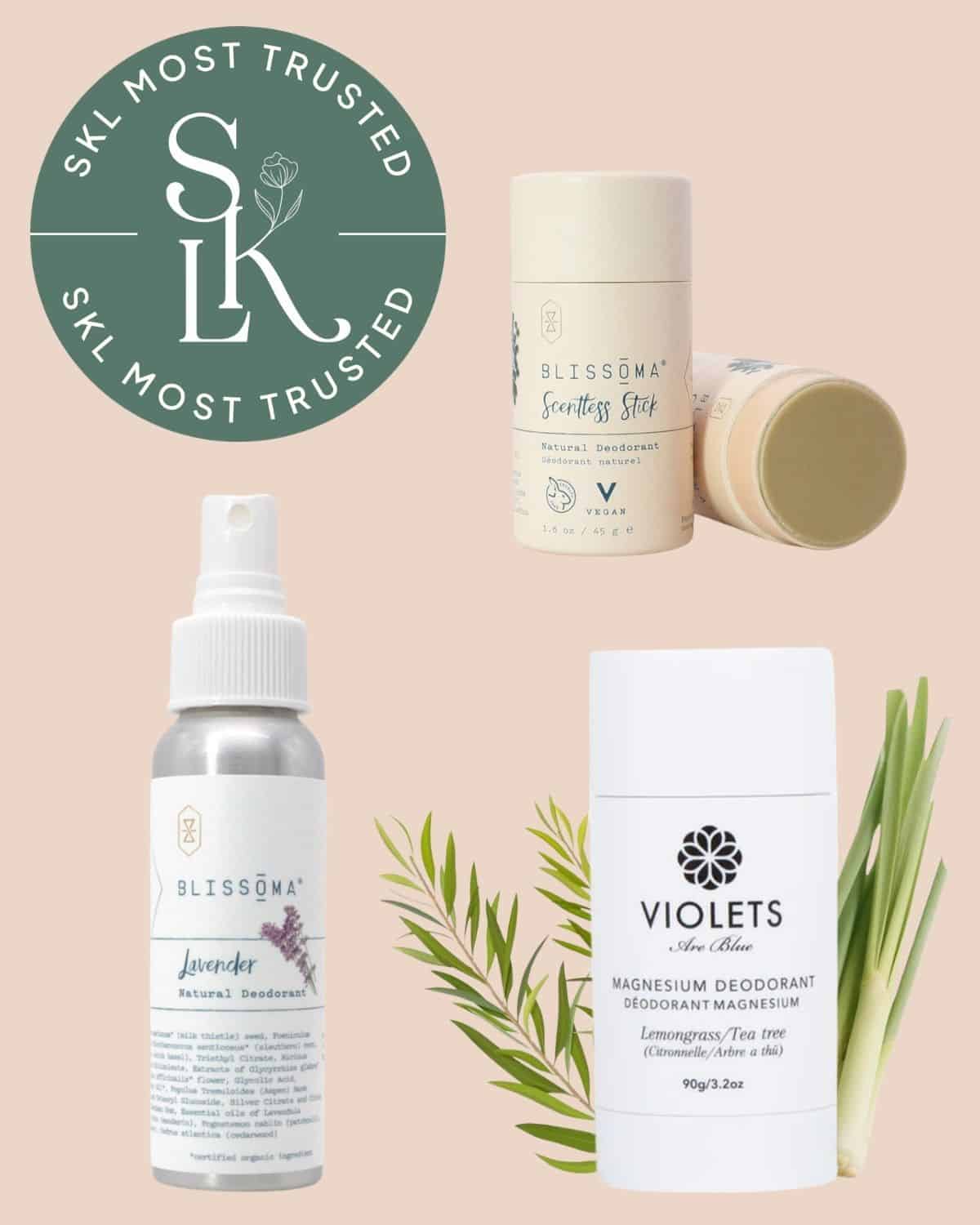
Blissoma completely changed my expectations of what natural deodorant can do, and it is the brand I recommend most when someone tells me they have tried everything and nothing works.
Whether you need fragrance-free, baking soda-free, or a stronger formula for high-sweat days, they have a version that works for your skin specifically.
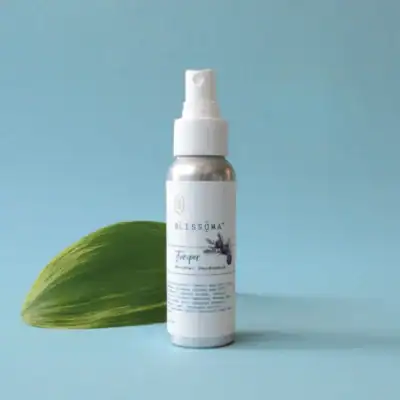
The Aromatic Sprays are where I started and what I keep coming back to.
Since sweat itself does not actually smell, it is the bacterial breakdown that causes odor. Blissoma targets that process directly rather than just masking it.
Baking soda-free, pH-balanced, and genuinely effective in a way that most natural sprays simply are not.
price
$26-$28 | $10 (Samples)
Key ingredients
Magnesium Hydroxide | Triethyl Citrate | Zinc Ricinoleate | Silver Citrate | Coconut Oil | Jojoba Oil | Shea Butter | Tapioca Starch | Glycolic Acid | Bentonite Clay | Arrowroot Powder
Location/Shipping
United States | Ships Internationally
Our Favorites from Blissoma:
2. Earth Mama Organics – Best For Pregnancy, Postpartum & Breastfeeding
Baking Soda-Free | Fragrance-Free Option
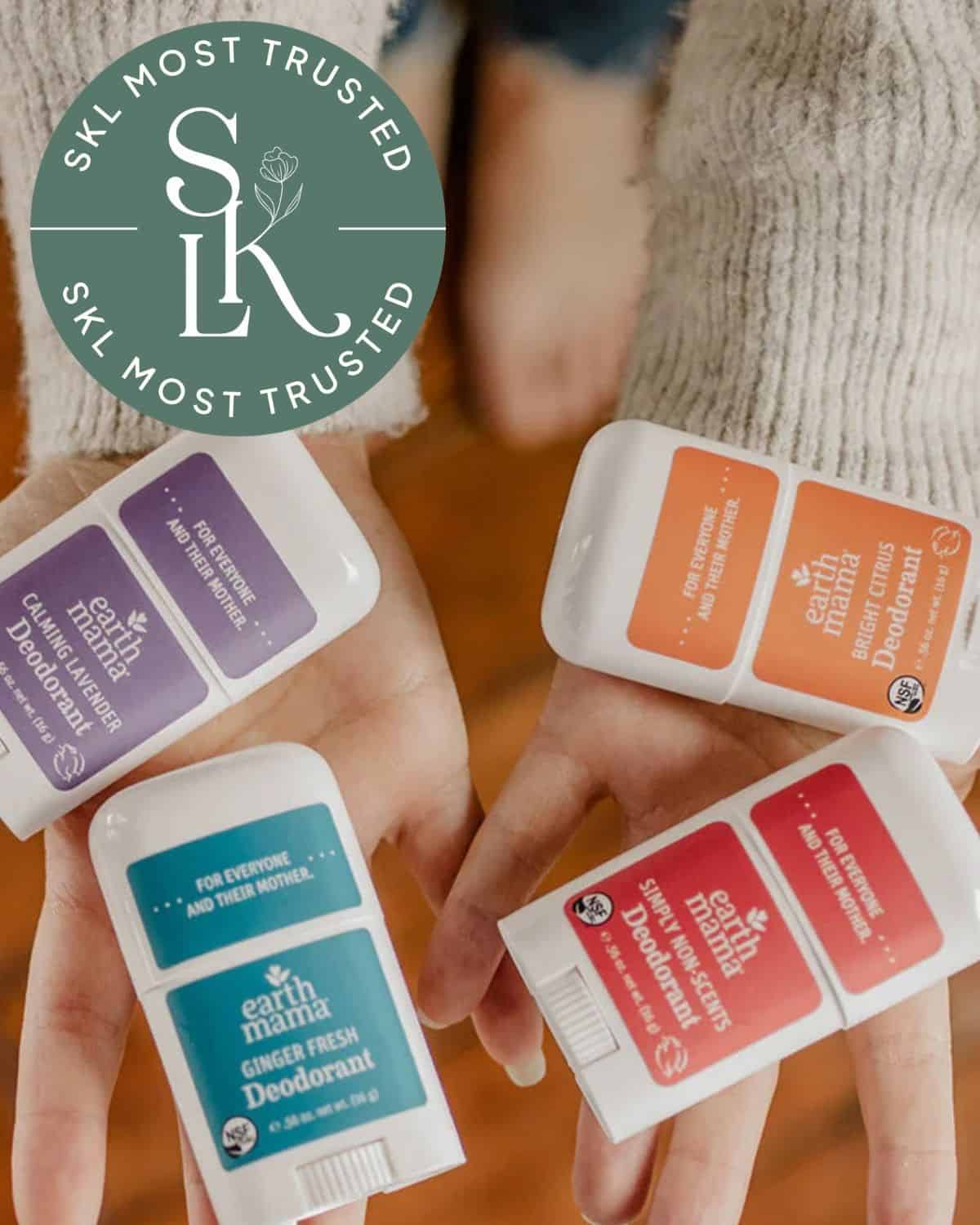
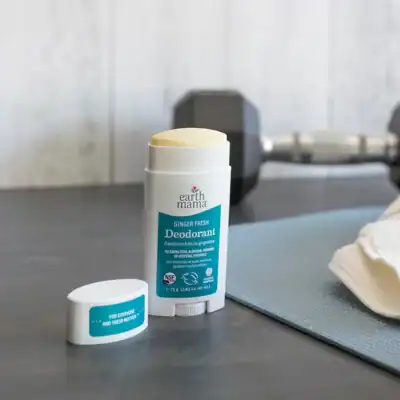
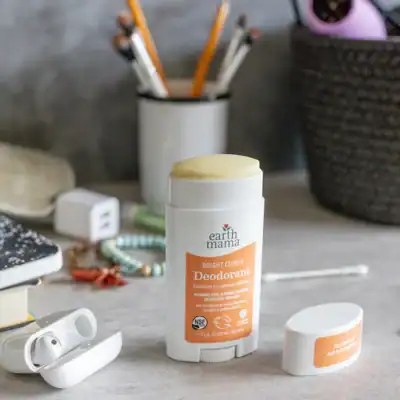
Earth Mama Organics‘ natural deodorant was formulated specifically for pregnancy, postpartum, and breastfeeding, and that level of intentionality shows in every ingredient choice.
NSF certified and free from aluminum, propylene glycol, artificial fragrance, parabens, and baking soda, this deodorant is perfect for sensitive skin.
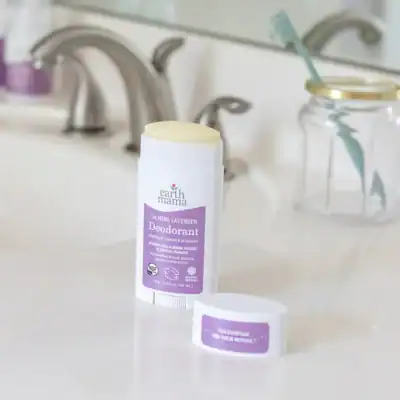
Magnesium hydroxide, arrowroot powder, and organic calendula work together to neutralize odor gently without irritation.
It comes in four options, including Simply Non-Scents, which is completely fragrance-free and baking soda-free, making it one of the only formulas I recommend without hesitation for the most reactive skin types.
It glides on smoothly, leaves no residue, and delivers solid all-day freshness. Safe enough for pregnancy, effective enough for everyone else.
price
$6.49-$12.99
Key ingredients
Coconut Oil | Corn Starch | Candelilla Wax | Magnesium Hydroxide | Beeswax | Arrowroot Powder | Tocopherol | Calendula Flower Extract | Ginger Root Oil | Lime Oil
Location/Shipping
United States
Our Favorites from Earth Mama Organics:
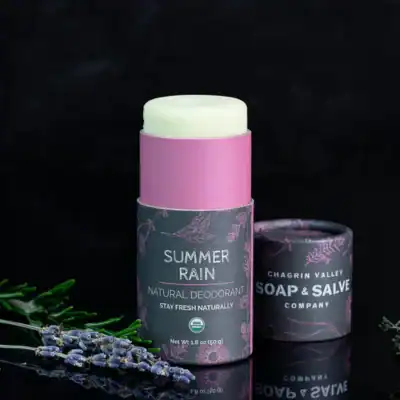
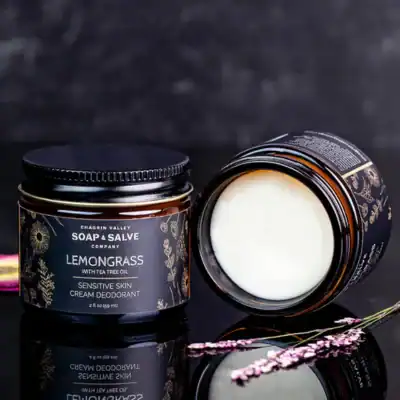
3. Chagrin Valley – Best Certified Organic & Zero Waste
Baking Soda-Free | Fragrance-Free Options
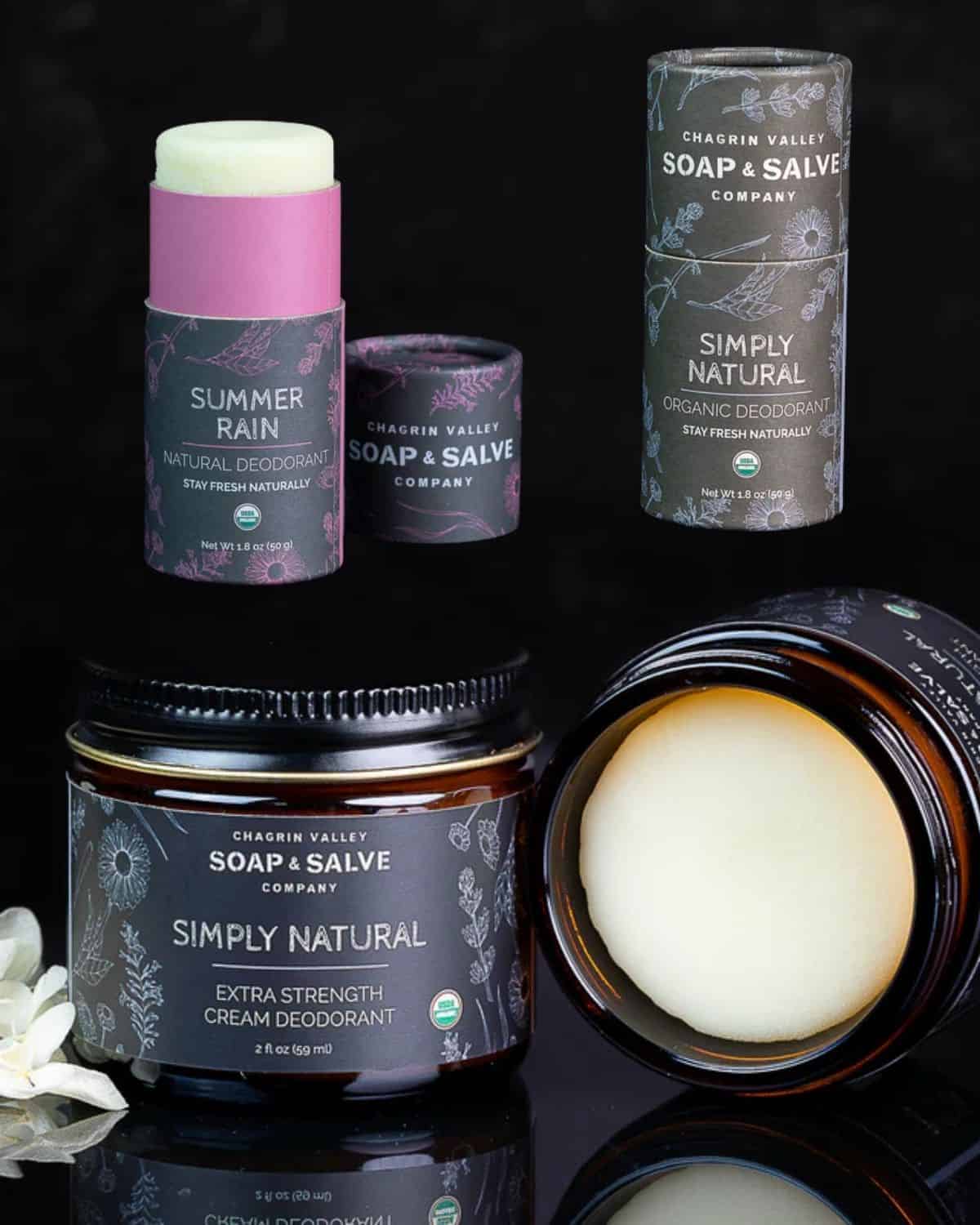
Chagrin Valley’s organic deodorant line is one of the most underrated in the non-toxic space.
Every formula is handcrafted in small batches with certified organic oils, nourishing butters, and botanical powders.
No synthetic ingredients, no plastic packaging, no compromises on transparency.
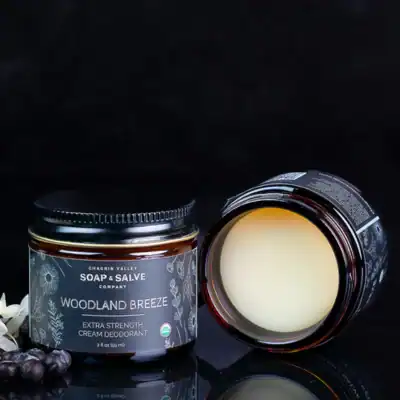
Their unscented cream deodorant uses magnesium hydroxide for gentle odor control while shea butter, jojoba oil, and coconut oil nourish delicate skin, with no baking soda and no added scent.
Their smooth-gliding stick formulas (with baking soda) deliver reliable all-day freshness with a bit more power.
One brand, multiple entry points depending on your skin. That kind of flexibility is rare in this category.
price
$10.5-$15
Key ingredients
Coconut Oil | Shea Butter | Cornstarch | Tapioca Flour | Jojoba Oil | Beeswax | Magnesium Hydroxide | Baking Soda (In Some Versions) | Essential Oils
Location/Shipping
United States | Ships Internationally
Our Favorites from Chagrin Valley:
4. Primally Pure – Best Tallow-Based Formula
Baking Soda-Free Options | Fragrance-Free Options
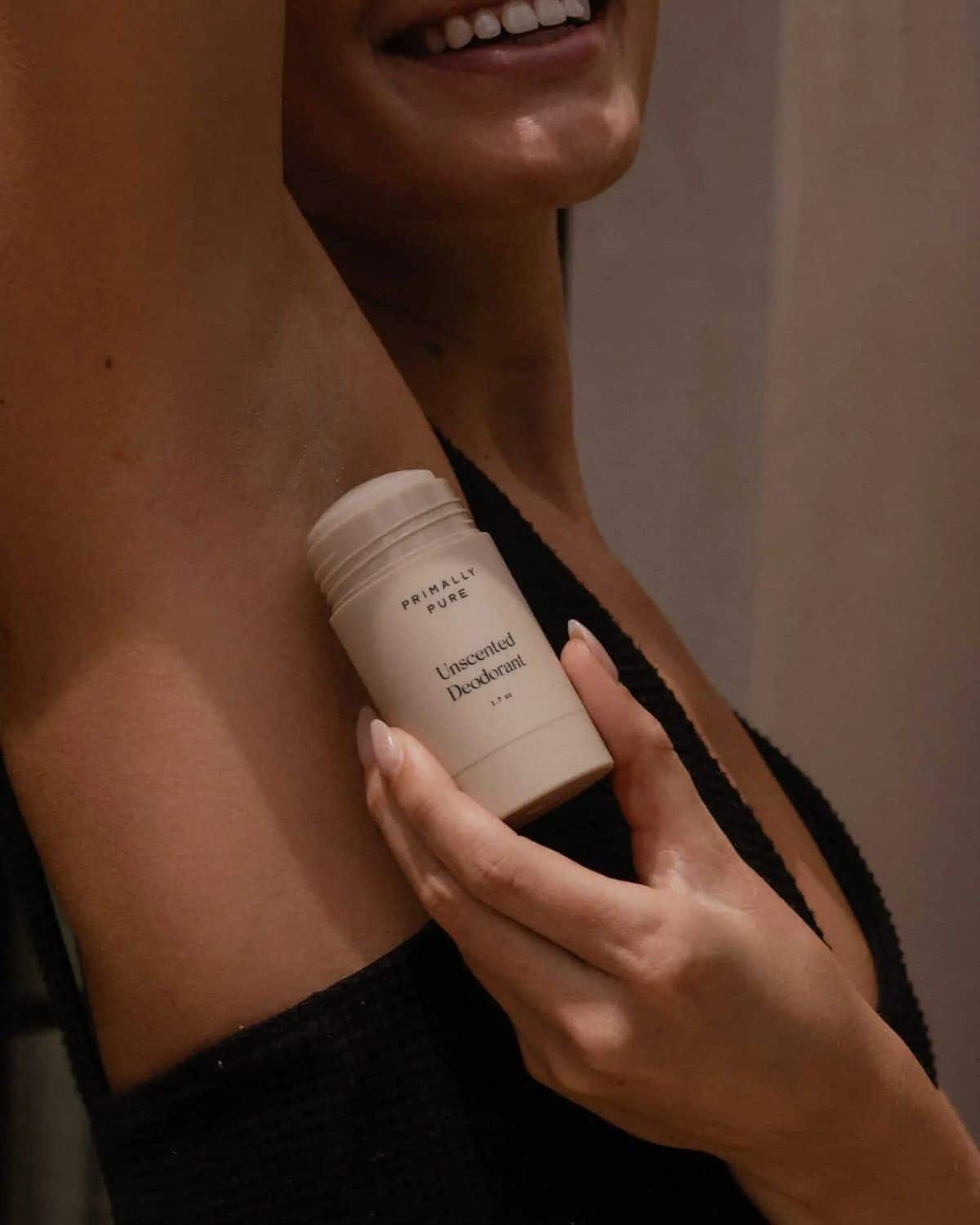
Primally Pure is an amazing tallow-based option for those who have struggled with other natural deodorants irritating or drying out their underarm skin.
Tallow’s fatty acid profile actually mirrors human sebum, meaning your skin recognizes it, absorbs it, and uses it rather than just sitting on top of it.
Rich in vitamins A, D, E, and K, it nourishes underarm skin with every application in a way plant oils simply cannot replicate.
Kaolin clay and non-nano zinc round out a formula that feels genuinely restorative.
Baking soda-free and unscented options are available across the line.
price
$16 (1.7oz) | $22 (2.5oz)
Key ingredients
Arrowroot Powder | Coconut Oil | Baking Soda (some formulas) | Tallow From Grass-Fed Cows | Beeswax | Non-Nano Zinc Oxide | Kaolin Clay | Non-GMO Vitamin E
Location/Shipping
United States | Ships Internationally
5. Living Well With Dr. Michelle – Best For Microbiome Support
Baking Soda-Free
Use discount code SKL10 to save 10%!
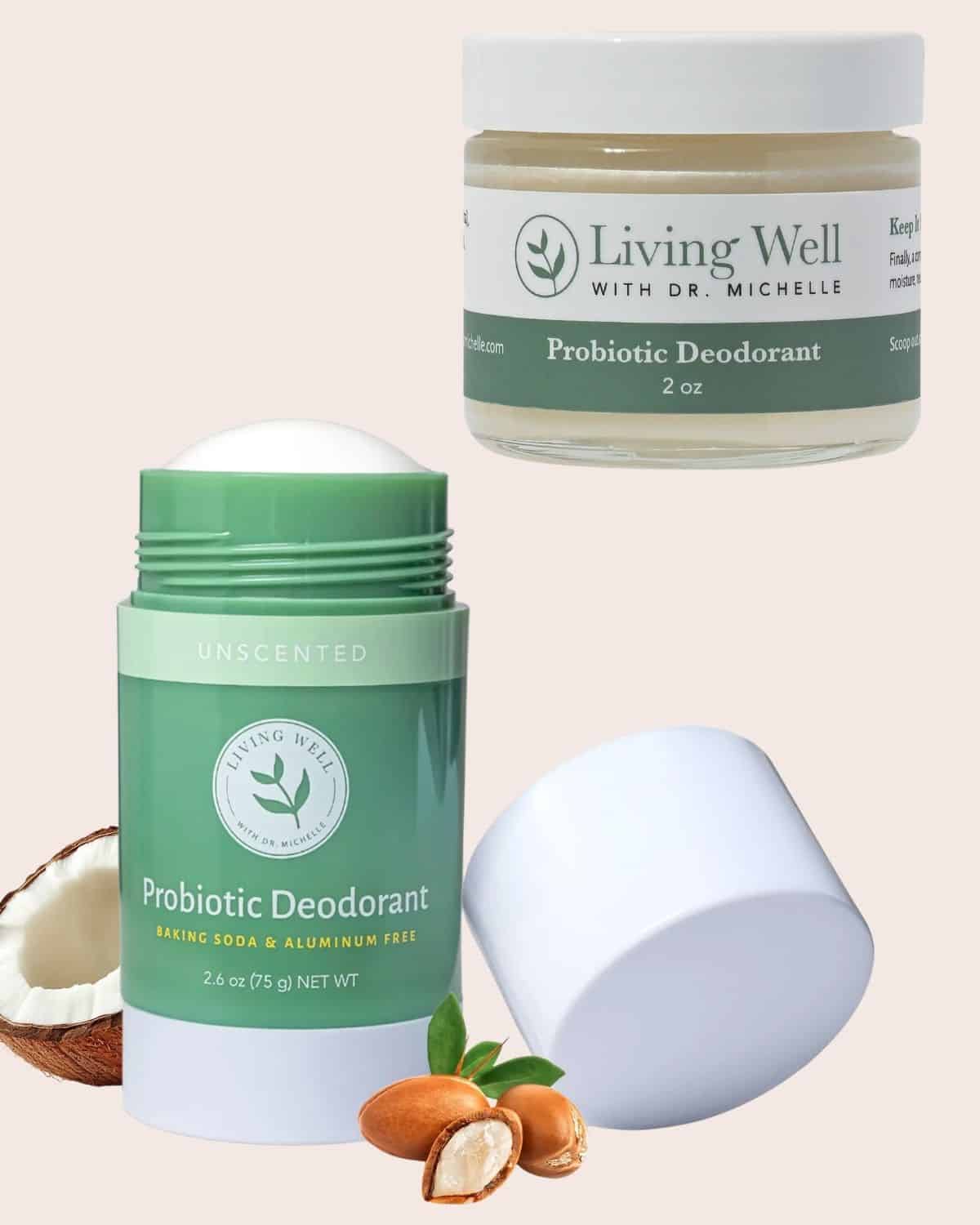
Living Well With Dr. Michelle’s Probiotic Deodorant is the only one on this list you can truly make your own.
Go completely unscented or add your favorite essential oils directly to the formula for a custom scent that works for your mood, your season, or your skin.
It sounds simple, but it is one of those things that once you try it, you wonder why every deodorant does not work this way.
Rather than just masking odor, the probiotics actively crowd out the bacteria that cause it in the first place, supporting a balanced underarm microbiome over time.
Baking soda-free, aluminum-free, and smooth enough to feel like skincare.
Price
$19.97
Key ingredients
Caprylic/Capric Triglyceride | Magnesium Hydroxide | Arrowroot Powder | Beeswax | Apricot Seed Oil | Coconut Oil | Shea Butter | Vitamin E | Probiotics
Location/Shipping
United States | Ships To Canada
How I Vetted These Non-Toxic Deodorants
I’ve tested more than 40 natural deodorants over the years through postpartum hormone shifts, international moves, mountain hikes, hot summer days, and the kind of busy mom life where reapplying deodorant every two hours simply isn’t realistic.
But personal testing is only part of the process.
Every brand included in this guide was reviewed for ingredient safety, transparency, performance, and how well it works in real life.
Here are the criteria I used:
Ingredient Safety
I prioritized formulas made without aluminum, synthetic fragrance, parabens, triclosan, and other ingredients commonly associated with skin irritation or unnecessary chemical exposure.
I also paid close attention to formulas that rely heavily on baking soda, since it can trigger redness and rashes for many people with sensitive skin.
Full Ingredient Transparency
One of my biggest red flags is a brand that doesn’t fully disclose what’s inside its products.
Every deodorant on this list provides clear ingredient information, making it easier to understand exactly what you’re putting on your skin each day.
Sensitive Skin Compatibility
Because my own switch to natural deodorant started after developing a painful underarm rash, I know firsthand how frustrating it can be to find a formula that doesn’t sting, itch, or leave skin irritated.
Brands that offer baking soda-free or fragrance-free options received special consideration.
Performance & Odor Control
A deodorant can have the cleanest ingredient list in the world, but if it stops working by lunchtime, it isn’t making this guide.
I looked for formulas that provide reliable odor control throughout a normal day, including exercise, outdoor activities, travel, and everyday family life.
Brand Integrity
I favor companies that are transparent about their ingredients, manufacturing practices, and sourcing.
Brands that rely on vague “clean” or “natural” marketing without backing it up with meaningful information didn’t make the cut.
Certifications & Third-Party Standards
When available, I reviewed certifications such as NSF Certified, USDA Organic, MADE SAFE®, and Leaping Bunny.
While certifications aren’t everything, they can provide an extra layer of accountability and transparency.
At the end of the day, my goal isn’t to find the trendiest deodorants or the brands spending the most on marketing.
It’s to find products that are genuinely safer, transparent about their ingredients, and effective enough that you’ll actually want to keep using them.
Certifications To Look For In A Non-Toxic Deodorant
Certifications aren’t the only thing I consider when evaluating a deodorant, but they can provide an extra layer of transparency and accountability.
Here are a few that carry the most weight when I’m researching brands.
NSF Certified
NSF certification verifies that a product meets specific standards for ingredient quality, manufacturing practices, and labeling. Earth Mama Organics is one example of a brand that goes through this additional level of third-party review.
USDA Organic
The USDA Organic seal indicates that qualifying agricultural ingredients were produced according to strict organic standards. While not every excellent deodorant is certified organic, this certification can help identify brands committed to cleaner ingredient sourcing.
MADE SAFE®
MADE SAFE® screens products for thousands of known or suspected harmful substances, including ingredients linked to endocrine disruption, developmental toxicity, and environmental concerns. It’s one of the most rigorous ingredient-screening certifications available.
Leaping Bunny
Leaping Bunny certification confirms that a company does not test its products or ingredients on animals. For readers looking for cruelty-free personal care products, this remains one of the most widely recognized standards.
EWG Verified®
EWG Verified products must meet ingredient transparency requirements and avoid certain chemicals flagged by the Environmental Working Group. While I don’t rely solely on EWG ratings when evaluating products, the certification can serve as another helpful data point.
Certified B Corporation®
B Corp certification evaluates a company’s overall social and environmental impact, including transparency, governance, and sustainability practices.
It doesn’t directly assess ingredient safety, but it can provide insight into a brand’s broader commitment to responsible business practices.
Remember that certifications should be viewed as one piece of the puzzle. I always look at the full ingredient list, brand transparency, formulation choices, and real-world performance before recommending any deodorant.
The Difference Between Deodorant & Antiperspirant
Let’s clear something up right away: deodorant and antiperspirant are not the same thing, even though they often get lumped together like they serve the same purpose.
Antiperspirants are designed to block sweat. They use aluminum-based compounds to plug your sweat glands and stop your body from releasing moisture altogether.
Deodorants, on the other hand, allow your body to sweat naturally, but work to neutralize odor by targeting the bacteria that cause it.
A good natural deodorant does this without clogging pores or messing with your hormones. It helps you smell fresher while your body does what it’s designed to do.
This difference is especially important if you’re navigating hormone shifts, skin conditions, or any kind of chronic inflammation.
Keeping your body’s elimination channels (like sweat) open and supported is one of the easiest ways to reduce toxic load and support long-term health.
Toxic Ingredients Commonly Found In Conventional Deodorants And Antiperspirants
Not every conventional deodorant contains these ingredients, but they’re some of the most common reasons readers start looking for cleaner alternatives.
Synthetic Fragrance
“Fragrance” may sound harmless, but it can be one of the most confusing ingredients on a label.
Companies are not required to disclose the individual chemicals used to create proprietary fragrance blends, which means a single word can represent dozens of ingredients.
Fragrance is also one of the most common causes of cosmetic contact allergies and skin irritation, making it a frequent problem for people with sensitive skin.
Aluminum Compounds
Aluminum-based ingredients are found in antiperspirants, where they’re used to temporarily block sweat glands and reduce perspiration.
While the research surrounding aluminum continues to evolve, many people choose to avoid these compounds altogether and opt for deodorants that neutralize odor without interfering with the body’s natural sweating process.
Parabens
Parabens are preservatives used to extend shelf life and prevent microbial growth. Some parabens have demonstrated weak estrogenic activity, which has led to increased scrutiny and regulatory restrictions in certain countries.
Triclosan
Triclosan is an antimicrobial ingredient that was once widely used in personal care products. Although the FDA banned triclosan from over-the-counter antibacterial hand soaps in 2016, it can still appear in some cosmetic and personal care products.
Propylene Glycol
Propylene glycol is commonly used to improve texture and help ingredients absorb into the skin. While not everyone reacts to it, it is a known skin irritant and contact sensitizer for some individuals.
Phthalates
Phthalates are often associated with fragrance formulations and may not always appear clearly on ingredient labels.
Certain phthalates have been studied for their potential effects on the endocrine system, which is one reason many consumers choose fragrance-free products whenever possible.
The good news is that you don’t have to memorize every ingredient list. Focusing on transparent brands, fragrance-free options when needed, and simple formulations can go a long way toward reducing unnecessary exposure.
What To Look For In A Non-Toxic Deodorant
Just like in your non-toxic shampoo, ingredients matter a lot. And not all “natural” formulas are created equal.
Some are loaded with skin-loving botanicals and clean actives, while others hide behind marketing buzzwords with sneaky irritants still in the mix.
Let’s break it down simply:
Ingredients You Want
These ingredients actually work with your body, not against it, to neutralize odor, absorb moisture, and soothe delicate underarm skin:
- Magnesium Hydroxide: A gentle odor neutralizer that helps balance skin pH without irritation.
- Arrowroot Powder or Tapioca Starch: Absorbs moisture without clogging pores.
- Coconut Oil: Naturally antibacterial and moisturizing.
- Shea Butter or Cocoa Butter: Nourishing, barrier-protective, and soothing for sensitive skin.
- Zinc Ricinoleate or Non-Nano Zinc: Excellent at trapping odor molecules.
- Probiotics: Help balance the skin microbiome and crowd out odor-causing bacteria.
- Essential Oils (In Moderation): For light, plant-based fragrance (look for ones like lavender, tea tree, or citrus).
These ingredients are especially helpful if you’re managing skin conditions like eczema, keratosis pilaris, or underarm discoloration. They’re gentle enough to support healing while keeping you fresh.
Pros & Cons of Natural Deodorants
Pros:
- Aluminum-Free: No pore-blocking compounds
- Health-Conscious Ingredients: Most formulas avoid parabens, phthalates, synthetic fragrances, and other toxins.
- Gentle on Skin: Great for sensitive or reactive skin types when baking soda-free options are chosen.
- Body-Friendly: Let’s let your body do what it was made to do.
- Eco-Friendly Packaging: Many brands use glass jars, compostable tubes, or refillable containers.
Cons:
- Transition Period: Your body may take 1–3 weeks to adjust (you might notice more sweat or odor at first).
- May Require Reapplication: Especially on super active or humid days.
- Baking Soda Sensitivity: Some formulas use too much, leading to irritation or rash for certain skin types.
- Higher Price Point: Cleaner ingredients and sustainable packaging can bump up the cost.
- Misleading Labels: Just be sure to verify the ingredients before believing non-toxic labels
Still unsure?
Start with one of our top-rated sensitive formulas, like Blissoma or Earth Mama Organics, and give your body a few weeks to adjust. Most people are shocked by how well natural formulas work once your system balances out.
Deodorants I Don’t Recommend
With natural deodorants on the rise, there’s also been a surge in greenwashing: brands that slap on words like “clean,” “plant-based,” or “eco” without actually removing harmful ingredients.
We’ve seen this type of greenwashing across the board. From so-called natural deodorants to organic drugstore shampoos and non-toxic hair dyes that still contain hidden irritants.
While we don’t believe in publicly shaming small businesses or start-ups doing their best, there are some formulas we’ve tested that just didn’t meet our safety or performance standards.
Here’s what we look out for (and why we skip them):
- “Natural” deodorants that still use synthetic fragrance. If a label just says “fragrance,” that’s a red flag. It can hide thousands of unregulated ingredients, including endocrine disruptors and allergens.
- Formulas with high baking soda + no soothing ingredients. Even natural brands can overdo it. Too much baking soda without buffering ingredients like shea butter, zinc, or clay often leads to itching, redness, or peeling – especially during the transition period.
- Brands that use aluminum alternatives, like potassium alum. It may sound “natural,” but it still acts like a traditional antiperspirant by blocking pores.
- Eco-looking packaging with conventional formulas inside. Some products use cardboard tubes or refillable cases to appear sustainable, but don’t clean up the actual ingredients.
If you’ve had a bad experience with natural deodorant, chances are it wasn’t your body; it was the formula. That’s why every brand on our list is carefully vetted for ingredient safety, performance, and ethical practices.
💭 FAQs: Switching To Natural Deodorant
In my experience, yes, but formula matters.
After testing more than 40 natural deodorants, I’ve found that ingredients like magnesium hydroxide, zinc ricinoleate, probiotics, and arrowroot powder can provide excellent odor control without aluminum.
Most people go through a transition period that lasts between one and four weeks.
During this time, your body starts to sweat and detox more freely without aluminum clogging your pores. It’s totally normal to notice more moisture or odor at first; your skin’s microbiome is simply recalibrating.
Start by exfoliating your underarms a few times a week to remove buildup and help your pores breathe.
Stay hydrated, wear breathable fabrics, and give your new deodorant at least two full weeks before deciding if it’s the right match.
It’s super common to experience more odor at the start, and it doesn’t mean your deodorant isn’t working.
Most traditional antiperspirants trap sweat and bacteria inside your pores, so when you stop using them, your body starts releasing all of that buildup.
This “detox” phase usually lasts 1–3 weeks. Stick with it. Your body will rebalance, and the right formula will keep you fresh.
Not necessarily. Your body will naturally detox on its own.
That said, some people like to use a clay mask (like bentonite or kaolin) once or twice before switching to speed things along.
It’s not required, but it can help reduce odor faster in the transition phase.
Yes! In fact, many conventional deodorants contain hormone-disrupting ingredients like phthalates that are especially concerning for developing bodies.
Brands like Earth Mama Organics are gentle enough for young skin (always do a patch test first).
Two reasons: buildup or body changes.
Sometimes skin needs a reset: exfoliating your underarms 1–2x/week helps remove residue and lets your deodorant work better.
Other times, hormonal shifts (like postpartum or cycle changes) can affect body chemistry.
If one scent/formula stops working, don’t be afraid to try another. It doesn’t mean the product “failed,” it just means your body shifted.
It can, but usually only if you apply too much or put your shirt on before it absorbs.
Look for formulas that are cream-based or made with absorbent powders like arrowroot and clay (Primally Pure and Blissoma are great for this).
Baking soda works by neutralizing pH, but it can be irritating for sensitive skin.
Magnesium is gentler and often better tolerated while still controlling odor.
If you’ve ever had redness or bumps from deodorant, try a magnesium-based one.
Yes, and it’s actually one of the best times to switch.
Traditional deodorants often contain ingredients like synthetic fragrance and phthalates, which are considered hormone disruptors.
Natural deodorants, especially those made with clean, plant-based ingredients, are much safer for both you and your baby. We recommend Earth Mama Organics for all pregnancy and postpartum deodorant needs.
Baking soda works well for many, but for some skin types, it can throw off the natural pH balance and cause redness or stinging.
If that happens, switch to a baking soda–free formula with magnesium or arrowroot powder instead (Blissoma, Earth Mama Organics, and Living Well With Dr Michelle are all great options).
Give your skin a break in between, and soothe irritation with something calming like aloe vera or calendula balm.
Unlike traditional antiperspirants, natural deodorants don’t block sweat; they work by neutralizing odor.
Most people find that a morning application lasts all day, but during summer or high-activity days, a midday refresh might be needed.
Keep a mini version in your bag just in case, and don’t be afraid to reapply when needed.
Natural deodorant doesn’t stop you from sweating, and that’s by design.
Sweating is one of the body’s natural detox pathways. What it does do is prevent odor by targeting and neutralizing the bacteria that cause it.
Many formulas also include moisture-absorbing ingredients like arrowroot, magnesium, or clay to help keep you feeling dry without blocking your pores.
For most people, the safest deodorant is one that avoids aluminum, synthetic fragrance, parabens, and other common irritants.
If you have sensitive skin, Blissoma and Earth Mama Organics are two of my top recommendations because both offer gentle, fragrance-free options with excellent ingredient transparency.
Still Deciding? Here’s Where I’d Start
If you’re feeling overwhelmed by all the options, here’s my quick take after years of testing natural deodorants.
- Choose Blissoma if: You’ve tried natural deodorants before and ended up with irritation, redness, or rashes. This is usually my first recommendation for sensitive, reactive underarms.
- Choose Earth Mama Organics if: You’re pregnant, postpartum, breastfeeding, or simply want one of the gentlest formulas available. It’s affordable, easy to find, and works well for a wide range of skin types.
- Choose Living Well With Dr. Michelle if: You want a baking soda-free deodorant that supports the underarm microbiome and gives you the flexibility to customize your scent with essential oils.
- Choose Primally Pure if: You’ve struggled to find a natural deodorant that lasts through long days, workouts, or hot weather. The tallow-based formula offers excellent odor protection while still being nourishing to the skin.
- Choose Chagrin Valley if: Ingredient purity and sustainability are your top priorities. Their certified organic ingredients and low-waste packaging make them one of the most eco-conscious options on this list.
Final Thoughts On The Best Non-Toxic Deodorants
Finding a non-toxic deodorant that actually works can feel surprisingly difficult. I’ve tested dozens over the years, and if there’s one thing I’ve learned, it’s that there isn’t a single formula that’s perfect for everyone.
Some people need a completely fragrance-free option. Others need a baking soda-free formula that won’t trigger irritation. And some simply want reliable odor protection without relying on aluminum or synthetic fragrance.
The good news is that truly effective natural deodorants do exist.
What matters most is finding a formula that works with your body, your skin, and your lifestyle. That’s why I focused on brands that prioritize ingredient transparency, thoughtful formulation, and real-world performance rather than trendy marketing claims.
Whether you’re making the switch because of sensitive skin, ingredient concerns, pregnancy, or simply a desire to reduce everyday chemical exposures, I hope this guide helps you feel more confident in your decision.
Small swaps won’t change everything overnight, but choosing products with safer, more transparent ingredients is one meaningful step toward creating a healthier personal care routine.
Continue Your Non-Toxic Personal Care Journey
If you’re working toward a cleaner, lower-toxic personal care routine, these guides can help you take the next step:
- Non-Toxic Skincare: Learn how to build a safer skincare routine with products made without synthetic fragrance, hormone disruptors, or other common irritants.
- Organic & Natural Body Soaps: Discover gentle soaps made with nourishing oils, botanical ingredients, and transparent formulations.
- Non-Toxic Body Lotion: My favorite body lotions for keeping skin hydrated without questionable preservatives, artificial fragrance, or unnecessary fillers.
- Non-Toxic Shampoo: Safer hair care options that are better for your scalp and the planet.
- Non-Toxic Bathroom Swaps: The complete guide to upgrading your bathroom, one swap at a time.
Let’s Keep The Conversation Going
Have you found a non-toxic deodorant you absolutely love? Or maybe you’ve tried one that didn’t work for you at all?
I’d love to hear about your experience in the comments. Real-life feedback is often one of the most helpful resources for readers who are trying to find the right fit for their skin, lifestyle, and odor-control needs.
Your experience might be exactly what someone else needs to finally make the switch with confidence.
📌 Save This Guide For Later
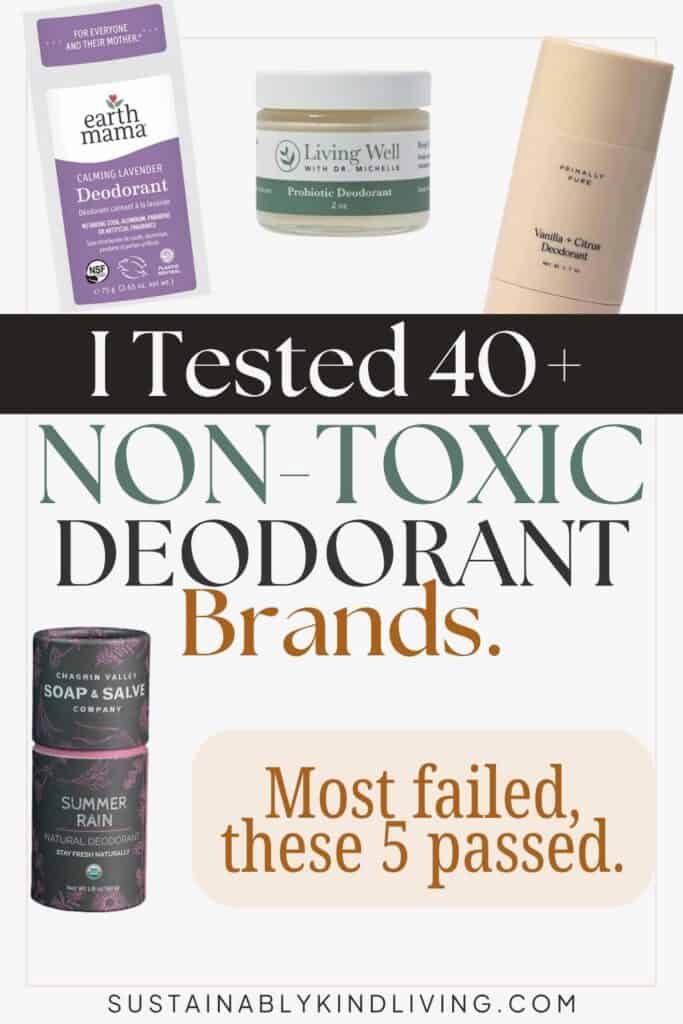
Trying to switch to non-toxic deodorant? Save this guide for when you’re ready to ditch aluminum, artificial fragrance, and harsh chemicals.
I break down what to look for, what to avoid, and share the best clean deodorant brands that actually work.
Sources & Further Reading
I always encourage readers to review ingredient lists themselves and use multiple trusted sources when researching products for their families.
Certifications, ratings, and marketing claims can be helpful, but they’re only one part of the bigger picture.
The following resources were used to support the research and recommendations in this guide:
- American Contact Dermatitis Society (ACDS) – Information on fragrance allergy and common causes of cosmetic contact dermatitis.
- U.S. Food & Drug Administration (FDA) – Regulatory information regarding triclosan and antimicrobial consumer products.
- European Commission Cosmetic Regulation – Guidance on cosmetic ingredient restrictions, including certain parabens.
- National Institutes of Health (NIH) / PubMed – Research related to parabens, phthalates, endocrine-disrupting chemicals, and ingredient safety.
- Environmental Working Group (EWG) – Information on antiperspirants, deodorants, ingredient safety databases, and EWG Verified® standards.
- NSF International – Certification standards for personal care products and manufacturing practices.
- USDA Organic Program – Standards governing certified organic ingredients and agricultural sourcing.
- MADE SAFE® – Ingredient screening standards for personal care and household products.
- Leaping Bunny – Cruelty-free certification requirements and standards.
Because ingredient research continues to evolve, I periodically review and update my recommendations to reflect new research, formulation changes, and product availability.

Steal My Non-Toxic Cleaning Checklist!
Believe us, it’s the BEST…. and it’s free. Does it really get any better than that?! Sign up for our newsletter and get this free checklist to clean your home without any harmful chemicals!







Really helpful list finding deodorants that are actually gentle and effective without all the questionable ingredients is harder than it sounds!