 Click To Shop Danielle's Favorites!
SKL is reader supported. When you buy through links on our site, we may earn affiliate commission. Learn more here.
Nobody should be wrapped in plastic, especially a pregnant body.
When I was pregnant with my twins nine years ago, non-toxic maternity clothes weren’t even on my radar. I simply wanted soft waistbands, stretchy dresses, and a nursing bra that didn’t make me feel insane. That was the whole list, and I never once considered the fabric.
By my second and third pregnancies, everything had changed. I had spent years deep in the world of chemical exposure, safer products, and what we actually know about synthetic materials and human health.
SKL Top Picks, At A Glance…
- Best Affordable Non-Toxic Maternity Staples: Quince
- Best Organic Cotton Maternity Underwear: Q For Quinn
- Best Organic Cotton Maternity Essentials: Monica & Andy
- Best Plastic-Free Nursing Bra: The Very Good Bra
- Best Organic Nursing Pajamas & Sleepwear: Nest Designs
Most maternity brands rely heavily on polyester, synthetic stretch blends, and sustainability claims that don’t hold up when you actually look at the materials behind them.
And for a season of life when your skin is more sensitive, your body is working harder, and you’re living in the same few pieces on repeat for months, that felt worth paying attention to.
I’ve personally tested every brand on this list. I genuinely believe natural fabrics are better for our health than synthetic ones. And I think pregnant bodies deserve better than being wrapped in plastic for nine months.
For this guide, I focused on brands using organic cotton, linen, OEKO-TEX® certified fabrics, and safer dyes, with honest material transparency and options that actually hold up through pregnancy and postpartum.
This guide is what I wish I’d had the first time around.
Best Non-Toxic Maternity Clothing: At a Glance Comparison
Mobile Users: Scroll to see full comparison →
| Brand | Materials | Best For/What They Sell | Price Range |
|---|---|---|---|
| Quince | Organic Cotton, European Flax Linen, OEKO-TEX® Certified | Affordable maternity dresses, overalls, joggers, nursing bras, linen staples, basics | $ |
| Q for Quinn | GOTS-Certified Organic Cotton, Elastane, AZO-Free Dyes, OEKO-TEX® Certified | Organic maternity underwear, bralettes, socks, cotton basics | $ |
| Monica + Andy | GOTS Certified Organic Cotton, Spandex (Select Styles) | Maternity robes, labor gowns, postpartum loungewear, nursing-friendly basics | $$ |
| The Very Good Bra | Lenzing TENCEL™, GOTS-Certified Organic Cotton, OEKO-TEX® Certified Inks & Metals | Plastic-free nursing bras, bras, underwear | $$ |
| Nest Designs | GOTS Certified Organic Cotton, Spandex, OEKO-TEX® Certified | Nursing pajamas, maternity sleepwear, nursing bras, postpartum loungewear | $$ |
| Sorella Organics | Organic Cotton, Elastane | Organic postpartum loungewear, nursing sleepwear, pajamas | $$ |
| Boob Design | GOTS Certified Organic Cotton & Wool, TENCEL™ Lyocell & Modal, Recycled Synthetics | Maternity and nursing dresses, tops, leggings, bras, workwear, postpartum staples | $$$ |
| Christy Dawn | Organic/Regenerative Cotton | Natural fiber dresses, bump-friendly dresses, skirts & tops | $$$ |
Why Non-Toxic Maternity Clothes Matter During Pregnancy
Pregnancy changes everything, including how your skin, body temperature, and hormones respond to the fabrics you wear every day.
And because most maternity clothes are worn constantly throughout pregnancy, postpartum, and nursing, material quality matters more than many people realize.
Unfortunately, a huge percentage of maternity clothing is made with synthetic fabrics like polyester, nylon, and chemically treated stretch blends that can trap heat, reduce breathability, and expose skin to unnecessary textile chemicals and finishes.
Choosing more breathable natural fibers like organic cotton and linen, along with brands that prioritize safer materials and better transparency, can be one meaningful way to reduce unnecessary exposure during one of the most sensitive seasons of life.
Honestly, this matters beyond pregnancy, too. Most conventional clothing is still heavily reliant on synthetic fabrics and chemical treatments, which is why I also started paying much closer attention to the non-toxic clothing brands I wear year-round, not just during pregnancy and postpartum.
How I Chose These Non-Toxic Maternity Clothing Brands
This article aimed to feature the best non-toxic and organic maternity clothing brands available right now, but nuance matters here.
The reality is that the organic maternity market is still surprisingly limited, especially once you factor in actual comfort, nursing access, postpartum recovery, stretch, and everyday wearability.
So while organic cotton, linen, and natural fibers were prioritized whenever possible, I also included select OEKO-TEX® certified brands that meet strong safety standards and use safer dyes, fabrics, and manufacturing processes than the conventional maternity market (each brand has a material section for you to shop with full transparency).
Because safety mattered more to me than marketing language.
Many conventional maternity brands still rely heavily on virgin polyester, synthetic fabrics, chemical finishes, and very little transparency around textile safety or certifications.
The brands included here were chosen because they demonstrated a meaningful commitment to safer materials, better standards, and lower-toxic manufacturing practices, even when perfect 100% organic options were not realistically available.
Most importantly, I personally tested every brand included in this guide.
These are the maternity clothes that genuinely performed the best while still prioritizing safety, comfort, breathability, and transparency during pregnancy and postpartum.
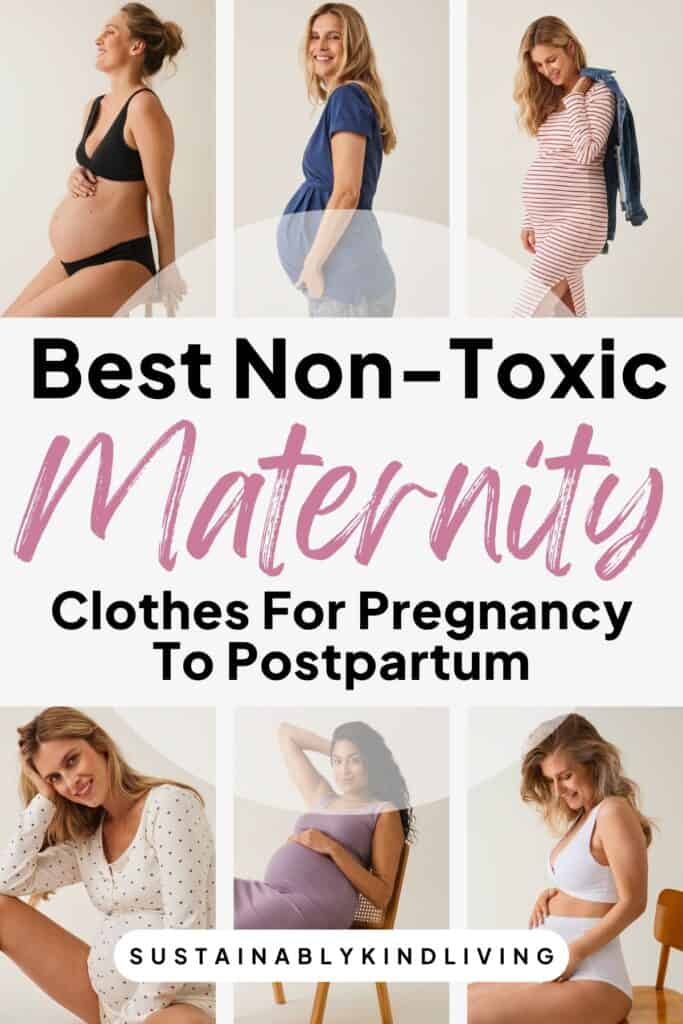
The Best Non-Toxic & Organic Maternity Clothing Brands
1. Quince — Best Affordable Non-Toxic Pregnancy Staples
Best For: Linen dresses, maternity basics, affordable natural fiber staples, elevated everyday wear
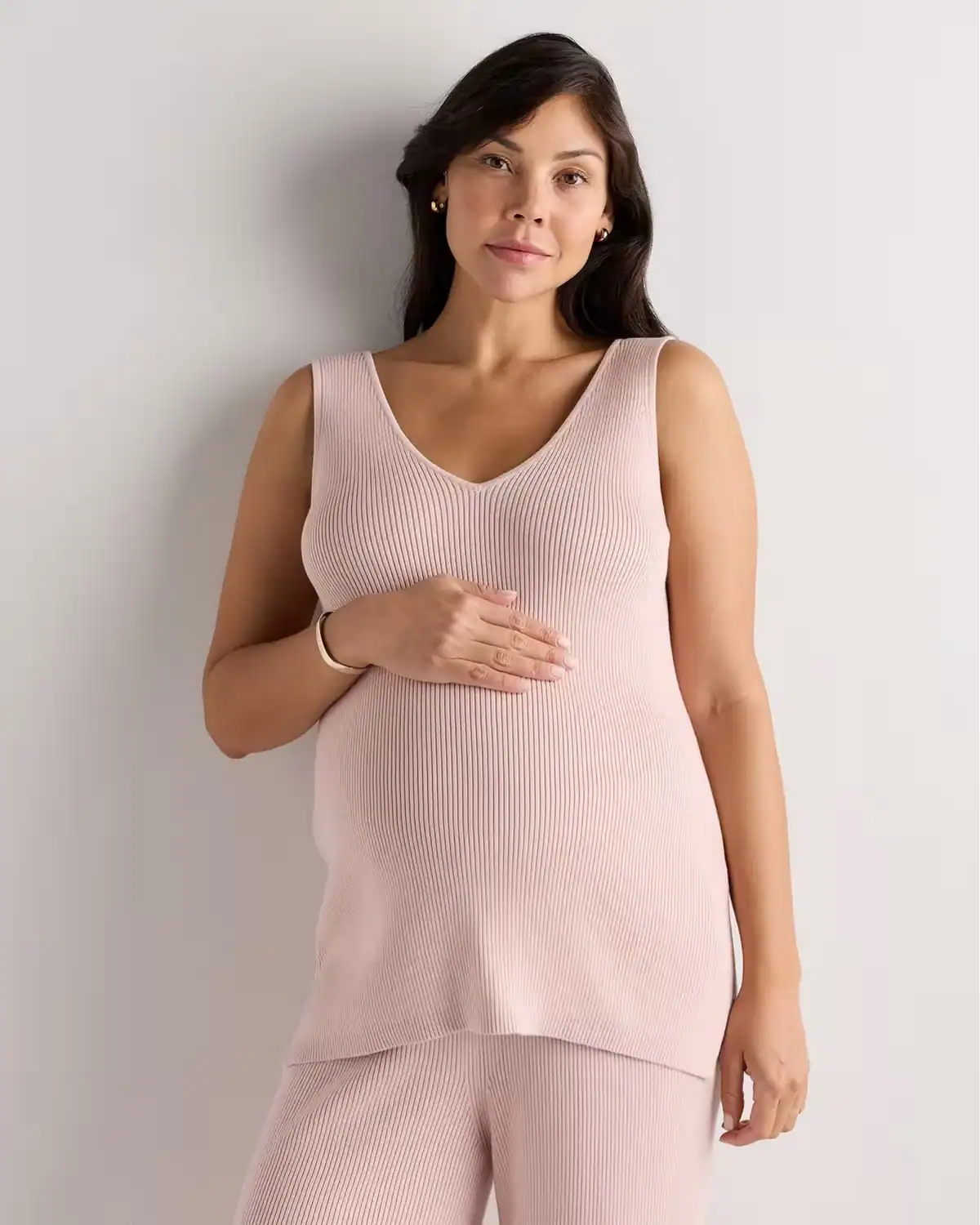
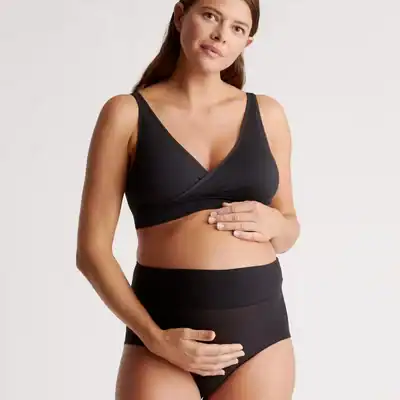
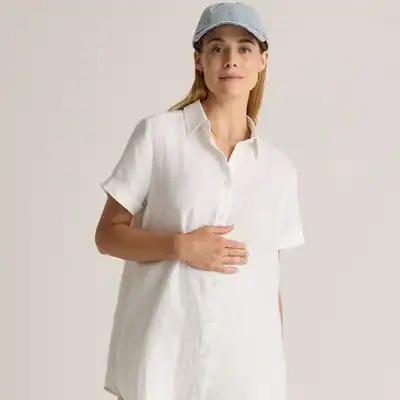
Quince is one of the few brands that make natural fiber maternity dressing feel both elevated and realistically affordable.
Their organic cotton and European linen pieces are especially great during pregnancy because they are breathable, lightweight, and easy to wear even during the uncomfortable overheating phase of late pregnancy and postpartum.
I would not consider every item on the site fully non-toxic or perfectly transparent, so I recommend paying attention to fabric labels here (click the details drop-down for material breakdown).
But for organic cotton, linen, and OEKO-TEX® Certified maternity basics, Quince is one of the best budget-friendly options I found.
Price & Size Range
$20-$140 | XS-XL
materials
Organic Cotton | European Flax Linen | OEKO-TEX® Certified
location/shipping
United States | Ships To Canada
Our Favorites from Quince:
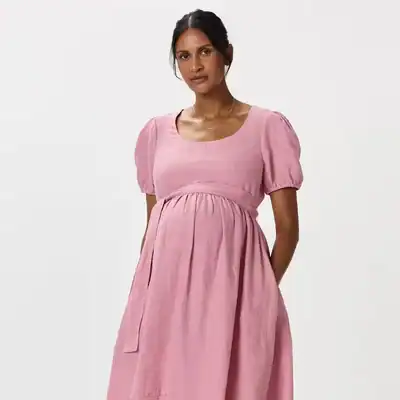
2. Q for Quinn — Best Organic Cotton Maternity Underwear
Best For: Organic maternity underwear, sensitive skin, organic cotton basics, low-tox essentials
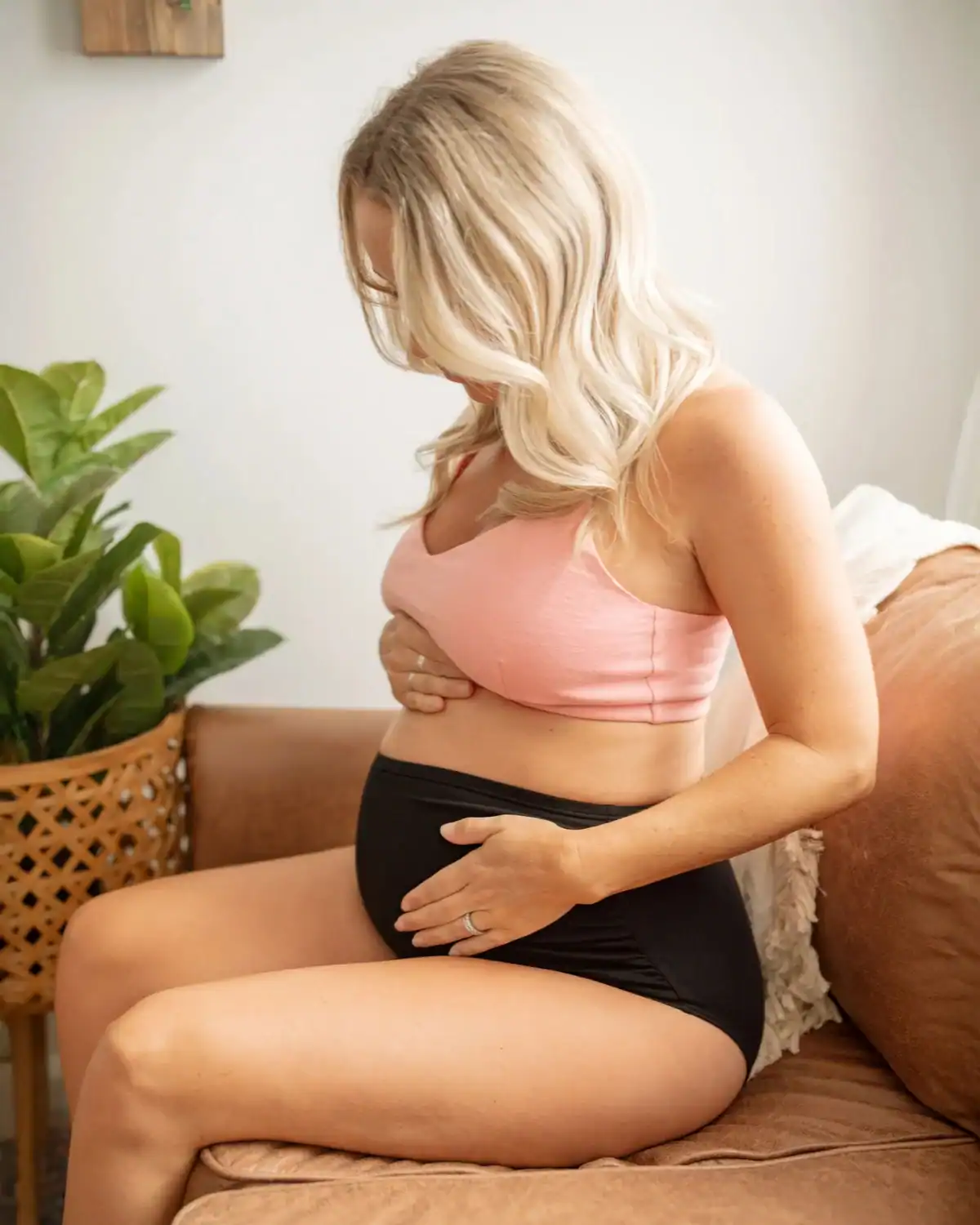
Underwear became surprisingly important to me during pregnancy because anything overly tight, synthetic, or poorly made suddenly felt unbearable.
Q for Quinn was one of the few brands that consistently felt soft, breathable, and comfortable enough for everyday wear without relying heavily on synthetic fabrics.
Their maternity briefs are made primarily with GOTS-certified organic cotton and use safer dyes, which I really appreciated during pregnancy and postpartum when my skin felt much more reactive than usual.
I also love that the brand focuses heavily on transparency and higher organic cotton content instead of just marketing itself as “eco-friendly.”
Price & SIZE Range
$25-$49 | XS-3XL
Materials
GOTS-Certified Organic Cotton | Elastane | AZO-Free Dyes | OEKO-TEX® Certified
Location/Shipping
United States/Canada | Ships Internationally
👉🏼 If you are building a safer postpartum setup overall, I also put together guides to the best non-toxic & organic nursing pillows and the best organic nursing bras because these ended up being some of my most-used essentials during recovery and nursing.
3. Monica + Andy — Best Organic Cotton Maternity Essentials
Best For: Organic maternity basics, labor and delivery gowns, nursing-friendly loungewear, postpartum essentials
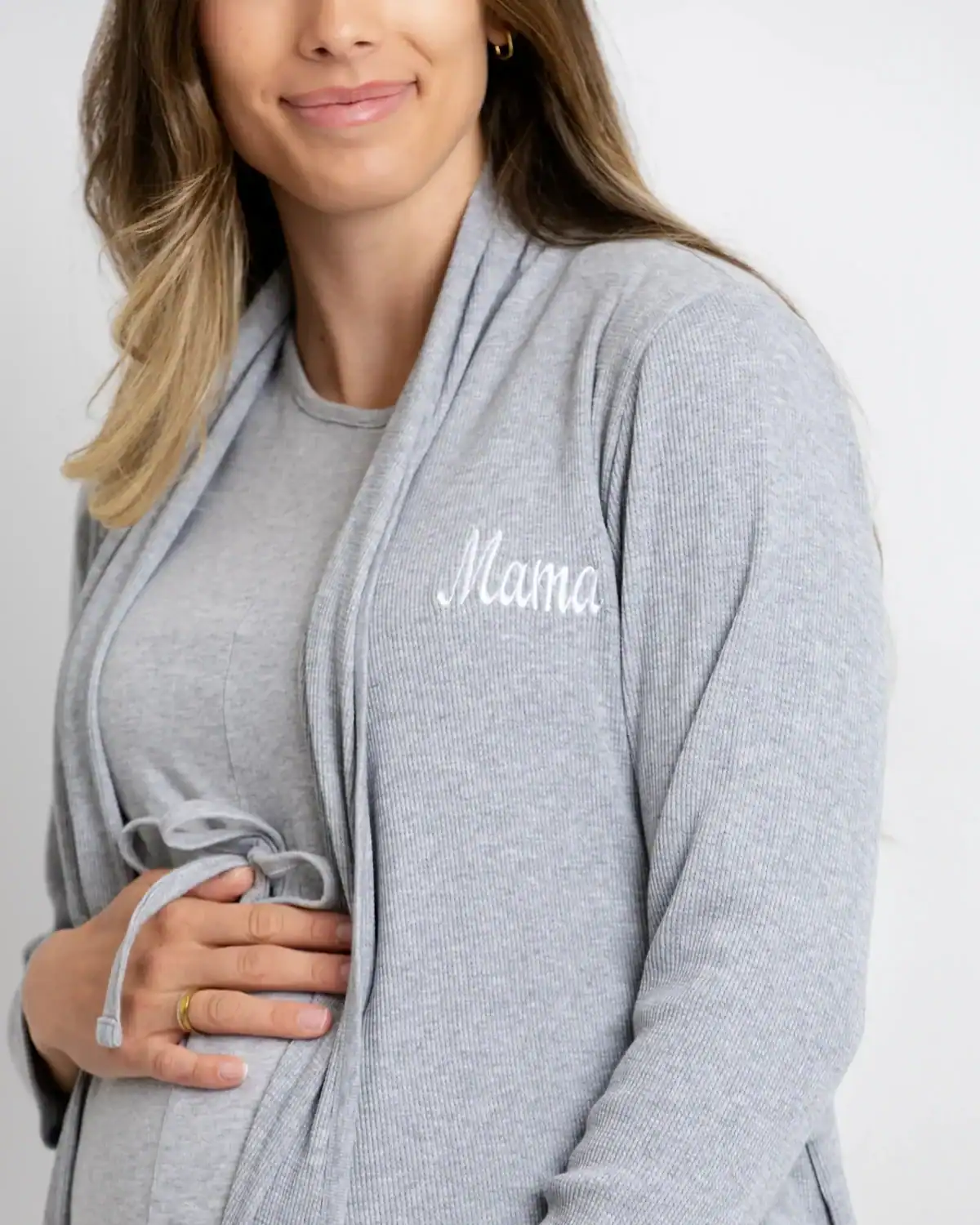
Monica + Andy makes some of the softest organic cotton maternity pieces I’ve tried, especially for postpartum recovery and those final months of pregnancy when comfort becomes absolutely essential.
Their fabrics feel noticeably gentler and more breathable than the synthetic-heavy maternity brands dominating this category, and I appreciate that they prioritize organic cotton without sacrificing softness or practicality.
Their labor gowns, robes, and lounge pieces also make especially good hospital bag staples because they are comfortable, easy to nurse in, and designed with real motherhood in mind instead of just temporary maternity fashion trends.
Price & SIZE Range
$21-$97 | XS-2XL
Materials
GOTS Certified Organic Cotton | Spandex (Select Styles)
Location/Shipping
United States | Ships Internationally
4. The Very Good Bra — Best Plastic-Free Nursing Bras
Best For: Plastic-free nursing bras, organic cotton bras, sensitive skin, low-tox intimates
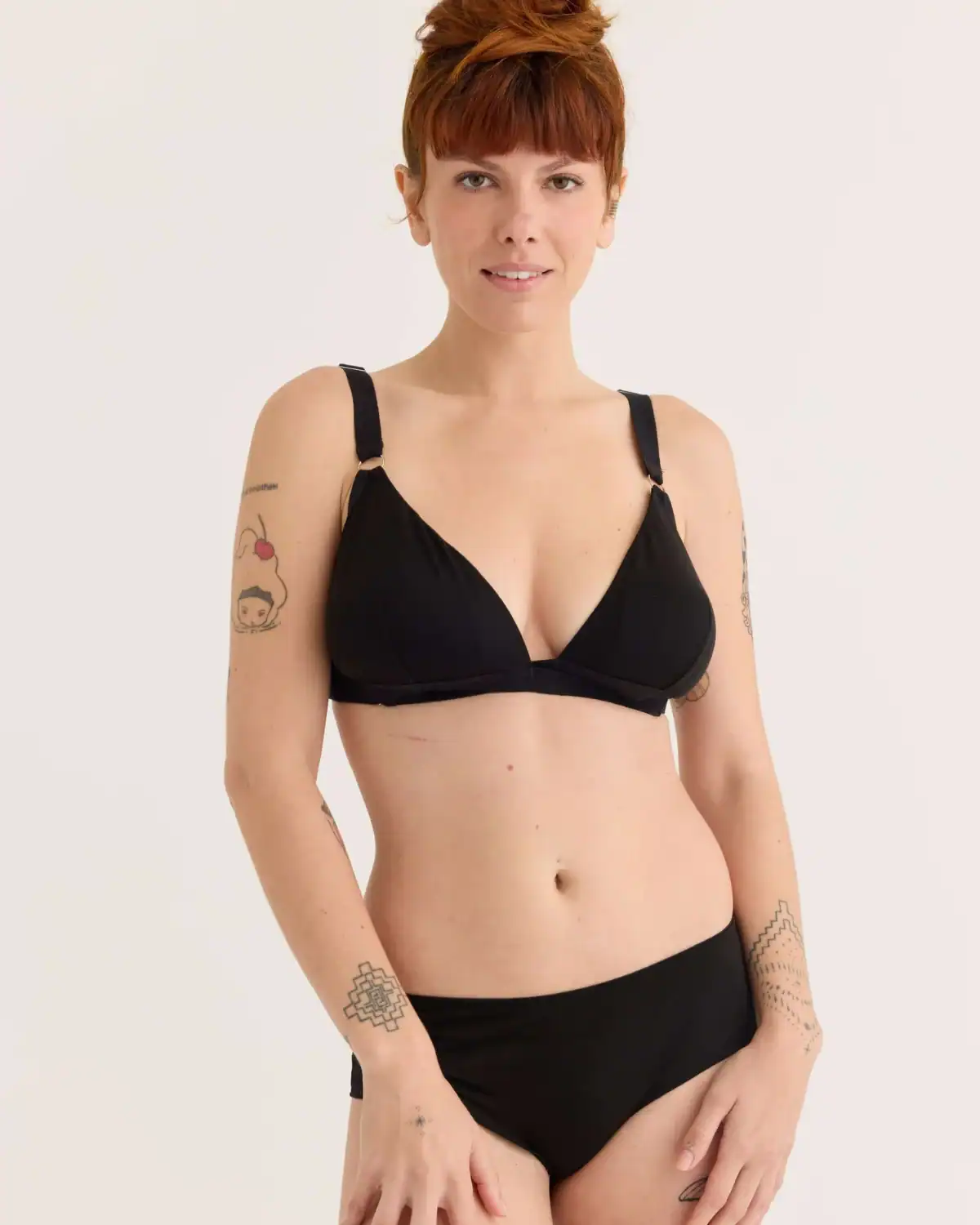
Most nursing bras are loaded with synthetic fabrics, foam padding, elastic blends, and plastic components, which is why The Very Good Bra stood out to me immediately.
Their non-toxic nursing bras are intentionally designed to be as low-tox and plastic-free as possible while still feeling soft, supportive, and wearable during nursing and postpartum.
This is definitely a more niche brand compared to some of the larger maternity companies on this list, but from a materials and transparency standpoint, it is one of the cleanest options I found.
If minimizing synthetic fabrics and unnecessary chemical exposure is a top priority for you, this brand is genuinely impressive.
Price & SIZE Range
$82 | 1-5 (B-F Cups)
Materials
Lenzing TENCEL™ | GOTS-Certified Organic Cotton | Natural Rubber Elastic | 100% Cellulose Thread | Nickel-Free Metal Hardware | OEKO-TEX® Certified Inks & Metals
Location/Shipping
Australia | Ships To The United States Internationally
5. Nest Designs — Best Organic Nursing Pajamas & Sleepwear
Best For: Nursing pajamas, postpartum sleepwear, maternity loungewear, nursing-friendly basics
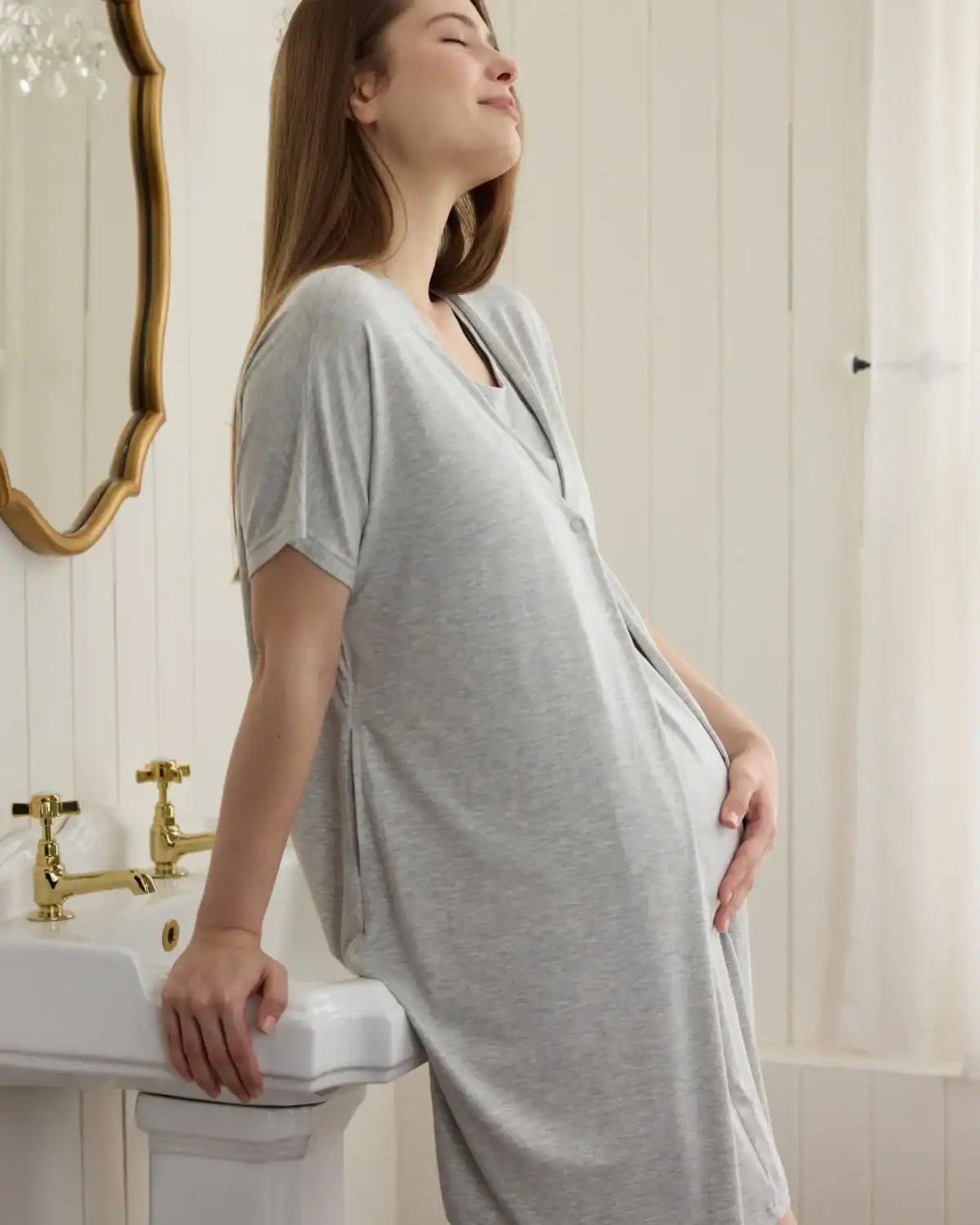
By the third trimester, I reached a point where I could not tolerate anything tight, stiff, or overly synthetic at night, and Nest Designs quickly became one of my favorite sleepwear brands because everything felt soft, breathable, and genuinely calming to wear.
Their organic cotton pajamas are especially great for postpartum and nursing because they are lightweight, easy to move in, and comfortable enough for those exhausting middle-of-the-night feeding sessions.
I also love that the brand focuses heavily on safer materials and simple, functional designs instead of trendy maternity pieces that only last a few months.
Price & SIZE Range
$81 | XS-2XL
Materials
GOTS Certified Organic Cotton | Spandex | OEKO-TEX® Certified
Location/Shipping
Canada | Ships To The United States & Internationally
6. Sorella Organics — Best Organic Postpartum Loungewear
Best For: Organic postpartum pajamas, nursing-friendly loungewear, soft sleepwear, cozy recovery basics

There is something about the postpartum phase that makes you want the softest, gentlest fabrics possible, and Sorella Organics does that beautifully.
Their organic cotton sleepwear and lounge pieces feel cozy without becoming overly heavy or restrictive, which mattered a lot to me during recovery and long nursing days at home.
I also appreciate that the brand leans into simple, timeless pieces instead of overly trendy maternity styles that feel disposable after pregnancy.
If you are building a comfortable postpartum wardrobe focused on softer, natural fabrics and relaxed everyday wear, Sorella Organics is a lovely option.
Price & SIZE Range
$44-$94 | S-4XL
Materials
Organic Cotton | Elastane
Location/Shipping
Australia | Ships To The United States & Internationally
7. Boob Design — Best Sustainable Maternity & Nursing Clothes
Best For: Nursing-friendly dresses, maternity basics, postpartum clothes, maternity workwear, layering staples
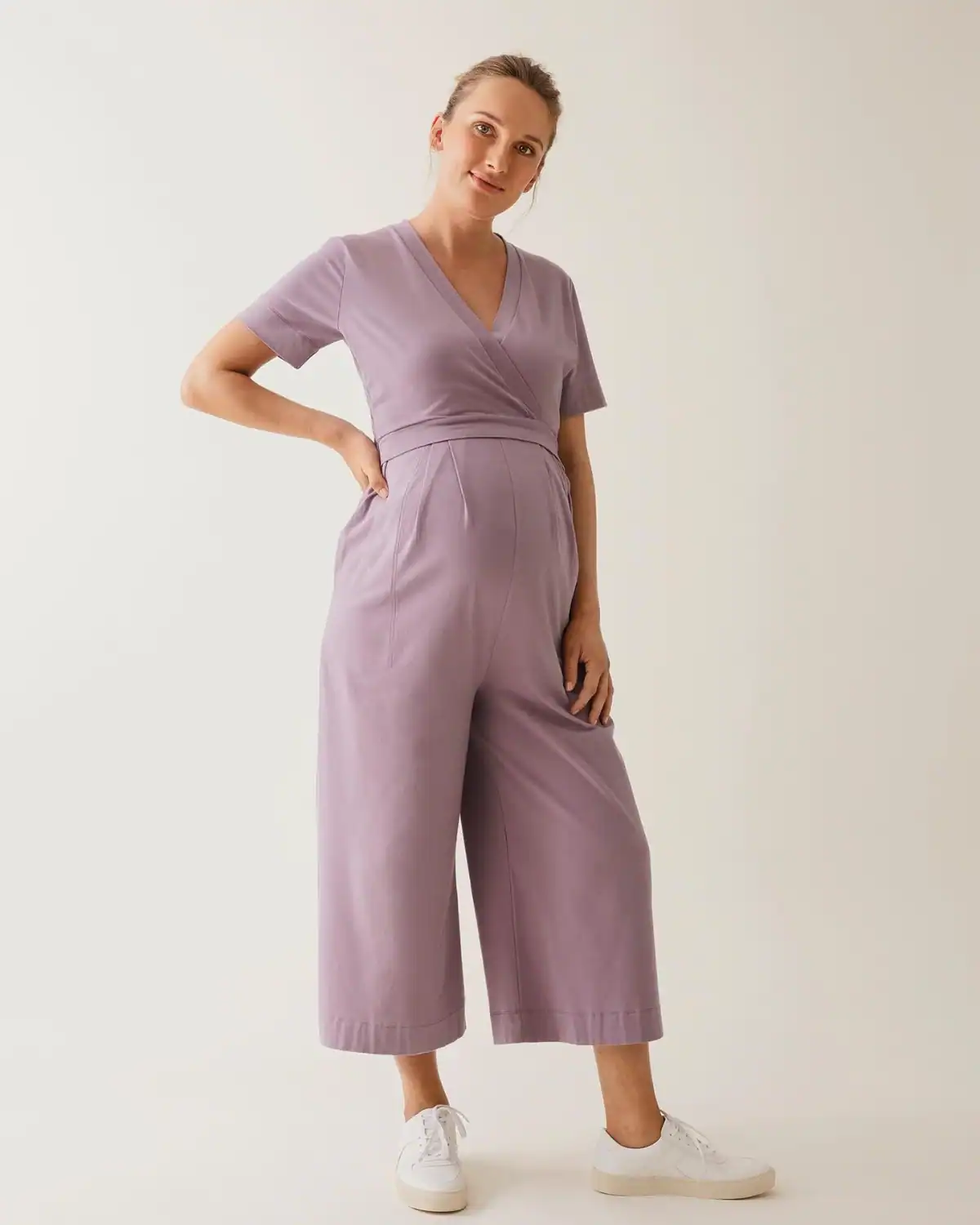
Boob Design is one of the most thoughtfully designed maternity brands I tested, especially for women who want clothes that still feel elevated and functional throughout pregnancy and nursing.
Their pieces are intentionally made to transition through multiple stages of motherhood, which makes them feel far less disposable than typical maternity fashion.
I especially loved their nursing-friendly dresses and layering basics because they were comfortable without looking overly “maternity.”
The brand also does a much better job than most at incorporating organic cotton and more sustainable fabrics while still prioritizing softness, stretch, and practicality for real everyday wear.
Price & SIZE Range
$99-$190 | XS-2XL (A-E Cups)
Materials
GOTS Certified Organic Cotton & Wool | TENCEL™ Lyocell & Modal | Recycled Synthetics
Location/Shipping
Sweden | Ships To The United States & Internationally
8. Christy Dawn — Best Natural Fiber Dresses For Pregnancy
Best For: Bump-friendly dresses, natural fiber clothing, maternity-friendly silhouettes, elevated everyday wear
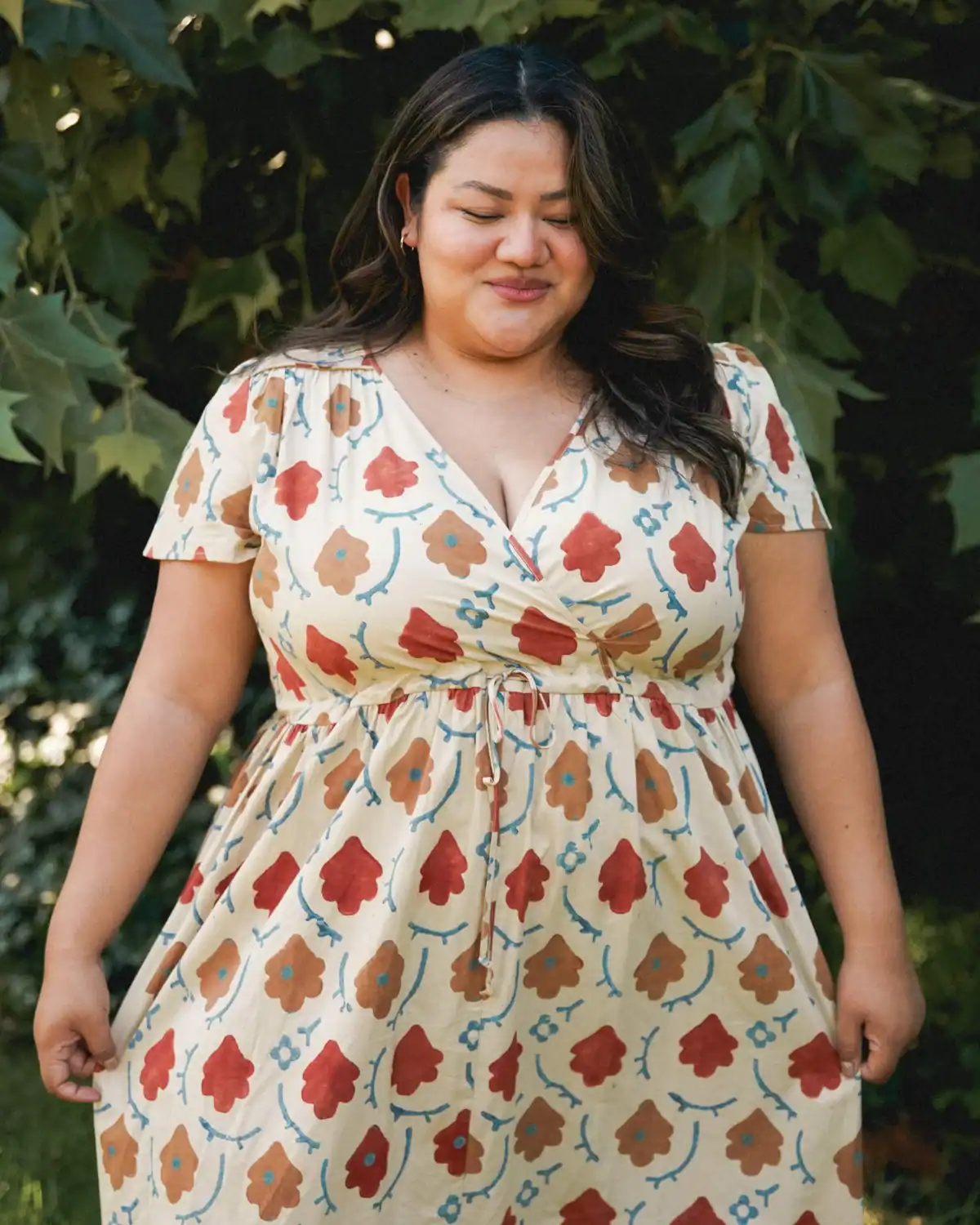
Not every woman wants to live in leggings and oversized T-shirts during pregnancy, and Christy Dawn is one of the few brands that made me feel genuinely put together while still prioritizing natural fabrics and comfort.
Their flowing dresses worked beautifully throughout pregnancy because they were breathable, forgiving, and easy to continue wearing postpartum, too.
I especially appreciate the brand’s focus on regenerative and organic cotton fabrics instead of heavily synthetic blends that dominate so much of the fashion industry.
These are definitely more investment pieces, but they are timeless enough to wear long after pregnancy ends.
Price & SIZE Range
$198-$328 | PXS-3XL
Materials
Organic Cotton | Regenerative Cotton | Naturally Dyed
Location/Shipping
United States | Ships Internationally
Toxic Materials Commonly Used In Maternity Clothing
Most maternity clothing looks soft, stretchy, and comfortable on the surface, but the reality is that many conventional maternity brands rely heavily on synthetic fabrics and textile treatments that are rarely disclosed clearly to consumers.
Polyester & Synthetic Stretch Fabrics
One of the most common materials used in maternity clothing is polyester, often blended with elastane, nylon, or acrylic to create stretch and flexibility.
These fabrics are inexpensive to manufacture, durable, and easy for brands to mass-produce, which is why they dominate the maternity market.
The problem is that heavily synthetic fabrics are often less breathable, more heat-trapping, and frequently paired with additional chemical treatments during manufacturing.
Stain-Resistant & Performance Treatments
Many maternity leggings, bras, and activewear pieces are marketed as moisture-wicking, wrinkle-resistant, odor-resistant, or stain-resistant.
These performance features can involve additional textile treatments and finishing agents that brands rarely explain in detail – despite the fact that these clothes are often worn directly against the skin for long periods of time throughout pregnancy and postpartum.
Dyes, Finishes & Fabric Processing Chemicals
Beyond the fabric itself, clothing manufacturing can involve dyes, softeners, finishing agents, wrinkle-resistant coatings, and other chemical processing aids used to alter the feel, appearance, or performance of the fabric.
Transparency around these treatments is still extremely limited within the maternity industry, which is one reason certifications like OEKO-TEX® became so important to me while researching safer maternity brands.
Vague “Sustainable” Marketing
One of the biggest issues I found while researching this guide was how many maternity brands market themselves as “eco-friendly”.
While still relying heavily on virgin polyester, recycled synthetics, or vague material disclosures without meaningful textile safety standards behind them.
That is why I prioritized brands using organic cotton, linen, safer dyes, and independently certified fabrics whenever realistically possible.
Maternity Brands I Personally Avoided
One of the biggest things I learned while researching this guide is that many maternity brands prioritize trend cycles and low production costs over fabric quality, textile safety, and long-term wearability.
That usually means heavy reliance on virgin polyester, synthetic blends, vague material disclosures, and very little transparency around dyes, finishes, or textile certifications.
SHEIN
Extremely trend-driven and heavily reliant on ultra-cheap synthetic fabrics with little meaningful transparency around textile safety, sourcing, or chemical standards.
ASOS Maternity
While stylish and affordable, many maternity pieces lean heavily on polyester, rayon blends, and fast-fashion manufacturing practices with limited fabric transparency overall.
Amazon Basics Maternity
Very limited information around textile sourcing, certifications, dyes, or material safety standards, which made it difficult for me to confidently recommend during pregnancy.
PinkBlush
Popular for trendy maternity styles, but many pieces rely heavily on polyester and synthetic fabric blends without strong certification standards.
Old Navy / Gap Maternity
More affordable and accessible, but still largely dominated by synthetic fabrics and mass-market production practices with limited textile safety transparency.
At the end of the day, my biggest recommendation is simple:
Read fabric labels carefully, prioritize certifications whenever possible, and pay attention to what materials are actually touching your skin every single day during pregnancy and postpartum.
Best Natural Fabrics For Non-Toxic Maternity Clothes
When you are pregnant, the fabrics you wear matter more than most people realize, especially when maternity clothes are worn constantly throughout pregnancy, postpartum, and nursing.
These are the materials I personally prioritized most while building a safer, lower-tox maternity wardrobe:
- Organic Cotton: Soft, breathable, and one of the best overall fabrics for sensitive pregnancy skin. I especially loved organic cotton for nursing bras, pajamas, lounge sets, and maternity basics because it felt noticeably less irritating and heat-trapping than synthetic fabrics.
- Linen: Lightweight, breathable, and ideal for pregnancy overheating. Linen became one of my favorite fabrics during warmer months because it felt airy, relaxed, and easy to continue wearing postpartum, too.
- TENCEL™/Lyocell: While not fully natural, TENCEL™ is often a much softer and more breathable alternative to traditional polyester-heavy maternity fabrics. I found it especially comfortable for dresses, layering pieces, and sleepwear.
- OEKO-TEX® Certified Fabrics: Truly organic maternity clothes are still limited, especially when stretch and nursing functionality are involved. That is why I also prioritized OEKO-TEX® certified brands that test fabrics for harmful substances and follow stronger textile safety standards than the conventional maternity industry.
If you are building a lower-toxic home and pregnancy lifestyle overall, your maternity wardrobe is just one piece of the bigger picture.
I also became much more intentional about the non-toxic baby products we brought into our home during pregnancy and postpartum.
Certifications That Actually Matter In Non-Toxic Maternity Clothing
Not all “organic” or “natural” maternity clothing claims actually mean very much.
After researching safer textiles for years, I learned quickly that certifications are one of the only reliable ways to verify lower-toxic fabrics and reduce greenwashing.
GOTS (Global Organic Textile Standard)
GOTS is still considered the gold standard for organic textiles. This certification verifies not only the organic status of the cotton itself.
But also restrictions around toxic dyes, chemical processing, heavy metals, PVC, formaldehyde, and other harmful finishing agents used during manufacturing.
OEKO-TEX® Standard 100
OEKO-TEX® became one of the most important certifications for me personally while researching maternity clothes because it focuses specifically on testing finished textiles for harmful substances.
That includes dyes, elastics, threads, trims, and fabric treatments commonly used in clothing production, which matters significantly for maternity clothes worn directly against the skin throughout pregnancy and postpartum.
bluesign®
bluesign® focuses on reducing harmful chemical use throughout textile manufacturing and improving overall chemical safety during production.
This certification is especially helpful when evaluating maternity activewear, stretch fabrics, and technical performance materials that cannot realistically avoid synthetic components altogether.
At the end of the day, certifications help create accountability in an industry where brands can otherwise market products as “clean,” “safe,” or “eco-friendly” without offering much real transparency around textile safety standards.
Frequently Asked Questions About Non-Toxic Maternity Clothes
Organic cotton, linen, and TENCEL™ are some of the safest and most breathable fabrics for pregnancy.
I also prioritized OEKO-TEX® certified fabrics because they are tested for harmful substances commonly used in textile manufacturing.
Polyester is extremely common in maternity clothing, but many synthetic fabrics are paired with chemical finishes and limited transparency regarding textile safety.
During pregnancy, I personally preferred more breathable natural fibers whenever possible, especially for clothes worn daily against sensitive skin.
GOTS and OEKO-TEX® Standard 100 are the certifications I trusted most while researching safer maternity brands.
GOTS focuses on organic textiles and safer manufacturing, while OEKO-TEX® tests finished fabrics for harmful substances.
Yes, especially for sensitive pregnancy skin. Organic cotton is typically processed with fewer pesticides, toxic dyes, and harsh chemical treatments than conventional cotton, while also feeling softer and more breathable during pregnancy and postpartum.
Not always. Many bamboo fabrics are chemically processed into rayon or viscose, which is why transparency and certifications matter more than marketing terms alone.
I personally tried to avoid maternity clothes made primarily from virgin polyester, acrylic, stain-resistant fabrics, and heavily synthetic blends with no certifications or textile safety transparency.
For me, absolutely. Maternity clothes are worn constantly throughout pregnancy, nursing, and postpartum, so investing in safer, higher-quality fabrics made a noticeable difference in comfort, breathability, and durability.
Yes, although the options are still somewhat limited. Brands like Quince offer some of the better affordable options for organic cotton and natural-fiber maternity basics.
The brands I consistently trusted most for safer materials, comfort, and transparency were Boob Design and Quince.
OEKO-TEX® Standard 100 tests finished fabrics for harmful substances, including dyes and textile chemicals commonly used in clothing production.
That matters especially for maternity clothes worn directly against the skin throughout pregnancy and postpartum.
Still Deciding?
If I had to narrow this list down to the brands I personally reached for the most during pregnancy and postpartum, these would be my top recommendations:
- Quince for breathable, natural fiber dresses and elevated everyday basics.
- Q for Quinn for organic cotton maternity underwear and softer, low-tox basics.
- Monica + Andy for organic cotton maternity essentials and postpartum comfort pieces.
- The Very Good Bra if minimizing synthetic fabrics is your highest priority during nursing and postpartum.
- Nest Designs for incredibly soft organic nursing pajamas and comfortable postpartum sleepwear.
At the end of the day, the best maternity clothes are the ones you genuinely feel comfortable living in every single day while still feeling confident about the materials touching your skin throughout pregnancy and postpartum.
Final Thoughts On Non-Toxic Maternity Clothes
Finding maternity clothes that are genuinely safe, comfortable, and well-made is far harder than it should be.
The reality is that most maternity brands still rely heavily on synthetic fabrics, vague sustainability marketing, and very little transparency around textile safety standards.
But after years of researching safer products and personally testing these brands through pregnancy, nursing, and postpartum, I can confidently say there are better options available.
No maternity wardrobe will ever be perfectly “toxin-free.” But choosing brands that prioritize organic cotton, safer dyes, OEKO-TEX® certified fabrics, and stronger material transparency can meaningfully reduce unnecessary exposure during one of the most sensitive seasons of life.
And honestly, when you are living in these clothes every single day, comfort matters just as much as safety. The brands included in this guide are the ones I genuinely trusted, repeatedly reached for, and would personally buy again.
Continue Your Non-Toxic Maternity & Postpartum Journey
Once I started researching safer maternity clothes, I found myself looking much more closely at everything we were bringing into our home for pregnancy, postpartum, and baby, too.
If you are building a safer nursery and postpartum space overall, these guides may help next:
- Non-Toxic Nursery Essentials: Nursery furniture, bedding, décor, and everyday essentials made with safer materials and fewer unnecessary chemical treatments.
- Non-Toxic Baby Shower Gifts: Thoughtful baby shower gifts focused on safer materials, practical use, and lower-toxic everyday baby products.
- Non-Toxic Diapers: Disposable diaper options made without added fragrance, chlorine bleaching, lotions, and other unnecessary additives.
- Non-Toxic & Organic Nursing Pillows: Nursing pillows made with organic fabrics and safer fill materials designed for feeding and postpartum comfort.
- Organic Baby Clothes: Softer baby clothing made with organic cotton and simpler material choices for sensitive skin and everyday wear.
- Non-Toxic Crib Mattresses: Crib mattresses made without polyurethane foam, fiberglass, vinyl, and chemical flame retardants commonly found in conventional options.
Because honestly, once you start paying attention to safer materials during pregnancy, it changes the way you look at almost everything else in your home, too.
📌 Save This Guide For Later
Save this guide for the next time you’re shopping for maternity clothing and trying to figure out which brands actually use safer fabrics, organic materials, and lower-toxic production practices without all the greenwashing.
Sources & Further Reading
If you are someone who likes digging deeper into textile safety, organic fabrics, chemical exposure, and what is actually hiding in conventional clothing, these were some of the most helpful resources I came across while researching non-toxic maternity clothes.
The maternity brands I trust most are the ones willing to clearly disclose their materials, certifications, dyes, and manufacturing standards instead of hiding behind vague “eco-friendly” marketing language.
Research & Organizations
- Global Organic Textile Standard (GOTS) — Organic textile certification standards covering cotton sourcing, dyes, chemical processing, and manufacturing practices for safer textile production.
- OEKO-TEX® Standard 100 — Independent textile testing certification focused on harmful substances commonly found in fabrics, dyes, elastics, trims, and finished clothing materials.
- bluesign® — Textile manufacturing standards focused on reducing harmful chemical use and improving safety throughout textile production processes.
- Environmental Working Group (EWG) — Research and educational resources focused on consumer product safety, environmental health, PFAS exposure, and ingredient transparency.
- National Institute of Environmental Health Sciences (NIEHS) — Information surrounding endocrine-disrupting chemicals, environmental exposures, and reproductive health research.
- Textile Exchange — Educational resources surrounding organic cotton, preferred fibers, textile sustainability, and material transparency within the fashion industry.
Additional Reading
- Research on chemicals commonly used in textile manufacturing — Studies exploring fabric dyes, finishing agents, textile treatments, and how certain chemicals may interact with skin and indoor environments.
- Research on PFAS and stain-resistant textile treatments — Ongoing research surrounding per- and polyfluoroalkyl substances (PFAS) used in stain-resistant and performance fabrics.
- Research on synthetic fabrics and microfiber pollution — Studies examining microfiber shedding from polyester and synthetic textiles during washing and long-term household exposure.
And honestly, one of the biggest things I learned while researching safer maternity clothing is that truly low-toxic maternity options are still surprisingly limited.
That is why I focused so heavily on brands offering better transparency, stronger certifications, and safer materials overall instead of chasing “perfect” marketing claims.

Steal My Non-Toxic Cleaning Checklist!
Believe us, it’s the BEST…. and it’s free. Does it really get any better than that?! Sign up for our newsletter and get this free checklist to clean your home without any harmful chemicals!



Hello Danielle!
Thank you for your heart for your children and all of the world as they are our future.
Thank you as a fellow veteran for your humbled service.
Thank you for simply providing valuable information to anyone who is curious to live sustainably. I love you.
You are so kind, thank you!