 Shop My Favorite Non-Toxic Gifts Of 2026!
SKL is reader supported. When you buy through links on our site, we may earn affiliate commission. Learn more here.
The term “non-toxic skincare” has never been more confusing. Walk into Sephora, Target, or Ulta, and you’ll find shelves filled with products labeled clean, natural, and green.
The problem? Most of those words have no legal definition, making it surprisingly easy for brands to market themselves as “safe” while still using ingredients I’d never put on my own skin (hello, greenwashing).
I’ve spent years researching skincare ingredients and personally testing products from dozens of brands. Along the way, I’ve learned that beautiful packaging and clever marketing tell you very little about what’s actually inside the bottle.
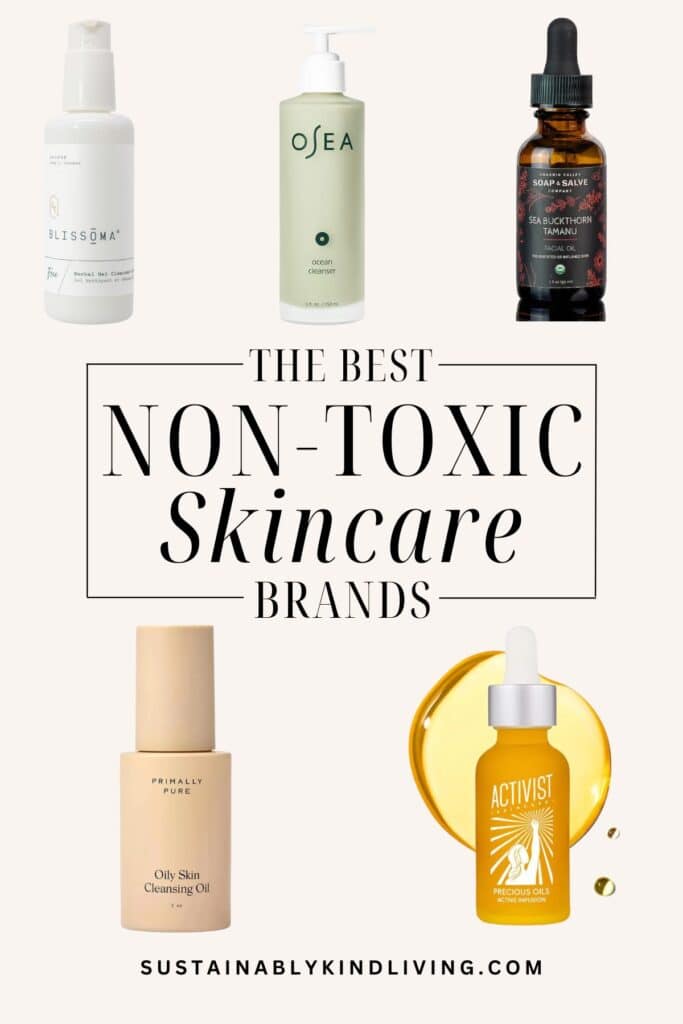
SKL Top Picks, At A Glance…
- Best Overall Non-Toxic Skincare Brand: Blissoma
- Best Full Body Non-Toxic Skincare: OSEA Malibu
- Best Affordable Non-Toxic Skincare: Chagrin Valley
- Best Refillable Skincare Brand: Activist Skincare
- Best Grass-Fed Tallow Skincare: Primally Pure
What matters is ingredient transparency, thoughtful formulation, and whether a product truly performs after weeks of real-world use.
Every brand in this guide has earned its place because I’ve tested it myself.
Some completely changed my mind about ingredients I was skeptical of, while others became staples in my daily routine. If I wouldn’t continue using a product or confidently recommend it to my own family, it doesn’t make this list.
Best Non-Toxic Skincare: At a Glance Comparison
(Mobile Users) Scroll to see full comparison →
| Brand | Main Ingredients | Best For Skin | Fragrance-Free | Price |
|---|---|---|---|---|
| Blissoma | Whole-plant botanicals, hydrosols, seed oils | All, Sensitive, Reactive | ✔︎ | $22-$79 |
| OSEA Malibu | Seaweed, algae, hyaluronic acid | Normal, Dry, Mature | ✖︎ | $38-$108 |
| Chagrin Valley | USDA Organic herbs, botanical oils | All, Sensitive | Some | $5-$25 |
| Primally Pure | Grass-fed tallow, shea butter, botanicals | Dry, Sensitive | ✖︎ | $20-$68 |
| Activist Skincare | Vitamin C, peptides, botanical oils | All, Combination, Mature | ✖︎ | $28-$57 |
Why Non-Toxic Skincare Matters
What you put on your skin is just as important as what you eat. And yet, many mainstream brands fill their formulas with chemicals that:
- Disrupt hormones (like phthalates and parabens)
- Trigger allergies and skin irritation
- Build up in the body over time
We absorb much of what we apply to our skin. So those “small exposures“? They add up.
That’s why choosing non-toxic products, from your shampoo to your deodorant to your moisturizer, is essential for your long-term health.
The 5 Most Toxic Ingredients I Always Avoid In Skincare
Formaldehyde-Releasing Preservatives
- Why They’re a Concern: These preservatives slowly release formaldehyde, a known human carcinogen. They’re also common triggers for allergic skin reactions.
- What to Look for: DMDM hydantoin, imidazolidinyl urea, quaternium-15 (sometimes just listed as “preservative” or “formaldehyde releaser”).
Phthalates
- Why They’re a Concern: These chemicals are endocrine disruptors that interfere with normal hormone function.
- What to Look for: Usually hidden in “fragrance.” If listed outright, look for anything ending in “phthalate.”
Ethoxylated Ingredients
- Why They’re a Concern: Made through a chemical process that can leave behind 1,4-dioxane and ethylene oxide, both linked to cancer and organ toxicity. They may also weaken the skin barrier, causing dryness and irritation.
- What to Look for: “PEG” or “PPG,” names ending in “-eth” (laureth, steareth, ceteareth), polysorbates (20, 80), or ethoxylated alcohols (ceteareth-20, oleth-10).
Parabens
- Why They’re a Concern: Widely used as preservatives, parabens penetrate the skin easily and may disrupt hormones.
- What to Look for: Methylparaben, Propylparaben, Butylparaben, Ethylparaben.
Synthetic Fragrance
- Why They’re a Concern: “Fragrance” is often a catch-all term that can hide up to 100 undisclosed chemicals. Many are linked to skin irritation, allergies, hormone disruption, and even neurotoxins.
- What to Look for: “Fragrance” or “Parfum” even if the ingredients state “natural fragrance” unless they tell you exactly what it’s made of.
And these are just the 5 worst. There are a lot more toxic ingredients hiding in our skincare products.
How I Chose The Best Non-Toxic Skincare Brands
Every brand in this guide has been personally tested.
I spend weeks, and often months, using products as part of my own routine before deciding whether they’re worth recommending.
If something doesn’t perform well or I find ingredients I’m not comfortable with, it doesn’t make this list.
As I evaluate each brand, I look at several things:
- Every ingredient. I read ingredient labels from top to bottom, looking for unnecessary fillers, undisclosed fragrance, harsh preservatives, PEGs, and other ingredients I choose to avoid.
- Formula quality. I want to know whether the ingredients actually work together to support healthy skin or if they’re simply there to support a marketing claim.
- Transparency. I look for brands that openly share what’s in their products, where ingredients come from, and why they formulate the way they do.
- Real-world performance. A beautiful ingredient list isn’t enough. If I don’t enjoy using a product or it doesn’t perform well, I won’t recommend it.
- Long-term trust. I pay attention to whether I continue reaching for a product weeks after I’ve finished testing it. Those are usually the brands that earn a permanent place in my routine.
At the end of the day, I only recommend skincare brands I’d confidently use myself and recommend to my own family.
The Best Non-Toxic Skincare Brands For 2026
1. Blissoma | Best Non-Toxic Skincare Brand
Best For: Anyone looking for truly non-toxic skincare made with transparent, plant-based ingredients that perform exceptionally well.
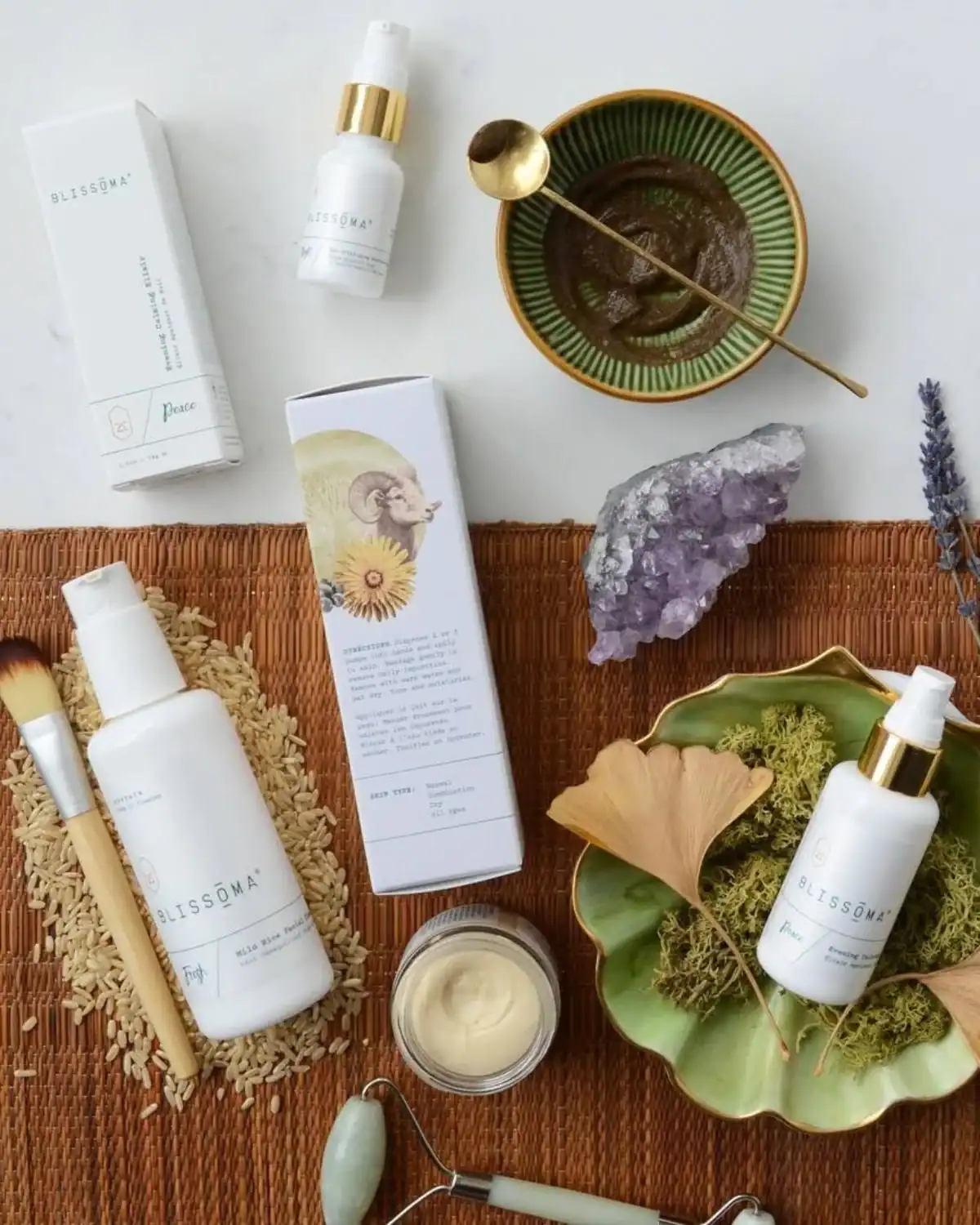
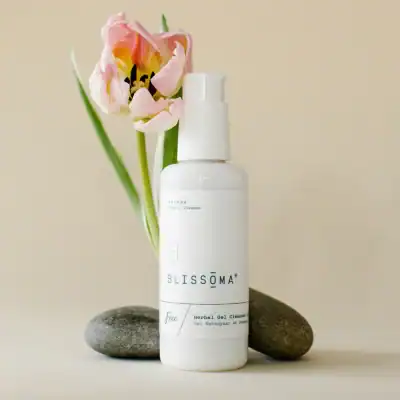
I’ve tested every product in Blissoma’s skincare collection, and it’s one of the few brands that impressed me from start to finish.
That’s incredibly rare. Most brands have a few standout products and a few I’d skip, but Blissoma consistently delivered thoughtful formulas that felt gentle, effective, and beautifully made.
What sets the brand apart is its commitment to whole-plant ingredients, nutrient-rich botanicals, and complete ingredient transparency.
Instead of relying on synthetic fragrance, unnecessary fillers, or trendy marketing claims, every formula is carefully crafted to support healthy skin with ingredients that serve a real purpose.
If you have sensitive or reactive skin, or you’re tired of “clean beauty” brands that don’t live up to the hype, Blissoma is one of the first brands I’d recommend. After testing the entire line, it’s earned the top spot in this guide.
Price
$22-$79
Ingredient highlights
Whole-Plant Botanical Juices | Cold-Pressed Seed Oils | Cranberry Seed Oil | Red Raspberry Seed Oil | Tamanu Oil | Sea Buckthorn Oil | Calendula | Chamomile | Green Tea Extract
location/shipping
United States | Ships Internationally
What I Love
- Every Product Delivers → I’ve tested the entire line, and it’s one of the few brands where I genuinely loved every product.
- Exceptional Transparency → Every formula is thoughtfully crafted with whole-plant ingredients and nothing unnecessary.
- Gentle Yet Effective → Products support the skin barrier without relying on synthetic fragrance or harsh ingredients.
- Small-Batch Quality → The formulas feel fresh, intentional, and carefully made rather than mass-produced.
What I Don’t Love
- Premium Price Point → It’s an investment, especially if you’re building a full routine.
- Not Widely Available → You’ll need to order directly from Blissoma since it’s not sold through most major retailers.
Our Favorites from Blissoma:
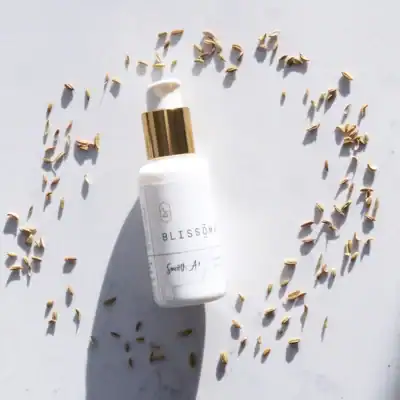
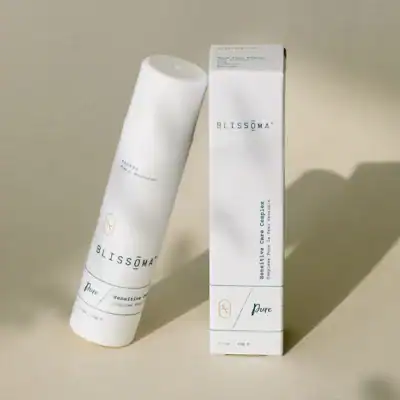
2. OSEA Malibu | Best Full-Body Non-Toxic Skincare
Best For: Anyone looking for full-body skincare made with seaweed-based ingredients, botanical actives, and a spa-like experience at home.

Use the discount code SKL10 to save 10%!
OSEA Malibu is one of my favorite full-body skincare brands. My skin actually craves its body oil and balm.
What sets OSEA Malibu apart is its use of sustainably harvested seaweed paired with botanical oils, antioxidants, and naturally derived ingredients that leave skin feeling hydrated, soft, and healthy.
Their iconic Undaria Algae™ Body Oil remains one of my favorite body care products and consistently delivers that nourished glow people rave about.
What I appreciate most is that OSEA Malibu feels luxurious without relying on synthetic fragrance or unnecessary fillers.
If you’re looking for elevated, effective skincare that feels like a spa treatment at home, OSEA Malibu is one of the luxury brands I continue to use long after finishing my review.
Price
$38-$108
Ingredient highlights
Seaweed | Botanical Oils | Botanical Extracts | Hyaluronic Acid | Bio-Retinol | Vitamin C | Ceramides | Essential Oils | Plant Butters
location/shipping
United States | Ships internationally
What I Love
- Seaweed-Powered Formulas → Nutrient-rich seaweed and botanical ingredients help support hydrated, healthy-looking skin.
- Luxurious User Experience → Every product feels elevated, from the textures to the scents to the packaging.
- No Synthetic Fragrance → Uses naturally derived scents instead of undisclosed fragrance blends.
- Widely Available → Easy to find online and in stores, making repurchasing simple.
What I Don’t Love
- Premium Price Point → Many products fall firmly into the luxury skincare category.
- Essential Oil Sensitivities → Some formulas contain essential oils that may not work for highly reactive skin.
- Not USDA Organic → While the ingredients are thoughtfully sourced, the brand doesn’t focus on organic certification the way some of my other favorite skincare brands do.
Our Favorites from OSEA Malibu:


3. Chagrin Valley | Best Affordable Organic Skincare
Best For: People who want truly organic skincare made with simple, recognizable ingredients and traditional formulations.

Chagrin Valley is one of the brands I’ve used the longest, and it’s still one of my favorite recommendations for anyone looking for truly organic skincare without luxury-brand prices.
What first drew me to the brand was its natural soap collection, which is still a staple in our home today.
Over the years, I’ve also used their facial care products, moisturizers, clay masks, and lip balms, and the quality has remained consistently excellent.
Founded by a nurse and biology teacher, Chagrin Valley formulates its products with USDA Organic ingredients, botanical oils, herbs, and plant-based ingredients while avoiding synthetic fragrance, detergents, and unnecessary additives.
Price
$4.10-$25
Ingredient highlights
Botanical Oils | Plant Butters | Herbal Extracts | Essential Oils | Natural Clays | Botanical Powders | Organic Herbs | Plant-Based Humectants
location/shipping
United States | Ships Internationally
What I Love
- USDA-Certified Organic → Ingredients across the board.
- Wide Selection → All-natural skincare products that actually work and are gentle enough for sensitive skin.
- Plastic-Free Packaging → All packaging is biodegradable and eco-conscious.
- Budget-Friendly Pricing → High-quality skincare at accessible prices.
What I Don’t Love
- Essential Oils → May not suit very sensitive or fragrance-reactive skin.
Our Favorites from Chagrin Valley:


4. Primally Pure | Best Grass-Fed Tallow Skincare
Best For: Anyone looking for grass-fed tallow skincare that nourishes dry, sensitive, or reactive skin without unnecessary ingredients.

When Primally Pure sent me a box of products to test, I wasn’t expecting to love them as much as I did.
I’d already tried several other tallow skincare brands over the years, and honestly, I just wasn’t sold. Most felt too heavy, too greasy, or simply didn’t work well with my skin.
Primally Pure completely changed my mind. Their formulas feel balanced, thoughtfully formulated, and incredibly nourishing without feeling overwhelming. I finally understood why so many people rave about tallow skincare.
One thing I learned is that tallow works best on slightly damp skin. I always apply it after cleansing or misting my face because it helps lock in hydration. If you apply it to dry skin, it can feel much richer than it needs to.
That said, tallow isn’t for everyone. If you’re vegan, have naturally oily skin, or prefer lightweight gel moisturizers, this probably won’t be the best fit.
But if your skin is dry, sensitive, or struggling with a damaged skin barrier, Primally Pure is the tallow skincare brand I recommend most.
Price
$20-$68
Ingredient highlights
Grass-Fed Tallow | Botanical Oils | Botanical Extracts | Essential Oils | Plant Butters | Natural Clays | Non-Nano Zinc Oxide | Marine & Botanical Antioxidants | Ferments & Probiotics
location/shipping
United States | Ships Internationally
What I Love
- 100% Clean Ingredients → Every product is made with pure, non-toxic ingredients you can trust.
- Simple Formulas → Real, nourishing oils and minimal ingredients that let your skin breathe.
- Effective Natural Deodorants → Truly work without synthetic additives or harsh chemicals.
- High-End Feel → Products look, feel, and perform like luxury skincare.
What I Don’t Love
- Strong Scents → Essential oil fragrances can be overpowering for sensitive noses.
Our Favorites from Primally Pure:


5. Activist Skincare | Best Refillable Non-Toxic Skincare
Best For: Sustainability-minded shoppers who want effective skincare with refillable packaging and less waste.

Use the discount code SKL15 to save 15%!
Activist Skincare is my top recommendation for anyone looking for an amazing refillable skincare brand.
I’ve tested nearly the entire line, from the face wash options (I love the oil cleanser) to the face serums (Vitamin C is my favorite), Precious Oils Active Infusion, and tinted mineral sunscreen, and the quality has been consistently impressive.
The Precious Oils Active Infusion is the product my skin craves most. Whenever my skin feels dry or dull, it’s the one I reach for.
Their tinted mineral sunscreen also completely blew me away. It wears more like a lightweight foundation than a traditional mineral sunscreen, making it one of the few I actually enjoy wearing.
The refill system takes a minute to get the hang of it, but after that it’s incredibly simple. And founder Alison has built a brand that genuinely reflects her values, which is something I always appreciate.
Price
$28-$57
Ingredient highlights
Vitamin C | Niacinamide | Peptides | Botanical Oils | Botanical Extracts | Floral Hydrosols | Bisabolol | MSM | Zinc | Antioxidants
location/shipping
United States | Limited International Shipping
What I Love
- Woman-Owned Brand → Hand-blended in small batches in California.
- Zero-Waste Skincare → Fully refillable system designed to minimize waste.
- Botanical Ingredients → Natural extracts sourced from small regenerative growers.
What I Don’t Love
- Refill System Takes Planning → Refilling and recycling takes a little extra effort, but it quickly becomes part of your routine.
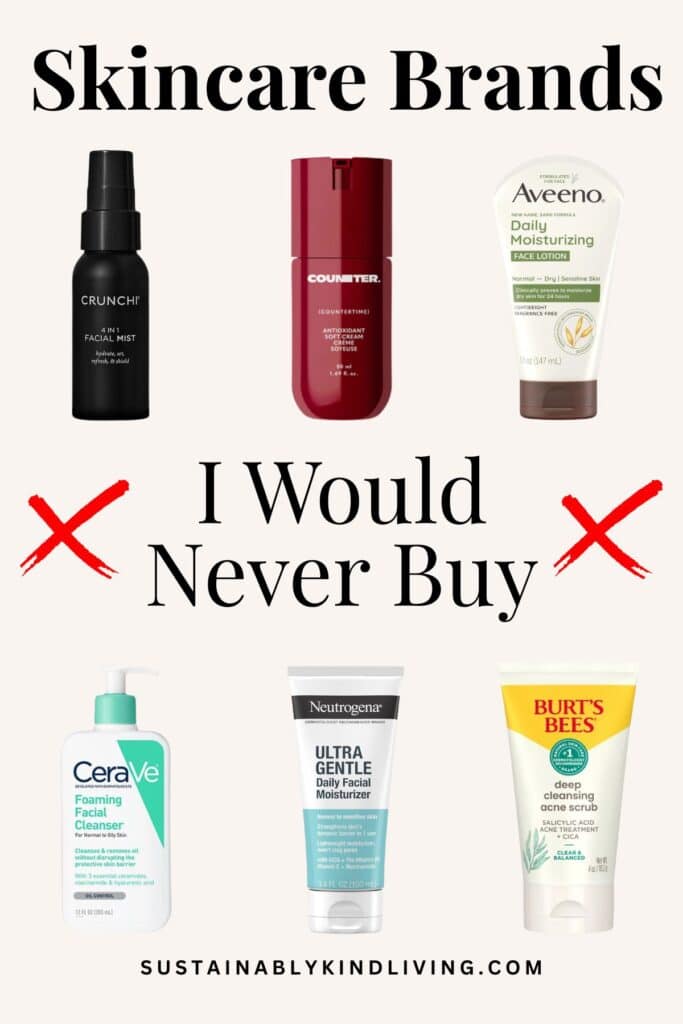
❌ Skincare Brand I Do NOT Recommend
1. Crunchi
Verdict: Clean image, messy ingredient list.
Crunchi markets itself as “safe, toxin-free beauty,” but its formulas include Propanediol (a skin irritant), Ethylhexylglycerin (linked to eye damage in testing), and Chondrus Crispus Extract (also known as carrageenan, which many avoid for its irritation potential).
While the brand includes organic oils and botanicals, they’re mixed with controversial synthetics that don’t belong in truly non-toxic skincare.
2. Beautycounter (now Counter)
Verdict: A great mission, but the ingredients don’t always match the message.
Beautycounter (now Counter) helped make “clean beauty” mainstream. But even its most-loved formulas contain synthetic preservatives like Pentylene Glycol and Potassium Sorbate (known skin toxins) and SD Alcohol 40B, which can dry or irritate skin.
Despite its advocacy for safer cosmetics, the brand still uses palm oil derivatives tied to deforestation and even shark-derived ingredients (squalene) in select products.
3. Aveeno
Verdict: When “natural” depends on clever wording instead of clean formulation, it’s not truly non-toxic.
Aveeno’s “Active Naturals” branding has faced multiple class-action lawsuits for misleading marketing. In 2024, the brand was sued for labeling its makeup-removing wipes as “100% plant-based” when most ingredients were synthetic. Earlier lawsuits targeted Aveeno’s baby wash for similar “natural” claims.
Products have also been criticized for containing synthetic irritants like distearyldimonium chloride. Despite the natural imagery, these ingredients tell a different story.
4. Neutrogena
Verdict: Familiar label, same old synthetic story.
Neutrogena has been called out for false “plant-based” and “100% natural” claims, particularly in its cleansing towelettes and “Naturals” line.
Ingredient analysis shows that most of those formulas are synthetic. The brand also continues to use petrochemical-derived compounds, microplastics, and palm oil derivatives associated with deforestation.
While its parent company, Kenvue, has joined transparency initiatives like EcoBeautyScore, Neutrogena itself hasn’t made public commitments to ingredient safety or sustainability.
5. Burt’s Bees
Verdict: A once-pioneering “natural” brand that still needs to clean up its act.
Burt’s Bees built its reputation on wholesome branding and “nature-inspired” formulas — but recent lawsuits allege the presence of PFAS (“forever chemicals”) in products marketed as “100% natural” and “kind to the planet.”
PFAS are synthetic compounds linked to serious health and environmental concerns, and their undisclosed presence directly contradicts the brand’s “natural” image.
Even beyond PFAS, critics have highlighted petrochemical ingredients, global shipping practices (like beeswax imported from Ethiopia for U.S. processing), and inconsistent ingredient transparency.
Best Refillable & Low-Waste Skincare Brands
If reducing packaging waste is important to you, refillable skincare can be a great option, but it’s not always as sustainable (or as clean) as it sounds.
The beauty industry produces a massive amount of packaging, so refill systems can help. But some brands rely heavily on plastic refill pouches or prioritize sustainability over ingredient safety.
And around here, we care about both.
So instead of focusing on the “refillable” label alone, I look for brands that balance:
- Safe, non-toxic formulations
- Truly reusable or low-waste packaging
- And real transparency (not just marketing claims)
Our top recommendation for refillable non-toxic skincare:
- Activist Skincare – One of the most well-rounded options, combining organic, non-toxic formulas with glass packaging and aluminum refills designed to be reused, not tossed.
SKL Note: Refillable packaging is a great step, but it doesn’t automatically mean a product is non-toxic or truly sustainable. That’s why we always look at the full picture: ingredients, sourcing, and packaging together.
Clean, Natural, Organic, Non-Toxic…What Do These Labels Actually Mean?
When shopping for skincare, you’ve probably seen words like “clean,” “natural,” “non-toxic,” and “organic.” At first glance, it can be easy to assume they all mean the same thing: clean, safe skincare.
But here’s the catch. None of these terms are legally regulated, and brands can use them freely and interchangeably even if the products hide questionable preservatives, synthetic fragrances, or fillers.
Here’s what these labels usually mean and why they fall short:
- “Clean” – A marketing favorite. Each brand defines it differently, which means the bar can be as low as “no parabens” while keeping plenty of other red-flag ingredients.
- “Natural” – Suggests ingredients come from plants or minerals, but it doesn’t mean they’re safe or free from toxins. A product can be “natural” and still contain allergens or harsh additives.
- “Organic” – Sounds strict, but unless you see a certification (like USDA Organic), there’s no guarantee ingredients were actually grown without pesticides or GMOs.
- “Non-Toxic” – Refers to products formulated without ingredients linked to harmful health effects, like parabens, phthalates, or formaldehyde-releasing preservatives.
Your only guarantee of finding a truly non-toxic skincare brand is to read the ingredient label and confirm that all of the ingredients are safe. This is exactly what we do here at SKL.
Frequently Asked Questions About Non-Toxic Skincare
After reviewing dozens of skincare brands, I’ve noticed readers have many of the same questions come up again and again.
Things like “Are dermatologist-approved products actually non-toxic?” or “What’s the simplest way to start a clean skincare routine?”
Below, I’ve answered the most common questions about non-toxic skincare so you can build your non-toxic skincare routine with confidence.
Start with avoiding the most toxic skincare ingredients, including formaldehyde-releasing preservatives, parabens, phthalates, ethoxylated ingredients (PEGs, PPGs, and “-eth” names), and undisclosed “fragrance” or “parfum.”
Also watch for synthetic UV filters you don’t want on skin daily, like oxybenzone and octinoxate.
No. “Clean” is a marketing term that brands define for themselves.
“Organic” means ingredients were grown without synthetic pesticides, but only certifications like USDA Organic verify that claim.
If you don’t see a third-party seal, it’s always good practice to read each ingredient on the label to confirm it is organic and safe.
Most providers recommend avoiding retinoids (retinol, tretinoin), hydroquinone, and high-strength salicylic acid peels.
Limit essential oils if you’re sensitive. I recommend choosing brands with simple, transparent ingredient lists, like Primally Pure or Blissoma.
As always, check with your healthcare provider before using products with active ingredients or essential oils during pregnancy.
Not necessarily. “Dermatologist-tested” or “dermatologist-approved” sounds reassuring, but it doesn’t guarantee the formula is toxin-free. Oftentimes, clinically based skincare contains quite a few toxic chemicals.
Those claims usually mean a dermatologist reviewed or tested the product for irritation or allergic reactions, not that every ingredient is safe for long-term health.
Keep it simple and gentle. You don’t need a dozen steps to have healthy skin. Brands like Activist Skincare are perfect non-toxic skincare brands for teens and beginners alike.
They offer easy-to-use sets that are clean, effective, and easy to build into a low-tox routine without feeling overwhelming.
A truly non-toxic skincare brand does more than avoid a handful of questionable ingredients.
It prioritizes complete ingredient transparency, carefully formulates products with safer alternatives, and avoids hidden fragrance, unnecessary fillers, and ingredients linked to hormone disruption or skin irritation.
Greenwashing is everywhere in the beauty industry.
Words like “clean,” “natural,” and “eco-friendly” aren’t regulated, so brands can use them even when their products contain synthetic fragrance, PEGs, or other ingredients I’d rather avoid.
I’ve learned that the quickest way to spot greenwashing is to ignore the front of the package and flip it over.
If a brand isn’t transparent about its ingredients or relies on vague marketing instead of explaining why its formulas are safer, I move on. That’s one of the biggest reasons I created this guide.
In my experience, yes, but not because it’s trendy or expensive. The brands I continue to repurchase use higher-quality ingredients, avoid unnecessary fillers, and often create formulas that are more concentrated, meaning a little goes a long way.
That said, you don’t have to replace your entire skincare routine overnight. I always recommend swapping products as you run out. It’s more affordable, less overwhelming, and gives you time to find products your skin truly loves.
It absolutely can, especially if your skin reacts to synthetic fragrance, harsh preservatives, or overly complicated ingredient lists.
While no skincare brand works for everyone, I’ve found that simpler, thoughtfully formulated products are often much kinder to sensitive skin.
After testing dozens of products over the years, I’ve noticed that many people don’t actually have “bad skin.” They’re simply using products with ingredients their skin doesn’t tolerate well.
After testing tallow skincare for the past few years, I’ve come to understand why it’s become so popular.
Tallow contains fatty acids that closely resemble those naturally found in our skin, making it especially nourishing for dry or compromised skin barriers.
That said, it’s not for everyone. If you’re vegan, have naturally oily skin, or prefer lightweight gel moisturizers, tallow may feel too rich.
I’ve also learned that it performs best when applied to slightly damp skin because it helps lock in hydration rather than sitting on the surface.
Start small. You don’t need to throw away everything in your bathroom.
I usually recommend replacing products as they run out, beginning with the ones you use every single day, like your cleanser and moisturizer.
That’s exactly how I transitioned my own routine years ago. It made the process feel manageable and gave me time to discover which products actually worked for my skin.
Every brand in this guide has been personally tested, and I spend far more time evaluating ingredient lists than reading marketing claims.
I look at formulation quality, ingredient transparency, company values, certifications when applicable, and whether the products actually perform as promised.
If I wouldn’t continue using a product myself or recommend it to my own family, it doesn’t make this list. That’s why you’ll notice some very popular “clean beauty” brands are missing while smaller, more transparent brands have earned top spots.
Absolutely. You don’t have to switch your entire routine overnight.
Many people gradually introduce non-toxic products one at a time, which also makes it easier to see how your skin responds.
I often recommend starting with a cleanser or moisturizer, using it consistently for a few weeks, and then replacing the next product as you finish it.
It’s a much more realistic approach than trying to overhaul your entire routine in one weekend.
Still Deciding?
- Blissoma is my personal favorite if you want to build a complete non-toxic skincare routine with one brand. After testing the entire line, it’s the one I recommend most often.
- OSEA Malibu is my pick for luxurious, full-body skincare that leaves your skin soft, hydrated, and glowing.
- Chagrin Valley is the best choice if you’re looking for truly organic skincare that’s affordable, effective, and made with simple ingredients.
- Primally Pure is perfect for anyone who wants nourishing, grass-fed tallow skincare for dry, sensitive, or reactive skin.
- Activist Skincare is the standout for refillable, low-waste skincare that doesn’t compromise on clean ingredients or performance.
Final Thoughts On Non-Toxic Skincare
Finding truly non-toxic skincare can feel overwhelming, especially with so many brands making claims they can’t fully support. But once you learn what to look for, it becomes much easier to build a routine you can feel good about.
The best non-toxic skincare brands prioritize ingredient transparency, safer formulations, and products that actually work.
Whether you’re looking for a simple cleanser, a nourishing moisturizer, or a complete skincare routine, choosing brands that align with your values can make all the difference.
Start with one swap at a time, pay attention to how your skin responds, and don’t be afraid to ask questions. Your skin deserves products made with care, integrity, and ingredients you can trust.
Continue Your Clean Skincare Journey
Once you begin looking closely at skincare ingredients, it becomes much easier to spot the difference between clever marketing and truly thoughtful formulations.
If you’re ready to build a cleaner beauty routine from head to toe, these guides are a great place to continue:
- Organic Skincare For Men: Safer skincare products specifically formulated for men.
- Non-Toxic Face Wash: Gentle cleansers that remove dirt and makeup without questionable ingredients.
- Non-Toxic Skin Serum: Targeted treatments made with safer active ingredients and botanical extracts.
- Non-Toxic Anti-Aging Alternatives To Botox: Lower-toxin options for supporting healthy, aging skin.
- Non-Toxic Face Masks: Cleaner masking treatments designed to nourish, hydrate, and refresh skin.
Because what you put on your skin day after day matters, and small ingredient swaps can add up to a healthier personal care routine over time.
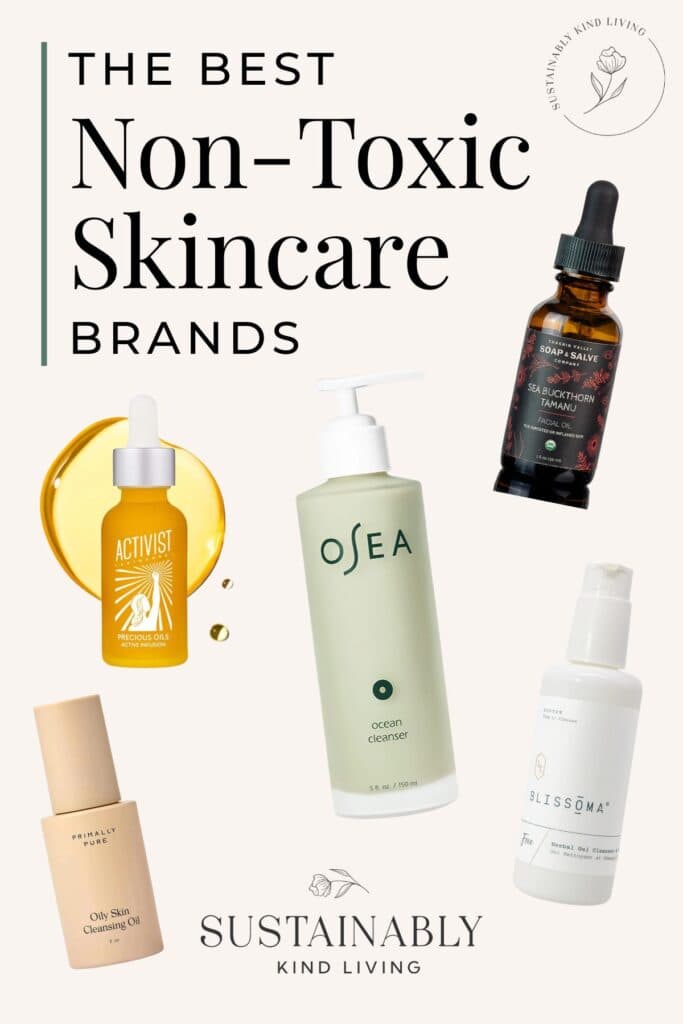
📌 Save This Guide For Later
Tired of trying “clean beauty” products only to discover questionable ingredients hiding behind the marketing?
This guide breaks down the best non-toxic skincare brands, the ingredients I actively avoid, and how to identify truly safer skincare products without falling for greenwashing.
Save this guide for the next time you’re updating your skincare routine!
Sources & Further Reading
If you’re trying to build a truly non-toxic skincare routine, it’s worth looking beyond marketing claims.
Much of the research behind this guide comes from scientific organizations, regulatory agencies, ingredient safety databases, and independent certification programs that evaluate cosmetic ingredients, chemical exposure, and product transparency.
- U.S. Food and Drug Administration — Cosmetic ingredient regulations, labeling requirements, and consumer safety.
- National Institute of Environmental Health Sciences — Research on endocrine disruptors, environmental chemicals, and human health.
- Agency for Toxic Substances and Disease Registry — Toxicological profiles for chemicals commonly found in consumer products.
- Environmental Working Group — Ingredient database and research on cosmetic safety and chemical exposure.
- Campaign for Safe Cosmetics — Research and advocacy promoting safer cosmetic ingredients.
- MADE SAFE — Certification program screening products for thousands of known toxicants.
- USDA National Organic Program — Standards for certified organic personal care ingredients, where applicable.
- Environmental Protection Agency — Information on PFAS, 1,4-dioxane, and other environmental contaminants relevant to personal care products.
- International Agency for Research on Cancer — Cancer hazard classifications for substances such as formaldehyde.
- European Chemicals Agency — Scientific information on hazardous substances, endocrine disruptors, and cosmetic chemicals.
This post was graciously sponsored by Blissoma. As always, we only work with brands that we stand behind. Would you like to sponsor one of our sustainable round-ups? Contact us here.

Steal My Non-Toxic Cleaning Checklist!
Believe us, it’s the BEST…. and it’s free. Does it really get any better than that?! Sign up for our newsletter and get this free checklist to clean your home without any harmful chemicals!




Here’s more:
– the ordinary (sometimes)
– welda
– dr organic
– sukin
I love how you focus on genuinely non-toxic, organic skincare options that are actually effective. It can be so overwhelming to sort through all the marketing language, so articles like this are super helpful.
Is there any clean and safe non toxic makeup brands that are not super expensive? I am very interested in learning about these!
Have you looked into river organics, araza or Lauren Brooke? I’m a big fan of those three and the prices are very good.
Hello – I love reading through allof your material. However, I’m looking for a nice sunscreen for both face and body – there are so many that are just super thick and I hate the feeling of it (especially on my face).Any suggestions?
Hi Sherry, Yes absolutely! I love Blissoma and AnnMarie personally. I just updated our sunscreen article on this if you’d like to take a look: https://sustainablykindliving.com/non-toxic-sunscreen/. Hope it helps! Let me know which one you pick 🙂
My absolute favorite natural and non-toxic skincare brand is Anatomy Naturals. It’s a small company but the products are wonderful!
Thanks so much Kay, I’ll look into them!