 Shop My Favorite Non-Toxic Gifts Of 2026!
SKL is reader supported. When you buy through links on our site, we may earn affiliate commission. Learn more here.
Looking for safe, non-toxic dinnerware brands so you can enjoy your meals without worrying about what’s sneaking into your food? We feel your pain!
Regular dinnerware can be a hidden source of health hazards. From lead-laden glazes to plasticizers like phthalates, the chemicals present in regular dinnerware can pose significant risks, especially when heated or in contact with acidic foods.
That’s why the SKL team searched far and wide for the best non-toxic dinnerware brands that we can trust. Keep reading to find 2026’s best non-toxic stoneware dinnerware and an array of glass and porcelain options for every taste.
SKL Top Picks, At A Glance…
- Best Non-Toxic Glass Dinnerware For Everyday Families: Corelle
- Best Modern Ceramic Stoneware Dinnerware: Our Place
- Best Tempered Glass Dinnerware Made In France: Duralex
- Best Premium Porcelain Dinnerware Set: Made In Cookware
- Best Budget-Friendly Glass Dinnerware: Libbey
You know those regular dishes you’ve been using forever? Turns out, they might not be so great for your health.
When I was younger, I used to think that choosing cheap dinnerware was no big deal – who doesn’t love a good bargain?
But the truth is, there are some pretty serious issues with those dishes that I never really considered before.
A lot of them contain sneaky chemicals like lead and cadmium, which can leach into your food and cause some serious health issues over time.
Best Non-Toxic Dinnerware: At a Glance Comparison
(Mobile Users) Scroll to see full comparison →
| Brand | Best For | Materials | Lead & Cadmium Free | Price Range |
|---|---|---|---|---|
| Corelle | Everyday family use & durability | Vitrelle® Glass | Yes | $60-$200 |
| Our Place | Modern ceramic dinnerware | Ceramic Stoneware | Yes | $45-$185 |
| Duralex | Lead-free tempered glass | Duralex® Tempered Glass | Yes | $30-$130 |
| Made In Cookware | Premium porcelain dinnerware | Porcelain | Yes | $59-$376 |
| Libbey | Budget-friendly glass dinnerware | Glass | Yes | $50-$60 |
What Is Non-Toxic Dinnerware?
Chemical-free dinnerware is made from a whole bunch of amazing materials that are not only safe but also super eco-friendly. Think porcelain, ceramic, and glass.
Plus, they are durable and long-lasting, so you can say goodbye to constantly replacing chipped or broken dishes.
Also, choosing toxin-free dinnerware doesn’t mean that you have to settle for the same old monochromatic options.
These eco-friendly options come in a ton of awesome styles and designs. Seriously, you’ll be amazed at the variety out there!
Whether you’re into sleek and modern dishes or prefer something more rustic and handmade, there’s something for everyone.
From classic white to vibrant pops of color, lead and cadmium-free dinnerware brands let you express your personality and style in the kitchen.
The Most Toxic Materials Hiding In Dinnerware
Cadmium: Cadmium is a toxic heavy metal often used in pigments to create vibrant colors in ceramic glazes. It can leach into food and beverages, especially acidic ones, and over time, exposure to cadmium can lead to kidney problems, bone damage, and even cancer.
Lead: Lead is another heavy metal commonly found in ceramic glazes, particularly in older or handcrafted pieces. Like cadmium, lead can leach into food and beverages, posing serious health risks, particularly to children and pregnant women. Chronic lead exposure can lead to developmental delays, cognitive impairments, and other health issues.
Per- and Polyfluoroalkyl Substances (PFAS): PFAS are a group of synthetic chemicals used in the production of non-stick coatings, including those found in some cookware and food packaging. PFAS have been linked to a range of health issues, including cancer, immune system dysfunction, and reproductive problems.
Melamine: Melamine is a type of plastic often used in dinnerware, particularly in children’s dishes and outdoor tableware. When heated, melamine can release formaldehyde, a toxic chemical that can cause respiratory problems, irritation, and other health issues.
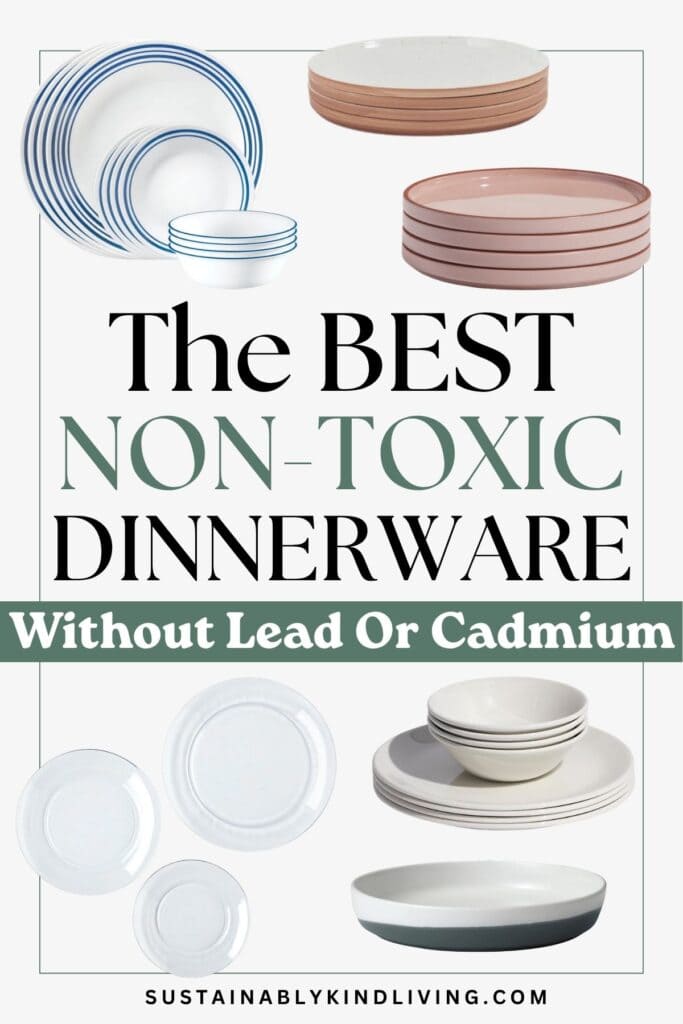
5 Safe Non-Toxic Dinnerware Options In 2026:
1. Corelle | Best Non-Toxic Glass Dinnerware For Everyday Use
Best For: Households that want durable, low-maintenance, non-toxic dinnerware that can handle daily use.
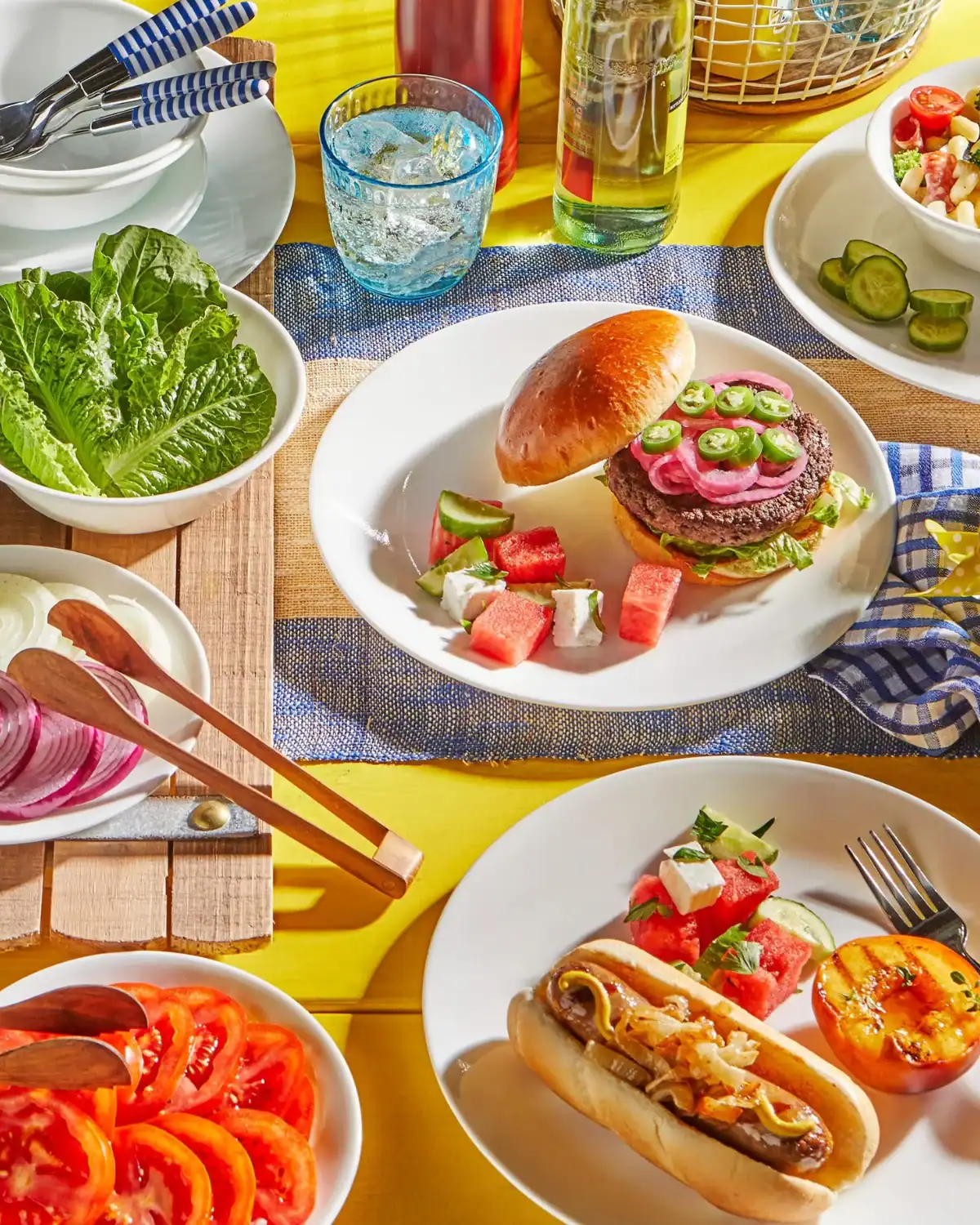
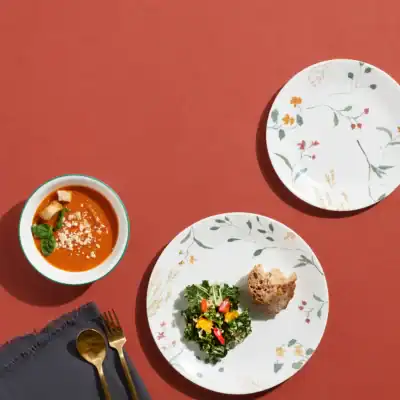
If you’ve ever chipped a ceramic plate after only a few months, Corelle is one of the easiest solutions.
Their signature Vitrelle® glass dinnerware is made from triple-layer tempered glass that’s lightweight, durable, and designed to withstand everyday family life.
Unlike many conventional dishes, Corelle states its dinnerware is free from lead, cadmium, and plastic materials.
The non-porous surface also helps prevent staining and odor absorption over time.
One thing worth noting is that Corelle applies a temporary silicone-based protective coating before shipping to help reduce scratches during transit, which is why they recommend washing dishes before first use.
Price
$60+ (4 Piece) | $70+ (6 Piece) | $170+ (8 Piece) | $200+ (12+ Piece)
Materials & Features
3-Year Warranty | Vitrelle® Glass (Up To 80% Recycled Glass) | Lead, Cadmium & Plastic Free | Microwave & Dishwasher Safe | Chip Resistant Non-Porous Surface
Location/Shipping
United States | Ships Internationally
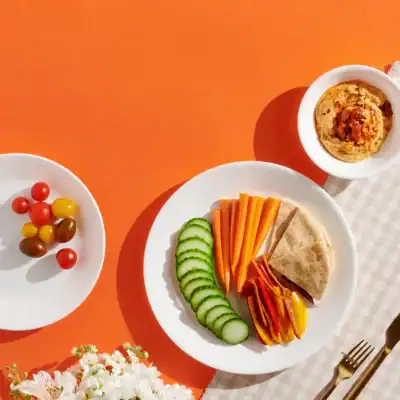
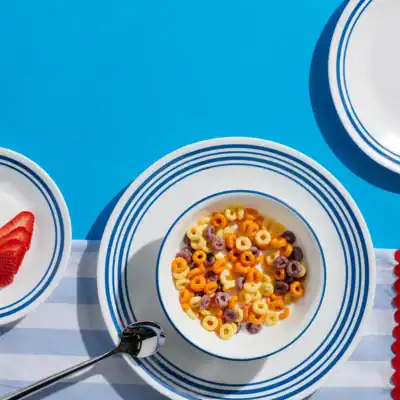
Our Favorites from Corelle:
2. Our Place | Best Modern Ceramic Stoneware Dinnerware
Best For: Anyone looking for stylish ceramic dinnerware that aligns with a non-toxic kitchen.
Use the discount code SKL10 to save 10%!
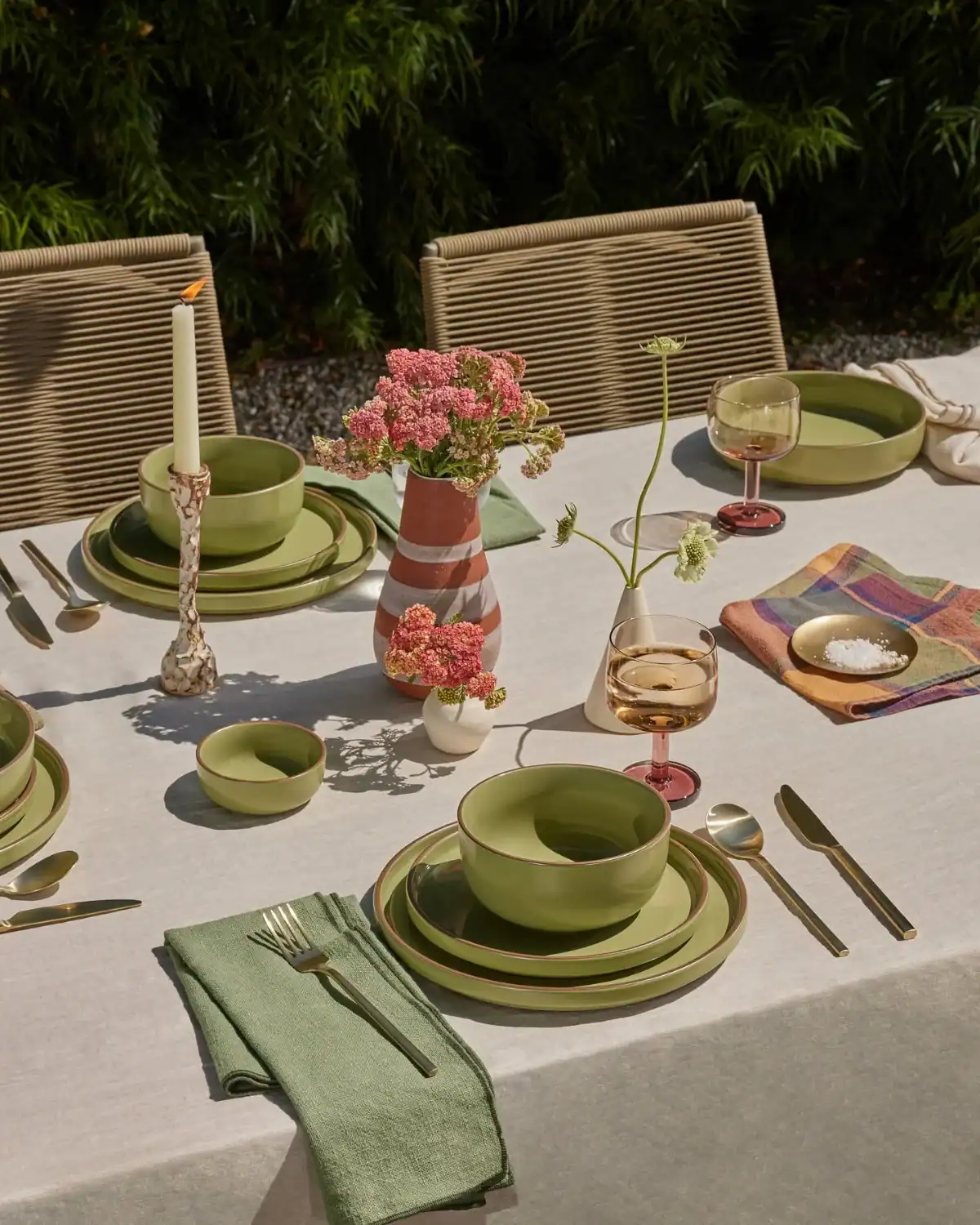
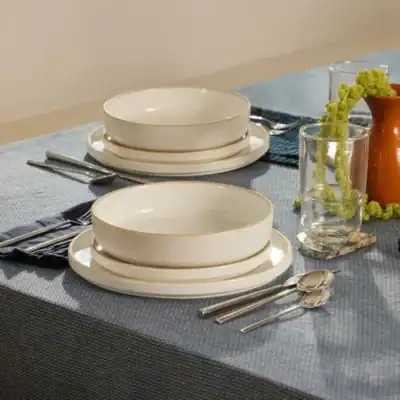
For readers who prefer ceramic over glass, Our Place offers one of the more transparent stoneware options available today.
Their ceramic dinnerware is made without lead, cadmium, PFAS, or other intentionally added non-stick coatings, creating a cleaner option for everyday meals.
The pieces have a modern design aesthetic that feels elevated without being overly delicate.
I also appreciate that the collection includes coordinating serving pieces, making it easy to build a cohesive table setting.
Compared to some traditional ceramic brands, Our Place places a stronger emphasis on material transparency and safer manufacturing standards.
Price
$45–$85 (Sets) | $185 (Full Dinnerware Set)
Materials & Features
Ceramic Stoneware | Lead & Cadmium Free | Microwave & Dishwasher | Safe Chip Resistant
Location/Shipping
United States | Ships To Canada, The United Kingdom & Australia
Our Favorites from Our Place:
3. Duralex | Best Tempered Glass Dinnerware Made in France
Best For: Shoppers who prefer simple glass dinnerware with a long track record of durability.
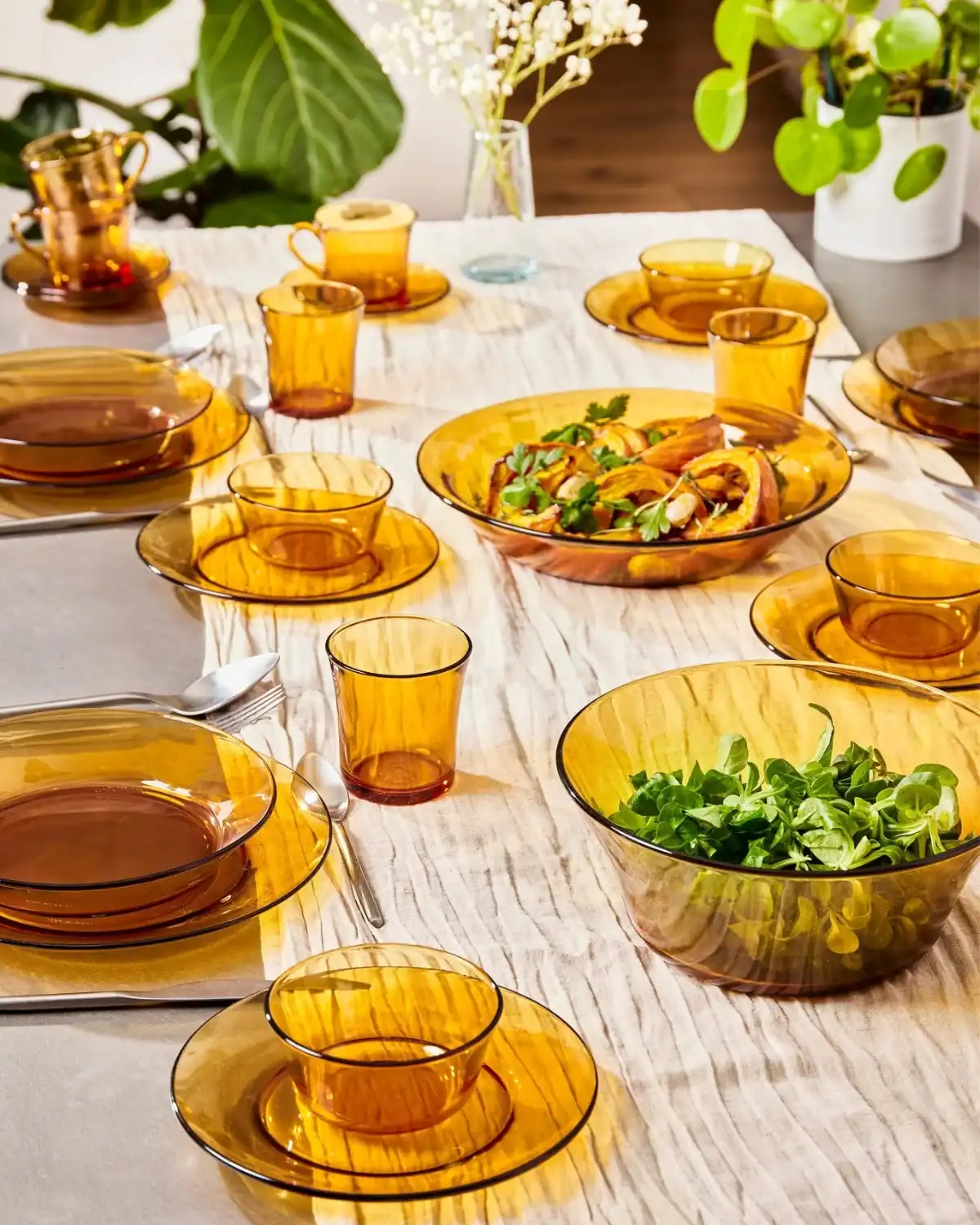
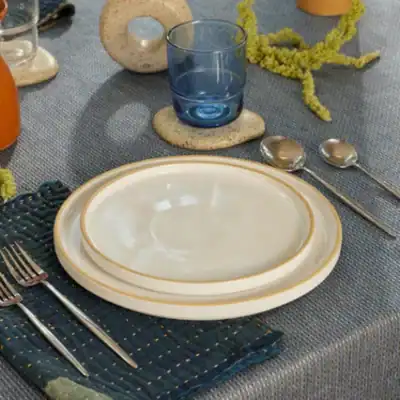
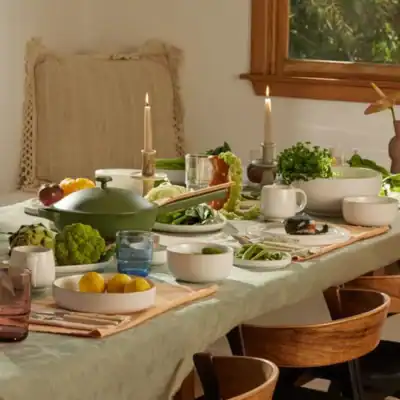
Duralex has been producing tempered glass kitchenware in France for decades, and its durability is one of the reasons it continues to earn a place on my recommendations list.
Made from fully tempered glass, Duralex dinnerware is naturally non-porous and free from lead, cadmium, and BPA.
Because the material is glass rather than ceramic, there are no glazes to worry about, which can be reassuring for readers concerned about heavy metals.
The simple, timeless designs also pair easily with almost any kitchen style. Their bowls and tumblers are especially popular because they’re practical, stackable, and built to last.
Price
$30–$120 (Sets) | $130 (Full Dinnerware Set)
Materials & Features
Duralex® Tempered Glass | Lead, Cadmium & BPA Free | Microwave & Dishwasher Safe | Non-Porous Surface
Location/Shipping
France | Ships To The United States
Our Favorites from Duralex:


4. Made In Cookware | Best Premium Lead-Free Porcelain Dinnerware
Best For: Households wanting premium porcelain dinnerware that prioritizes durability and material transparency.
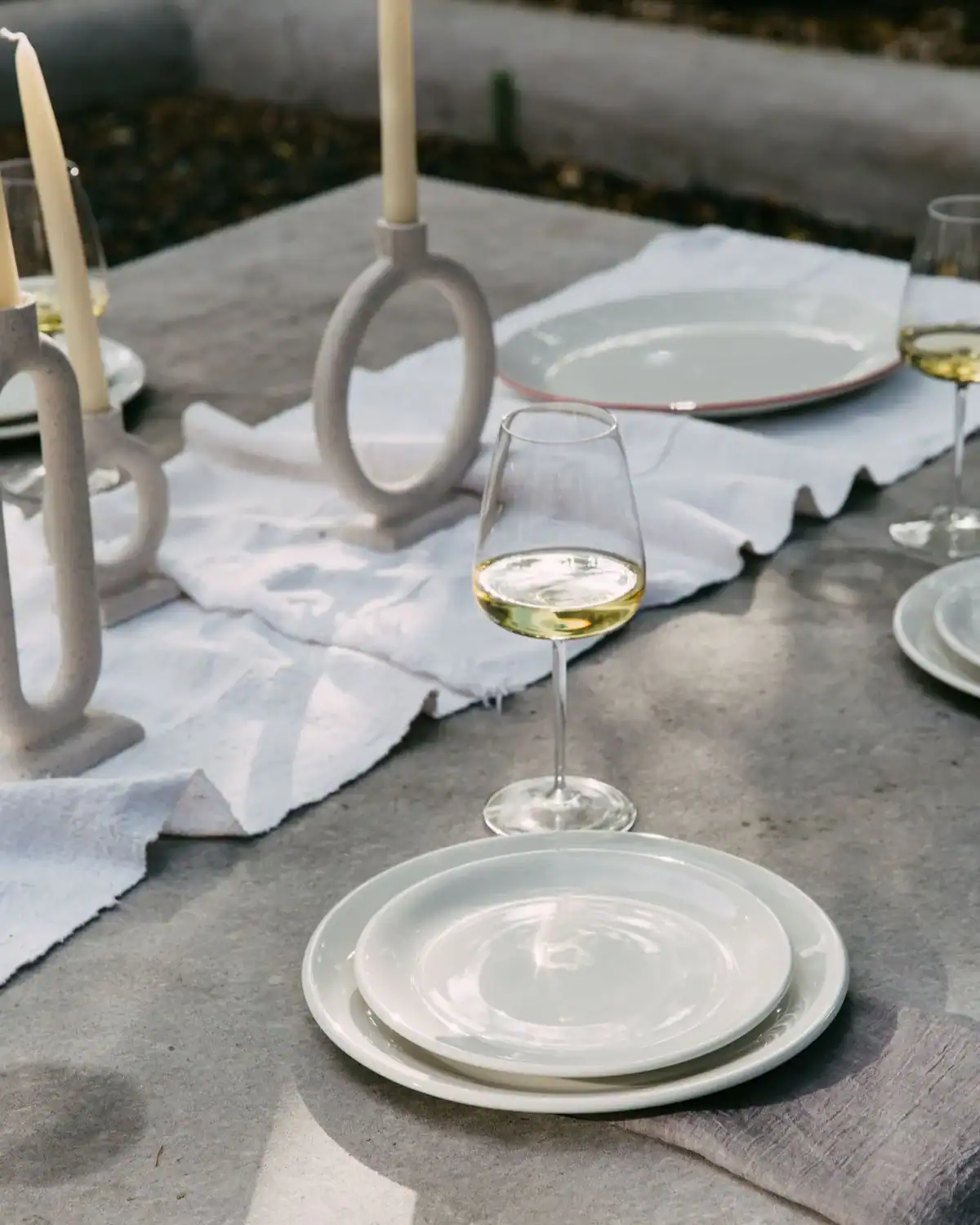
If you’re looking for porcelain rather than glass, Made In Cookware offers one of the most impressive dinnerware collections I’ve reviewed.
Their fully glazed porcelain dinnerware is manufactured without lead, cadmium, PFAS, PTFE, PFOA, or BPA, and the company backs the collection with a lifetime warranty and a 10-year no-chip guarantee.
The pieces feel substantial without being overly heavy and are designed for both everyday meals and special occasions.
Compared to many porcelain brands that provide limited material information, Made In is refreshingly transparent about its safety standards and manufacturing process.
Price
$59–$178 (Sets) | $376 (Full Dinnerware Set)
Materials & Features
Lifetime Warranty | 10-Year No-Chip Guarantee Porcelain | Lead, Cadmium, PFAS, PTFE, PFOA & BPA Free | Microwave & Dishwasher Safe | Chip Resistant Non-Porous Surface
Location/Shipping
United States | Ships Internationally
5. Libbey | Best Budget-Friendly Glass Dinnerware
Best For: Shoppers seeking affordable lead-free glass dinnerware on a tighter budget.
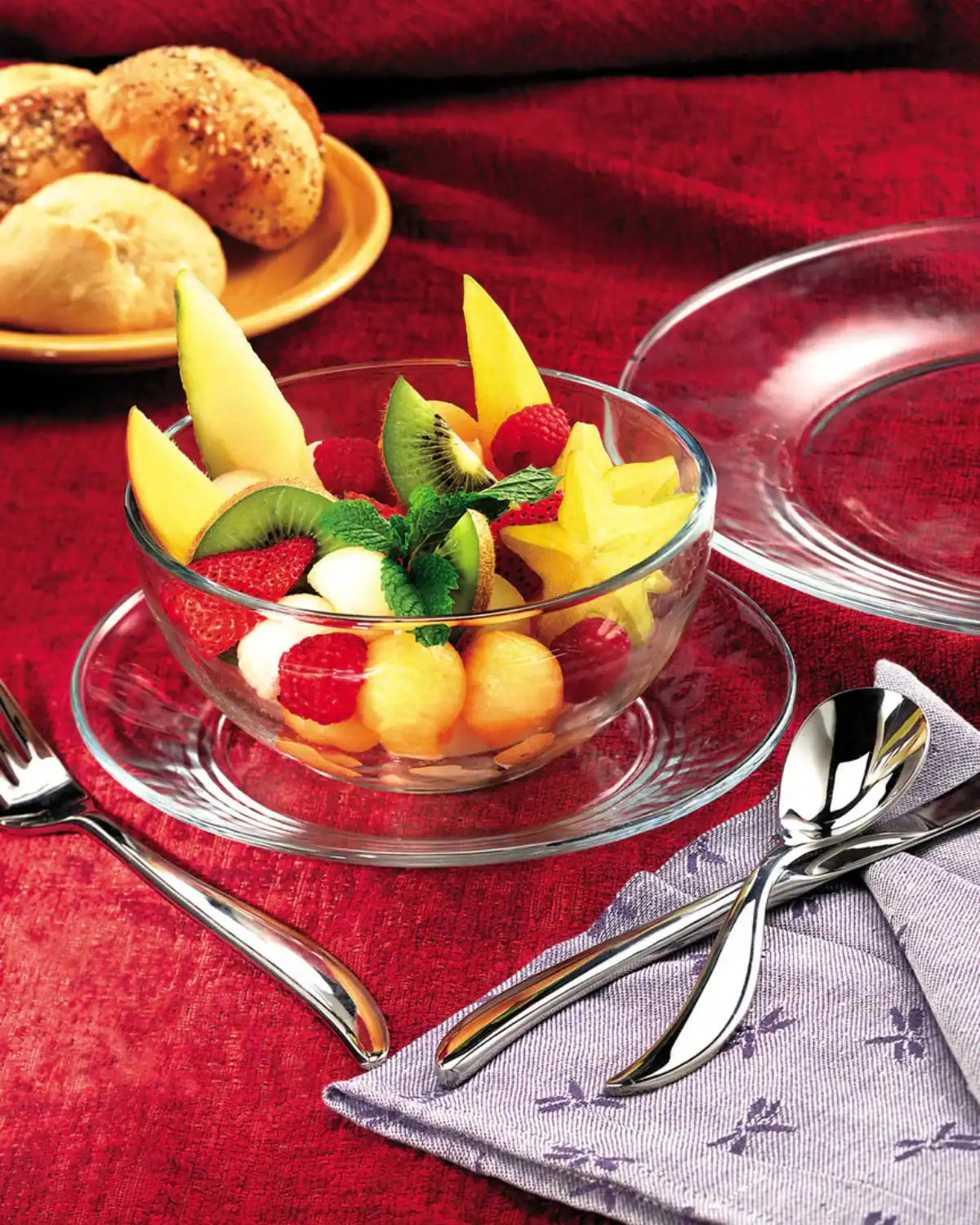
When updating this guide, I focused specifically on Libbey’s glass dinnerware rather than its porcelain collections.
Glass remains the safer and more transparent option within the brand’s lineup, particularly for readers trying to avoid concerns surrounding glazes and decorative finishes.
Libbey’s glass dishes offer a simple, affordable way to transition away from older dinnerware without spending hundreds of dollars.
The non-porous glass surface is easy to clean and works well for everyday meals.
While it doesn’t offer the same premium feel as some of the higher-end brands on this list, it delivers strong value for the price.
Price
$50–$60 (Sets) | $57 (Full Dinnerware Set)
Materials & Features
Glass | Lead & BPA Free | Dishwasher Safe | Non-Porous Surface
Location/Shipping
United States | Ships Internationally

How To Tell If Dishes Have Lead?
If you have vintage dish sets, they might contain harmful chemicals like lead.
The easiest way to tell if dishes have lead or not is to purchase lead testing kits from hardware stores or online retailers to test dishes for the presence of lead.
These kits typically contain swabs or test strips that change color in the presence of lead.
If you’re unsure whether your new dishes contain lead, you can contact the manufacturer directly to inquire about their materials and production processes.
Most reputable manufacturers provide information on their websites or through customer service channels about the safety of their products. If they are not upfront, something is definitely wrong here.
What Are The Safest Materials For Dinnerware?
Glass
Simple, elegant, and oh-so-safe, non-toxic glass dinnerware is the gold standard when it comes to safety.
Glass is completely non-porous, which means it won’t absorb any funky flavors or harmful chemicals from your food.
Plus, it’s super easy to clean—just pop it in the dishwasher, and you’re good to go. Plus, it’s microwave-safe and can handle the heat without any worries.
So go ahead, heat up those leftovers, and enjoy your meal – just don’t put it in the oven!
Porcelain
Porcelain is one of the safest dinnerware materials. Made from natural clay and silica, porcelain is fired at crazy high temperatures to create a super durable and non-toxic finish.
Porcelain is also scratch and chip-resistant, so you can bet it’ll hold up to whatever you throw its way.
It’s also safe to use in the microwave, oven, and dishwasher. So whether you’re baking up a storm or just reheating last night’s leftovers, these dishes have got you covered.
Ceramic Stoneware
Ceramic stoneware is where rustic charm meets modern convenience. It’s crafted from clay that’s fired at ultra-high temperatures. Ceramic stoneware is dense, durable, and totally non-toxic.
Stoneware is also non-porous, which means it won’t absorb any funky odors or flavors from your food.
Plus, they are known for their heat retention properties, so your meals will stay warm long after they hit the table. And just like porcelain, it’s safe to use in the microwave, oven, and dishwasher.
How To Choose The Safest Toxin-Free Dinnerware?
- Look for dinnerware that adheres to safety standards set by organizations like the FDA or California’s Proposition 65 to ensure compliance with safety regulations.
- Pay attention to labels such as “for decorative purposes only” or “not food-safe,” as these indicate that the dinnerware may not be suitable for use with food and beverages.
- Choose dinnerware with minimal decoration and color, sticking to clear or white varieties to reduce the likelihood of harmful substances in glazes or paints.
- Avoid using vintage dinnerware, especially if it predates 1970, as older pieces may contain lead or other harmful substances. Reserve them for decorative purposes only.
- Steer clear of dinnerware made from melamine or leaded crystal, as these materials can contain harmful chemicals that may leach into food.
What Is Less Toxic (Porcelain or Ceramic)?
Both porcelain and ceramic are considered safe choices for non-toxic dinnerware, but porcelain may have a slight edge in terms of purity and non-reactivity.
Porcelain is made from kaolin clay and other natural materials, which are fired at very high temperatures to create a dense and durable material.
The material is non-porous and does not absorb food or liquid, which reduces the risk of contamination.
Ceramics, on the other hand, is a broader category that encompasses a variety of materials and production methods.
Ceramic dinnerware can be made from different types of clay, such as earthenware, stoneware, or terracotta, which may contain varying levels of impurities.
What’s more, ceramic glazes can contain additives and pigments that may contain trace amounts of heavy metals or other toxic substances.
Are All Glass Plates Non-Toxic?
In general, glass plates are considered non-toxic because glass is an inert material that does not leach harmful chemicals into food or beverages.
Unlike some plastics or ceramics, glass does not contain additives or coatings that could potentially pose health risks.
However, not all glass dinnerware is created equal. While most glass plates are safe for everyday use, there may be exceptions, particularly in cases where the glass has been treated or coated with certain materials.
For example, glass plates with decorative patterns or designs may have been treated with paints or coatings that could contain potentially harmful substances.
Still Deciding?
- Corelle is the best choice for families who want lightweight, durable, everyday dinnerware that can handle years of regular use.
- Our Place stands out for its modern ceramic stoneware designs, lead- and cadmium-free materials, and stylish table-ready aesthetic.
- Duralex is ideal for shoppers looking for simple, tempered glass dinnerware made without glazes, coatings, or unnecessary additives.
- Made In Cookware is a great option for anyone seeking premium porcelain dinnerware backed by exceptional durability and long-term warranties.
- Libbey is perfect for readers who want an affordable way to switch to non-toxic glass dinnerware without sacrificing functionality or style.
Choosing The Best Non-Toxic Dinnerware for Your Family
Unlike regular dinnerware, which may contain harmful chemicals like lead, cadmium, or phthalates, chemical-free dinnerware is not only pretty to look at but also completely safe for you and the entire family. Glass, ceramic, and porcelain dishes are the safest choices.
Non-toxic glass dinnerware does not leach any harmful chemicals into food or beverages, making it an excellent choice for health-conscious individuals.
Ceramic and porcelain dinnerware are durable, non-porous, and resistant to scratching and chipping, making them ideal for everyday use. To top it all off, the sets also come in an array of styles, designs, and colors.
Seriously? Why settle for anything less than that?
Continue Building A Non-Toxic Kitchen
Dinnerware is only one part of creating a healthier kitchen. If you’re working toward reducing toxins throughout your cooking and dining routine, these guides are excellent next steps:
- Non-Toxic Cookware: Our favorite cookware brands that are made without PFAS, PTFE, and other harmful chemicals.
- Non-Toxic Flatware & Silverware: Safer forks, knives, and spoons made with food-safe materials.
- Non-Toxic Cooking Utensils: Healthier cooking tools without plastic coatings or questionable materials.
- Non-Toxic Cutting Boards: Better cutting board materials for food prep and everyday cooking.
- Non-Toxic Knives: High-quality kitchen knives made from safer materials.
Because creating a healthier kitchen isn’t about one product, it’s about improving the tools you use to prepare, serve, and enjoy food every day.
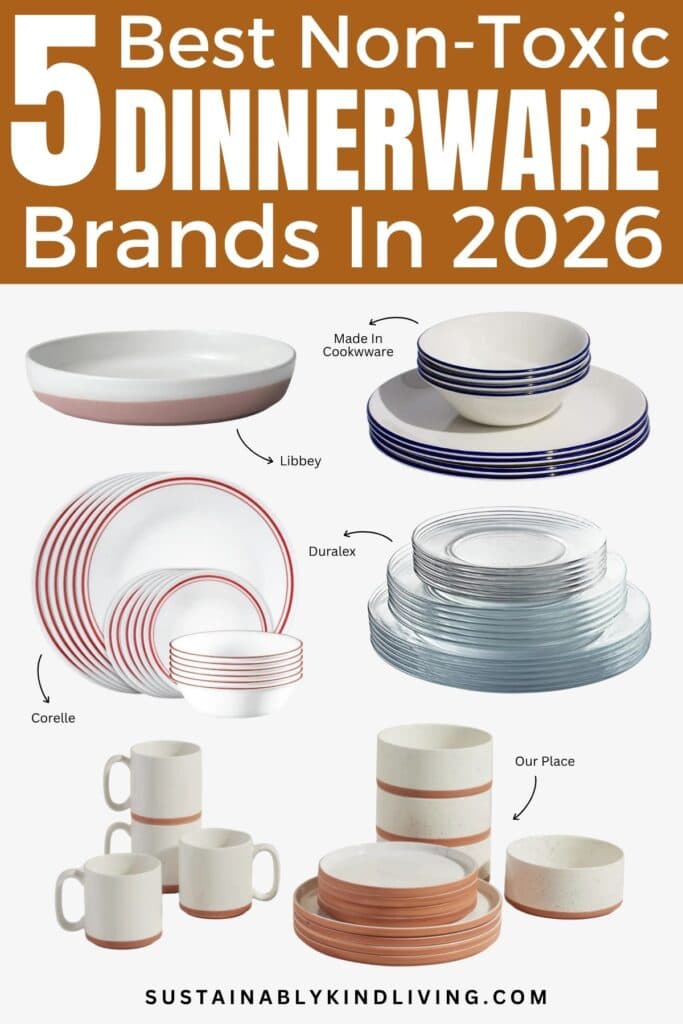
📌 Save This Guide For Later
Wondering whether your plates and bowls could be exposing your family to lead, cadmium, or other hidden contaminants?
This guide shares the safest non-toxic dinnerware brands, the best materials for everyday use, and what to avoid when shopping for dishes that come into contact with your food every day.
Save this guide before your next kitchen refresh!
Sources & Further Reading
Choosing safer dinnerware is about more than appearance. It is also about understanding the materials that come into contact with your food every day.
To create this guide, I reviewed food-contact safety standards, manufacturer disclosures, and research on lead, cadmium, PFAS, and other chemicals commonly found in dinnerware.
Here are some of the sources and organizations I found most helpful:
- U.S. Food & Drug Administration (FDA) — Guidance on Lead in Ceramicware and Food-Contact Materials.
- U.S. Food & Drug Administration (FDA) — Guidance on Cadmium in Ceramicware and Food-Contact Materials.
- California Proposition 65 — Information on lead, cadmium, and consumer product safety standards.
- U.S. Environmental Protection Agency (EPA) — Overview of PFAS and potential health concerns.
- Agency for Toxic Substances and Disease Registry (ATSDR) — Toxicological Profile for Lead.
- Agency for Toxic Substances and Disease Registry (ATSDR) — Toxicological Profile for Cadmium.
- World Health Organization (WHO) — Lead poisoning and health impacts of heavy metal exposure.
- Centers for Disease Control and Prevention (CDC) — Lead exposure risks and prevention guidance.
- National Institute of Environmental Health Sciences (NIEHS) — Information on PFAS, heavy metals, and environmental health.
- Consumer Product Safety Commission (CPSC) — Product safety regulations and testing standards for consumer goods.
- ASTM International — Standards for ceramic ware, glassware, and food-contact materials.
- European Food Safety Authority (EFSA) — Scientific opinions on food-contact materials and chemical migration.

Steal My Non-Toxic Cleaning Checklist!
Believe us, it’s the BEST…. and it’s free. Does it really get any better than that?! Sign up for our newsletter and get this free checklist to clean your home without any harmful chemicals!