 Shop My Favorite Non-Toxic Gifts Of 2026!
SKL is reader supported. When you buy through links on our site, we may earn affiliate commission. Learn more here.
This comprehensive guide to non-toxic yoga mats is perfect for any yogi, from beginner to professional, looking to create a safer, more mindful practice while ensuring they aren’t absorbing harmful chemicals during their time on the mat.
Your yoga mat is more than just a surface to practice on; it’s the foundation of your whole wellness journey. But what if your yoga mat could be working against your efforts to detox and improve your health?
SKL Top Picks, At A Glance…
- Best Non-Toxic Yoga Mat Overall: Scoria
- Best Cork Yoga Mat For Hot Yoga: Yoloha Yoga
- Best Organic Cotton Yoga Mat: Oko Living
- Best Organic Yoga Mat With Natural Latex: Brentwood Home
- Best Natural Rubber Yoga Mat For Cushioning: Manduka
You might be surprised to learn that most conventional yoga mats are made from toxic PVC, which contains phthalates and heavy metals that can mess with your endocrine system and even increase your cancer risk.
When you’re in downward dog, the last thing you want is to inhale chemicals off-gassing from your yoga mat. After all, what’s the point of exercising and detoxing if you’re just going to be breathing hormone-disrupting chemicals back into your body?
To make matters worse, our bodies are highly receptive when we’re on the mat. Over the course of a typical yoga session, we take around 200 deep breaths, creating a direct pathway for airborne chemicals to enter our system. Our open pores and sweaty skin create a direct route for toxins to enter our bloodstream.
Best Non-Toxic Yoga Mats: At a Glance Comparison
(Mobile Users) Scroll to see full comparison →
| Brand | Best For | Materials | PVC-Free | Price |
|---|---|---|---|---|
| Scoria | Best Overall Non-Toxic Yoga Mat for Most Yogis | Natural Cork, FSC-Certified Natural Rubber | Yes | $92+ |
| Yoloha Yoga | Best Non-Toxic Yoga Mat for Hot Yoga & Sweaty Workouts | Cork, Natural Rubber, Sugarcane-Derived Plant Foam | Yes | $159+ |
| Oko Living | Best Non-Toxic Yoga Mat for Traditional Yoga Practice | GOTS-Certified Organic Cotton, Natural Tree Rubber | Yes | $186+ |
| Brentwood Home | Best Organic Yoga Mat for Certified Natural Materials | GOTS-Certified Organic Cotton, GOLS-Certified Organic Dunlop Latex | Yes | $179 |
| Manduka | Best Non-Toxic Yoga Mat for Joint Support & Cushioning | Natural Rubber, Recycled Rubber Content | Yes | $114 |
But don’t let this information ruin your moment of zen! There are plenty of safe, non-toxic yoga mat options out there, made from 100% natural materials that are good for you, and good for the environment too.
By the end of this article, you’ll have everything you need to know to make an informed decision about your next yoga mat, one that truly supports both your practice and your health journey.
So let’s begin by understanding exactly what makes conventional yoga mats so problematic, and why the materials we practice on matter more than you might think.
What Toxic Chemicals Are In Yoga Mats?
PVC: The Primary Concern
PVC, also known as vinyl or #3 plastic, is a common material used in many yoga mats due to its durability and low cost.
However, this affordability comes at a significant health cost. PVC is considered a major concern when it comes to yoga mat safety.
PVC is softened with phthalates, a class of chemicals that are known as endocrine disruptors. These phthalates leach out of the mat over time, especially when exposed to heat (hello, hot yoga!).
Studies have linked phthalate exposure to hormonal imbalances, reproductive issues, and even weight gain – the exact opposite of what most of us are going for with our yoga practice.
However, the problems with PVC extend far beyond our personal health. The manufacturing process releases dioxins, which are classified by the EPA as a priority pollutant and carcinogen. These toxins persist in the environment and bioaccumulate in our body fat. It’s a life cycle of harm.
- Heavy Metals: Heavy metals like lead, cadmium, and mercury are sometimes used in yoga mats as pigments or stabilizers. These metals are added to enhance the color of the mat or to improve its structural integrity. Manufacturers may use them because they’re effective and relatively inexpensive, despite their potential health risks.
- Formaldehyde: Formaldehyde may be present in some foam yoga mats. It’s often used as a preservative and can help prevent the growth of mold and bacteria on the mat. Manufacturers might include it to extend the life of the product and maintain its appearance over time.
- AZO Dyes: AZO dyes are used to color yoga mats. These synthetic dyes are popular in the textile and plastics industries because they provide vibrant, long-lasting colors at a relatively low cost. Manufacturers use them to create a wide range of attractive colors for yoga mats.
“Eco-Friendly” Materials & Their Limitations
In an attempt to sidestep these chemical nightmares, some manufacturers have turned to alternative “eco-friendly” materials like PER (Polymer Environmental Resin), TPE (thermoplastic elastomer), and PU (Polyurethane).
While these materials are a step up from PVC in terms of toxicity and may be slightly better for the environment, they aren’t without their health risks. These materials are “better”, but still not great.
- PER (Polymer Environmental Resin): Produced from PVC with additional processing steps. Cleaner than PVC but still potentially toxic. Requires potentially harmful additives like fillers and fire retardants.
- PU (Polyurethane): While considered “non-toxic” by regulators, this material still raises concerns. Manufacturers use PU because it’s durable, provides good cushioning, and is relatively inexpensive. However, it often requires the addition of flame retardants due to its high flammability.
- TPE (Thermoplastic Elastomer): TPE mats tend to degrade and lose stability much faster, especially when exposed to heat. They also have a significantly shorter lifespan, which means you’ll be replacing your mat more often.
- NBR Foam (Acrylonitrile Butadiene Rubber): NBR foam is a synthetic rubber copolymer of acrylonitrile (ACN) and butadiene. Concerns with synthetic rubber are that it may contain PAHs (Polycyclic Aromatic Hydrocarbons) and heavy metals, which are incredibly toxic.
The Best Natural Alternative Materials For Yoga Mats
Cork
Cork is a superstar in the natural yoga mat world. It’s antimicrobial, meaning it naturally resists bacteria, mold, and odors; no harsh chemicals are needed.
It also offers superior grip, even when wet, making it perfect for hot yoga or intense vinyasa flows.
Natural Rubber
Natural rubber, derived from rubber trees, is another excellent choice.
It provides excellent cushioning and resilience, making it comfortable for long practices. Like cork, it also offers good grip and moisture resistance.
However, it’s important to note that natural rubber does contain latex, which can be an allergen for some people. If you have a latex allergy, you’ll want to steer clear of natural rubber mats.
Cotton & Jute
For a truly traditional practice, you can’t beat cotton or jute mats.
These natural fibers have been used for centuries in yoga, and for good reason. They’re soft, breathable, and provide a stable, grounded feel.
Interestingly, practicing on a cotton mat can actually help build strength and stability.
Because cotton mats are less sticky than rubber or synthetic mats, your muscles have to work harder to maintain balance and alignment. It’s like a built-in stability challenge!
The main drawback of cotton and jute is that they absorb sweat and can be harder to clean. They require a bit more care and attention to keep them fresh and hygienic.
Material Combinations
Some of the best non-toxic yoga mats on the market today use a combination of these natural materials.
For example, you might find a mat with a natural rubber base for cushioning and a cork top layer for grip.
These hybrid designs aim to offer the best of both worlds – the performance features of modern mats with the health and environmental benefits of natural materials.
The Best Non-Toxic Yoga Mats of 2026
1. Scoria | Best Non-Toxic Yoga Mat Overall
Best For: Yogis looking for the best balance of natural materials, grip, sustainability, and value.
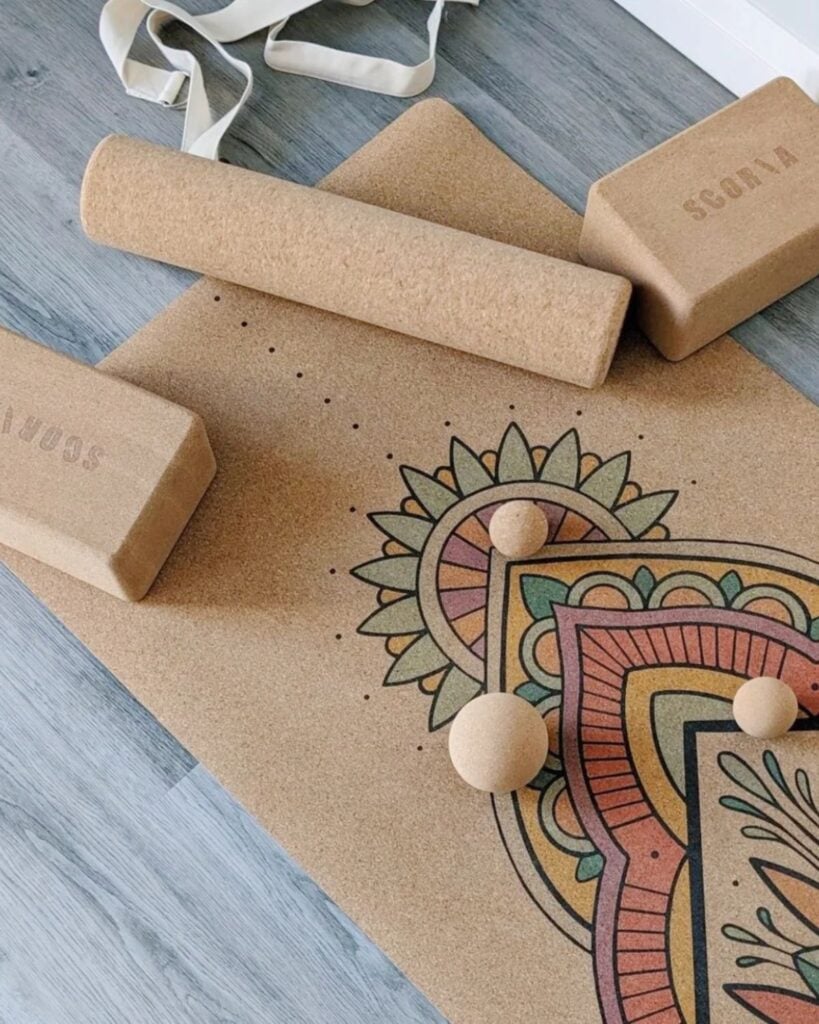
Use the discount code SKL10 to save 10%!
Scoria is leading the charge in sustainable, non-toxic yoga with their line of ethically sourced cork and rubber mats.
Scoria’s Standard Essential Cork Yoga Mat is biodegradable, antimicrobial, and incredibly grippy. Perfect for sweaty vinyasa or steamy hot yoga.
The GOTS-certified cork and rubber, paired with water-based inks and eco-friendly glue, make Scoria mats a guilt-free choice for your practice.
It boasts a generous 26″ width and an extra-secure natural rubber backing, so you can flow freely without worrying about slipping or sliding.
And with its odor-resistant properties, your Scoria mat will stay fresh practice after practice.
Price
$92+
MATERIALS
Natural Cork | FSC-Certified Natural Rubber
Note: Some mats do contain natural rubber latex, which is a possible allergen for some people.
Location/Shipping
Canada | Ships To The United States & Internationally
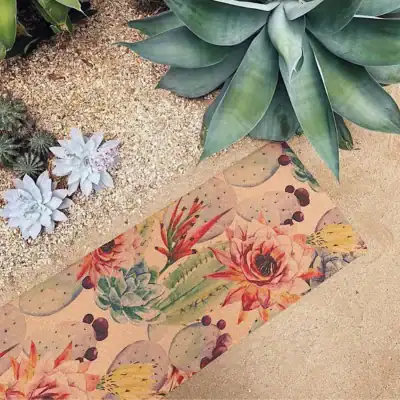
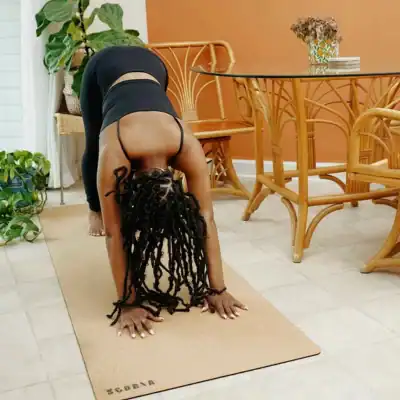
Our Favorites from Scoria:

2. Yoloha Yoga | Best Cork Yoga Mat For Hot Yoga
Best For: Hot yoga practitioners who need exceptional grip during sweaty sessions.
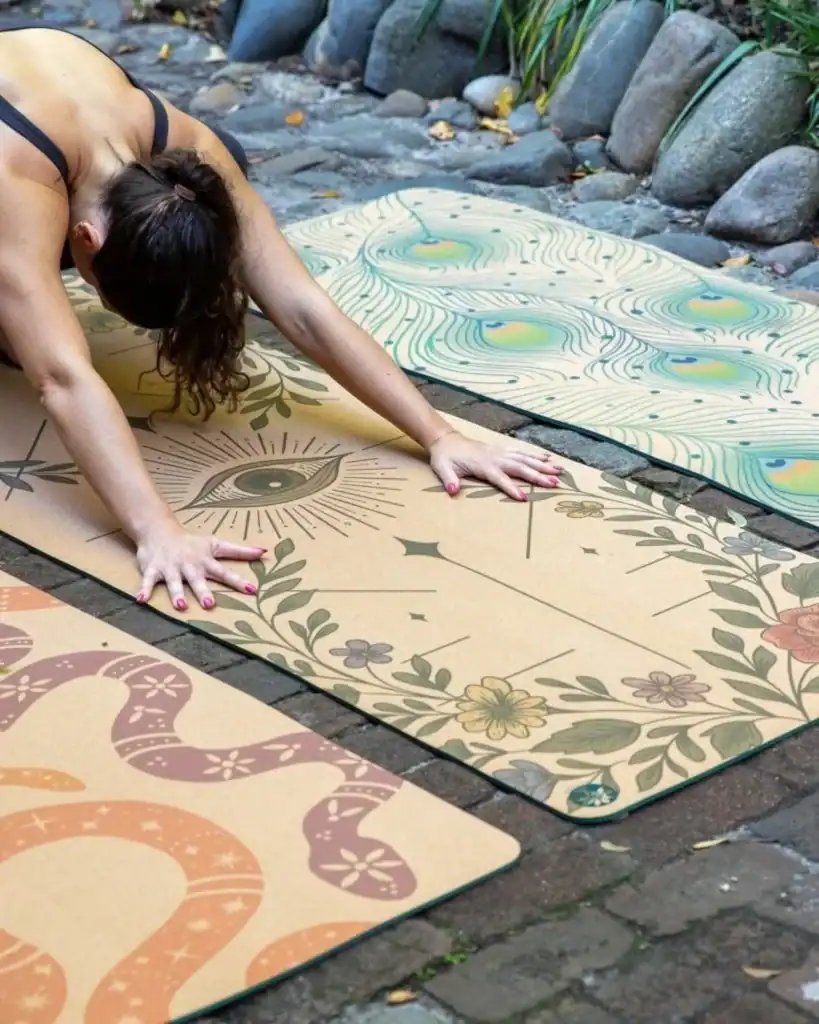
Find your flow with the Yoloha Yoga Unity Cork Yoga Mat, a perfect fusion of performance and eco-consciousness.
Inspired by the spirit of aloha and zen, this mat is handcrafted in the USA from natural cork and recycled rubber, creating a surface that’s as strong as it is sustainable.
With its always-flat design, you can focus on your flow without worrying about your mat curling up or shifting under your feet.
With Climate Neutral, GOTS, and MADE SAFE certifications, you can trust that your mat is free from harmful chemicals and is sustainably produced.
And with its easy-to-clean, PVC-free surface, maintaining your mat is a breeze.
Price
$159+
MATERIALS
Cork | Natural Rubber | Sugarcane-Derived Plant Foam
location/shipping
United States | Ships Internationally
3. Oko Living | Best Organic Cotton Yoga Mat
Best For: Traditional yoga practitioners who prefer natural fibers over synthetic performance materials.
Use the discount code SKL10 to save $10!
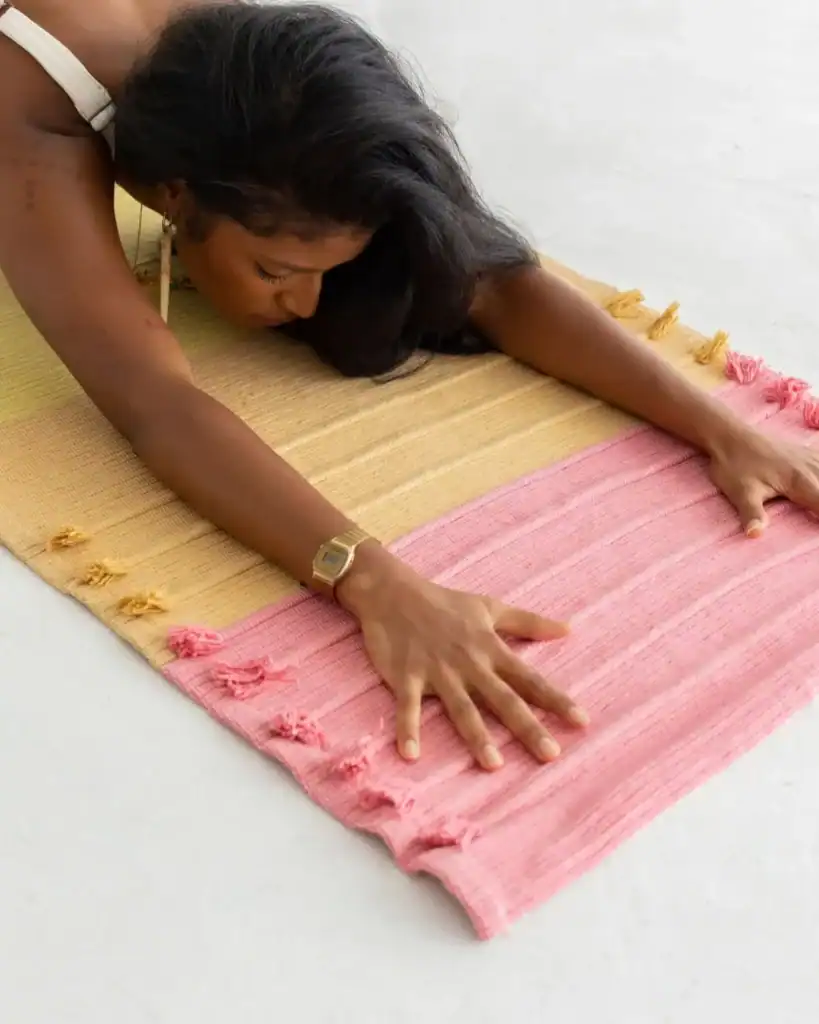
Elevate your yoga practice with Oko Living’s hand-loomed, Organic Cotton Yoga Rugs, a fusion of ancient tradition and modern sustainability.
These mats, dyed with 10-20 plants and flowers, including neem, turmeric, and holy basil, don’t just provide a beautiful, earth-toned surface to practice on.
They actually preserve the bioactive medicinal qualities of the herbs, allowing your skin to absorb their healing properties as you flow. Talk about a mat that truly nourishes your body and soul!
But Oko Living’s commitment to wellness goes beyond just the mat. They use only certified organic, toxin-free cotton and ensure their mats are handwoven by fairly paid artisans in India.
So when you practice on an Oko Living mat, you’re not just supporting your own well-being, but the well-being of the people and planet behind your mat.
Price
$186+
MATERIALS
GOTS-Certified Organic Cotton | Natural Tree Rubber | Plant-Based Herbal Dyes
Location/Shipping
United States | Ships Internationally
4. Brentwood Home | Best Organic Yoga Mat With Natural Latex
Best For: Shoppers looking for certified organic materials and premium construction.
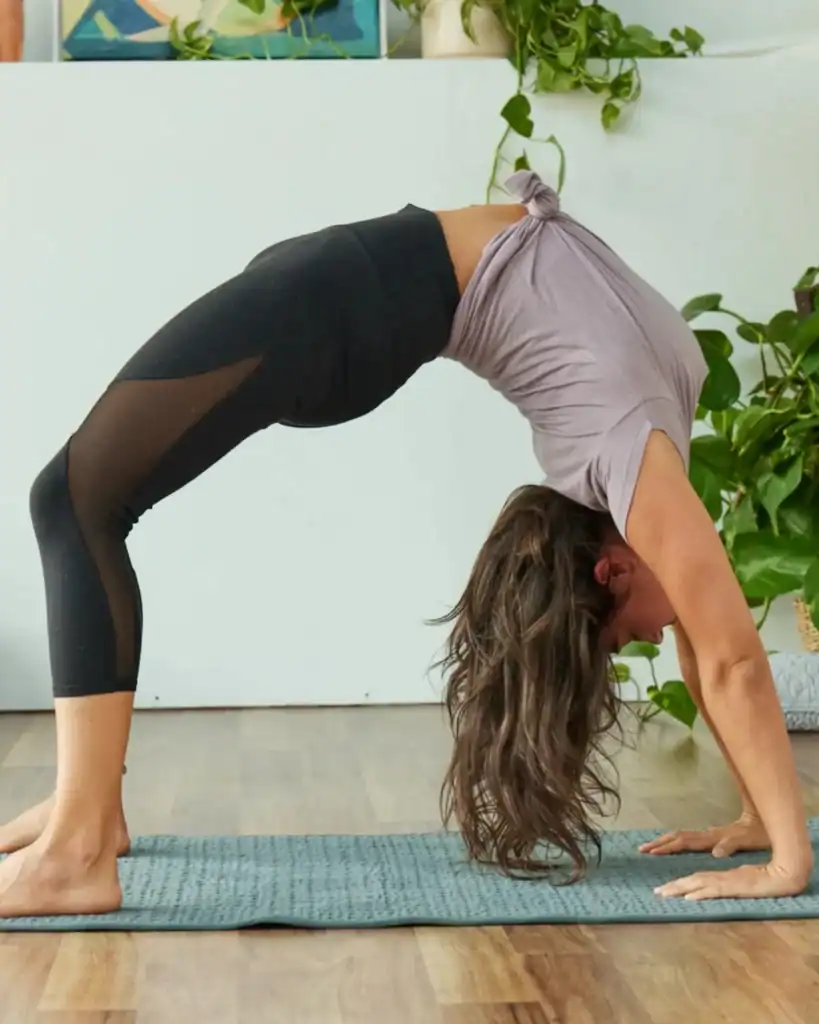
Are you looking for the very best when it comes to non-toxic yoga mats? Then look no further than Brentwood Home’s GOTS-certified organic yoga mat.
This lush, cushiony mat is one of the rare few crafted entirely from organic cotton and latex, making it a true standout in the world of eco-friendly yoga gear.
The 5mm-thick cotton top layer wicks away sweat like a champ, while the natural Dunlop latex base keeps you steady and slip-free, even in the sweatiest of flows.
With 6 gorgeous earthy hues to choose from, you can match your mat to your mood (or your favorite leggings).
Plus, with a 30-day trial, 1-year warranty, and the peace of mind that comes with a 100% non-toxic mat, you can downward dog with confidence.
Price
$179 (Currently Sold Out)
MATERIALS
GOTS-Certified Organic Cotton | GOLS-Certified Organic Dunlop Latex
location/shipping
United States | Ships To Canada
5. Manduka | Best Natural Rubber Yoga Mat For Cushioning
Best For: Yogis who want extra joint support without resorting to foam-based mats.
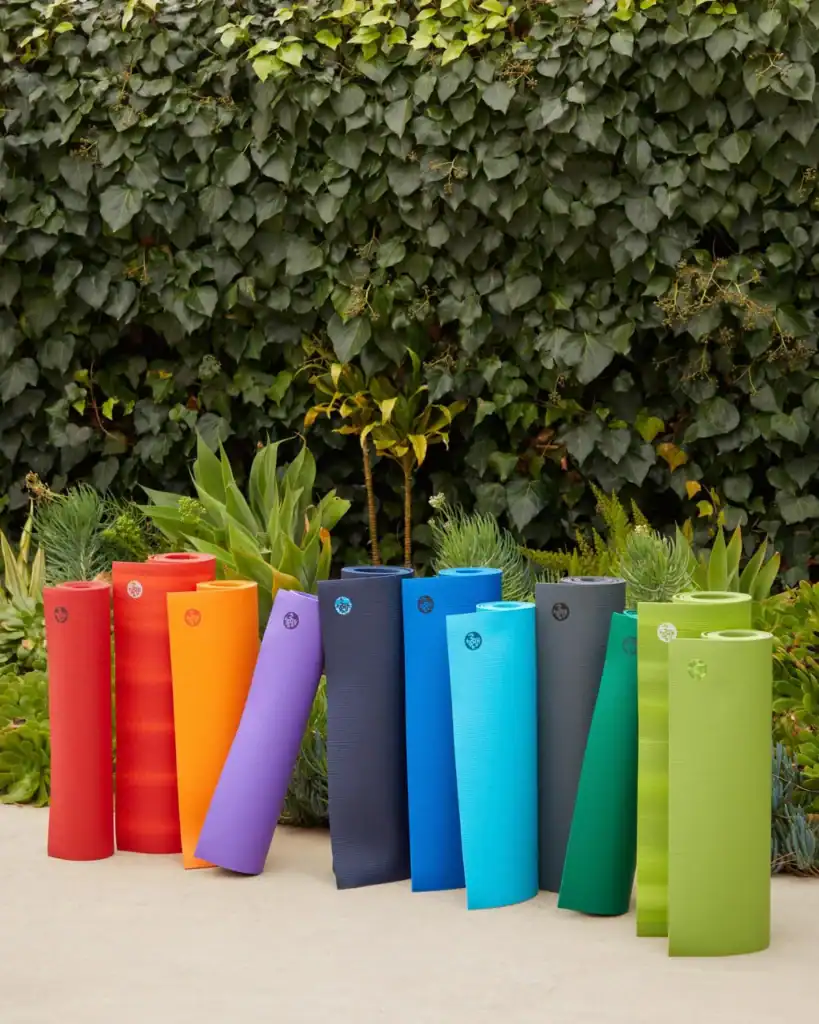
Meet the Manduka eKO Yoga Mat, your new best friend for sustainable yoga bliss.
This 5mm-thick mat, crafted from biodegradable, non-Amazon tree rubber, is the perfect blend of eco-friendly and performance-driven.
The cushiony surface provides ample joint support, while the closed-cell design locks out moisture and bacteria, keeping your mat fresh and hygienic.
And with Manduka’s proprietary catch-grip surface, you’ll stay secure and slip-free, even in the sweatiest of practices.
But the eKO Mat isn’t just good for your practice – it’s good for the planet too.
Made from 99% latex-free rubber and constructed in an energy-efficient facility, this mat is a true eco-warrior. Even the packaging is made from recycled materials!
So whether you’re perfecting your warrior pose or flowing through a vinyasa, you can feel good knowing your mat is working hard for both you and the environment.
Price
$114
MATERIALS
Natural Rubber | Recycled Rubber Content
location/shipping
United States | Ships Internationally

How Toxic Chemicals Enter Your Body During Yoga
So how exactly do these harmful chemicals make their way into your body during your sun salutations? There are three main routes of exposure:
- Skin Contact: During yoga practice, your skin directly contacts the mat, allowing chemicals like phthalates to be absorbed into your bloodstream. Sweating and heat intensify this absorption process by opening pores and increasing skin permeability. Essentially, your yoga mat can become an unintentional conduit for toxic chemical exposure.
- Inhalation: Remember those 200 deep breaths you take during a typical yoga class? You could be breathing in volatile organic compounds (VOCs) released from your mat, especially with new mats that have a distinct chemical odor. The warm and often poorly ventilated conditions of yoga studios can significantly enhance the concentration and release of these airborne chemicals.
- Indirect Exposure: Even when you’re not actively practicing, your yoga mat can contribute to your overall toxic burden. Chemicals from the mat can transfer to your hands, and then inadvertently to your mouth. This hand-to-mouth exposure might seem minor, but it can add up over time, especially if you have regular practice.
It’s a slow, steady accumulation of toxins that your body has to contend with.
The Long-Term Health Implications Of Toxic Yoga Mats
Endocrine disruption is a major issue, as many of the chemicals in yoga mats interfere with the body’s delicate hormonal balance. This can lead to a wide range of symptoms and conditions, from fatigue and mood swings to more serious issues like reproductive disorders and certain cancers.
Respiratory problems are another possibility, particularly for those with preexisting conditions like asthma. The inhalation of VOCs and other airborne irritants can exacerbate symptoms and lead to chronic inflammation of the airways.
Increased cancer risk, many of the chemicals found in conventional yoga mats, including PVC, phthalates, and certain dyes, have been linked to various types of cancer. While the individual risk from a yoga mat might be small, it’s part of a larger lifetime exposure to carcinogenic substances.
Environmental Factors That Increase Toxicity Risks
It’s important to note that certain environmental factors can significantly increase the risk of chemical exposure from yoga mats.
Heat and humidity cause mats to break down and off-gas at a much faster rate. Hot yoga studios are particularly problematic, as the high temperatures accelerate the release of toxins.
There’s also the concern of compound interactions. Chemicals from the mat can interact with each other and with sweat, lotion, or cleaning products to create new toxic combinations. It’s a complex web of chemical reactions happening right under our noses (and feet!).
With all of that said, we don’t have to resign ourselves to a lifetime of toxic yoga. There are some amazing natural materials that offer all the performance we need, without the toxic load.
How To Evaluate Yoga Mat Safety
Material Evaluation
Start by taking a close look at the mat’s materials. If you see PVC, vinyl, or #3 plastic, put it back on the shelf. These are major red flags.
Instead, look for mats made from natural materials like cork, natural rubber, cotton, or jute. If the mat uses a combination of materials, make sure they’re all non-toxic.
Be wary of vague marketing terms like “eco-friendly,” “biodegradable,” or “non-toxic.” While these are good signs, they’re not regulated in terms. A mat can claim to be “eco-friendly” and still contain harmful chemicals.
Certifications
Third-party certifications are a great way to verify a mat’s safety and sustainability. Here are a few key ones to look for:
- GOTS (Global Organic Textile Standard): This certifies that the mat’s materials are organic and processed without harmful chemicals.
- GOLS (Global Organic Latex Standard): This ensures that the mat’s latex is organic and sustainably harvested.
- Oeko-Tex Standard 100: This tests for harmful substances and certifies that the mat is safe for human use.
If a mat has one or more of these certifications, you can feel more confident in its non-toxic status.
Questions to Ask
If you’re still unsure about a mat’s safety, don’t be afraid to reach out to the manufacturer. Here are some key questions to ask:
- What is the mat made of, and where do the materials come from?
- What adhesives, dyes, or other treatments are used in the manufacturing process?
- Has the mat been tested for harmful substances like phthalates, heavy metals, or VOCs?
A reputable company should be transparent about their materials and processes. If they’re evasive or can’t provide clear answers, it’s a red flag.
Choosing Your Perfect Natural Mat
Practice Considerations
First, think about the type of yoga you practice. If you’re a hot yoga enthusiast, you’ll want a mat that can stand up to serious sweat. Look for mats with superior grip and moisture resistance, like cork or natural rubber.
If you practice a more intense style like Ashtanga or Vinyasa, you might prioritize cushioning and joint support. A thicker mat or one with a natural rubber base could be ideal.
For gentler practices like Yin or Restorative yoga, you might prefer the softness and grounding feel of a cotton or jute mat.
Personal Needs
If you have sensitive skin or are prone to allergies, you’ll want to be extra cautious about the materials you choose.
Stick with 100% natural, organic materials and look for mats that are free from dyes, adhesives, and other potential irritants. If you have a latex allergy, avoid natural rubber mats and opt for cork, cotton, or jute instead.
Think about your maintenance preferences, too. Some natural materials, like cotton and jute, require more frequent cleaning and care. If you’re short on time or just prefer a low-maintenance option, a cork or rubber mat might be more your speed.
Environmental Factors
Finally, consider the environment where you’ll be practicing and storing your mat.
If you live in a hot, humid climate or practice in a steamy studio, you’ll want a mat that can handle the heat without breaking down or becoming slippery.
If storage space is limited, look for thinner, lightweight mats that are easy to roll up and tuck away. Cotton and jute mats are often more compact than thicker rubber or cork options.
If you practice outdoors or in cooler settings, a thicker mat with more insulation might be preferable for warmth and comfort.
Making the Switch
Transitioning to a natural yoga mat might feel like a big change, especially if you’re used to the feel of a traditional sticky mat. But trust me, your body will thank you.
Take the time to get used to your new mat. It might take a few practices to adjust to the different feel and grip. But soon, you’ll wonder how you ever practiced on anything else.
Remember, your yoga mat is a tool for transformation. By choosing a non-toxic, natural mat, you’re not just transforming your practice – you’re part of a larger transformation toward a healthier, more sustainable world.
Ultimately, choosing a yoga mat is a deeply personal decision. It’s about finding the mat that resonates with you on every level – physically, emotionally, and spiritually.
So don’t be afraid to experiment. Try out different materials, thicknesses, and textures until you find the one that feels like home. Namaste to that!
Caring For Your Non-Toxic Yoga Mat
When it comes to caring for your yoga mat, not all natural mat materials are created equal when it comes to care.
- Cork Mats: A simple wipe-down with a damp cloth after each practice is usually sufficient. If you need a deeper clean, mix up a solution of mild soap and warm water. Avoid harsh chemicals or abrasive scrubbers, which can damage the cork’s surface.
- Natural Rubber: These mats can handle a bit more in terms of cleaning. You can use a yoga mat spray or a diluted mixture of vinegar and water. Just be sure to avoid anything oil-based, as oils can break down the rubber over time.
- Cotton & Jute Mats: If you choose a mat made from cotton or jute, they tend to be a little more high-maintenance. They absorb sweat and odors more readily, so they require more frequent washing. Most can be machine-washed on a gentle cycle with non-toxic laundry detergent. Just be sure to air dry completely before rolling up and storing.
General Maintenance Tips
No matter what material your mat is made of, there are some universal tips for keeping it in good condition.
- Always allow your mat to air out and dry completely after each use. This prevents the growth of bacteria and mildew, especially if you practice hot yoga or tend to sweat a lot.
- Keep your mat in a cool, dry place out of direct sunlight. Sunlight can degrade the materials over time and cause discoloration.
- If you must store your mat rolled up, try to alternate the direction of the roll each time to prevent permanent creasing.
- To extend the life of your mat, consider using a yoga towel on top during especially sweaty practices. This absorbs excess moisture and reduces wear and tear on the mat itself.
- Finally, know when it’s time to say goodbye. Even the best-cared-for mats will eventually wear out. If you start to see deep creases, thin spots, or fraying edges, it’s probably time to retire your mat and invest in a new one.
Still Deciding?
- Scoria is the best choice for most yogis looking for a PVC-free yoga mat that balances grip, sustainability, performance, and value.
- Yoloha Yoga stands out for hot yoga, thanks to its cork surface that becomes even grippier as you sweat.
- Oko Living is ideal for readers who prefer traditional yoga rugs made from organic cotton and natural plant-based dyes rather than modern synthetic materials.
- Brentwood Home is perfect for shoppers prioritizing certified organic materials, including GOTS-certified organic cotton and GOLS-certified organic latex.
- Manduka is a great option for anyone looking for extra cushioning and joint support without resorting to foam-based yoga mats.
Choosing The Right Non-Toxic Yoga Mat For Your Practice!
Ultimately, our yoga practice is about cultivating wellness in all forms – physical, mental, and environmental.
While natural mats may cost more upfront, they’re an investment in both your health and the planet. You’re not just protecting your body from harmful chemicals; you’re choosing materials that are better for our planet.
Plus, these high-quality mats often outlast their conventional counterparts, saving you more money in the long run.
Once you experience the grounding effects of these all-natural materials that help to support a better practice, I have a feeling you’re never going to want to go back. Namaste, fellow yogis! May your practice be as pure as your intentions.
Continue Your Non-Toxic Wellness Journey
If you’re working toward a healthier, lower-toxic lifestyle, these guides can help you take the next step:
- Non-Toxic Sports Bras: Discover safer sports bras made from organic cotton and lower-toxic materials for workouts and everyday wear.
- Organic Activewear: Explore activewear brands using organic cotton and natural fibers instead of polyester-heavy fabrics.
- Non-Toxic Protein Powders: Find cleaner protein powders made without artificial sweeteners, fillers, or unnecessary additives.
- Barefoot Running Shoes: Discover minimalist shoes designed to support natural movement, foot strength, and comfort.
- Reusable Water Bottles: My favorite stainless steel and glass water bottles for reducing plastic exposure.
- Non-Toxic Leggings: Learn what materials are commonly used in leggings and discover safer alternatives.
- Red Light Therapy: Learn how red light therapy may support skin health, recovery, inflammation, and overall wellness, plus my favorite devices.
A yoga mat is just one piece of the wellness puzzle. By paying attention to the products you use every day, from the mat beneath your feet to the clothes you wear and the water you drink, you can create a healthier environment that truly supports your wellness goals.
📌 Save This Guide For Later
Shopping for a non-toxic yoga mat? Save this guide for when you’re ready to replace PVC, synthetic foam, and chemical-laden materials with safer alternatives.
I break down the toxic chemicals commonly found in yoga mats, what materials to look for instead, and share the best non-toxic yoga mat brands made from cork, organic cotton, and natural rubber.
Sources & Further Reading
If you’ve been searching for a truly non-toxic yoga mat, I highly recommend looking beyond terms like “eco-friendly,” “green,” or even “PVC-free.”
Many yoga mats are marketed as natural alternatives, but material sourcing, adhesives, dyes, and manufacturing processes can vary dramatically from one brand to the next.
A large part of the research behind this guide came from reviewing certification standards, toxicology research, material safety data, and environmental health resources, not just product descriptions.
Here are the organizations and resources I found most helpful while researching the safest non-toxic yoga mats:
- Environmental Protection Agency (EPA) — Information on dioxins, environmental contaminants, and chemicals commonly associated with PVC manufacturing.
- Center for Health, Environment & Justice (CHEJ) — PVC: The Poison Plastic — Educational resource outlining health and environmental concerns associated with PVC production, use, and disposal.
- National Institute of Environmental Health Sciences (NIEHS) — Research on phthalates, endocrine-disrupting chemicals, and long-term health concerns linked to chemical exposure.
- Centers for Disease Control and Prevention (CDC) — Educational resources on phthalate exposure and how these chemicals are commonly encountered in consumer products.
- National Library of Medicine (PubMed) — Scientific studies examining endocrine-disrupting chemicals, volatile organic compounds (VOCs), and environmental health impacts.
- Global Organic Textile Standard (GOTS) — Certification for organic fibers and restrictions on harmful chemicals used during textile processing.
- Global Organic Latex Standard (GOLS) — Certification standard for organic latex used in products like yoga mats and mattresses.
- MADE SAFE® Certification — One of the most comprehensive screening programs for products made without known harmful chemicals.
- OEKO-TEX® Standard 100 — Independent testing and certification for harmful substances in textiles and fabrics.
- Forest Stewardship Council (FSC) — Standards for responsibly sourced natural materials, including cork and natural rubber.

Steal My Non-Toxic Cleaning Checklist!
Believe us, it’s the BEST…. and it’s free. Does it really get any better than that?! Sign up for our newsletter and get this free checklist to clean your home without any harmful chemicals!