SKL is reader supported. When you buy through links on our site, we may earn affiliate commission. Learn more here.
The best ethical jewelry brands prove you don’t have to choose between beautiful design and responsible sourcing.
When I first started looking into sustainable jewelry, I assumed it was a pretty safe category.
But the more I learned, the more complicated it became.
Gold mining linked to deforestation.
Gemstones tied to unsafe labor conditions.
And “conflict-free” claims that didn’t always mean what I thought they did.
It was one of those moments where you can’t really unsee it.
And if you’re here, you might be in that same place — wanting to make more thoughtful choices, but not totally sure which brands are actually doing things right.
In this guide, I’m sharing the ethical jewelry brands that stand out — and what those labels really mean.
My Top Ethical Jewelry Brands (At a Glance)
- Best For Engagement Rings: Brilliant Earth
- Best Lab-Grown Diamonds: Vrai
- Best Ethical Fine Jewelry Designer: Bario Neal
- Best Dainty Everyday Gold Jewelry: Catbird
- Best Minimal Everyday Fine Jewelry: AUrate
Why Choosing Ethical Jewelry Matters
Jewelry might be small — but its impact is anything but.
The reality is, traditional jewelry production is tied to some of the most environmentally and socially damaging industries in the world.
Gold mining alone can require moving tons of earth for a single ring, often leading to deforestation, toxic runoff, and long-term water contamination. And it’s not just environmental.
Across parts of the world, mining is still linked to unsafe working conditions, child labor, and wages that don’t reflect the risk involved.
On top of that, the industry is notoriously opaque. Terms like “conflict-free” and “responsibly sourced” sound reassuring — but they don’t always tell the full story (I break this down more in my greenwashing guide).
This is why being more intentional about where your jewelry comes from actually matters.
Because when you buy jewelry, you’re not just choosing a piece you’ll wear every day — you’re also supporting the system behind how it was made.
The good news is that the system can be different. There are brands actively choosing better materials, safer practices, and more transparent supply chains — and supporting them helps push the industry in a better direction.
The Hidden Impact of the Jewelry Industry
Environmental Impact
Most people don’t realize just how intensive jewelry production can be — especially when it comes to mining.
Gold, for example, doesn’t just appear in a usable form. It’s extracted through a process that involves moving massive amounts of earth, often in fragile ecosystems.
In many cases, chemicals like mercury and cyanide are used to separate the metal, and those substances don’t just disappear once the process is done. They linger — in soil, in waterways, and in the surrounding environment.
Over time, this kind of extraction contributes to deforestation, water contamination, and long-term damage that local communities are left dealing with long after the mining stops.
Human & Ethical Concerns
Then there’s the human side of it, which is just as important — if not more.
In certain regions, mining is still done under conditions that are far from safe. Workers can be exposed to harmful chemicals, unstable environments, and physically demanding labor without adequate protection or fair compensation.
And while progress has been made in some areas, supply chains are still incredibly difficult to trace. That makes it hard to know who was involved in sourcing the materials — or whether they were treated fairly in the process.
Even terms like “conflict-free” don’t always tell the full story. They typically focus on whether a diamond funded violence, but they don’t necessarily account for working conditions, environmental practices, or long-term community impact.
The Transparency Problem
This is where things start to feel especially murky. There isn’t one universal definition of what “ethical jewelry” actually means, and brands know that.
So you’ll often see language that sounds reassuring — “responsibly sourced,” “sustainable,” “eco-conscious” — without much explanation behind it.
And unless you’re actively digging, it’s easy to assume those claims have more substance than they sometimes do. That lack of clarity is part of what makes this category so frustrating to navigate.
Bringing It Back to You
None of this is about doing things perfectly. It’s just about understanding what’s behind the pieces we wear every day — and having enough information to choose differently when we want to.
Because once you see how much happens before a piece of jewelry ever reaches you, it changes how you think about what’s actually worth investing in.
What Makes Jewelry Ethical & Sustainable?
Once you start looking into how jewelry is made, it becomes pretty clear that not all “ethical” or “sustainable” claims mean the same thing.
Some brands focus on recycled metals. Others prioritize fair wages and safe working conditions. And some are working toward full supply chain transparency — which is honestly where things start to matter most.
The strongest brands tend to look at all of it together. That usually includes responsibly sourced or recycled materials, more ethical gemstone options, and a real commitment to transparency around how pieces are made.
And none of this is perfect. But there are brands doing this thoughtfully — and you start to notice the difference once you pay attention to how clearly they talk about their materials and sourcing.
These are the ethical and sustainable jewelry brands that truly stand out.
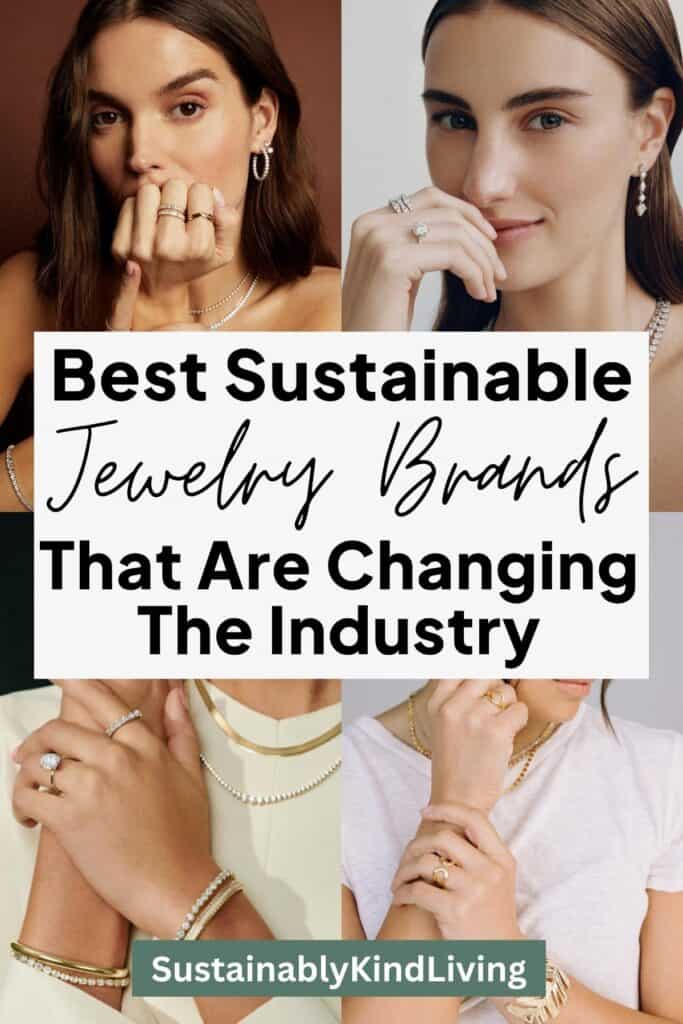
The Best Ethical Jewelry Brands of 2026
1. Brilliant Earth — Best For Engagement Rings
One of the most established brands for conflict-free diamonds with a strong focus on traceability.
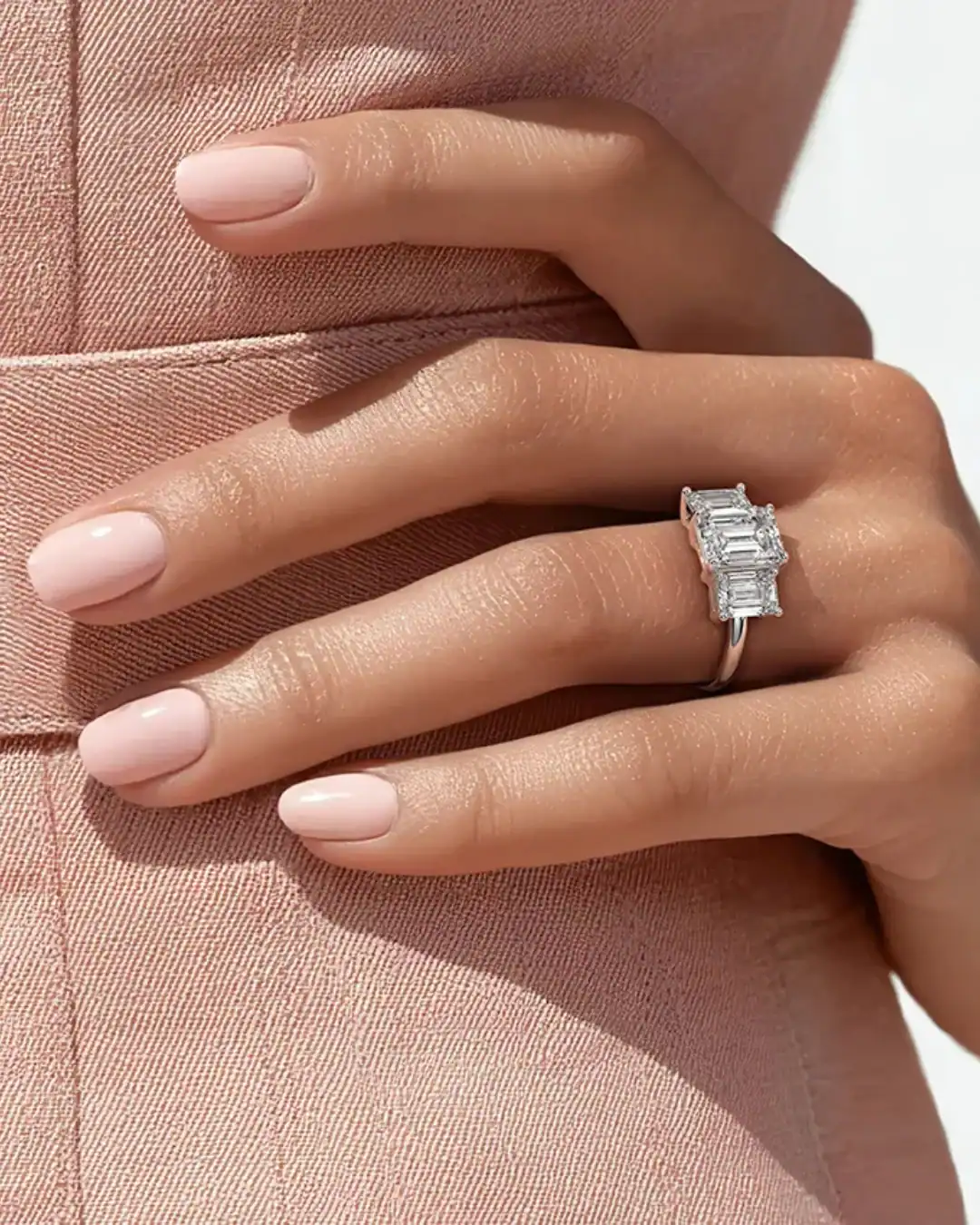
Brilliant Earth is known for engagement rings and conflict-free diamonds — and it’s often where many people start when they want something meaningful.
Their entire model is built around more transparent sourcing, with a focus on recycled precious metals, Fairmined gold, and diamonds that meet their Beyond Conflict Free™ standards.
What really stands out is the level of traceability. You can actually see where many of their stones come from, which isn’t something most traditional jewelry brands offer.
They also have one of the largest selections of ethical engagement rings, which makes the process feel a lot less overwhelming when you’re figuring out what you want.
Price
$95-$2000+
Ethics
Beyond Conflict Free Diamonds™ | Lab-Grown Diamonds | Recycled Precious Metals | Circularity | Recycled Packaging
Location/Shipping
United States | Ships Internationally
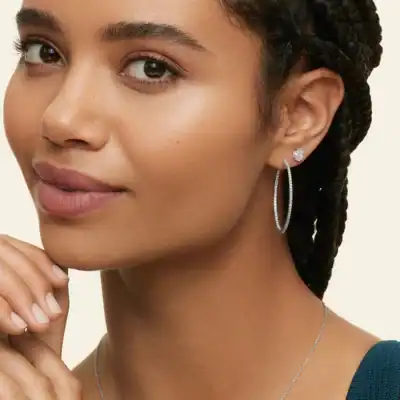
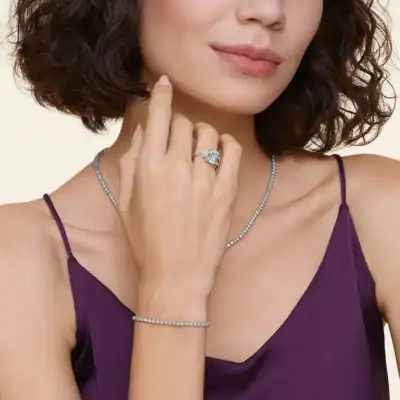
Our Favorites from Brilliant Earth:
2. Vrai — Best Lab-Grown Diamond Jewelry
Known for lab-grown diamonds created using renewable energy and in-house production.
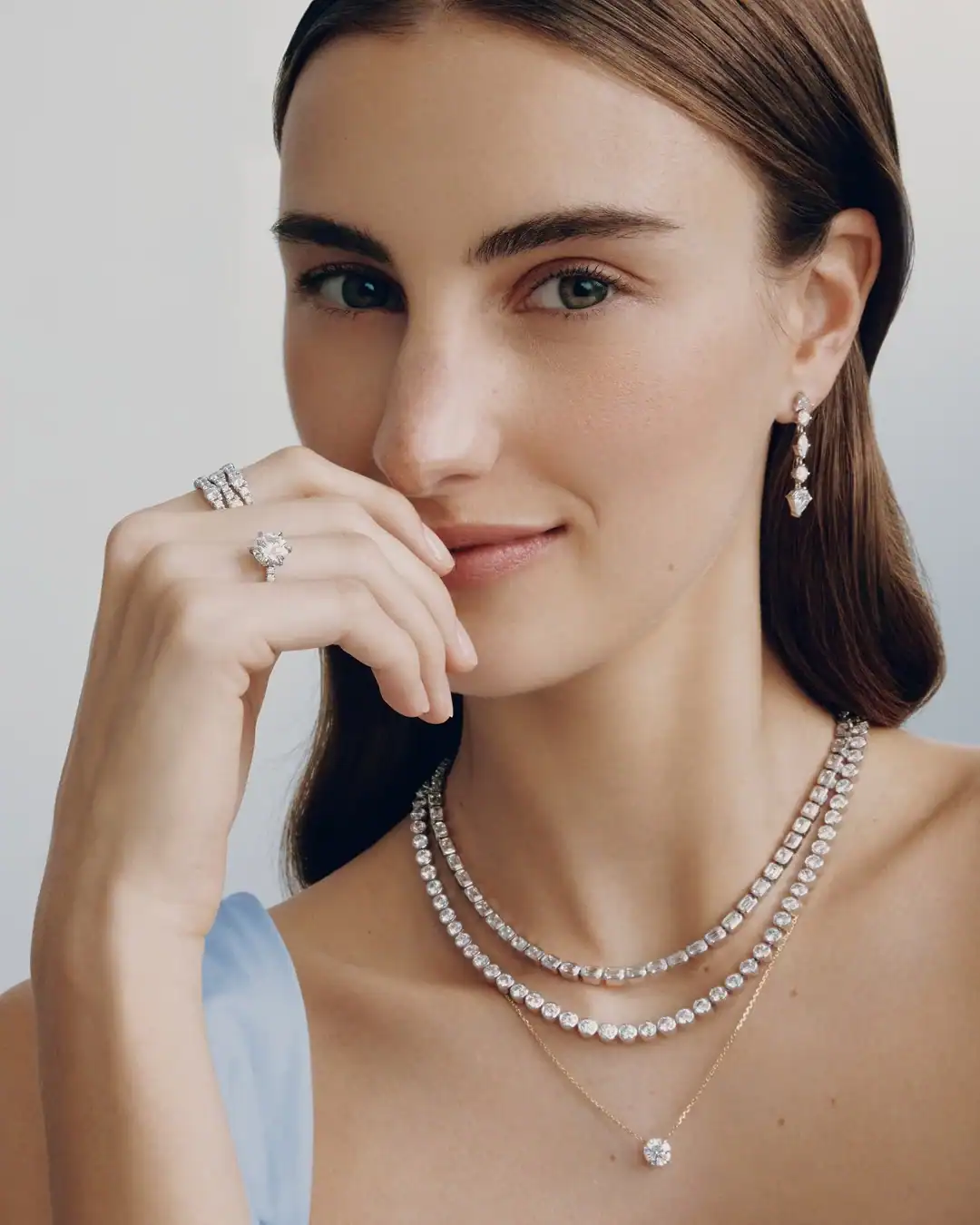
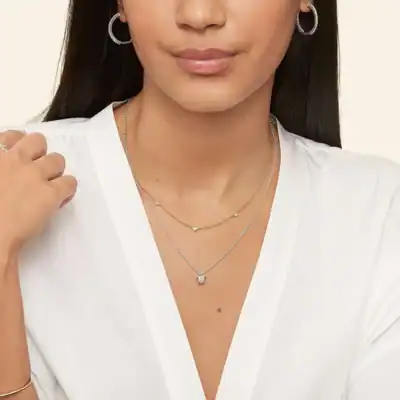
Vrai is one of the most well-known lab-grown diamond jewelry brands, offering a completely different approach to traditional diamond sourcing.
All of their diamonds are created in-house using renewable energy, which gives them a higher level of control over both quality and environmental impact.
Their designs lean clean and modern, with a focus on pieces you can wear every day rather than saving for special occasions.
It’s a brand that feels very streamlined — which can be refreshing if you’re trying to avoid the overwhelm that often comes with shopping for diamonds.
Price
$170-$2000+
Ethics
Ethical Sourcing & Human Rights | Zero-Emission Production | No Mining | Fair Wages and Conditions | Recycled Precious Metals
Location/Shipping
United States | Ships Internationally
3. Bario Neal — Best Ethical Fine Jewelry Designer
A designer-led brand with a strong focus on reclaimed metals and responsible sourcing.
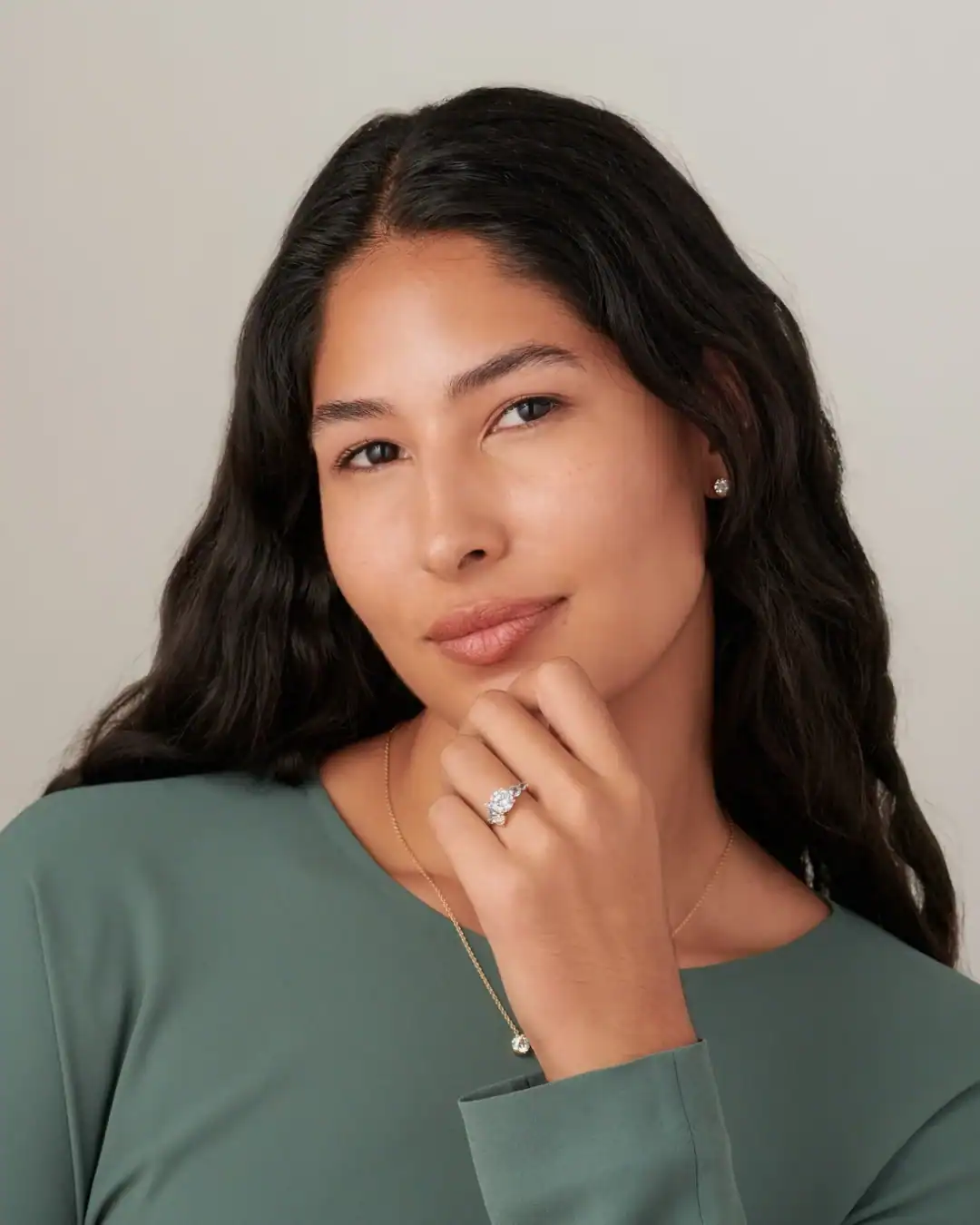
Bario Neal is one of the most established ethical fine jewelry designers, known for their commitment to responsible sourcing and recycled materials.
They work with reclaimed gold, Fairmined metals, and carefully sourced gemstones — and they’re refreshingly transparent about where everything comes from.
Their pieces feel more like long-term investments than trend-driven purchases, with designs that lean timeless and slightly understated.
There’s a level of intention behind the brand that you can feel, especially if you’re paying attention to craftsmanship and sourcing.
Price
$120-$540
Ethics
Fairmined & Recycled Gold | Traceable Gemstones | Lab-Grown Diamonds | Fair Labor Practices | Social Responsibility & Transparency
Location/Shipping
United States | Ships Internationally
4. Catbird — Best Dainty Everyday Gold Jewelry
A go-to for delicate, everyday gold jewelry made with recycled materials in Brooklyn.
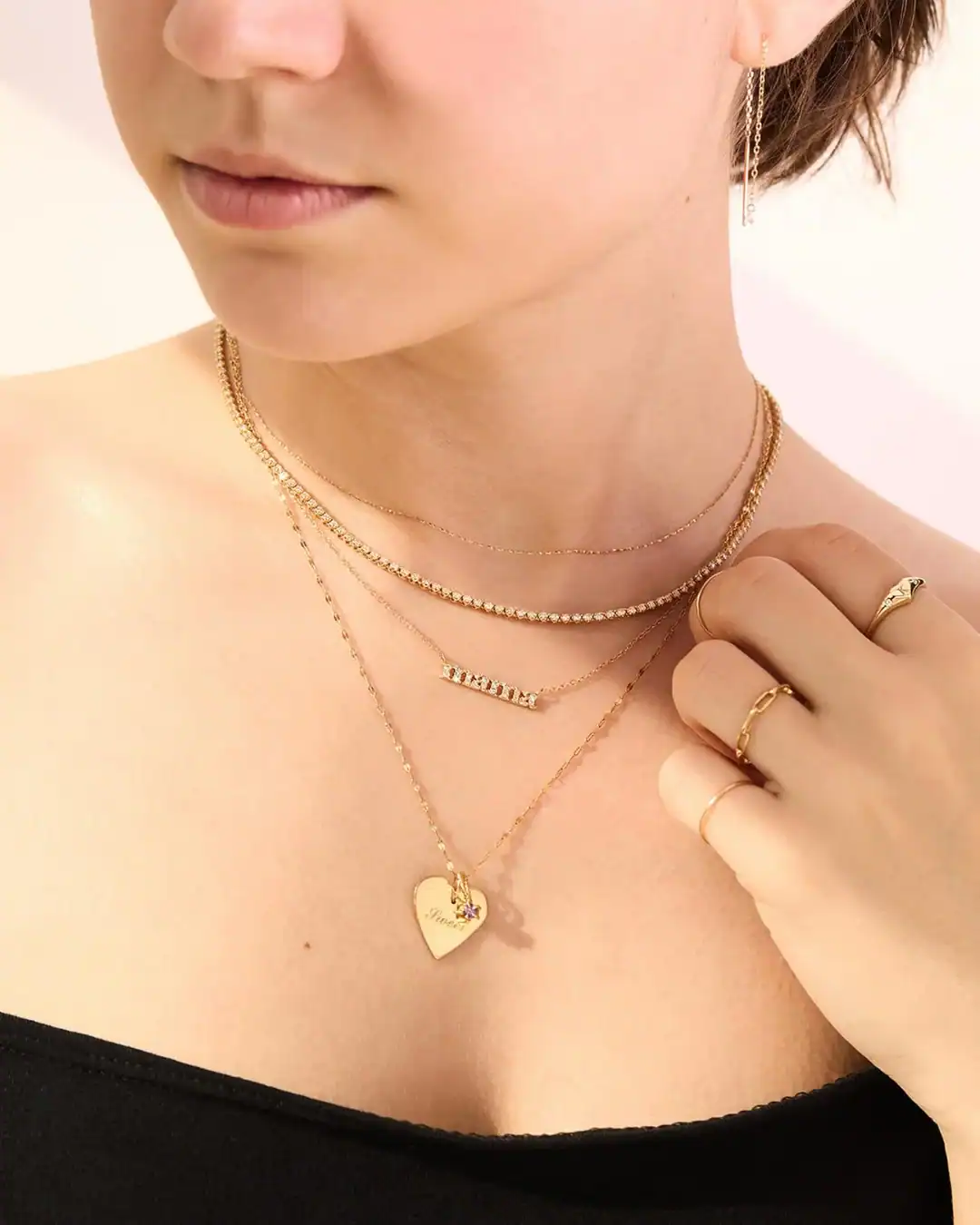
Catbird is best known for its delicate, everyday gold jewelry that’s designed to be worn daily without overthinking it.
Their pieces are made in Brooklyn using recycled gold, with a focus on simple, stackable designs that feel effortless and wearable.
Nothing feels overly precious or reserved for special occasions — which is part of the appeal.
It’s the kind of jewelry you put on once and don’t really take off, which makes it a natural fit for everyday sustainable jewelry.
Price
$14-$2000+
Ethics
95% Recycled Gold | Sustainable Gemstones | Responsible Sourcing | In-House Production
Location/Shipping
United States | Ships Internationally
5. AUrate — Best Minimal Everyday Fine Jewelry
Modern fine jewelry made with recycled gold and a more accessible direct-to-consumer model.
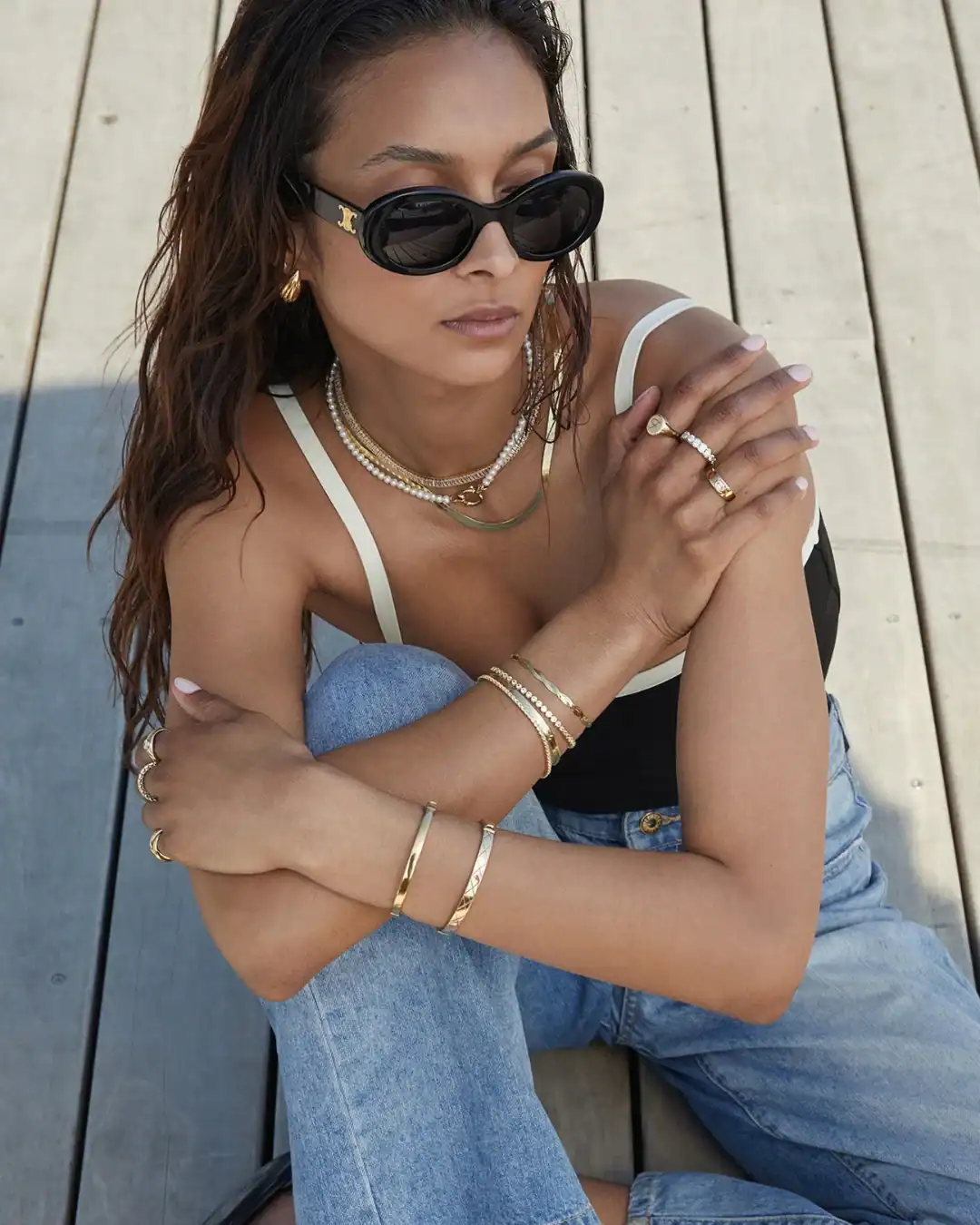
AUrate is a modern, sustainable jewelry brand focused on minimal, everyday fine jewelry made with 100% recycled gold.
Their pieces are designed to be worn often, not stored away, and their direct-to-consumer model helps keep pricing more accessible than traditional fine jewelry.
They also use conflict-free diamonds and ethically sourced pearls, which adds another layer of transparency.
The overall aesthetic is clean, polished, and easy to style — especially if you tend to lean toward simpler pieces.
Price
$68-$2000+
Ethics
Recycled Gold | Ethically Sourced Diamonds | Handmade In New York City | Fair Wages & Labor
Location/Shipping
United States | Ships Internationally
6. Astor & Orion — Best Sculptural Ethical Jewelry
Design-forward pieces created using recycled metals and circular production practices.
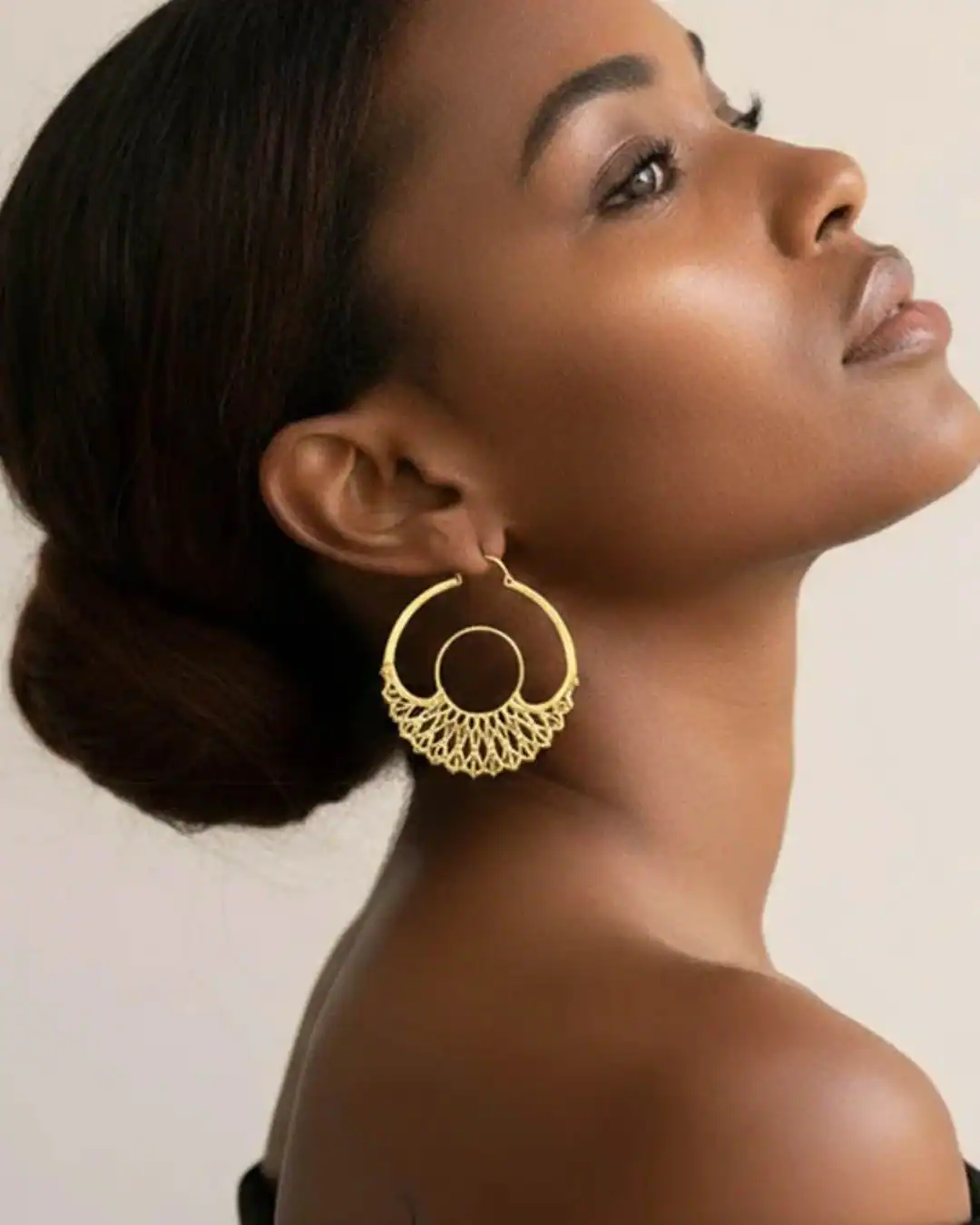
Astor & Orion takes a more design-forward approach to sustainable jewelry, creating sculptural pieces using recycled metals and a unique 3D process.
Their designs feel a bit more like wearable art — bold enough to stand out, but still grounded enough to wear regularly.
They also prioritize ethical production, working with certified partners to ensure fair wages and safe working conditions.
It’s one of those brands that feels slightly unexpected, in a good way.
Price
$50-$358
Ethics
Third-Party Certified Production | Fair Wages & Safe Working Conditions | Circular Design | Recycled Metals
Location/Shipping
United States | Ships Internationally
7. Laura Elizabeth Jewelry — Best Nature-Inspired Jewelry
Nature-inspired jewelry made with recycled metals and low-impact production practices.
Use discount code SKL15 to save 15%!
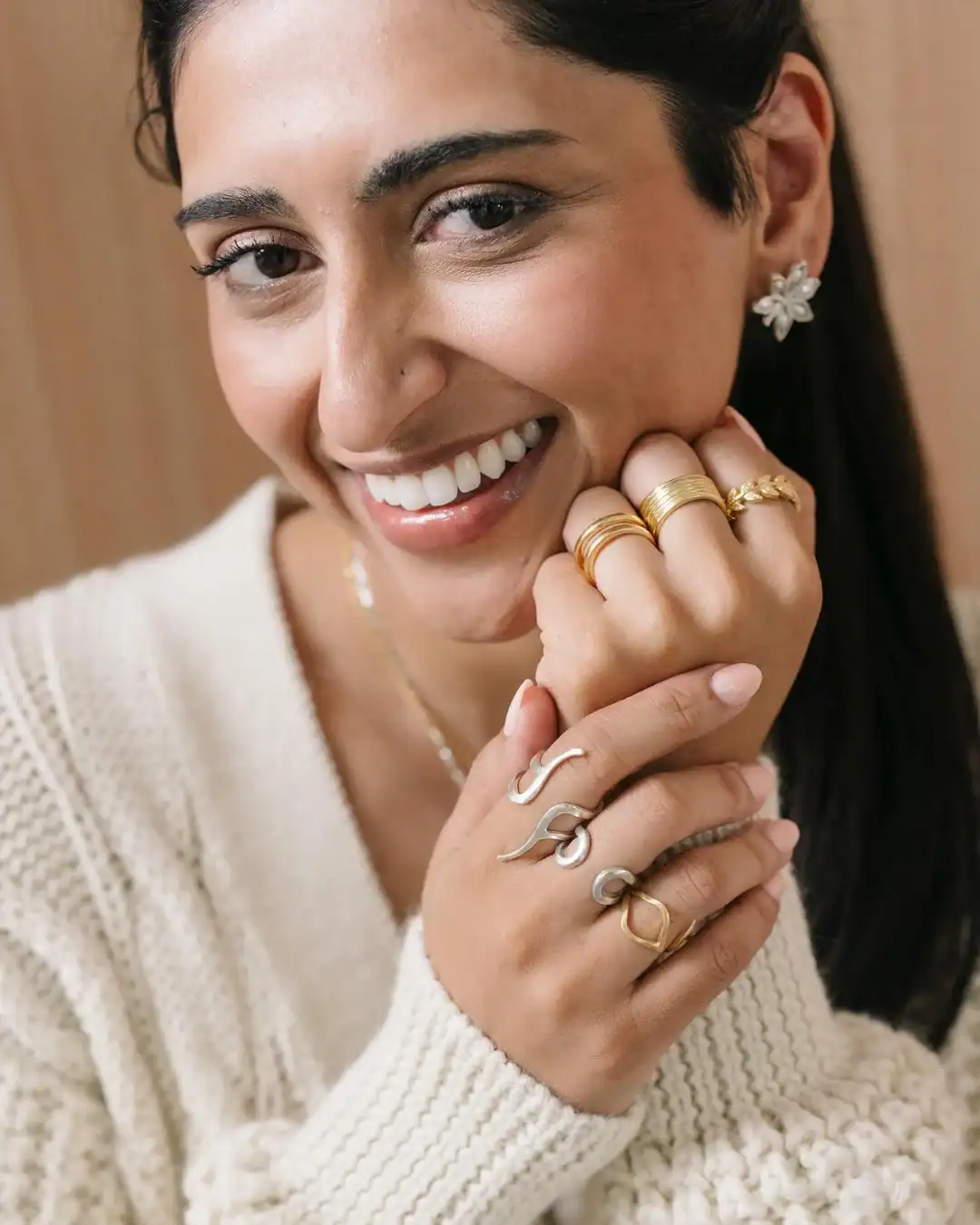
Laura Elizabeth Jewelry creates jewelry inspired directly by nature, often casting real elements like bark, leaves, and botanicals into metal.
All pieces are made using recycled metals, and the brand focuses on low-impact production and non-toxic materials.
There’s a softness to the designs that feels very different from more traditional fine jewelry — a little more organic, a little less polished.
It’s the kind of jewelry that feels personal without trying too hard.
Price
$40-$330
Ethics
Fair Labor (SMETA Audited) | Small-Batch Production | ISO-Certified Production | 100% Recycled Metals (RCS Certified) | Low-Waste Packaging
Location/Shipping
United States | Ships Worldwide
8. Fair Anita — Best Fair Trade Jewelry
A fair trade brand supporting women artisans through long-term, equitable partnerships.
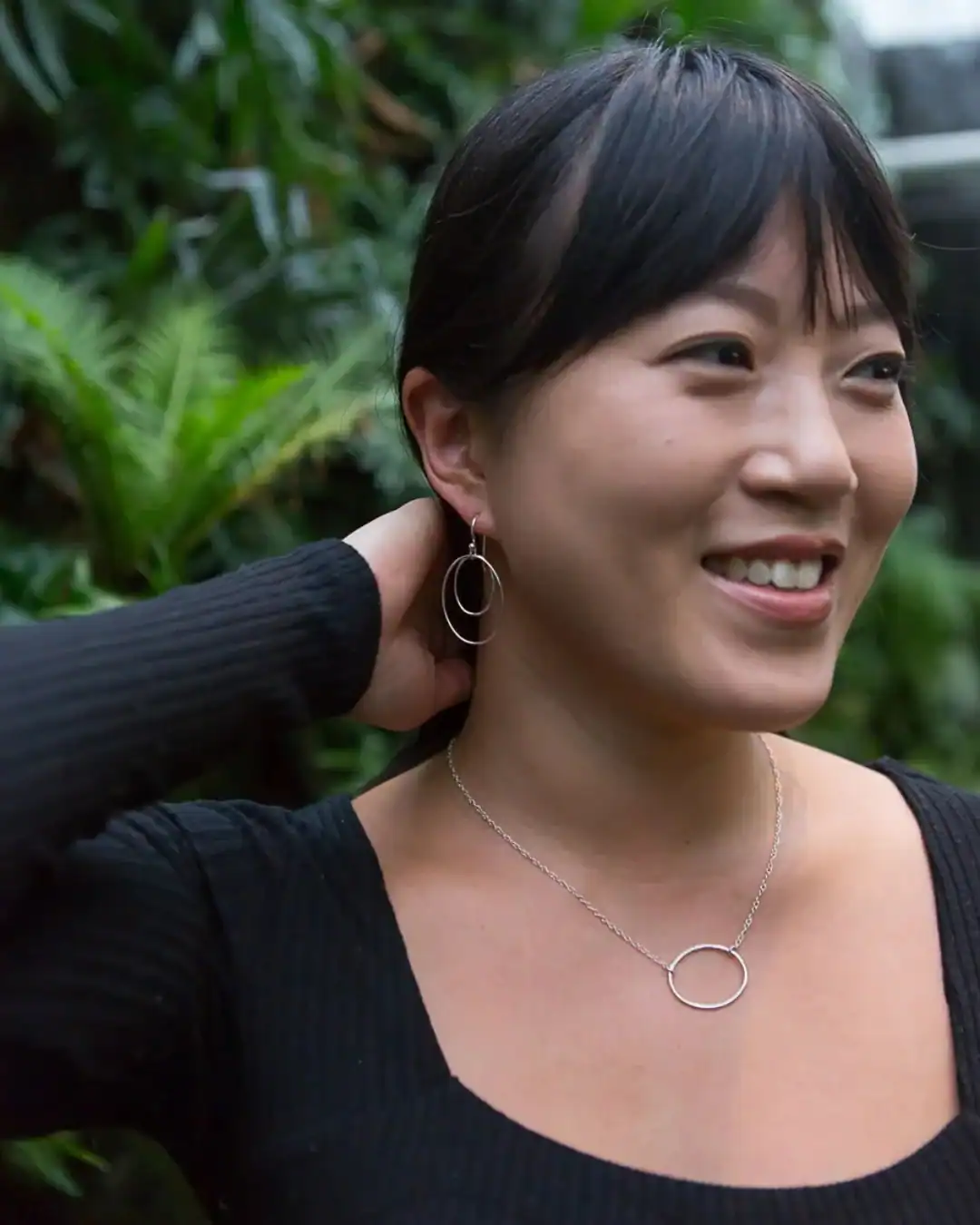
Fair Anita is one of the most well-known fair trade jewelry brands, working with thousands of women artisans across the globe.
Their focus is on ethical labor practices — ensuring fair wages, safe working conditions, and long-term community support.
The designs are more handmade and accessible, which makes them a great entry point if you’re newer to ethical jewelry.
There’s a strong sense of purpose behind the brand, especially in how they talk about their partnerships.
Price
$15-$85
Ethics
Artisan-Made | Fair Trade Production | 80% Recycled Materials | Supports Women-Led Cooperatives
Location/Shipping
United States | Ships Internationally
9. Soko — Best Artisan-Made Sustainable Jewelry
A B Corp connecting Kenyan artisans to global markets through a transparent supply chain.
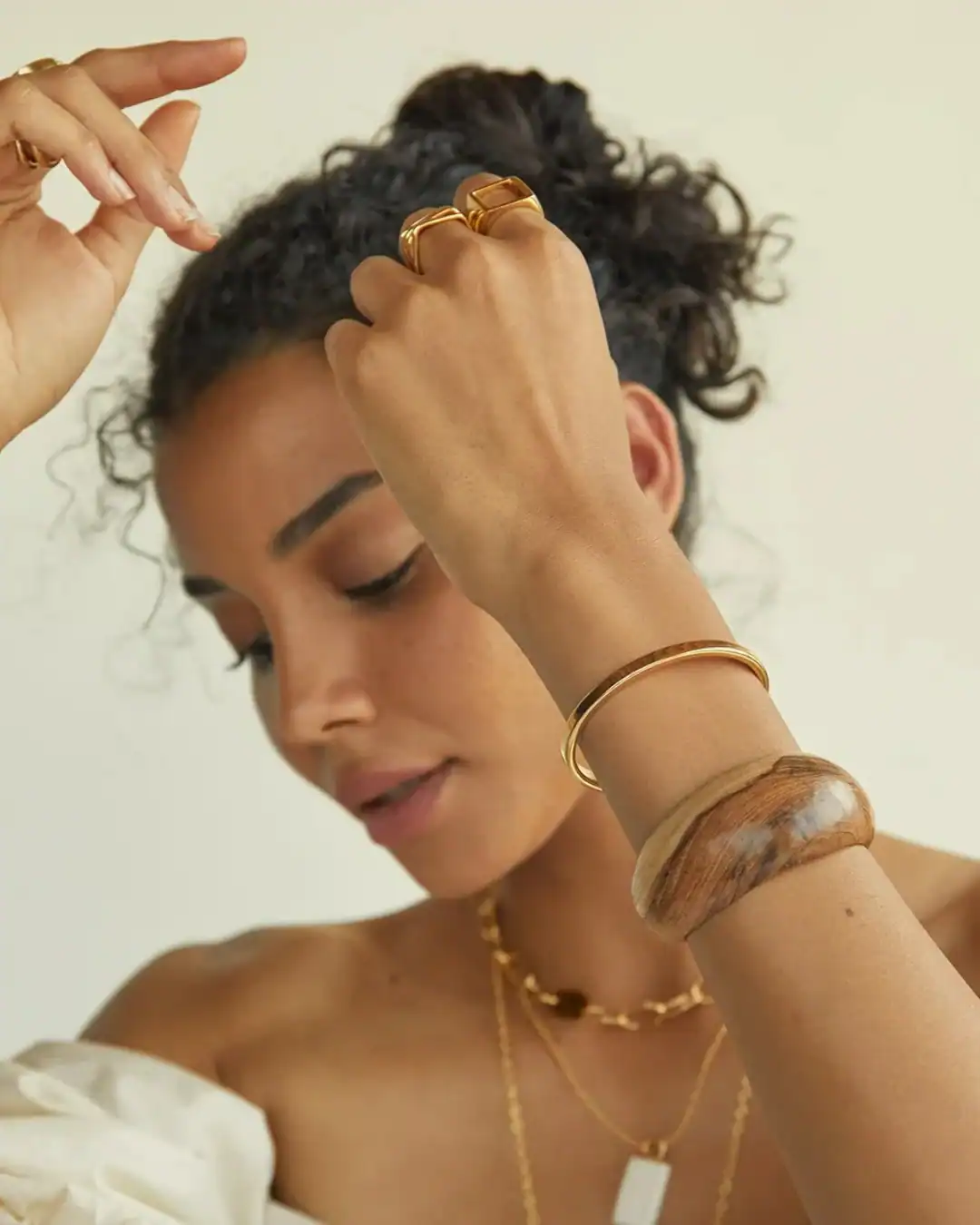
Soko blends traditional craftsmanship with a more modern, tech-enabled supply chain.
They partner with Kenyan artisans and use mobile technology to connect makers directly to the global market, which helps increase both transparency and wages.
Most pieces are made from recycled or locally sourced materials, balancing sustainability with scalability.
The designs themselves feel modern and versatile, which makes them easy to incorporate into everyday wear.
Price
$50- $386
Ethics
Certified B Corporation | Artisan-Made In Kenya | Fair Wages | Recycled & Locally Sourced Materials
Location/Shipping
United States | Ships Internationally
10. Rays & Riches — Best Small-Batch Handmade Jewelry
Small-batch, handmade jewelry with a focus on transparency and intentional production.
Use discount code SKL20 to save 20%!
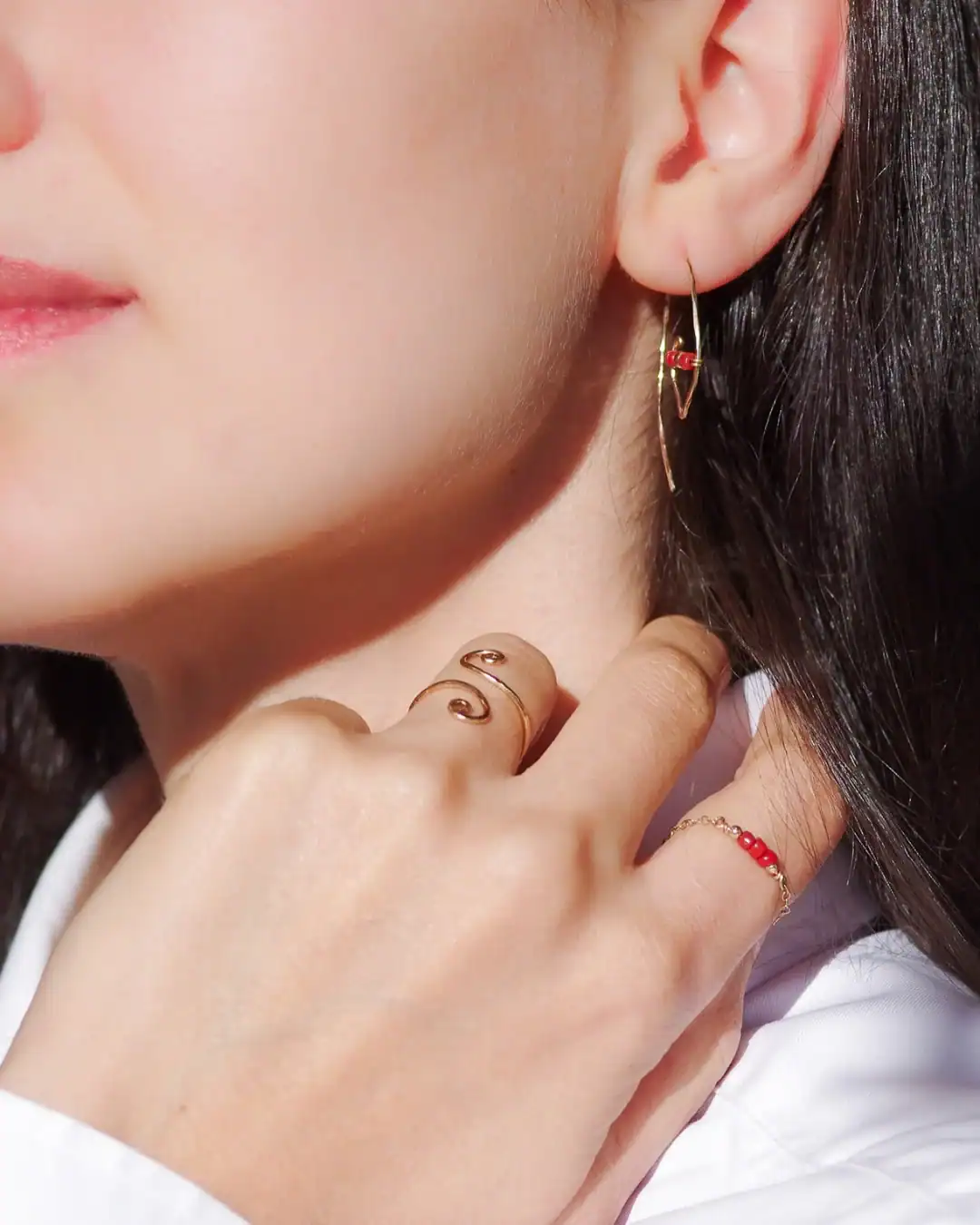
Rays & Riches is a small-batch jewelry brand centered around transparency, craftsmanship, and hands-on production.
Each piece is made by hand using recycled metals and ethically sourced gemstones, which gives the collection a more personal feel.
You can tell there’s real intention behind each design — it doesn’t feel mass-produced.
It’s a very different experience compared to larger brands, especially if you value knowing exactly who made your jewelry.
Price
$14-$266
Ethics
Handmade In Small Batches | Transparent Production | Ethically Sourced Gemstones | Recycled Gold-Filled Metals | Sustainable Packaging
Location/Shipping
Italy | Ships To The United States & Internationally
What Materials To Look For In Ethical Jewelry
Once you start comparing brands, you’ll notice that materials come up again and again — and for good reason.
They’re one of the biggest factors in how sustainable and ethical a piece of jewelry truly is.
- Recycled Gold & Silver: Recycled metals are one of the easiest ways to reduce environmental impact. Instead of creating demand for new mining, these materials are refined and reused from existing sources like old jewelry or electronics.
- Lab-Grown Diamonds: Lab-grown diamonds are chemically identical to mined diamonds, but they don’t require large-scale mining. They’re often a more transparent and lower-impact option, especially when produced using renewable energy.
- Ethically Sourced Gemstones: For natural stones, sourcing matters. Some brands work directly with small-scale mining communities or use vintage and reclaimed stones to reduce impact.
- Low-Toxicity Metals: If you have sensitive skin (or just want to avoid unnecessary exposure), look for jewelry that’s nickel-free, lead-free, and cadmium-free.
Certifications To Look For In Ethical Jewelry
Certifications can be helpful — but they’re not the whole story. Some of the most common ones you’ll see include:
- Fairtrade Gold: Ensures better working conditions and fair pay for small-scale miners.
- Responsible Jewellery Council (RJC): Covers ethical, human rights, and environmental practices across parts of the supply chain.
- SCS Global Services Certification: Focuses on responsible sourcing and full lifecycle impact.
That said, no certification is perfect. The most important thing is still transparency — how clearly a brand explains where its materials come from and how its products are made.
FAQs About Ethical & Sustainable Jewelry
There isn’t one single “most ethical” brand, but companies like Brilliant Earth, Vrai, and Bario Neal stand out for their transparency, responsible sourcing, and use of recycled or lab-grown materials.
Sustainable jewelry is made with materials and processes that reduce environmental impact. This often includes recycled metals, lab-grown diamonds, and responsibly sourced gemstones, along with efforts to minimize waste and pollution during production.
Lab-grown diamonds are generally considered a more ethical alternative to mined diamonds because they don’t require large-scale mining. They can still vary in environmental impact depending on how they’re produced, but they eliminate many of the labor and conflict concerns tied to traditional diamond sourcing.
Yes — recycled gold is typically a better option because it reduces the need for new mining. This helps avoid the environmental damage and resource-intensive processes associated with extracting gold from the earth.
Conflict-free jewelry refers to diamonds that are not used to finance armed conflict. However, this term doesn’t always cover labor conditions or environmental impact, which is why it’s important to look beyond this label when evaluating a brand.
Look for brands that are transparent about their materials, sourcing, and labor practices. Clear information about recycled metals, gemstone origins, and certifications is usually a good sign, while vague claims without details can be a red flag.
Not always. While some fine jewelry brands are more expensive due to materials and craftsmanship, there are also affordable options that prioritize ethical sourcing. Price often depends on the type of materials and level of craftsmanship.
For many people, yes. Ethical jewelry often reflects better sourcing practices, safer working conditions, and more transparency, which can make the purchase feel more meaningful and aligned with personal values.
You can find ethical jewelry through brands that focus on responsible sourcing, like the ones featured in this guide. Many offer online shopping with detailed information about their materials and production practices.
Common materials include recycled gold and silver, lab-grown diamonds, and ethically sourced gemstones. Some brands also use alternative materials like reclaimed metals or vintage stones to reduce environmental impact.
Still Deciding?
If you’re narrowing things down, here’s a quick way to choose:
- Brilliant Earth → Best for engagement rings and conflict-free diamonds.
- Vrai → Best for lab-grown diamond jewelry.
- Bario Neal → Best for ethical fine jewelry with strong sourcing standards.
- Catbird → Best for dainty, everyday gold pieces.
- AUrate → Best for minimal, modern fine jewelry.
Final Thoughts on Ethical Jewelry
Choosing ethical jewelry isn’t about doing everything perfectly.
It’s about understanding what goes into the pieces you wear every day — and making more intentional choices when it matters to you.
For me, this shift didn’t happen overnight. It started with asking a few simple questions, paying closer attention to materials, and learning which brands were actually transparent about their process.
And once you start looking at jewelry through that lens, it changes how you shop.
The good news is, there are brands doing this thoughtfully. Brands that are creating beautiful pieces while also taking responsibility for how they’re made.
So whether you’re investing in an engagement ring or just looking for something you can wear every day, you have better options now.
And that’s really what this is about — having the information to choose what feels right for you.
Continue Your Ethical & Sustainable Living Journey
If you’re working toward more intentional, values-driven shopping, these guides can help you go deeper:
- Ethical Engagement Rings → A deeper look at conflict-free diamonds, lab-grown options, and what actually matters when choosing a ring.
- Ethical Wedding Bands → Timeless, responsibly made bands for everyday wear.
- Beginner’s Guide To Sustainable Fashion → How to build a wardrobe (and accessories collection) that aligns with your values.
- Ethical Fashion Certifications → What labels like “Fairtrade” and “responsibly sourced” actually mean.
Small shifts in how we shop can make a bigger impact than we realize — and jewelry is just one piece of that.
Sources & Further Reading
If you’re like me and want to understand what’s really happening behind the scenes of the jewelry industry, these are some of the resources I’ve found most helpful while researching ethical and sustainable jewelry:
- Amnesty International — Reports on human rights risks in gold mining and global supply chains.
- Human Rights Watch — Investigations into child labor and unsafe conditions in mining communities.
- Responsible Jewellery Council — Industry standards for ethical sourcing, labor practices, and environmental responsibility.
- Fairtrade International — Certification standards for Fairtrade Gold and small-scale mining communities.
- Kimberley Process Certification Scheme — Framework designed to prevent conflict diamonds from entering the global market.
- SCS Global Services — Third-party certification for responsible sourcing and sustainability claims.
- World Gold Council — Data and insights on gold production, sourcing, and environmental impact.
I also spent time reviewing individual brand transparency reports, sourcing pages, and sustainability commitments to better understand how each company approaches materials, labor, and production.
As always, this is a space that’s constantly evolving — and I encourage you to keep asking questions, reading deeper, and looking beyond surface-level claims when you’re shopping.
This post was graciously sponsored by Brilliant Earth. As always, we only work with brands that we stand behind. Would you like to sponsor one of our sustainable round-ups? Contact us here.

Steal My Non-Toxic Cleaning Checklist!
Believe us, it’s the BEST…. and it’s free. Does it really get any better than that?! Sign up for our newsletter and get this free checklist to clean your home without any harmful chemicals!