 Shop My Favorite Non-Toxic Gifts Of 2026!
SKL is reader supported. When you buy through links on our site, we may earn affiliate commission. Learn more here.
Barefoot shoes are designed to let your feet move the way nature intended—with wide toe boxes, zero-drop soles, and flexible minimalist construction that strengthen your feet instead of restricting them.
After years of squeezing into narrow boots, cushioned sneakers, and trendy shoes that left my feet aching by the end of the day, switching to barefoot shoes felt like freedom. My toes finally had room to spread, my posture improved, and walking started to feel natural again.
That’s exactly why this guide exists.
In this 2026 guide to the best barefoot shoes, we’re sharing the brands that truly support natural movement, foot-shaped design, and healthier, non-toxic materials — something we talk more about in our guide to non-toxic living for beginners.
Whether you’re looking for barefoot walking shoes, minimalist running shoes, trail-ready footwear, or everyday wide-toe box shoes, these picks help your feet move the way they were meant to.
Below are our SKL top picks for the best barefoot shoes, followed by the full list of minimalist shoe brands we trust most after years of testing.
SKL Top Picks for the Best Barefoot Shoes…
- Best Natural Barefoot Shoes: Wildling Shoes
- Best Performance Barefoot Shoes: Vivobarefoot
- Best Budget Barefoot Shoes: Splay Shoes
- Best Handmade Minimalist Shoes: Softstar Shoes
- Best Stylish Barefoot Shoes: Be Lenka
👉 If you’re exploring different types of minimalist footwear, you may also want to check out our guides to barefoot running shoes, barefoot sandals, and barefoot winter boots, where we break down the best options for specific activities and seasons.
What Are Barefoot Shoes? (Wide Toe Box + Zero Drop Explained)
Unlike traditional footwear, barefoot shoes mimic the experience of walking barefoot while still protecting your feet from rough terrain, debris, and sharp objects.
Most barefoot shoes share three defining characteristics: they feature zero-drop soles, wide toe boxes, and thin, flexible construction that allows your feet to move naturally.
Instead of forcing your foot into a narrow shape or adding artificial support, barefoot shoes allow your foot muscles to engage and strengthen with every step.
A 2019 study published in the American Journal of Sports Medicine found that wearing minimalist shoes for just 6 months led to measurable increases in foot muscle size and arch strength, even without doing specific foot exercises!
Key Features of the Best Barefoot Shoes
Not all minimalist shoes are created equal. The best barefoot shoes share a few essential design features that support natural movement and long-term foot health.
Zero-Drop Sole
A zero-drop shoe means your heel and forefoot sit at the same height, which helps maintain natural posture and reduces unnecessary strain on joints.
Wide Toe Box
One of the most important features of barefoot shoes is a wide toe box. Unlike traditional shoes that squeeze toes together, foot-shaped designs allow your toes to spread naturally, improving balance and stability.
Minimal Cushioning
Barefoot shoes typically have thin, flexible soles that allow you to feel the ground beneath your feet. This helps improve proprioception (your body’s awareness of movement and position).
Flexible Construction
A true barefoot shoe bends and twists easily with your foot. This flexibility allows your feet to move naturally instead of being restricted by rigid structure.
No Artificial Arch Support
Rather than relying on built-in arch support, barefoot shoes allow the muscles in your feet to strengthen naturally over time.
👉 Understanding how shoes are made matters too. If you’re curious about the difference between natural fabrics and petroleum-based materials, our guide to Natural vs Synthetic Fibers breaks it down.
Benefits of Barefoot Shoes for Foot Health, Posture & Balance
Because barefoot shoes allow your body to move the way it was designed to, they can influence everything from posture to joint health and balance.
Here are some of the biggest reasons people switch to barefoot shoes with wide toe boxes and zero-drop soles.
Stronger Feet Over Time
Traditional shoes often do most of the work for your feet. Thick cushioning and rigid arch support can weaken the muscles that naturally stabilize your body.
Research has also shown that regular barefoot activity can influence the development of stronger arches and foot structure over time
Because they’re flexible and minimally structured, they encourage the small muscles in your feet to activate and strengthen over time—helping improve stability and long-term foot health.
Better Posture and Natural Alignment
One of the biggest differences between barefoot shoes and traditional shoes is the sole.
Most modern footwear has an elevated heel, which shifts your body forward and changes your natural alignment.
Barefoot shoes use a zero-drop sole, meaning the heel and forefoot sit at the same level. This helps keep your spine, hips, and knees in a more natural position while walking or running.
Improved Balance and Body Awareness
Barefoot shoes allow you to feel the ground beneath your feet, which improves proprioception — your body’s awareness of movement and position.
This improved feedback can lead to better balance, coordination, and stability during everyday activities like walking, hiking, or strength training.
Less Stress on Knees and Joints
Many people switch to barefoot shoes after dealing with chronic knee, hip, or lower-back discomfort.
Because minimalist shoes encourage a more natural walking and running stride, they can reduce the impact forces that travel through the joints with every step.
While results vary from person to person, many barefoot shoe users report less joint pain and more comfortable movement over time.
A Stronger Connection to Natural Movement
One of the simplest benefits of barefoot shoes is also the most noticeable: they allow your body to move more naturally.
Instead of forcing your feet into narrow shapes or rigid structures, foot-shaped shoes with wide toe boxes allow your toes to spread and stabilize your body the way nature intended.
Some brands even offer grounding barefoot shoes, designed with conductive materials that allow your body to stay connected to the earth while still protecting your feet.
In this updated 2026 guide to the best barefoot shoes, we’re sharing our top 12 barefoot shoe brands for adults—tested for comfort, durability, and that unbeatable barefoot feel.
Whether you’re searching for barefoot walking shoes, minimalist running shoes, hiking shoes, or everyday barefoot sneakers, these picks will help your feet move the way nature intended.
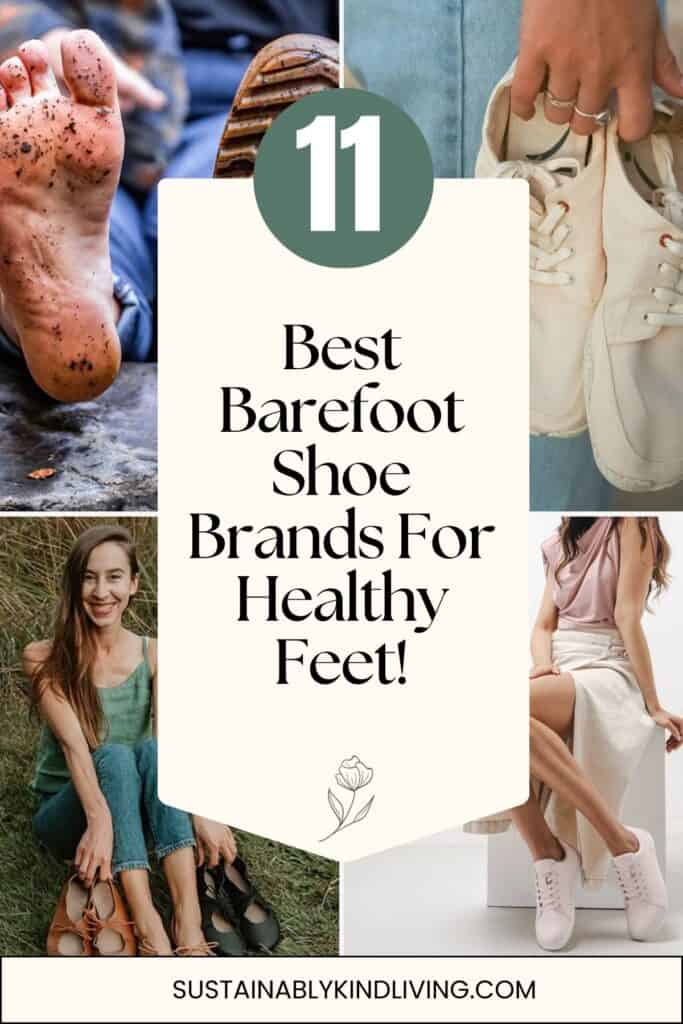
12 Best Barefoot Shoes of 2026 (Wide Toe Box + Zero Drop)
US Customers: Use discount code SKL10 to save $10!
EU Customers: Use discount code SKL5 to save €5!
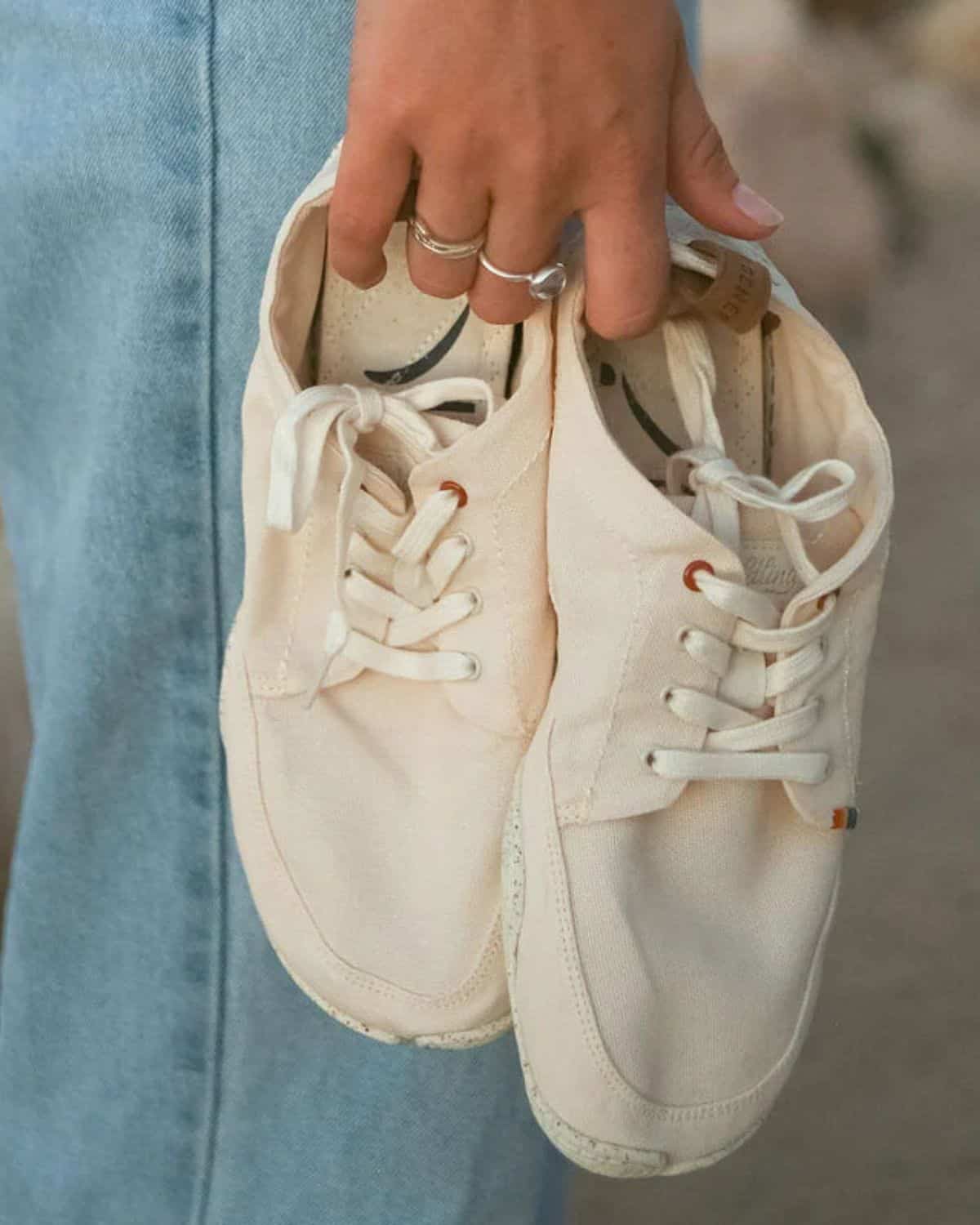
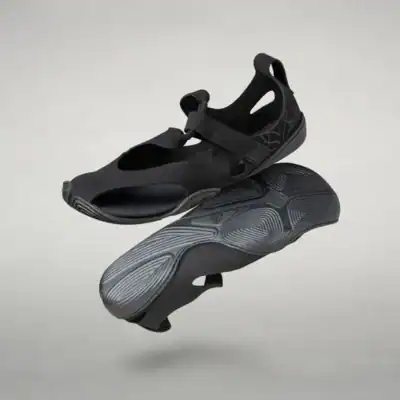
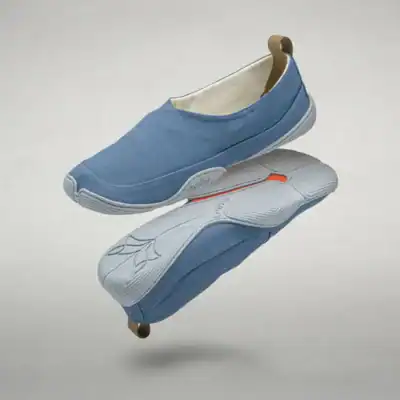
Our whole family lives in Wildling Shoes—from our toddler to both of our twins and us—because their barefoot range truly does it all.
They offer everything from lightweight everyday sneakers to cozy winter boots and trail-ready styles, all thoughtfully handcrafted in Europe.
What really sets Wildling apart is their focus on natural, breathable materials like organic cotton, responsibly sourced wool, and natural rubber.
Every pair supports natural foot movement with a wide toe box, flexible sole, and lightweight construction that feels incredibly close to barefoot.
If you’re curious how they hold up long-term, we share our full experience in our Wildling Shoes review after years of wearing them as a family.
Price
From $99+
Size Range
Women’s US 5-14 | Men’s US 4-13.5 + Kids Sizes
location/shipping
Germany/United States | Ships Internationally
Top picks from Wildling Shoes:
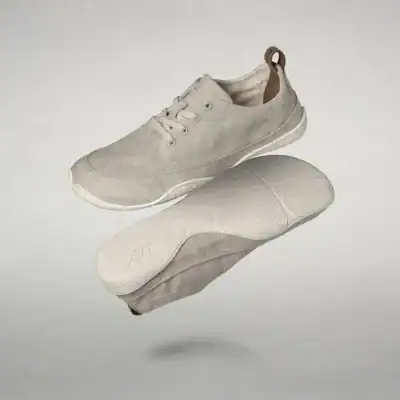
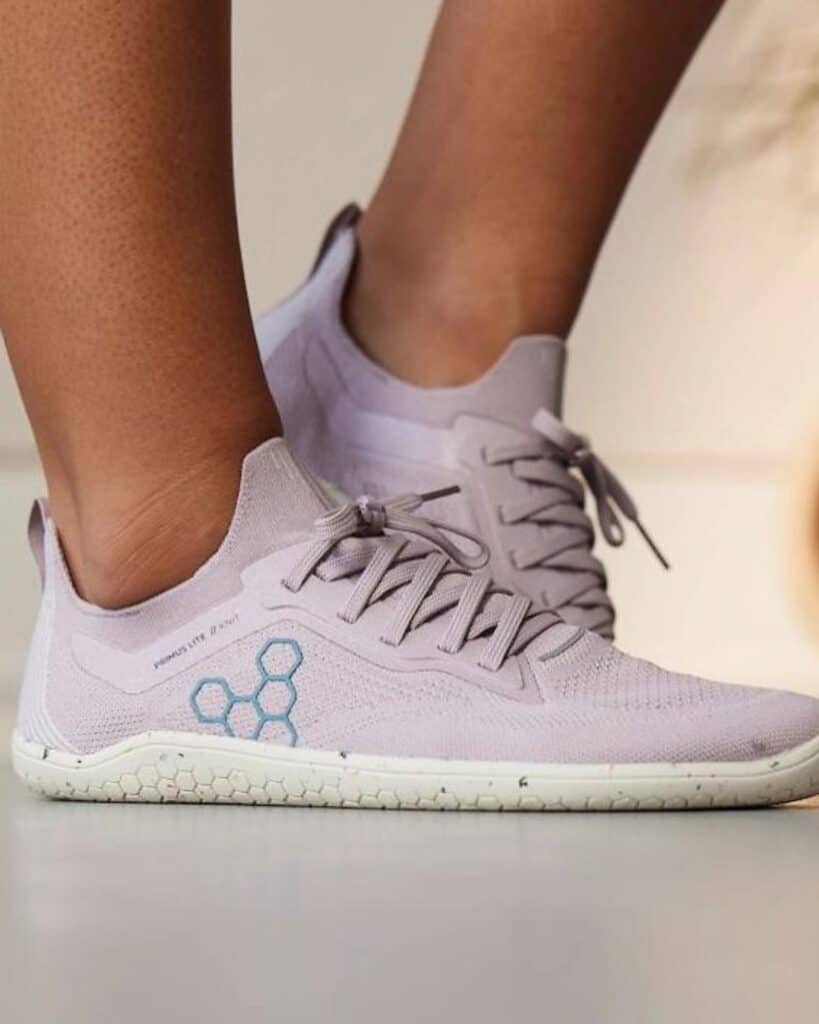
Vivobarefoot is one of the most recognizable brands in the barefoot shoe world, known for bringing minimalist footwear into the mainstream.
Their shoes feature wide toe boxes, zero-drop soles, and flexible construction designed to support natural foot movement, whether you’re walking around the city or running trails.
While many models rely more on recycled and synthetic materials than natural fibers, Vivobarefoot remains a popular choice for people looking for durable performance barefoot shoes built for running, hiking, and everyday adventure.
Price
From $140+
size range
Women’s US 4.5–11 | Men’s US 7–17 + Kids Sizes
location/shipping
United Kingdom | Ships To The United States & Internationally
Use discount code SKL10 to save 10%!
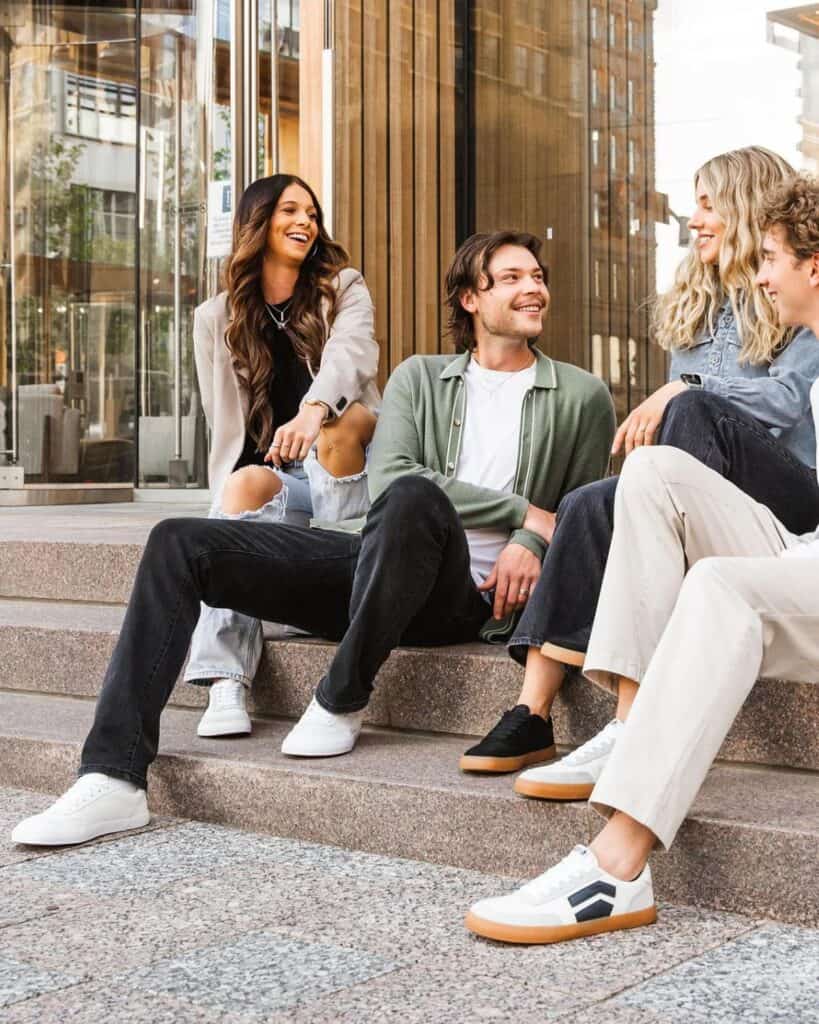
Splay Shoes has quickly become one of our favorite affordable barefoot shoe brands.
Their Freestyle and Explore collections deliver the core features you want in minimalist footwear—wide toe boxes, zero-drop soles, and flexible construction—while staying incredibly comfortable for everyday wear.
We especially love that many styles use breathable cotton uppers and simple designs that feel easy and relaxed for daily life.
If you’re new to barefoot shoes, Splay is one of the most approachable places to start.
Price
From $72+
Size Range
Women’s US 6-12 | Men’s US 5-14 + Kids Sizes
location/shipping
United States | Ships Internationally
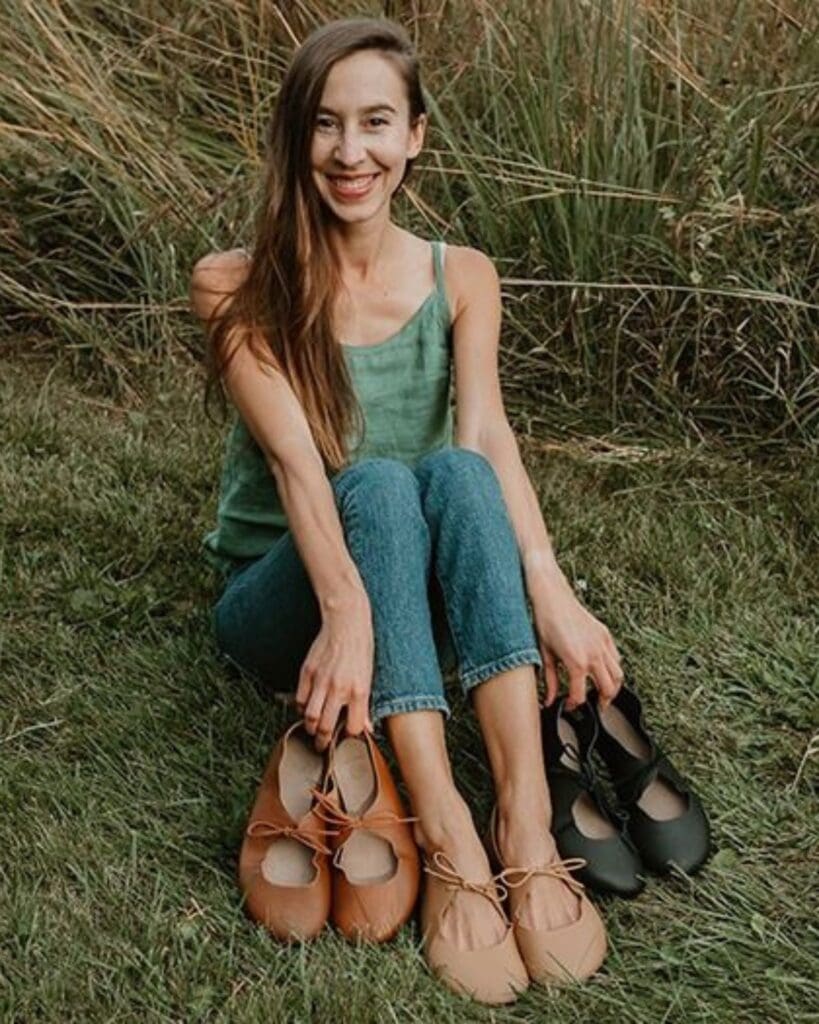
Softstar Shoes has been crafting minimalist footwear by hand in Oregon for decades, and their attention to detail really shows.
Their barefoot ballet flats are a beautiful example of how minimalist shoes can still feel polished and versatile, pairing just as easily with dresses as they do with casual outfits.
Beyond flats, Softstar also makes running shoes, moccasins, winter boots, and kids’ styles—all built with flexible soles and natural materials designed to support healthy foot movement.
Price
From $135+
size range
Women’s US 6-13 | Men’s 5-14 + Kids Sizes
location/shipping
United States | Ships Worldwide
Use discount code SKL15 to save 15%!
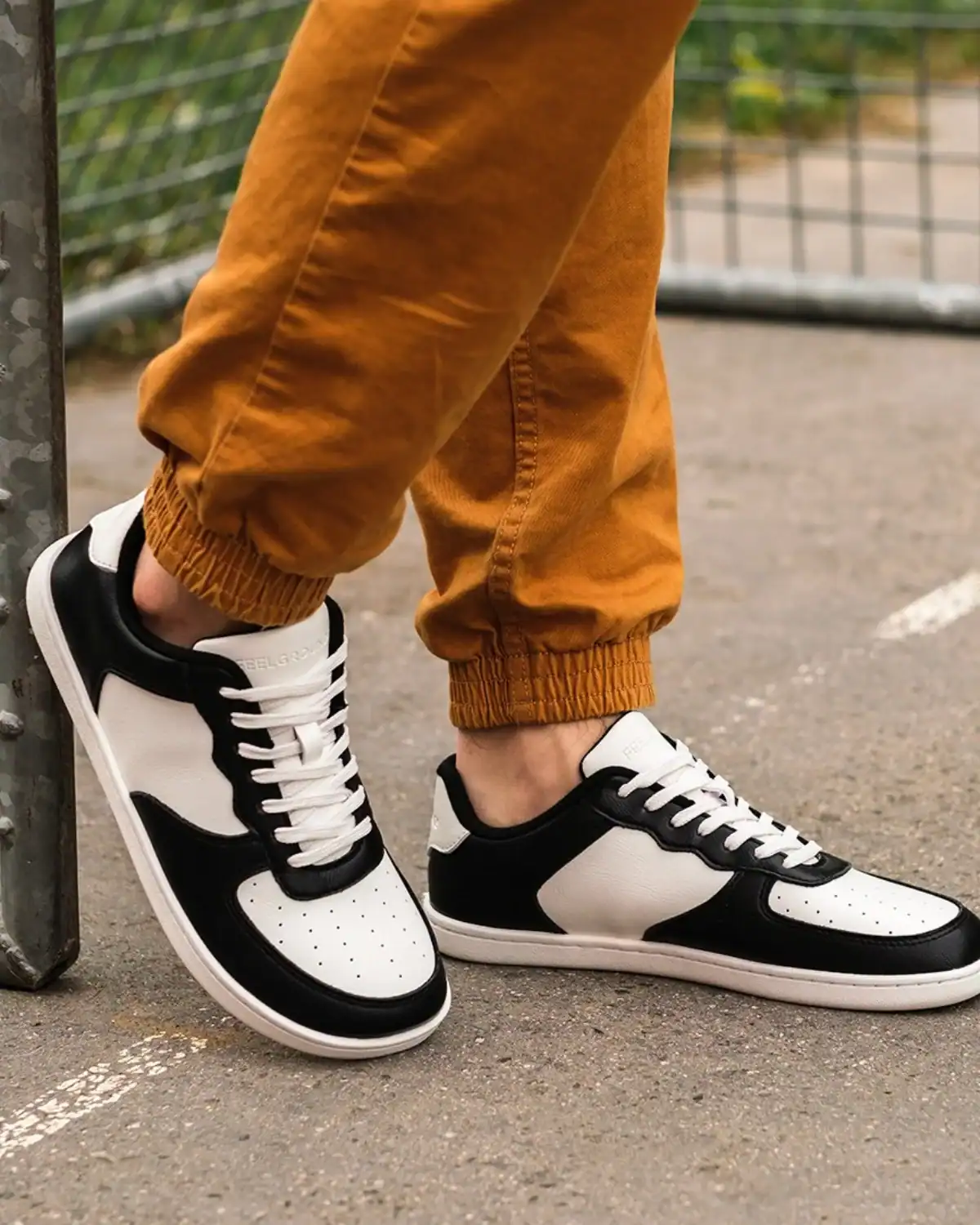
Feelgrounds blends wide toe boxes, zero-drop soles, and flexible construction with clean, everyday sneaker styling that works effortlessly for casual wear, travel, and daily life.
Their lightweight vegan materials create a soft, flexible feel that makes them especially approachable for people transitioning into barefoot shoes for the first time.
Unlike more rugged minimalist brands, Feelgrounds focuses heavily on simple streetwear-inspired design.
Making them one of the easiest barefoot shoe brands to pair with everyday outfits while still supporting natural foot movement and comfort.
Price
From $94+
size range
Women’s US 5-11.5 | Men’s 7-15 + Kids Sizes
location/shipping
Germany | Ships To The United States & Internationally
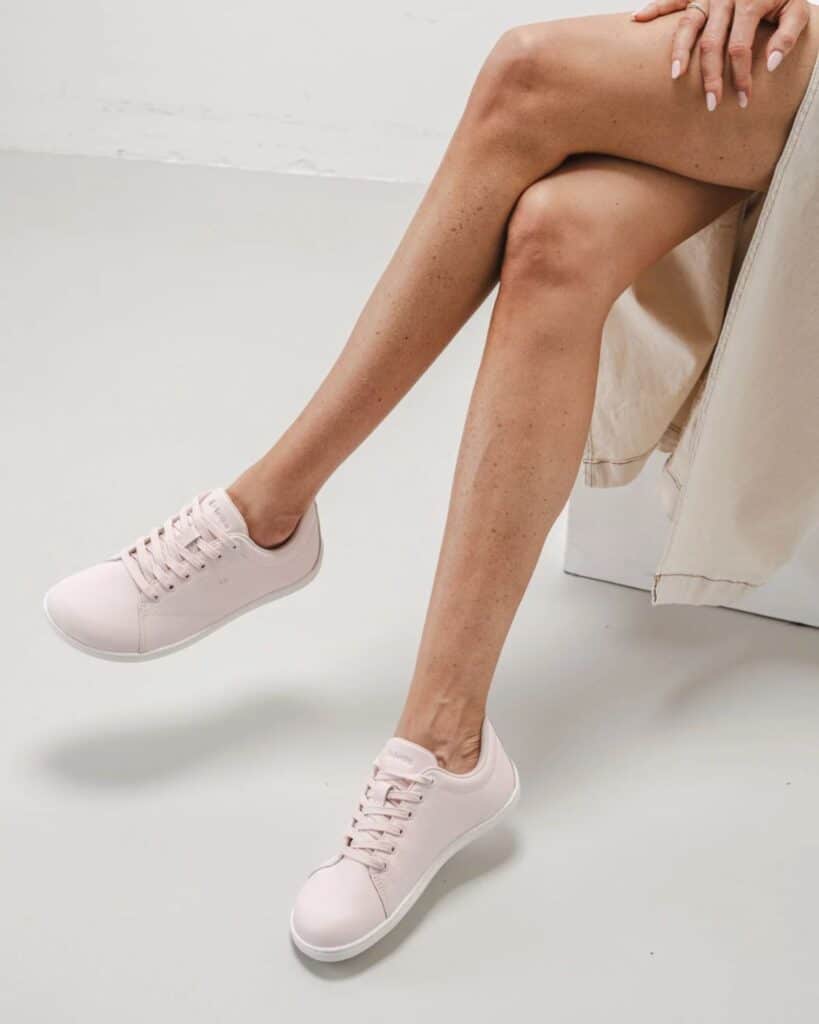
Be Lenka proves that barefoot shoes don’t have to look sporty to support natural movement.
Their collection includes sleek sneakers, casual everyday shoes, winter boots, and even dressier styles—all designed with wide toe boxes and flexible soles that allow your feet to move naturally.
For people who want the benefits of barefoot footwear without sacrificing style, Be Lenka consistently delivers some of the most fashion-forward minimalist shoes on the market.
Price
From $99.99+
size range
Women & Men US 5-13 + Kids Sizes
location/shipping
Slovakia | Ships Worldwide
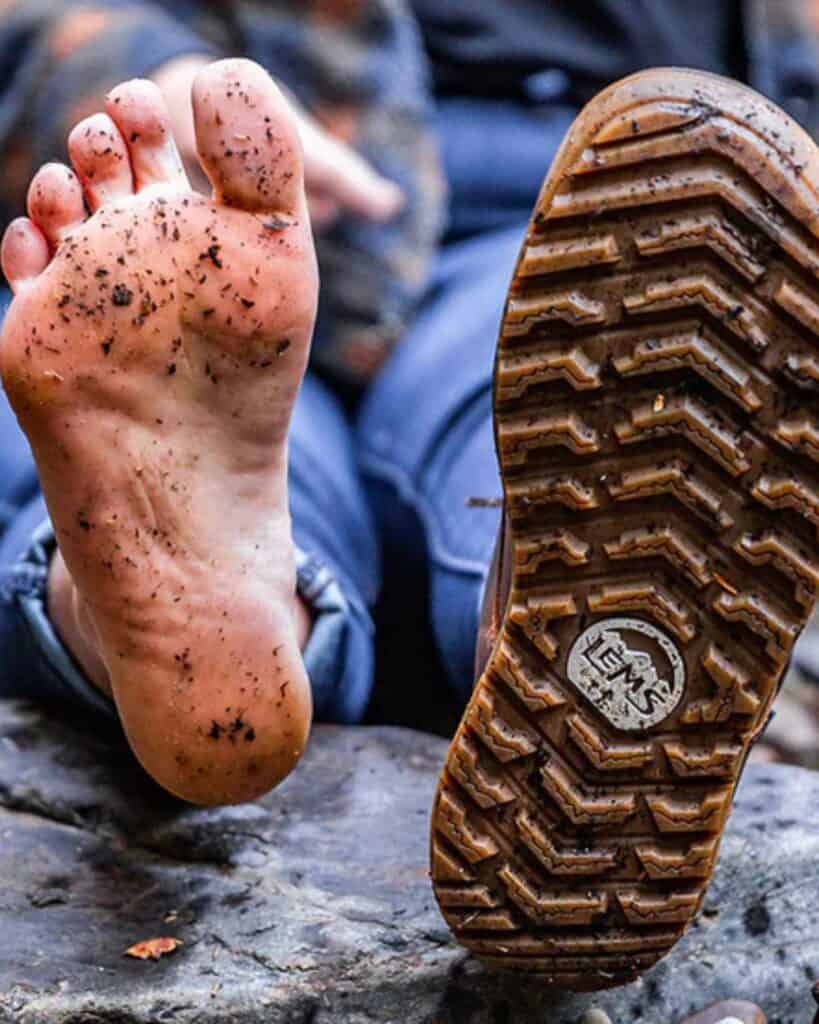
Lems Shoes is a great option for people transitioning from traditional footwear to minimalist shoes.
Their designs combine a wide toe box and zero-drop platform with slightly thicker soles than many barefoot brands, creating a comfortable middle ground between fully minimalist shoes and conventional sneakers.
If you’re new to barefoot footwear and want something that still offers a bit of cushioning while your feet adapt, Lems is often one of the easiest places to begin.
Price
From $125+
size range
Women’s US 6-12.5 | Men’s 4.5-15
location/shipping
United States | Ships Worldwide
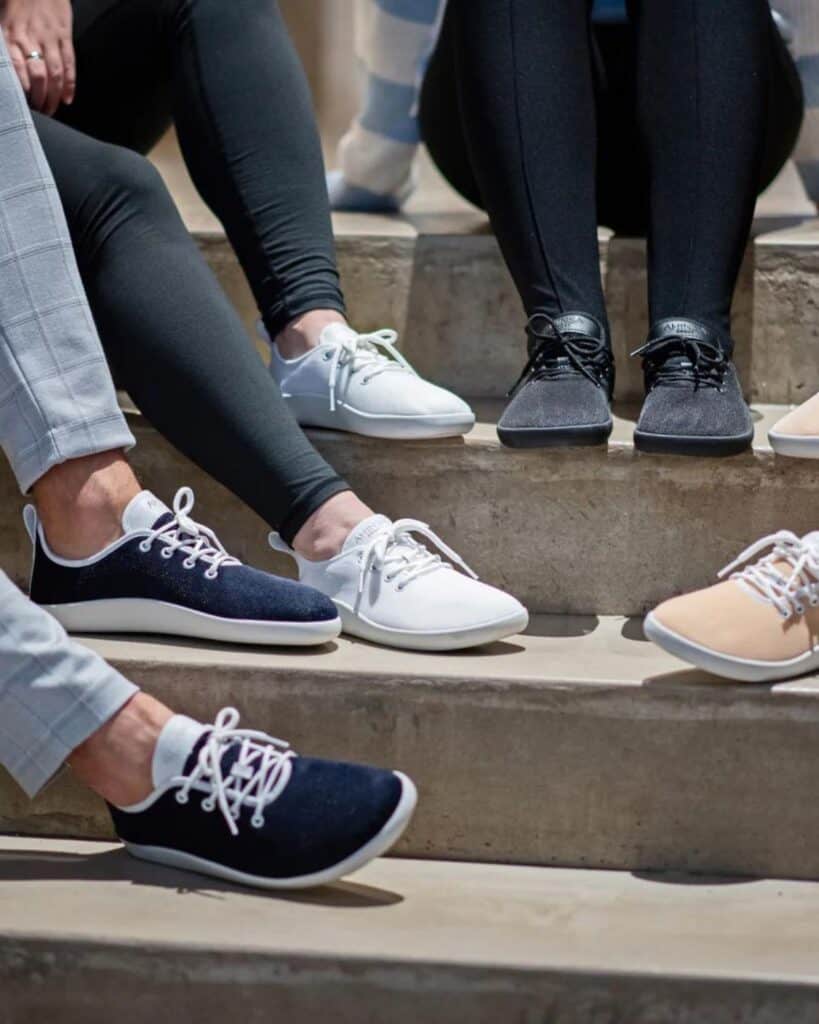
Ahinsa Shoes is one of the most thoughtful brands in the vegan barefoot shoe space.
Handcrafted in the Czech Republic and co-developed with physiotherapists, their shoes focus on comfort, foot health, and ethical production.
Their lineup includes minimalist trainers, everyday shoes, and winter-ready boots—all built with wide toe boxes, flexible soles, and completely vegan materials designed to support natural movement.
Price
From $150+
size range
Women’s EU 36-45 | Men’s EU 40-47
location/shipping
Czech Republic/Croatia, ships worldwide
Use discount code SKL10 to save 10%!
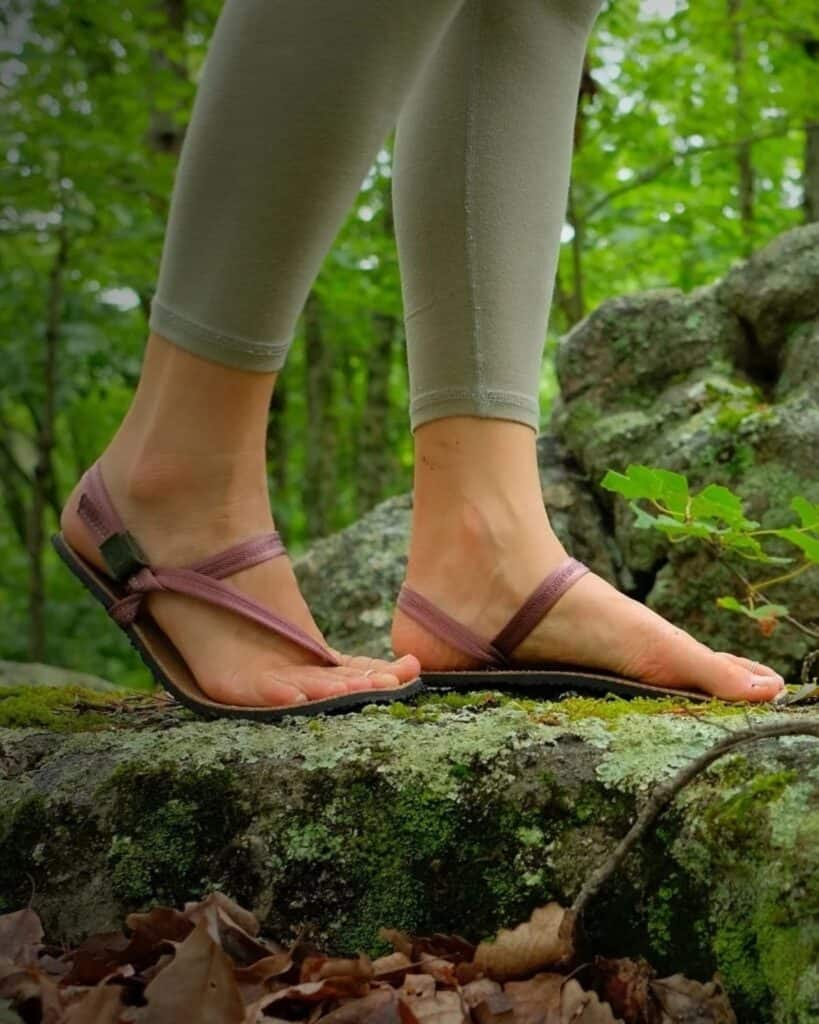
Earth Runners built their reputation on minimalist sandals inspired by ancient footwear traditions.
Their newest design, the iON SYNC® Tolos sneaker, brings that same grounded barefoot philosophy into a closed-toe shoe built for everyday wear.
With flexible construction, breathable materials, and ultra-thin soles, Earth Runners stay true to the idea that footwear should protect your feet without disconnecting you from the ground beneath you.
Price
From $72+
size range
Women’s 6-16 | Men’s 4-14 + Kids Sizes
location/shipping
United States | Ships Worldwide
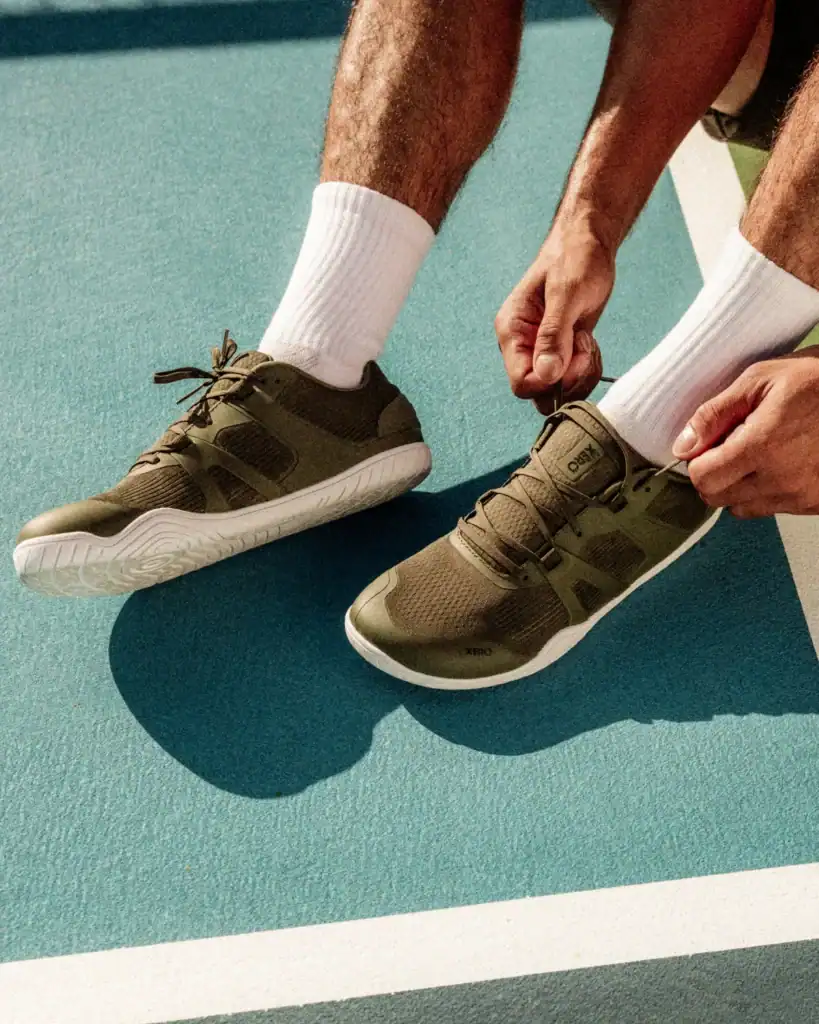
Xero Shoes has built a loyal following by focusing on durability without sacrificing the core features of barefoot footwear.
Their lineup includes minimalist sneakers, hiking boots, sandals, and even performance training shoes—all designed with flexible soles and foot-shaped construction.
If you want barefoot shoes that can handle long walks, trail runs, and everyday wear while still offering a strong ground feel, Xero Shoes is one of the most rugged options available.
Price
From $50+
size range
Women’s US 5-12 | Men’s US 6.5-15 + Kids Sizes!
location/shipping
United States | Ships Internationally
Use discount code SKL10 to save 10%!
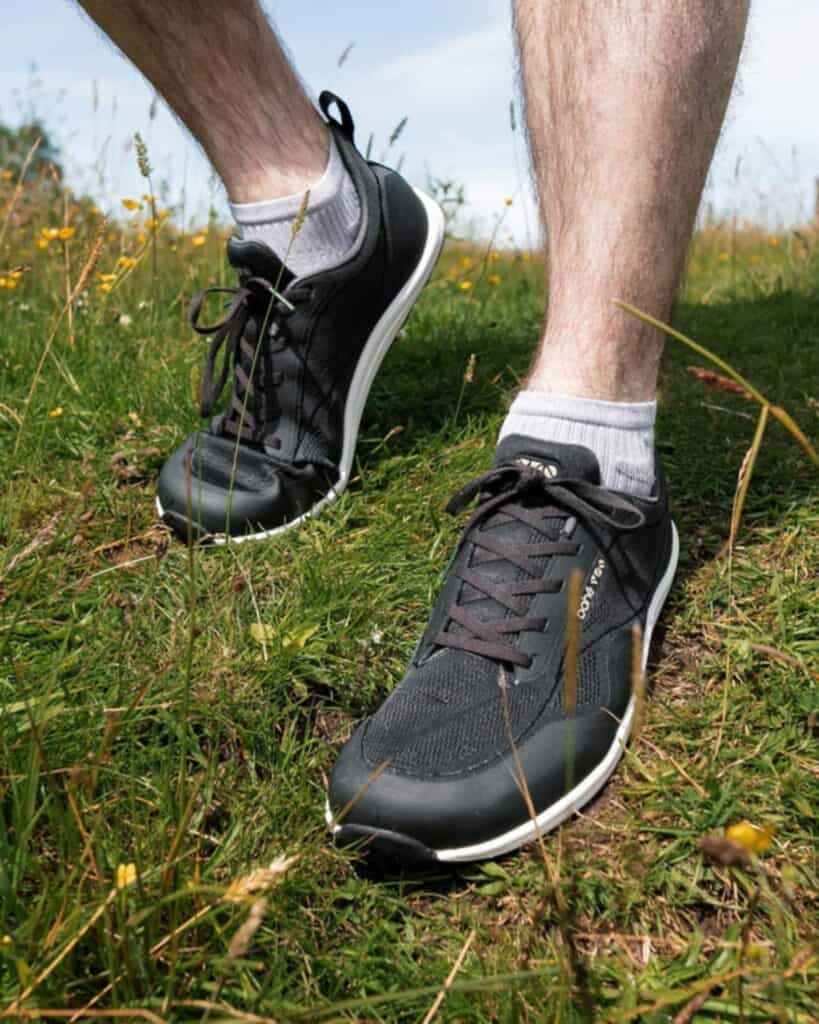
Bahé is one of the newer brands in the barefoot shoe world, but their grounding sneakers quickly caught our attention.
Their Revive Grounding Shoes combine wide toe boxes, zero-drop soles, and flexible construction with conductive technology designed to help reconnect the body to the earth.
They’re also incredibly comfortable for everyday wear—my husband now reaches for his pair for walks, workouts, and casual outings almost daily.
Price
From $185+
size range
Women’s US 5-14 | Men’s US 4-13
location/shipping
United Kingdom | Select International Shipping
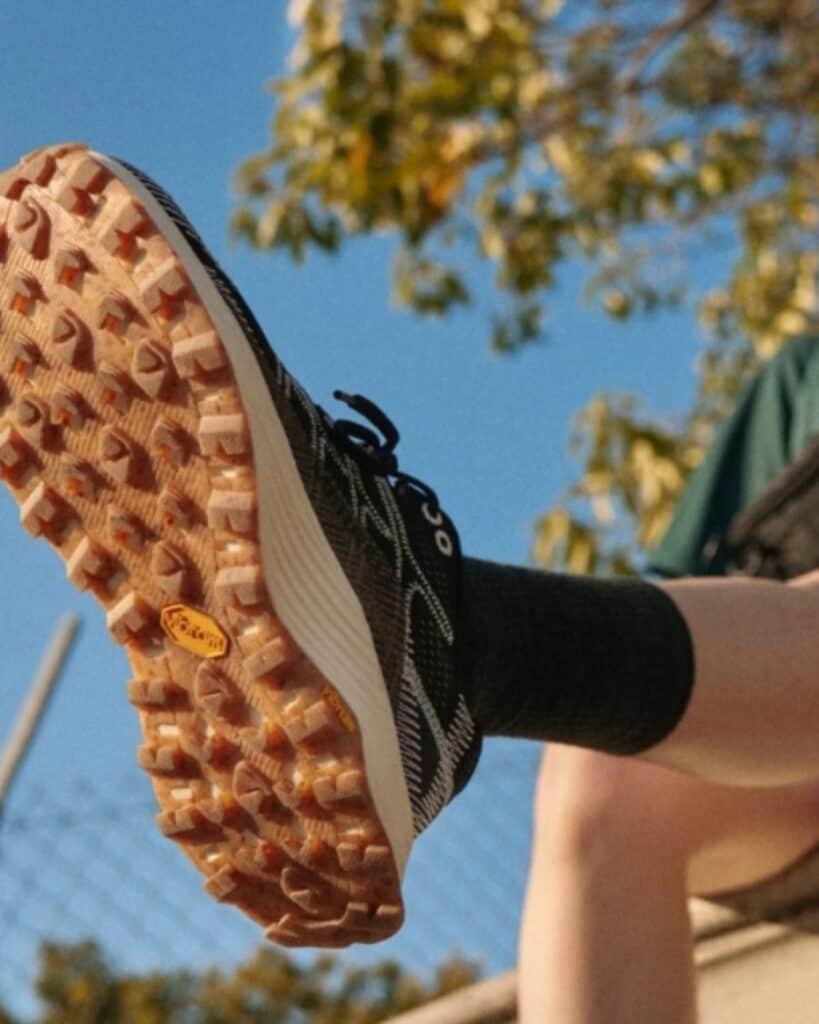
Merrell is widely known in the outdoor world, and their minimalist line brings that same trail expertise into barefoot-friendly footwear.
Shoes like the Trail Glove and Vapor Glove feature low stack heights, flexible soles, and foot-shaped construction designed for natural movement on uneven terrain.
For people looking for barefoot shoes specifically built for hiking, trail running, and outdoor adventure, Merrell remains one of the most accessible options.
Price
From $90+
size range
Women’s US 5-11.5 | Men’s 7-16 + Kids Sizes!
location/shipping
United States
How to Choose the Best Barefoot Shoes
Not all barefoot shoes are created equal.
While the goal of minimalist footwear is simple—allowing your feet to move naturally—the design details can make a big difference in comfort, durability, and long-term foot health.
If you’re shopping for your first pair of barefoot shoes, here are the most important features to look for.
A Truly Wide Toe Box
One of the defining characteristics of barefoot shoes is a wide toe box.
Your toes should be able to spread naturally inside the shoe rather than being squeezed together. This helps improve balance, stability, and overall foot strength.
If the front of the shoe still feels narrow, it’s probably not a true barefoot design.
A Zero-Drop Sole
The best barefoot shoes use a zero-drop sole, meaning the heel and forefoot sit at the same height from the ground.
Traditional shoes often raise the heel, which can shift your posture forward and change the way you walk. A flat, zero-drop design helps maintain natural alignment from your feet all the way up through your spine.
Flexible, Thin Soles
A good barefoot shoe should bend and twist easily.
Thin, flexible soles allow your feet to feel the ground beneath you, which improves proprioception and natural movement. If the shoe feels stiff or overly cushioned, it may limit the benefits of minimalist footwear.
Natural or Safer Materials
Because barefoot shoes sit so close to your skin, materials matter.
Look for brands that prioritize natural or non-toxic materials, such as organic cotton, natural rubber, responsibly sourced leather, or recycled fabrics. These materials tend to be more breathable and align better with a sustainable lifestyle.
The Right Shoe for Your Lifestyle
Finally, consider how you’ll actually use your barefoot shoes.
Some designs are better for walking and everyday wear, while others are built for running, hiking, gym training, or winter weather.
If you’re new to minimalist footwear, starting with a comfortable everyday pair of barefoot walking shoes can make the transition easier.
Once you know what to look for, choosing the best barefoot shoes for your lifestyle becomes much simpler.
Barefoot Shoe FAQs
Yes. Many people find that barefoot shoes improve foot strength, balance, and posture because they allow the foot to move naturally. Unlike traditional shoes with thick cushioning and raised heels, barefoot shoes encourage natural alignment and muscle engagement.
A zero-drop shoe means the heel and forefoot sit at the same height from the ground. This flat design helps maintain natural posture and encourages a more natural walking or running stride compared to traditional shoes with elevated heels.
A wide toe box shoe gives your toes enough room to spread naturally. This helps improve balance and stability while preventing the toe compression that often occurs in narrow conventional shoes.
Yes, many people prefer barefoot shoes for walking because they allow the foot to move naturally and provide better ground feedback. This can improve balance, posture, and walking mechanics over time.
Barefoot running shoes can help encourage a more natural running stride and reduce heel striking. However, transitioning slowly is important so your feet and calves have time to adapt to the lower cushioning and flexible soles.
In some cases, yes. Because barefoot shoes allow the foot muscles to activate and strengthen naturally, they may help improve arch strength over time. However, people with flat feet should transition gradually when switching to minimalist footwear.
Yes, many people wear barefoot shoes daily for walking, work, and exercise. If you’re new to minimalist footwear, it’s best to transition slowly so your feet can adapt and strengthen.
Barefoot shoes can support better posture because their zero-drop design keeps the heel and forefoot level. This helps align the spine, hips, and knees more naturally compared to shoes with raised heels.
Barefoot shoes are designed to support natural movement, while many traditional shoes prioritize cushioning and structure. For people looking to strengthen their feet and improve alignment, barefoot shoes can be a healthier long-term option.
Transitioning to Barefoot Shoes Gradually
Switching from traditional shoes to barefoot shoes isn’t an overnight change—it’s a gentle process that allows your muscles, joints, and gait to adapt.
Here’s what a healthy transition might look like:
- Start slow: Begin with short walks or daily errands. Let your feet adjust to less cushioning and more flexibility.
- Stretch and strengthen: Add in simple foot-strengthening exercises like toe spreads, calf raises, and balance work.
- Rotate shoes: Mix barefoot shoes into your weekly routine rather than going all-in right away.
- Listen to your body: If your calves or arches feel sore, give them rest time. That’s normal in the adjustment phase.
- Consider a thicker sole at first: Transitional models with slightly more padding can ease the switch.
With consistency and care, you’ll likely notice improved balance, fewer aches, and stronger feet within a few months.
Continue Your Barefoot Journey
If you’re exploring barefoot shoes and minimalist footwear, these guides will help you go deeper into the world of natural movement and foot-friendly design:
- Best Barefoot Running Shoes for natural stride and performance
- Our favorite Barefoot Sandals for warm weather
- The best Barefoot Fall & Winter Boots for colder climates
- The best Organic Cotton Socks to pair with barefoot shoes
Final Thoughts on the Best Barefoot Shoes
Finding the best barefoot shoes isn’t about chasing the latest trend—it’s about choosing footwear that actually supports the way your body was designed to move.
When your toes have room to spread, your heel sits level with the ground, and your feet can move naturally, everything from posture to balance can start to improve.
For many people, switching to barefoot shoes with wide toe boxes and zero-drop soles is one of the simplest changes they can make for long-term foot health.
Whether you’re looking for everyday barefoot walking shoes, minimalist running shoes, or durable trail footwear, the brands in this guide offer some of the best options available today.
And remember: transitioning slowly is key. Give your feet time to adapt, and you’ll likely notice stronger, healthier feet over time.
Have You Tried Barefoot Shoes Yet?
If you’ve made the switch to barefoot shoes, I’d genuinely love to hear about your experience.
What brand are you wearing right now?
Did you notice a difference in comfort, posture, or foot strength after transitioning?
And if you’re still exploring minimalist footwear, feel free to ask questions too. Our community is full of people who have been experimenting with wide toe box and zero-drop shoes for years, and their insights are incredibly helpful.
Drop a comment below and let’s compare notes. 👣
Sources & Further Reading
If you’re like me and love understanding the why behind healthier swaps, these are a few of the studies and expert resources that helped shape this barefoot shoes guide:
- Growing Up Barefoot Influences the Development of Foot and Arch Structure — research on barefoot activity, foot development, and arch structure.
- Foot Strike Patterns and Collision Forces in Habitually Barefoot vs. Shod Runners — one of the most widely cited studies on barefoot running mechanics.
- Biomechanical and Physiological Comparison of Barefoot and Two Shod Conditions in Experienced Barefoot Runners — a comparison of movement patterns in barefoot versus traditional running shoes.
- The Benefits of Strengthening Your Feet — a helpful overview from Harvard Health on why strong feet matter for balance, posture, and mobility.

Steal My Non-Toxic Cleaning Checklist!
Believe us, it’s the BEST…. and it’s free. Does it really get any better than that?! Sign up for our newsletter and get this free checklist to clean your home without any harmful chemicals!





I adore and wear barefoot shoes myself, but see a few caveats. You really need to find the ones that fit. Wildling does not fit wide feet (mine are >10 cm), for example, but my little one loves them. Vivos, I need to chose men’s shoes, but those fit great. Some are true to the size, others I need 43 instead of 41.
Thank you for this addition! For the wildlings (it’s all we wear aside from one pair of Vivos), I found them too wide for my feet and was so happy they had a narrower option for some of the shoes (like the Tanukis). Your feet must be GORGEOUSLY wide! Goodness – a blessing! The kids love their wildlings too and have some stunning wide feet – I’m curious if they will fit in them as they grow or if they will be too narrow like for you! I’ll shoot wildlings an email about this. For the vivo – I know many love them but they never quite fit perfect for me. My husband adores them!