 Shop My Favorite Non-Toxic Gifts Of 2026!
SKL is reader supported. When you buy through links on our site, we may earn affiliate commission. Learn more here.
Whether you’re craving a soothing herbal infusion, a bold breakfast brew, or a caffeine-free evening cup, we’ve curated the ultimate list of the best organic tea brands for a cleaner, safer steep.
These teas go beyond the labels and marketing. Each brand is committed to third-party testing for pesticides, heavy metals, and other contaminants, so you can sip with confidence.
👉 If you’re specifically looking for high-quality organic matcha, check out our guide to the best organic matcha brands.
If you’re like me, you love curling up with a steaming mug of tea, savoring the quiet ritual that starts your morning or helps you unwind at night.
There are few things more calming, more comforting or more familiar.
But even the coziest cup can come with an invisible dose of toxins if you’re not drinking the right tea, especially if you’re steeping it in plastic, pesticides, or heavy metals without realizing it.
If you’re a regular tea drinker, you might be shocked to learn that one plastic tea bag can release over 11 billion microplastic particles when exposed to hot water. And that’s just one tea bag in one cup of tea!
And microplastics aren’t the only scary thing that might be swimming in your tea.
Many popular tea brands (yes, even the ones that tout “natural tea” and “certified organic”) have been found to contain everything from banned toxic pesticides to heavy metals that can cause damage to your nervous system and kidneys.
In fact, some of the most popular brands found in grocery stores have even triggered lawsuits over contamination levels that significantly exceed safety standards.
Your daily tea ritual should be calming, not a chemical gamble, right?!

So take a moment to check the tea sitting in your pantry right now to double check that it’s not only organic, but also third-party tested to make sure it’s free of other toxic contaminants like PFAS, heavy metals, and fluoride.
If you’re not able to tell from looking at the box, good thing you came across this guide because we’ve done a deep dive to find the safest, purest teas out there.
These third-party tested organic teas don’t just claim to be safe, they prove it with independent lab testing for pesticides, heavy metals, microplastics, and other toxic processing agents you need to be avoiding.
After months of research, contacting companies, and sifting through marketing fluff, I’ve found the ones that actually live up to the promise.
Because when it comes to something you sip every day, “probably safe” isn’t good enough.
👉 Prefer coffee to tea? Check our guide to the best non-toxic coffee makers for a healthier morning routine.
What Makes Tea Truly Non-Toxic?
Not all “natural” or even organic teas are created equal. To truly enjoy a toxin-free cup, it’s important to dig deeper than just the label.
From how the leaves are grown to what the bag is made of, here’s what sets genuinely clean teas apart from the rest:
1. Certified Organic Ingredients
Organic tea avoids synthetic pesticides and fertilizers—but that’s just the start. Organic doesn’t guarantee the tea is free from heavy metals or microplastics.
2. Third-Party Testing
The cleanest tea brands go beyond organic with independent lab testing for heavy metals, pesticide residue, microplastics, and processing chemicals. Look for full transparency: lab names, methods (like ICP-MS), and what’s tested.
3. Safe, Plastic-Free Packaging
Most tea bags contain plastic or PLA, which can leach microplastics into hot water. Choose loose-leaf or unbleached, plastic-free bags—ideally with no artificial flavors or epichlorohydrin coatings.
4. Transparent Sourcing
Whole leaf teas (not dust or fannings) retain more nutrients and flavor. The best brands share where and how their tea is grown, processed, and tested—real transparency equals real safety.
☠️ Hidden Toxins Lurking in Your Cup
❌ Pesticide Hall of Shame
When independent lab tests commissioned by Glaucus Research analyzed popular U.S. tea brands, the results were alarming:
- 91% of Celestial Seasonings teas contained pesticide residues that violated U.S. safety standards, either exceeding federal tolerance levels or including chemicals with no established safety limit. The findings triggered a class-action lawsuit over the brand’s “100% natural” labeling.
- 77% of Teavana teas failed to meet European Union safety standards, with some blends containing pesticides banned in both the U.S. and the EU.
- Major brands including Lipton, Twinings, and Tetley have also been found to exceed pesticide residue limits set by Canada and other international regulators.
- And internationally, a Greenpeace investigation in 2012 found that every Chinese tea tested contained pesticide residues, with one sample containing as many as 17 different pesticides. Several teas also contained pesticides banned for use on tea in China.
These results underscore why transparency and independent testing are essential, especially for products marketed as “natural,” “pure,” or “healthy.”
❌ Microplastics
Those silky pyramid tea bags that fancier, “high-end” teas come in these days? They’re often made from PET, nylon, or PLA, and they start breaking down in your water well below boiling.
Early research links microplastic exposure to hormone disruption, inflammation, and long-term health concerns. Recent research has found higher levels of microplastics in the brains of people with dementia, but it’s not conclusive.
Stick with loose-leaf tea and plastic-free packaging to avoid drinking a cup full of microplastics.
And be sure to brew with one of our favorite non-toxic tea kettles to avoid leaching chemicals from plastic or low-grade metals.
❌ Heavy Metals & Fluoride
Tea plants are bioaccumulators, meaning they absorb whatever is in the soil including lead, arsenic, cadmium, mercury, and fluoride. These contaminants can remain in the final product, even in organic herbal tea.
How to Identify Truly Non-Toxic Tea Brands
🚩 Red Flags to Avoid
- “Natural” without lab testing. A feel-good label with no safety guarantees
- Tea bags labeled “silky” or “biodegradable”: often made from PLA, which still sheds plastic
- “Plastic-free” claims that hide polyethylene linings
- Vague language like “minimal exposure” or “proprietary” when asked about contaminants
- Brands that dodge safety questions or give canned responses
✅ Green Flags to Look For
- USDA Organic plus independent third-party lab testing
- Brands that share actual test results, including lab names and methods (e.g., ICP-MS for metals)
- Loose-leaf teas or bags made without PFAS, epichlorohydrin, or hidden plastics
- Clear, transparent sourcing and packaging material disclosures
- Responsive customer service that can answer tough safety questions directly
🕵️♀️ Smart Questions to Ask
- “Do you test for microplastics?”
- “Can I see your most recent heavy metals report?”
- “What chemicals are used to process your tea bags?”
Clean brands won’t hesitate. One even looped in their quality control team and sent a full testing protocol.
If you’re doing a full kitchen detox, don’t stop at tea. Our Best Non-Toxic Cookware Guide breaks down what to ditch and what’s actually safe to cook with.
Bottom line? If a brand won’t show the receipts, they haven’t earned your trust—or your money.
That’s why we’ve done the homework for you.
The following clean tea brands verified by independent labs don’t just make clean claims, they back them up with third-party testing, transparent sourcing, and packaging that’s actually safe to steep.
The Safest Organic Tea Brands Without Pesticides
Use discount code SKL10 to save 10%!
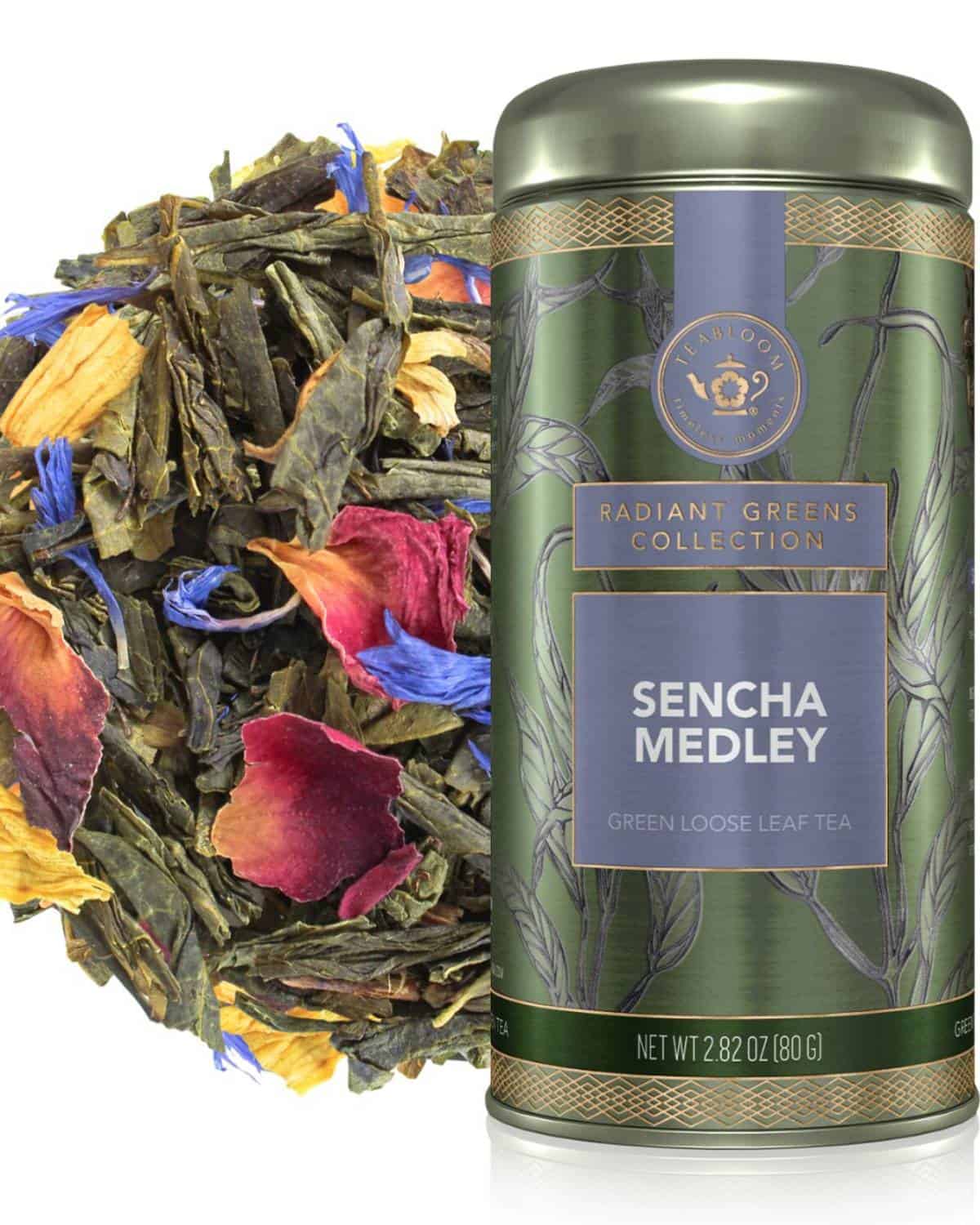
Teabloom’s loose-leaf teas are made with a deep commitment to purity and quality.
Each blend contains hand-harvested, whole leaves and botanicals from trusted small farms, expertly blended in Germany and packed in USDA-certified organic and kosher facilities for added assurance.
Prefer the ease of a sachet? Teabloom’s tea bags are fully compostable and plastic-free—no petroleum-based “silk,” no hidden microplastics.
Just plant-based wraps that break down in under two months.
Whether you’re brewing loose leaf or reaching for their eco-friendly sachets, Teabloom delivers safety, elegance, and a beautifully sophisticated cup.
Price
$16.95 for 3.5 oz ( ~33 servings)
safety measures
Teaware lab-tested and certified lead-free, Compostable, plastic-free tea bags, Ingredients packed in certified organic facilities
location/shipping
United States
My personal review
Teabloom’s Ruby Spice Chai has become my go-to evening ritual. It’s bold and cozy without being overpowering, and I appreciate that it’s caffeine-free—I can sip it after the kids are in bed without worrying it’ll mess with my sleep.
The cardamom and cinnamon really come through, and there’s this subtle citrusy twist that makes it feel extra comforting. Just a heads-up: it brews strong, so don’t let it steep too long unless you like it really intense!
Use this link to get 20% off subscriptions!
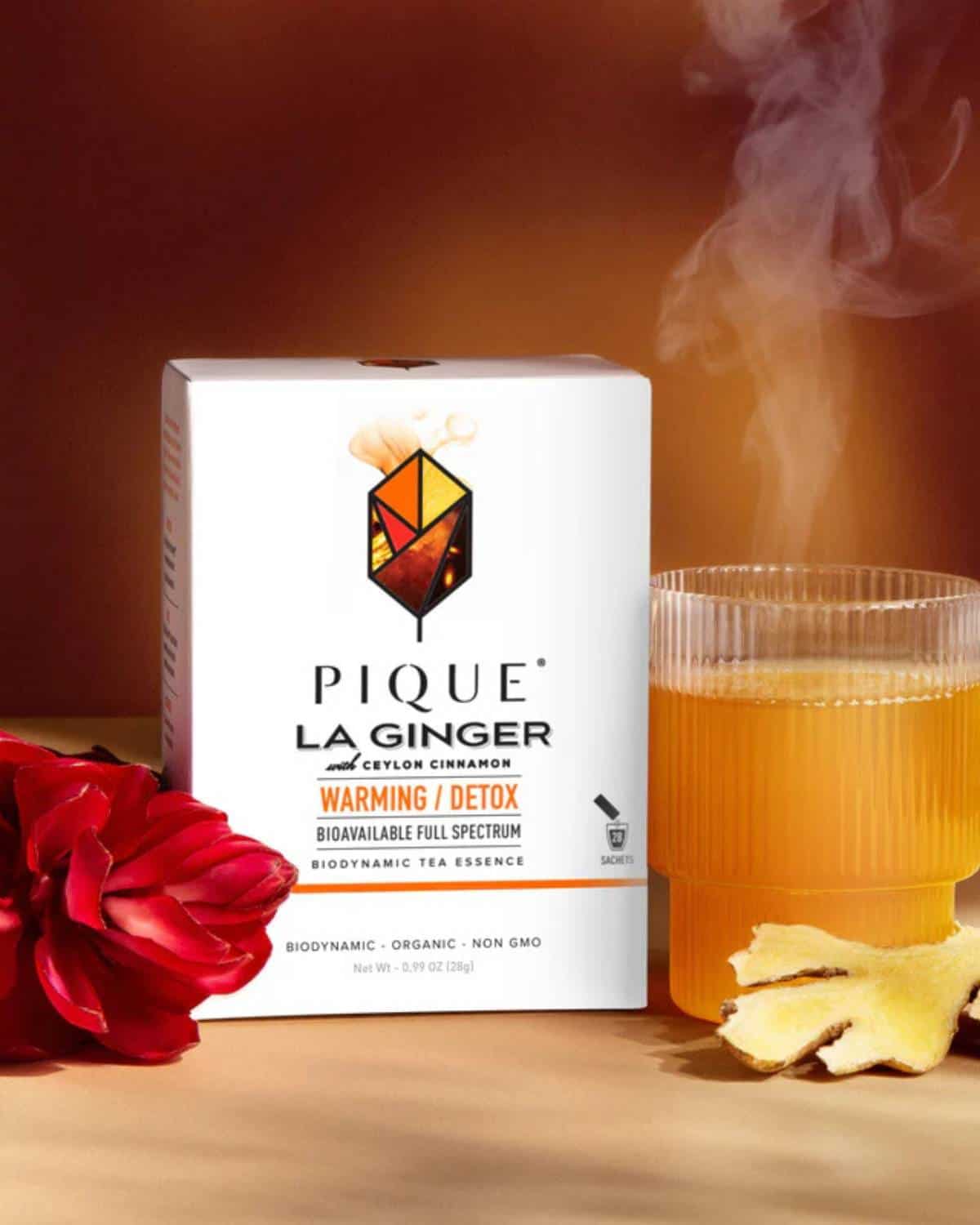
Pique Life goes beyond organic with one of the strictest safety protocols in the industry.
Their La Ginger blend features bold Sri Lankan ginger and sweet Ceylon cinnamon, two powerhouse spices known for their warming, immune-supportive, and detoxifying properties.
This caffeine-free tea made with whole ground spices comes in individual sachets and dissolves instantly in warm water (around 180°F). Plus, no tea bags means no microplastics.
Like all of Pique’s teas, La Ginger is triple toxin screened for over 400 pesticides, heavy metals, and mold!
It’s USDA Organic and crafted to meet even stricter EU and Japanese safety standards, with third-party testing on every batch.
Price
$58 for 28 sachets ( ~2 oz)
Notable Features
Triple Toxin Screened (pesticides, heavy metals, mold), radiation-tested matcha, USDA Organic, meets EU/Japanese organic standards
Location/Shipping
United States, ships to the US, Canada, Singapore, Switzerland
Check out these organic teas from Pique:
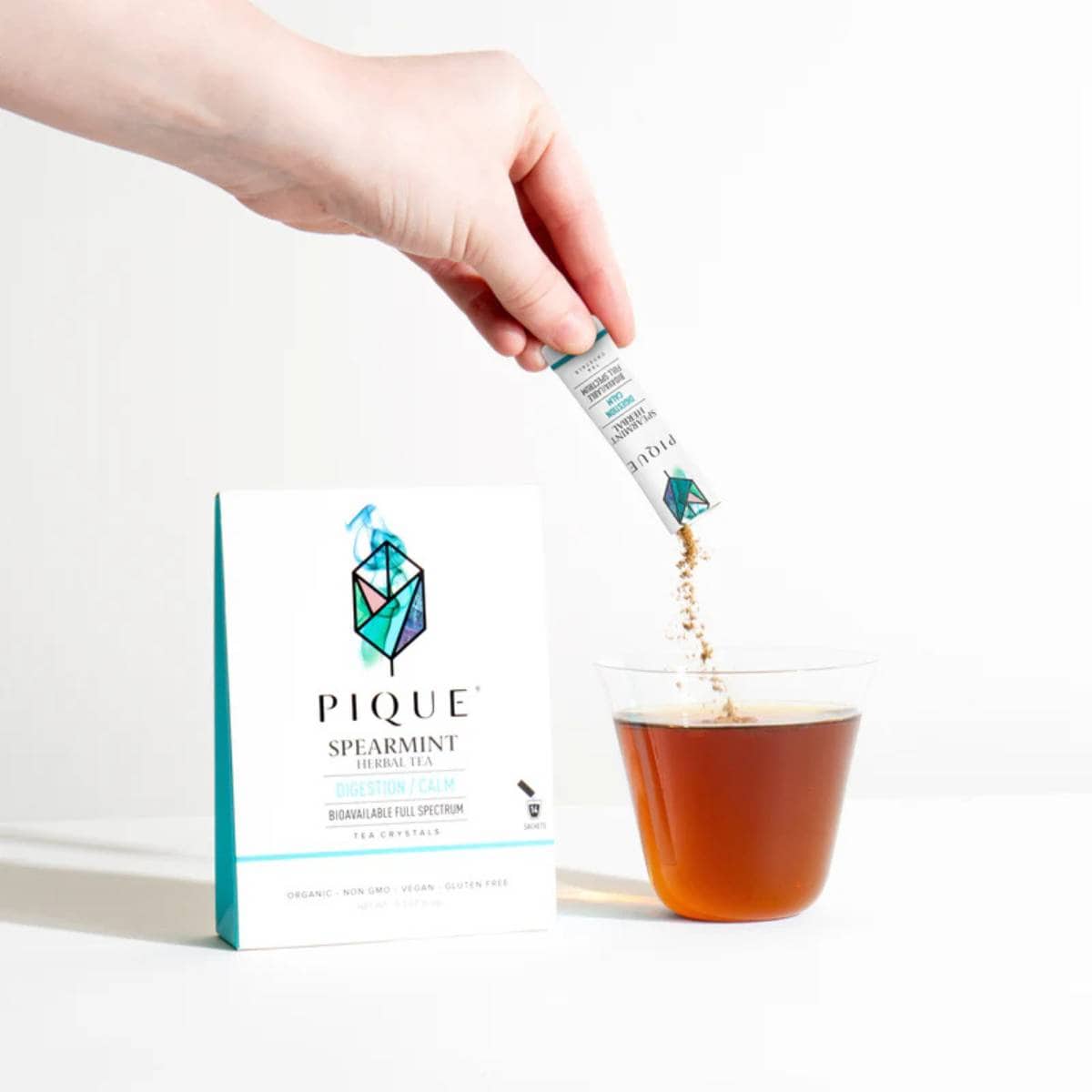
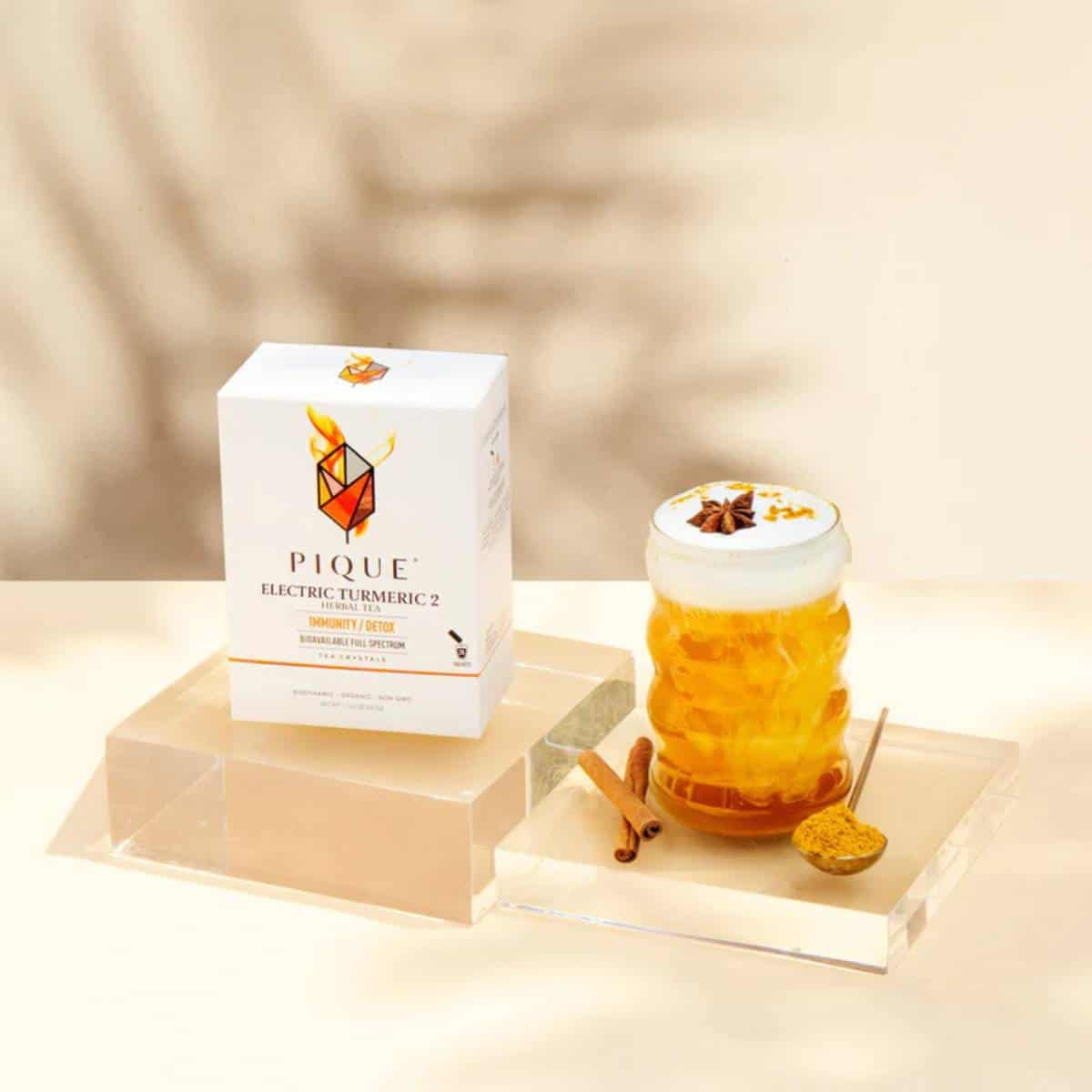
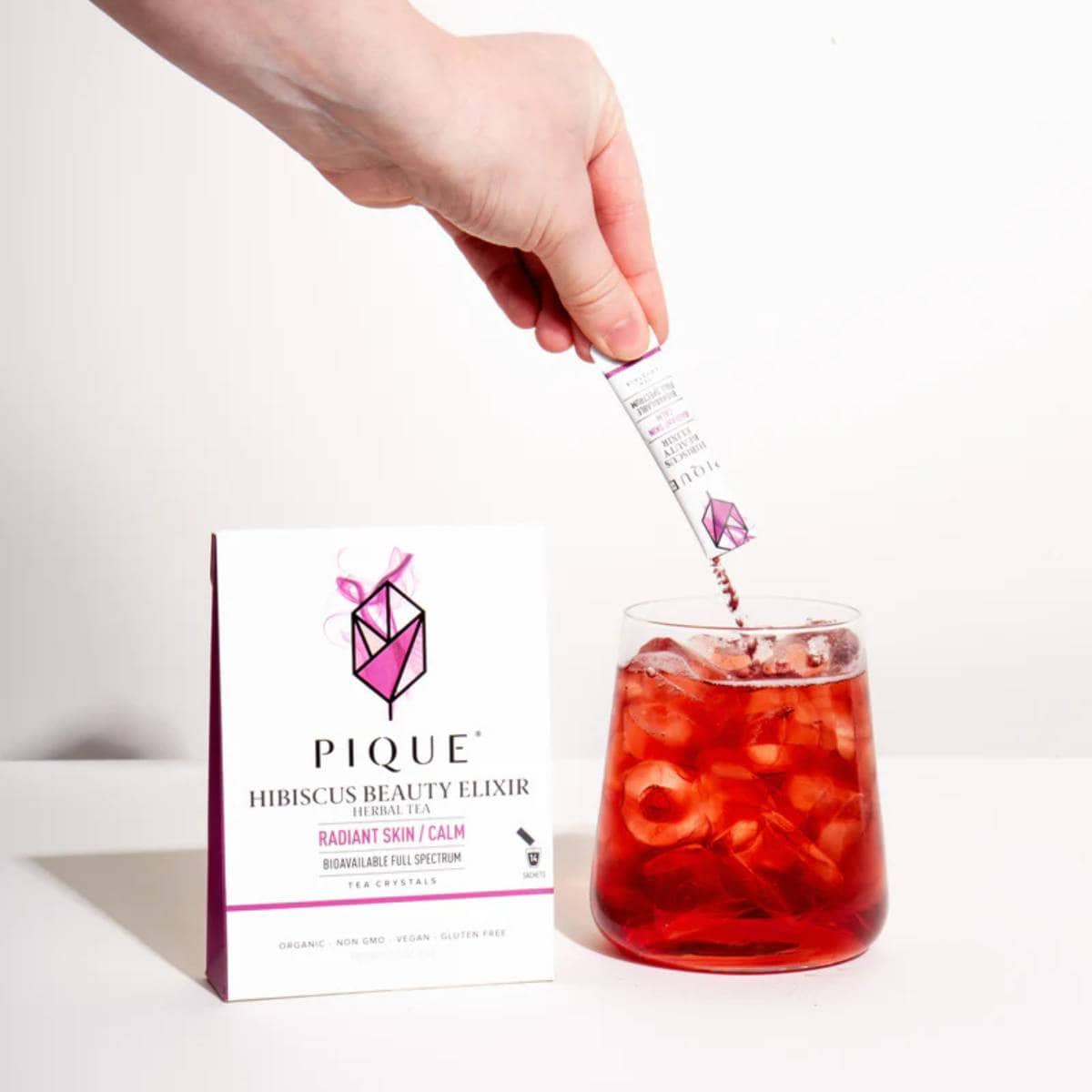
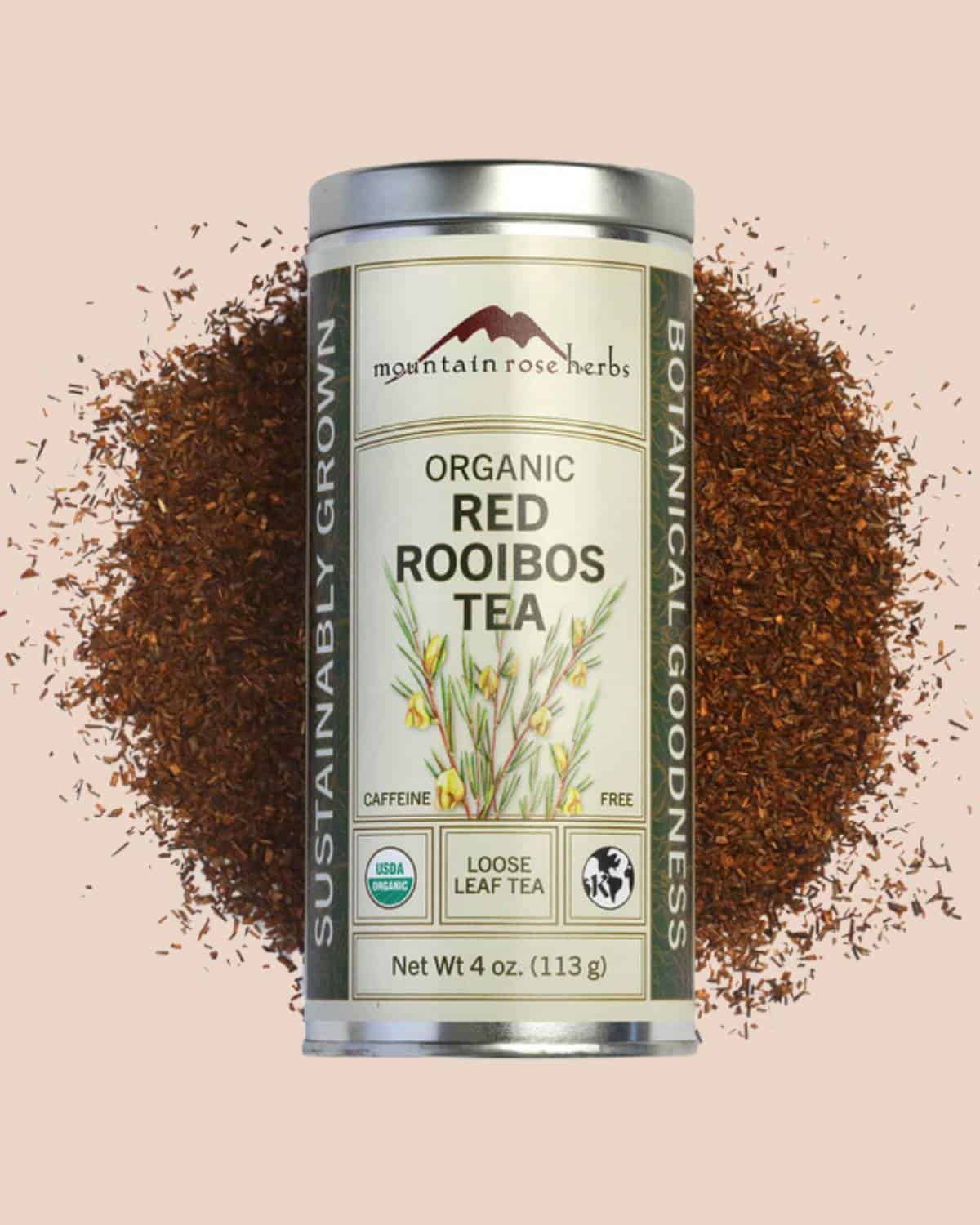
Mountain Rose Herbs has been leading the way in clean, organic herbs for over 30 years—and their teas are no exception.
Every blend is certified organic or ethically wild-harvested, with zero tolerance for shady sourcing.
Each ingredient is rigorously tested in their on-site lab for identity, purity, and cleanliness.
They also screen for pesticide residues and heavy metals using both in-house and third-party testing.
At just $8 a pound, it’s one of the most affordable truly clean teas out there—and if a product doesn’t meet their standards, they’ll pull it from the shelf. No compromises. Ever.
price
$8.00 for 4 oz. (~55 servings)
safety measures
Certified organic or “cultivated without chemicals”, GC/MS screening for pesticides, Regular heavy metal testing (lead, mercury, cadmium, arsenic)
Location/Shipping
United States, ships to the US, Canada, Guam

Use discount code SKL15 to save 15%!
Gardenika offers a thoughtfully crafted collection of certified organic loose-leaf teas, blending time-honored herbs and spices to support balance, wellness, and natural vitality.
Each blend is made with pure, simple ingredients; no additives, artificial sweeteners, gluten, or added sugars. This delivers a clean, authentic herbal experience in every cup.
Their lineup includes organic caffeine-free tea, including herbal tisanes. They also offer organic black tea and organic green tea designed to promote relaxation, digestion, immune support, and overall well-being.
Every batch is USDA Organic and KSA Kosher certified, reflecting Gardenika’s commitment to purity, sustainability, and ethical sourcing.
To back it up, each blend is third-party lab tested for contaminants like heavy metals, pesticides and microbes.
Price
$12.90 for 4 oz (~55 servings)
safety measures
USDA Organic certified, Every batch third-party tested for contaminants, Free from artificial sweeteners, gluten, and added flavors
Location/Shipping
United States
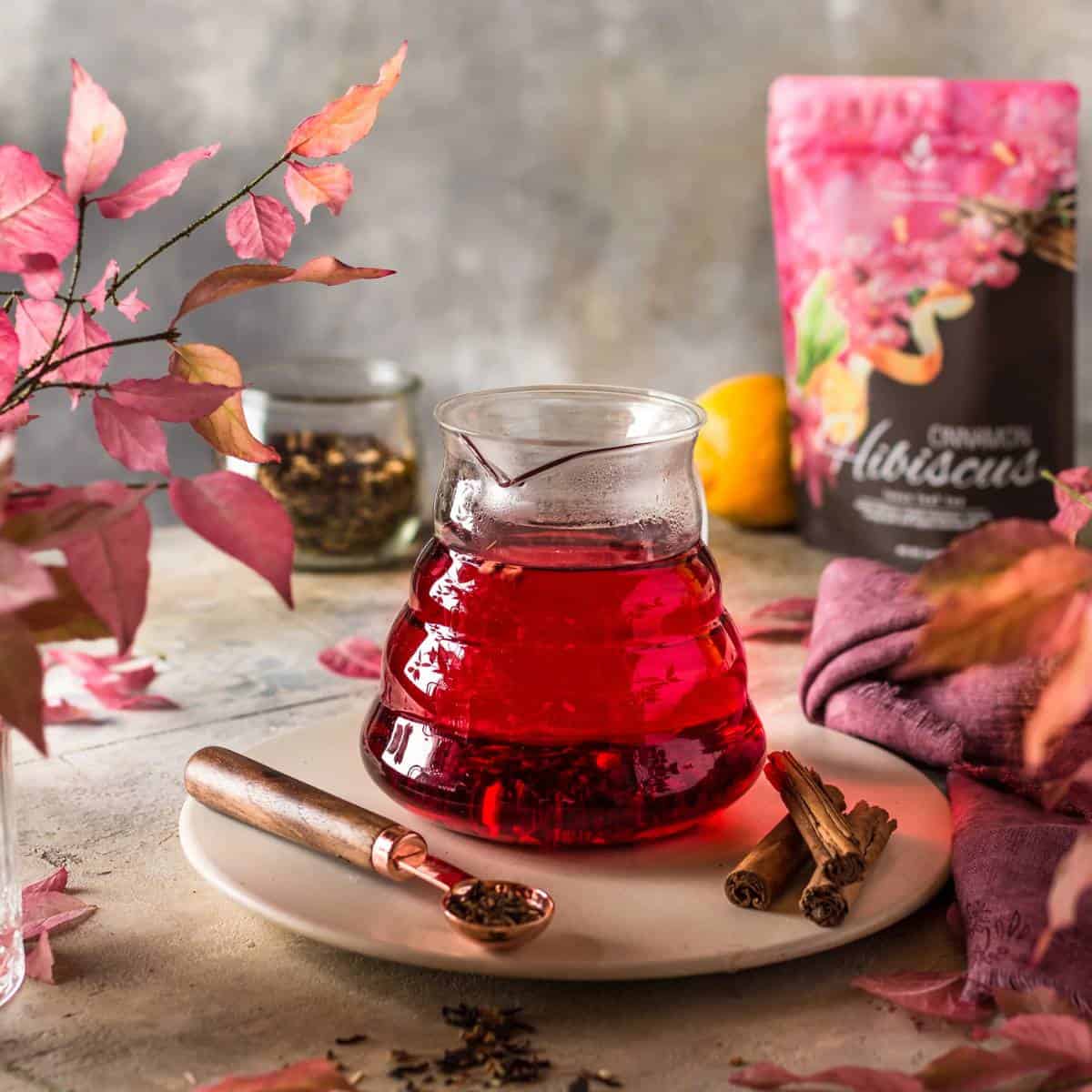
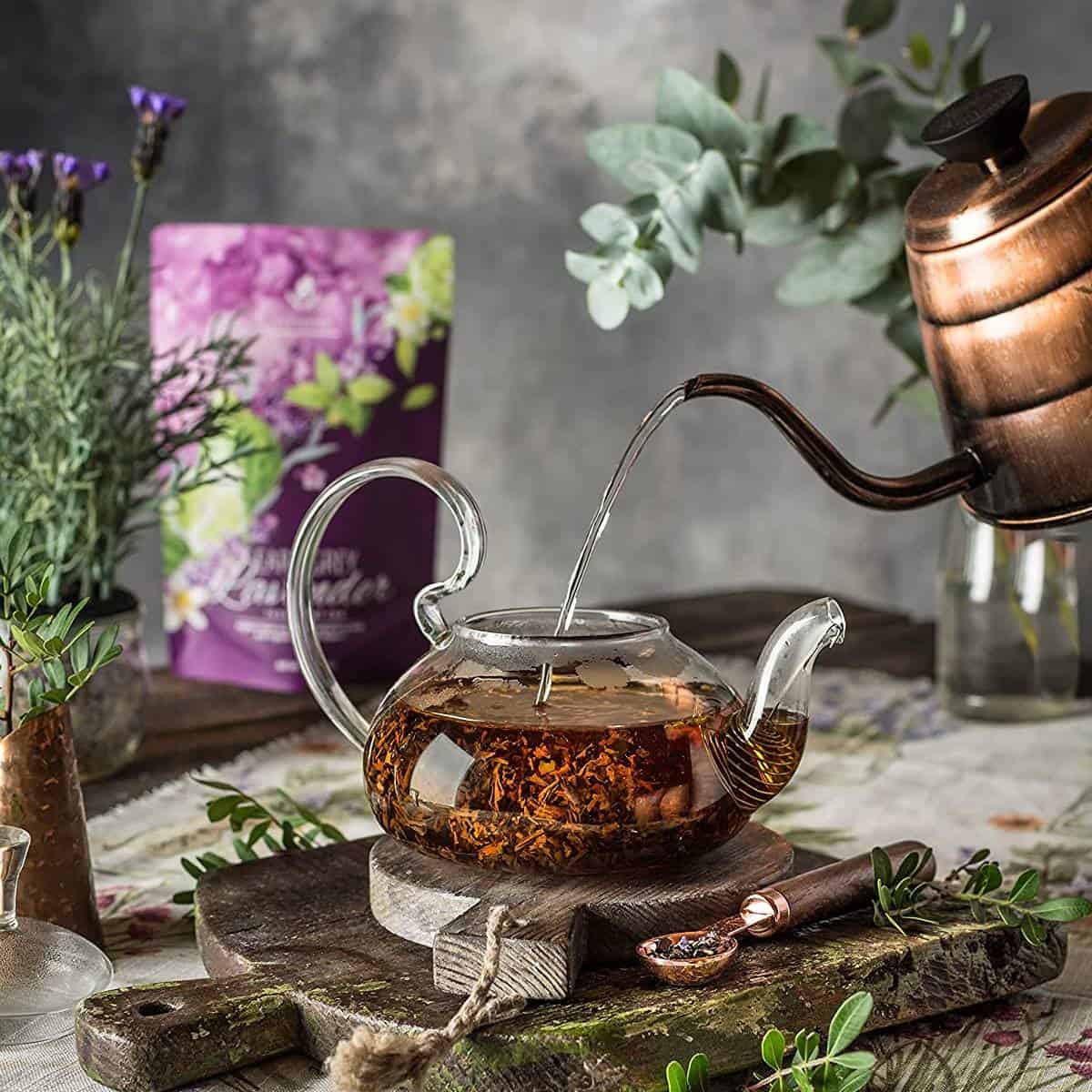
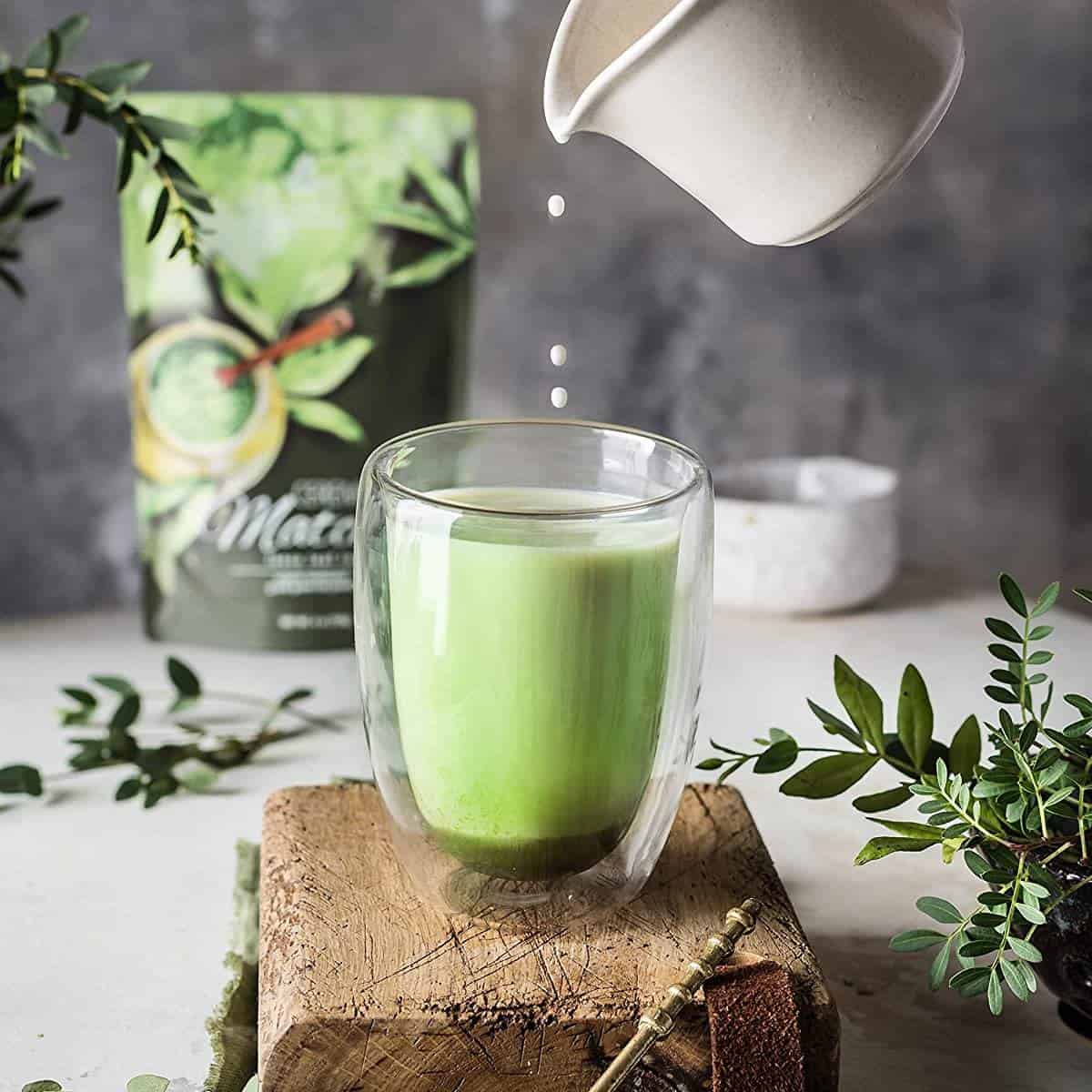
Gardenika’s best-selling organic tea:
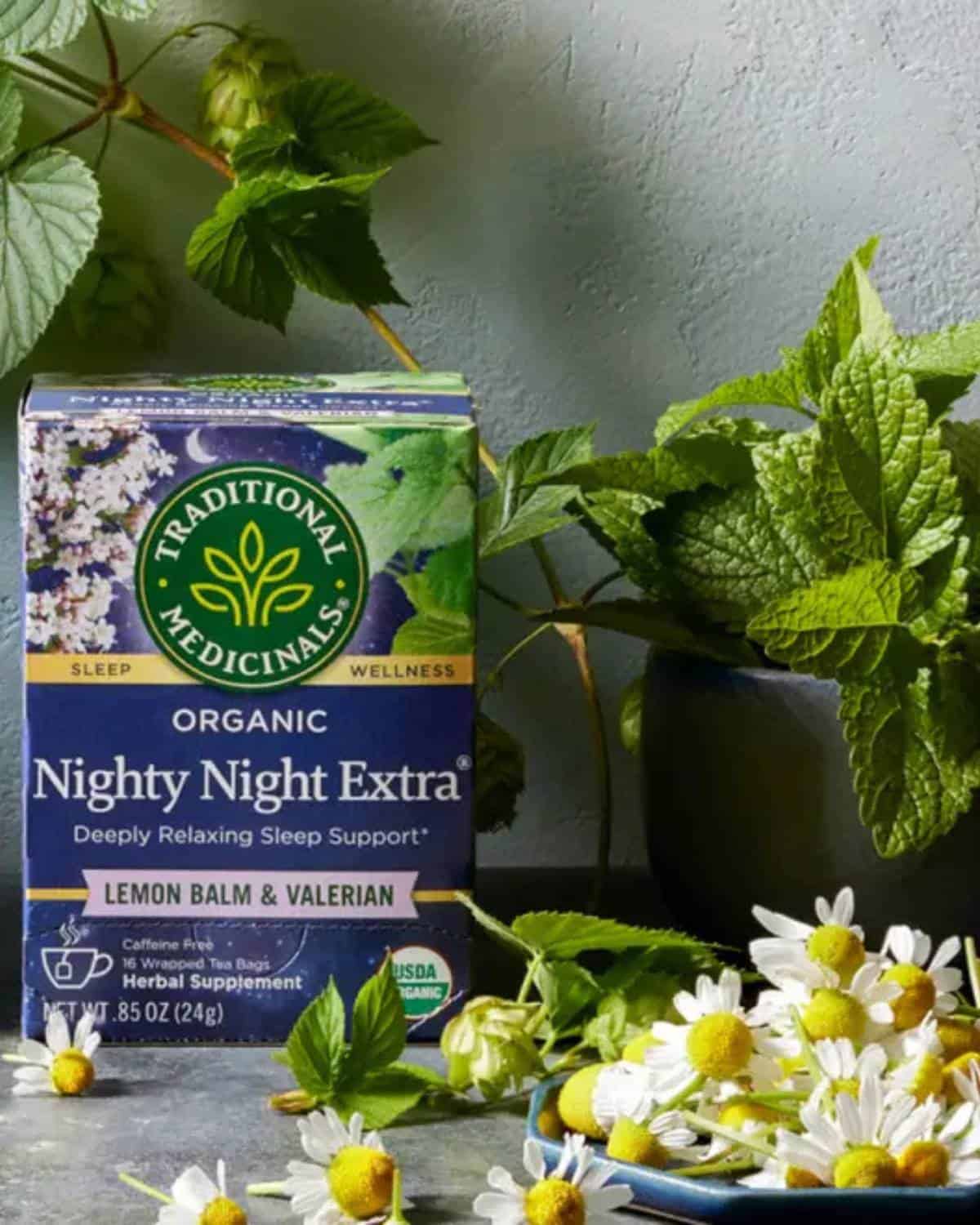
Traditional Medicinals is a California-based brand known for its herbalist-formulated teas, high safety standards, and ethical sourcing.
Most blends, including their best-selling Organic Lemon Balm Tea, are USDA Organic, Non-GMO Project Verified, and Fair Trade Certified. The brand is also a Certified B Corporation focused on sustainability.
Each tea undergoes multiple rounds of quality testing for heavy metals and microbial contaminants, though specific screening protocols aren’t disclosed per product.
Caffeine-free and kosher-certified, the tea is packaged in compostable, plastic-free tea bags with no added flavors or synthetic ingredients.
price
$6.79 for 16 tea bags
safety measures
Pharmacopoeial-grade herbs, Tested for heavy metals (USP <233> and European Pharmacopoeia), USDA Organic, Non-GMO Project Verified
Location/Shipping
United States
“Not the Best” Tea Brands –Some Testing (But Fall Short)
These brands make efforts toward safety but don’t meet our comprehensive standards for third-party testing or have other limitations that prevent them from earning a spot in our list.
⚠️ Rishi Tea & Botanicals – Organic with direct trade practices but limited comprehensive testing scope. While they source quality ingredients, they use PLA (plant-based plastic) tea bags that can still leach chemicals into your cup.
⚠️ Arbor Teas – Good organic practices but insufficient third-party verification for heavy metals. They’re transparent about their sourcing but fall short on comprehensive contaminant testing.
⚠️ Golden Moon Tea – Some independent testing for pesticides and toxins but not comprehensive enough for all contaminants. Their “Pure Tea Promise” sounds good but lacks the rigorous third-party verification we require.
⚠️ Stash Tea – Basic lab work but doesn’t meet our standards for comprehensive heavy metals and microplastics testing. They test some products but not consistently across their entire line.
These brands are a step in the right direction, but they still leave critical safety questions unanswered. We recommend reaching out directly to request updated lab reports before making a purchase.
Toxic Teas to Avoid: Microplastics, Pesticides, and Zero Transparency
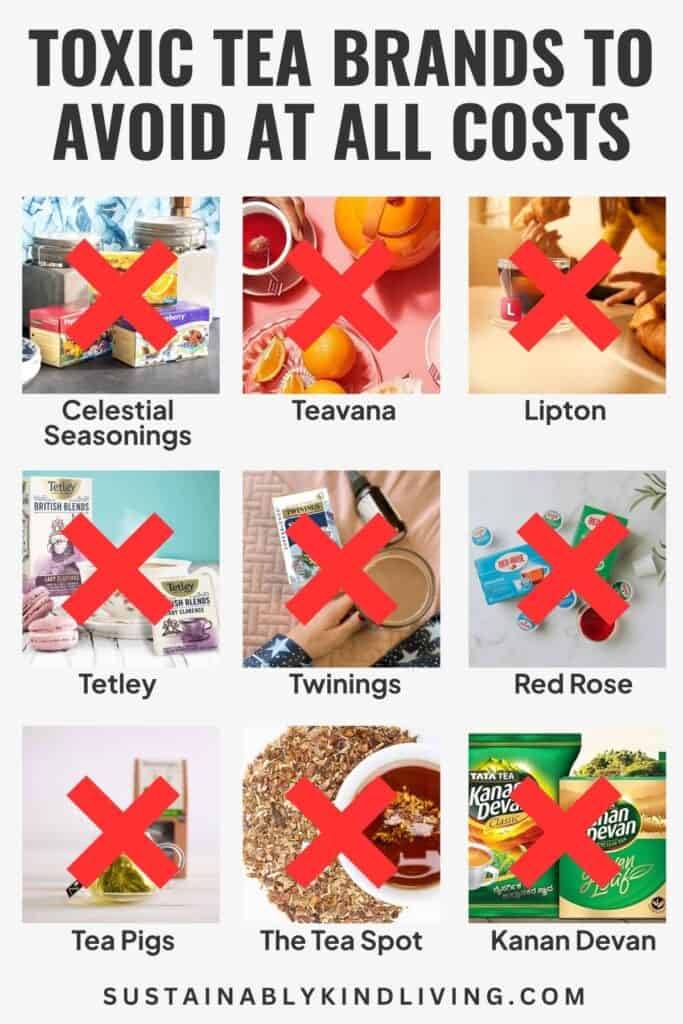
❌ Celestial Seasonings – In 2013, independent lab tests commissioned by Glaucus Research found that 91% of samples contained high levels of pesticide residue, including banned substances. The findings triggered a class-action lawsuit. The company disputed the report, but no full third-party testing data has been released to counter it.
❌ Teavana – Independent testing revealed 100% of samples had pesticide residues, and 77% failed to meet European Union safety standards. Some blends contained pesticides banned for years. Starbucks later shut down the brand, but legacy concerns still apply to shelf-stable teas.
❌ Lipton – Cited in both Canadian and Greenpeace testing for multiple pesticide residues. A 2012 Greenpeace China report found 3 to 17 pesticide residues in every sample tested.
❌ Tetley – Found to exceed maximum pesticide limits in Canadian testing. Public documentation of third-party safety screening remains limited.
❌ Twinings – Failed pesticide testing in India, where some blends exceeded national residue limits. Also uses plastic tea bags in select product lines. No full-scope testing transparency available.
❌ Red Rose – Contrary to older concerns, tested clean for pesticide residues in a major Canadian study. However, testing details remain limited across product lines, and transparency could be improved.
❌ Tea Pigs – Uses PLA “bioplastic” pyramid bags that can leach microplastics when steeped. No comprehensive third-party testing disclosed for heavy metals or solvent residues.
❌ The Tea Spot – Sells pyramid sachets made from corn-based PLA, which can shed microplastics in hot water. Lacks published data on pesticide or heavy metal testing.
Why is it important to avoid heavy metals and fluoride in tea?
Heavy metals like lead, cadmium, arsenic, and mercury are toxic even at low levels. Long-term exposure can harm the brain, kidneys, liver, and bones—and has been linked to cancer, cardiovascular disease, and developmental disorders.
Lead and mercury are especially dangerous during pregnancy and early childhood due to their effect on brain development.
Fluoride is another hidden risk. Tea—especially when brewed with fluoridated tap water—is one of the most concentrated sources of dietary fluoride. Chronic exposure has been associated with dental and skeletal fluorosis, bone issues, and even lower IQ in children.
Older tea leaves (commonly used in black, green, and oolong teas) can contain 3–4x more fluoride than younger leaves, making them a higher-risk option for kids and pregnant people.
Since these toxins accumulate in the body over time, even small daily exposures can add up, potentially leading to serious and irreversible health effects.
Not Just the Leaves: The Hidden Dangers of Conventional Tea Bags
Contamination doesn’t stop in the field. Many teas are processed using chemicals that don’t belong anywhere near your mug:
- Epichlorohydrin, a probable carcinogen, is used to strengthen some paper tea bags
- Artificial or “natural” flavors can be petroleum-derived.
- Chlorine bleach is still used to whiten bags in some brands
- Even “plastic-free” bags can be lined with polyethylene, which isn’t disclosed
Look for additive-free tea from brands that disclose their materials and use epichlorohydrin-free, unbleached, and truly compostable packaging.
Why The Organic Certification Isn’t Enough
Organic tea is a smart starting point, but it’s not a full safety guarantee.
That’s because USDA Organic certification focuses on farming practices. It doesn’t test for heavy metals, microplastics, or toxic processing chemicals that may contaminate tea during production, packaging, or even transport.
Even certified farms can sit on polluted land or be exposed to industrial runoff, and older tea leaves like in black, green, and oolong teas, can absorb higher levels of fluoride and heavy metals over time.
Why Third-Party Testing Is Non-Negotiable
Unfortunately, many tea companies still rely on outdated safety regulations and vague marketing language without offering real transparency about their safety practices.
When I started digging deeper into how brands handle testing, what I found was concerning. Very few shared the results of their testing publicly, and many didn’t appear to test at all.
So here’s what I look for when identifying truly trustworthy tea brands:
- Heavy metals like lead, arsenic, and cadmium—especially common in teas grown in contaminated soil.
- Pesticide residue, including banned chemicals like DDT (Dichlorodiphenyltrichloroethane), endosulfan, and bifenthrin.
- Microplastics, particularly from plastic or PLA-based tea bags.
- PFAS (“forever chemicals”), which showed up in some popular Earl Grey blends at alarmingly high levels.
- Bacterial and mold contamination, a concern with improperly stored or imported teas.
These aren’t theoretical risks. When you drink tea every day, even trace amounts can add up, and your body becomes the filter.
☕ The Safest Way to Brew Tea
If you’re choosing non-toxic tea, don’t overlook the tools you’re using to brew it. The wrong kettle, strainer, or even water can introduce unwanted toxins into your cup.
🔥 Use a Non-Toxic Tea Kettle
A non-toxic tea kettle is essential. Boiling water in the wrong material can leach heavy metals, hormone disruptors, or microplastics before it even touches your tea.
🍃 Choose a Safe Tea Strainer or Infuser
Even the cleanest loose-leaf tea can be compromised by a cheap plastic or coated strainer. Opt for stainless steel mesh (304 or 316 grade) or uncoated borosilicate glass infusers
💧 Brewing Tips to Minimize Toxins
- Use filtered water – Tap water may contain chlorine, fluoride, and other contaminants
- Mind the temperature – Brew green/white teas at 160–180°F to reduce fluoride release
- Keep it short – Steep for 3–5 minutes to limit heavy metal extraction
- Loose leaf > tea bags – No plastic, no glue, and better quality control
Bonus tip: Re-steep your tea! The first brew draws out most contaminants; later infusions are cleaner and more cost-effective
Frequently Asked Questions
The safest tea brands are those that use certified organic ingredients and provide third-party lab testing for heavy metals, pesticides, microplastics, and other contaminants. Top examples include Pique Tea, Teabloom, Gardenika, Mountain Rose Herbs, and Traditional Medicinals. These brands also use plastic-free, compostable packaging.
Yes, even organic tea can contain trace amounts of pesticides, heavy metals, or fluoride, especially if it’s not third-party tested. Organic certification mainly covers farming practices, not contamination during processing or packaging—so always look for brands that publish independent lab results.
Safe tea bags are made from unbleached paper or plant-based materials that are free of plastic, PLA, epichlorohydrin, and bleach. Avoid “silky” or “biodegradable” bags unless a brand confirms they are PFAS-free and don’t leach microplastics. Loose-leaf tea is generally the safest option.
Yes. Many popular tea bags—especially pyramid-shaped or “silken” ones—are made from PET, nylon, or PLA, which release billions of microplastic particles when steeped in hot water. To avoid this, choose loose-leaf teas or brands that use certified plastic-free tea bags.
The healthiest way to brew tea is to use filtered water, a non-toxic tea kettle (like borosilicate glass or stainless steel), and a loose-leaf infuser made of stainless steel or glass. Keep steeping times under 5 minutes to reduce heavy metal extraction.
Third-party testing ensures that your tea is free from hidden toxins like lead, arsenic, cadmium, fluoride, pesticides, and mold. Many brands make clean claims but don’t prove it. Verified lab results are the only way to know your tea is truly non-toxic.
Not always. Independent tests have found high levels of banned pesticides and heavy metals in well-known brands like Celestial Seasonings, Teavana, Lipton, and Twinings. Some also use tea bags that leach microplastics. Always research or choose third-party verified brands.
Let Your Tea Be a Source of Healing, Not Hidden Toxins.
For too long, big tea brands have prioritized profits over people, cutting corners on safety to protect their margins.
They’ve hidden behind outdated regulations and vague “proprietary” processes, hoping no one would question the pesticides, heavy metals, or plastic particles steeping into your cup.
But now you know better. And that changes everything.
Choosing organic, third-party tested tea means you’re not just avoiding toxins, you’re actually unlocking the full health benefits tea was meant to offer.
Explore more of our incredible Non-Toxic Kitchen articles:
- Organic Matcha
- Non-Toxic Tea Kettles
- Non-Toxic Coffee Makers
- Organic & Fair Trade Coffee
- Non-Toxic Toasters
- Non-Toxic Baking Sheets
- Non-Toxic Cookware
- Non-Toxic Food Storage

Steal My Non-Toxic Cleaning Checklist!
Believe us, it’s the BEST…. and it’s free. Does it really get any better than that?! Sign up for our newsletter and get this free checklist to clean your home without any harmful chemicals!



SOOOO informative, THANK YOU!
I like Rishi ceremonial matcha, but I contacted them to ask where I could review their latest testing results, and they said the results are not shared with the public. Bad sign.
What about Good Earth Organic Tea…. Is that one safe to drink?
Hi there!
Thank you so much for your question!
At this time, Good Earth Organic Tea hasn’t been tested by our team, so we can’t confidently confirm its safety — especially when it comes to things like pesticide residue, heavy metals, and microplastics, which we prioritize in our tea brand reviews.
That said, if you’re already drinking it and enjoying it, I recommend reaching out to the company directly to ask whether their teas are third-party tested for contaminants and if they use plastic-free tea bags (if applicable). These are two of the biggest factors we look at when evaluating safety.
If you’re looking for safer options that have already been vetted, we’ve included several excellent third-party tested tea brands in the article — all with transparent sourcing and toxin-conscious practices.
Let me know if you’d like a personal recommendation based on flavor or caffeine preferences!
Is Organic Choice Tea safe from plastic and heavy metals ?
Thank you so much for your question! Here’s what we found on Choice Organic Teas.
Plastic: safe. Choice’s tea bags are made from hemp fiber and wood pulp, not nylon or PET. No plastic, no glue, no staples, and fully compostable. This is a rare claim we can verify with confidence.
Heavy metals: unconfirmed. We couldn’t find a published Certificate of Analysis or third-party heavy metal test anywhere, including on their own site. USDA Organic certification only covers pesticides and soil practices, not lead, arsenic, or cadmium in the final leaf. Tea plants absorb whatever’s in the soil, so organic status alone doesn’t guarantee low metals, and we’ve seen data showing organic teas aren’t consistently cleaner on this front.
What about Bigelow tea?
Bigelow is actually one I feel pretty good about! Their tea bags are plastic-free and made primarily from wood pulp and abaca fibers, and they say they do not use elemental chlorine in processing. They also report third-party testing for 450+ pesticides, heavy metals, and PFAS. Their 2026 PFAS testing found none detected in either the tea or packaging.
The one thing I’d keep in mind is that not every Bigelow tea is organic, so I would still choose one of their organic options when available if minimizing pesticide exposure is a priority. But overall, especially when it comes to the tea bag itself, Bigelow is a much better option than many conventional tea brands.