 Shop My Favorite Non-Toxic Gifts Of 2026!
SKL is reader supported. When you buy through links on our site, we may earn affiliate commission. Learn more here.
This guide to Fairtrade Flowers is perfect for anyone looking to purchase more socially responsible flowers that aren’t contributing to worker exploitation or environmental damage in flower-growing communities.
Valentine’s Day is almost here, and Spring is just around the corner, and you know what that means… flowers!
Fresh flowers have always been part of my life. Growing up, my family kept fresh flowers all over our home, and it’s a tradition I’ve carried into my own home today. Nothing makes a house feel more like a home than fresh-cut flowers.
But recently, I discovered a troubling reality behind those weekly bouquets when I noticed Fairtrade certification labels popping up on the bouquets at my local grocery store.
Curious about what Fairtrade flowers meant, I began researching the commercial flower industry, and what I uncovered was pretty shocking.
There’s a dark underside to the beautiful flowers we import. A complex web of worker exploitation and environmental damage that most of us are never made aware of. And the scale of these issues is mind-boggling.
The flower industry, valued at $31.95 billion in 2023 and projected to grow to $53.07 billion by 2032, largely relies on imported flowers—especially in the United States, where they make up an estimated 90% of the market.
Most of these flowers come from Colombia and Ecuador, where workers face exploitation and unsafe working conditions that remain hidden from view.
The environmental impact is equally concerning. Workers in flower greenhouses may be exposed to up to 127 different toxic pesticides and fertilizers that are also contaminating local water sources, harming beneficial pollinators, and threatening biodiversity in growing regions.
But the good news is that Fairtrade Flowers are a great alternative, so we can still enjoy the beauty of cut flowers while supporting fair working conditions, community development, and protecting the environment.
In this article, I’ll take you through what I’ve learned about the industry’s troubling realities and the best places to find Fairtrade flowers.
The Dark Side of the Flower Industry
Worker Exploitation
In countries like Kenya and Ethiopia, the average flower farm worker earns a mere 50-65% of a living wage. This means that even with full-time employment, many workers and their families live in poverty.
In Kenya, a flower farm worker with 15 years of experience reports earning just $84 per month, struggling to support a family of seven on this meager income. During peak seasons, workers can face extreme pressure to meet demand.
In Colombia, workers have reported being forced to work 16-20-hour days without additional pay. Many workers are also kept on temporary contracts, even after years of employment, denying them job security and benefits.
But perhaps the most alarming is the use of child labor on some flower farms. Reports have documented children as young as nine working on flower farms, often exposed to the same hazardous conditions and chemicals as adult workers. This robs these children of their childhoods, education, and future opportunities.
Negative Environmental Impact
However, the environmental impact of the conventional flower industry extends beyond human exploitation.
Unethical farming practices can severely damage the environment through excessive pesticide use, water pollution, and habitat destruction.
Step inside a flower greenhouse, and you might be exposed to up to 127 different chemicals. These pesticides, fungicides, and fertilizers are used heavily in the industry to protect flowers from pests and diseases and to promote growth.
However, the use of these chemicals comes at a steep cost to both workers and the environment. Flower farm workers, who often lack proper protective equipment, are at high risk of pesticide exposure.
Over 50% of workers in some regions report symptoms of pesticide poisoning, including headaches, dizziness, nausea, and blurred vision. Long-term health effects can include an increased risk of cancer, birth defects, and reproductive and nervous system damage.
Devastating Impacts on Wildlife and Biodiversity
But the impact extends beyond the workers themselves.
Pesticide runoff from flower farms contaminates local water sources, harming aquatic ecosystems and endangering the health of nearby communities that rely on these water sources for drinking, cooking, and cleaning.
The heavy use of pesticides and chemicals in the flower industry also takes a toll on wildlife and biodiversity. Beneficial insects like bees and butterflies, which play a crucial role in pollination, are particularly vulnerable to these toxic substances.
The decline of pollinators can have far-reaching effects on ecosystems and food production. Beyond that, pesticide runoff can harm fish, amphibians, and other aquatic life, disrupting delicate ecological balances.
How Fairtrade Flowers Make a Difference
But don’t worry, you don’t have to give up your weekly fresh flower run! Fairtrade options offer a beautiful and ethical alternative, allowing you to enjoy your blooms while supporting environmental protection and fair worker rights.
Fairtrade flowers are grown and traded under the Fairtrade certification, which is a comprehensive process managed by FLOCERT.
Through a rigorous three-year audit cycle, certified farms must meet strict standards covering worker rights, fair wages, safe working conditions, gender equality, and environmental protection.
Empowering Workers
The Fairtrade certification ensures that workers receive fair wages, with a minimum requirement of $2.15 per person per day, adjusted for inflation.
This has led to 69% of workers on Fairtrade farms reporting higher wages compared to their non-Fairtrade counterparts. Beyond fair pay, Fairtrade empowers workers through representation and leadership opportunities.
Workers elect representatives to decide how to use the Fairtrade Premium, giving them a voice in shaping their communities.
Amazingly, over 50% of leadership and management positions at Fairtrade-certified flower farms are held by women, promoting gender equality in an industry where women have traditionally faced rampant discrimination.
Supporting Communities
While Fairtrade flowers may cost a little more upfront, the incremental cost is well worth it.
One of the most transformative aspects of the Fairtrade certification is the Fairtrade Premium fund – an additional sum of money generated from Fairtrade flowers that workers can invest in community development projects.
In 2021 alone, Fairtrade flower sales generated almost $9 million to support local communities. In flower-growing communities, the Fairtrade Premium has supported the renovation of school buildings, provision of student bursaries, and construction of medical centers that offer free eye exams, routine check-ups, and pediatric care.
The Premium has also been invested in housing improvements for workers, sustainable water irrigation systems, tree-planting initiatives, and human rights training programs.
Protecting The Environment
The Fairtrade certification maintains strict regulations on pesticide use to help safeguard workers’ health and reduce chemical contamination of local ecosystems.
Some Fairtrade farms go above and beyond to avoid red-label herbicides and pesticides altogether, opting for organic waste and compost as fertilizers instead.
Beyond limiting pesticide use, Fairtrade farms focus on water conservation. Through the use of rainwater collection systems, water recycling, hydroponics, and drip irrigation, these farms are finding innovative ways to reduce their water footprint.
Fairtrade certification also supports biodiversity protection. By prohibiting the felling of forests with high conservation value and promoting integrated pest management, Fairtrade farms help to preserve native plant and animal species.
Where can I find Fairtrade flowers?
One of the easiest ways to support ethical flower production is by purchasing Fairtrade-certified flowers whenever possible.
Many major retailers now offer Fairtrade options, making it more convenient than ever to make a responsible choice.
Where To Buy The Best Fairtrade Flowers In 2026
1. FTD Fair Trade Certified
Delivery: Within the US Only

Due to consumer demand, FTD, one of the most well-known floral delivery services, has begun to offer a selection of Fairtrade Certified bouquets sourced from ethical farms.
Just note that their Fairtrade offerings are limited, so be sure to read bouquet descriptions closely to ensure you are purchasing ethically sourced flowers.
2. Bloomingmore
Delivery: Within the US Only
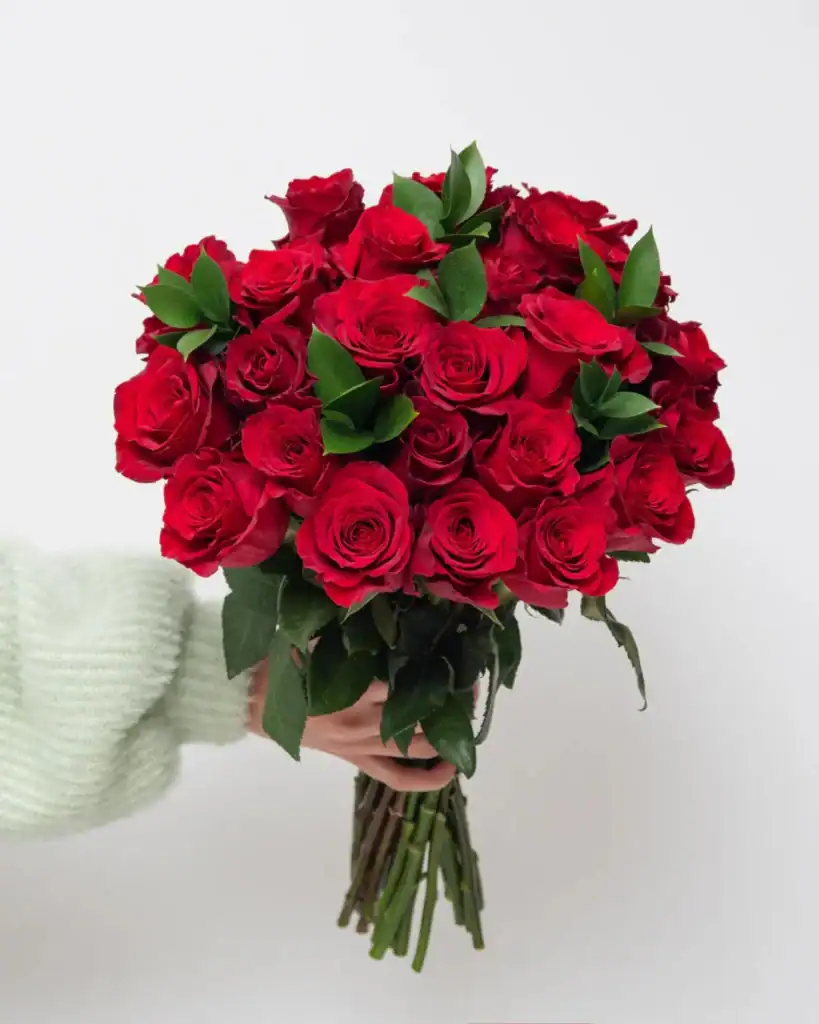
Bloomingmore is an online marketplace that sources socially responsible, farm-fresh flowers from their network of certified sustainable farms across the Americas and Europe to bring you year-round beauty.
The Bloomingmore team consists of passionate farmers, florists, agronomists, and designers dedicated to delivering beautiful, long-lasting blooms while supporting ethical practices.
3. Poppy Flowers
Delivery: Within the US Only

Poppy Flowers delivers fresh, sustainably grown blooms from Rainforest Alliance and Fairtrade-certified farms in South America.
Their expert farm partners employ a majority of the women workforce and prioritize ethical practices.
Choose from a variety of in-season flowers like roses, ranunculus, and peonies, perfect for any occasion.
With their Poppy at Home kits, arranging stunning bouquets is a breeze.
4. Arena Flowers
Delivery: Within the United Kingdom only

Arena Flowers is “The UK’s most ethical florist.” They source stunning roses and other blooms from Fairtrade-certified farms in Kenya.
These farms utilize Fairtrade premiums to support ecological sustainability, water efficiency, and educational initiatives.
With Arena Flowers, your purchase makes a positive impact, from their commitment to eliminating single-use plastics to their support of charitable partners.
Ranked 100/100 on the Good Shopping Guide’s Ethical Company Index, Arena Flowers is dedicated to creating a kinder, more sustainable supply chain.
5. Sense Ecuador
Delivery: Delivers within the US & Ecuador
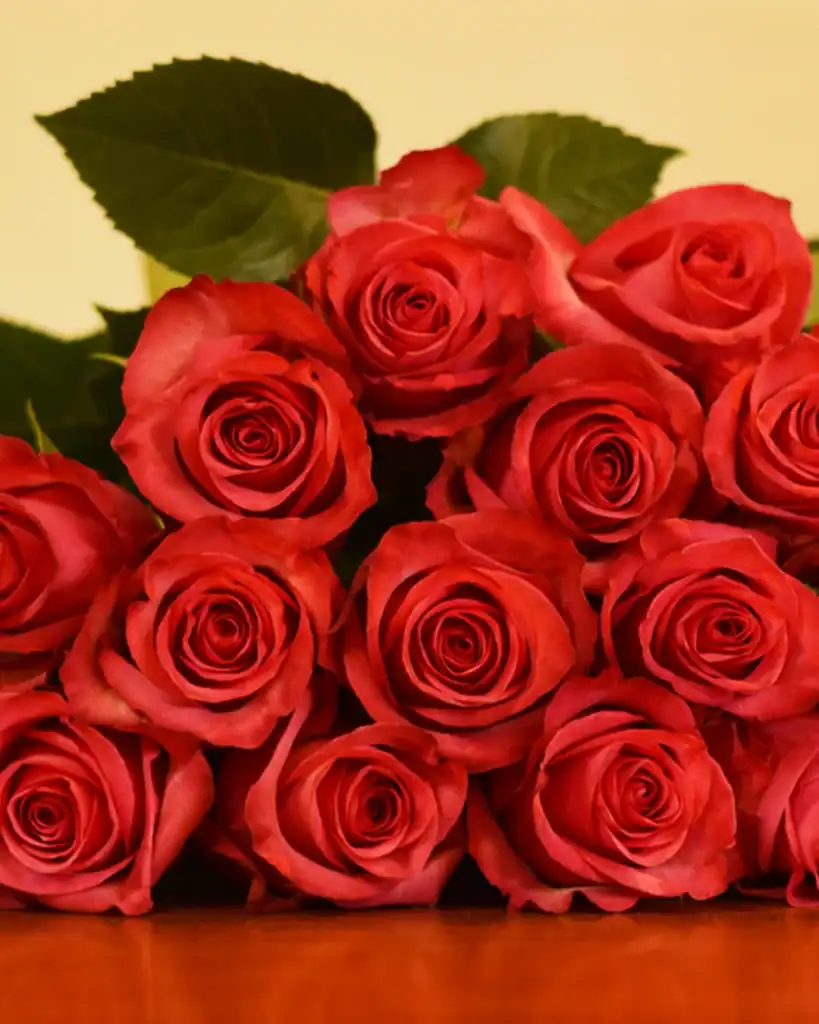
Sense Ecuador is a Florida-based e-commerce company that offers premium Fairtrade Certified roses sourced from Ecuador’s Hoja Verde Farm.
Sense Ecuador curates a collection of ethically grown flowers, gourmet products, and fashion accessories that support communities in developing regions of South America.
6. Supermarkets
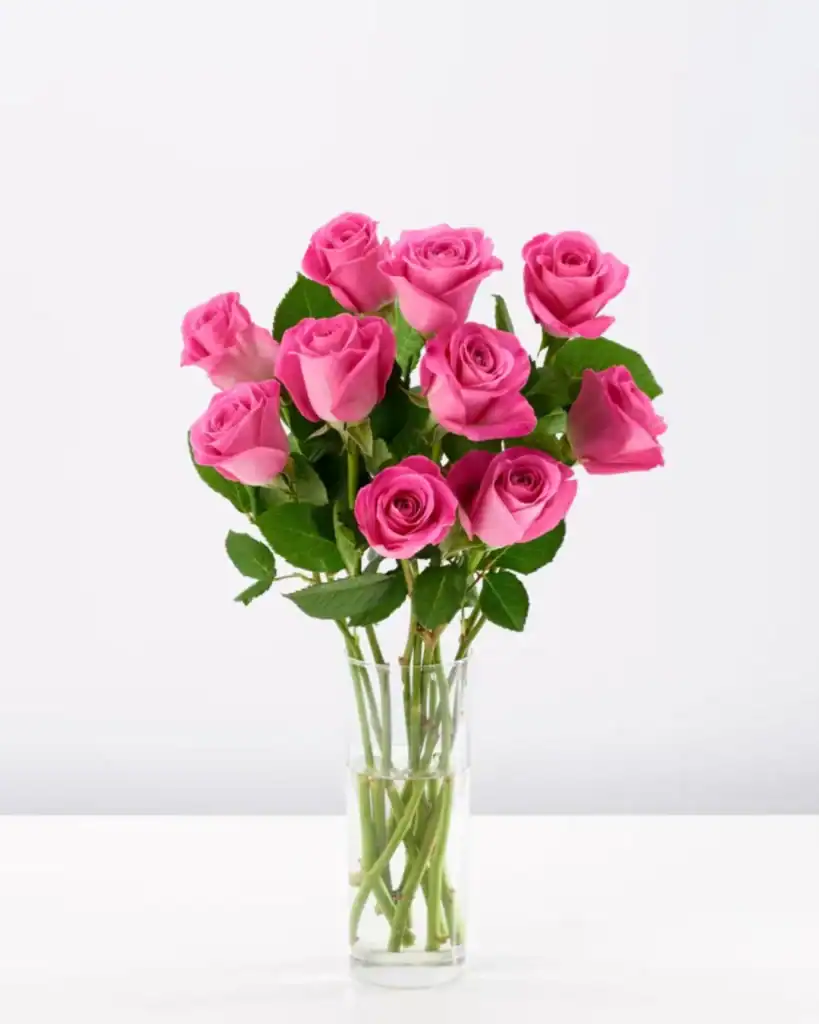
In the United States, Whole Foods carries a beautiful range of Fairtrade flowers under their Whole Trade label, guaranteeing ethical sourcing from third-party Fairtrade certifiers.
In the UK, many large retailers like Tesco, Aldi, and Co-op stock Fairtrade flowers seasonally.
7. Farmers Markets & Local Small Businesses
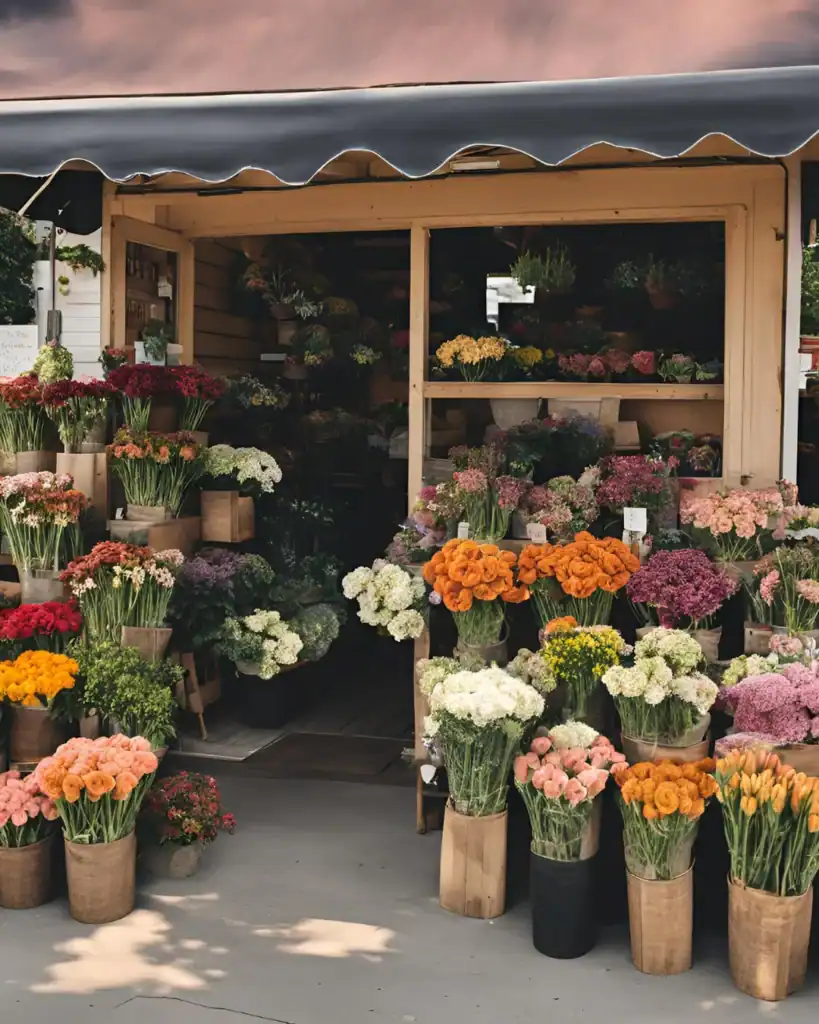
Farmers’ markets and independent florists also often source Fairtrade flowers, just be sure to ask or to look for the distinctive Fairtrade logo on bouquets and packaging before purchasing.
If you have a choice between buying your Fairtrade flowers from a small business instead of a large chain, we certainly recommend that you do so!
By choosing to support a small, independent store in your local area that sells Fairtrade flowers and bouquets, you’re not just helping raise the standards in the supply chain – you’re also making sure a lot of the money you invest is going directly back into your local community.
This has been your guide to why Fairtrade flowers matter in 2026.
Hopefully, this explanation of Fairtrade flowers and why they matter has inspired you to look for that glorious Fairtrade label the next time you go in search of flowers for your loved ones.
By choosing bouquets with that little Fairtrade logo, you can enjoy gorgeous blooms with a clear conscience. No more worrying that your Valentine’s Day roses came at the cost of worker exploitation or eco-destruction. With Fairtrade, you’re spreading the love to farming communities and the planet.
So go ahead and treat yourself to those Fairtrade tulips. Buy your sweetheart a big ol’ bunch of Fairtrade roses. Fill your home with Fairtrade floral fabulousness and feel good knowing you’ve done well.
- 🎁 Sustainable Valentine’s Day Gifts – A simple guide to thoughtful, non-toxic, and eco-friendly Valentine’s Day gifts that are better for people and the planet.
- 💝 Homemade Valentine’s Day Gifts – A simple guide to thoughtful, low-waste Valentine’s Day gifts you can make at home using non-toxic, eco-friendly materials.
- 💦 Eco-Friendly & Non-Toxic Sex Toys – A clear breakdown of body-safe sex toys made without harmful plastics, phthalates, or hidden toxic materials.
- 🛡️ Non-Toxic Condoms – An easy guide to condoms made without hormone-disrupting chemicals, harsh additives, or unnecessary irritants.
- 🍷 Vegan Wine – A simple explanation of what makes wine vegan, why many wines aren’t, and how to find cleaner, cruelty-free options.
- 🩷 Sustainable Lingerie – A practical guide to lingerie made with safer fabrics, ethical production, and long-lasting quality — without greenwashing.
📌 Save This Guide For Later
Learn why Fairtrade flowers matter, the hidden impacts of conventional bouquets, and how to choose ethical, eco-conscious flowers that support fair wages, safer working conditions, and environmental protection. A must-read before buying flowers for Valentine’s Day, Mother’s Day, or everyday blooms.
References:
- ABColombia. (2023). Colombian flower workers deserve decent working conditions this Valentine’s Day. Retrieved from https://www.abcolombia.org.uk/colombian-flower-workers-deserve-decent-working-conditions-valentines-day/
- Astute Analytica. (2024). Global Cut Flowers Market Set to Attain Valuation of US$ 53.07 Billion By 2032. Globe Newswire. Retrieved from https://www.globenewswire.com/news-release/2024/10/08/2959930/0/en/Global-Cut-Flowers-Market-Set-to-Attain-Valuation-of-US-53-07-Billion-By-2032-Astute-Analytica.html
- BBC News. (2024). The hidden cost of beautiful bouquets. Retrieved from https://www.bbc.com/news/articles/c4glydv8qlgo
- Fairtrade UK. (2024). Fairtrade Premium brings tangible benefits for flower workers, a new study reveals. Retrieved from https://www.fairtrade.org.uk/media-centre/news/fairtrade-premium-brings-tangible-benefits-for-flower-workers-new-study-reveals/
- Fairtrade UK. (2024). The Women’s School of Leadership for Flower Workers in Ethiopia. Retrieved from https://www.fairtrade.org.uk/farmers-and-workers/flowers/the-womens-school-of-leadership-for-flower-workers-in-ethiopia/
- FLOCERT. (2024). Certification for a better world. Retrieved from https://www.flocert.net/
- Kiefer, S., Gomez, M., Speare, K., & Salifu, D. (2020). Challenges and strategies in the thermal development of cut-flowers. PMC National Library of Medicine, 7(2), 45-62. Retrieved from https://pmc.ncbi.nlm.nih.gov/articles/PMC7250909/
- Olsen, K. (2012). There’s a 1 in 12 Chance Your V-Day Flowers Were Cut by Child Laborers. The Atlantic. Retrieved from https://www.theatlantic.com/international/archive/2012/02/theres-a-1-in-12-chance-your-v-day-flowers-were-cut-by-child-laborers/253084/
- United States Department of Agriculture. (2024). Pesticide Drift May Endanger Pollinators. Agricultural Research Service. Retrieved from https://www.ars.usda.gov/oc/dof/pesticide-drift-may-endanger-pollinators/

Steal My Non-Toxic Cleaning Checklist!
Believe us, it’s the BEST…. and it’s free. Does it really get any better than that?! Sign up for our newsletter and get this free checklist to clean your home without any harmful chemicals!




Hi,
I love this article and that you’ve brought to light the importance of Fair Trade, on many levels too!
However, what about LOCALLY grown flowers in front of the option to buy Fair Trade flowers? Your small flower farms that are scattered throughout this country are trying their best to sustain and re-fuel our nation’s cut flower trade. **See slowflowers.com for more information.
Thank you! And I look forward to seeing future stories (I love your site and following along) about supporting AMERICAN GROWN!