 Shop My Favorite Non-Toxic Gifts Of 2026!
SKL is reader supported. When you buy through links on our site, we may earn affiliate commission. Learn more here.
This guide will inspire you with meaningful ways to celebrate Earth Day and make a lasting impact on our planet. Whether through small everyday changes or community efforts, every action counts in creating a healthier, more sustainable world.
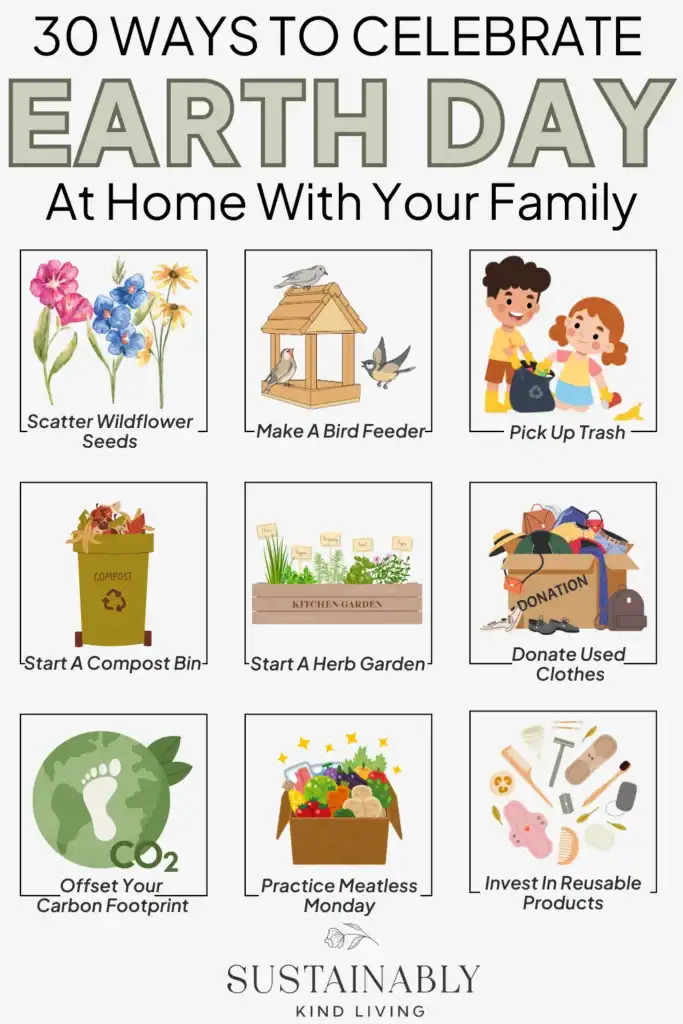
Earth Day is more than just a date on the calendar—it’s a powerful reminder of our responsibility to protect and cherish the planet we call home.
Every April 22nd, millions of people around the world come together to advocate for a healthier and more sustainable Earth.
But the truth is, the choices we make every day have a lasting impact. Whether through small personal changes or collective action, we can all contribute to a better future.
Instead of viewing Earth Day as just another day for brands to push “eco-conscious” sales, let’s use it as an opportunity to reflect, take action, and reconnect with the natural world.
In this guide, we’ll explore how to celebrate Earth Day at home in meaningful, impactful ways!
From easy swaps and educational resources to eco-friendly habits and volunteer opportunities, this list will help you create a lasting difference beyond just one day.
What is Earth Day and why do we celebrate it?
Earth Day, celebrated annually on April 22nd, serves as a global call to action for environmental protection.
First observed in 1970, it launched the modern environmental movement and led to the establishment of policies such as the Clean Air Act and the Clean Water Act.
Today, Earth Day is recognized in over 190 countries and has inspired countless initiatives to combat climate change, pollution, deforestation, and biodiversity loss.
What are the goals of Earth Day?
- Inspire individuals to make lifestyle changes that reduce their ecological footprint.
- Raise awareness about environmental issues.
- Promote sustainable practices at home and in communities.
- Encourage legislative action to protect natural resources.
How did Earth Day begin?
The first Earth Day was organized by Senator Gaylord Nelson as a national teach-in on the environment. It was a response to increasing concerns about pollution, oil spills, and deforestation.
On April 22, 1970, over 20 million Americans participated, leading to major environmental reforms. The movement has since grown into a global phenomenon.
Why is Earth Day more important than ever?
Today, we face pressing issues like:
- Climate change causing extreme weather conditions.
- Plastic pollution harming marine life.
- Deforestation leading to habitat destruction.
- Biodiversity loss impacting ecosystems.
Now more than ever, Earth Day is a crucial reminder that we need to take action to preserve the environment for future generations.
The good news? You don’t need to attend a rally or organize a large-scale event to participate. Some of the most effective ways to celebrate start right at home.
30 Amazing Ways To Celebrate Earth Day
1. Go Outside & Ground Yourself

Stepping outside and grounding yourself by walking barefoot on grass, soil, or sand helps you reconnect with nature.
Studies show that “earthing” can reduce stress, improve sleep, and decrease inflammation in the body.
Taking just a few moments to breathe deeply and feel the Earth beneath your feet can be a powerful way to recharge.
This simple practice reminds us of our deep connection to the planet and the importance of protecting it for future generations.
2. Take a Nature Walk or Hike
According to the Environmental Protection Agency (EPA), Americans spend 87% of their lives indoors. Spending time outside improves mood, boosts immune function, and reduces stress. Even a short walk in the park can be rejuvenating.
3. Plant a Tree or a Pollinator Garden
Planting a tree or a pollinator garden helps support biodiversity, clean the air, and combat climate change. Native plants and flowers provide essential food and shelter for bees, butterflies, and other pollinators that keep ecosystems thriving.
4. Create a DIY Bird Feeder
Reuse household items like milk cartons, pinecones, or mason jars to craft a simple bird feeder. This not only reduces waste but also supports local bird populations.
5. Watch the Stars
Did you know light pollution prevents over 80% of people from seeing the Milky Way? Turn off outdoor lights, grab a blanket, and spend time stargazing. Apps like SkyView can help you identify constellations.
6. Start A Compost

Composting is a simple yet powerful way to reduce food waste and nourish the soil.
Instead of sending food scraps to landfills, where they produce harmful methane gas, turn them into rich, natural fertilizer for your garden.
Whether you use a backyard compost bin or a small indoor system, every bit helps reduce waste and support a healthier planet.
Starting a compost is an easy step toward a more sustainable lifestyle that benefits both you and the environment!
7. Unplug Electronics
Unplugging electronics when not in use reduces energy waste and lowers your electricity bill. Many devices continue to draw power even when turned off, so unplugging helps conserve energy and lessen your environmental impact.
8. Audit Your Trash
Spend a day analyzing what you throw away the most. Challenge yourself to find reusable alternatives for commonly discarded items, such as switching to cloth napkins or refillable containers.
9. Learn How To Properly Recycle
Recycling properly ensures that materials like paper, glass, and plastics don’t end up in landfills or contaminate recycling streams. Learning your local recycling guidelines helps reduce waste, conserve resources, and make the recycling process more effective.
10. Upcycle Old Clothes & Textiles
Upcycling old clothes and textiles gives new life to worn-out fabrics while reducing landfill waste. Transforming old T-shirts into tote bags or repurposing fabric scraps for DIY projects helps conserve resources and promotes sustainable fashion.
11. Make Your Own Cleaning Products

Many conventional cleaning products contain harsh chemicals that pollute the air and water.
Making your own cleaners with simple ingredients like vinegar, baking soda, and essential oils is safer for your health and the environment.
DIY cleaning products reduce plastic waste, save money, and work just as effectively as store-bought alternatives.
This Earth Day, try swapping toxic cleaners for natural, eco-friendly solutions!
12. Cook A Plant Based Meal
Cooking a plant-based meal reduces your carbon footprint, conserves water, and helps protect natural ecosystems. Even one meatless meal a week can make a big impact by lowering greenhouse gas emissions and promoting sustainable food choices.
13. Shop At Farmer’s Market
Shopping at farmers’ markets supports local growers, reduces the carbon footprint of your food, and minimizes plastic packaging. Fresh, seasonal produce is often grown with fewer chemicals, making it a healthier choice for both you and the planet.
14. Invest In Reusables
Single-use plastics contribute to massive pollution, harming wildlife and ecosystems. Investing in reusables like stainless steel water bottles, cloth shopping bags, and glass food containers helps reduce waste and protect the planet.
15. Switch To Non-Toxic Period Care
Traditional period products contain plastics and chemicals that can harm both your health and the environment. Switching to non-toxic options like organic cotton pads, menstrual cups, or reusable cloth pads reduces waste and supports a healthier planet.
16. Support Ethical & Sustainable Brands

Many companies contribute to pollution and deforestation, but ethical brands prioritize sustainability.
Look for businesses that use recycled materials, fair-trade sourcing, and eco-friendly packaging.
Shopping from sustainable brands reduces waste and promotes responsible production.
Your purchases have power—support companies that align with your values!
17. Participate in Community Clean-up
Gather friends, family, or neighbors and head to a local park, beach, or trail to pick up litter. Plastic pollution harms wildlife and ecosystems, making clean-up efforts incredibly impactful. Even one afternoon of cleaning can remove pounds of waste from the environment. Take before-and-after photos to see the difference your efforts make!
18. Reduce Water Waste
Water is one of our most precious resources, yet millions of gallons are wasted daily. Small changes like turning off the tap while brushing your teeth or collecting rainwater for plants can make a big difference. Installing low-flow showerheads and fixing leaks also help conserve water. Every drop counts in protecting our planet’s freshwater supply!
19. Go Paperless
Paper production leads to deforestation and water waste, but going digital can help reduce your impact. Opt for electronic bills, receipts, and documents whenever possible. If you need to print, choose recycled paper and print double-sided to save trees. Small steps like these collectively make a huge environmental difference!
20. Host A Clothing Swap!
Fashion waste is a massive problem, with millions of textiles ending up in landfills each year. Instead of buying new, host a clothing swap with friends, coworkers, or your community. This keeps clothes in circulation, reduces demand for fast fashion, and saves money. Plus, you’ll have fun refreshing your wardrobe in a sustainable way!
21. Grow Your Own Herbs & Veggies
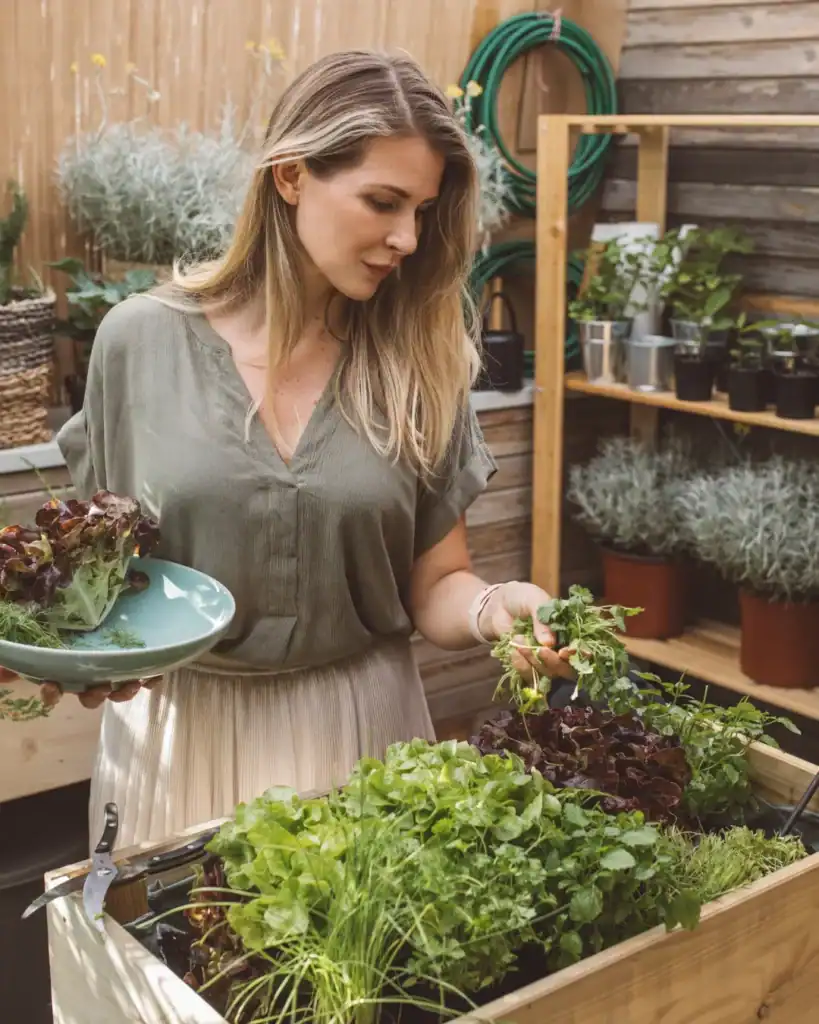
Store-bought produce often comes wrapped in plastic and has a large carbon footprint due to transportation.
Growing your own food, even small herbs like basil or mint cuts down on waste and emissions.
Gardening also connects you to nature and provides fresh, organic produce at home. No yard?
No problem—indoor herb gardens thrive on windowsills or get yourself an indoor garden!
22. Adopt A Minimalist Mindset
Overconsumption leads to excessive waste and environmental harm, but being mindful of purchases helps. Before buying something new, ask yourself if you truly need it or if there’s a more sustainable option. Choosing quality over quantity means fewer discarded items and less clutter. By shifting to a minimalist mindset, you’ll save resources and live more intentionally!
23. Donate Or Repurpose Electronics
Electronic waste is one of the fastest-growing environmental problems, with millions of devices discarded each year. Instead of throwing away old phones, tablets, or laptops, donate them to refurbishing programs or schools in need. Many parts can be recycled or repurposed into new devices. Keeping electronics out of landfills helps conserve valuable resources and reduces toxic waste.
24. Switch To An Eco-Friendly Bank
Traditional banks often invest in fossil fuels and industries that harm the environment. Eco-friendly banks support sustainable energy projects, ethical investments, and responsible lending. Switching your accounts to a greener financial institution can align your money with your values. Your financial choices can have a lasting impact on the planet!
25. Use Public Transportation Or A Bike!
Cars contribute significantly to greenhouse gas emissions, but alternative transportation options help reduce your footprint. Biking, walking, or using public transit lowers air pollution and traffic congestion. Carpooling with coworkers or friends is another great way to cut emissions and save money. Even one day a week without driving makes a difference!
26. Try A DIY Beauty Recipe

Many commercial beauty products contain harsh chemicals and come in excessive plastic packaging.
Making your own scrubs, lotions, or lip balms with natural ingredients like coconut oil and sugar reduces waste and toxins.
DIY beauty is cost-effective, better for your skin, and fun to create. Plus, you can customize products to fit your skin’s unique needs!
27. Read an Environmental Book or Watch a Documentary
Education is key to making informed, sustainable choices. Books like Braiding Sweetgrass or The Story of Stuff provide insight into environmental issues and solutions. Documentaries such as Kiss the Ground or A Plastic Ocean highlight the impact of human activities on the planet. Learning more about sustainability empowers you to take meaningful action!
28. Ditch Fast Fashion
The fashion industry is a leading polluter, using vast amounts of water and chemicals to produce clothing. Instead of buying new, shop secondhand, thrift, or invest in sustainable brands. Choosing quality, timeless pieces over trendy, disposable fashion reduces waste. A sustainable wardrobe benefits both the planet and your personal style!
29. Reduce Food Waste
Food waste is a massive environmental issue, contributing to greenhouse gas emissions and resource depletion. Planning meals, storing food properly, and using leftovers creatively can significantly cut waste. Composting scraps instead of throwing them away also benefits the soil. Being mindful of food consumption saves money and helps the planet!
30. Make One Long-Term Eco Commitment
Celebrating Earth Day is a great start, but long-term habits create lasting change. Choose one sustainable habit to integrate into your daily life, such as reducing plastic, conserving energy, or shopping secondhand. Small, consistent actions lead to significant environmental benefits over time!
So, Ready To Celebrate Earth Day?!
Earth Day is more than just a celebration—it’s a call to action.
While April 22nd serves as an important annual reminder, the choices we make every day determine the future of our planet. Whether it’s reducing plastic waste, choosing sustainable products, or advocating for policy change, every action—big or small—has an impact.
Imagine if each of us committed to just one new sustainable habit this year. The collective impact would be enormous.
So, what’s your Earth Day commitment? Will you plant a tree? Reduce your energy consumption? Support ethical brands? Whatever you choose, know that your actions matter.
Because Earth isn’t just where we live—it’s our home. And it’s up to us to take care of it, not just on Earth Day, but every single day.
Let’s make a difference, together!
Explore more of our incredible articles:
- Full Review Of The Gardyn Indoor Garden
- Electric Countertop Composters
- Eco-Friendly Gifts For Earth Day
- Natural Homemade Fertilizers
- Indoor Garden Systems
Like It? Pin It!

Steal My Non-Toxic Cleaning Checklist!
Believe us, it’s the BEST…. and it’s free. Does it really get any better than that?! Sign up for our newsletter and get this free checklist to clean your home without any harmful chemicals!